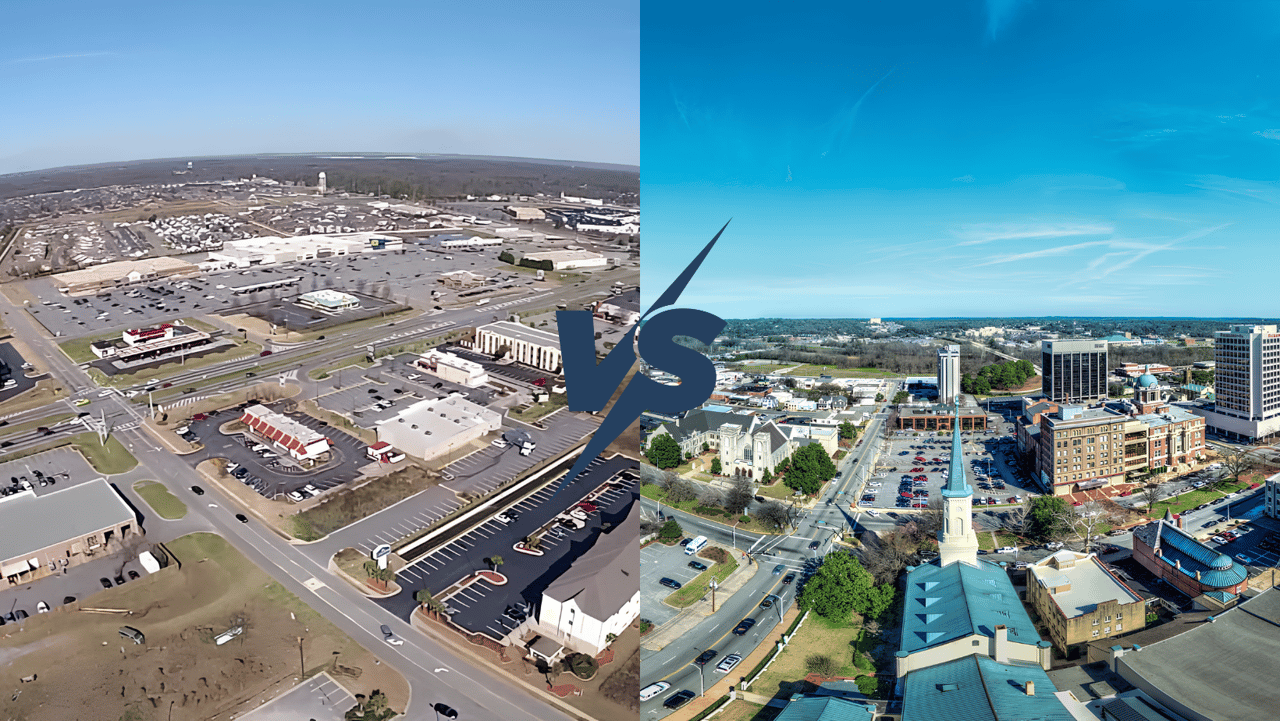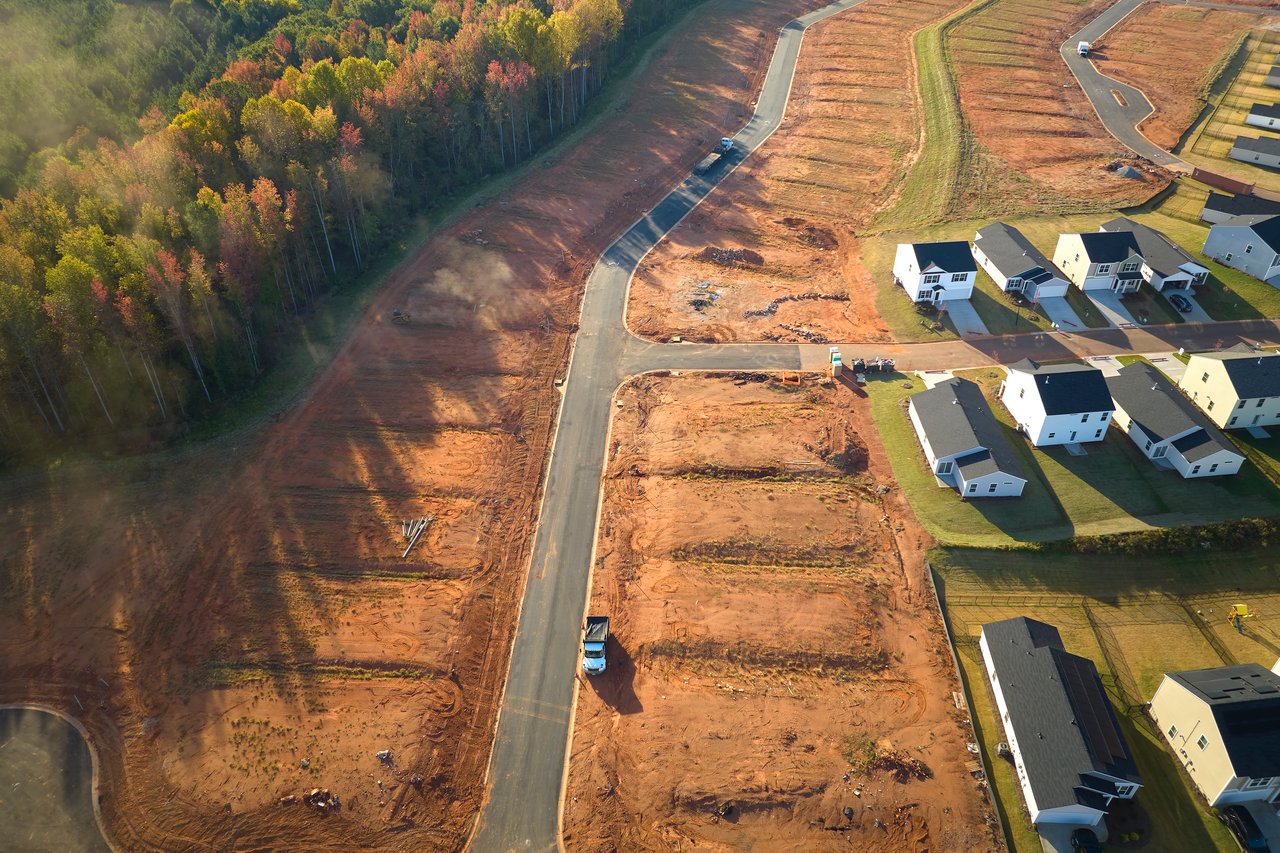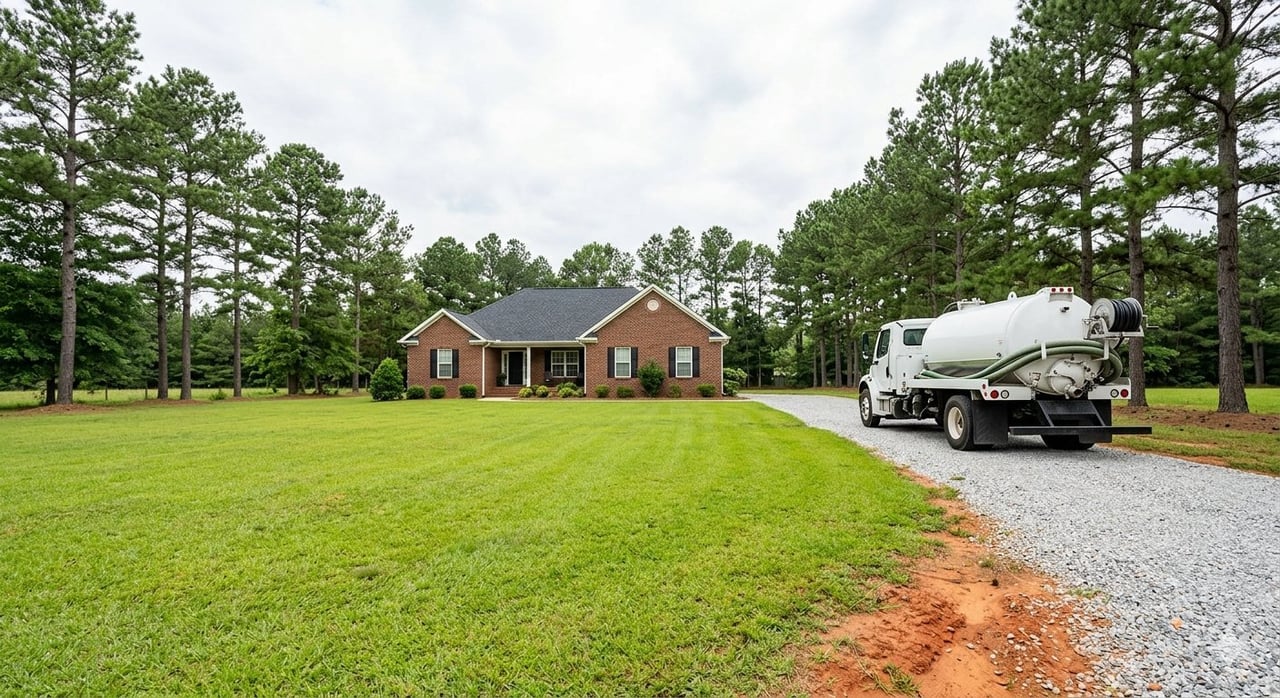
A utility company set a homeowner’s yard on fire.
They knew the company had access to their land — but had no idea what their rights were when it happened.
And that’s more common than you’d think.
Most homeowners in Houston County, Georgia know that utility companies can access certain parts of their property. But very few understand the legal distinction between an easement and a license, what rights the easement actually gives, and what happens when something goes wrong.
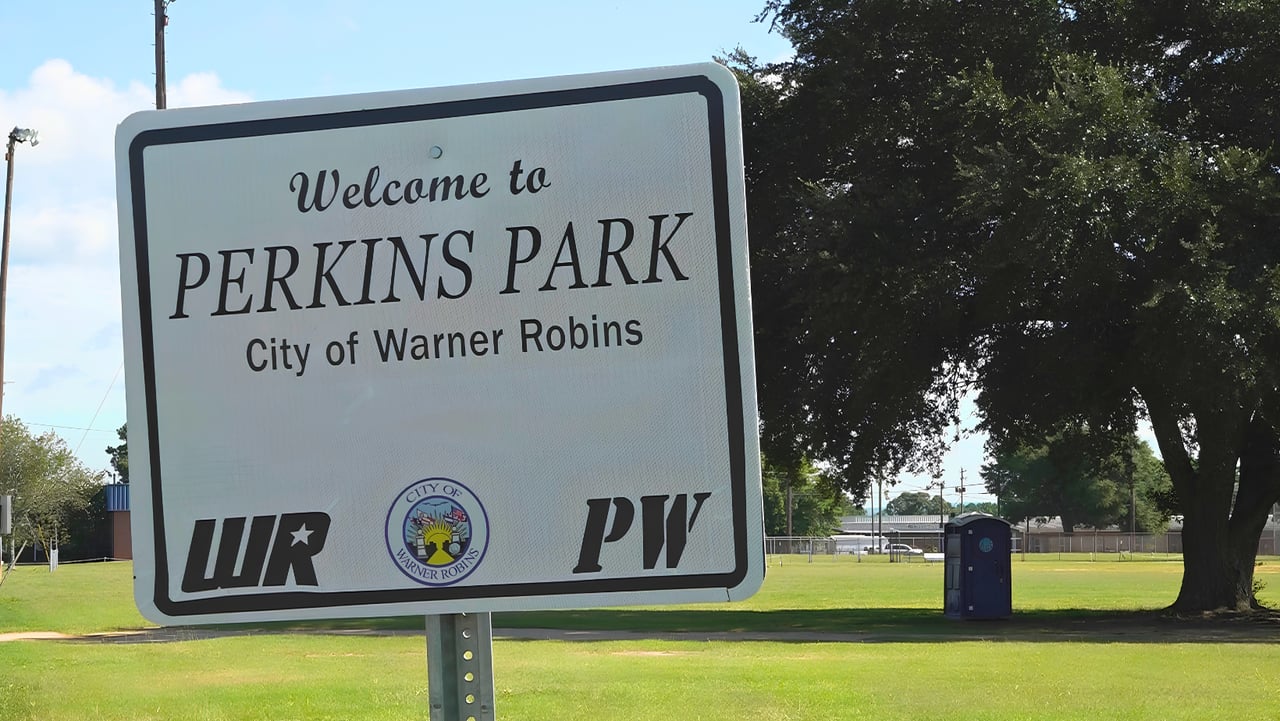
If you’re buying or selling a home in Perry, Warner Robins, Kathleen, Bonaire, or Byron, this is something you need to understand before you get to the closing table.
Easement vs. License: The Difference That Matters
Let me break this down simply.
What Is an Easement?
An easement is a legal right to use part of your land for a specific purpose — like utility lines, a shared driveway, or access to equipment.
Here’s the key: it stays with the property. Even when you sell, that easement transfers to the next owner. It’s tied to the land, not to you personally.
Common easements you’ll find on Houston County properties include:
• Utility easements — for power lines, gas lines, water and sewer infrastructure
• Drainage easements — allowing water to flow across your property to a drainage system
• Access easements — giving a neighbor or entity the right to cross your property to reach theirs
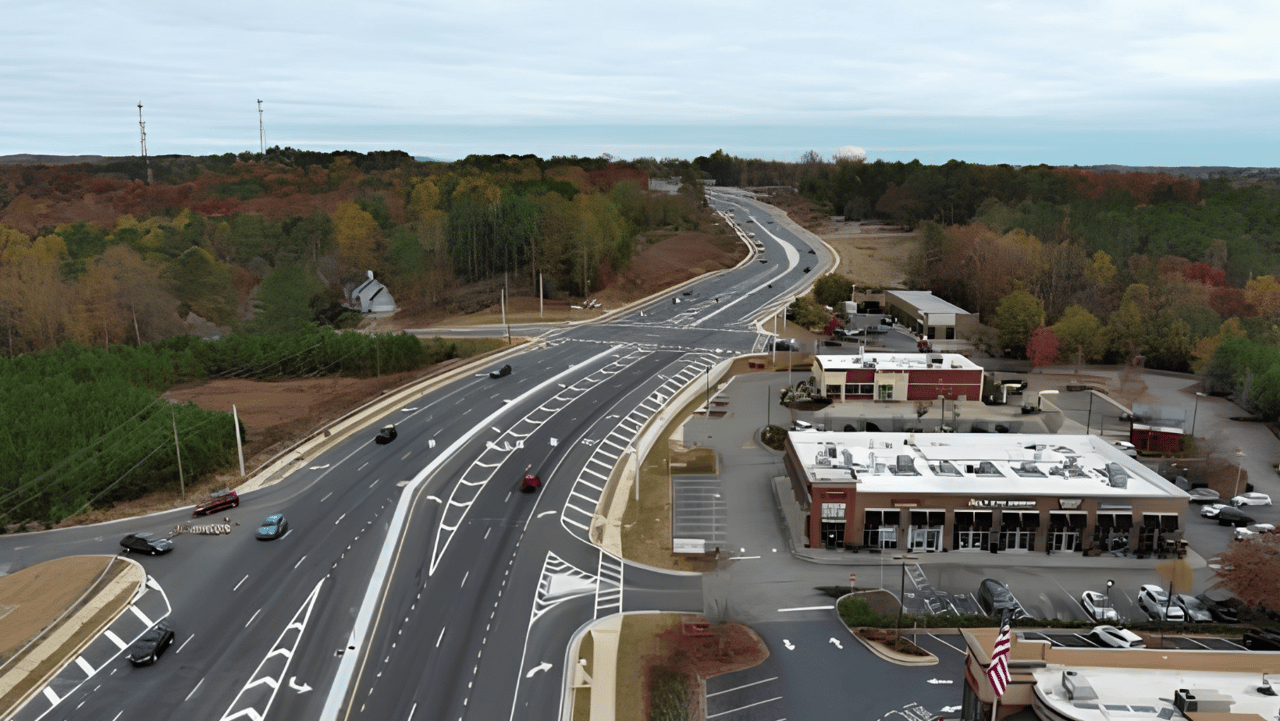
• Road and right-of-way easements — for existing or future road expansion
What Is a License?
A license is different. It’s just temporary permission. Like letting your neighbor use part of your yard for parking or giving someone access to walk through your property.
You can revoke a license anytime. And it does not transfer when the home sells. When you sell your house, the new owner starts with a clean slate — no obligation to honor your neighbor’s parking arrangement.
Why the Distinction Matters
|
Feature |
Easement |
License |
|
Legal status |
Recorded legal right |
Informal permission |
|
Duration |
Permanent (runs with the land) |
Temporary (revocable) |
|
Transfers with sale? |
Yes |
No |
|
Recorded on title? |
Yes (usually) |
No |
|
Can be revoked? |
Not easily — requires legal process |
Yes, at any time |
This distinction matters because easements are permanent obligations that affect the property’s value and usability, while licenses are informal and temporary. Confusing the two can lead to problems at closing.
Utility Easements: What You Need to Know
Utility companies can hold easements that give them the right to build roads, run lines, or access equipment through your property.
But they don’t just get a free pass because they have an easement. There are limits to what that easement covers. If they cause damage through negligence, you may have rights.
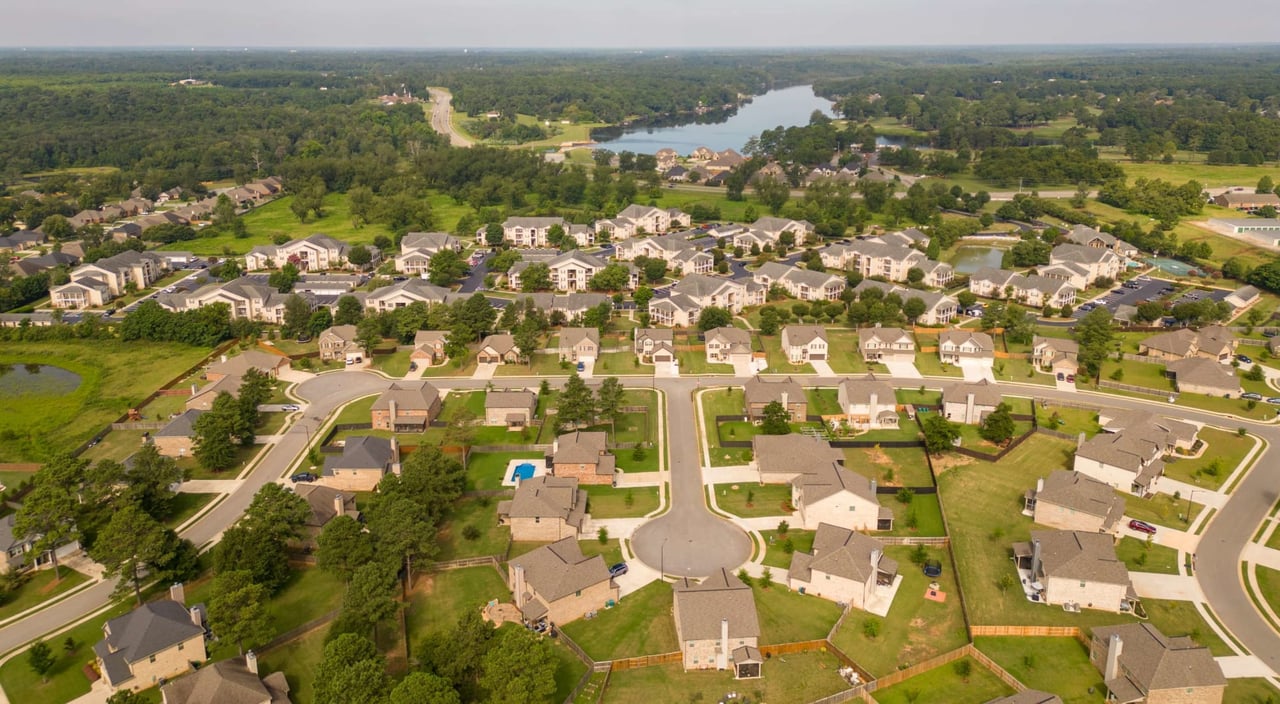
In Houston County, utility easements are especially common in newer subdivisions in Perry, Kathleen, and Bonaire where infrastructure is still being built out. They’re also present in older Warner Robins neighborhoods where power and sewer lines run through backyards.
Key things to understand about utility easements:
• The easement defines the scope — a company with a utility easement for power lines can’t use that same easement to build a road
• Negligence isn’t protected — if a utility company damages your property beyond what the easement allows, you may have legal recourse
• You can’t build permanent structures in a utility easement — sheds, fences, and pools placed in an easement area can be removed at the company’s request
• Easement width varies — some are 10 feet, some are 30+ feet; your survey will show the exact dimensions
If You’re Selling: What You Must Do
Here’s what I tell my clients when they’re preparing to sell in Houston County.
1. Don’t rely on memory. Pull your title report and your survey and look at what’s actually recorded on your property. You may have easements you didn’t know about — or ones you forgot were there.
2. Easements are material facts. Under Georgia law, sellers are required to disclose known material facts to buyers. Easements that affect the property’s use, value, or future development are considered material. Failure to disclose can create legal liability.
3. Formalize or terminate informal agreements. If you have any handshake deals with neighbors — a shared driveway, a fence that’s actually on their property, an agreement to use part of each other’s land — either formalize it in writing or terminate it before you list.
Because anything unclear can stall your closing or kill the deal entirely.
A buyer’s attorney or title company discovering an undisclosed easement or an informal arrangement during due diligence can delay closing by weeks or cause the buyer to walk away.
If You’re Buying: What You Should Check
Before you close on a home in Houston County, make sure you understand what easements exist on the property:
• Review the title report — your closing attorney or title company will pull this; read it carefully and ask about anything you don’t understand
• Review the survey — easements are shown on the property survey with their boundaries and dimensions; if there’s no recent survey, consider ordering one
• Ask about informal arrangements — does the seller have any verbal agreements with neighbors about fences, driveways, shared access, or land use?
• Understand the impact — an easement along the back of the property for utility access is very different from an access easement that crosses your driveway
• Ask your agent — your real estate agent should help you identify and understand easements as part of the due diligence process
Discovering an undisclosed easement after closing gives you far fewer options than discovering it before. Do the homework upfront.
Common Easement Scenarios in Houston County
New Construction Subdivisions
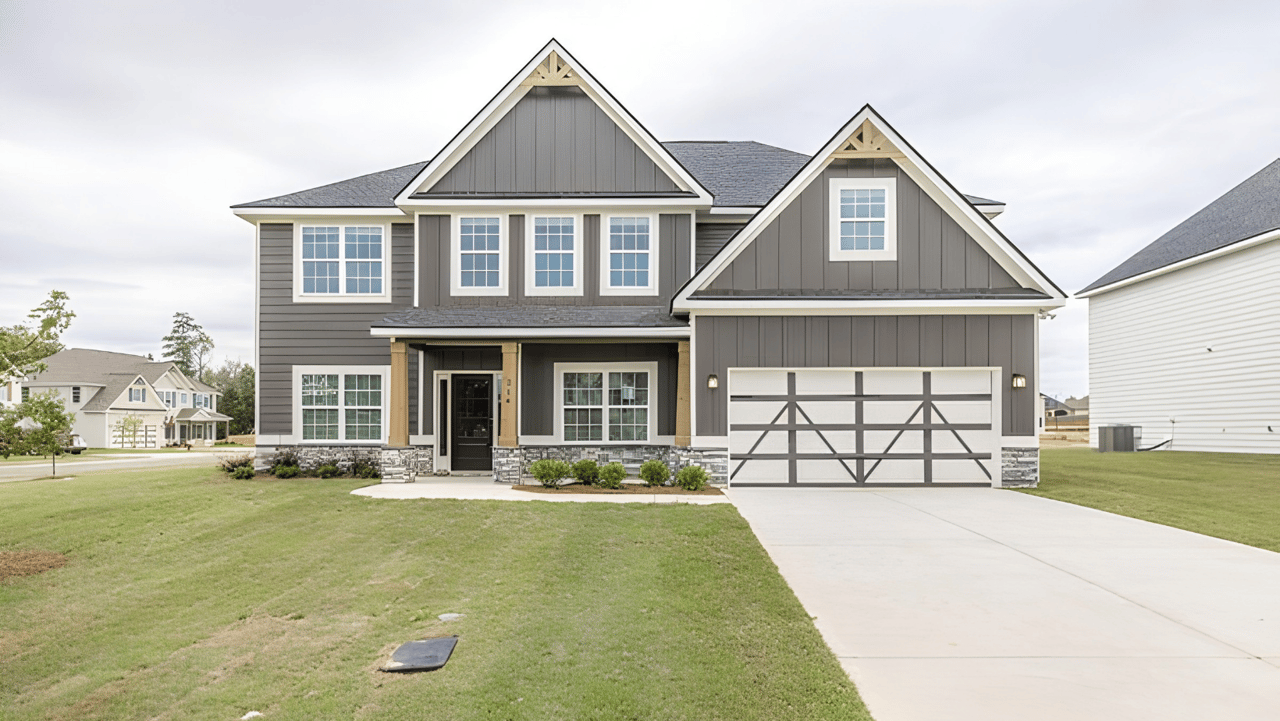
In newer developments across Perry, Kathleen, and Bonaire, utility and drainage easements are standard. Builders typically disclose these during the purchase process, but buyers should still review the plat and survey carefully. Some lots in newer subdivisions have easements that limit where you can place fences, sheds, or pools.
Older Warner Robins Neighborhoods
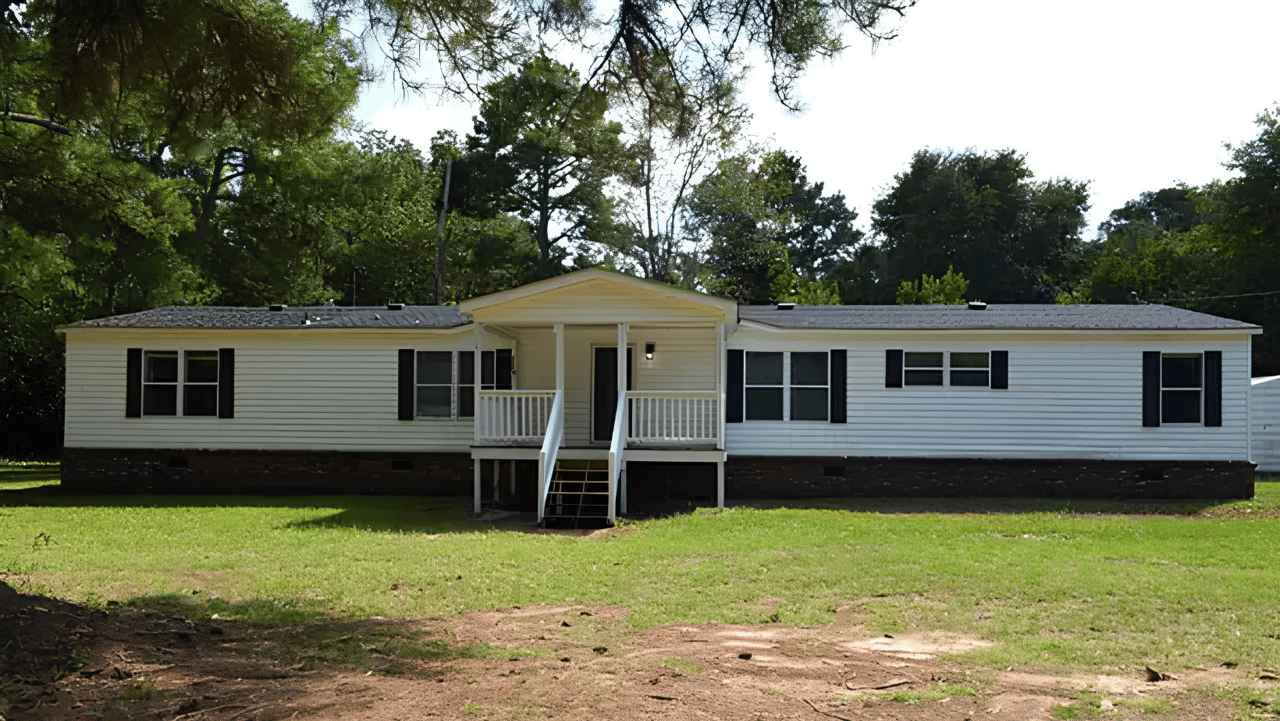
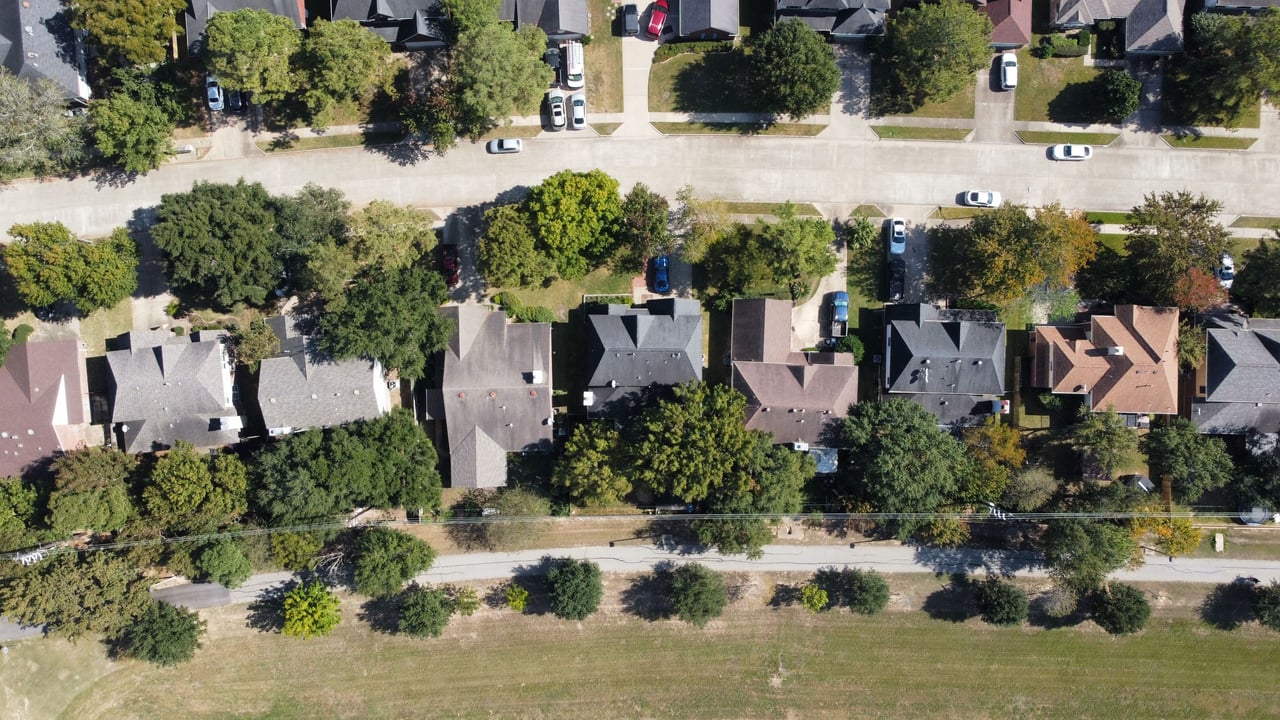
Homes built in the 1950s–1980s in Warner Robins may have utility easements through backyards that predate current owners. Some have overhead power lines running across the property. These are typically recorded on the title but may not have been highlighted to the current owner when they purchased. If you’re buying an older home, the survey is your best friend.
Rural and Large-Lot Properties
Properties on larger lots in Byron, the Perry outskirts, and areas along Highway 96 may have access easements allowing neighboring landowners to cross the property. These are common where land was subdivided decades ago and one parcel is landlocked behind another. Access easements run with the land and cannot be revoked by a new owner.
Shared Driveways and Fence Lines
Across all Houston County cities, shared driveways and fences that cross property lines are common — and frequently undocumented. If a formal easement exists, it’s recorded on the title. If it’s just a handshake deal, it creates risk for both buyer and seller at closing.
How This Applies to the Houston County Market Right Now
With active inventory expanding across Houston County — 158 listings in Perry, 163 in Warner Robins, 79 in Kathleen, 65 in Bonaire, 63 in Byron — buyers have more selection and more time to evaluate properties.
That evaluation includes due diligence. And easements are part of due diligence that gets overlooked until it becomes a problem.
Sellers who prepare by reviewing their title and survey before listing are less likely to encounter surprises that delay or derail their closing. Buyers who ask the right questions upfront protect themselves from inheriting obligations they didn’t know about.
For the latest inventory and market conditions by city, see the March 2026 market updates for Perry, Warner Robins, Kathleen, Bonaire, and Byron.
The Bottom Line
Easements are one of those things nobody thinks about until it’s too late.
If you’re selling — pull your title report and survey before you list. Disclose what’s there. Formalize or terminate informal agreements. Don’t let something that could have been handled in a day stall your closing for weeks.
If you’re buying — review the title, read the survey, and ask questions. Discovering an easement before closing gives you options. Discovering it after gives you problems.
Frequently Asked Questions About Easements in Houston County, GA
Q: What is an easement on a property?
A: An easement is a legal right for someone other than the property owner to use a specific part of the land for a defined purpose, such as utility access, drainage, or a shared driveway. Easements are recorded on the property’s title and transfer to new owners when the property is sold.
Q: What is the difference between an easement and a license?
A: An easement is a permanent legal right tied to the land that transfers with sale. A license is temporary, informal permission that can be revoked at any time and does not transfer when the property is sold.
Q: Do I have to disclose easements when selling my home in Georgia?
A: Yes. Under Georgia law, easements that affect a property’s use, value, or development potential are considered material facts that sellers must disclose to buyers. Failure to disclose known easements can create legal liability.
Q: Can a utility company do anything it wants with a utility easement?
A: No. A utility easement defines a specific scope of use. The company can only use the easement for the purpose stated (e.g., power lines). If they exceed the scope or cause damage through negligence, the property owner may have legal rights.
Q: Can I build a fence or shed in an easement area?
A: Generally, you should not place permanent structures in an easement area. The easement holder (such as a utility company) can require removal of structures that interfere with their access or use. Always check your survey to identify easement boundaries before building.
Q: How do I find out what easements are on my property?
A: Your property’s title report and survey will show recorded easements. You can obtain these from your closing attorney, title company, or the Houston County Clerk of Court. If you don’t have a recent survey, consider ordering one from a licensed surveyor.
Q: What happens if my neighbor and I have a handshake deal about a shared driveway?
A: An informal agreement is a license, not an easement. It does not transfer when the property is sold and can be revoked at any time. If you’re selling, you should either formalize the arrangement with a recorded easement or terminate it before listing to avoid complications at closing.
Q: Are easements common in Houston County GA subdivisions?
A: Yes. Utility and drainage easements are standard in newer subdivisions across Perry, Kathleen, Bonaire, and Byron. Older neighborhoods in Warner Robins frequently have utility easements through backyards for power and sewer lines. These are recorded on the plat and title.
Q: Can an easement reduce my property value?
A: It depends on the type and location. A standard utility easement along the back of your property typically has minimal impact on value. An access easement across your front yard or a high-visibility power line easement may affect value and buyer perception. Buyers should evaluate easements as part of their due diligence.
Q: What should I do before listing my home to prepare for easement questions?
A: Pull your title report and survey. Review what’s recorded. Formalize any informal neighbor agreements or terminate them. Prepare to disclose all known easements to potential buyers. This preparation can prevent surprises that delay or derail your closing.
Q: Can an easement prevent me from getting a home loan?
A: In most cases, standard utility and drainage easements do not affect mortgage approval. However, unusual easements — like an access road across the front yard or an easement that significantly limits the usable lot area — can raise concerns with lenders and appraisers. Discuss any unusual easements with your lender early in the process.
Q: Who is responsible if a utility company damages my property while using an easement?
A: If a utility company causes damage that exceeds the scope of their easement or results from negligence, the property owner may have legal rights. Document any damage with photos and contact the utility company in writing. If the damage is significant, consulting an attorney may be appropriate. The easement grants access — not immunity from negligence.
About the Author
William Walton-Dean is a real estate professional serving buyers and sellers across Perry, Warner Robins, Bonaire, Kathleen, Byron, and the broader Houston County housing market. Through detailed market analysis and hyper-local insight, he helps clients navigate Middle Georgia real estate with clarity and confidence.
📱 478-371-7069
Walton Dean Realty | Century 21 Homes and Investments
Buying or Selling and Want to Know What’s on Your Property?
If you’re getting ready to buy or sell in Houston County and want to make sure you know what easements, agreements, or encumbrances exist on the property, I’m here to help you navigate the process.
William Walton-Dean | Walton Dean Realty
📱 478-371-7069
Your dreams. Our dedication. A luxury experience tailored for you.