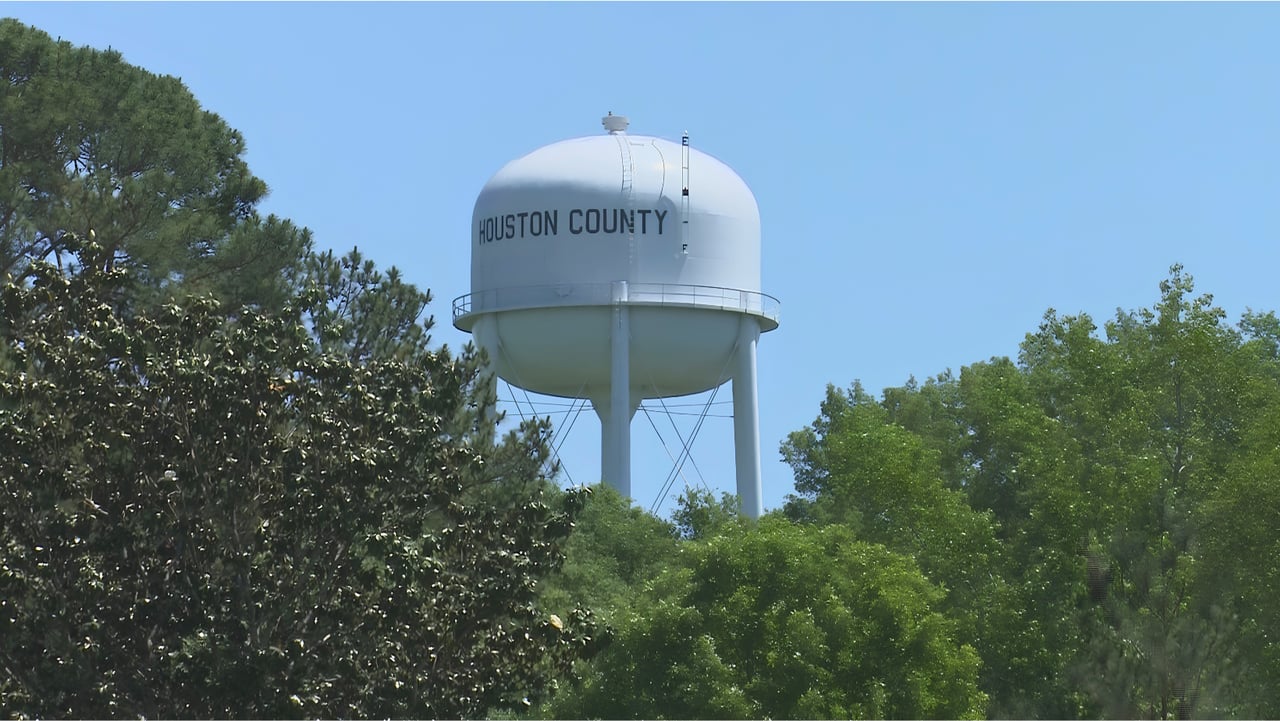
Wastewater treatment plants don't usually make for exciting real estate content.
But the A.E. Harris Wastewater Treatment Plant that just opened in March 2026 is arguably the single most important piece of Houston County real estate news this year — and most people have no idea it happened.
Here's why it matters. In Georgia, a city can only annex new land into its limits if it has the sewer capacity to actually serve it. No sewer capacity, no annexation. No annexation, no new subdivisions, no commercial development, no industrial parks.
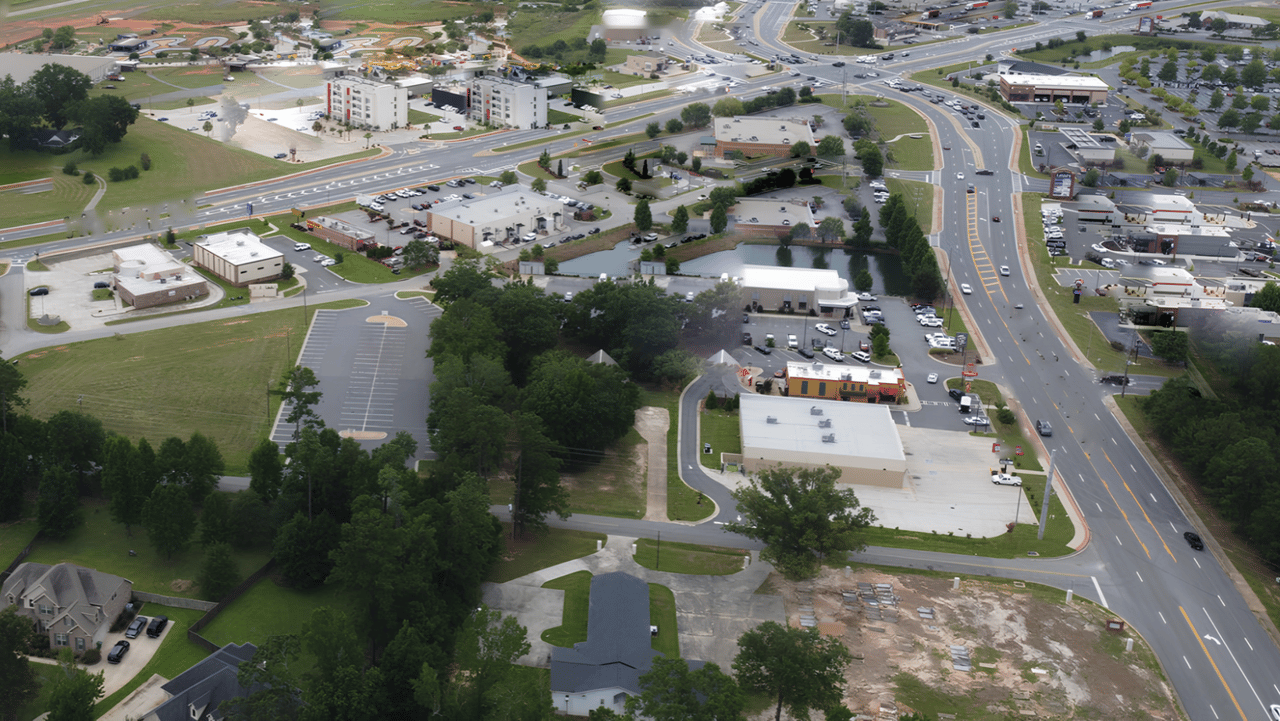
Perry's old wastewater plant on Frank Satterfield Road is over 70 years old and was already at maximum capacity. Which means until this new facility came online, the city physically couldn't grow east. That ceiling just lifted — and the implications for the next ten years of Perry development are bigger than anything else on the table right now.
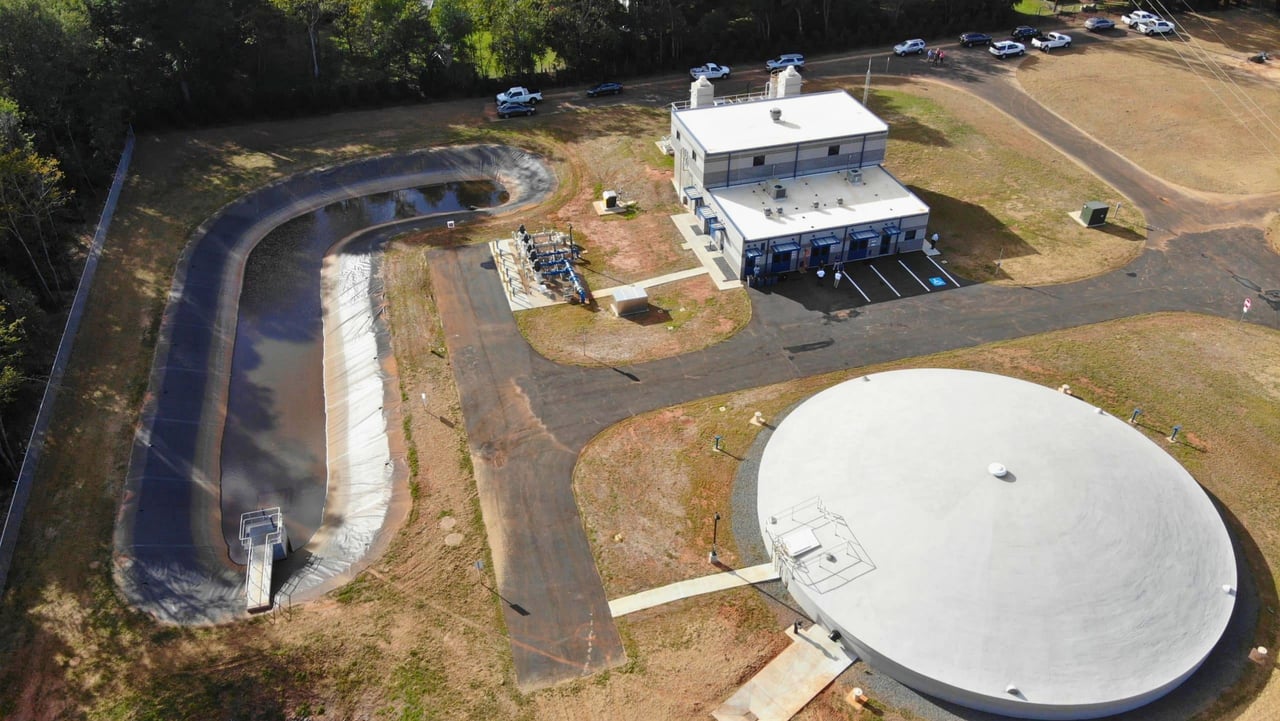
Inside the A.E. Harris Wastewater Treatment Plant
The new plant officially launched on Thursday, March 26, 2026, with what the city called a Turning of the Valve ceremony at 367 A.E. Harris Road in Perry. Mayor Randall Walker turned the valve. City Manager Robert Smith, Houston County Development Authority Chairman Dan Perdue, engineering and construction partners, and a long list of city staff and community leaders attended.
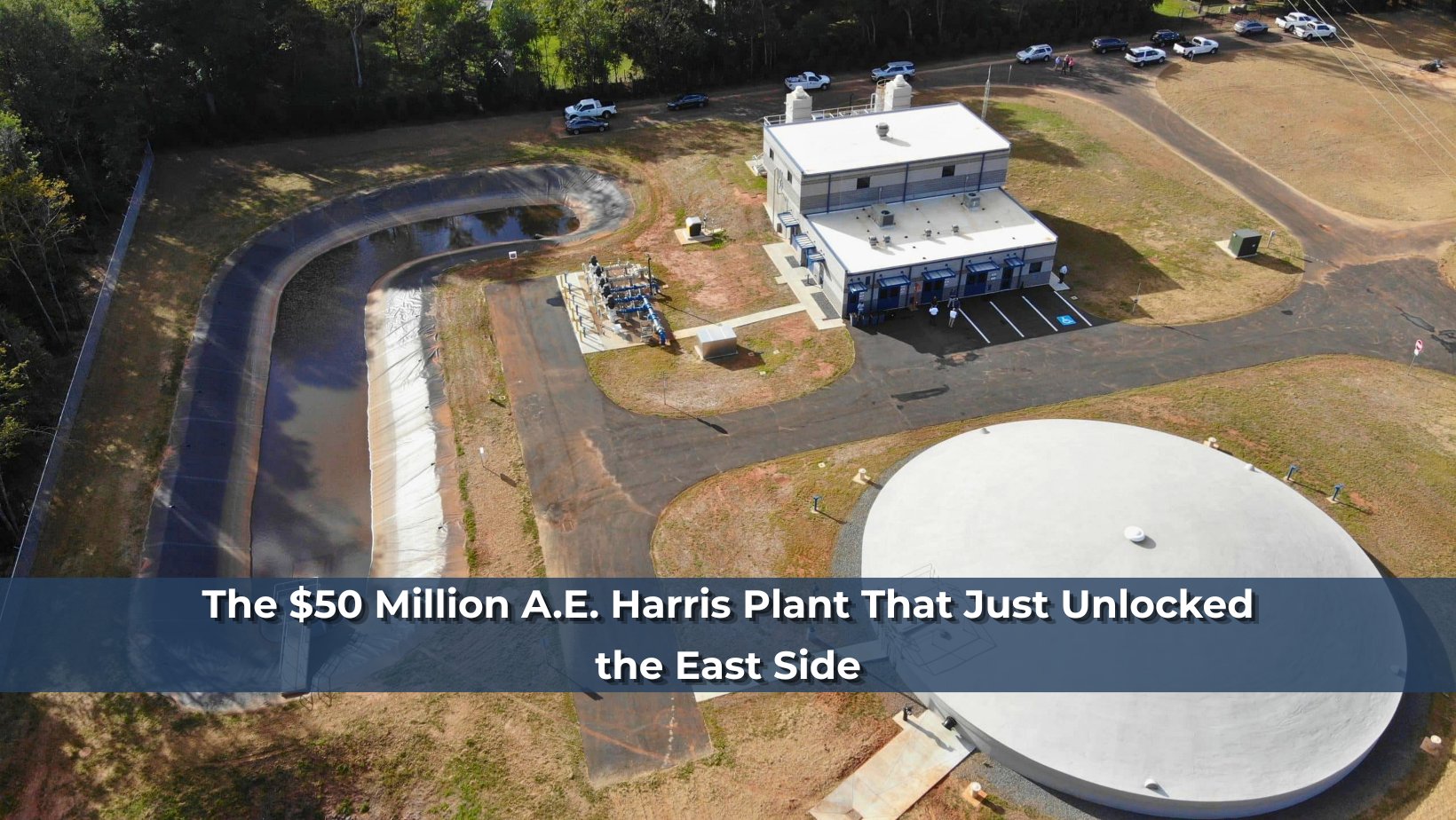
The plant is named after A.E. Harris and sits on a 46-acre greenfield site at the confluence of Mossy Creek and Big Indian Creek.
Here's what's actually been built:
● $50 million total project cost — financed entirely through the Georgia Environmental Finance Authority. Mayor Walker thanked the state for having faith in Perry to take on a project of this scale.
● Initial buildout of 2.5 million gallons per day capacity — more than triple Perry's previously available capacity
● On-site expansion capability up to 10 million gallons per day — enough headroom for decades of additional growth
● Site permitted for up to 25 million gallons per day total — which means the long-term ceiling on this plant is 10x the initial capacity
● 46-acre greenfield site at 367 A.E. Harris Road — selected specifically because it's the best location in Houston County to support eastward expansion
● Designed to support up to 20,000 new homes plus a planned industrial park — for context, Perry has roughly 26,000 residents today. The plant is sized to support a near-tripling of Perry's residential base over the long term.
● Treatment process removes organic loads, ammonia, phosphorus, and nitrates — once treated, the wastewater is available for potential reuse in the region
● Engineered by Burns & McDonnell — ranked No. 15 nationally for design of water projects according to Engineering News-Record
● Designed to operate for over 100 years — Mayor Walker called it a multi-generational investment, contrasting it with the 70+ year old Frank Satterfield Road plant
Why Sewer Capacity Is the Real Key to Perry's Growth
This is the part most people miss. To understand why a wastewater plant is the single most important factor in Perry's real estate trajectory, you have to understand how sewer capacity, annexation, and development connect.
Perry has a defined service area in which it's the sole sanitary sewer provider. The city requires annexation as a condition for connection to its sewer system. So a developer who wants to build a subdivision east of I-75 has two options:
● Annex into the City of Perry to access city sewer — which requires that Perry actually has the sewer capacity to serve the new development. Until March 2026, that capacity didn't exist.
● Build with septic systems — possible for low-density development, but not for the kind of master-planned subdivisions, commercial centers, or industrial parks that define modern growth
With the A.E. Harris plant online, the first option is now viable. The City of Perry's own RFP documents have explicitly stated that Phase 1 of the second wastewater treatment facility opens thousands of unincorporated acres on the east side of Perry to annexation and development.
Engineering Services Manager Chad McMurrian put it directly in the project announcement: 'This new facility will be essential in helping us meet the wastewater treatment needs of one of the fastest-growing cities in Georgia.'
The 7% Rate Hike: What Residents Are Paying
Plants like this one don't get built without somebody paying for them. In Perry's case, residents felt it directly through their water and sewer bills.
In July 2025, the Perry City Council raised water and sewer rates by 7%. City Manager Robert Smith cited the cost of paying off the new wastewater plant as a primary reason. In January 2026, an additional 3% increase was proposed but rejected by City Council after vocal opposition from residents — including Perry resident Debbie Smith, who told 13WMAZ that for retirees on fixed incomes, the increases were becoming a real burden.
Mayor Randall Walker acknowledged the concerns at the Turning of the Valve ceremony but defended the plant as essential, calling it a multi-generational investment in Perry's future.
That's the trade-off at the heart of every growth story: somebody pays today so the community can grow tomorrow.
What's Coming Next on Perry's East Side
The A.E. Harris plant is one piece of a much bigger east-side investment. Other moves the city has made or is making include:
● East Perry Sewer Outfall System — the connector pipes that link the new plant to existing and future east-side service areas
● East Perry Regional Park (Land Acquisition) — the city is using SPLOST funds to acquire land now, preventing sticker shock later. Expect future planning to balance active sports (pickleball, youth soccer) with inclusive recreation.
● Planned industrial park on the east side — specifically referenced by Burns & McDonnell as one of the new plant's intended uses, alongside new homes and businesses
● Continued residential growth at 300-500 new homes per year — which is expected to accelerate now that east-side capacity is unlocked
How This Fits Into the Bigger Houston County Picture
|
Project |
Investment |
Real Estate Impact |
|
A.E. Harris Wastewater Plant |
$50M |
Unlocks 20,000+ new homes east of I-75 |
|
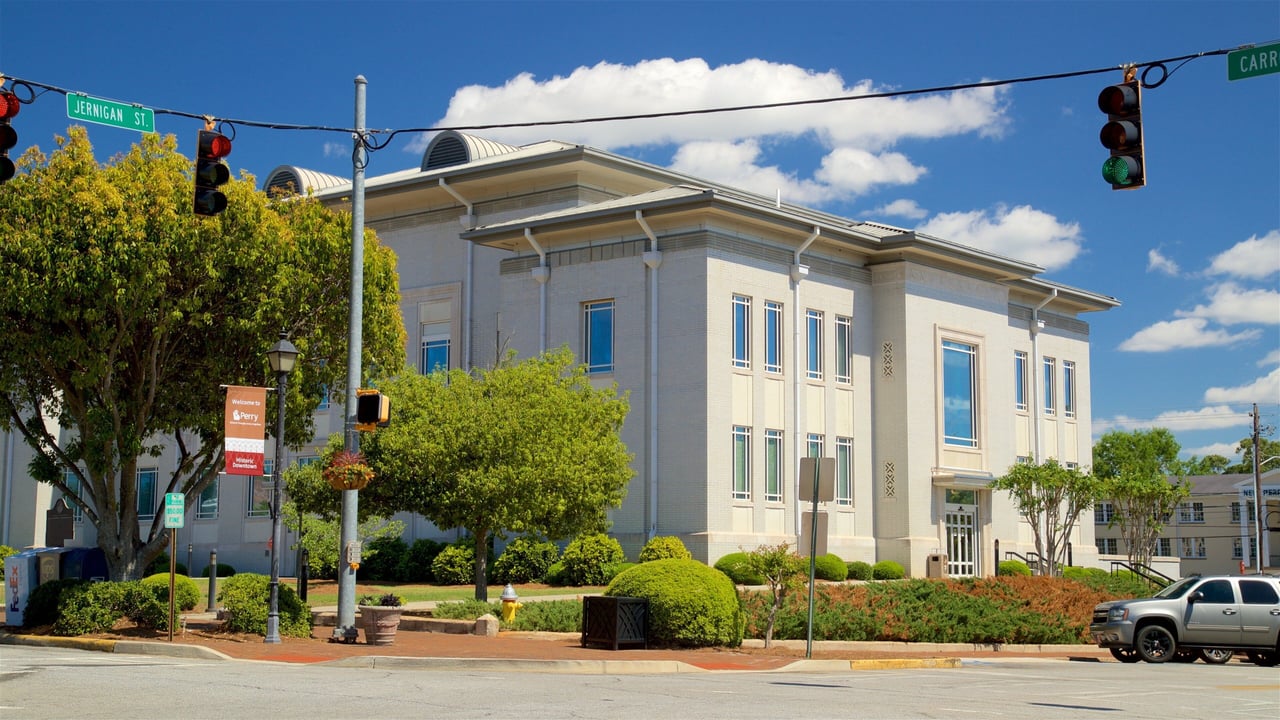
Jernigan Street SAP |
TBD (planning stage) |
Concentrated downtown property value lift |
|
Moody Road Rezoning |
Private development |
300+ acres ready for higher density |
|
STEM/Allied Health Academy (Byron) |
$100M+ |
Schools-driven regional value impact |
|
Pratt Industries Expansion (WR) |
Private |
180 jobs added April 2026 |
|
Marriott at GA Fairgrounds |
Private |
Hospitality + event-driven demand |
Of all these initiatives, the A.E. Harris wastewater plant is the most foundational. Every new subdivision, every commercial development, every home built east of I-75 over the next decade will trace back, in some way, to this plant existing.
What This Means for Buyers, Sellers, and Investors
If you own land on the east side of Perry
Your property's value just changed in a structural way. Land that previously couldn't connect to city sewer can now potentially be annexed, sewer-served, and developed. That's a meaningful uplift in raw land value for parcels with the right size, access, and location. If you've held undeveloped acreage east of I-75 for years waiting for the right moment, that moment is now.
If you own a home in east Perry
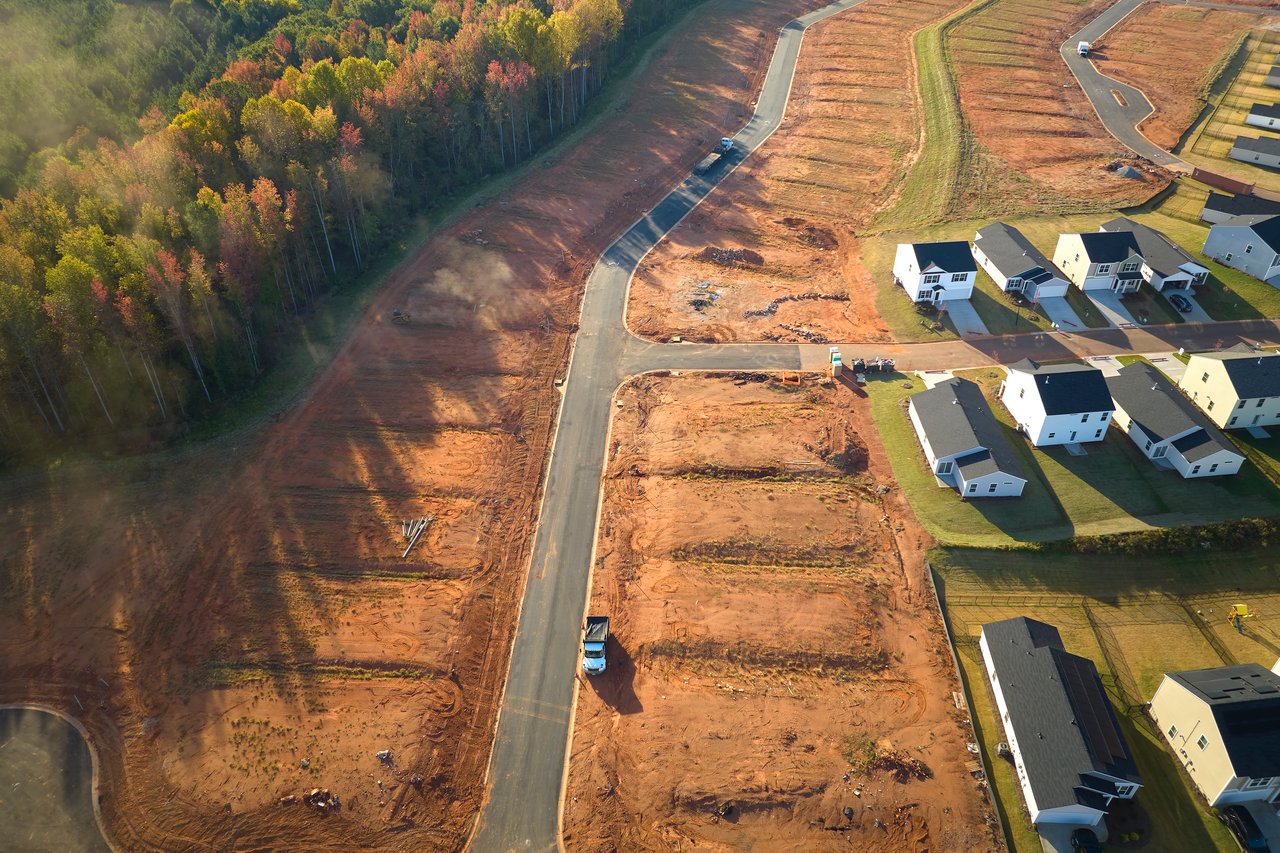
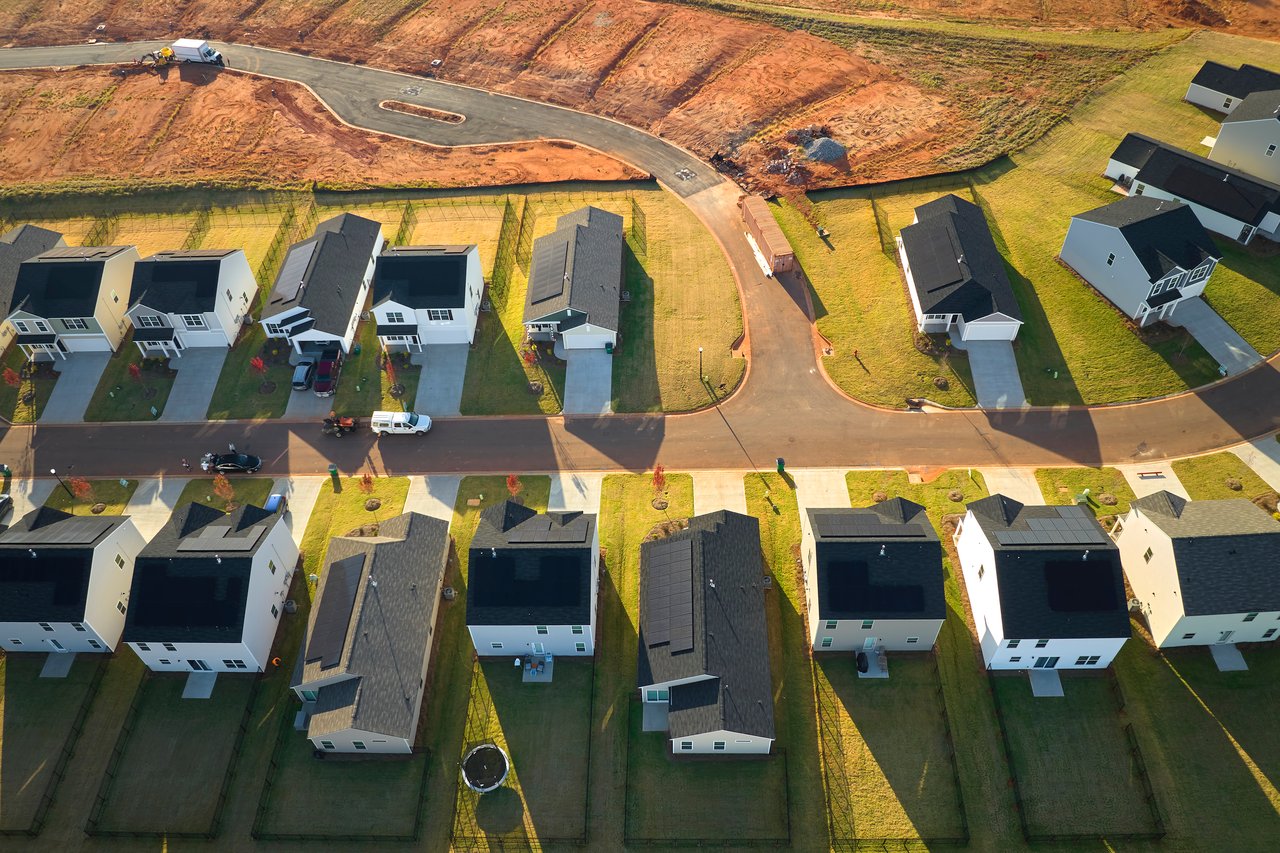
Your home is in a corridor that's about to see significantly more new construction. New subdivisions tend to lift comparable home values over time, especially when they're built to higher-end standards. Watch your neighborhood for new builder activity over the next 12-24 months.
If you're a buyer looking in Perry
New construction inventory east of I-75 is going to expand significantly. If you're price-sensitive and willing to be patient, the next 24-36 months will likely produce more options at a wider range of price points than Perry buyers have seen in years.
If you're a Houston County investor
The east-side annexation opportunity is the kind of macro shift that doesn't come along often. Land trades, build-to-rent opportunities, and small-scale commercial all become more viable as the area opens up. The early movers in these corridors typically capture the best entry pricing.
Final Thoughts
Most people will never know the A.E. Harris Wastewater Treatment Plant opened. They'll just notice that there are more new neighborhoods on the east side of Perry over the next several years.
That's how foundational infrastructure works — quiet at the moment of impact, obvious in retrospect.
If you own land or a home on the east side of Perry, or if you're a buyer or investor watching the Houston County market closely, this is the development that should reshape how you think about the next 10 years.
Frequently Asked Questions About the A.E. Harris Wastewater Plant
Q: What is the A.E. Harris Wastewater Treatment Plant?
A: The A.E. Harris Wastewater Treatment Plant is Perry's new $50 million wastewater treatment facility, located at 367 A.E. Harris Road on a 46-acre greenfield site at the confluence of Mossy Creek and Big Indian Creek. It officially opened with a Turning of the Valve ceremony on March 26, 2026.
Q: Why did Perry build a new wastewater treatment plant?
A: Perry's existing wastewater plant on Frank Satterfield Road is over 70 years old and had reached maximum capacity, which physically prevented the city from approving new annexations and large-scale development east of I-75. The new A.E. Harris plant adds 2.5 million gallons per day of treatment capacity, with room to expand to 10 million gallons on-site and a long-term permit allowing up to 25 million gallons per day.
Q: How much did the new Perry wastewater plant cost?
A: The total project cost was $50 million, financed entirely through the Georgia Environmental Finance Authority. The engineer of record was Burns & McDonnell, ranked No. 15 nationally for design of water projects.
Q: Will Perry water bills go up again because of the plant?
A: Perry water and sewer rates went up 7% in July 2025 specifically to help pay for the new wastewater plant. A proposed additional 3% increase in January 2026 was rejected by City Council. City officials haven't announced further plant-specific rate increases, though general utility rates often rise with inflation.
Q: Can I annex my property into the City of Perry now?
A: If your land is in Perry's defined service area on the east side of the city and you want city sewer access, the new wastewater plant capacity makes this realistic for the first time in years. Specific eligibility depends on your property's location, the city's annexation requirements, and other site-specific factors. The City of Perry Planning and Zoning department can provide the exact procedures.
Q: How many homes can the new plant support?
A: According to City of Perry communications, the plant is sized to support up to 20,000 new homes plus commercial development and a planned industrial park. Perry currently builds 300-500 new homes per year, which is expected to accelerate now that east-side capacity is unlocked.
Q: Where exactly is the new plant located?
A: The A.E. Harris Wastewater Treatment Plant sits on a 46-acre greenfield site at 367 A.E. Harris Road in Perry, at the confluence of Mossy Creek and Big Indian Creek. The location was selected specifically to support eastward expansion of the city limits.
Q: What about Perry's old wastewater plant on Frank Satterfield Road?
A: The original facility on Frank Satterfield Road is over 70 years old and remains in operation, continuing to serve the western and central portions of Perry. The new A.E. Harris plant is in addition to — not a replacement for — the existing facility, though it relieves the strain that came from the older plant being at full capacity.
Q: How long is the new plant designed to last?
A: Mayor Randall Walker said at the Turning of the Valve ceremony that the A.E. Harris plant is designed to last over 100 years, contrasting it with the 70+ year old Frank Satterfield Road plant. The plant uses advanced treatment processes that remove organic loads, ammonia, phosphorus, and nitrates, with the treated water available for potential reuse in the region.
Q: What is the planned industrial park on Perry's east side?
A: The City of Perry has explicitly identified a planned industrial park on the east side as one of the future uses the new wastewater plant is designed to support, alongside new residential and commercial development. The specific location, anchor tenants, and timeline have not yet been publicly announced.
Q: Should I buy land east of I-75 in Perry now?
A: It depends on your specific goals, the parcel, and the price. The new plant capacity makes east Perry land more valuable than it was 12 months ago, but specific parcels vary significantly. Annexation eligibility, road access, lot size, and existing zoning all matter. A specific property analysis is the only way to know if a piece of land is a good fit.
About the Author
William Walton-Dean is a real estate professional serving buyers and sellers across Perry, Warner Robins, Bonaire, Kathleen, Byron, and the broader Houston County housing market. Through detailed market analysis and hyper-local insight, he helps clients navigate Middle Georgia real estate with clarity and confidence.
📱 478-371-7069
Walton Dean Realty | Century 21 Homes and Investments
Ready for a Personalized Home Search?
If you own land or a home affected by what's happening in Houston County and want to see what it means for your specific property — filtered by neighborhood, condition, and the things that matter most to you — I'm here to help.
William Walton-Dean | Walton Dean Realty
📱 478-371-7069
Your dreams. Our dedication. A luxury experience tailored for you.
This information is provided for general educational purposes. Market conditions, pricing, and availability can change, and buyers should confirm details at the time of inquiry.