Title companies across the country reported a sharp rise in seller impersonation fraud in 2025, and the property most often targeted is the kind Houston County has in abundance: vacant land, paid-off houses and parcels owned by someone who lives somewhere else. In the American Land Title Association's 2026 Seller Impersonation Fraud Study, 59 percent of title firms said they encountered at least one attempt in 2025, up from 28 percent in the association's 2024 study. Vacant land was the most common target, named by 82 percent of respondents, followed by absentee-owned property at nearly three quarters and free-and-clear property at 68 percent.
The scheme works by borrowing the owner's identity rather than breaking into the house. An impersonator armed with the owner's name and personal data, which ALTA's respondents said often includes real birth dates, Social Security numbers and financial details, contacts a real estate agent, prefers to communicate by phone and email, prices the property for a quick cash sale, and asks to sign the closing documents by mail with a notary of the impersonator's choosing. Spoofed contact information was the most common tactic, reported by 87 percent of firms, and nearly 6 in 10 said deepfaked or manipulated voice or image technology was a common feature. The proceeds are wired out, and the true owner learns of the sale from a surveyor, a new neighbor or a tax bill in someone else's name.
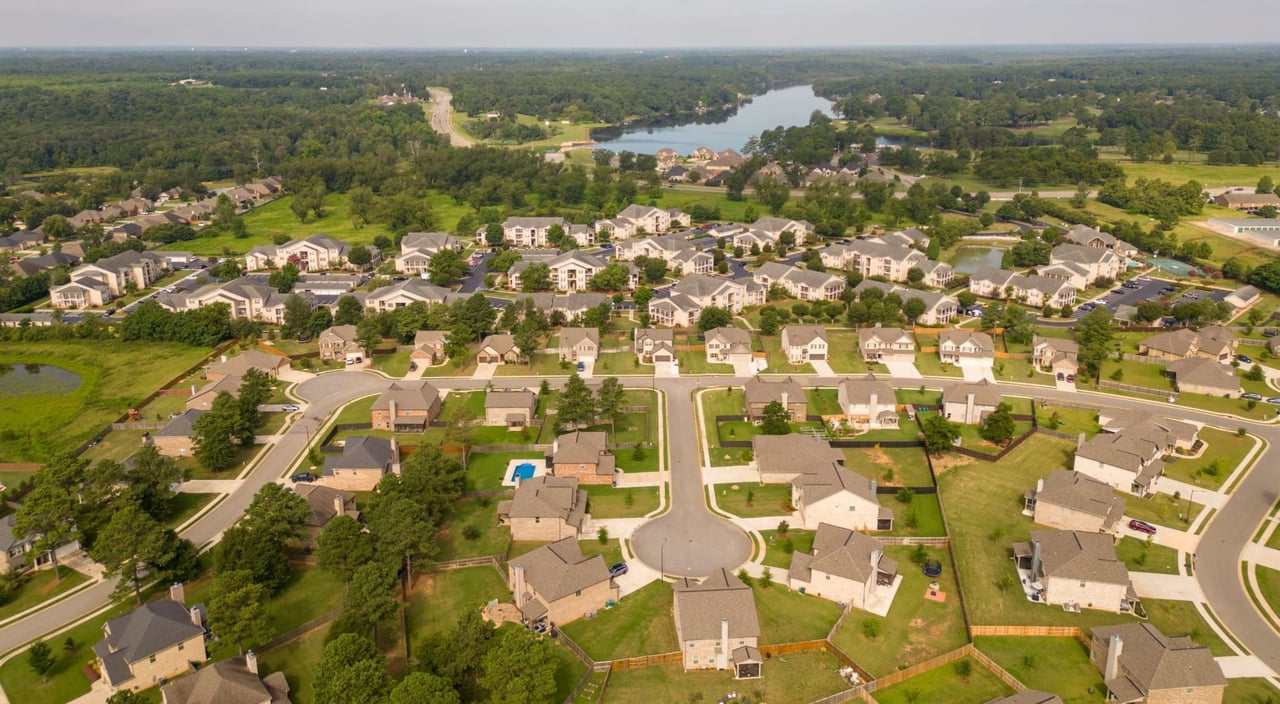
Around Elko, Perry, Hawkinsville and the unincorporated county, family land that nobody lives on, inherited houses in Warner Robins and Centerville, and homes kept as rentals by owners on orders at Robins Air Force Base all fit the profile. This guide explains how the fraud works, what the warning signs are, how Georgia's free Filing Activity Notification System alerts an owner the moment a document is filed under their name, and what sellers, buyers and agents in Houston County should do.
What the Scammers Look For
Property type | Share of title firms reporting it as a target |
Vacant land | 82 percent |
Absentee-owned property | Nearly three quarters |
Free-and-clear property (no mortgage) | 68 percent |
Property of a recently deceased owner | More than half |
Vacation homes | 51 percent |
Rental property | 48 percent |
Agricultural land | 36 percent |
Primary residences | 25 percent |
Source: American Land Title Association, Seller Impersonation Fraud Expands in Scope and Sophistication, September 15, 2026. ALTA reports that vacation homes, rentals, agricultural land and primary residences all rose as targets compared with the 2024 survey.
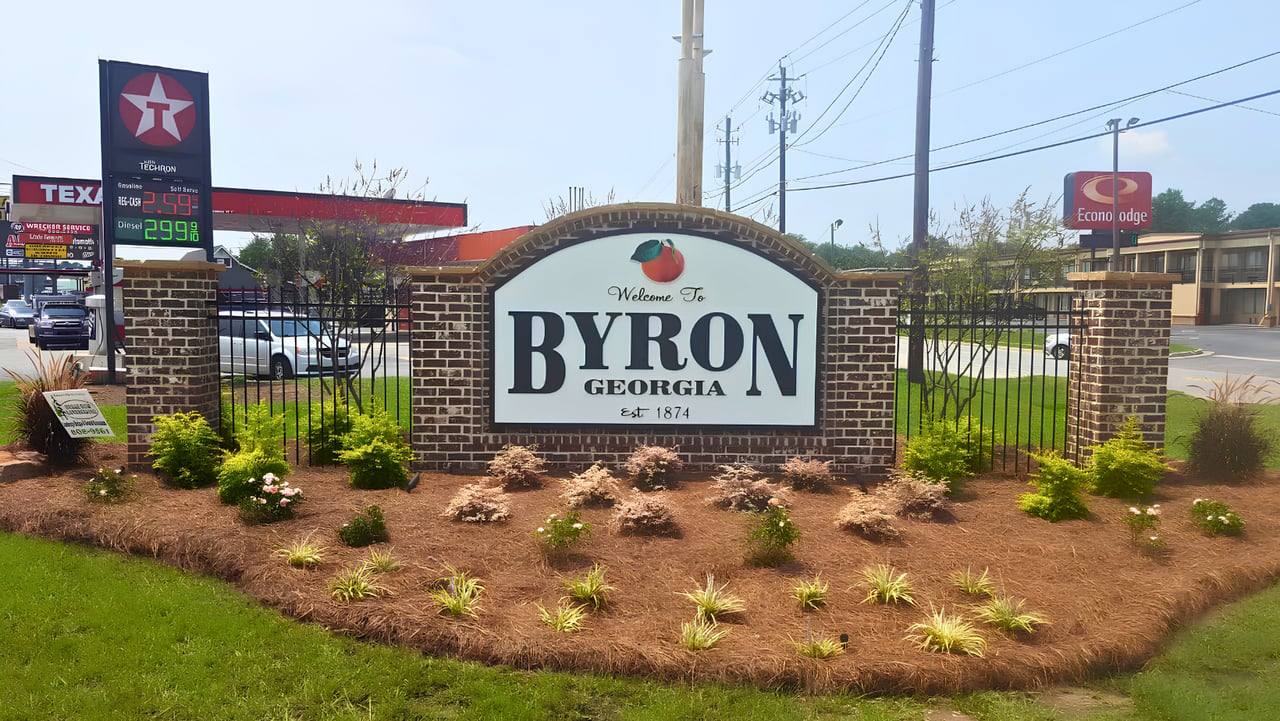
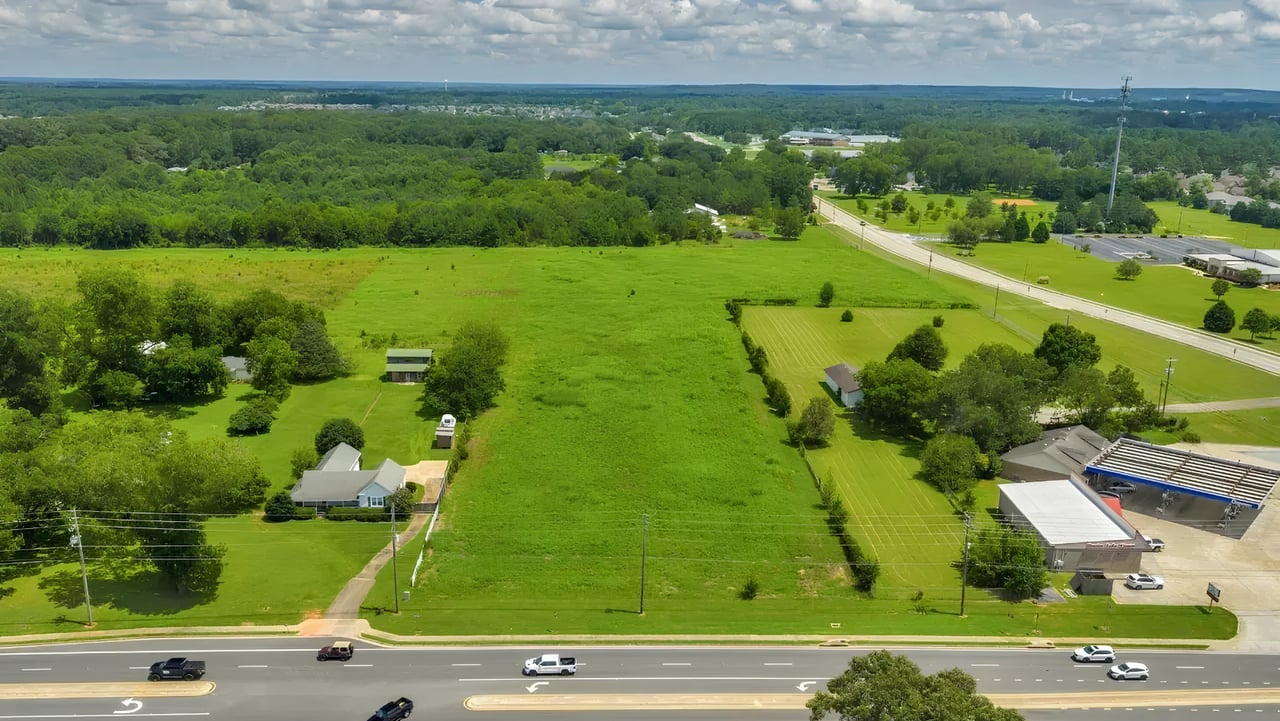
The pattern has a logic. A parcel with no house on it has no occupant to notice a stranger, no utility account, no mail and often no mortgage lender watching the title. A house owned by someone living in another state, or by heirs who have not been to the property in years, has the same weaknesses. In Houston County that describes timber and pasture tracts around Elko and Hayneville, inherited lots in older parts of Warner Robins, acreage south of Perry toward Hawkinsville, and more than a few houses in Bonaire and Kathleen whose owners kept them as rentals after a move. Neighboring Byron in Peach County has the same mix of rural land and absentee ownership.
How the Fraud Unfolds
The impersonator starts with public records. Ownership, the owner's name, whether there is a mortgage and the mailing address on the tax bill are all available through the Houston County Tax Assessor's qPublic site and the Clerk of Superior Court's deed index, which is how the fraud finds its targets. With the owner's name and whatever personal data has been obtained elsewhere, the impersonator contacts a listing agent, often from out of the area, explains that the property needs to sell quickly, and sets a price low enough to draw a cash buyer without raising questions.
From there the scheme depends on distance. The impersonator declines to meet in person, prefers email and text, and may use a spoofed phone number or email that resembles the owner's. When the sale reaches closing, the impersonator asks to sign remotely, with documents mailed to an address and notarized by a notary the impersonator selects. A forged deed is recorded, the proceeds are wired, and the money is gone before anyone connects the sale to the real owner. ALTA's respondents said preventing the fraud before closing is far more effective than unwinding it afterward.
Unwinding it is where the real owner's cost comes in. Under Georgia property law a forged deed conveys nothing, but the forged deed sits in the county record until a court removes it, which means a quiet title action, an attorney, and months during which the owner cannot sell, borrow against or clearly prove ownership of the property. The buyer who paid for the land typically has a claim under an owner's title insurance policy. The true owner, who was never a party to the transaction, has the court.
The Warning Signs
Red flag | Why it matters |
Seller avoids meetings, phone calls or video | The leading indicator in ALTA's study; impersonators cannot survive a face-to-face check |
Request for a mail-away signing with the seller's preferred notary | Removes the closing attorney's chance to verify identity in person |
Cash transaction | No lender, so no second set of identity and title checks |
Property with no mortgage or encumbrance | No lienholder to be paid off, so no payoff statement that would reach the real owner |
Below-market sale price | Designed to produce a fast, uncontested offer |
Unusual seller behavior in communications | Inconsistent details, pressure to move quickly, reluctance to answer questions about the property |
Georgia's Free Filing Alert: FANS
The Filing Activity Notification System, known as FANS, is a free service from the Georgia Superior Court Clerks' Cooperative Authority, the body created by the General Assembly in 1993 that maintains the statewide index of deeds, liens and plats filed with each county's Clerk of Superior Court. An owner registers a name, along with an email address or mobile number, and chooses the record types to watch. When a filing is indexed under that name in the selected records, the system sends an email or text notice.
The alert does not block a filing. It tells the owner that something was recorded, which is the point: a fraudulent deed that would otherwise sit unnoticed for months becomes a notification the same week it is filed, early enough for the owner to contact the Clerk, the closing attorney named on the document and law enforcement. Registration is at fans.gsccca.org. Owners of family land should register each name that appears on the deed, including a deceased parent's name if the estate has not been retitled, since the fraud often targets property still held in the name of someone who has died.
Where to Check Your Property Record in Houston County
What to check | Where | What it tells you |
Who is listed as owner and where the tax bill is mailed | Houston County Tax Assessor, qPublic record for the parcel | Whether the owner of record and mailing address are still correct |
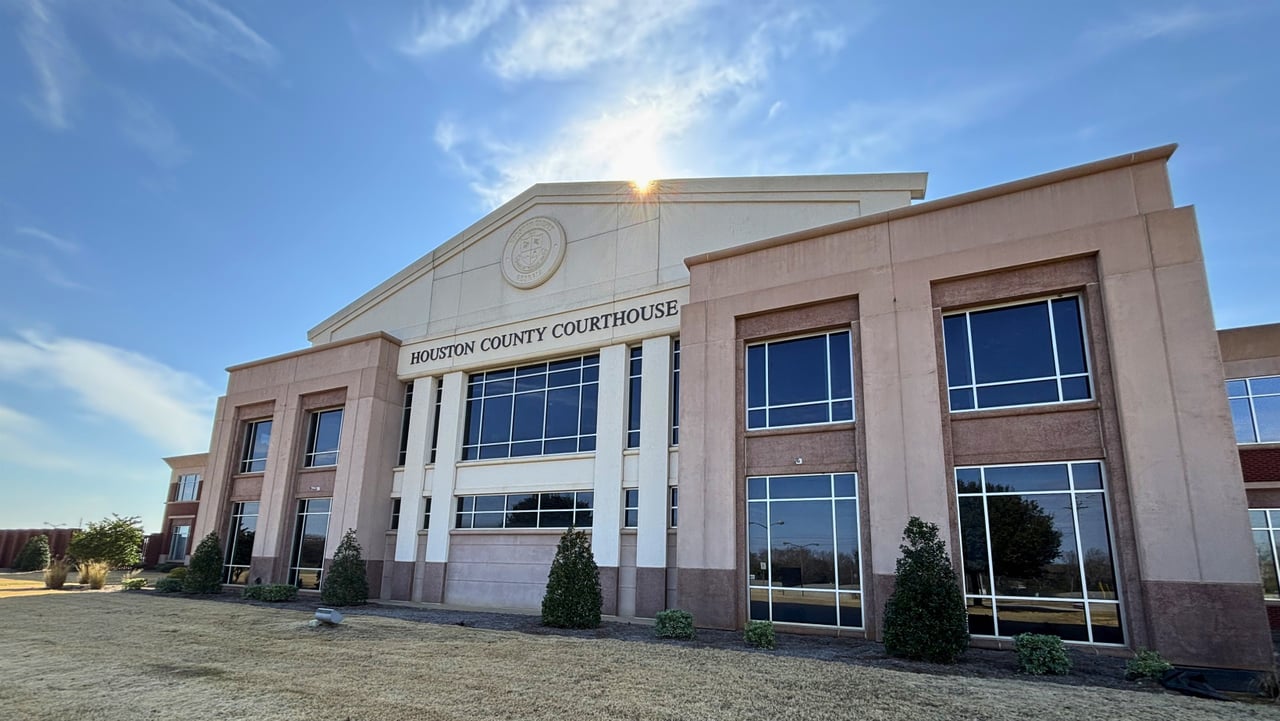
Deeds, liens and plats filed on the property | Houston County Clerk of Superior Court deed records, searchable through the GSCCCA index | Whether any document has been recorded that the owner did not sign |
Alert on new filings under your name | FANS, fans.gsccca.org | Email or text notice when a filing is indexed under the registered name |
Neighboring Byron | Peach County Clerk of Superior Court and Peach County Tax Assessor | Same checks; Byron parcels are recorded in Peach County |
How Do I Prove I Am the Real Owner When I Sell Land in Houston County?
Title companies and closing attorneys now verify a seller's identity through government ID checks, independently verified phone or video contact, multifactor authentication and approved notary networks, and ALTA's study found the firms that felt most prepared coordinated those checks formally with listing agents. A seller of vacant land or absentee-owned property in Houston County should expect to be asked for identification, to speak by video or in person, and to sign in front of the closing attorney or a notary the attorney approves, even for a small parcel.
I verify sellers in person or on video before a property is listed, and I tell landowners up front that the questions are not about them. They are about the 32 other sellers an impersonator might be pretending to be that month. A seller who lives out of state can complete the process by video and by signing before a notary the closing attorney accepts; what no legitimate seller needs is a mail-away signing with a notary nobody at the closing table has heard of. The seller who makes verification easy also makes the buyer's title company comfortable, and a comfortable title company is a closing that happens on time.
How Do I Know the Person Selling Me Land Is the Real Owner?
A buyer's protection comes from the closing attorney's title examination, the identity verification the title company performs, and an owner's title insurance policy, which is the coverage that responds if a forged deed later surfaces in the chain of title. Georgia closings are conducted by attorneys, and in Houston County the attorney's office is the place to ask whether the seller's identity has been verified through a channel independent of the seller's own email and phone.
My rule for buyers is simple. If the seller of a piece of land will not get on a phone or video call, stop. A below-market price on a paid-off parcel from a seller who only communicates by email is the ALTA profile of this fraud almost line for line. Insist on an owner's title policy even on a cash purchase of land, because it is the one piece of paper that pays if the deed turns out to be forged, and ask the closing attorney to confirm that the seller will sign in person or before an approved notary. None of that slows down a legitimate seller by more than a day.
Frequently Asked Questions
What is seller impersonation fraud?
Seller impersonation fraud is a scheme in which a criminal poses as the owner of a property, usually vacant land or a home the owner does not live in, lists it for sale, and collects the proceeds at closing. The impersonator uses the real owner's name and often real personal data, communicates by phone and email, prices the property for a quick cash sale, and signs the closing documents remotely before a notary of the impersonator's choosing. The true owner typically discovers the sale only after a forged deed has been recorded with the county.
How common is seller impersonation fraud in Georgia?
ALTA's 2026 study reports national figures rather than state-by-state results. Nationally, 59 percent of title firms encountered at least one attempt in 2025, up from 28 percent in the 2024 study, and 45 percent reported an attempt in April 2026 alone. Georgia is not broken out, but the property types most targeted, vacant land, absentee-owned and free-and-clear property, are common across Houston County, from acreage around Elko and Hawkinsville to inherited houses in Warner Robins and rentals in Bonaire and Kathleen.
What kind of property do land scammers target?
Vacant land is the most common target, reported by 82 percent of title firms in ALTA's study. Absentee-owned property was reported by nearly three quarters of firms, free-and-clear property by 68 percent, property of a recently deceased owner by more than half, vacation homes by 51 percent, rental property by 48 percent, agricultural land by 36 percent and primary residences by 25 percent. The common thread is property without an occupant, a lender or an attentive owner to notice a stranger acting on it.
How would I find out if someone sold my land without me?
Without an alert, most owners find out after the fact, from a surveyor or contractor on the property, a new neighbor, a property tax bill addressed to someone else, or a title problem when they try to sell or borrow. With Georgia's Filing Activity Notification System, an owner receives an email or text when a deed, lien or plat is indexed under the registered name, which turns a months-long discovery into a same-week notice. Checking the parcel's qPublic record and the Clerk of Superior Court's deed index periodically is the manual version of the same check.
What is FANS and does it cost anything?
FANS is the Filing Activity Notification System, a free service of the Georgia Superior Court Clerks' Cooperative Authority operated with the Superior Court Clerks of Georgia. An owner registers a name with an email address or mobile number at fans.gsccca.org and selects the record types to monitor, which include real estate, personal property, liens and plats. When a filing is indexed under that name, the system sends a notification. There is no charge to register or to receive alerts.
Does FANS stop a fraudulent deed from being recorded?
No. FANS is a notification service, not a block. The Clerk of Superior Court records documents that meet the filing requirements, and FANS tells the registered owner that a filing has been indexed under their name. The value is speed: an owner who learns of a forged deed within days can contact the Clerk, the closing attorney listed on the document, the title company and law enforcement before the proceeds are gone and before the buyer has built anything on the land.
What should I do if I get a FANS alert for a filing I did not make?
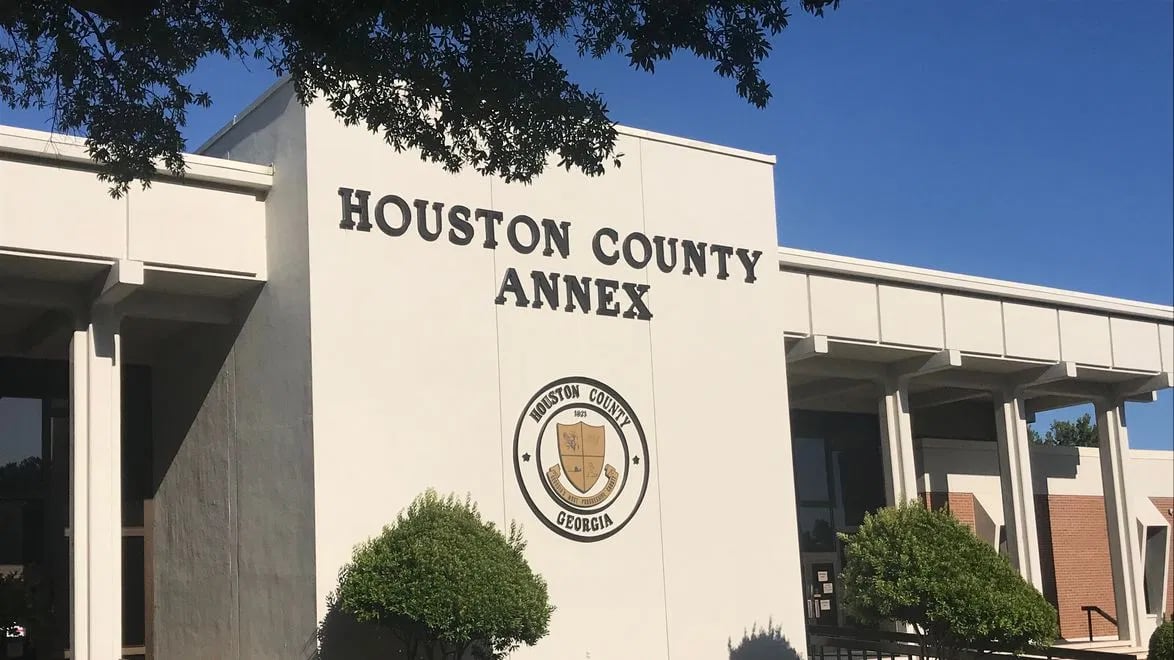
Pull the document from the Clerk of Superior Court's records to see what was filed and by whom. Contact the Clerk's office, the closing attorney or law firm named on the document, and a real estate attorney of your own, and report the matter to law enforcement. If a sale has closed, the title company that insured the buyer will want to know immediately. Do not sign anything presented by the party who filed the document. In Houston County the Clerk of Superior Court is in Perry; Byron parcels are recorded with the Peach County Clerk.
Can a forged deed take my land in Georgia?
Under Georgia property law a forged deed is void and conveys no title, so the true owner does not lose ownership by virtue of the forgery itself. The practical problem is that the forged deed remains in the county record until a court removes it, which requires a quiet title action and an attorney, and in the meantime the owner's ability to sell, borrow against or prove clear title to the property is impaired. Owners who discover a forged deed should retain a real estate attorney promptly; the facts of each case control the remedy.
Does title insurance protect the real owner in a seller impersonation case?
An owner's title insurance policy protects the insured, which in a fraudulent sale is the buyer who purchased the policy at closing, not the true owner who was never a party to the transaction. The buyer may recover under the policy for the loss caused by the forged deed. The real owner's remedy is a court action to clear the record. That difference is why title companies have moved so heavily into identity verification: the loss lands on them and on the buyer, and prevention costs less than any claim.
Should I register family land held in a deceased parent's name?
Yes. ALTA's study found that property of recently deceased owners was targeted by more than half of responding firms, because an estate that has not been retitled has no living owner of record to notice activity. Heirs should register the deceased owner's name and their own names with FANS, confirm the mailing address on the Houston County Tax Assessor's record, and consider completing the estate transfer so the deed reflects the current owners. An estate attorney can advise on the probate and retitling steps.
Is Byron covered by the same alert system as Houston County?
FANS is a statewide service of the GSCCCA operating with the Superior Court Clerks of Georgia, and the GSCCCA maintains the statewide index that county filings are reported into. A property in neighboring Byron is recorded with the Peach County Clerk of Superior Court rather than Houston County's, so the owner registers the same way and should confirm during registration that Peach County filings are included. The manual checks are the same: the Peach County Tax Assessor's record and the Peach County deed index.
Sources: American Land Title Association, Seller Impersonation Fraud Expands in Scope and Sophistication, ALTA Finds, September 15, 2026 (245 title professionals, 40 states, D.C. and the U.S. Virgin Islands); Georgia Superior Court Clerks' Cooperative Authority, Filing Activity Notification System, fans.gsccca.org; Oconee County, Georgia, Filing Activity Notification System (FANS) description. Statements about Georgia deed law are general and should be confirmed with a Georgia real estate attorney.
About the Author
William Walton-Dean is a licensed REALTOR® with Walton Dean Realty, operating under Real Broker LLC, serving buyers and sellers across Houston County, Georgia, including Perry, Warner Robins, Bonaire, Kathleen, Byron, and the surrounding Middle Georgia housing market. He brings a data-driven, hyper-local approach to both residential and commercial transactions, working with first-time buyers, move-up sellers, investors, and families relocating to the area, including those tied to Robins Air Force Base. Drawing on a prior career as a C-level executive, he helps buyers and sellers at every price point make clear, confident decisions backed by real market insight.
📱 478-371-7069
Walton Dean Realty | Real Broker LLC
Own Land in Houston County You Don't Live On? Let's Talk
Whether it is family acreage around Elko, an inherited house in Warner Robins or a rental you kept when orders came, the property nobody is watching is the property this fraud is built for. I can walk you through what your parcel's record shows today, how to set the alert, and how to sell it the right way when the time comes, with identity verification that protects you and reassures the buyer.
William Walton-Dean | Walton Dean Realty
📱 478-371-7069
A More Strategic Approach to Real Estate
Disclaimer: This article is provided for general informational purposes only and does not constitute legal, title, tax or financial advice. Statistics are from the American Land Title Association's 2026 study and reflect national survey results, not Houston County specifically. Statements about Georgia property law, forged deeds and quiet title actions are general in nature; the facts of any individual case control, and owners who suspect fraud should consult a Georgia real estate attorney and contact law enforcement. The Filing Activity Notification System is operated by the Georgia Superior Court Clerks' Cooperative Authority and its terms may change.