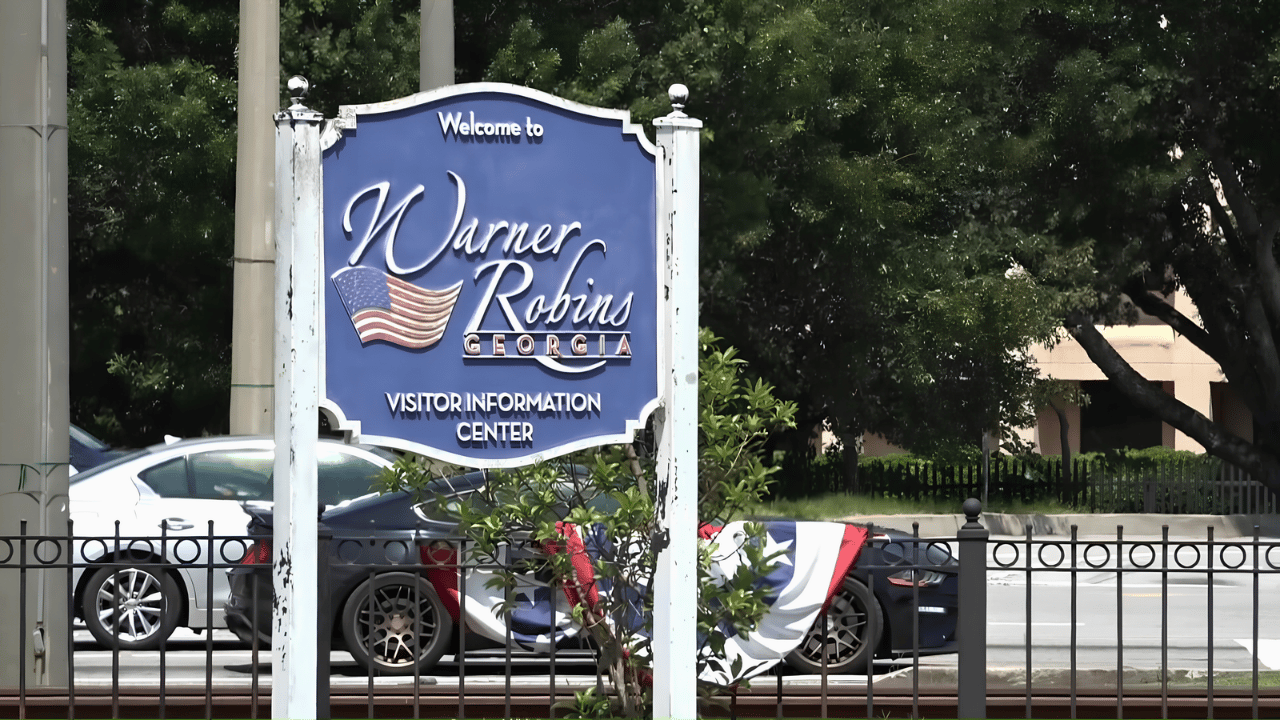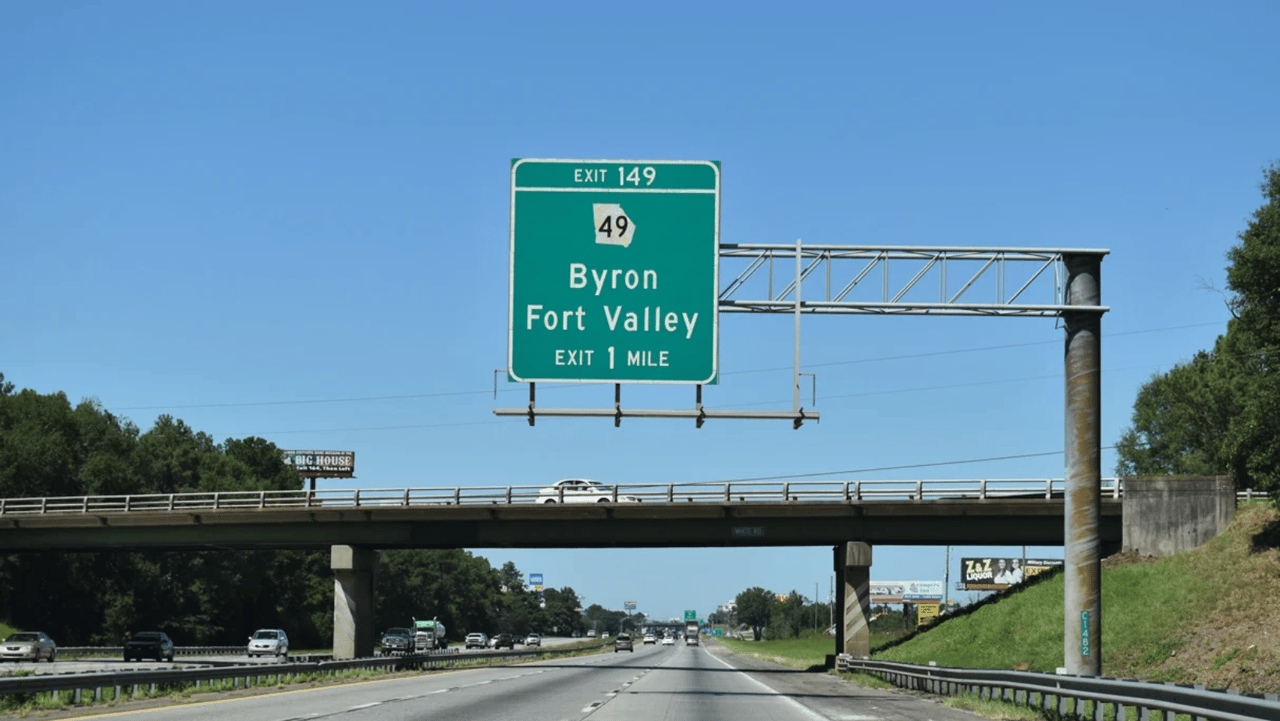

Closing day in Houston County looks different from closing day in most of the country, and the difference starts with who is sitting across the table. Georgia law treats a real estate closing as the practice of law, which means the person conducting it is a licensed Georgia attorney rather than a title company escrow officer. Buyers relocating to Warner Robins, Kathleen, Perry, Bonaire or neighboring Byron from other states are frequently surprised by that, and by what follows from it.
The closing itself is a sequence: documents are reviewed and signed, funds are confirmed, the lender authorizes funding, the attorney disburses, and the deed is recorded with the Clerk of Superior Court. The buyer's part of that sequence, the signing, is typically the shortest. The parts that determine when the keys change hands happen after the buyer stands up from the table.
Understanding that sequence is what separates a buyer who plans a move-in around a realistic timeline from one who has a moving truck idling in the driveway waiting on a funding call.
Who Is at the Closing Table in Georgia?
A Georgia residential closing is conducted by the closing attorney or a licensed attorney in the firm. The buyer attends to sign the loan and purchase documents. The seller may sign at the same appointment, at a separate appointment, or in advance, depending on the attorney's practice and the parties' schedules. Real estate agents commonly attend but are not required to.
The attorney's role is broader than witnessing signatures. Under Georgia's statutory definition of the practice of law, the attorney is responsible for the title examination and opinion, the preparation or review of the deed and security instruments, the handling of all funds through the attorney's trust account, and the recording of documents. The Supreme Court of Georgia closed the door on so-called witness-only closings, in which a non-attorney conducts the closing and a lawyer merely notarizes, and requires the attorney to maintain full professional responsibility for the closing.
It is worth understanding whom the attorney represents. In a financed purchase, the closing attorney is frequently engaged by the lender. That attorney still has professional obligations to conduct the closing properly for all parties, but is not the buyer's personal advocate. A buyer who wants independent legal advice on a complex transaction, an estate sale, a boundary issue, an unusual title finding, is entitled to retain separate counsel.
What Is the Sequence of a Georgia Closing?
A Georgia closing moves through document signing, funds confirmation, lender funding authorization, attorney disbursement, and deed recording. Possession follows funding in most contracts.
Step | What Happens | Who Controls Timing |
Pre-closing | Closing Disclosure delivered at least three business days before consummation; attorney prepares the closing package; buyer wires funds | Lender and attorney; buyer for the wire |
Signing | Buyer reviews and signs loan documents, the security deed, affidavits and settlement statements; seller signs the warranty deed and seller documents | The attorney conducting the closing |
Funds confirmation | Attorney confirms buyer's wire and lender's funds are received in the trust account | Buyer's bank and the lender |
Funding authorization | Lender reviews the signed package and authorizes the attorney to disburse | The lender |
Disbursement | Attorney pays the seller, pays off the seller's mortgage, pays commissions, taxes and fees | The attorney |
Recording | Deed and security deed recorded with the Clerk of Superior Court, transfer tax paid via PT-61, intangibles tax paid | The attorney and the clerk's office |
Possession | Keys transferred according to the contract, typically at or after funding | The contract terms |
How Long Does the Closing Take?
The signing appointment for a financed residential purchase commonly runs somewhere around an hour, driven by the volume of lender documents. Cash purchases are shorter. The interval between signing and funding varies, and it is the part buyers most often misjudge.
Funding requires the lender to receive and review the signed package. Some lenders fund the same day within a short window after receiving documents. Others take longer, particularly for closings late in the day or late in the week, when the funding department's cutoff has passed. A closing signed at four in the afternoon on a Friday may not fund until the following business day.
Recording follows disbursement. Georgia counties vary in whether they accept electronic recording, and the clerk's office volume affects how quickly a deed is indexed. For the buyer, recording is the step that matters most for ownership protection under Georgia's race-notice rule, but it does not typically gate possession. Possession is governed by the contract and usually follows funding.
What Should a Buyer Bring and Do on Closing Day?
A buyer should bring valid government-issued photo identification, confirmation of the wired closing funds, proof of homeowners insurance if not already delivered to the attorney, and any documents the attorney or lender has specifically requested. Funds should be wired in advance rather than brought as a check.
Closing day advice I give every buyer.
Wire the day before if the attorney allows it. Funds that arrive the morning of closing sometimes arrive late in the morning, and the closing does not start until they are confirmed. A wire sent the previous day removes that variable entirely.
Call to verify the wire instructions. Every time. Wire fraud targeting closing funds is a documented national problem, and it works by intercepting email and substituting account numbers. Call the attorney's office at a number you looked up independently, not one in the email, and confirm the instructions verbally before sending anything.
Read the Closing Disclosure before you arrive. It was delivered at least three business days earlier. The closing table is a bad place to discover a number you do not recognize, and a question raised in advance can be answered without delaying the appointment.
Plan the move around funding, not signing. The keys come after the lender funds and the attorney disburses. A buyer who schedules the moving truck for the moment the signing ends has scheduled it for the wrong event.
Change nothing between clear to close and funding. Lenders verify employment and credit again before funding. A new account or a job change in that window can stop the closing at the table.
What Does Closing Day Look Like for a Seller?
For a seller, closing day involves signing the warranty deed and seller documents, delivering keys and any conveying items, and receiving proceeds by wire or check after the lender funds and the attorney disburses. Sellers frequently sign at a separate appointment or in advance.
Is Closing Different Across Houston County?
The attorney-closing structure and the sequence are uniform across Georgia. What differs across the county is where the deed is recorded and what appears in the tax figures on the settlement statement.
Area | What Shapes Closing Day |
Warner Robins | The highest volume of closings in the county and the heaviest VA share, where funding timelines and PCS-driven possession dates require coordination. |
Kathleen | Unincorporated Houston County with no city tax component; newer construction may involve a builder's preferred closing attorney. |
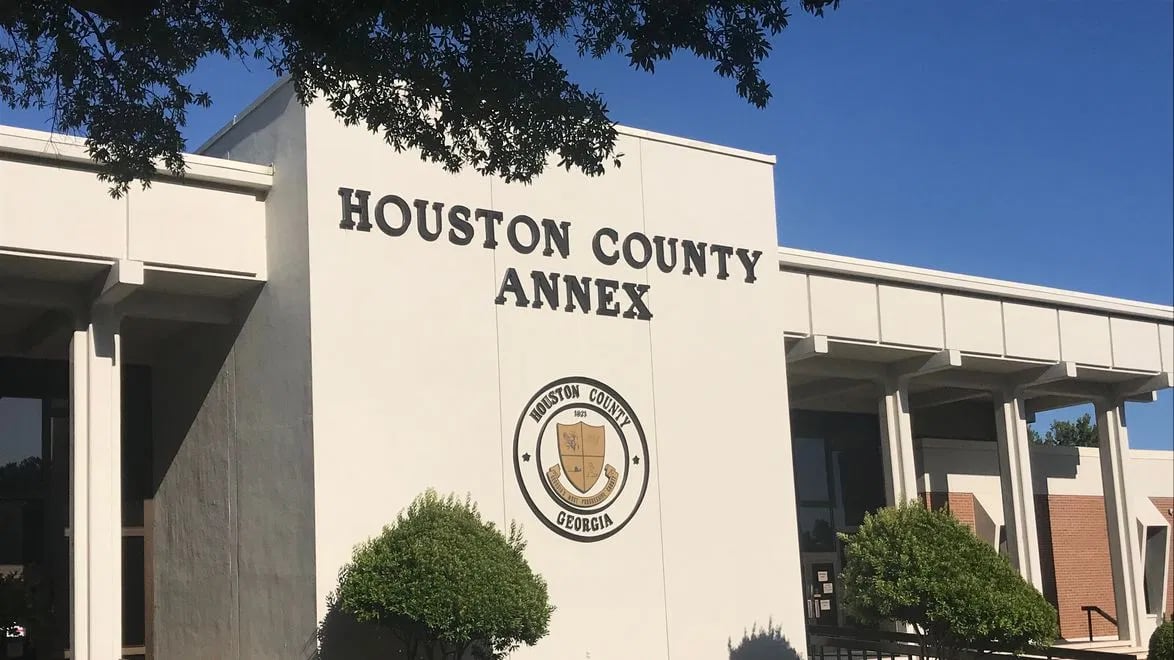
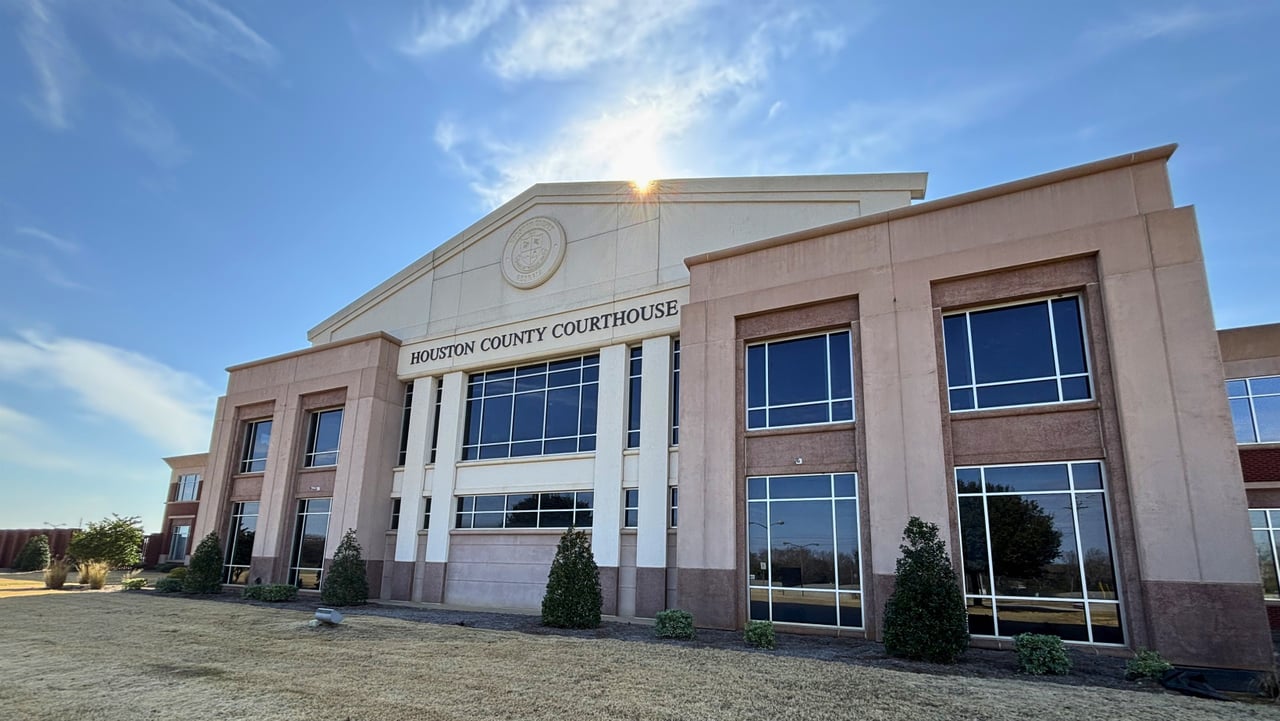
Perry | The county seat, where deeds for all Houston County properties are recorded with the Clerk of Superior Court. |
Bonaire | Unincorporated Houston County with no city tax component; established subdivisions may require HOA statements at closing. |
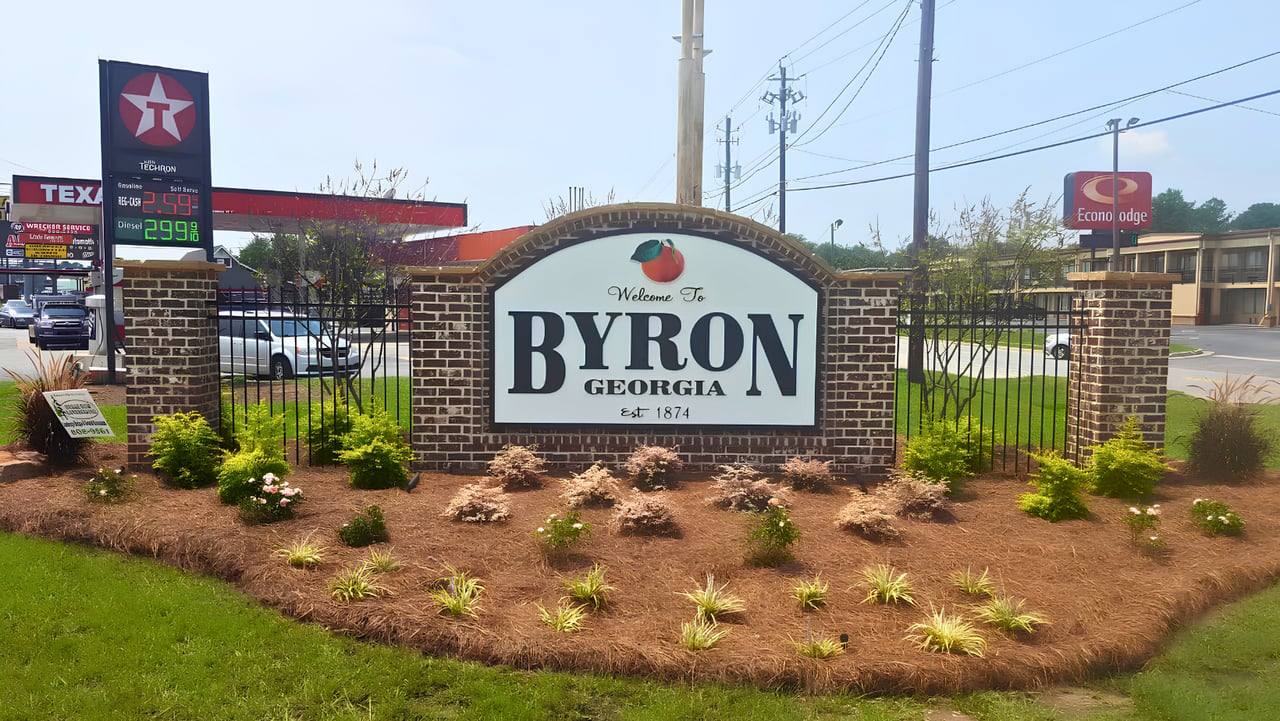
Byron | Neighboring Byron sits in Peach County, so the deed is recorded with the Peach County Clerk of Superior Court and tax figures reflect Peach County. |
The Bottom Line
A Georgia closing is an attorney-conducted sequence, and the buyer's signature is one step in it rather than the end of it. Funding, disbursement and recording follow signing, possession follows funding, and the deed recorded with the Clerk of Superior Court is what makes the buyer's ownership durable under Georgia's race-notice rule.
Wire early, verify the instructions by phone, read the Closing Disclosure in advance, bring identification, and plan the move around the funding call rather than the signing appointment. Do those five things and closing day in Houston County is as uneventful as it should be.
Frequently Asked Questions About Closing in Houston County, GA
Q: Why does Georgia require an attorney at closing?
A: Georgia law treats a real estate closing as the practice of law. Under O.C.G.A. Section 15-19-50, the statutory definition of practicing law includes conveyancing, preparing legal instruments that secure legal rights, and rendering opinions on title, all of which occur at a closing. The Supreme Court of Georgia and the State Bar have confirmed that only a licensed Georgia attorney may conduct a closing, disburse settlement funds or render a title opinion. This differs from states where title companies or escrow agents close transactions without an attorney.
Q: Does the closing attorney represent me as the buyer?
A: Not automatically. In a financed purchase the closing attorney is frequently engaged by the lender, and while the attorney has professional obligations to conduct the closing properly for all parties, the attorney is not the buyer's personal advocate. Buyers and sellers may retain their own independent counsel, which is worth considering in transactions involving inherited property, estate sales, boundary disputes or unusual title findings in Houston County. Ask the closing attorney whom they represent if it is unclear.
Q: How long does a real estate closing take in Georgia?
A: The signing appointment for a financed residential purchase commonly runs somewhere around an hour, driven by the volume of lender documents, with cash purchases shorter. The interval between signing and funding varies by lender and by the time of day and week the closing occurs. Some lenders fund the same day within a short window after receiving the signed package, while closings late in the day or late in the week may fund the next business day. Possession typically follows funding rather than signing.
Q: When do I get the keys after closing in Georgia?
A: Possession is governed by the contract and in most Houston County transactions follows funding, which occurs after the lender reviews the signed package and authorizes the closing attorney to disburse. Signing alone does not transfer possession. Buyers should plan move-in around the funding confirmation rather than the signing appointment, particularly for closings scheduled late in the day or on a Friday when a lender's funding cutoff may push disbursement to the next business day.
Q: What should I bring to closing in Georgia?
A: Valid government-issued photo identification for every person signing, confirmation that closing funds have been wired to the attorney's trust account, proof of homeowners insurance if the attorney has not already received it, and any documents the lender or attorney has specifically requested. Closing funds should be wired in advance rather than brought as a personal check. Buyers should also bring a copy of the Closing Disclosure they reviewed so any questions can be resolved efficiently at the table.
Q: Can I close remotely in Georgia?
A: As of mid-2026, Georgia had not enacted a permanent remote online notarization framework for real estate closings, and most Georgia closings still require signatures executed in person before a notary and witness under the supervision of a licensed attorney. A buyer who cannot attend may be able to sign through a power of attorney arranged in advance with the closing attorney and approved by the lender. Buyers relocating to Houston County who anticipate being unable to attend should raise this with the attorney well before closing week.
Q: What is the difference between signing, funding and recording?
A: Signing is the buyer's execution of the loan and purchase documents at the closing appointment. Funding is the lender's release of loan proceeds to the closing attorney after reviewing the signed package, followed by the attorney's disbursement to the seller and other parties. Recording is the attorney's filing of the deed and security deed with the Clerk of Superior Court, which under Georgia's race-notice system is what protects the buyer's ownership against a competing claim. Possession generally follows funding, while recording may occur the same day or shortly after.
Q: Why does recording the deed matter?
A: Georgia follows a race-notice recording system, under which the party who records first generally prevails over a competing claim, provided that party had no knowledge of the earlier unrecorded interest. Prompt and correct recording by the closing attorney is therefore what converts a signed deed into ownership protected against a later claim. For Houston County properties, recording occurs with the Houston County Clerk of Superior Court; for neighboring Byron, with the Peach County clerk.
Q: What happens if my closing funds do not arrive in time?
A: The closing cannot proceed until the attorney confirms receipt of the buyer's funds in the trust account, so a late or missing wire delays or postpones the closing. Wires sent the morning of closing sometimes arrive late in the morning, which is why many attorneys encourage wiring the day before. A delay can also affect the lender's rate lock and the seller's own moving arrangements. Buyers should confirm the wire has been sent and received before leaving for the closing appointment.
Q: How do I protect myself from wire fraud at closing?
A: Wire fraud targeting real estate closing funds works by intercepting email communication and substituting fraudulent account numbers in what appear to be legitimate instructions. Before sending closing funds, call the closing attorney's office at a phone number located independently, not one contained in the email with the instructions, and verify the account details verbally. Never act on a last-minute email changing the wiring instructions. This precaution applies to every Houston County closing regardless of price.
Q: Do I sign at the same time as the seller in Georgia?
A: Not necessarily. The seller may sign at the same appointment, at a separate appointment, or in advance, depending on the closing attorney's practice and the parties' schedules. In many Houston County transactions the seller signs earlier and the buyer's appointment is the final one, after which the attorney submits the package for funding. Whether the parties meet at the table has no effect on the validity of the closing.
Q: What is the Closing Disclosure and when do I receive it?
A: The Closing Disclosure is the federally required five page statement of final loan terms and closing costs. Under the TRID rule, the buyer must receive it at least three business days before consummation of the loan, and certain changes after delivery restart that three day period. Buyers should compare it against the Loan Estimate received at application and raise any discrepancy with the lender before closing day, since corrections that alter loan terms can move the closing date.
About the Author
William Walton-Dean is a licensed REALTOR® with Walton Dean Realty, operating under Real Broker LLC, serving buyers and sellers across Houston County, Georgia, including Perry, Warner Robins, Bonaire, Kathleen, Byron, and the surrounding Middle Georgia housing market. He brings a data-driven, hyper-local approach to both residential and commercial transactions, working with first-time buyers, move-up sellers, investors, and families relocating to the area, including those tied to Robins Air Force Base. Drawing on a prior career as a C-level executive, he helps buyers and sellers at every price point make clear, confident decisions backed by real market insight.
📱 478-371-7069
Walton Dean Realty | Real Broker LLC
Buying or Selling in Houston County? Let's Talk About Closing Day
Closing day in Warner Robins, Perry or Kathleen goes smoothly when the wire is early, the disclosure has been read, and the move is planned around funding rather than signing. If you want closing week mapped out in advance, reach out.
William Walton-Dean | Walton Dean Realty
📱 478-371-7069
A More Strategic Approach to Real Estate
Disclaimer
This article is provided for general informational purposes only and does not constitute legal or lending advice. Closing procedures, funding timelines, possession terms and document execution requirements vary by lender, closing attorney and the individual contract, and Georgia law is subject to change. Nothing in this article creates an attorney-client relationship or a brokerage relationship. For advice regarding a specific closing, transaction or contract, consult your closing attorney, your lender, and your licensed real estate agent.