Owners of agricultural, timber or environmentally sensitive land in Houston County, Georgia can lower the property tax on that land substantially through Conservation Use Valuation Assessment, known as CUVA, a program under O.C.G.A. 48-5-7.4 that values qualifying land at its current use value rather than its fair market value for 10 years. The owner applies to the Houston County Board of Tax Assessors by April 1, pays a $25 recording fee, and signs a sworn 10-year covenant to keep the land in its qualifying use. Up to 2,000 acres per owner may be enrolled statewide. Breaking the covenant, for example by selling the land for a subdivision, triggers a penalty of twice the taxes saved over the covenant plus interest, which is why every buyer of acreage in Kathleen, Elko, Perry and rural Houston County needs to know whether the land is under covenant before closing.
This guide explains how CUVA works, who and what qualifies, how it differs from Houston County's other land programs, the Preferential Agricultural Assessment and the Forest Land Protection Act, what happens when covenant land is sold, how to apply in Houston County, and what sellers and buyers of acreage should do about an existing covenant.
How CUVA Changes the Tax Bill
Georgia taxes property on 40 percent of its value. For most parcels that value is fair market value, what a buyer would pay. Under CUVA, the qualifying land is valued instead at its current use value, a figure the Georgia Department of Revenue sets annually by soil productivity class after consulting the Department of Agriculture, the Georgia Forestry Commission, the Department of Natural Resources and the Cooperative Extension Service. The 40 percent assessment ratio and the county, school and city millage rates then apply to that lower value. The conservation use value applies to the land only; a house, barn or other improvement on the tract is still assessed at fair market value.
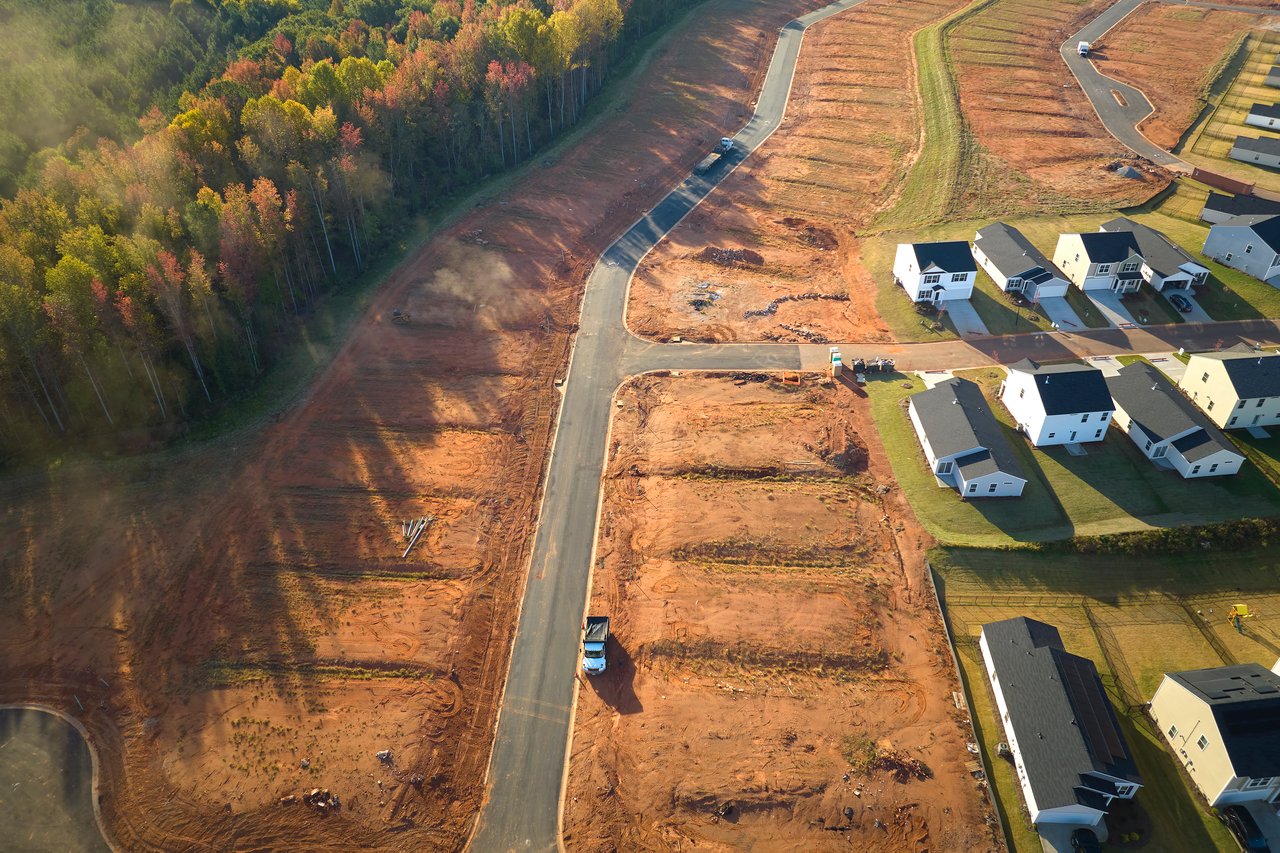
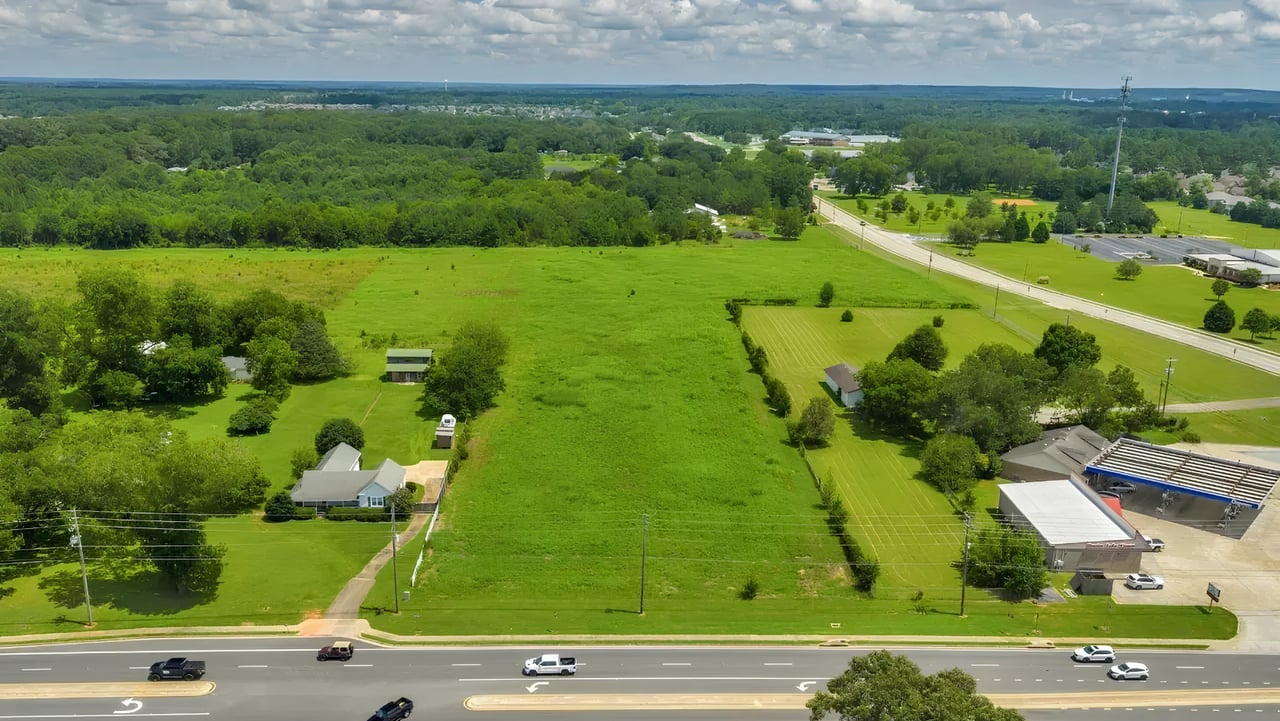
The gap between market value and current use value is widest where development pressure is strongest, which in Houston County means the farm and timber tracts between Kathleen and Perry, along Highway 96 and Highway 127, and around the Centerville growth area, where land that appraises at subdivision prices is still being farmed or grown in pines. For those owners the program is designed to prevent the property tax bill from forcing a sale. Once in the program, the current use value may not increase or decrease by more than 3 percent from one year to the next during the covenant, which protects the owner from the reassessments that have moved market values in the county in recent years.
Who and What Qualifies
The Houston County Tax Assessor's exemptions document describes the Conservation Use Property program as a 10-year covenant for qualified agricultural properties, including up to 2,000 acres owned by a single owner who meets the ownership qualifications and property used primarily for bona fide agricultural or timber production, including subsistence farming and wildlife preservation. Under state law, qualifying owners include individuals and family-owned farm entities, certain nonprofit conservation organizations, and clubs organized for pleasure or recreation, while most corporations are excluded and must look to the Forest Land Protection Act instead. The 2,000-acre limit applies to the owner's total enrolled acreage statewide, across all covenants and counties.
State law requires owners of tracts smaller than 10 acres to submit proof of bona fide agricultural use, typically an IRS Schedule E or F showing farm income, and some Georgia counties have adopted higher minimums; Houston County landowners should confirm the county's current minimum with the Tax Assessor. Qualifying uses include crop and livestock production, timber production, and environmentally sensitive land such as wetlands and habitat certified under state rules. The owner may change from one qualifying use to another during the covenant without penalty, for example from row crops to planted pines, but may not use the land for a non-agricultural commercial business. Up to 6 acres may be carved out for a cell tower under state rules without breaching the covenant.
The Three Land Programs Houston County Offers
Program | Covenant | How the land is valued | Who it fits | Houston County filing |
Conservation Use (CUVA), O.C.G.A. 48-5-7.4 | 10 years | Current use value from DOR soil tables; 3 percent annual cap on change | Farm, timber and environmentally sensitive land; individuals and family farms; up to 2,000 acres | Board of Tax Assessors by April 1; $25 fee |
Preferential Agricultural Assessment, O.C.G.A. 48-5-7.1 | 10 years | 30 percent of fair market value instead of 40 percent | Bona fide agricultural land; up to 2,000 acres | Board of Tax Assessors by April 1; $25 fee |
Forest Land Protection Act, O.C.G.A. 48-5-7.7 | 15 years | Forest land conservation use value | Timber tracts larger than 200 acres, including corporate owners | Board of Tax Assessors by April 1; $25 fee |
For many Houston County families holding farmland or planted pines, CUVA produces the lowest value of the three. The Preferential Agricultural Assessment is an older program that still exists for owners who prefer a simpler calculation, and the Forest Land Protection Act, sometimes called super CUVA, serves large timber holdings and corporate owners that CUVA excludes, without the 2,000-acre cap but with a 15-year term and without farm buildings included.
What Happens When Covenant Land Is Sold
A sale is not automatically a breach. If all or part of the property is sold to a person or entity who is qualified to hold a conservation use covenant and who agrees in writing to continue the existing covenant for its remaining term, the covenant transfers and no penalty applies. The new owner must apply to the Tax Assessor to continue the covenant. If the buyer does not qualify, or does not agree to continue, or later changes the use, the covenant is breached. The seller should know which case applies before signing a contract, because the penalty is assessed against the property and the parties' contract decides who pays it.
The penalty for a breach is twice the total tax savings the owner received from the beginning of the covenant to the breach, plus interest. State rules provide a reduced one-year recapture penalty, equal to a single year's savings plus interest, when the covenant is broken because of the owner's medically demonstrable illness or a foreclosure, and the covenant ends without penalty on the death of the original covenant holder, with the heirs having the option to continue it. Owners over 65 who renew a covenant may, after three years of the second covenant, terminate it by written declaration without penalty. At the end of 10 years the owner may renew for another 10, and must reapply by April 1 of the following year or the conservation use valuation is removed.
How to Apply in Houston County
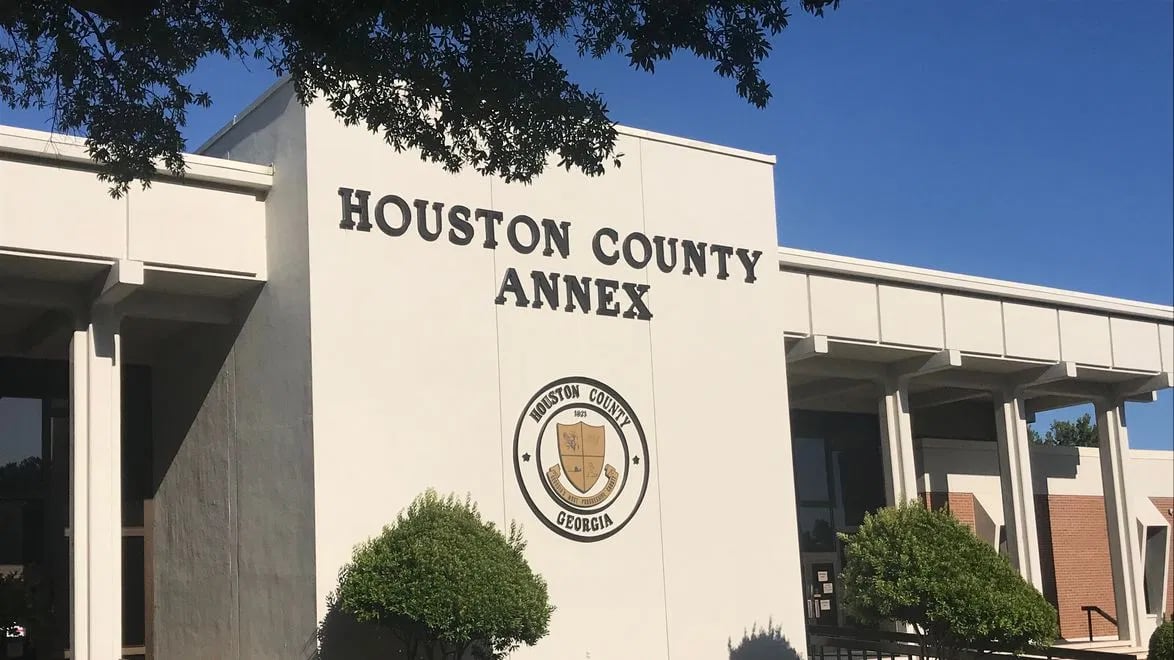
Applications for CUVA, the Preferential Agricultural Assessment and the Forest Land Protection Act are made to the Houston County Board of Tax Assessors at 201 Perry Parkway in Perry, and the county's exemptions document states that the application must be filed by April 1 for the tax year and must be accompanied by a $25 recording fee. The Board of Tax Assessors can explain the ownership and use restrictions and makes the final eligibility decision. Georgia law also allows a landowner who receives a change of assessment notice to apply for the covenant during the 45-day appeal period that follows the notice, which gives an owner a second window in the year the county reassesses the land.
• Proof of ownership and a legal description or plat of the tract
• A description of the qualifying use, such as crops, livestock, pasture, planted or natural timber, or certified environmentally sensitive land
• For tracts under 10 acres, documentation of bona fide agricultural use, such as an IRS Schedule E or F
• The sworn covenant, which commits the owner to maintain the qualifying use for 10 years from January 1 of the year of entry
• The $25 recording fee, since the covenant is recorded against the property
For Sellers: My Land Is Under a Conservation Use Covenant. How Do I Sell It?
You have two paths, and the contract has to say which one. If the buyer qualifies and will keep the land in farm, timber or conservation use, the buyer continues the covenant and no penalty is due. If the buyer is a developer or any purchaser who will change the use, the covenant is breached at or after closing and the penalty, twice the tax savings over the covenant plus interest, is owed. Georgia purchase contracts for land routinely address this with a conservation use provision that states whether the buyer will assume the covenant and who pays the penalty if it is breached.
I pull the covenant from the county's records before I take a land listing in Houston County, and I ask the Tax Assessor for an estimate of the accumulated savings, because that number drives the conversation with every buyer. A tract with eight years of savings behind it carries a large penalty, and a developer buyer will price that into the offer or ask the seller to pay it, while a farmer or hunting-club buyer who continues the covenant pays no penalty and may value the lower tax bill. The seller's best outcome usually comes from marketing to both groups with the covenant disclosed up front, pricing the land for its highest and best use, and letting the contract allocate the penalty to the buyer who causes it. Sellers in the last years of a covenant sometimes do better waiting for it to expire and not renewing, and the April 1 renewal deadline is the date to watch.
For Buyers: I Want Acreage Near Perry or Kathleen. What Should I Check?
Whether the tract is under a covenant, how many years remain, how much tax has been saved, and whether your intended use qualifies. A buyer who plans to farm, grow timber, hunt or hold the land as a club member can assume the covenant and keep the low tax bill. A buyer who plans to subdivide, build commercial, or cut out house lots for family will breach it, and should budget the penalty or negotiate it into the price. Building a single home on covenant land is a question for the Tax Assessor, because the home site is assessed at market value and the remaining land must stay in a qualifying use to keep the covenant intact.
For buyers I work with on acreage south of Perry and out toward Elko, this is the first question after the survey, because the answer changes the net cost of the land by thousands of dollars a year in either direction. The tract that looks expensive on a tax bill at market value can be inexpensive under a continued covenant, and the tract that looks cheap can carry a penalty larger than a year of its purchase price if the buyer intends to develop it. I get the covenant, the recorded plat and the Tax Assessor's savings estimate before the due diligence period ends, and I put the covenant assumption or the penalty allocation in the contract in plain language, so there is no argument at closing about who owes what.
Frequently Asked Questions About Conservation Use in Houston County
What is a conservation use covenant in Georgia?
A sworn 10-year agreement under O.C.G.A. 48-5-7.4 between a landowner and the county Board of Tax Assessors in which the owner promises to keep qualifying agricultural, timber or environmentally sensitive land in that use for 10 years from January 1 of the year of entry, in exchange for the land being assessed at its current use value rather than fair market value. In Houston County the covenant is filed with the Board of Tax Assessors by April 1 with a $25 recording fee and is recorded against the property, so it binds subsequent owners who agree to continue it.
How much does CUVA save on property taxes in Houston County?
It depends on the gap between the land's fair market value and its current use value, which the Georgia Department of Revenue sets by soil productivity class, and on the millage rates that apply to the parcel. The savings are largest where market values are highest relative to farm or timber values, which in Houston County is the land between Kathleen and Perry and along the Highway 96 and Highway 127 corridors. The Houston County Tax Assessor can estimate the current use value for a specific parcel, and the savings apply to the land only, not to a house or other buildings on it.
What is the minimum acreage for conservation use in Georgia?
Georgia law generally contemplates tracts of at least 10 acres, and owners of tracts smaller than 10 acres must submit proof of bona fide agricultural use, such as an IRS Schedule E or F showing farm income. Some Georgia counties have adopted higher local minimums. Houston County landowners should confirm the county's current minimum with the Board of Tax Assessors at 478-218-4750 before applying. The maximum is 2,000 acres per owner statewide across all covenants.
What is the penalty for breaking a conservation use covenant in Georgia?
Twice the total property tax savings the owner received from the start of the covenant to the breach, plus interest. State rules reduce the penalty to one year's savings plus interest when the breach results from the owner's medically demonstrable illness or a foreclosure, and the covenant ends without penalty on the death of the original covenant holder, with the heirs able to continue it. A sale to a qualified buyer who agrees to continue the covenant is not a breach, but a later change of use by that buyer triggers the full penalty.
Can I sell land that is in a conservation use covenant?
Yes. If the buyer qualifies to hold a covenant and agrees in writing to continue it, the covenant transfers with the land and no penalty is due; the new owner applies to the Tax Assessor to continue it. If the buyer does not qualify or will not continue the covenant, the sale breaches it and the penalty of twice the tax savings plus interest is assessed. Georgia land contracts commonly include a provision stating whether the buyer assumes the covenant and who pays any penalty, and the Houston County Tax Assessor can estimate the accumulated savings before the contract is signed.
Does CUVA cover my house on the farm?
No. Conservation use valuation applies to the qualifying land only. A residence, barns and other improvements on the tract are assessed at fair market value, and the homestead exemptions apply to the home in the usual way. The Houston County Tax Assessor's exemptions document also notes that owners of farm dwellings with a homestead exemption may participate in the rural housing program with the local housing authority, which is separate from the land programs.
What is the difference between CUVA and Preferential Agricultural Assessment in Georgia?
Both are 10-year covenants filed with the Houston County Board of Tax Assessors by April 1, and both are limited to 2,000 acres per owner. Conservation Use Valuation Assessment values the land at a current use value set by the Department of Revenue from soil productivity, with a 3 percent annual cap on changes, and covers farm, timber and environmentally sensitive land. Preferential Agricultural Assessment, under O.C.G.A. 48-5-7.1, instead assesses bona fide agricultural land at 30 percent of fair market value rather than the standard 40 percent. For most tracts CUVA produces the lower taxable value.
What is the Forest Land Protection Act in Houston County?
A 15-year covenant under O.C.G.A. 48-5-7.7 for parcels larger than 200 acres used primarily for subsistence or commercial production of trees, timber and other wood products, which the Houston County Tax Assessor lists alongside CUVA and the Preferential Agricultural Assessment. It is sometimes called super CUVA because it removes the 2,000-acre cap and extends eligibility to corporate owners that CUVA excludes, although farm buildings are not included and the covenant runs 15 years rather than 10. Applications are made to the Board of Tax Assessors by April 1 with a $25 recording fee.
When is the deadline to apply for conservation use in Houston County?
April 1 of the tax year, with the application and the $25 recording fee submitted to the Houston County Board of Tax Assessors at 201 Perry Parkway in Perry. Georgia law also allows a landowner who receives a change of assessment notice to apply during the 45-day appeal period that follows the notice. At the end of a 10-year covenant, the owner must reapply by April 1 of the following tax year to renew, or the conservation use valuation is removed and the land returns to fair market value.
Can I build a house on land that is in CUVA?
A home site on covenant land is assessed at fair market value, and the remaining land must stay in its qualifying use for the covenant to continue. Whether a particular home, driveway and yard can be added without breaching the covenant depends on the acreage involved and the county's application of the state rules, so the owner should ask the Houston County Tax Assessor before building. Dividing covenant land into house lots for sale or for family members generally changes the use of those lots and triggers the penalty on them.
Can a hunting club or an LLC hold a conservation use covenant in Georgia?
Clubs organized for pleasure or recreation, and family-owned farm entities, are among the owners Georgia law allows to hold a conservation use covenant, along with individuals and certain nonprofit conservation organizations. Most other corporations are excluded from CUVA and must use the Forest Land Protection Act for timber tracts over 200 acres. The ownership qualifications are detailed, and the Houston County Board of Tax Assessors can confirm whether a specific entity qualifies before it buys or applies.
Does Houston County's conservation use covenant transfer to my heirs?
If the original covenant holder dies before the covenant expires, state rules provide that the covenant ends without penalty, and the heirs have the option to continue it for the remainder of the term by applying to the Tax Assessor. Heirs who continue the covenant keep the current use valuation and take on the obligation to maintain the qualifying use for the remaining years. Heirs who do not continue it see the land return to fair market value without a breach penalty.
About the Author
William Walton-Dean is a licensed REALTOR® with Walton Dean Realty, operating under Real Broker LLC, serving buyers and sellers across Houston County, Georgia, including Perry, Warner Robins, Bonaire, Kathleen, Byron, and the surrounding Middle Georgia housing market. He brings a data-driven, hyper-local approach to both residential and commercial transactions, working with first-time buyers, move-up sellers, investors, and families relocating to the area, including those tied to Robins Air Force Base. Drawing on a prior career as a C-level executive, he helps buyers and sellers at every price point make clear, confident decisions backed by real market insight.
📱 478-371-7069
Walton Dean Realty | Real Broker LLC
Buying or Selling Land in Houston County? Let's Talk.
If you own farm or timber acreage near Perry, Kathleen, Elko or Hawkinsville and are weighing a sale, or you are buying land and need to know what the covenant means for your taxes and your plans, I will pull the covenant and the county's figures and walk you through the options before you commit. I handle land, residential and commercial transactions across Houston County and Middle Georgia.
William Walton-Dean | Walton Dean Realty
📱 478-371-7069
A More Strategic Approach to Real Estate
This article is provided for general informational purposes about Georgia's conservation use and agricultural assessment programs as administered in Houston County and does not constitute tax or legal advice. Eligibility, valuation and penalties are governed by Georgia law and determined by the Houston County Board of Tax Assessors and the Georgia Department of Revenue, and may change. Consult the Tax Assessor, a tax professional or an attorney before entering, transferring or breaching a covenant. William Walton-Dean is a licensed REALTOR® with Walton Dean Realty under Real Broker LLC and is not a tax advisor or attorney.