
A lease-purchase can be a workable way to sell a Houston County home, but only for a narrow set of sellers, and it turns the seller into a Georgia landlord for the entire lease term. Under O.C.G.A. 44-7-13, every Georgia lease carries the landlord's duty to keep the premises in repair and an implied promise that the home is fit for human habitation, and nothing in a rent-to-own label removes that. The arrangement also touches the seller's own mortgage: the federal due-on-sale statute, 12 U.S.C. 1701j-3, protects a lease of three years or less only when it does not contain an option to purchase, and every lease-option and lease-purchase contains exactly that.
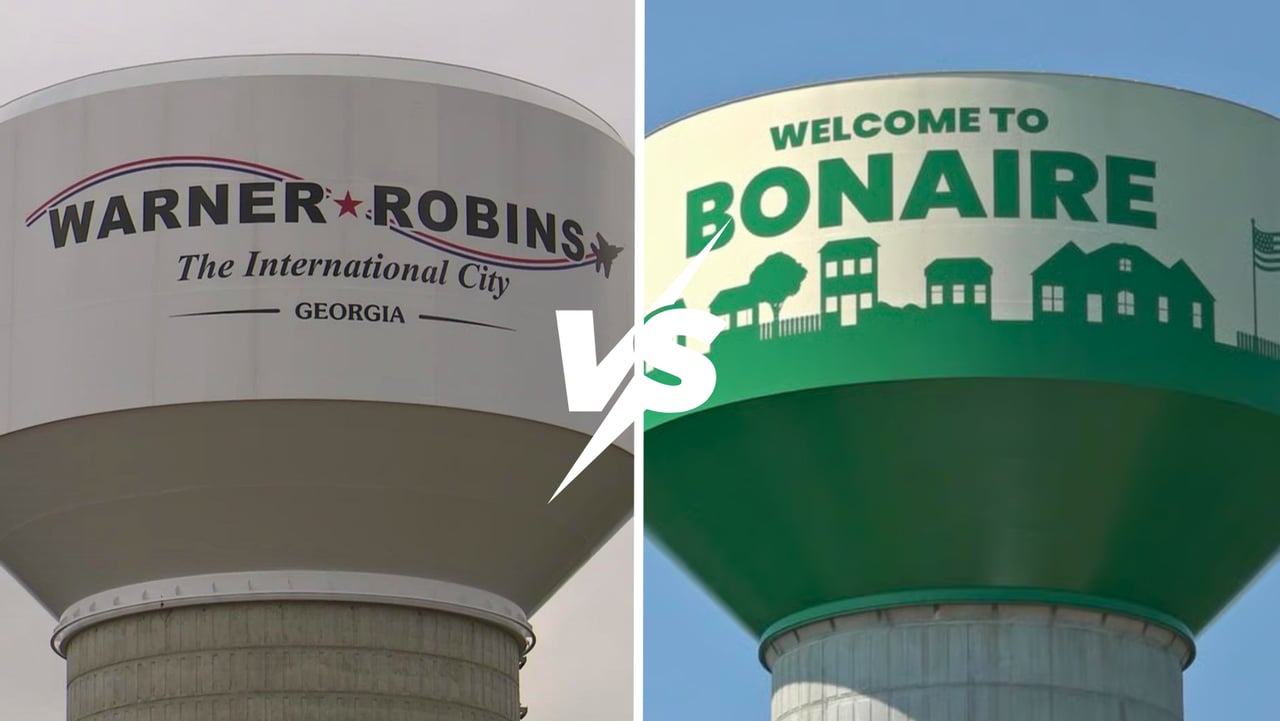
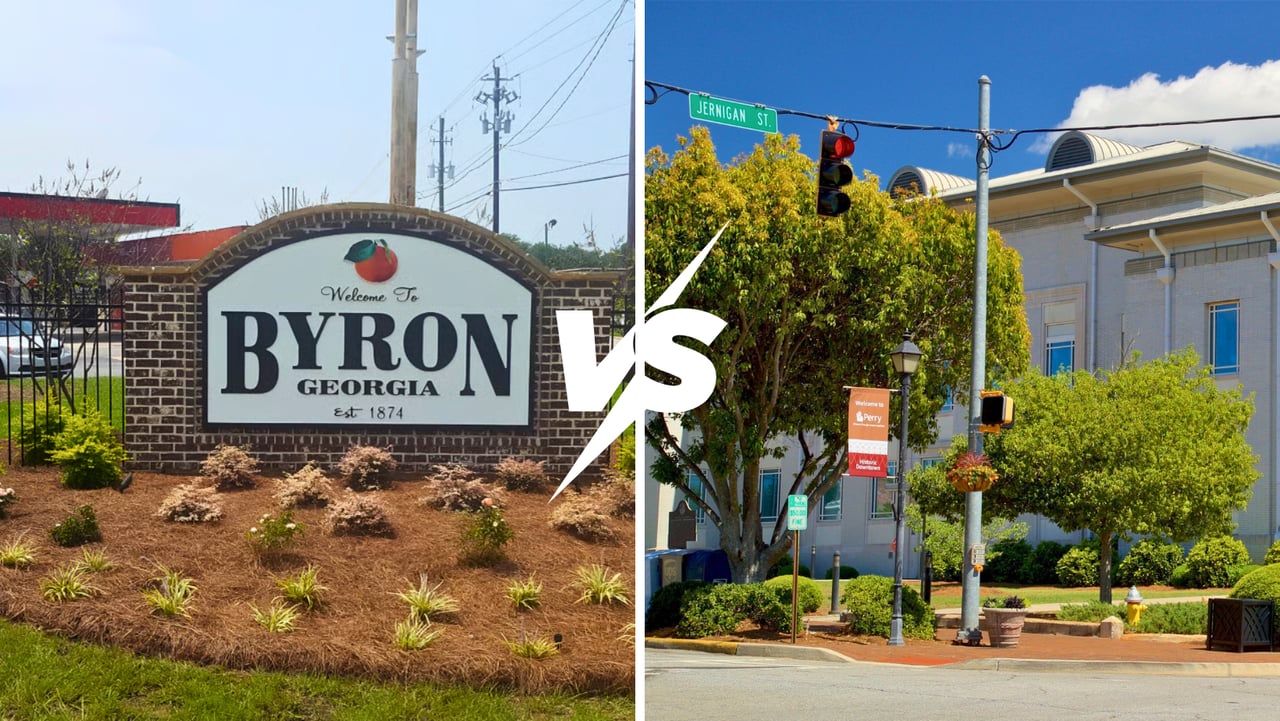
Sellers in Warner Robins, Perry, Bonaire, Kathleen and neighboring Byron ask about these deals for clear reasons. In September 2026, Warner Robins carried 199 active single-family listings against 61 residential sales, with sold homes averaging 62 days on market, and Perry carried 149 active listings against 39 sales, according to the Walton Dean Realty September 2026 market updates from Central Georgia MLS Paragon data. A seller watching a listing age, or a seller approached by a renter who wants to buy but cannot yet qualify, sees a lease-purchase as a way to collect rent now and a sale price later. Whether that is smart depends on the seller's mortgage, the home's condition, the tenant-buyer's real path to a loan and the quality of the written agreement.
Key Takeaways
• A lender may not enforce a due-on-sale clause on a residential loan for "the granting of a leasehold interest of three years or less not containing an option to purchase" (12 U.S.C. 1701j-3(d)); a lease with an option or a purchase obligation falls outside that protection.
• Every Georgia lease is deemed to include a provision that the premises is fit for human habitation, and the landlord "shall keep the premises in repair" (O.C.G.A. 44-7-13).
• A Georgia landlord must return a security deposit, or give a written statement of the exact reasons for keeping any of it, within 30 days after obtaining possession (O.C.G.A. 44-7-34).
• Georgia's 2024 Safe at Home Act (HB 404) caps security deposits at two months' rent and gives tenants a three-day right to cure before an eviction filing (Georgia Appleseed summary of HB 404).
• Fannie Mae allows a rent credit toward the buyer's down payment only for the difference between market rent and rent paid, under a lease-option of at least 12 months, documented by the agreement, proof of payments and an appraisal showing market rent (Fannie Mae Selling Guide B3-4.3-12, August 7, 2024).
• In September 2026, Warner Robins had 199 active single-family listings and 61 sales, Perry 149 and 39, Kathleen 119 and 36, Bonaire 71 and 29, and Byron 70 and 17 (Walton Dean Realty September 2026 market updates, Central Georgia MLS Paragon).
What Is the Difference Between a Lease-Option and a Lease-Purchase in Georgia?
The two terms are used loosely, and Houston County sellers hear them used interchangeably by investors, renters and online ads. In practice they describe two different obligations. A lease-option is a lease paired with an option: the tenant has the right, but not the duty, to buy the home at an agreed price within an agreed window, and the seller is bound to sell if the tenant exercises that right. A lease-purchase is a lease paired with a purchase contract: the tenant agrees to buy at the end of the term, and failure to close is a breach, though what the seller can recover depends entirely on how the contract is written. Both are sometimes marketed as rent-to-own.
For the seller, the difference is about certainty. A lease-option leaves the final choice with the tenant. A lease-purchase reads as more certain on paper, but a tenant who cannot qualify for financing cannot be forced to produce a loan. Either way, the seller remains the owner of record, the borrower on any existing mortgage, the named insured and the person who receives the property tax bill until closing.
Feature | Lease-option | Lease-purchase |
Tenant duty to buy | None; the tenant has a right to buy | Yes, on the terms in the contract |
Seller duty to sell | Yes, if the tenant exercises the option on time | Yes, on the terms in the contract |
Option fee | Usually paid up front for the right to buy; refundability set by the contract | Often called an option fee or earnest money; treatment set by the contract |
Rent credit | Optional; any portion of rent credited toward the price | Optional; same |
Landlord duties during the term | Full Georgia landlord-tenant obligations apply | Full Georgia landlord-tenant obligations apply |
Due-on-sale protection for a lease of 3 years or less | Not available, because the lease contains an option to purchase | Not available, because the lease contains a purchase obligation |
Lender rent credit treatment | Fannie Mae recognizes the credit under a lease with option to purchase, 12-month minimum term | Depends on the lender and loan program; confirm in writing |
How Are the Option Fee and Rent Credits Handled When the Tenant Buys?
Two kinds of money move in a lease-purchase before closing, and the agreement must say what happens to each. The option fee is a payment the tenant makes, usually at signing, in exchange for the right to buy at the agreed price. The rent credit is a portion of each month's rent that the seller agrees to apply toward the price or the buyer's down payment at closing. Neither has a statutory amount in Georgia. Both are negotiated, and both should be stated in dollars, with the conditions under which each is credited, refunded or kept.
The tenant's future lender decides how much of that money counts. Fannie Mae's Selling Guide, section B3-4.3-12, limits a rent credit with an option to purchase to "the difference between the market rent and the actual rent paid," so only rent above market rent counts toward the down payment. The lender documents it with the lease showing the term, months, monthly rent and monthly credit; proof of each payment showing payee and amount; and an appraisal reflecting market rent. The original term must be at least 12 months. Fannie Mae states that the credit is not treated as an interested party contribution and that a borrower using it is not required to make a minimum contribution from personal funds.
This is where many informal Houston County rent-to-own deals fall apart at the finish. A credit promised on rent at or below market rent may count for little or nothing, cash rent with no receipts cannot be proven, and a month-to-month term misses the 12-month minimum. Each of those is solved at drafting, not at closing.
What Georgia Landlord-Tenant Obligations Apply to a Seller During the Lease?
From the day the tenant moves in until the day the deed is recorded, a Houston County seller in a lease-purchase is a landlord under Georgia law. O.C.G.A. 44-7-13 states that the landlord "shall keep the premises in repair," and it provides that any lease or similar agreement for the use or rental of real property "is deemed to include a provision that the premises is fit for human habitation." Agreements that shift routine maintenance to the tenant are common in rent-to-own deals, but the statutory duty sits with the owner, and a seller should not assume a clause in a lease overrides it. A closing attorney or a landlord-tenant attorney should review any maintenance clause before it is signed.
Security deposits are regulated as well. Under O.C.G.A. 44-7-34(a), the landlord must return the deposit within 30 days after obtaining possession of the premises, or provide the tenant a written statement identifying the exact reasons for keeping any part of it. Georgia's Safe at Home Act, HB 404, signed in 2024, added protections that a seller-landlord inherits: according to Georgia Appleseed's summary of the law, it caps security deposits at two months' rent, gives tenants a three-day right to cure before a landlord can file for eviction, and treats cooling as a utility that cannot be shut off before eviction proceedings conclude. An option fee that is labeled as something other than a deposit may or may not be treated as one; that characterization is one of the questions an attorney should settle in the drafting.
Georgia rule | What it requires | Source |
Repair duty | Landlord shall keep the premises in repair | O.C.G.A. 44-7-13(a) |
Fit for habitation | Every lease or rental agreement is deemed to include a provision that the premises is fit for human habitation | O.C.G.A. 44-7-13(b) |
Deposit return | Return within 30 days after possession, or a written statement of exact reasons for any amount kept | O.C.G.A. 44-7-34(a) |
Deposit cap | Two months' rent | HB 404 (2024), per Georgia Appleseed summary |
Before an eviction filing | Three-day right to cure | HB 404 (2024), per Georgia Appleseed summary |
Utilities | Cooling treated as a utility that cannot be shut off before eviction proceedings conclude | HB 404 (2024), per Georgia Appleseed summary |
A lease-purchase is not a hands-off sale. If the HVAC fails in a Warner Robins July, the call goes to the owner, and if rent stops, the remedy is the same dispossessory process any landlord uses, in Houston County or, for a Byron home, Peach County. A seller who moved after a Robins Air Force Base reassignment will need local management for the full term.
What Happens If the Tenant-Buyer Never Closes?
The central risk is that the sale never happens. A tenant may not reach loan approval by the deadline, a lender may count less rent credit than expected, or the home may appraise below a price set a year or two earlier. Under a lease-option, the tenant simply declines. Under a lease-purchase, the tenant is in breach, but the seller's practical recovery is usually what the agreement lets the seller keep, typically the option fee and any rent premium.
If the sale fails, the seller has a lease to end under Georgia's landlord-tenant procedures, turnover repairs to make and a listing to restart after a year or more off the open market. The table lays out the outcomes to plan for before signing.
Scenario | What the seller typically keeps | What the seller faces |
Tenant qualifies and closes on time | Sale price, less credits promised in the agreement | Closing on the agreed price, whether the market rose or fell during the term |
Tenant does not exercise a lease-option | Option fee and any rent premium, if the agreement says so | End of tenancy, turnover repairs, relisting |
Tenant cannot get a loan under a lease-purchase | Whatever the agreement allows on default | Possible dispute over credits, end of tenancy, relisting |
Tenant stops paying rent | Rent paid to date, deposit as allowed by law | Dispossessory filing after the three-day right to cure |
Seller's own lender learns of the transfer of an interest | No change to rent | Lender may have the right to call the loan; see the due-on-sale section |
Does a Lease-Purchase Trigger the Due-on-Sale Clause on My Mortgage?
Most residential mortgages contain a due-on-sale clause. Federal law, the Garn-St Germain Depository Institutions Act at 12 U.S.C. 1701j-3, defines it as a contract provision that lets a lender, at its option, declare the loan due and payable if all or any part of the property, or an interest in it, is sold or transferred without the lender's prior written consent. The same statute lists transfers on which a lender may not exercise that option for a home of fewer than five units. One of them is "the granting of a leasehold interest of three years or less not containing an option to purchase."
Read the exception closely. An ordinary lease of three years or less is protected. A lease that contains an option to purchase is not protected by that exception, regardless of its length, and a lease-purchase contract adds a purchase obligation on top of the lease. That does not mean a lender will call the loan; it means the seller relies on the lender's discretion rather than the statute. A seller with a mortgage on a Kathleen, Bonaire or Perry home should read the security instrument, consider asking the servicer for written consent and consult a Georgia attorney. A seller who owns free and clear does not face this issue.
What Consumer Protection Concerns Come With Rent-to-Own Deals?
Rent-to-own arrangements have drawn scrutiny from federal regulators, mostly in the related form known as the contract for deed, in which the seller keeps legal title while the buyer pays installments. The Consumer Financial Protection Bureau's August 2024 Report on Contract for Deed Lending found that under those contracts "the borrower typically assumes the responsibilities of homeownership, including repairs," that sellers may see "an opportunity to avoid repair obligations that ordinarily extend to a landlord," and that "upon forfeiture, the seller may repossess the home and retain all accumulated equity and payments." The report does not address lease-purchases by name, and they are a different instrument, but its concerns are the ones a court or regulator will look for in any rent-to-own agreement.
For a Houston County seller, fairness in the drafting is also protection. An agreement that shifts every repair to the tenant in conflict with O.C.G.A. 44-7-13, or forfeits large credits on a technical default, invites a dispute. One that states the price, credits, deadlines, maintenance split and default terms in plain language, reviewed by both sides' counsel, is more likely to end in a closing. Federal treatment of rent-to-own arrangements has continued to change since 2024, so the closing attorney should confirm what applies on the date of signing.
What Should a Georgia Attorney Put in a Lease-Purchase Agreement?
Georgia is an attorney-closing state, and a lease-purchase should be drafted or reviewed by a Georgia real estate attorney, not assembled from an online template. Stapling a lease form to a purchase agreement leaves gaps on exactly the points where these deals fail. At a minimum, the agreement should cover the items below in specific terms.
• Price: a fixed sale price, or a stated method for setting it, and what happens if the appraisal comes in lower.
• Option fee: the amount, whether it is credited at closing, whether it is refundable under any condition, and how it is distinguished from a security deposit.
• Rent credit: the monthly amount, how it relates to market rent, the payment method that creates a record, and what happens to the credit on default.
• Term and deadlines: a term of at least 12 months if the tenant expects to use a Fannie Mae rent credit, the date by which the tenant must apply for and obtain financing, and any extension terms.
• Maintenance: who handles routine upkeep, who handles major systems, and how that split squares with the landlord duties in O.C.G.A. 44-7-13.
• Insurance, taxes and default: who carries which policy, who pays taxes and HOA dues, and what each side can do if rent stops or the tenant does not close.
• Existing mortgage and recording: how the due-on-sale clause is addressed, and whether a memorandum of the option is recorded with the Clerk of Superior Court and how it is released if the deal ends.
The tenant's future lender will also read the agreement, matching payment records to the rent credit and comparing rent to the appraiser's market rent. A clean, specific document helps the buyer close, which is the only outcome that gives the seller the sale.
Should I Sell My Houston County Home on a Lease-Purchase or List It?
A lease-purchase sale in Houston County leaves the seller as owner of record and a Georgia landlord until closing, subject to O.C.G.A. 44-7-13, O.C.G.A. 44-7-34 and the 2024 HB 404 protections, and outside the due-on-sale exception for short leases in 12 U.S.C. 1701j-3(d). In September 2026, sold homes averaged 34 days on market in Byron, 39 in Kathleen, 45 in Bonaire, 45 under $400,000 in Perry and 62 in Warner Robins.
In my experience, the sellers who come out ahead on a lease-purchase share three traits: they own the home outright or have the servicer's written consent, they already intended to keep the home as a rental for a year or two, and they have a specific tenant-buyer with a credible, near-term path to a loan, such as a renter finishing a credit rebuild with a licensed lender's written plan. For nearly everyone else, a traditional listing priced off the last 60 days of closed sales is the better route, because Houston County buyers are still closing. Kathleen sold 36 homes in September in an average of 39 days, and Byron sold 17 in 34. Even in Warner Robins, where days on market ran longer, 61 homes closed and more than 1 in 4 sales were cash. When a home is not selling, the fix is usually price, presentation or terms on a standard contract, such as a seller-paid closing cost contribution, not a two-year landlord commitment. If you are weighing a lease-purchase because a listing has gone stale, I would want to look at why first.
Is a Rent-to-Own Home a Good Option for a Buyer in Houston County?
A tenant-buyer in a Houston County lease-purchase pays rent and usually an option fee for the right or the obligation to buy later at an agreed price. The buyer's lender decides how much of that money counts: under Fannie Mae Selling Guide B3-4.3-12, only the difference between market rent and rent paid counts as a credit, with a 12-month minimum term, documented payments and an appraisal showing market rent. The tenant-buyer has the protections of a Georgia tenant during the lease, including the landlord's repair duty under O.C.G.A. 44-7-13.
My view for buyers mirrors my view for sellers. A rent-to-own deal makes sense when a licensed lender has told you in writing what to fix and how long it should take, and the lease term matches. Before paying an option fee in Warner Robins, Perry or Byron, have a lender review how the rent credit will count, have an attorney review the default terms, and confirm the seller's mortgage situation. Many renters who assume they need a lease-purchase find, after a lender conversation, that a standard FHA, VA, USDA or assistance-backed purchase is closer than they thought.
What to Watch Before Signing a Lease-Purchase in 2026 and 2027
Four things can change the picture. First, the monthly market updates: if active listings in Warner Robins and Perry keep running well ahead of sales, a lease-purchase price set today should be checked against what closes over the next quarter. Second, Fannie Mae Selling Guide updates to section B3-4.3-12, last revised in August 2024, which govern how much rent counts at closing. Third, landlord-tenant bills in the 2027 Georgia General Assembly session beginning in January 2027, which would apply to a seller-landlord like any landlord. Fourth, federal action on rent-to-own and contract-for-deed products, which the closing attorney should check at signing.
Frequently Asked Questions
What is the difference between a lease-option and a lease-purchase in Georgia?
A lease-option gives the tenant the right, but not the obligation, to buy the home at an agreed price within an agreed period, while the seller is bound to sell if the tenant exercises the option. A lease-purchase pairs the lease with a purchase contract in which the tenant agrees to buy at the end of the term. In both, the owner remains a landlord under Georgia law during the lease. Houston County sellers and buyers often see both called rent-to-own, so the written agreement, not the label, determines the obligations.
Is the option fee in a rent-to-own deal refundable?
Georgia law does not set a standard option fee or a rule on refundability; the written agreement does. Most agreements state whether the fee is credited toward the price at closing and whether it is kept by the seller if the tenant does not buy. The agreement should also separate the option fee from the security deposit, because Georgia regulates deposits under O.C.G.A. 44-7-34, and the 2024 Safe at Home Act caps them at two months' rent. Parties in Warner Robins, Perry and across Houston County should have a Georgia attorney settle that point.
How much of my rent counts toward a down payment in a lease-purchase?
It depends on the buyer's loan program. Fannie Mae Selling Guide B3-4.3-12 limits the rent credit to the difference between market rent and the rent the borrower paid, under a lease with option to purchase of at least 12 months. The lender requires the agreement, proof of each payment and an appraisal reflecting market rent. Rent at or below market rent produces little or no credit, so Houston County tenant-buyers should have a lender review the terms before signing.
Does a lease-purchase violate my mortgage's due-on-sale clause?
Federal law at 12 U.S.C. 1701j-3 lets a lender call a loan when an interest in the property is transferred without consent, but it bars the lender from doing so for a lease of three years or less that does not contain an option to purchase. A lease-option or lease-purchase contains a purchase right or obligation, so it falls outside that exception. Whether a lender acts is up to the lender, so a Houston County seller with a mortgage should consider asking the servicer for written consent and consult a Georgia attorney.
Who is responsible for repairs during a rent-to-own lease in Georgia?
Under O.C.G.A. 44-7-13, the landlord shall keep the premises in repair, and every lease or rental agreement is deemed to include a provision that the premises is fit for human habitation. Many rent-to-own agreements assign routine maintenance to the tenant, but the statutory duty sits with the owner. A Houston County seller should expect to handle major repairs such as roofing, plumbing and heating and cooling, and have an attorney review any clause shifting repair duties.
What happens if the tenant-buyer cannot get a mortgage?
Under a lease-option, the tenant can decline to buy, and the seller usually keeps the option fee and any rent premium if the agreement provides for it. Under a lease-purchase, failure to close is a breach, but the seller's practical recovery is typically limited to what the agreement allows on default. The tenancy then ends under Georgia's landlord-tenant procedures, and a Houston County seller relists a home that may need turnover repairs.
Can I evict a tenant-buyer who stops paying rent?
Yes, through the same dispossessory process that applies to any Georgia tenant, filed in the Magistrate Court of the county where the home sits, which is Houston County for Warner Robins, Perry, Bonaire, Kathleen and Centerville and Peach County for Byron. According to Georgia Appleseed's summary of the 2024 Safe at Home Act, a tenant has a three-day right to cure before a landlord can file. Any option fee and rent credits are governed by the agreement, so the default terms should state plainly what the seller keeps if the tenancy ends for nonpayment.
Is a lease-purchase the same as a contract for deed?
No. In a contract for deed, the buyer makes installment payments toward the price while the seller keeps legal title, and the arrangement functions as seller financing. In a lease-purchase, the occupant is a tenant paying rent, with a separate right or obligation to buy and obtain outside financing later. The Consumer Financial Protection Bureau's August 2024 Report on Contract for Deed Lending described risks of contracts for deed, including buyers assuming repairs and sellers retaining payments on forfeiture, and those concerns are worth reviewing for any rent-to-own agreement in Houston County.
Should a Georgia lease-purchase agreement be recorded?
Recording a memorandum of the option with the Clerk of Superior Court puts the public on notice of the tenant's right to buy, which protects the tenant. It also places a cloud on the seller's title that must be released if the deal ends, which matters if the seller relists a home in Perry, Kathleen or elsewhere in Houston County. Whether to record, and how a release is handled, is a drafting decision for a Georgia real estate attorney.
Is a lease-purchase a good way to sell a home that has been on the market a long time in Warner Robins?
Sometimes, but usually not as a first step. Sold homes in Warner Robins averaged 62 days on market in September 2026, with 199 active single-family listings against 61 sales, according to Central Georgia MLS data in the Walton Dean Realty market update, so buyers had choices. A lease-purchase keeps the seller as a landlord with repair duties and mortgage exposure for the full term, while price, condition and standard seller concessions address a stale listing faster. It fits best when the seller owns the home outright and has a tenant-buyer with a documented path to a loan.
About the Author
William Walton-Dean is a licensed REALTOR® with Walton Dean Realty, operating under Real Broker LLC, serving buyers and sellers across Houston County, Georgia, including Perry, Warner Robins, Bonaire, Kathleen, Byron, and the surrounding Middle Georgia housing market. He brings a data-driven, hyper-local approach to both residential and commercial transactions, working with first-time buyers, move-up sellers, investors, and families relocating to the area, including those tied to Robins Air Force Base. Drawing on a prior career as a C-level executive, he helps buyers and sellers at every price point make clear, confident decisions backed by real market insight.
📱 478-371-7069
Walton Dean Realty | Real Broker LLC
Buying or Selling in Houston County? Let's Talk
A lease-purchase can work, but it is a landlord commitment first and a sale second, and the details decide whether it ever reaches a closing table. I can show you what your home would likely sell for on a standard listing in Warner Robins, Perry, Bonaire, Kathleen or Byron today, how long comparable homes are taking to sell, and what a lease-purchase would need to look like for it to make sense for you, so you can compare the two with real numbers.
William Walton-Dean | Walton Dean Realty
📱 478-371-7069
A More Strategic Approach to Real Estate
Disclaimer: This article is provided for general informational purposes only and does not constitute real estate, legal, tax or financial advice. Georgia landlord-tenant law, federal mortgage law and loan program guidelines change, and their application depends on the specific agreement, the property and the parties; statutes and guidelines are summarized as published and accessed November 4, 2026. A lease-purchase or lease-option agreement should be drafted or reviewed by a licensed Georgia real estate attorney, and the tax treatment of option fees, rent credits and rental income should be reviewed with a qualified tax professional. Walton Dean Realty and William Walton-Dean are not lenders, and nothing here is a loan offer or lending advice. Market statistics are drawn from Central Georgia MLS reports and are deemed reliable but not guaranteed; past market activity does not predict future results.