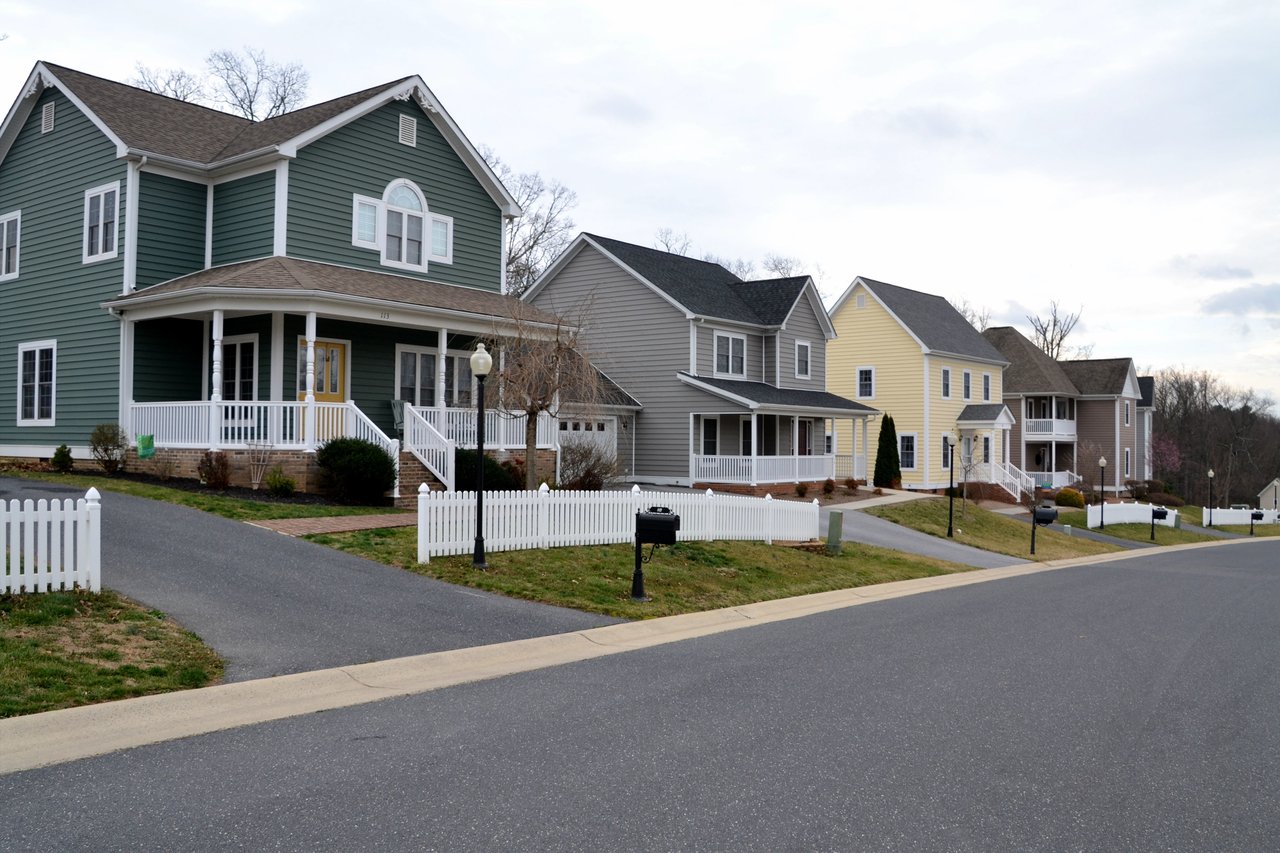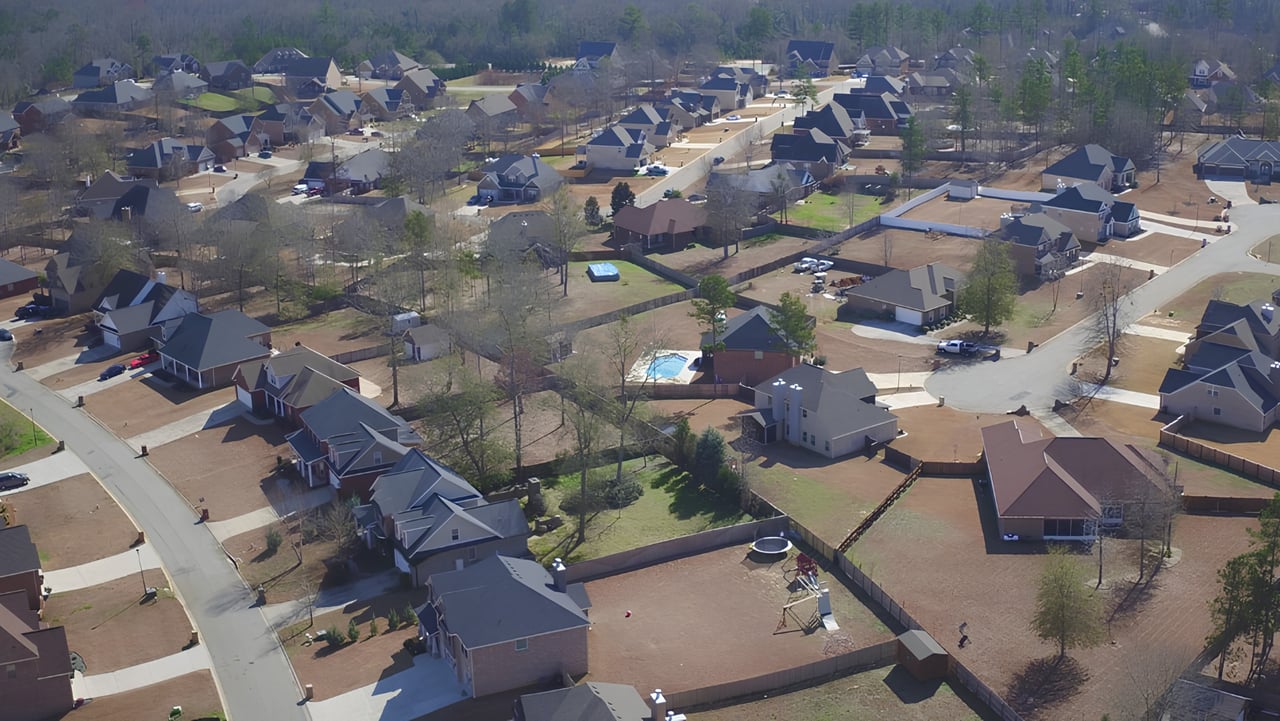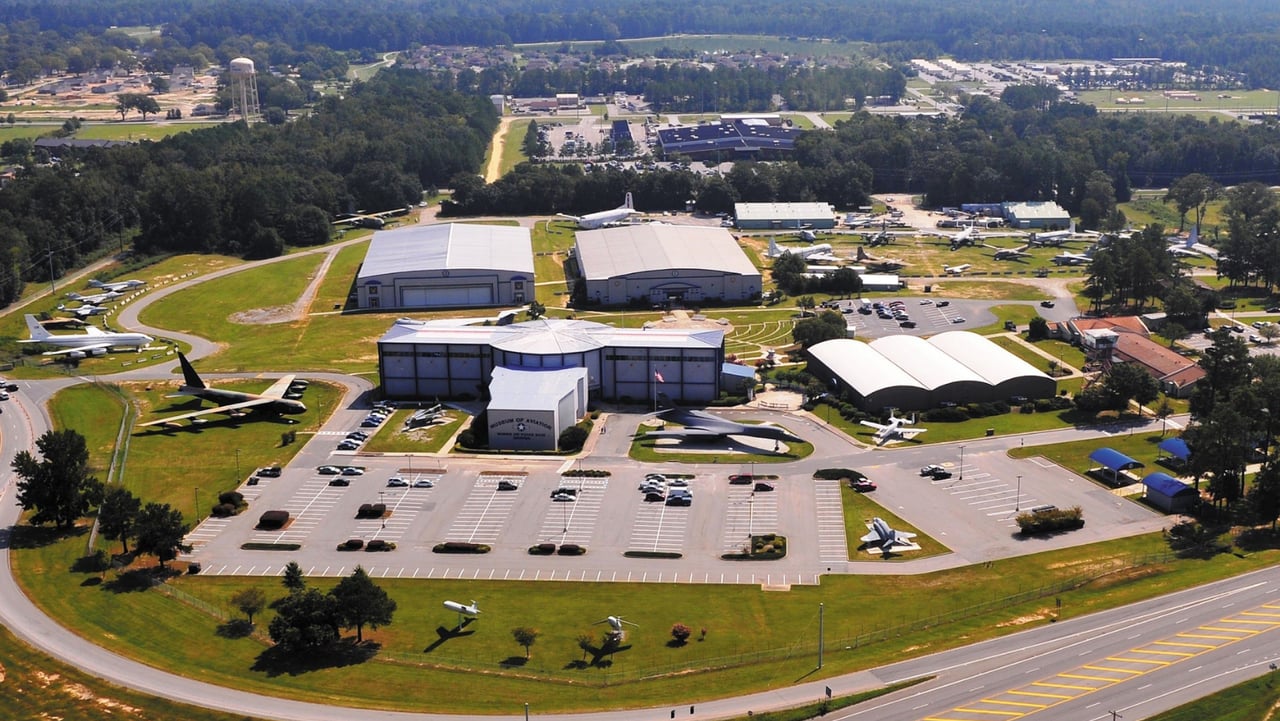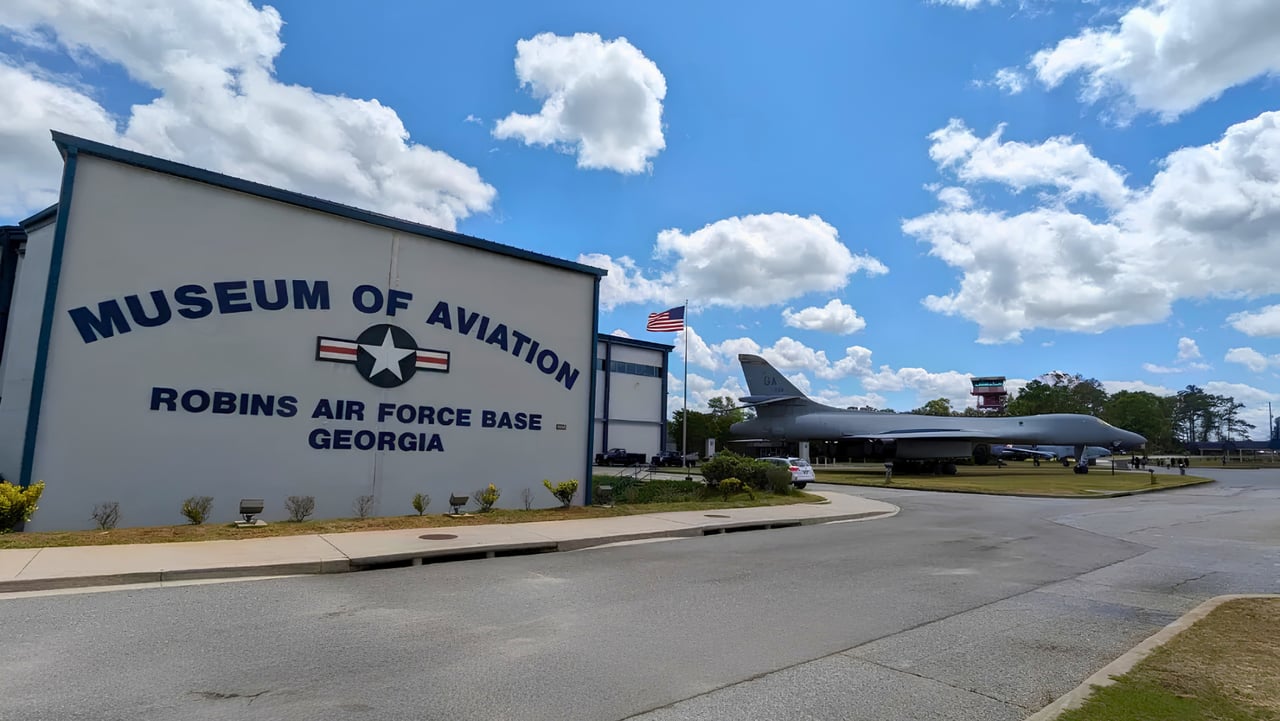
On an older Middle Georgia home, the electrical and plumbing sections of the inspection report are often where the findings cluster, and where the difference between a minor note and a serious issue matters most. The region’s older stock, particularly the homes built around Robins Air Force Base from the 1950s through the 1970s, was wired and plumbed to the standards of its era, and decades of use, updates, and sometimes amateur repairs leave a trail an inspector documents carefully.
This post walks through the electrical and plumbing problems that show up most often on Middle Georgia inspections, what each one means, which are quick fixes and which are safety or insurability concerns, and how they affect your financing and your negotiation. It focuses on the inspection-finding angle; for the repair-budgeting side of aging systems, the Hidden Costs of Buying an Older Home cluster goes deeper. This is a companion to the pillar on the most common Middle Georgia inspection problems.
Electrical Red Flags Inspectors Write Up
Electrical findings range from trivial to genuinely hazardous, and the value of a good inspector is telling you which is which. Here are the electrical issues that come up most often on older Houston County homes.
Finding | What It Means | Severity |
Outdated or recalled panel brand | Some older panels have known safety concerns | Can be serious; may affect insurance |
Aluminum branch wiring | 1960s-70s wiring type needing special connections | Safety concern; specific remediation exists |
Double-tapped breakers | Two wires on a breaker built for one | Usually a straightforward correction |
Missing GFCI protection | No shock protection near water | Minor fix; important for safety |
Missing AFCI protection | No arc-fault protection where now expected | Often a modest upgrade |
Ungrounded two-prong outlets | Older wiring without a ground path | Common in older homes; varies in scope |
Open or improper junction boxes | Exposed or unsafe connections | Fixable; a safety item |
A single missing GFCI is a minor fix. A recalled panel or aluminum wiring is a different category of finding that can affect both safety and insurability, and warrants a licensed electrician’s evaluation.
The Panel Is the Finding That Carries the Most Weight
Of the electrical items, the service panel is the one that most often rises above routine. Certain older panel brands have documented safety concerns and are flagged by inspectors and, importantly, by insurers, some carriers will not write or will surcharge a policy on a home with a recalled or problematic panel. Because insurability now shapes both what you pay and whether some financing works, a problem panel is not just an electrical note, it can be a gate on the whole transaction. Aluminum branch wiring, common in homes from the mid-1960s to mid-1970s, is a related concern with specific, recognized remediation methods, and it too can affect insurance. When a report flags either, a licensed electrician’s evaluation is the right next step.
Plumbing Red Flags Inspectors Write Up
Plumbing findings on older Middle Georgia homes fall into two groups: the problem materials that raise concern by their very presence, and the wear-and-tear items that come with age. Both show up regularly.
Finding | What It Means | Severity |
Polybutylene supply piping | A material prone to failure; insurers wary | Significant; can affect insurance |
Galvanized steel supply piping | Old material that corrodes and restricts flow | Moderate; often ages into replacement |
Water heater past its service life | 8 to 12 year typical lifespan exceeded | Plan for replacement; leak risk |
Missing or wrong pressure-relief valve | Safety device absent or misconfigured | Safety item; usually a modest fix |
Low or high water pressure | Supply, regulator, or pipe issue | Varies; worth diagnosing |
Slow or backing-up drains | Possible developing sewer-line problem | Consider a sewer scope on older homes |
Water heaters and pressure-relief valves are routine age-related items. Polybutylene and heavily corroded galvanized piping are material-level findings that can affect insurance and warrant closer evaluation.
Polybutylene: The Plumbing Finding That Acts Like the Panel
Just as a problem panel is the electrical finding that carries outsized weight, polybutylene piping is its plumbing equivalent. Used widely from the late 1970s into the mid-1990s, polybutylene is a gray plastic supply pipe prone to failing without warning, and many insurers are wary of it, some will not write or will limit coverage on a home plumbed with it. That makes polybutylene not merely a plumbing note but a potential insurance and resale issue, and homes of the right era in Houston County can have it. Old galvanized steel supply piping is a milder concern, it corrodes internally over decades, restricting flow and eventually needing replacement, but it is generally an aging-into-replacement item rather than an insurance gate. When either appears, understanding the scope and getting a plumber’s evaluation is the prudent step.
How These Findings Affect Financing and Insurance
Two channels matter here. First, financing: because VA and FHA loans dominate this market, hazardous electrical or plumbing conditions, exposed wiring, a non-functional system, an unsafe panel, can be flagged on the appraisal as conditions affecting safety, and may need to be corrected before a government-backed loan can close. Second, and increasingly important, insurance: in the current tightened Georgia market, certain panel brands, aluminum wiring, and polybutylene piping can raise premiums, limit coverage, or make a competitive policy hard to secure. Because a home that cannot be insured cannot be financed, an insurability problem in the electrical or plumbing systems can quietly become a deal problem.
This is why these particular findings deserve attention beyond their repair cost. A missing GFCI is a minor fix with no financing or insurance implications, while a recalled panel or polybutylene plumbing can touch both, so the same section of the report can contain a five-minute correction and a transaction-shaping issue side by side. Reading them with that distinction in mind, ideally with your agent and, where warranted, a licensed electrician or plumber, is how you understand what you are actually dealing with.
Financing and insurance outcomes depend on the specific finding, the appraiser, the lender, and the insurer. This article provides general context, not lending or insurance advice; confirm specifics with the relevant professional.
For Buyers: How Do I Handle Electrical and Plumbing Findings?
Separate the quick fixes from the transaction-shaping findings. Missing GFCI outlets, double-tapped breakers, and an open junction box are minor corrections. A recalled or problematic panel, aluminum branch wiring, or polybutylene piping are different, they can affect insurance and financing, so treat them as the priority items and get a licensed electrician’s or plumber’s evaluation before deciding what they mean for you.
Get an insurance quote early on an older home. Because problem panels, aluminum wiring, and polybutylene can affect insurability, call an insurance agent early in your contract with the home’s specifics and get a real quote. If one of these findings makes the home difficult or expensive to insure, you want to know while you still have leverage to negotiate a remediation, a credit, or an exit, not days before closing when the premium or a declination can blow up your plan.
Use the significant findings as leverage. A recalled panel, aluminum wiring remediation, polybutylene replacement, or an aged water heater are all legitimate items to negotiate during the inspection period, through a price reduction, a repair credit, or seller-completed work. On an older Warner Robins, Perry, or Byron home that has been sitting, a documented insurability-affecting finding is a reasonable and often successful negotiation.
This article provides general market context, not electrical, plumbing, lending, or insurance advice. Obtain licensed professional evaluations for any specific finding.
For Sellers: How Do I Handle These Findings Before Listing?
Handle the safety quick-fixes and know where you stand on the big items. Before listing an older home, correcting the minor electrical items, missing GFCIs, double-tapped breakers, open junction boxes, is inexpensive and removes easy findings from a buyer’s report. For the transaction-shaping items, a recalled panel, aluminum wiring, or polybutylene, know in advance whether they are present, because they will surface in the buyer’s process and can affect the buyer’s insurance and financing.
Decide strategically whether to address the major items or price for them. Replacing a problem panel or polybutylene plumbing before listing can widen your buyer pool and prevent a mid-contract renegotiation driven by an insurance problem, while pricing to reflect the condition and disclosing it is the alternative. Either way, a surprise on the buyer’s report is the worst outcome, since it invites the buyer to discount the whole home and can stall the deal at underwriting. Knowing what your older Warner Robins, Perry, or Byron home will show a buyer’s inspector, and planning for it, keeps you in control of the sale.
The Bottom Line
Electrical and plumbing findings are among the most common results of a Middle Georgia inspection, especially on the older stock around Warner Robins, Perry, and neighboring Byron, and they span a wide range. Many, missing GFCIs, double-tapped breakers, an aged water heater, are routine, inexpensive corrections. But a handful, a recalled or problematic panel, aluminum branch wiring, and polybutylene piping, carry outsized weight because they can affect insurability and, through it, financing.
The task is to read these sections of the report with that distinction in mind, treating the quick fixes as quick fixes and the insurability-affecting findings as the priorities that deserve a licensed professional’s evaluation and, often, a negotiation. Get an insurance quote early on an older home, and use the significant findings as leverage during the inspection period. Read alongside the pillar and the other companion posts, this is how you handle the systems findings on a Middle Georgia home with clarity rather than alarm.
Frequently Asked Questions About Electrical and Plumbing Inspection Problems in Middle Georgia
Q: What are the most common electrical problems found on Middle Georgia home inspections?
A: The most common electrical findings on older Houston County homes include outdated or recalled service panels, aluminum branch wiring from the 1960s and 1970s, double-tapped breakers, missing GFCI and AFCI protection, ungrounded two-prong outlets, and open or improperly wired junction boxes. These are especially frequent in the near-base Warner Robins stock from the 1950s through the 1970s and comparable-era homes in Perry and neighboring Byron. Many are minor, inexpensive corrections, but a recalled panel or aluminum wiring are more serious findings that can affect both safety and homeowners insurance, so those warrant a licensed electrician’s evaluation before you decide how to proceed.
Q: What is polybutylene piping and why does it matter?
A: Polybutylene is a gray plastic water supply pipe used widely from the late 1970s into the mid-1990s that is prone to failing without warning, sometimes causing significant water damage. Many insurers are wary of it, and some will not write or will limit coverage on a home plumbed with it, which makes polybutylene not just a plumbing note but a potential insurance and resale issue. Homes of the right era in Houston County can have it. When an inspection identifies polybutylene, understanding the scope and getting a licensed plumber’s evaluation is prudent, and its presence is a legitimate item to factor into your insurance planning and your negotiation during the inspection period.
Q: Can an old electrical panel affect my home insurance in Georgia?
A: Yes. Certain older and recalled panel brands have documented safety concerns, and in the current tightened Georgia insurance market some carriers will not write, or will surcharge, a policy on a home with a problematic panel. Because a home that cannot be insured cannot be financed, a problem panel can become a gate on the whole transaction rather than just an electrical note. Aluminum branch wiring can raise similar concerns. This is why, on an older Houston County home, getting an insurance quote early with the home’s specifics matters, so that an insurability problem surfaces while you still have leverage to negotiate rather than days before closing.
Q: What plumbing problems show up most on older Middle Georgia homes?
A: The most common plumbing findings include problem pipe materials like polybutylene and old galvanized steel, water heaters past their 8 to 12 year service life, a missing or improperly configured temperature and pressure-relief valve, low or high water pressure, and slow or backing-up drains that can signal a developing sewer-line issue. Galvanized piping corrodes internally over decades, restricting flow and eventually needing replacement. On older homes in Warner Robins, Perry, or Byron, a sewer scope is worth considering when drains are slow, since it can reveal a developing line problem before it becomes an expensive surprise after closing.
Q: Do electrical or plumbing problems affect FHA and VA loans?
A: They can. Because VA and FHA loans are common across Houston County, hazardous conditions such as exposed or unsafe wiring, a non-functional major system, or an unsafe panel can be flagged on the appraisal as conditions affecting safety and soundness, and may need correction before a government-backed loan can close. Beyond the appraisal, insurability matters: findings like a problem panel, aluminum wiring, or polybutylene can complicate homeowners insurance, and since insurance is required to close, an insurability problem can indirectly affect financing. Minor findings like a missing GFCI generally do not affect the loan, which is why distinguishing routine items from serious ones is important.
Q: Is aluminum wiring dangerous, and can it be fixed?
A: Aluminum branch wiring, common in homes built from roughly the mid-1960s to the mid-1970s, is a recognized safety concern because aluminum expands, contracts, and can loosen at connections over time, creating a fire risk if not properly addressed. It can also affect homeowners insurance. However, recognized remediation methods exist, such as approved connectors installed at outlets, switches, and devices by a qualified electrician, which mitigate the risk without necessarily rewiring the entire home. When an inspection identifies aluminum wiring in a Houston County home, a licensed electrician’s evaluation determines the appropriate remediation, and the cost and scope of that work are legitimate points to negotiate during the inspection period.
Q: What is a GFCI outlet and why does the inspector flag missing ones?
A: A GFCI, or ground-fault circuit interrupter, is an outlet or breaker that quickly cuts power when it detects a ground fault, protecting against electric shock. Modern standards call for GFCI protection in areas near water, such as kitchens, bathrooms, garages, and exterior outlets. Inspectors commonly flag missing GFCI protection on older Middle Georgia homes because it is a safety improvement, but it is one of the easiest and least expensive findings to correct, often a simple outlet or breaker replacement. A missing GFCI is a minor item that generally does not affect financing or insurance, and it should not be confused with the more serious panel or wiring findings that can.
Q: Should I get a sewer scope when buying an older home in Houston County?
A: It is worth considering on older homes, particularly those with mature trees near the sewer line or with slow or backing-up drains noted on the inspection. A sewer scope runs a camera through the line to reveal blockages, root intrusion, cracks, or collapses that a standard inspection cannot detect, since the line is underground. Tree roots seeking water are a common cause of sewer-line damage in older Middle Georgia neighborhoods. Because a sewer-line repair or replacement can be expensive, a scope, typically a few hundred dollars, is inexpensive insurance that converts an unknown into a known while you still have leverage to negotiate during the inspection period.
Q: How much do these electrical and plumbing repairs cost?
A: Costs range widely by the finding. Minor items like adding GFCI outlets, correcting double-tapped breakers, or replacing a water heater are relatively inexpensive, while a full electrical panel replacement, aluminum wiring remediation, or repiping a home plumbed with polybutylene can run into the thousands. Because the range is so broad, getting a licensed electrician’s or plumber’s estimate on the significant findings during the inspection period is essential to knowing what you are dealing with. The Hidden Costs of Buying an Older Home cluster covers the repair-budgeting side of aging systems in more detail, while this post focuses on what the findings mean for your inspection, insurance, and financing.
Q: Are electrical and plumbing findings a reason to walk away from a home?
A: Rarely on their own, since most are manageable and many are minor. The routine items, missing GFCIs, an aged water heater, double-tapped breakers, are inexpensive corrections that should not derail a purchase. The more serious findings, a recalled panel, aluminum wiring, or polybutylene piping, warrant a licensed professional’s evaluation and can affect insurance and financing, but even these are usually negotiable through a repair, credit, or price reduction during the inspection period. Walking away makes sense only when the combined findings are severe and expensive and the seller is unwilling to address them. For most older Houston County homes, these findings are points to negotiate, not reasons to abandon the deal.
Older Home in Houston County With Electrical or Plumbing Findings? Let’s Sort Them Out
On the older stock around Warner Robins, Perry, and Byron, the electrical and plumbing report can mix five-minute fixes with issues that touch your insurance and financing. Reach out and we will help you tell them apart, get the right specialists in, and turn the findings that matter into negotiating points.
William Walton-Dean | Walton Dean Realty
📱 478-371-7069
A More Strategic Approach to Real Estate
About the Author
William Walton-Dean is a licensed REALTOR® with Walton Dean Realty, operating under Real Broker LLC, serving buyers and sellers across Houston County, Georgia, including Perry, Warner Robins, Bonaire, Kathleen, Byron, and the surrounding Middle Georgia housing market. Known for a data-driven, hyper-local approach and deep expertise in the military and PCS relocation market around Robins Air Force Base, he helps buyers and sellers at every price point make clear, confident decisions backed by real market insight.
📱 478-371-7069
Walton Dean Realty | Real Broker LLC
This article is provided for general informational purposes only and reflects electrical and plumbing safety practice, agency guidance, and market conditions as of August 2026. It is not electrical, plumbing, construction, lending, or insurance advice. Findings, remediation needs, and repair costs vary widely by property, and financing and insurance outcomes depend on the specific finding and provider. Obtain licensed professional evaluations for any specific electrical or plumbing concern, and consult a licensed loan officer and insurance agent regarding financing and coverage. William Walton-Dean is a licensed REALTOR® in the State of Georgia with Walton Dean Realty, operating under Real Broker LLC.