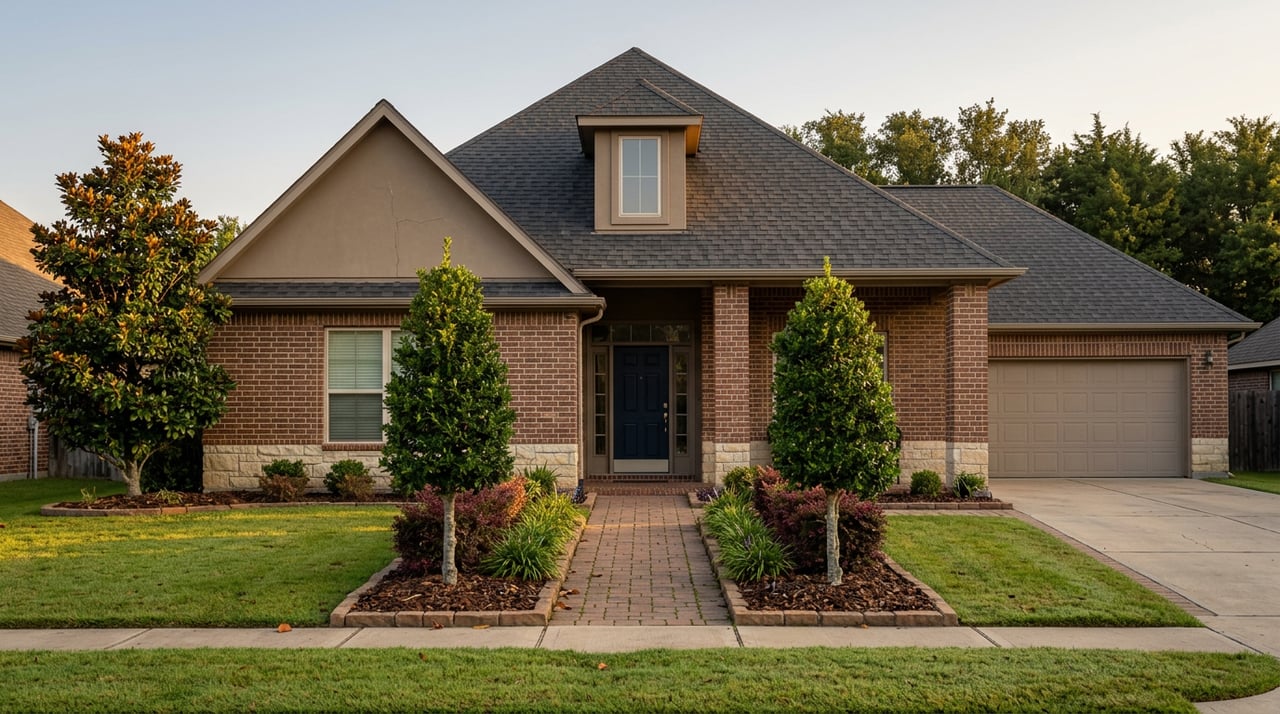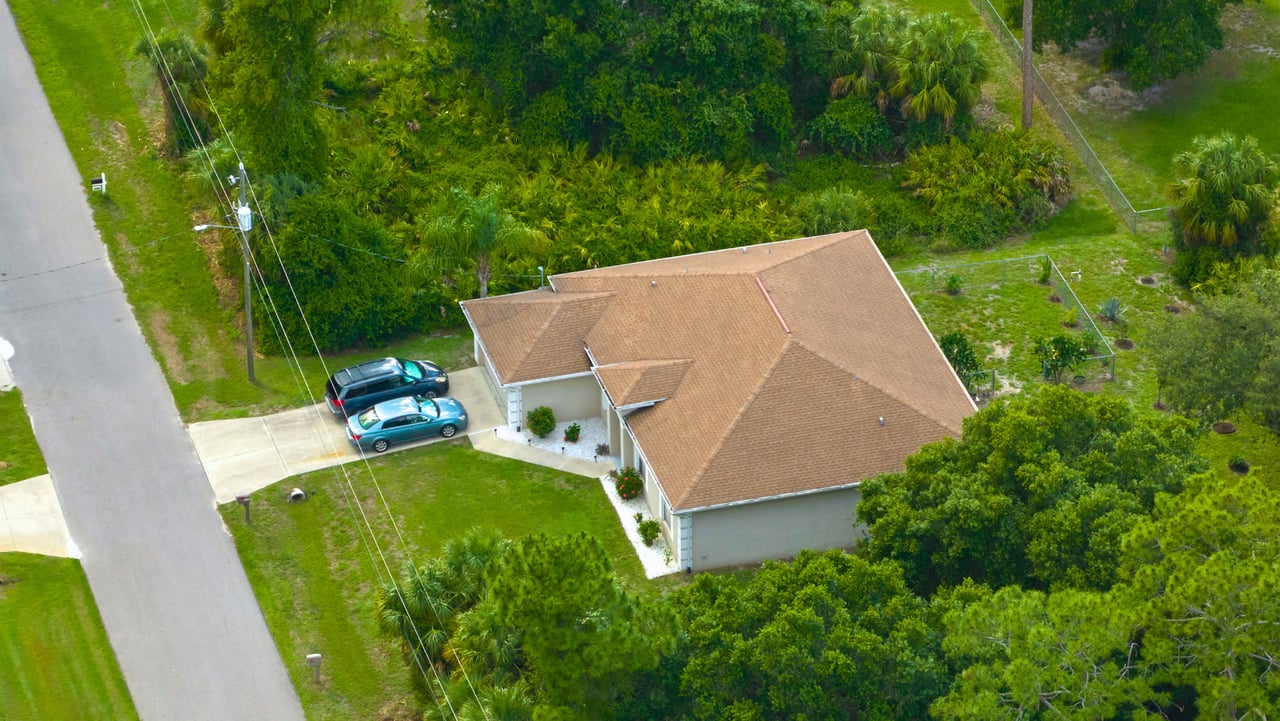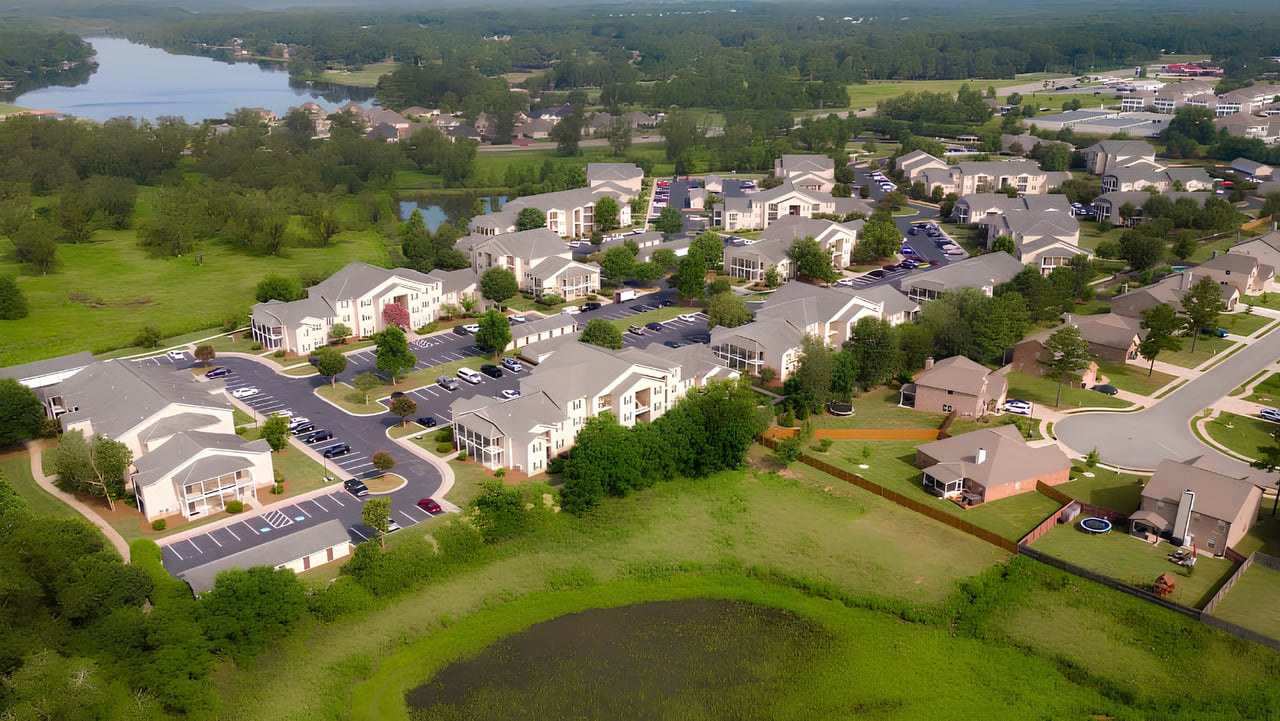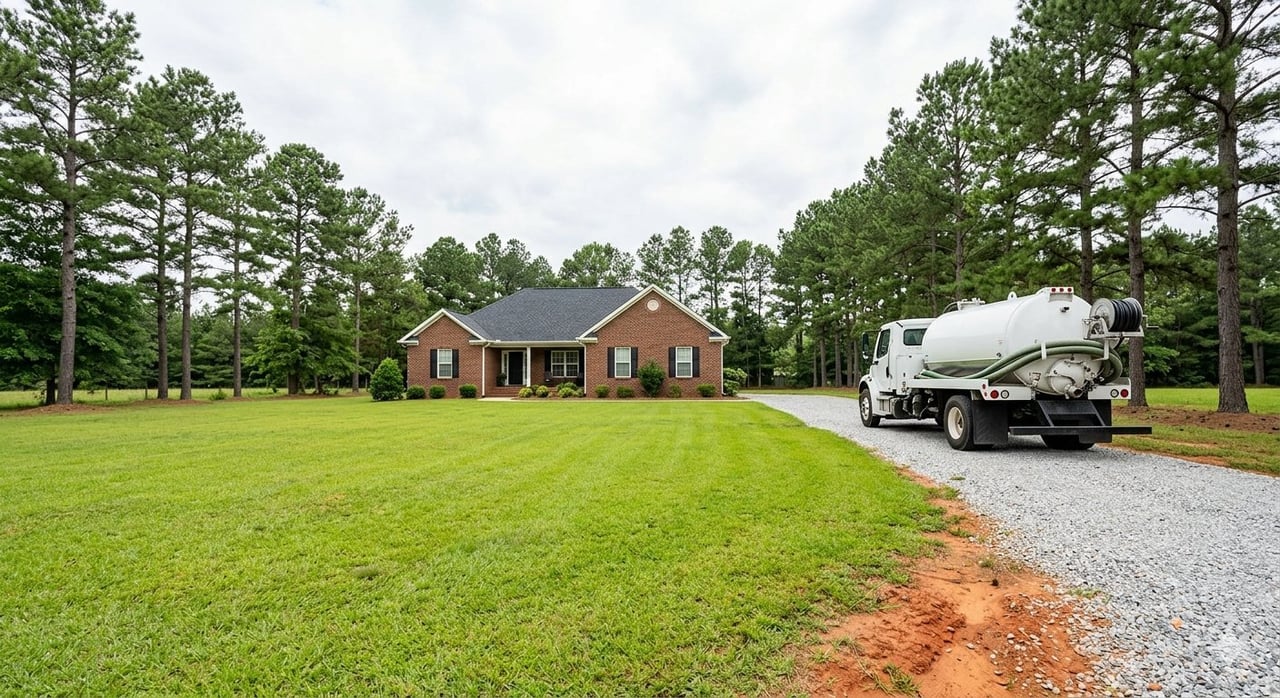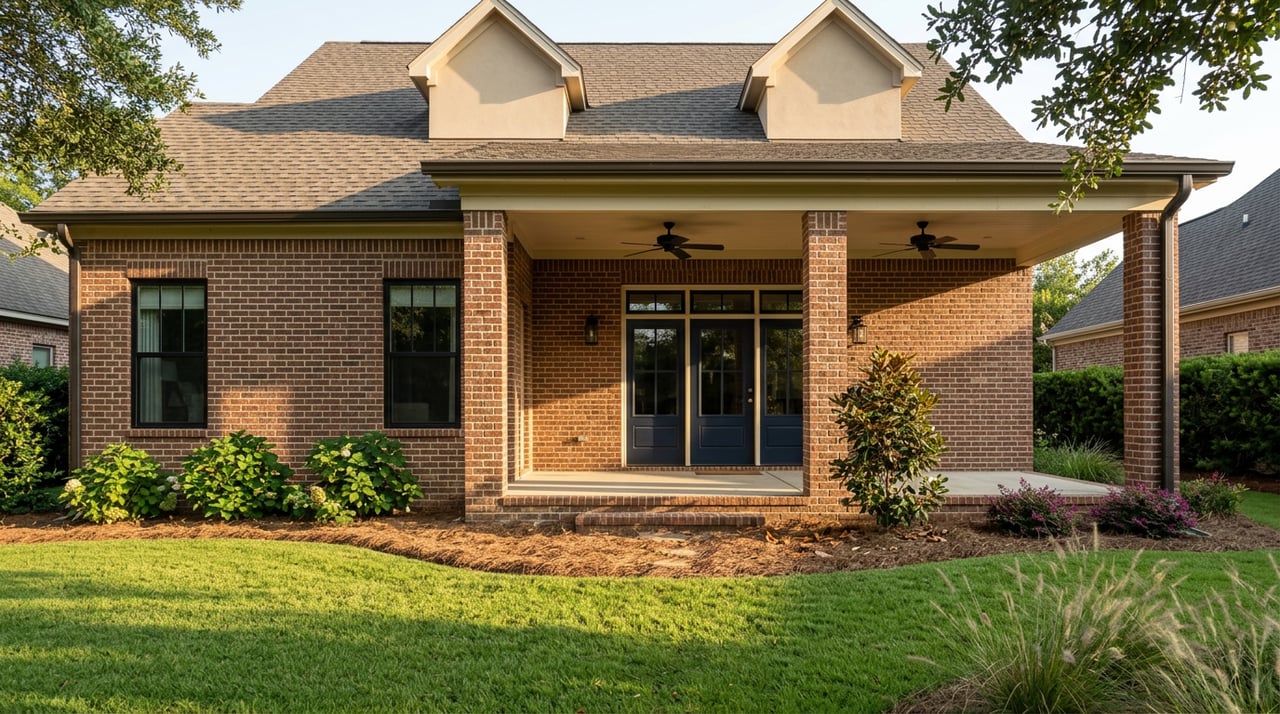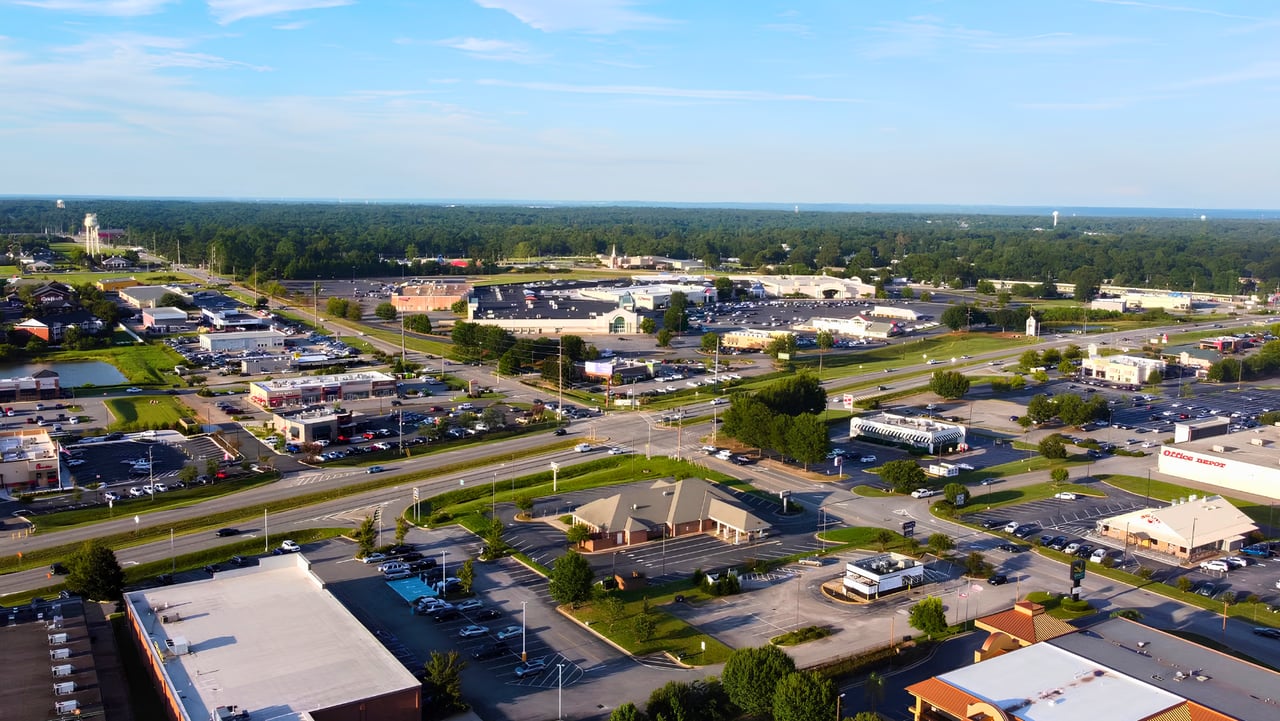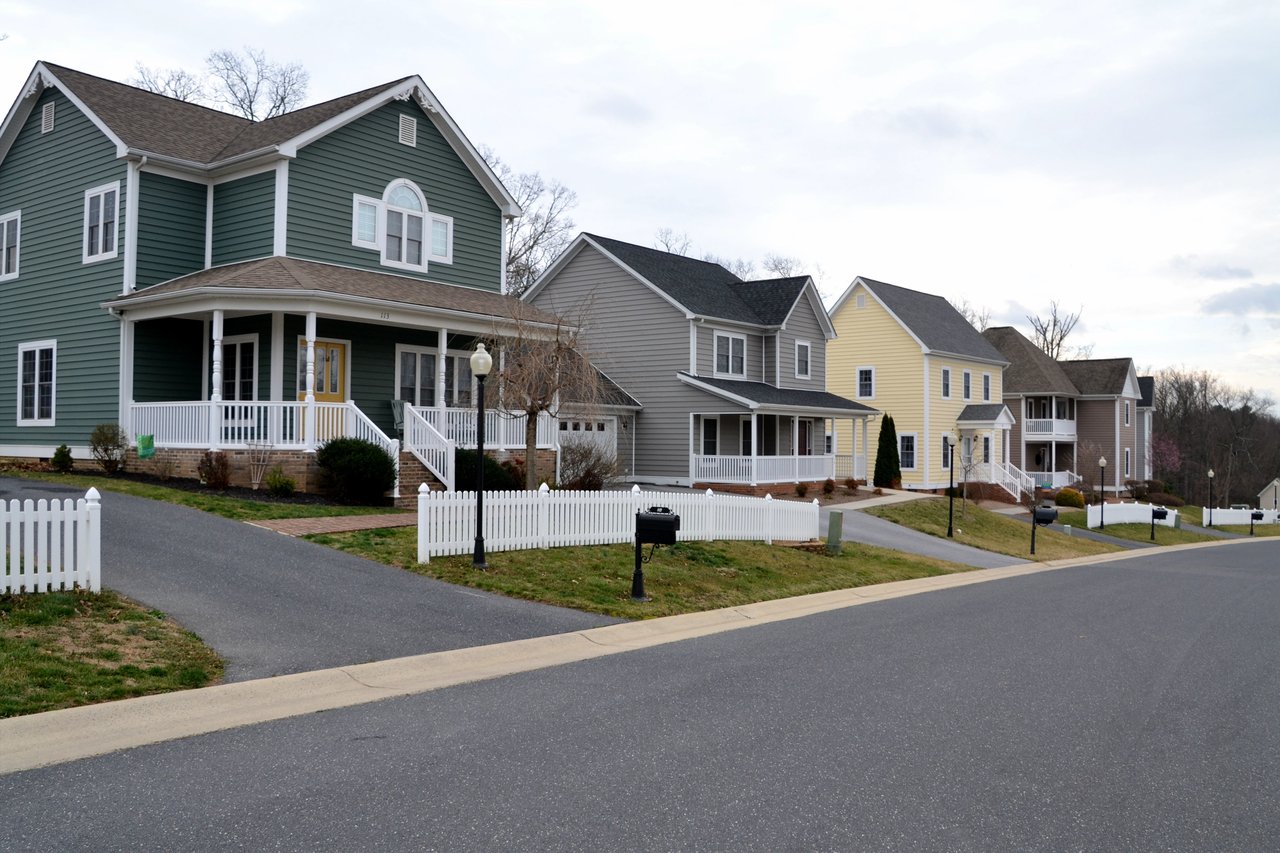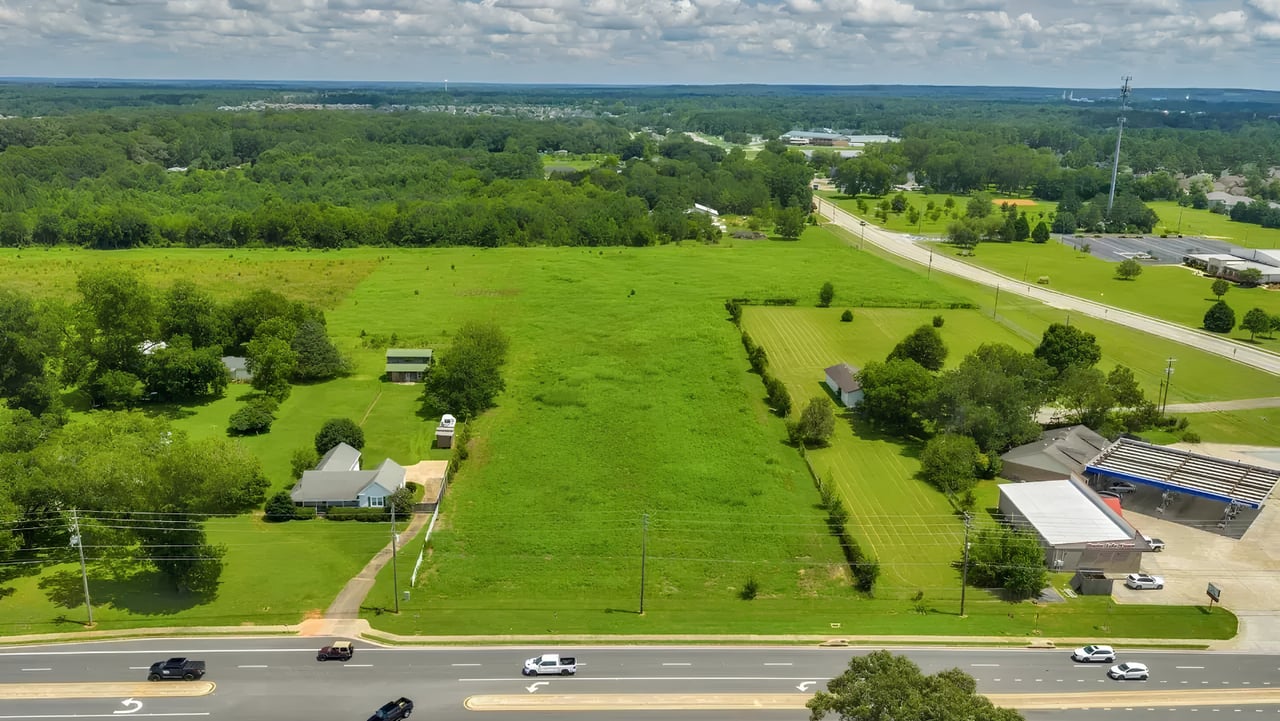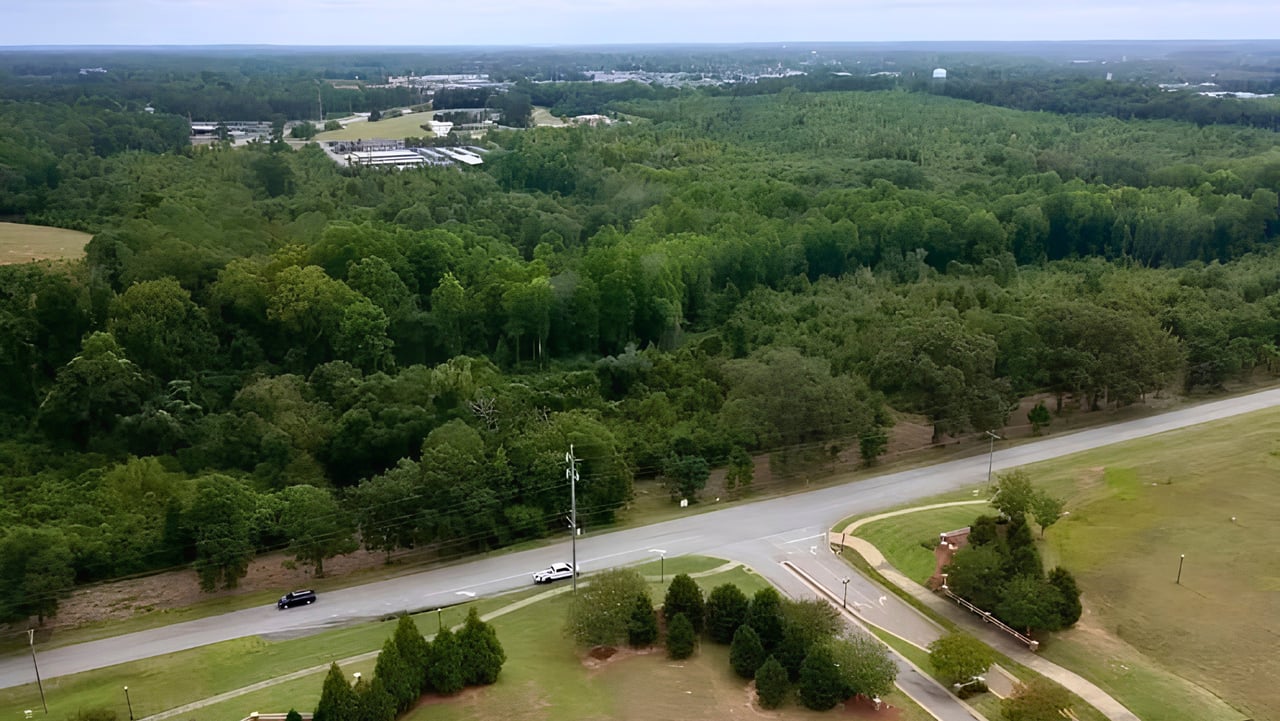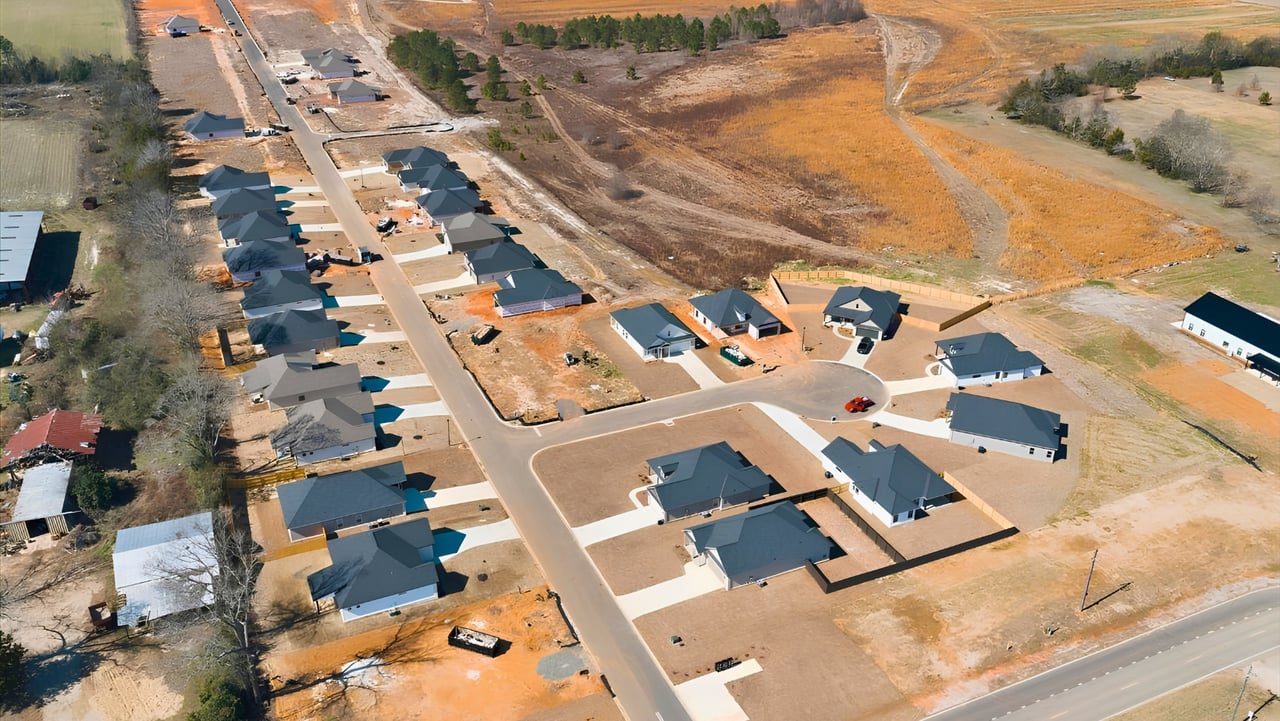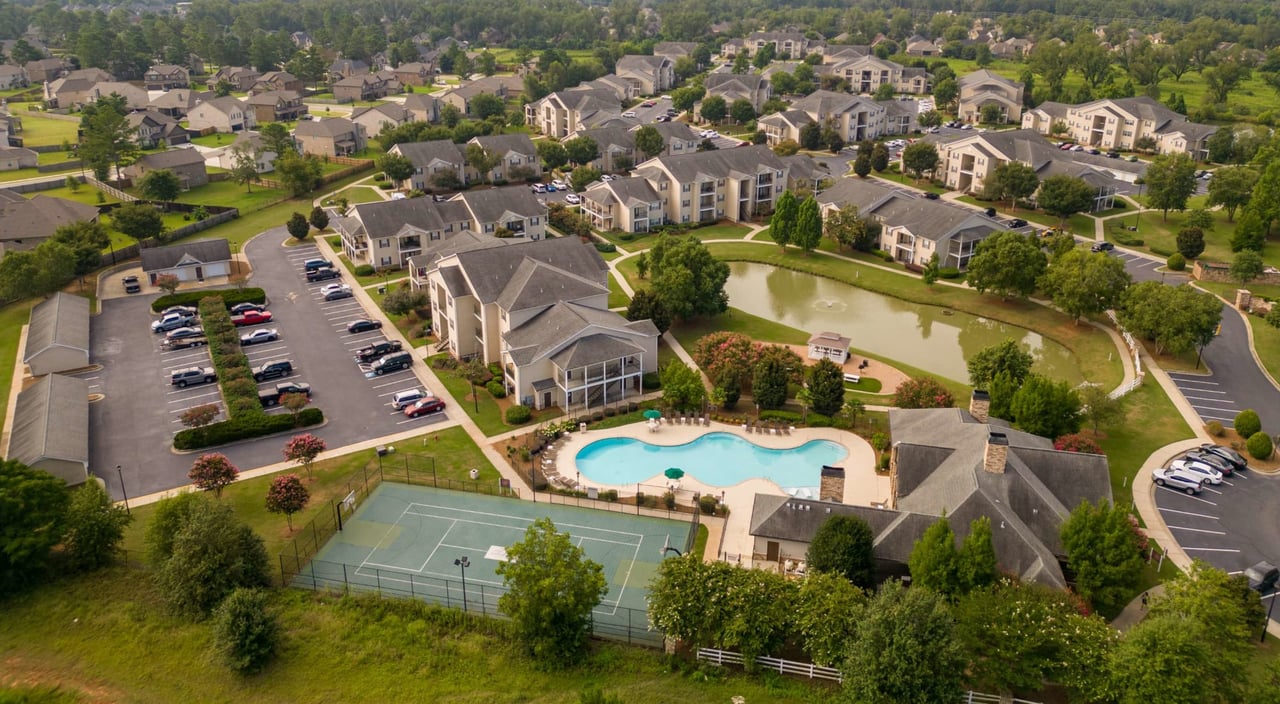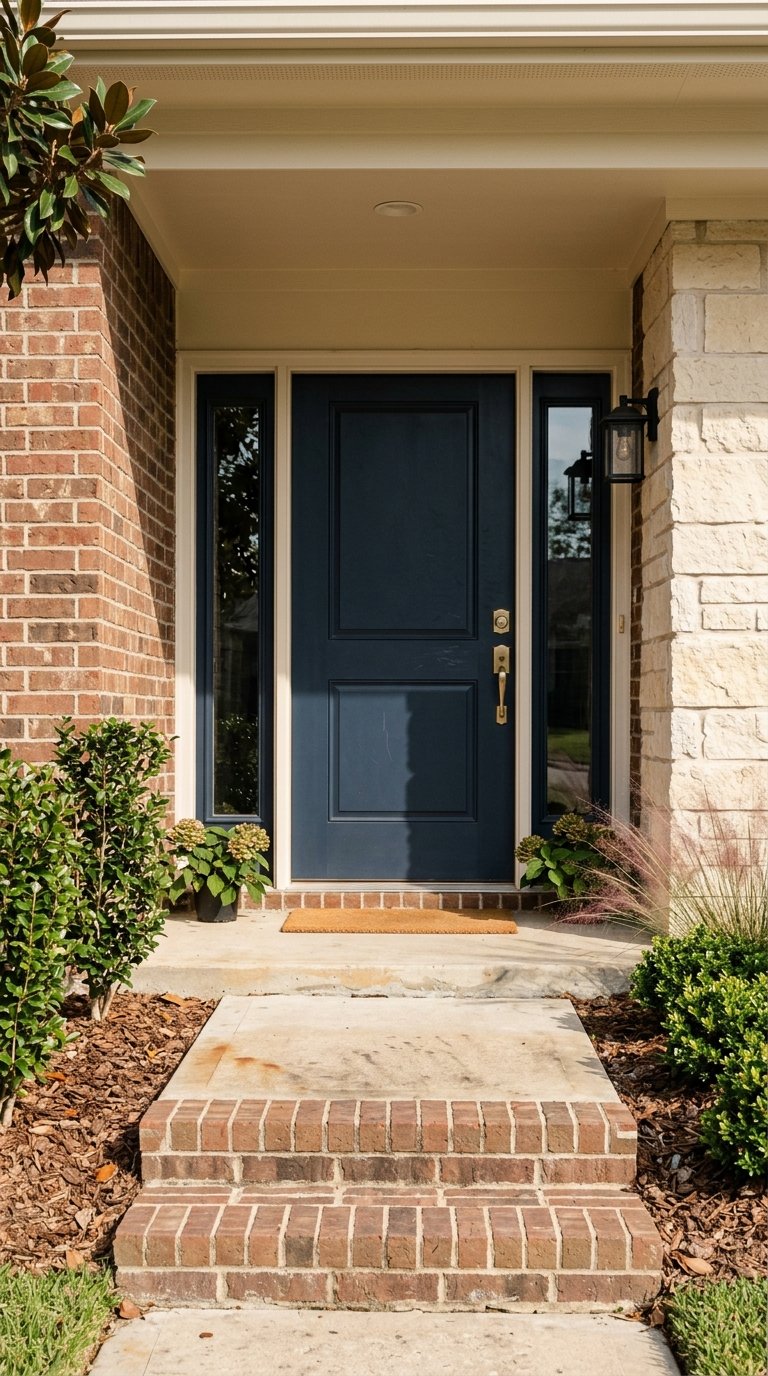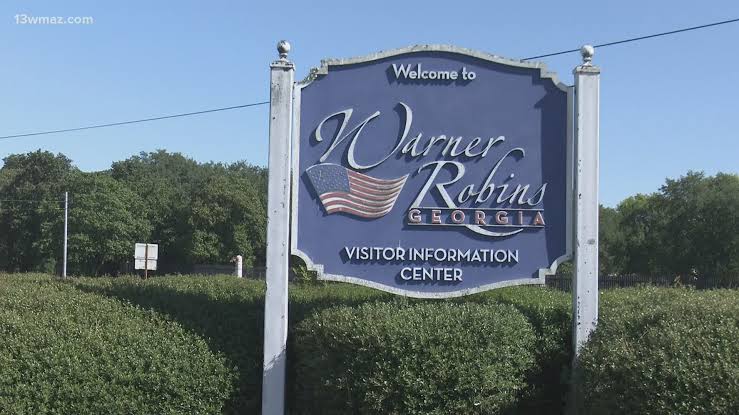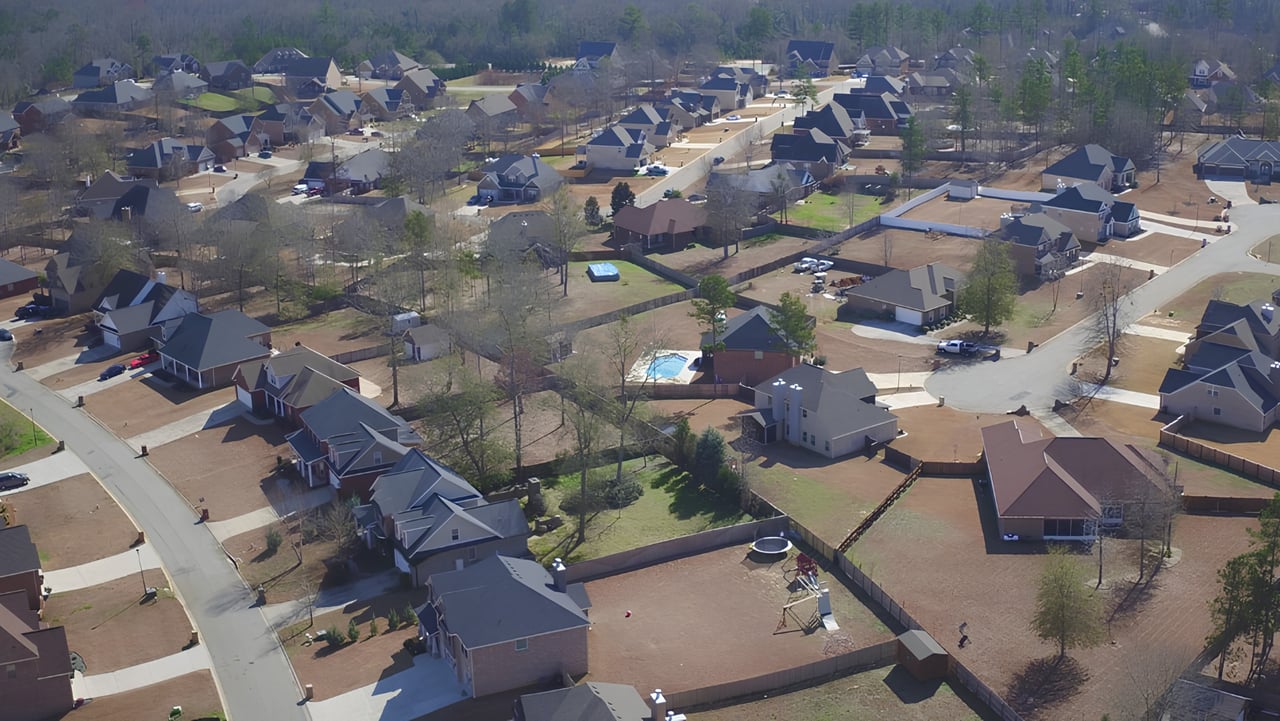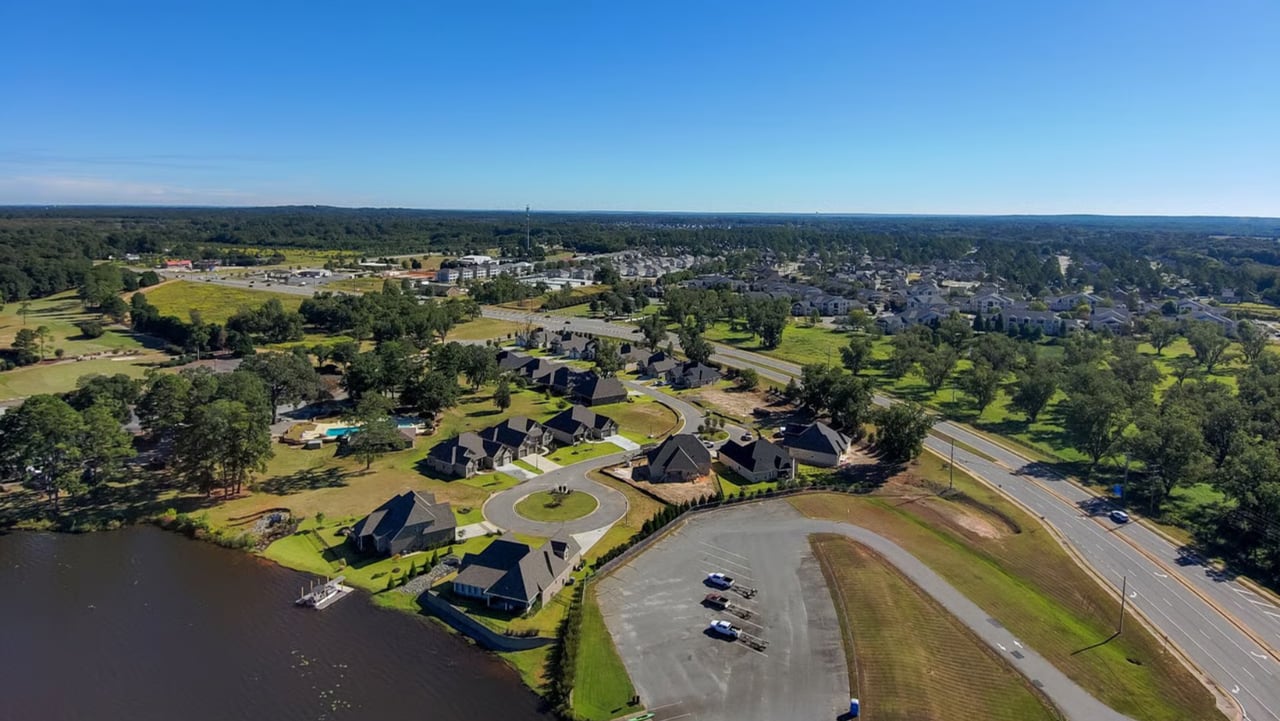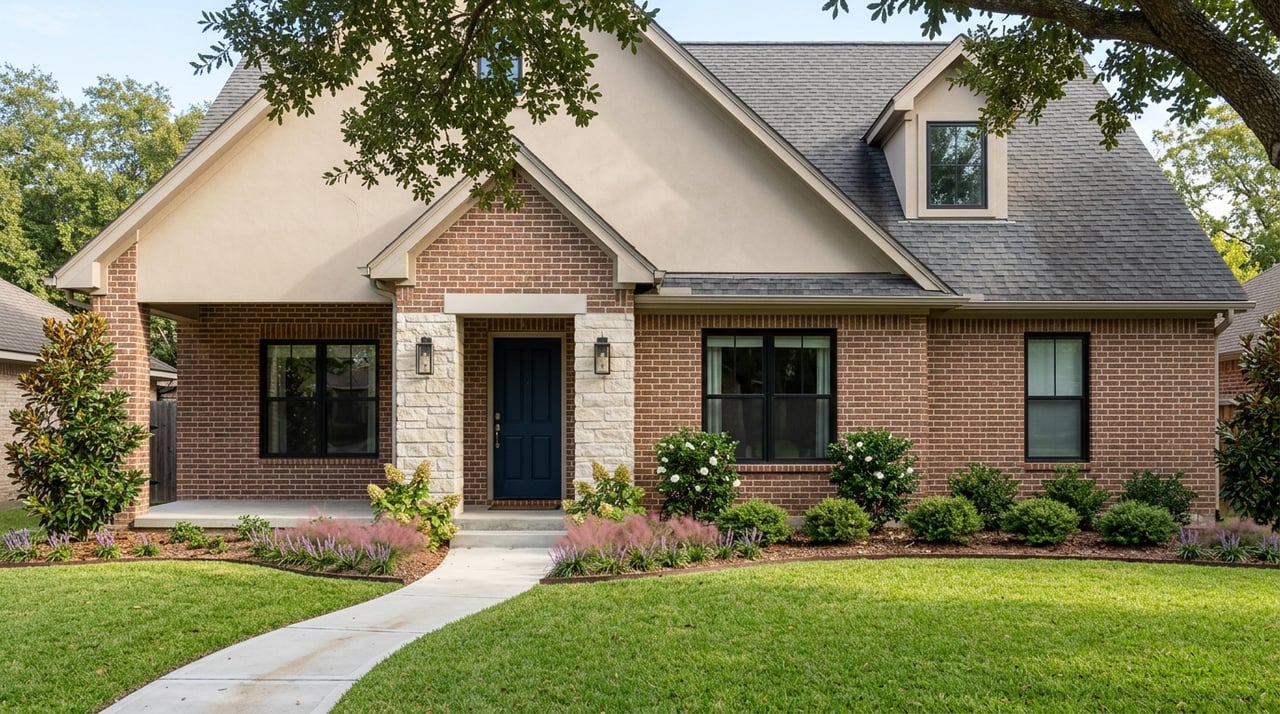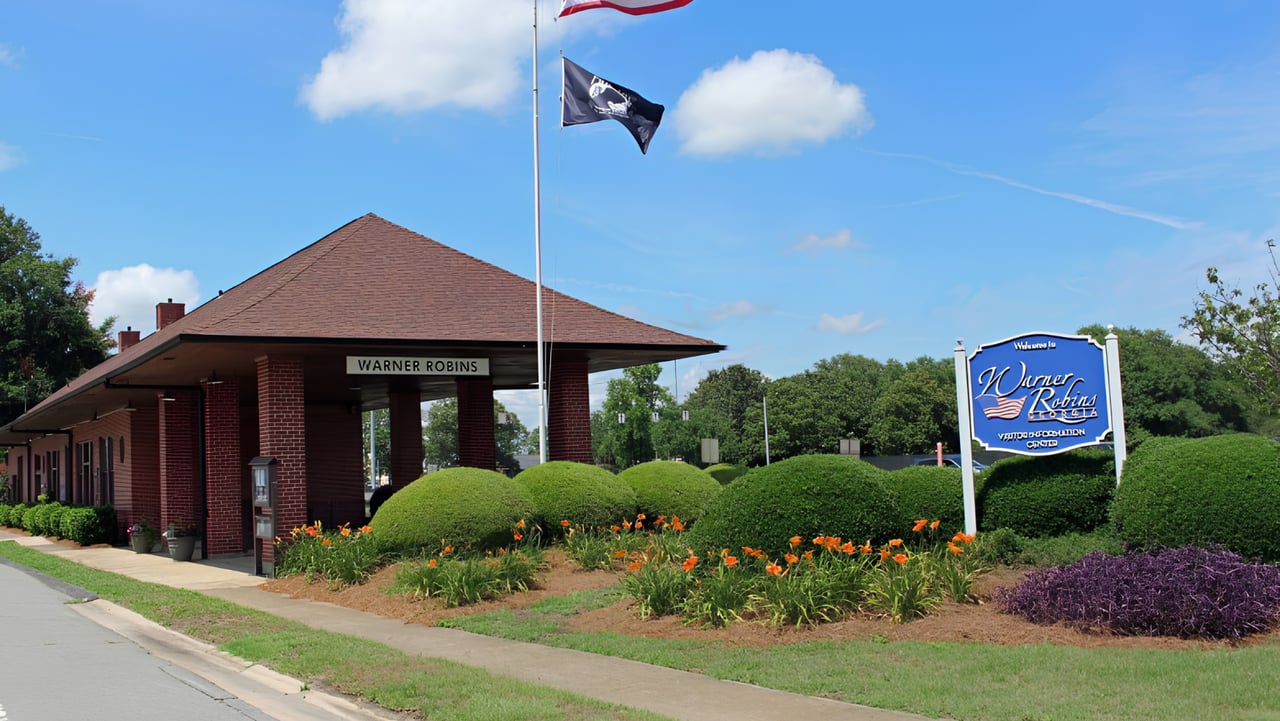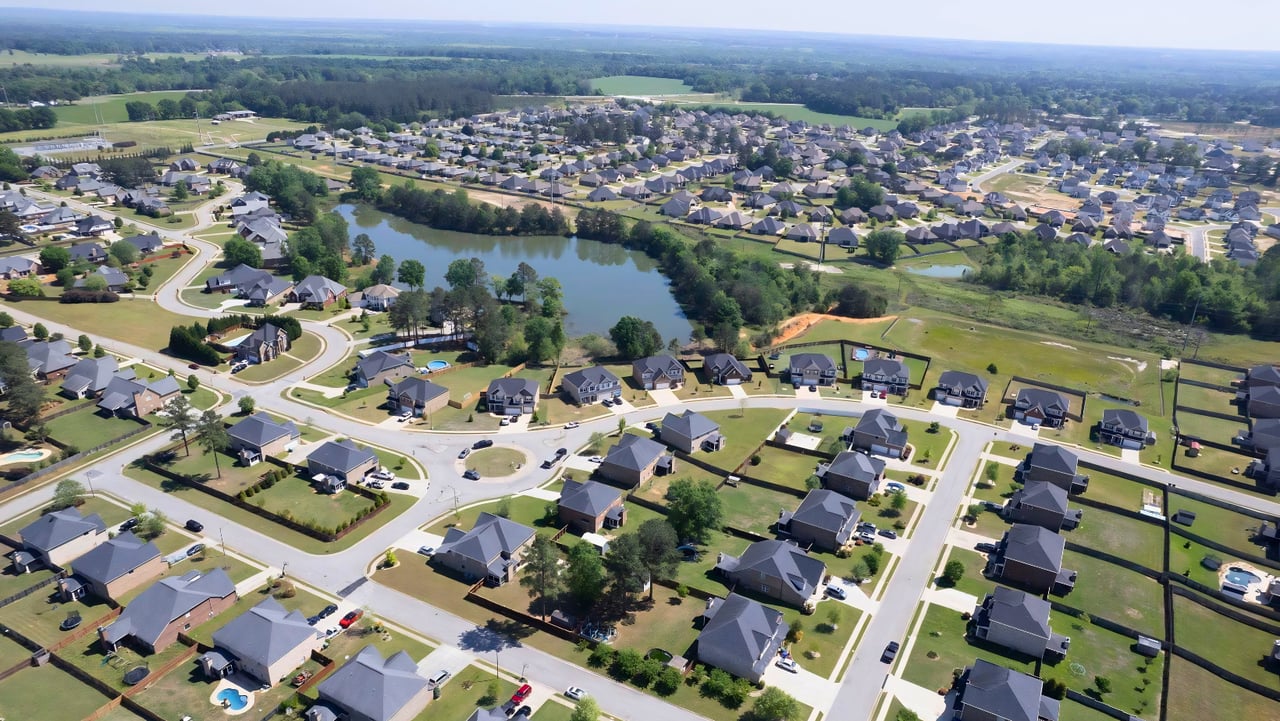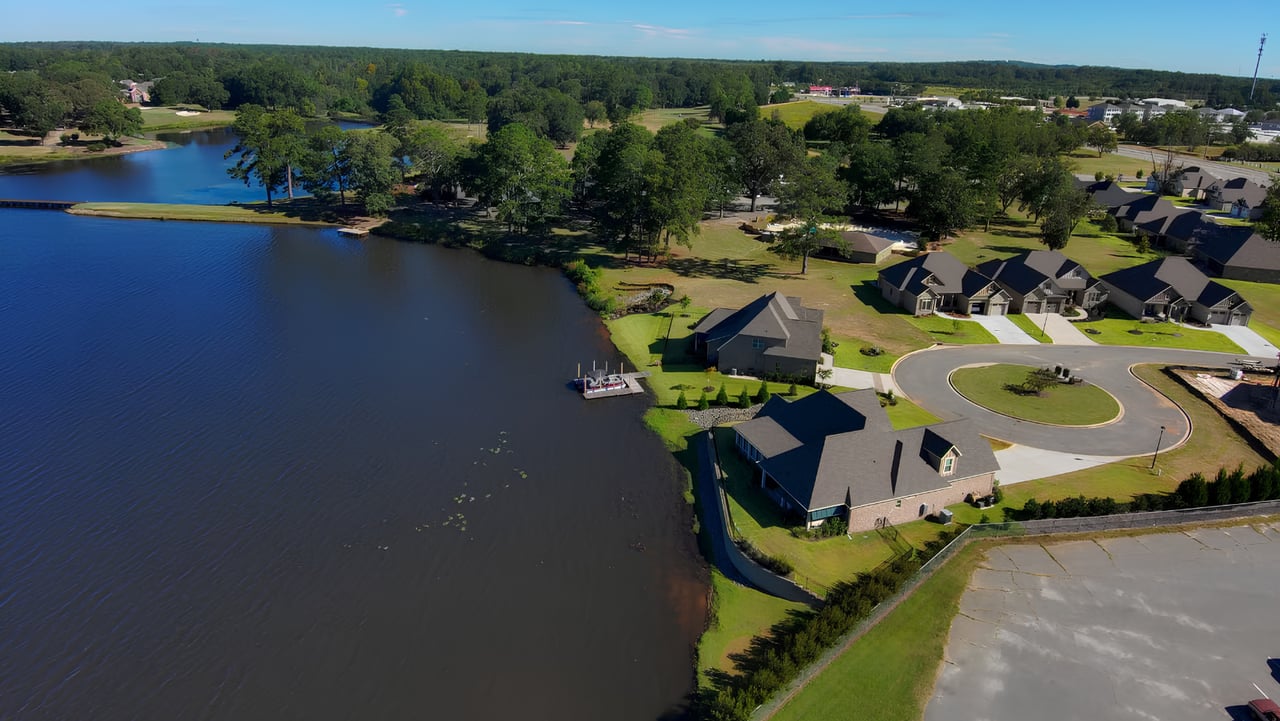
As you move out from the center of Warner Robins into the outlying parts of the city and the rural stretches of Houston County, more and more homes run on private systems. Instead of a city sewer connection, the home has a septic tank and a drain field buried in the yard. Instead of a city water meter, some properties draw from a private well.
These properties are often exactly what a buyer is looking for: more land, more privacy, more room, at a price that competes well with a smaller lot closer in. But they carry a category of hidden cost that a city-sewer, city-water buyer never encounters, and they carry lender requirements that can stop a loan cold if the property does not meet them. Neither is a reason to avoid these homes. Both are reasons to go in informed.
Septic: What It Actually Costs
A septic system is not a problem in itself. Millions of homes run on them reliably for decades. The hidden cost is that a septic system is invisible, it fails gradually, and the difference between a maintained system and a neglected one is thousands of dollars that you inherit the moment you close.
Service | 2026 Georgia Cost | When You Need It |
Real-estate septic inspection (performance eval) | $600 to $1,200+ | Before closing, always, on any septic property |
Basic visual inspection | $250 to $600 | Routine, less thorough than a real-estate eval |
Tank pump-out | $300 to $600 | Every 3 to 5 years; often required before inspection |
Drain field replacement | $6,000 to $15,000 | When the field fails, often from neglect |
Tank replacement | Several thousand and up | Cracked, corroded, or undersized tank |
Pump chamber (if not gravity-fed) | $1,500 to $3,500 added | Sloped lots that cannot drain by gravity |
Why the inspection is non-negotiable
Never buy a septic property without a full inspection that includes pumping the tank first. A visual look at a full tank tells you almost nothing, because the problems hide below the liquid line and out in the drain field. A proper performance evaluation checks the tank walls and baffles, the inlet and outlet, and the condition of the field, and it is the difference between knowing what you are buying and gambling on it.
The math is stark. A $600 to $1,200 inspection that catches a failing drain field can save you a $6,000 to $15,000 repair, or hand you the leverage to make the seller address it before closing. That is one of the highest-return few hundred dollars in the entire transaction.
Georgia's clay is a real cost factor
Middle Georgia's red clay drains slowly, and slow-draining soil is hard on drain fields. A field that would last decades in sandy loam can struggle in dense clay, which is part of why drain field replacement here lands at the higher end of the range and why some sites require larger or engineered systems. It is also worth knowing that any septic system installed in Georgia after 2000 must have a two-compartment tank, so the installation date of the system tells you something about what standard it was built to.
Wells: The Second System Some Properties Add
Fewer Houston County homes are on private wells than on septic, but where a well exists, it adds its own inspection and its own costs, and when a property has both a well and a septic system, the two interact in ways that directly affect your loan.
Service | 2026 Cost | Notes |
Well inspection | $250 to $550 | Depends on well type, depth, and age |
Laboratory water quality test | $100 to $350 | Required by FHA, VA, and USDA on private wells |
Well pump replacement | $400 to $2,500 | Depends on pump type and well depth |
New well (if required) | Several thousand and up | Rare, but possible on a failed or non-conforming well |
The Lender Requirements That Catch Buyers Off Guard
This is the part that surprises even experienced buyers, and it matters enormously in Warner Robins because VA and FHA financing are the norm here. Government-backed loans have specific rules for private systems, and a property that does not meet them cannot be financed with that loan until the issue is resolved.
Requirement | FHA | VA | USDA |
Well to septic tank distance | 50 feet minimum | Defers to Georgia county standard | Follows FHA |
Well to drain field distance | 100 feet (75 with local approval) | Defers to county standard | Follows FHA |
Well to property line | 10 feet minimum | Defers to county standard | Follows FHA |
Water quality test validity | 180 days | 90 days | Follows FHA |
Water flow standard | 3 to 5 gallons per minute | Per local standard | Follows FHA |
Health authority approval | Required where applicable | Required where applicable | Required |
The non-conforming trap is the one to watch. On older properties, the well and septic were often installed before modern distance rules existed, which means the well can sit closer to the drain field than an FHA loan allows. That is a non-conforming condition, and depending on the loan it may require a variance, a passing water test, or in a worst case the relocation of a component. A VA appraiser will visually inspect the septic area for standing water, odor, or unusually lush vegetation over the field, any of which can flag the system for further inspection.
The practical takeaway: on a well-and-septic property, order the water quality test early. A failed water test can end a deal just as fast as a failed septic inspection, and finding out in the first week gives you options that finding out in the last week does not.
For Buyers: How Do I Buy a Septic or Well Home Smart?
First, confirm what the property is actually on. A Warner Robins mailing address does not tell you whether the home is on city sewer and water or on a private septic and well. Ask directly, and confirm it, because the answer changes your inspection budget, your loan checklist, and your closing timeline.
Second, budget for the extra inspections up front and order them early. On a septic property, that is a full performance evaluation with a pump-out. On a well property, add a well inspection and the lab water test your loan requires. These are a few hundred to roughly a thousand dollars combined, and they are the cheapest insurance in the transaction against a five-figure surprise.
Third, treat the drain field like the roof: expensive, buried, and worth verifying. If the inspection flags the field, you have the same menu of options you would have on any major system, a price reduction, a repair or replacement credit, seller-completed work, but only before closing. After you close, a failed field is entirely yours.
Fourth, ask about maintenance records and the reserve field. A seller who can show pump-out records every three to five years is showing you a maintained system, and the original permit should identify a reserve drain field area, which is the preferred location if the field ever needs replacing. Both are worth asking for during due diligence.
And know your insurance gap. Standard homeowners insurance typically excludes septic failure caused by age, neglect, or gradual deterioration, though some policies cover sudden damage from a covered event and septic-specific riders exist. Do not assume your policy protects the system. Ask your agent before you close.
For Sellers: How Do I Sell a Septic or Well Home Without Losing the Deal?
If you are selling a septic or well property to a buyer using VA, FHA, or USDA financing, which describes most of this market, the smartest move you can make is to get ahead of the requirements before you list. A pre-listing septic inspection and, on a well property, a current water test tell you whether your systems will clear the buyer's loan, and they let you address any problem on your own schedule instead of scrambling under contract with a deadline bearing down.
Pull your pump-out records and the original septic permit. Buyers and their inspectors ask for both, and a documented maintenance history reassures a buyer who might otherwise discount the whole home out of uncertainty. If your well sits closer to the drain field than FHA distances allow, know that in advance, because it will surface in the buyer's process and you are far better positioned to address it before it becomes a mid-contract crisis.
The Bottom Line
A septic or well property near Warner Robins can be a genuinely good buy, offering more land and privacy at a competitive price. The hidden costs are real but manageable: a more thorough inspection, a water test where a well is involved, a drain field that is expensive if neglected, and loan requirements that can stop a deal if the property does not conform.
Order the inspections early, confirm the property meets your loan's rules, and treat the buried systems with the same seriousness you would give the roof. Do that and a septic-and-well home is simply a different kind of house, not a riskier one.
Frequently Asked Questions About Buying a Septic or Well Home Near Warner Robins, GA
Q: How much does a septic inspection cost in Georgia?
A: A real-estate septic inspection with a performance evaluation, the kind most transactions require, runs roughly $600 to $1,200 or more in Georgia in 2026. A basic visual inspection runs $250 to $600 but is far less thorough. A tank pump-out, often required before a proper inspection, runs $300 to $600. Always insist on an inspection that includes pumping the tank first, because the significant problems in a septic system hide below the liquid line and out in the drain field, where a visual pass on a full tank cannot detect them.
Q: How much does it cost to replace a septic drain field in Georgia?
A: A full drain field replacement in Georgia runs roughly $6,000 to $15,000 in 2026, and it can run higher on difficult sites. Georgia's dense red clay drains slowly, which stresses drain fields and can require larger or engineered systems that push the cost toward the upper end. Most drain field failures trace back to a neglected tank: when solids are not pumped out on schedule, they migrate into the field and clog it. Three or four pump-outs over a decade, at a few hundred dollars each, are far cheaper than the five-figure replacement that neglect eventually forces.
Q: What are the FHA well and septic distance requirements?
A: FHA requires a private well to sit at least 50 feet from the septic tank, at least 100 feet from the drain field (reducible to 75 feet with local health authority approval), and at least 10 feet from the property line. FHA also requires a passing laboratory water quality test valid for 180 days and generally a water flow of 3 to 5 gallons per minute. Where Georgia county health department standards are stricter than the federal minimums, the local standard applies. USDA loans follow these FHA guidelines and are typically the most stringent on inspection.
Q: Do VA loans have special rules for septic and well homes?
A: Yes. For distance between a septic system and a private well, VA defers to the Georgia state or county health department standard rather than setting its own figure, and most jurisdictions require 50 to 100 feet. VA requires a laboratory water quality test valid for 90 days on properties with a private well, and it expects the septic system to be adequately sized for the home, typically at least a 1,000-gallon tank for a three-bedroom house. The VA appraiser also visually inspects the septic area for standing water, sewage odor, or unusually lush vegetation over the drain field, any of which can trigger a call for further inspection.
Q: Can I get a mortgage on a home with a septic system near Warner Robins?
A: Yes. Septic systems are common across outlying Warner Robins and rural Houston County, and they are financeable under VA, FHA, USDA, and conventional loans. The key is that the property must meet the applicable loan program's requirements: a functioning system with no signs of failure, adequate sizing, and, where a private well is also present, conforming distances and a passing water test. Problems arise mainly on older properties where the well and septic were installed before modern distance rules, creating a non-conforming condition that may require a variance or corrective work before the loan can close.
Q: How often does a septic tank need to be pumped?
A: Most residential septic systems should be pumped every three to five years, and larger households or homes with garbage disposals may need pumping every two to three years. Regular pumping is the single most effective way to prevent drain field failure, because it keeps solids from migrating into the field and clogging it. When you buy a septic property, ask the seller for pump-out records, since a documented three-to-five-year schedule is strong evidence of a maintained system, while a tank that has not been pumped in a decade is a warning sign worth taking seriously.
Q: Does homeowners insurance cover septic system failure?
A: Standard homeowners insurance typically excludes septic system failure caused by age, lack of maintenance, or gradual deterioration, which are the most common causes of failure. Some policies do cover sudden damage from a covered event, such as a tree falling on the system or a vehicle impact, and septic-specific riders are available from some insurers for broader protection. Because coverage varies significantly, review your policy and speak with your insurance agent about septic coverage before closing rather than assuming your standard policy protects the system.
Q: How much does a well inspection and water test cost?
A: A well inspection in Georgia runs roughly $250 to $550, depending on the well type, depth, and age. A laboratory water quality test runs $100 to $350 on its own, and it is required by FHA, VA, and USDA loans on any property with a private well. A well pump replacement, if needed, runs $400 to $2,500 depending on the pump type and well depth. Many inspection companies offer a discount when a well and septic inspection are performed in the same visit, so it is worth asking when you schedule.
Q: What is a non-conforming well and septic setup?
A: A non-conforming setup is one where the well and septic system do not meet current distance requirements, most often because they were installed before modern rules existed. For example, an older property might have a well only 60 feet from the drain field when FHA requires 100 feet. This creates a problem for government-backed financing and may require a variance from the local health authority, a passing water test to demonstrate the water is protected, or in rare cases relocating a component. It is one of the more common reasons a septic-and-well deal hits a snag, which is why identifying it early matters.
Q: Should I order a water test early when buying a well property?
A: Yes. On a property with both a private well and a septic system, order the water quality test as early in your due diligence period as possible. A failed water test can end a deal just as quickly as a failed septic inspection, and discovering the problem in your first week leaves you with options, such as negotiating treatment, a credit, or a price adjustment, that discovering it in the final week does not. Because FHA requires the test to be valid for 180 days and VA for 90 days, timing the test correctly relative to your closing date also matters for the loan.
Q: Is a septic and well home cheaper than a city-sewer home near Warner Robins?
A: The purchase price on outlying septic and well properties often competes well against smaller in-town lots, and buyers frequently get more land and privacy for the money. But the total cost picture includes the extra inspections, periodic pump-outs every three to five years, the risk of a five-figure drain field replacement if the system was neglected, and no monthly city sewer and water bill, which is a genuine offsetting savings. Whether it comes out cheaper overall depends heavily on the condition of the systems, which is exactly why the up-front inspection is so important.
Quarterly Refresh Note: Re-verify FHA, VA, and USDA well and septic requirements annually against current agency guidance. Update Georgia septic and well pricing ranges each year. Confirm Georgia Department of Public Health and Houston County health district standards as needed.
About the Author
William Walton-Dean is a licensed REALTOR® with Walton Dean Realty, operating under Real Broker LLC, serving buyers and sellers across Houston County, Georgia, including Perry, Warner Robins, Bonaire, Kathleen, Byron, and the surrounding Middle Georgia housing market. Known for a data-driven, hyper-local approach and deep expertise in the military and PCS relocation market around Robins Air Force Base, he helps buyers and sellers at every price point make clear, confident decisions backed by real market insight.
📱 478-371-7069
Walton Dean Realty | Real Broker LLC
Looking at a Septic or Well Home Near Warner Robins? Let's Check It Before You Commit
Private systems change your inspection budget, your loan checklist, and your closing timeline, and the surprises are much cheaper to catch early than late. Reach out and we will confirm what the property runs on, line up the right inspections, and make sure the systems will clear your loan before you are too far in to negotiate.
William Walton-Dean | Walton Dean Realty
📱 478-371-7069
A More Strategic Approach to Real Estate
This article is provided for general informational purposes only and reflects 2026 Georgia pricing ranges, published loan program guidance, and market conditions as of July 2026. It is not construction, lending, tax, or legal advice. Septic and well costs vary by system type, soil, access, and property condition, and loan program requirements are subject to change, individual underwriting, and Georgia county health department standards that may exceed federal minimums. Obtain professional septic and well inspections and a laboratory water test for any specific property, and consult a licensed loan officer regarding financing. William Walton-Dean is a licensed REALTOR® in the State of Georgia with Walton Dean Realty, operating under Real Broker LLC.