If you want an easier drive to work without giving up a quieter home base, Byron deserves a close look. Many buyers want to stay connected to Macon, Warner Robins, or Perry, but they do not want to live in the middle of heavier traffic and busier commercial areas. The good news is that Byron offers a practical middle ground with I-75 access, local character, and enough everyday convenience to make daily life work well. Let’s dive in.
Byron works well for regional commuters
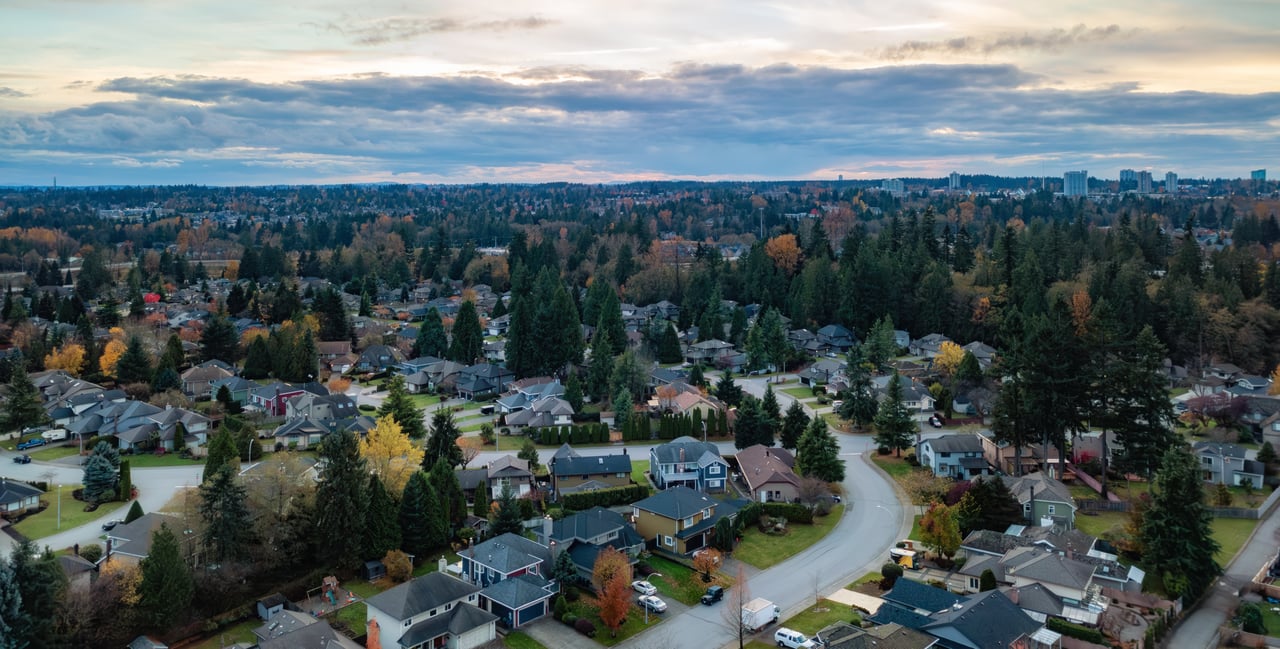
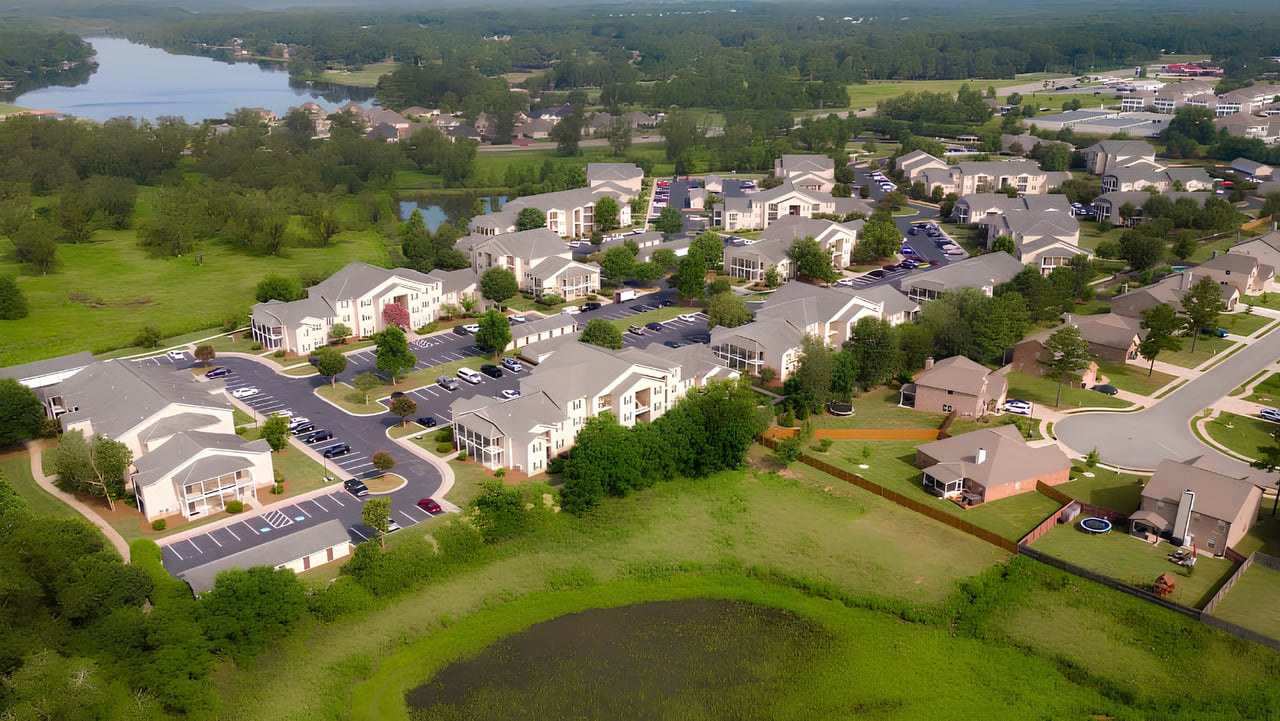
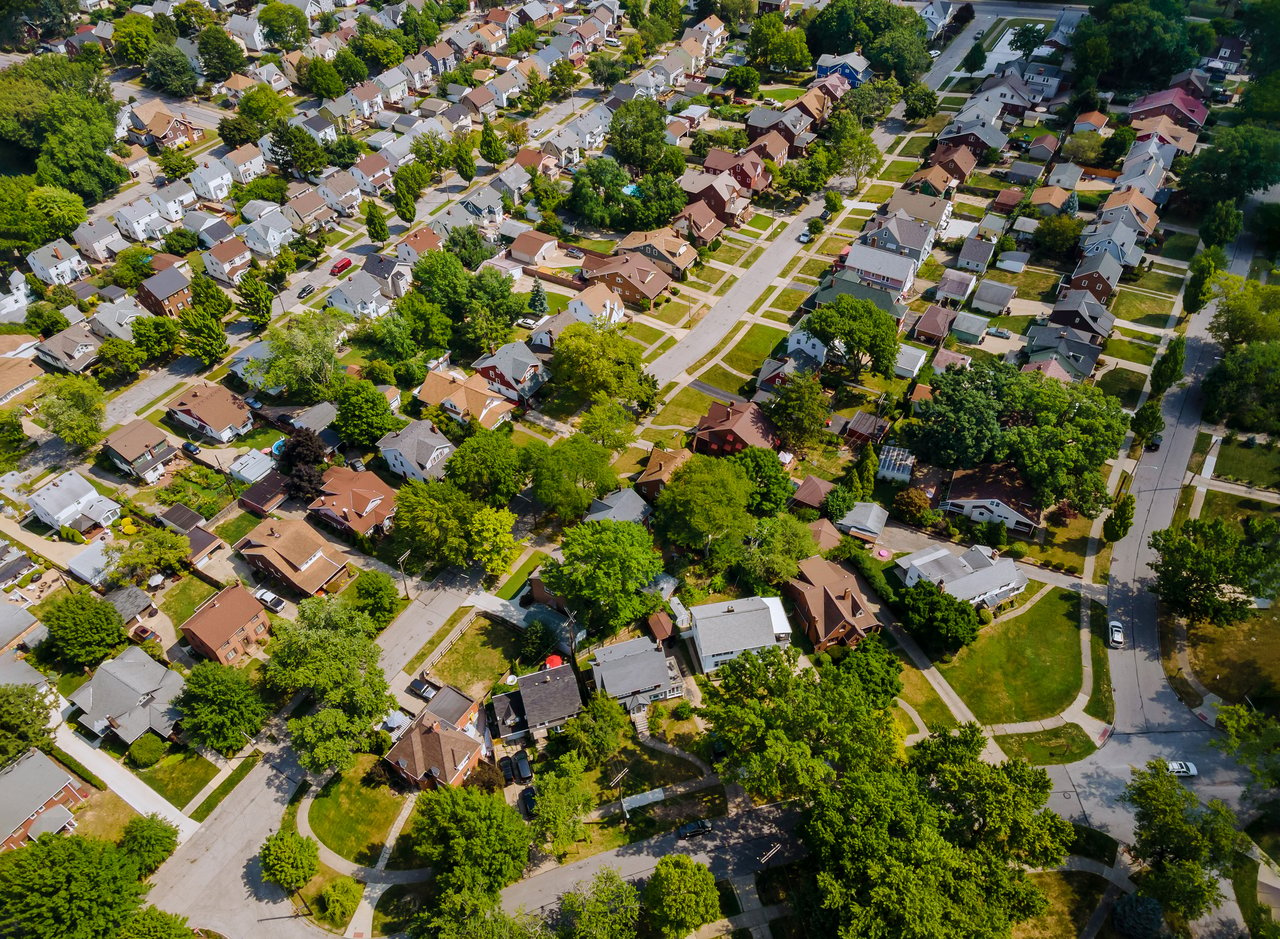
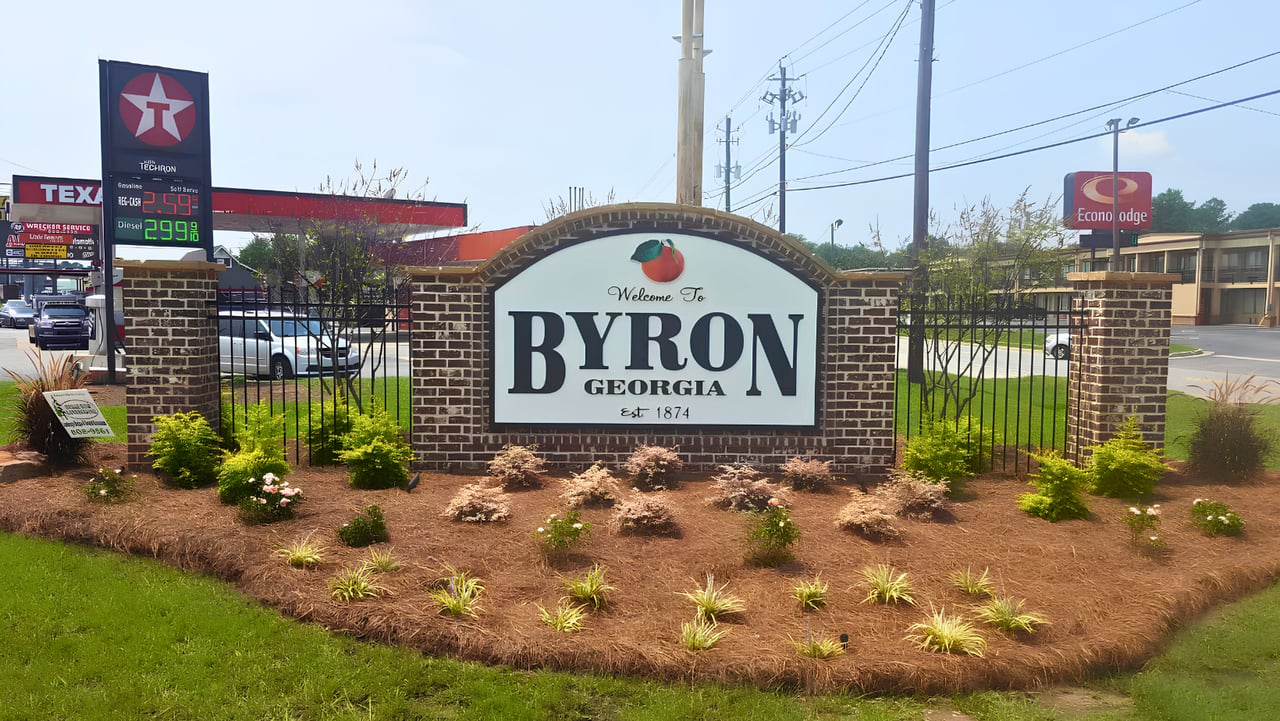
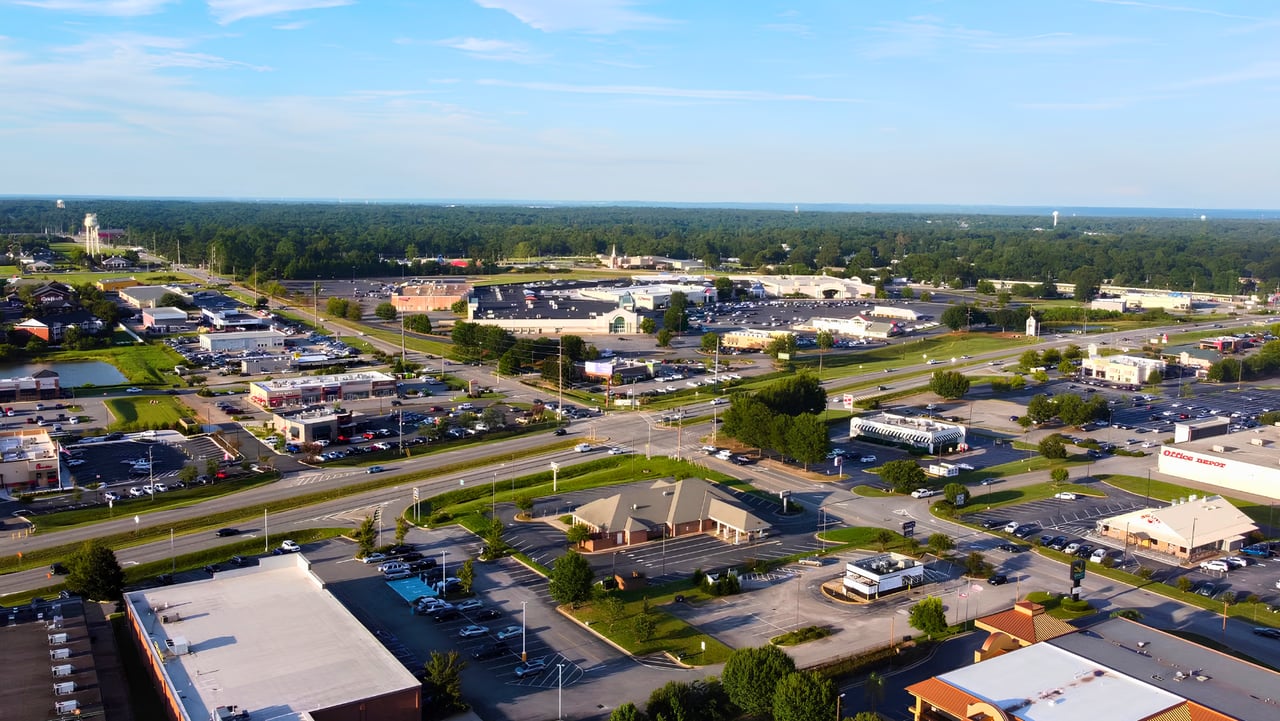
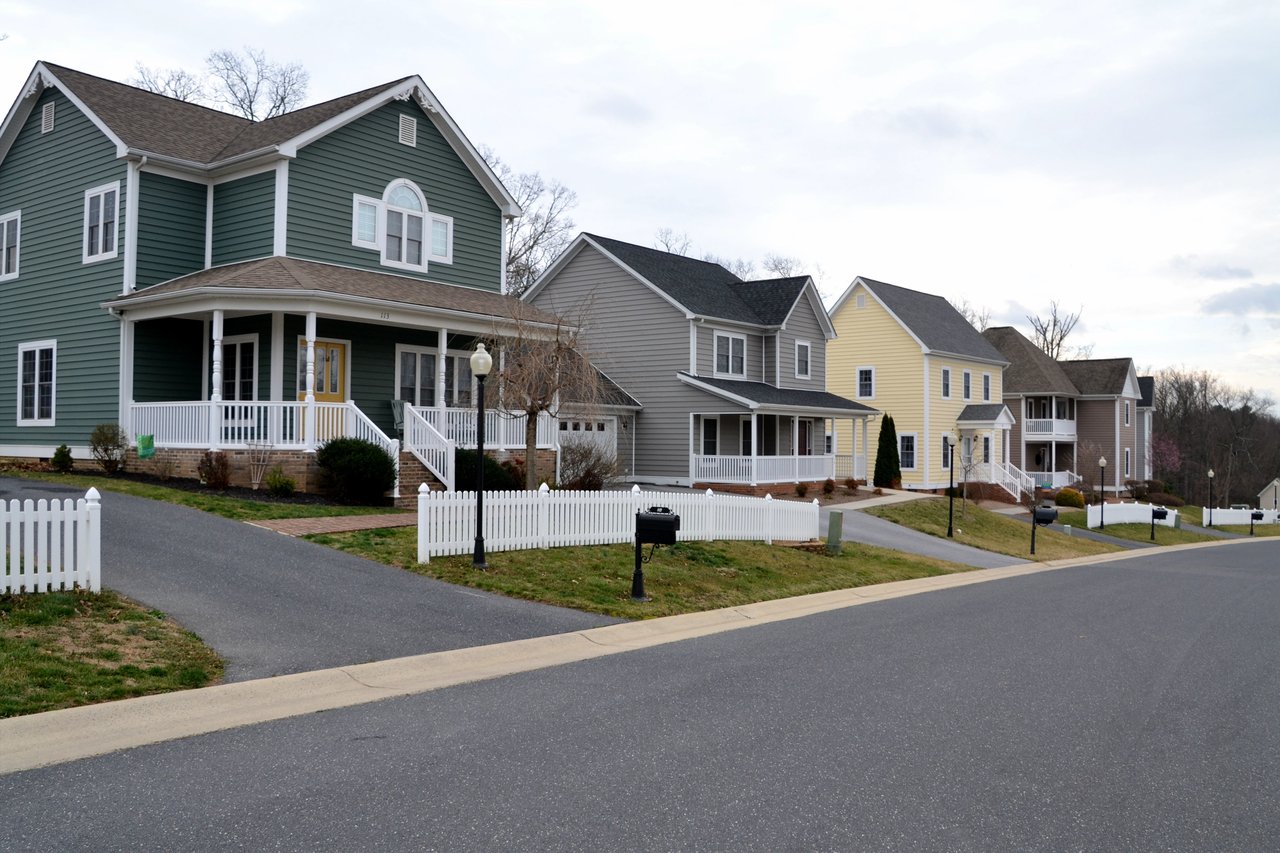
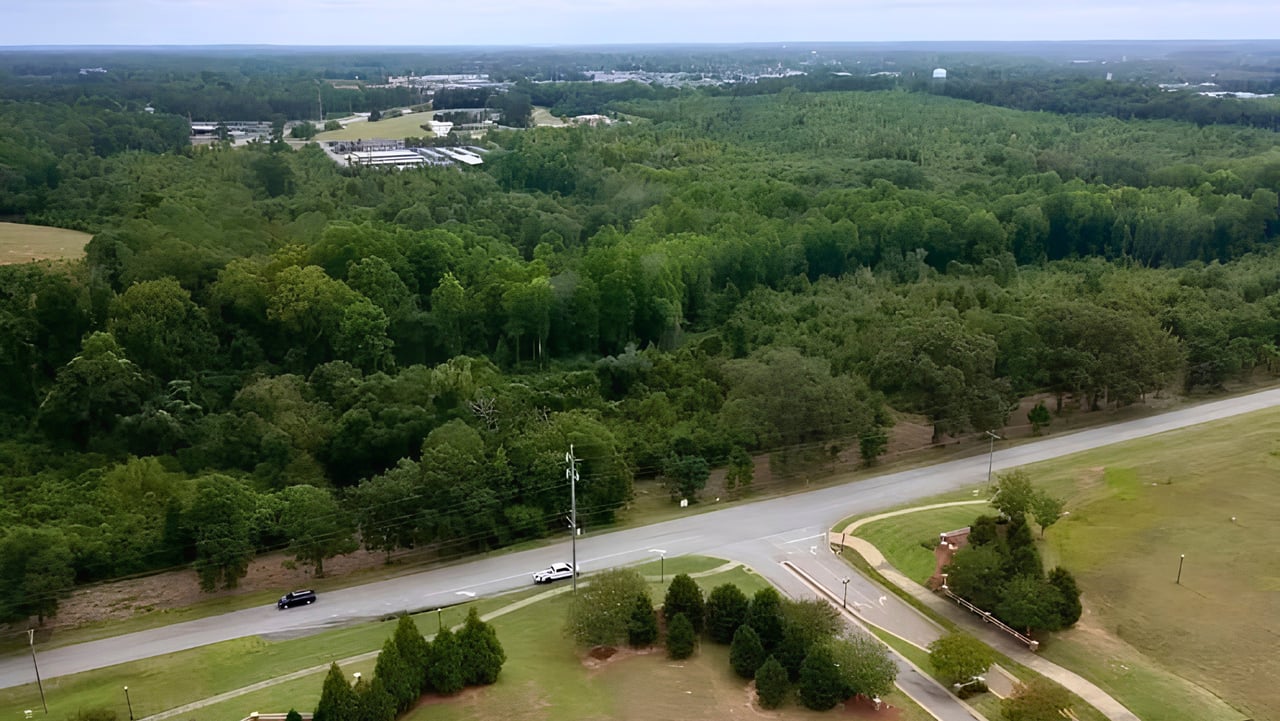
Byron is a small Middle Georgia city with about 5.8 square miles of land and an estimated 2025 population of 5,877. Local officials describe it as a place with small-town charm, new subdivisions, a thriving industrial park, and exits within the city limits off Interstate 75. That combination is a big part of why Byron stands out for commuters.
Instead of functioning as a large standalone city, Byron works best as a residential base with quick access to nearby job centers. You can live in a calmer setting while staying within reach of Macon, Warner Robins, Perry, and Robins Air Force Base. For many buyers, that balance is exactly the point.
What the I-75 commute looks like
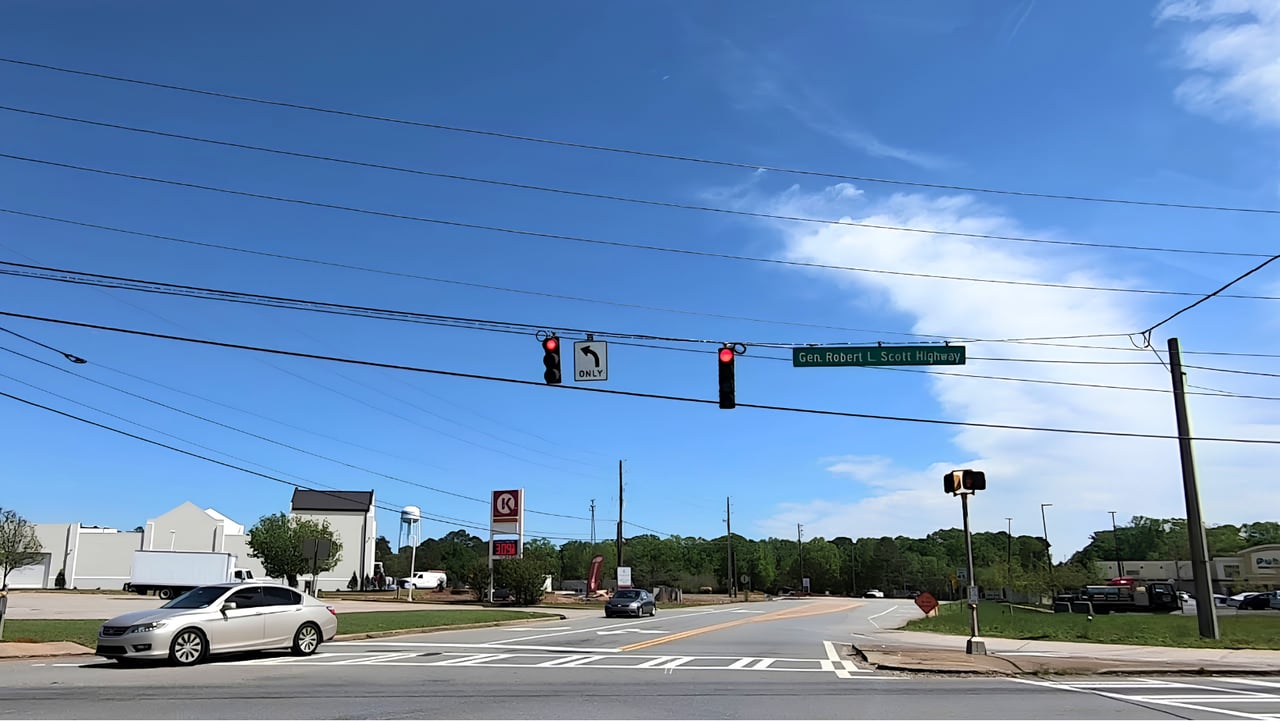
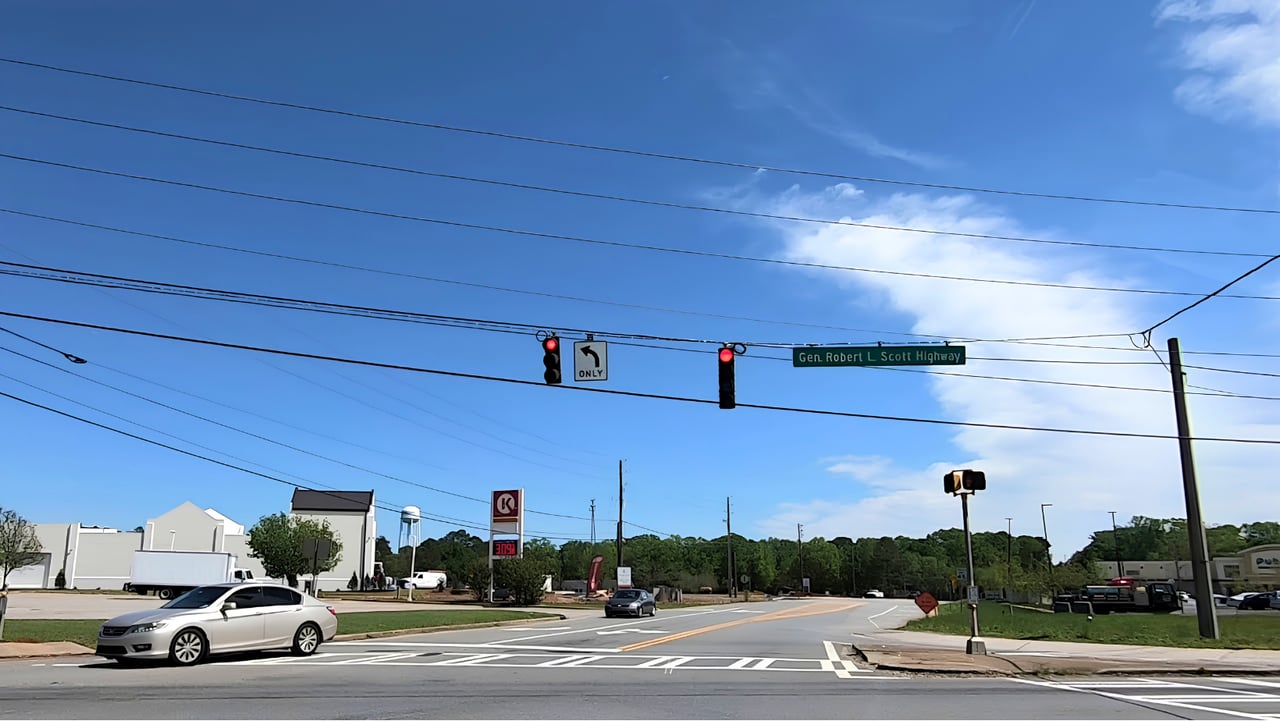
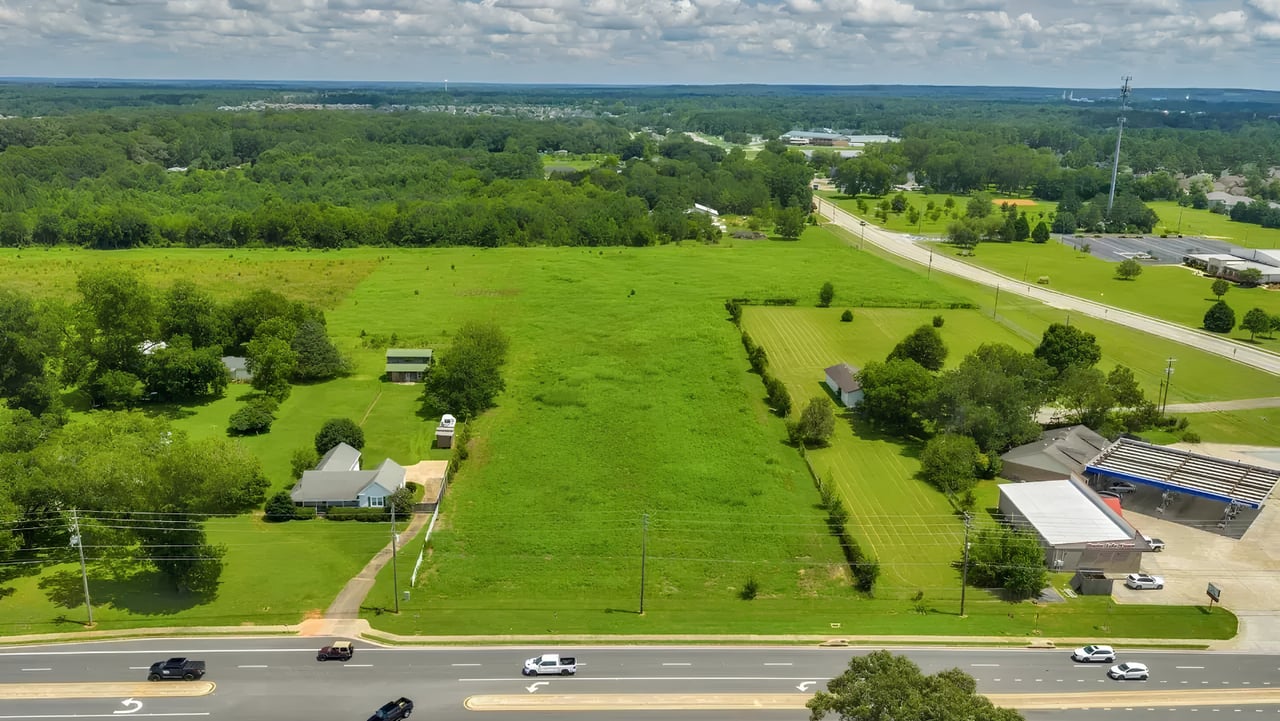
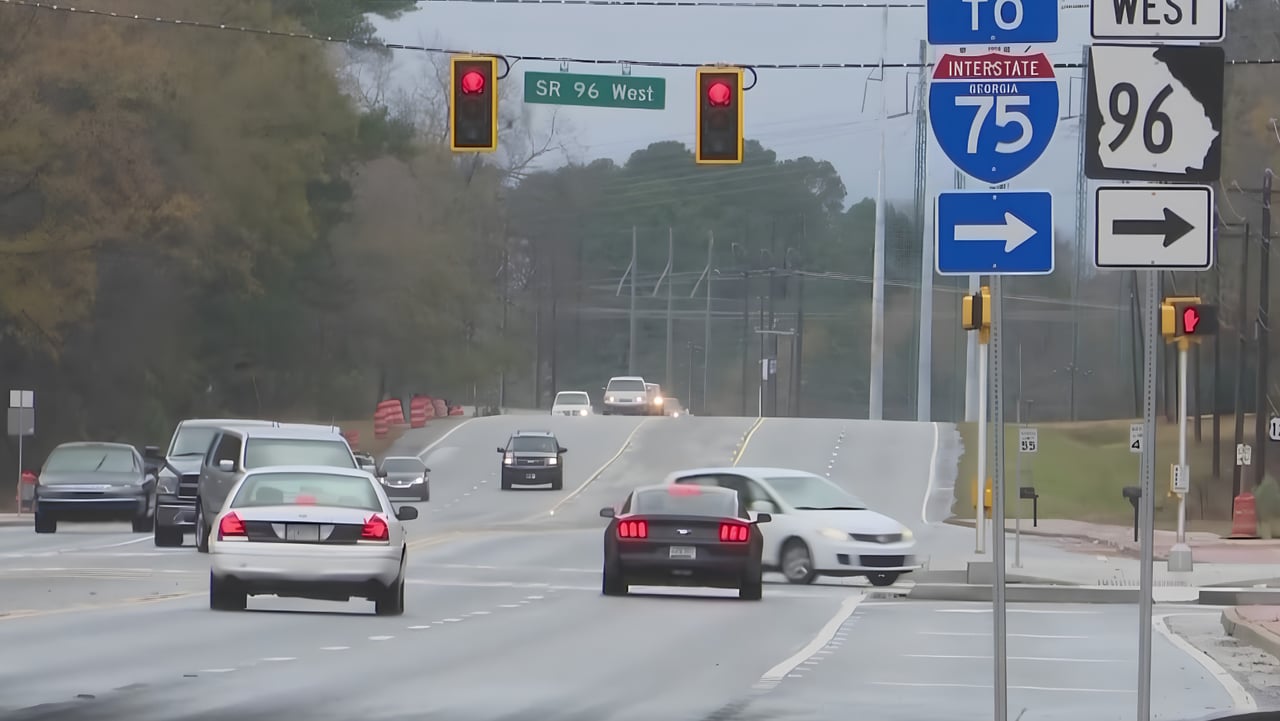
For most people, living in Byron means your daily routine will be built around the car. The upside is that the commute is usually straightforward because much of it runs through I-75 rather than a long chain of neighborhood roads. That can make the drive feel simpler and more predictable.
Current drive estimates put Byron about 20 minutes from Warner Robins and about 16 minutes from Perry. Macon is typically about 18 to 25 minutes away, depending on your route and exact starting point. In real life, that puts Byron in a practical regional commute zone rather than a long-distance one.
Quick drive times from Byron
Destination | Approximate Drive Time | Approximate Distance |
|---|---|---|
Warner Robins | 20 minutes | 15 miles |
Perry | 16 minutes | 15 miles |
Macon | 18 to 25 minutes | Varies by route |
If you are comparing Byron to living deeper inside one of those larger nearby cities, the day-to-day tradeoff is simple. You may add a few minutes to some drives, but you gain a more relaxed home setting. For many households, that is a worthwhile exchange.
Expect a car-based daily routine
One of the most important things to understand about Byron is that convenience here is tied to driving. That does not mean life is difficult. It just means your work commute, errands, after-school activities, and many evening plans will usually happen by car.
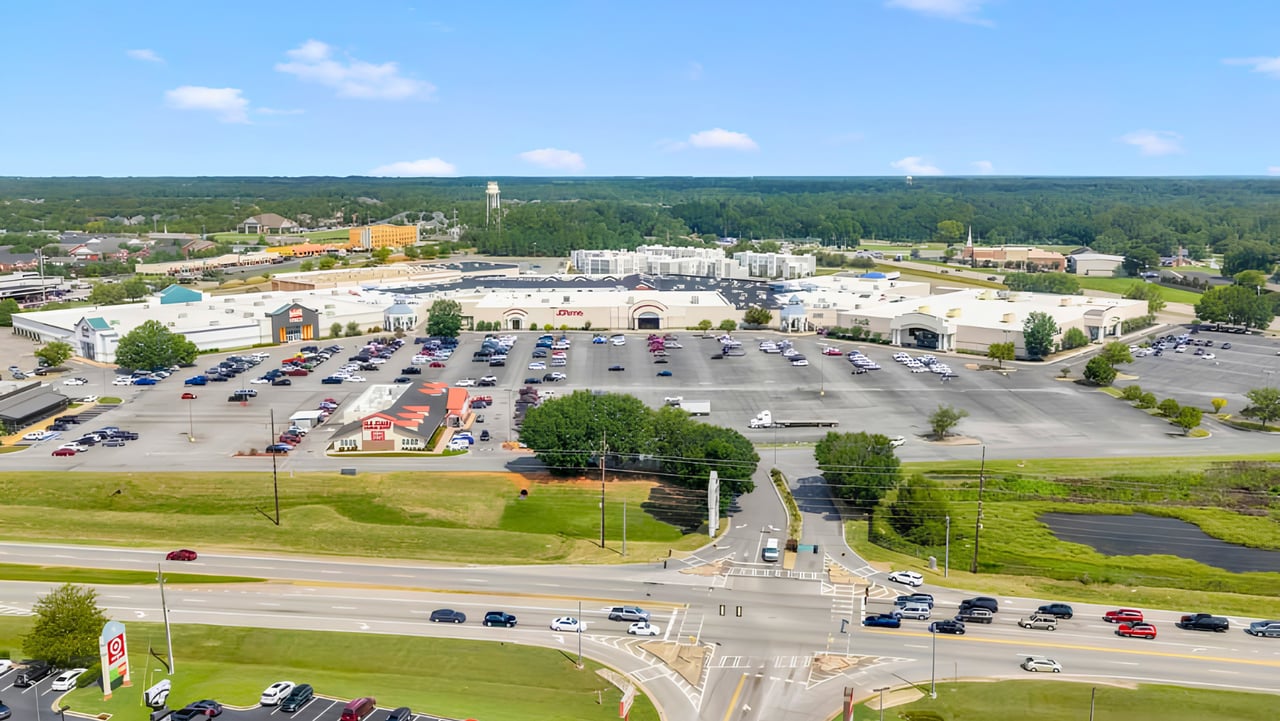
This is not a dense, highly walkable retail environment. Byron is better described as a highway-access town with local services and a strong connection to nearby cities. If you are comfortable with that setup, the town can be a very practical place to live.
A typical weekday in Byron
A normal day might look something like this:
- Leave home and get on I-75 for work in Warner Robins, Perry, or Macon
- Stop in town for basic errands or a casual meal on the way home
- Head to North Peach Park for a walk, playground time, or recreation
- Make a larger shopping or entertainment run to a nearby city when needed
For many buyers, that rhythm feels manageable and efficient. You get a quieter place to come home to, while still staying connected to larger employment and retail areas.
What Byron feels like day to day
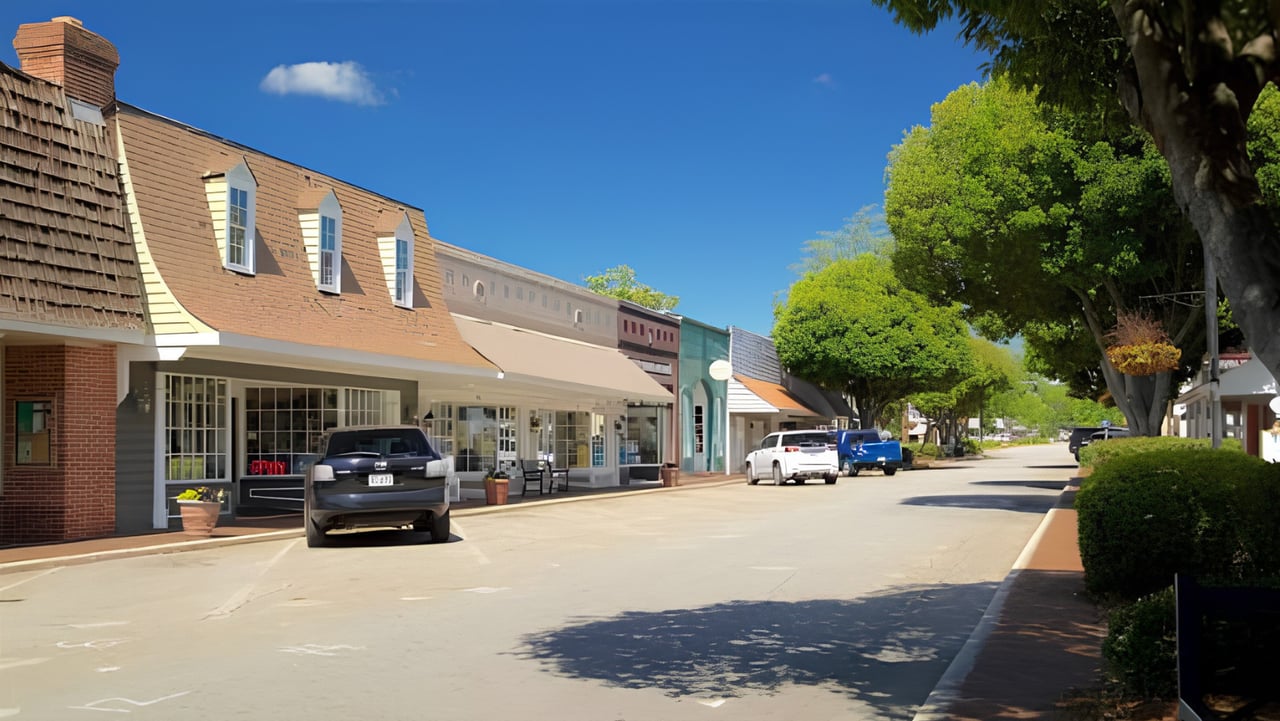
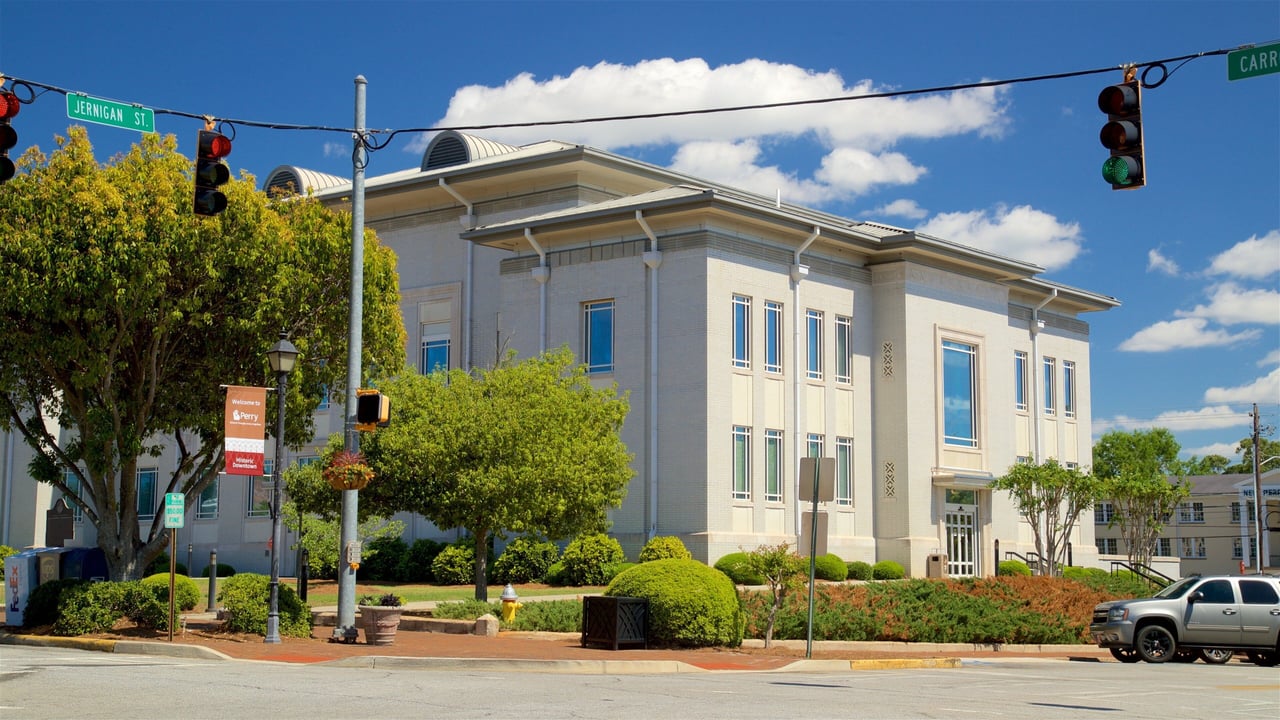
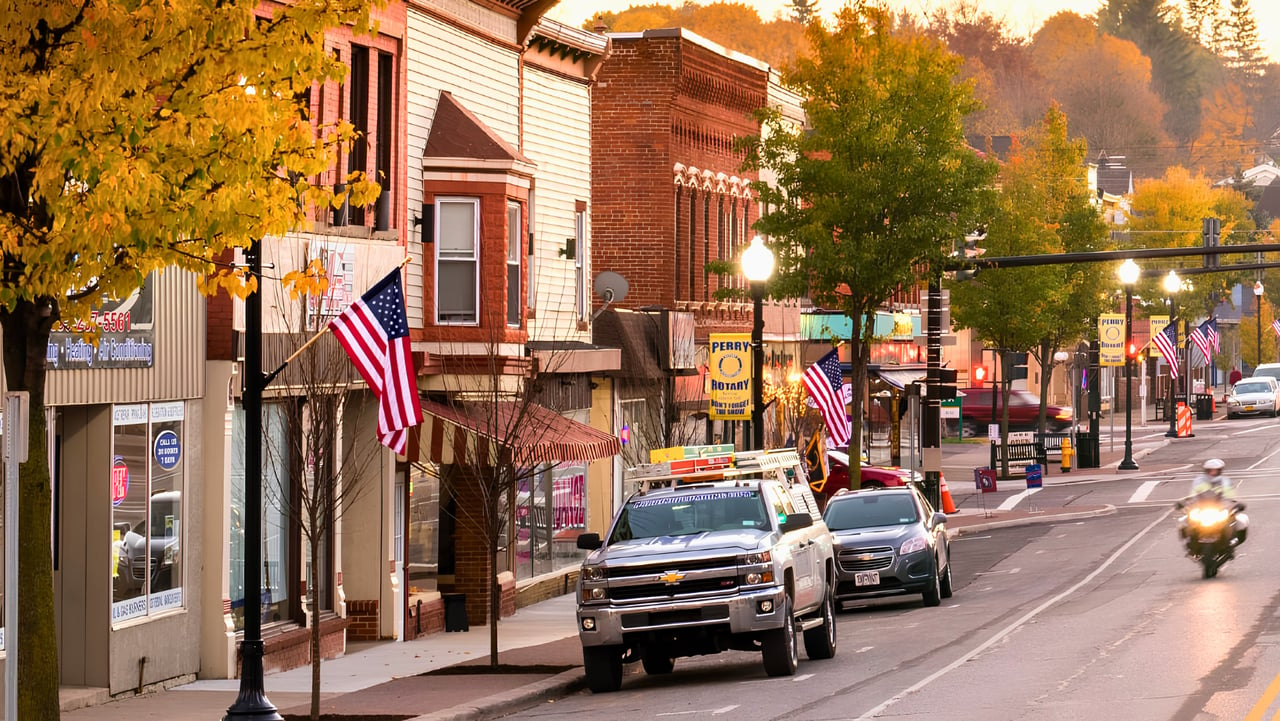
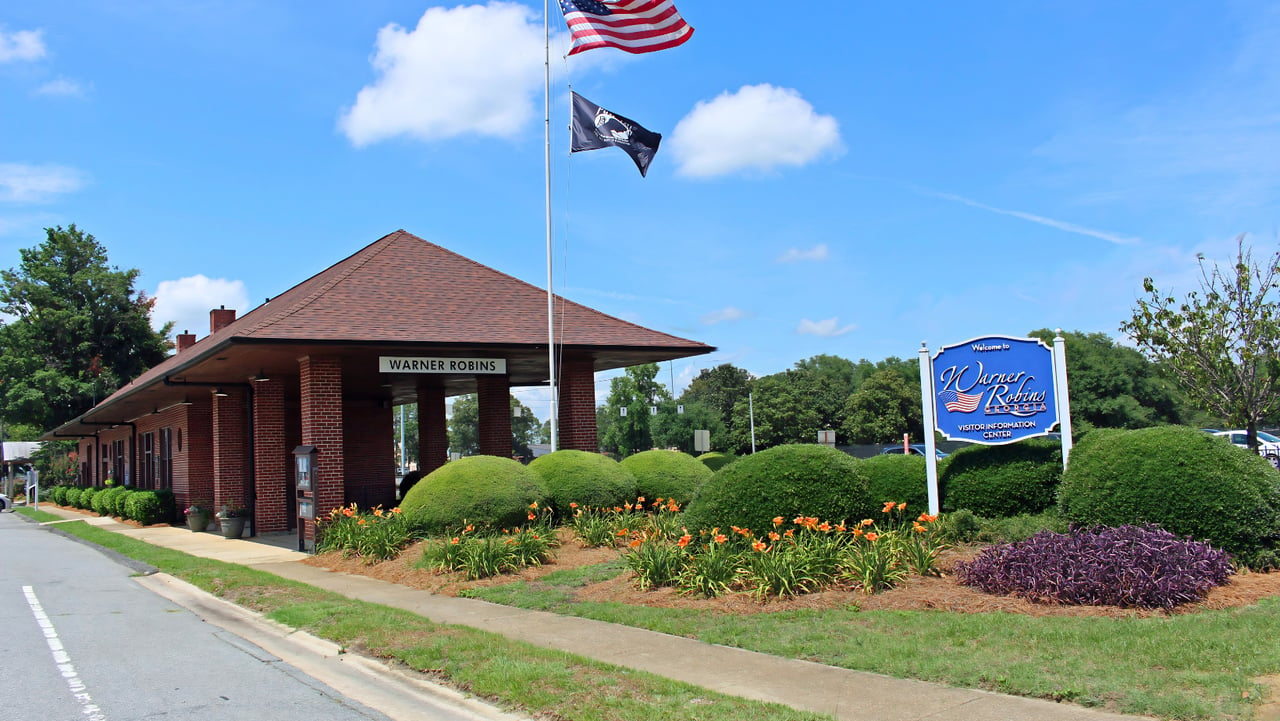
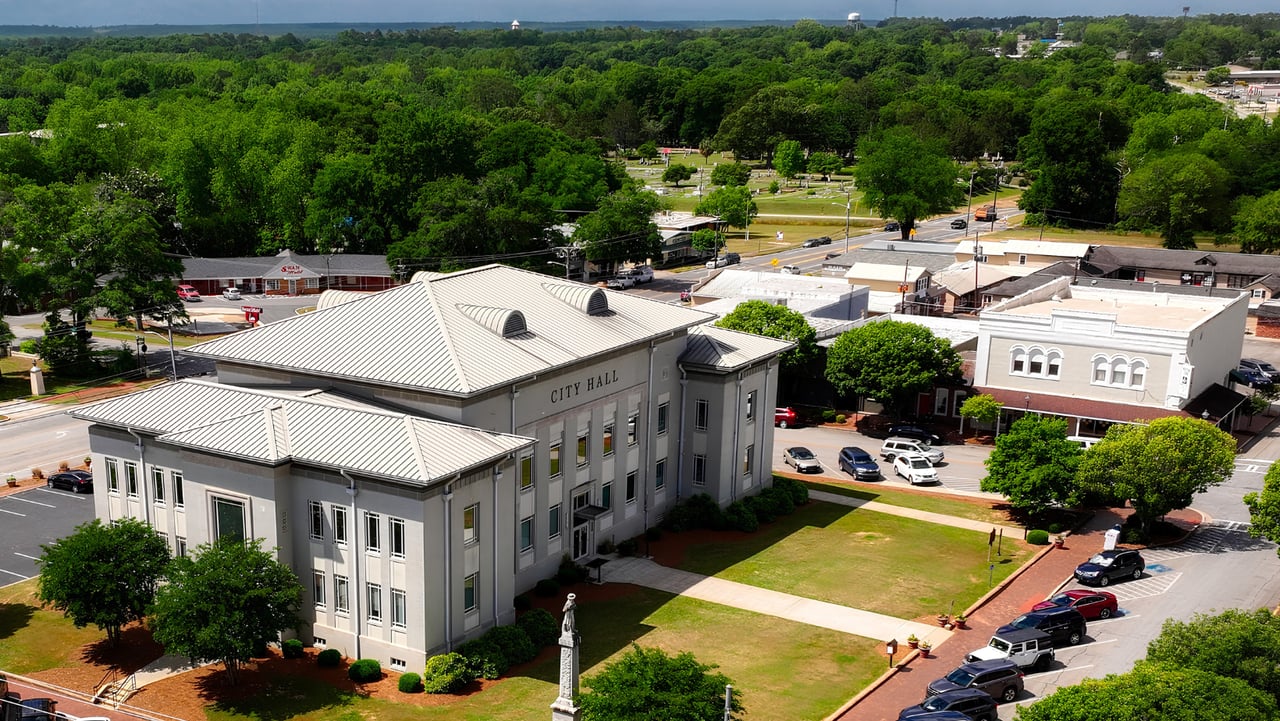
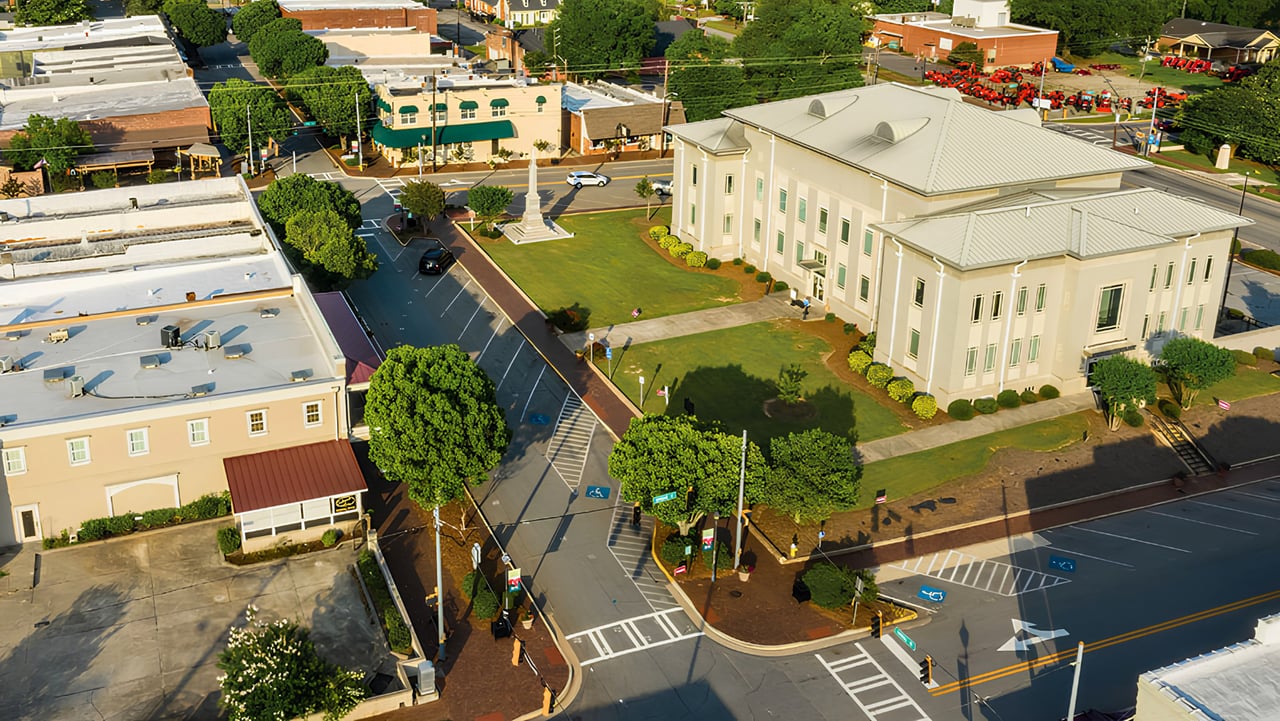
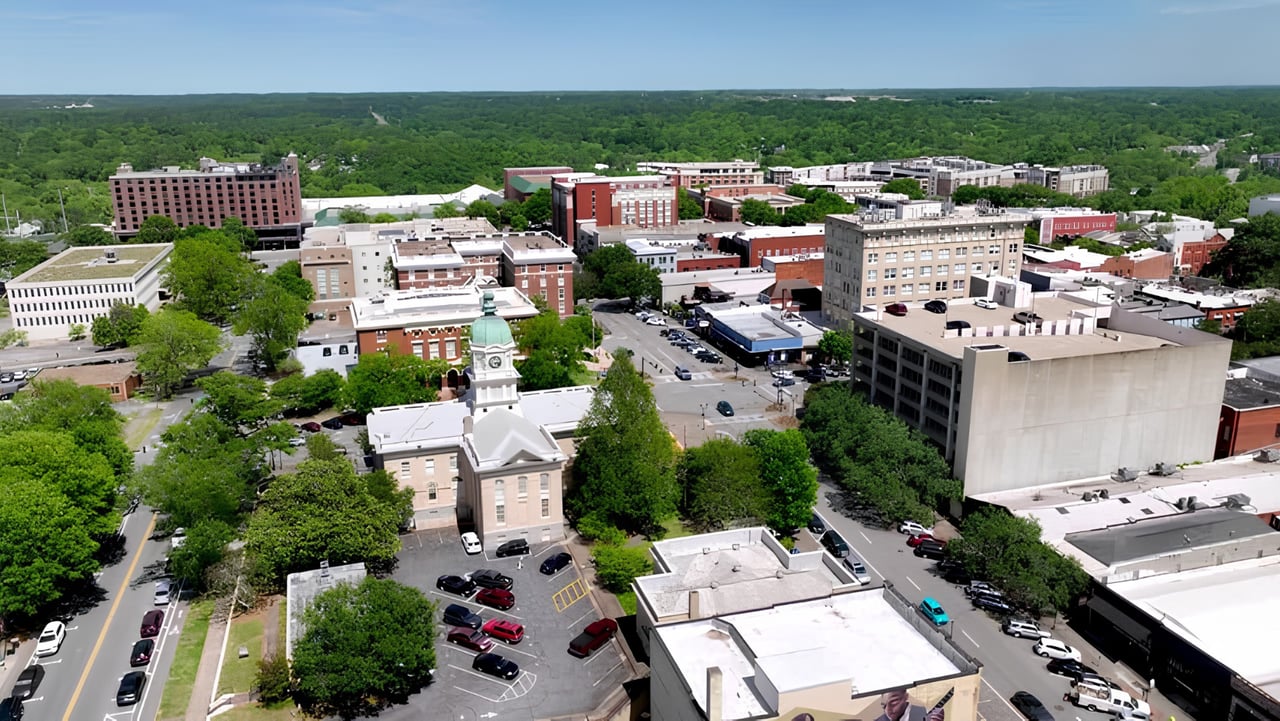
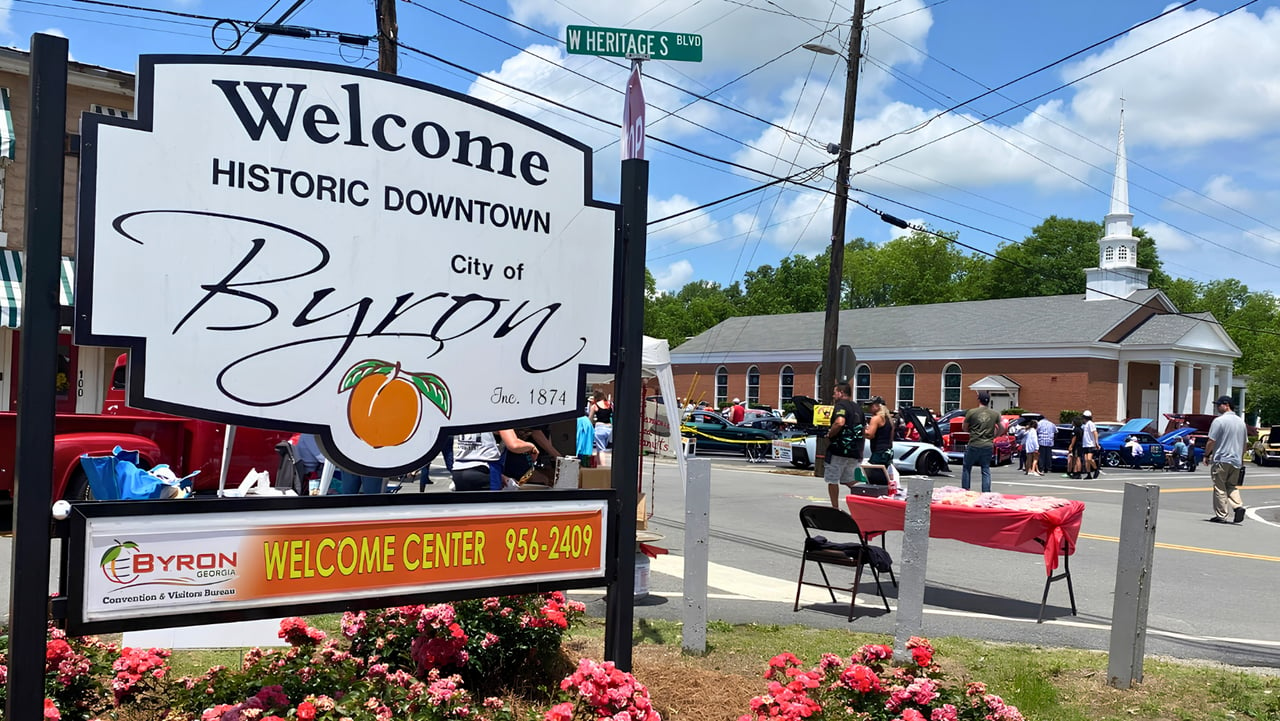
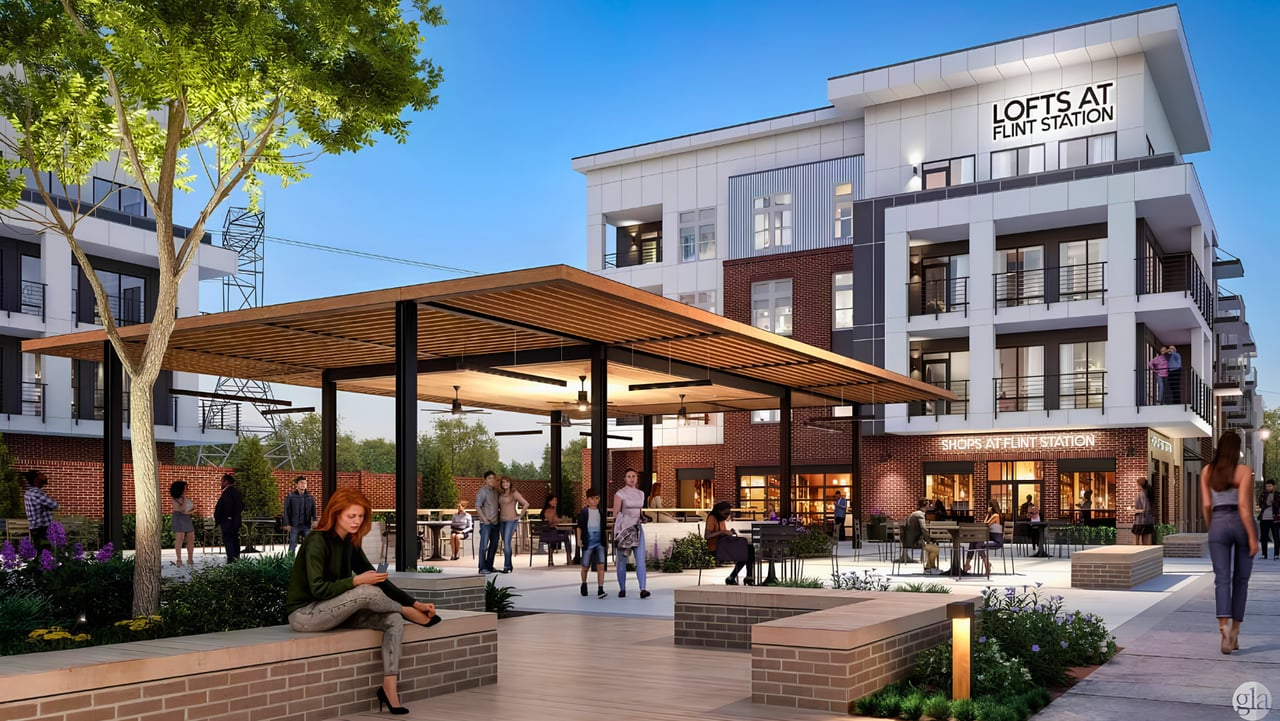
Byron has more identity than some highway towns. The local tourism bureau highlights Historic Downtown Byron, including antebellum homes, a renovated 1870 depot museum and caboose, the old jail in Jailhouse Park, and a historic district listed on the National Register of Historic Places. That gives the city a more established and character-rich feel.
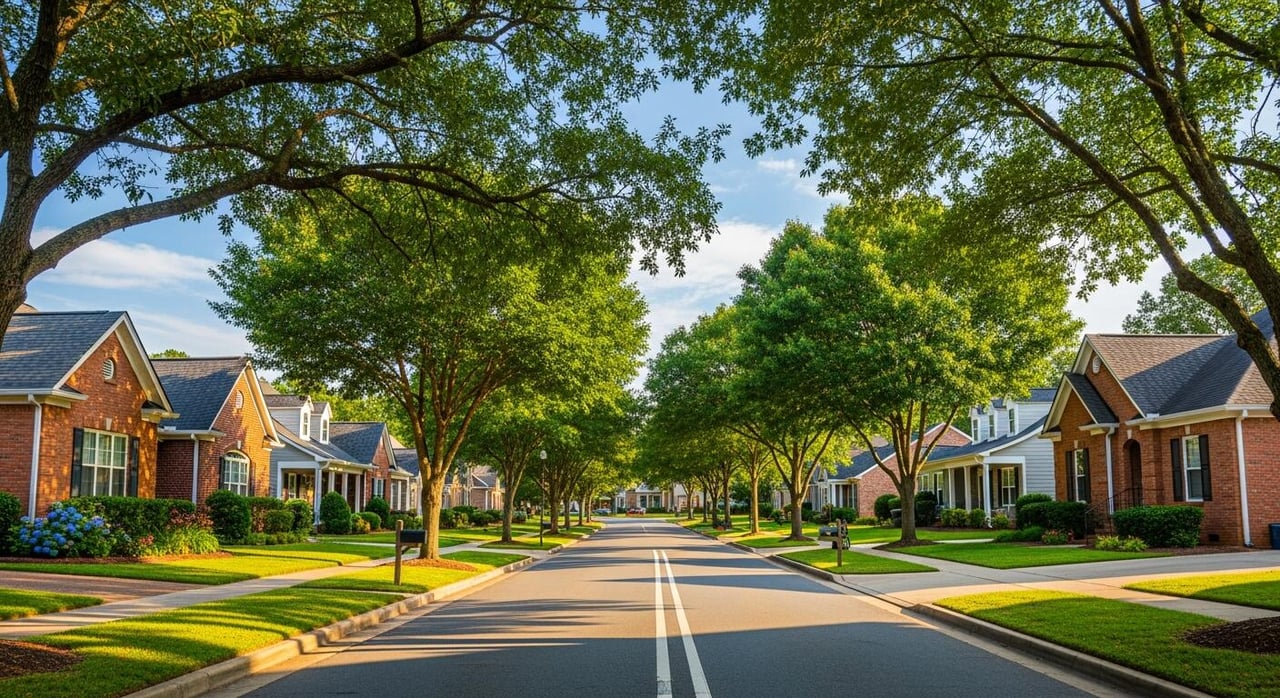
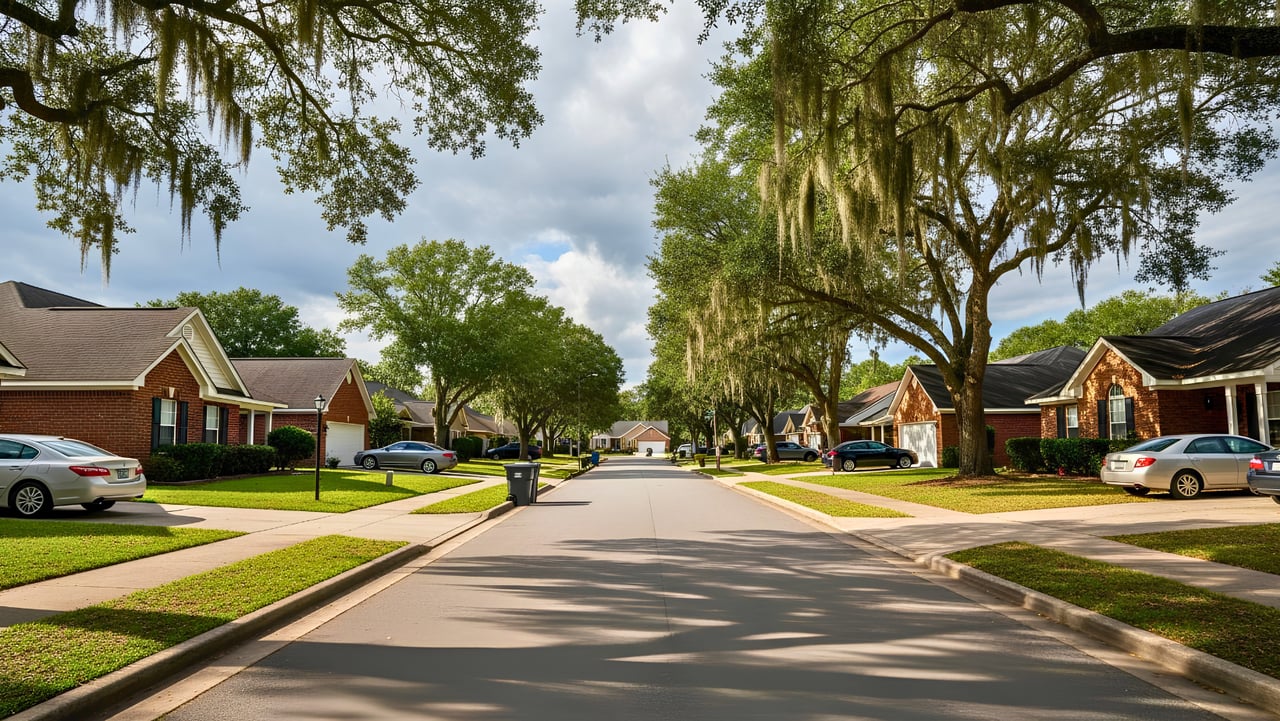
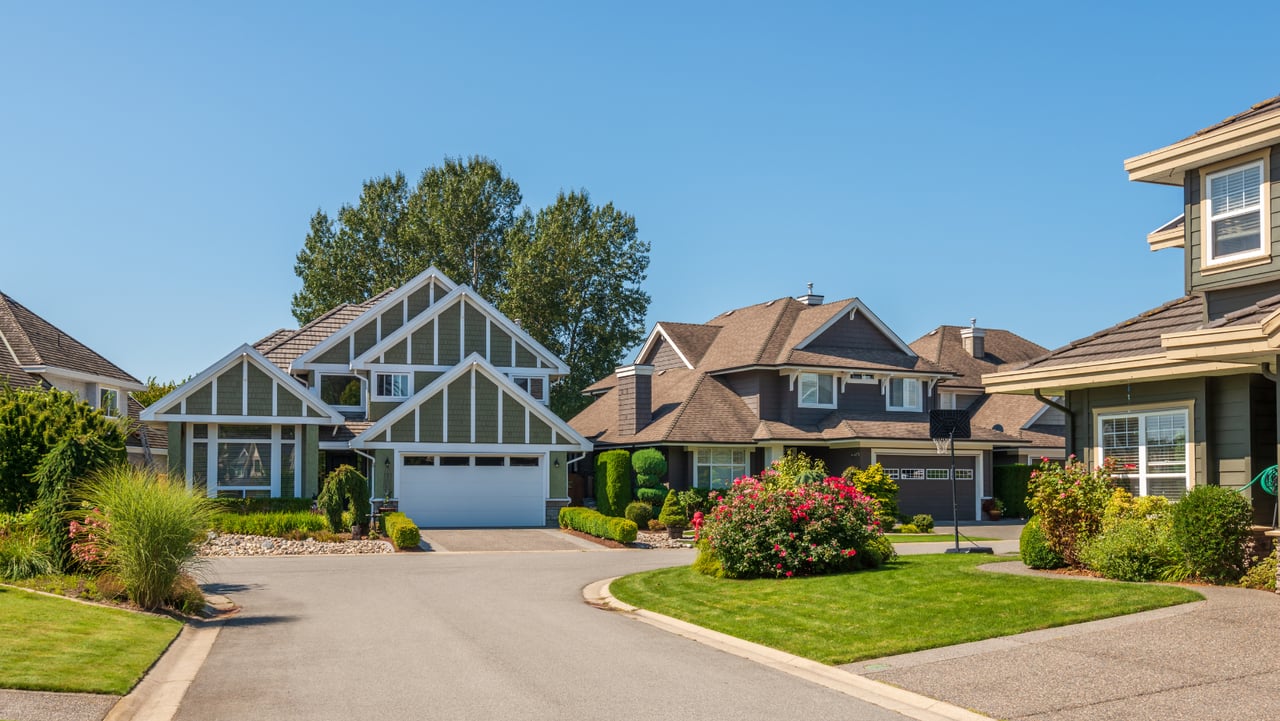
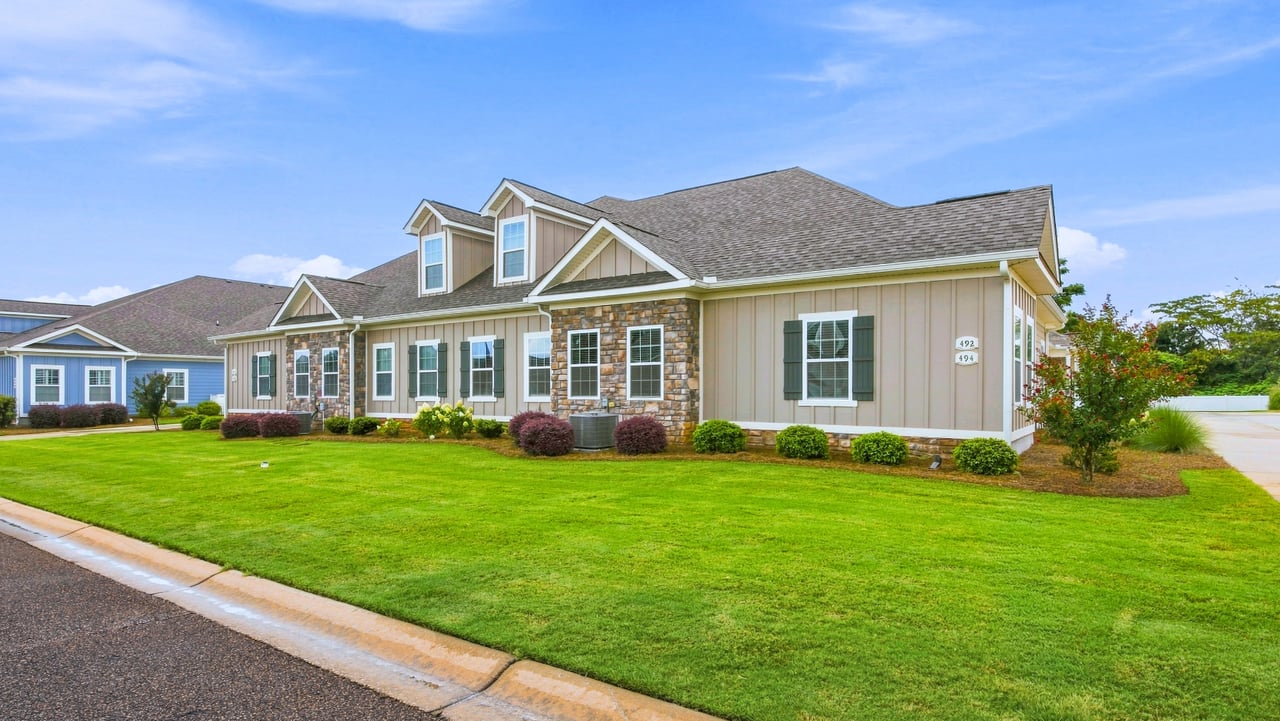
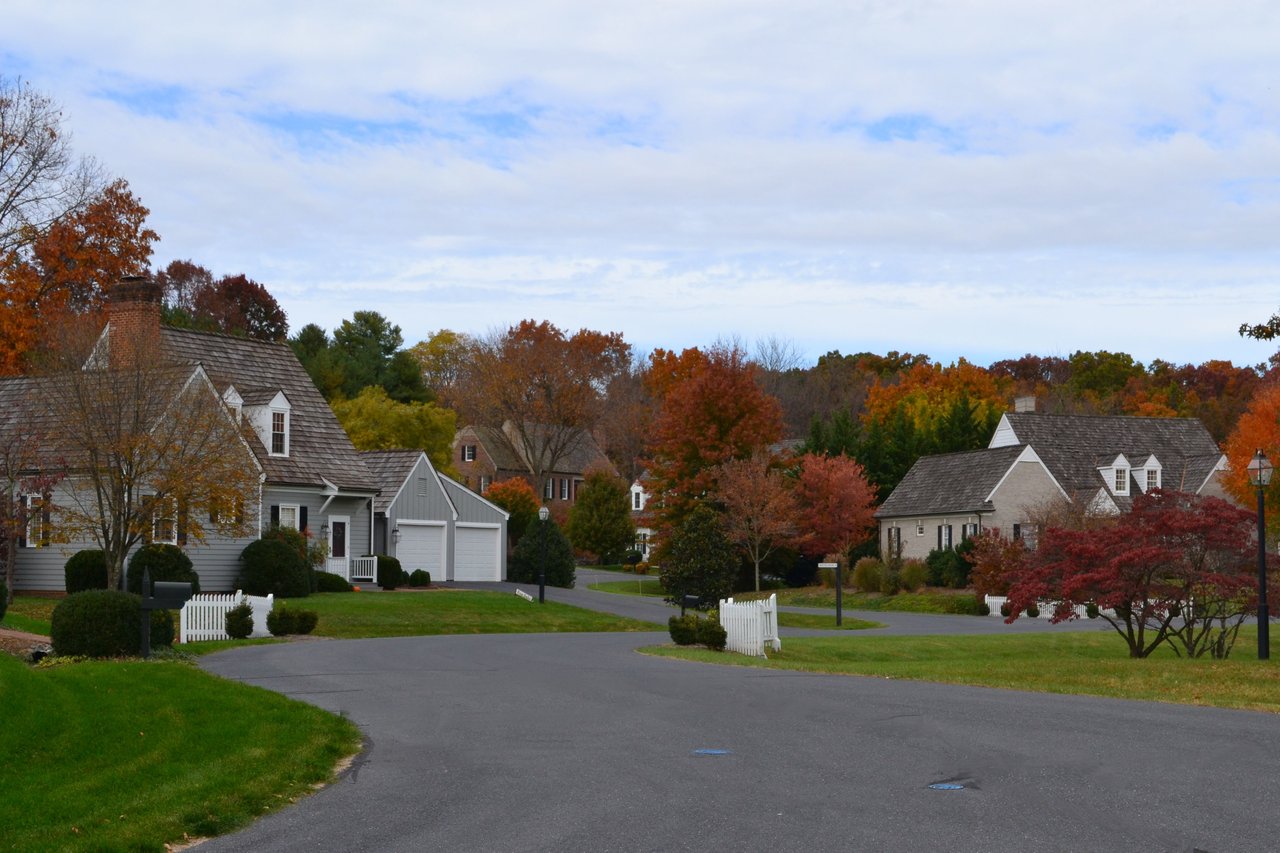
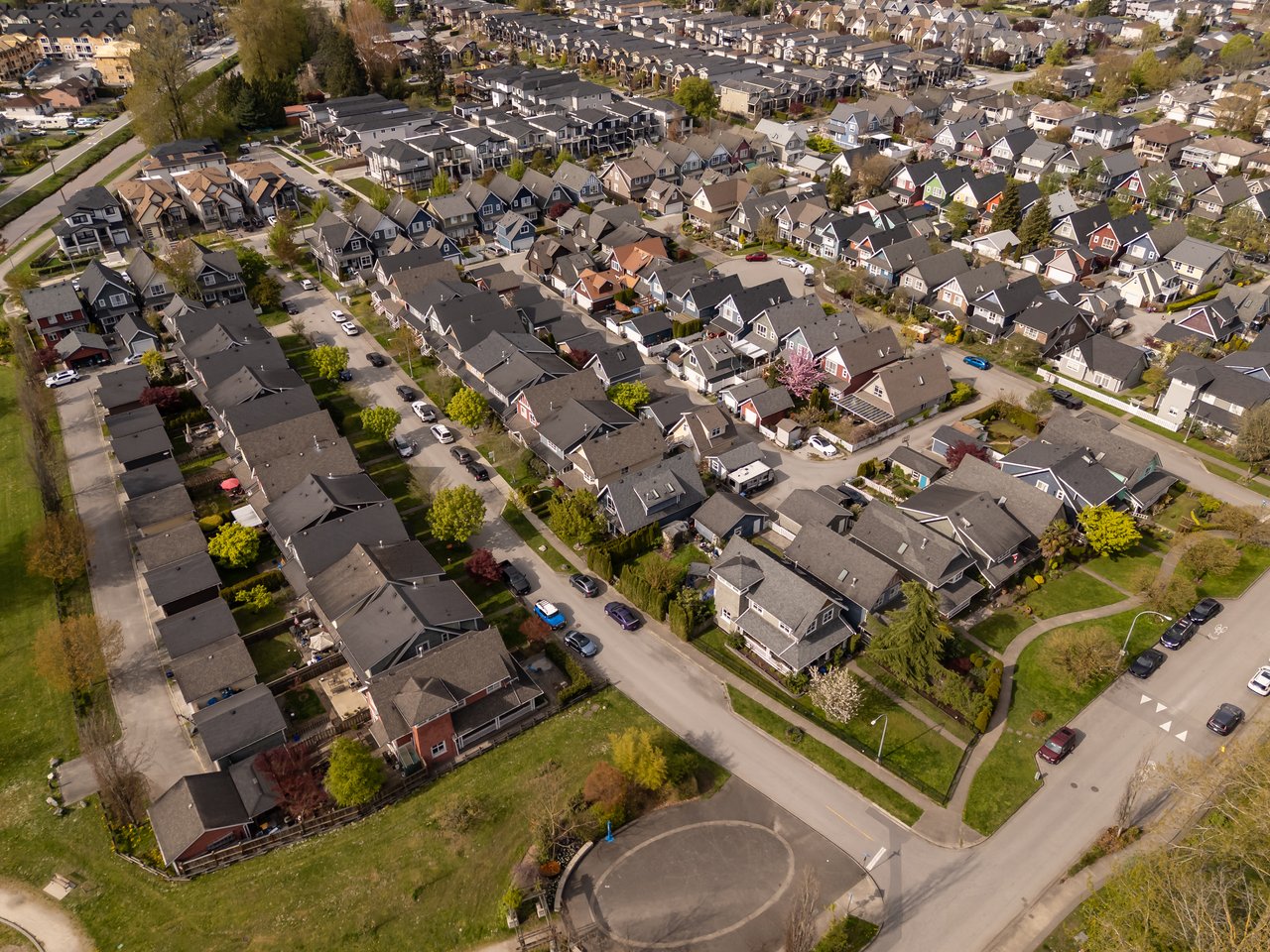
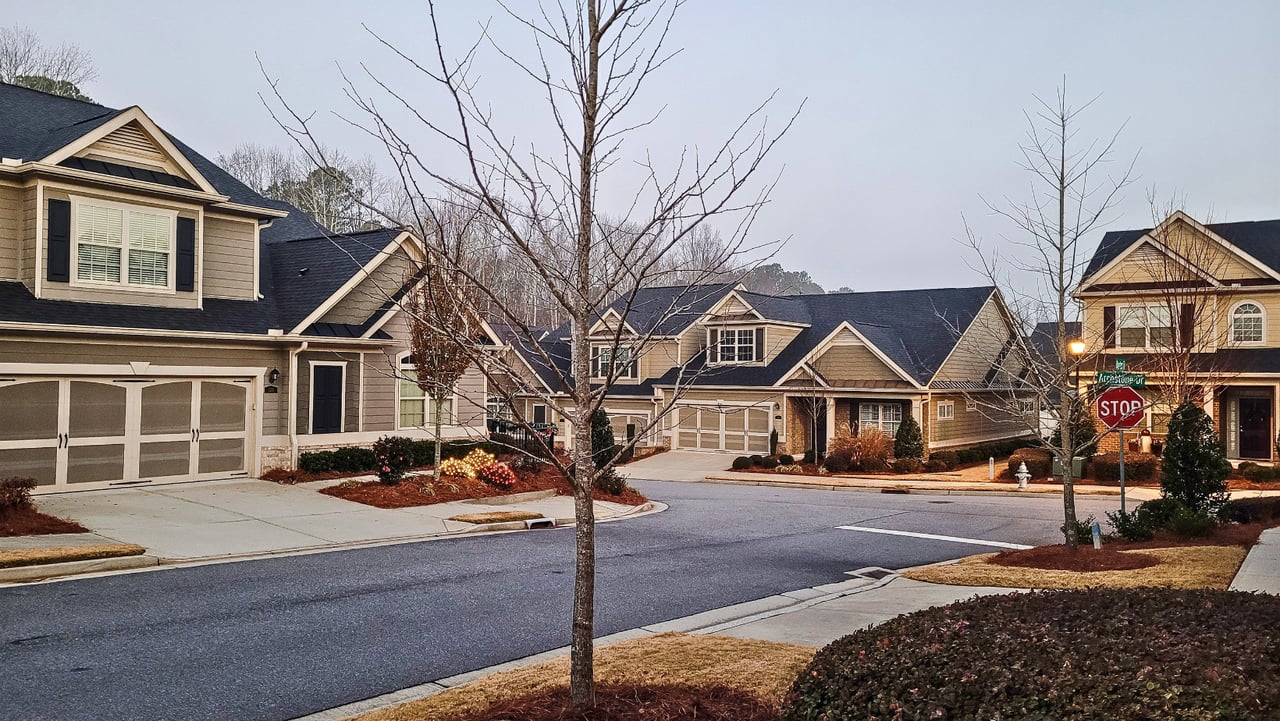
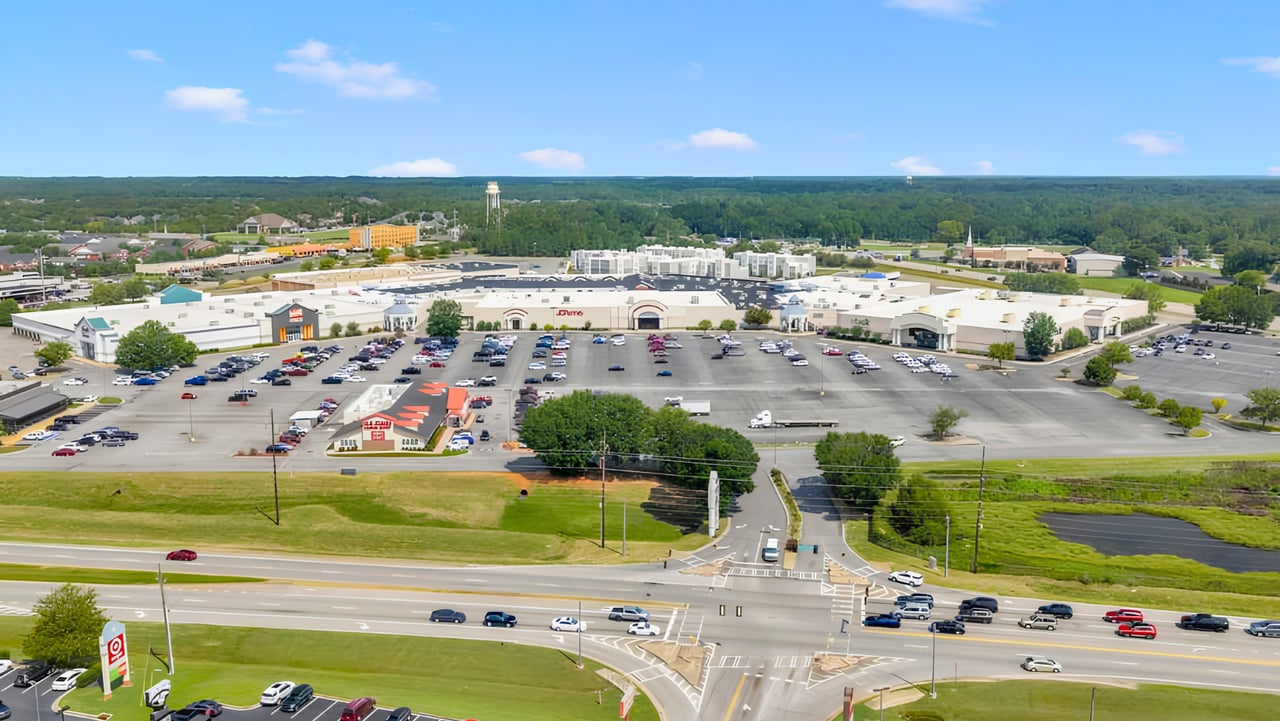
At the same time, local officials also point to newer subdivisions and ongoing growth. So the overall feel is a mix of historic character, small-town simplicity, and newer residential development. If you want something less crowded than a larger city but still connected, that mix can be appealing.
Everyday essentials are close by
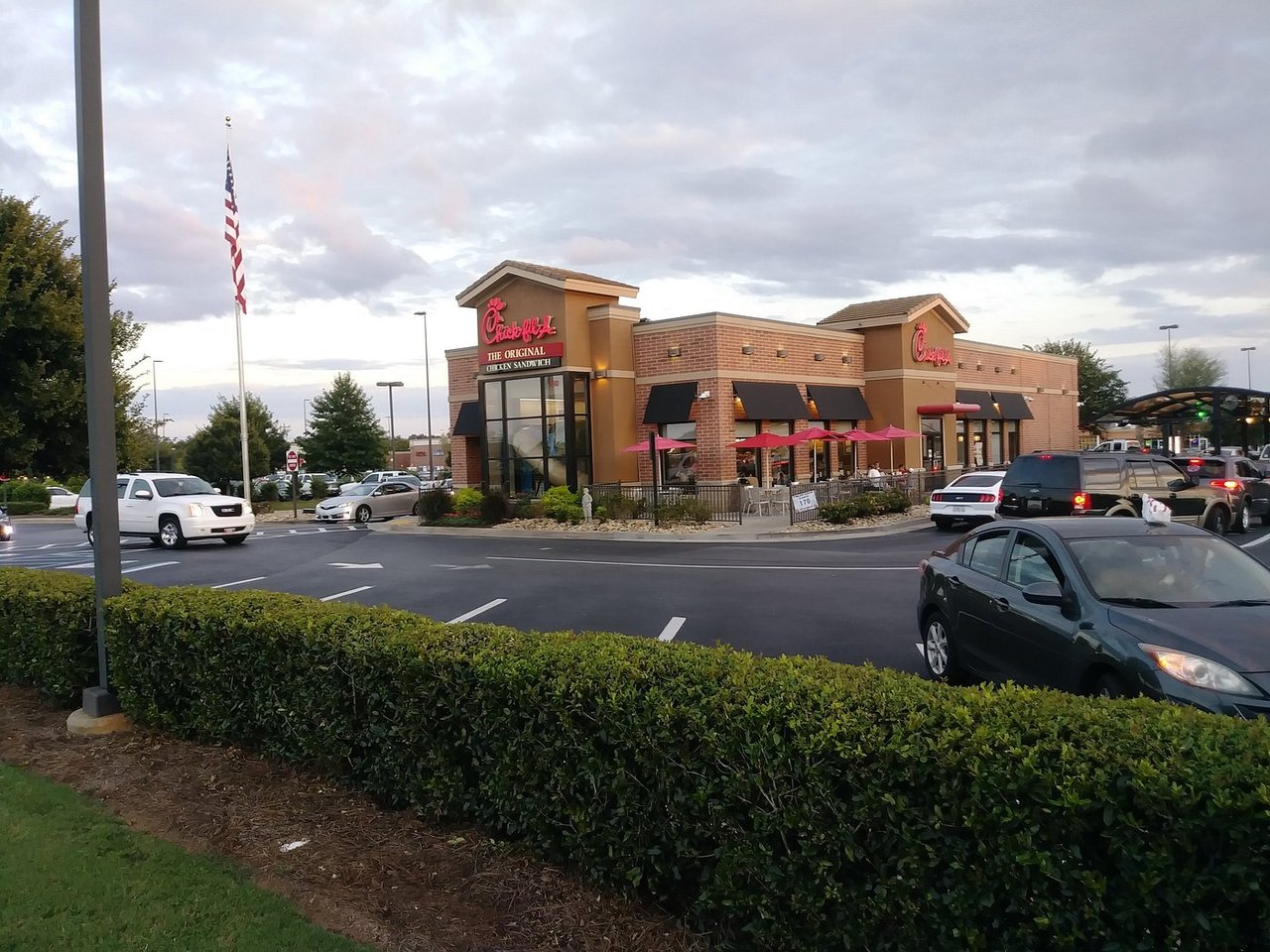
Daily life in Byron can stay local for many basics. The tourism bureau points to local shopping that includes fresh peaches, pecan pralines, boutiques, an antiques mall, and other small retailers. Dining options include barbecue, Mexican, Jamaican and vegan, deli and plant-based choices, plus familiar chain restaurants.
That means you can usually handle quick weekday needs without leaving town. A simple dinner out, a local stop for gifts or produce, or a casual errand run is realistic in Byron. For many residents, that convenience helps the commuter lifestyle feel balanced.
What you can usually do in Byron
- Pick up everyday basics
- Grab a casual meal
- Visit local shops
- Spend time in the downtown area
- Use parks and recreation spaces
The key is setting the right expectation. Byron can cover a good share of daily life, but it is not trying to match the broader retail and restaurant selection of Macon, Perry, or Warner Robins.
Bigger errands often happen nearby
Even if you enjoy keeping daily life local, you will probably still make regular trips to larger nearby markets. The tourism bureau clearly frames Byron as a base for visiting Macon, Perry, and Warner Robins for broader shopping, dining, and entertainment. That is part of the normal lifestyle here.
In practice, many residents use Byron for the essentials and nearby cities for bigger outings. That might mean routine weekday convenience in town and occasional weekend trips for more options. If you like having access to both, Byron makes that easy.
North Peach Park adds real lifestyle value
For commuters, nearby outdoor space matters more than people sometimes expect. After a workday on the road, having a simple place to unwind close to home can make a big difference. North Peach Park is one of Byron’s strongest everyday amenities.
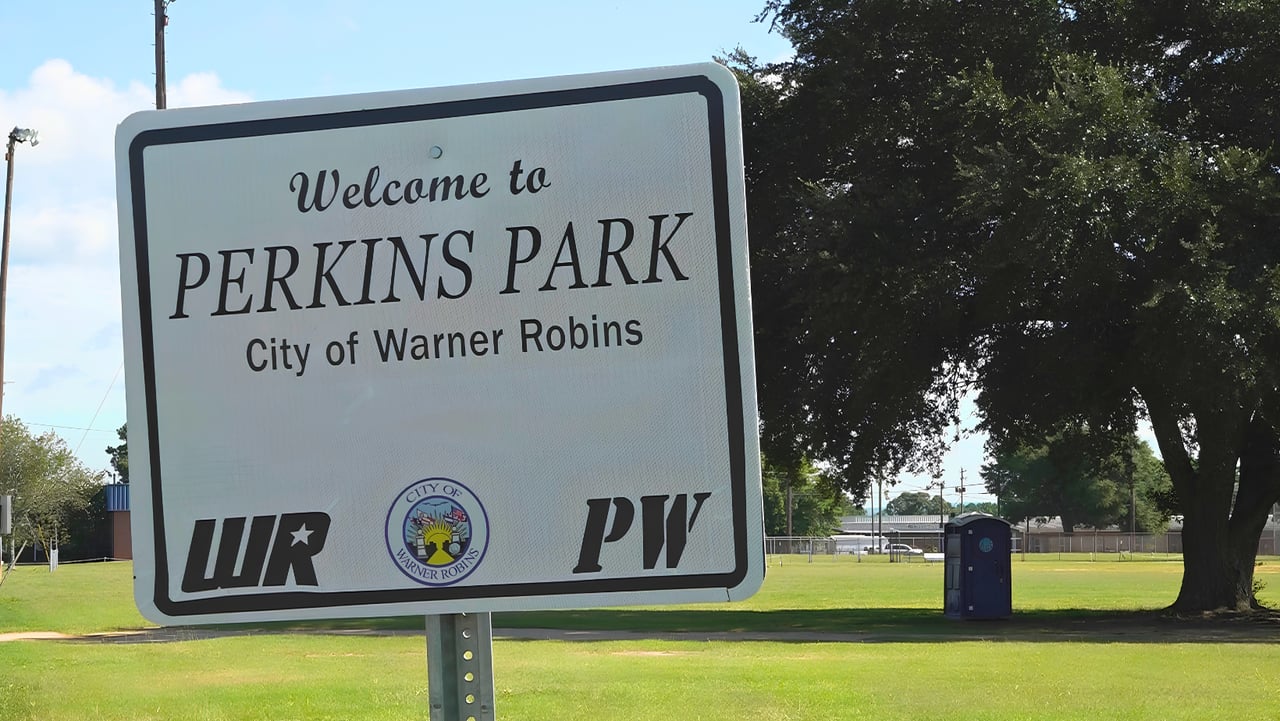
Explore Georgia describes North Peach Park as a free, year-round park with a playground, walking trails, sports grounds for tennis, pickleball, soccer, baseball, softball, basketball, and football, plus a splash pad and more than 2 miles of trails through pecan trees. That gives you a practical option for exercise, recreation, or an easy evening reset.
For households trying to balance commute time with quality of life, that kind of local amenity matters. You do not always have to drive to a larger city to enjoy your free time. Sometimes a close park is exactly what makes the routine work.
The main tradeoff to think through
Byron’s biggest strength is also its main tradeoff. You get a lower-density, quieter setting with local charm and strong interstate access, but much of life still depends on driving. If you want broad retail choices, specialized services, or a larger evening scene, you will often head to Warner Robins, Perry, or Macon.
That tradeoff tends to work best for buyers who value breathing room and a calmer home environment. If your priority is being in the center of a busier commercial area, Byron may feel too quiet. But if you want to stay connected without living in the middle of everything, it can be a smart fit.
Who Byron fits best
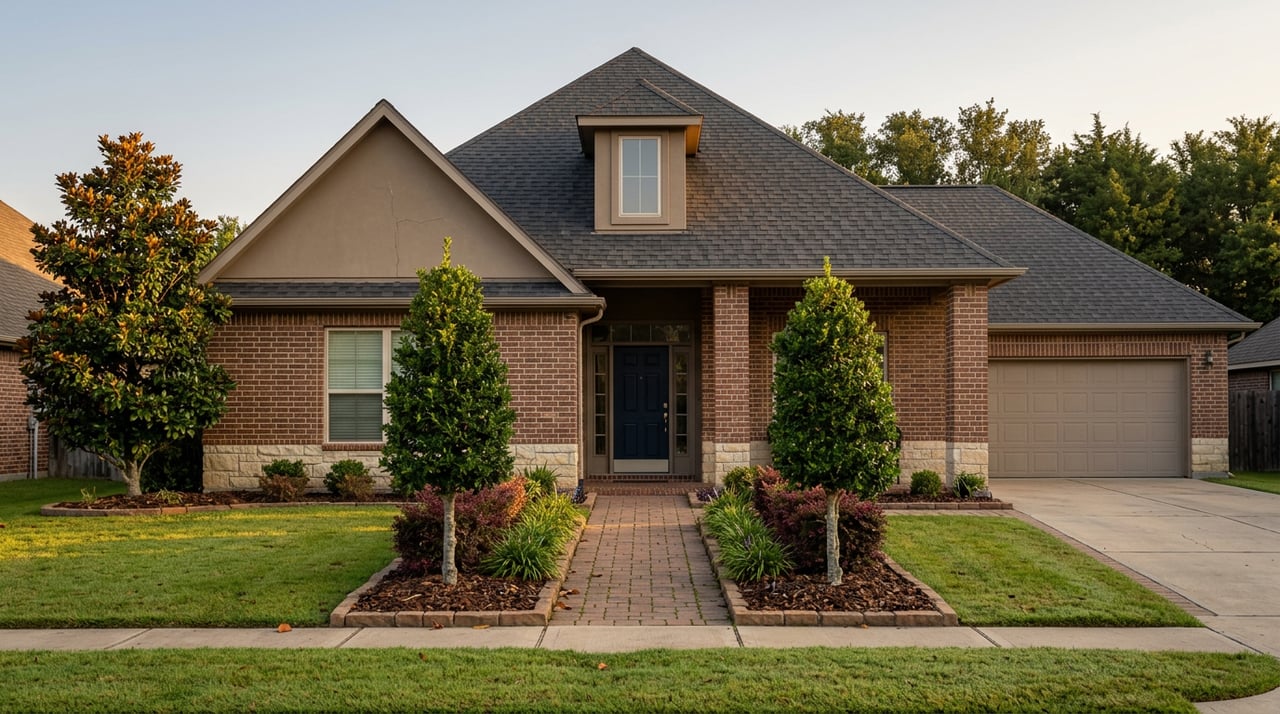
Byron often makes the most sense for buyers who are comfortable with a regional commute and want a more relaxed home base. That can include first-time buyers, move-up households, relocators, and anyone comparing the feel of Byron to busier nearby markets. The appeal is less about nonstop activity and more about balance.
You may be a strong fit for Byron if you want:
- Quick access to I-75
- A short drive to Macon, Perry, or Warner Robins
- A quieter residential setting
- Local amenities for everyday needs
- Historic character mixed with newer growth
The best decision usually comes down to your routine. If a few extra drive minutes give you the lifestyle you want at home, Byron is worth serious consideration.
Why this matters when buying a home
Location is not just about a pin on the map. It is about how your mornings feel, how easy your errands are, and whether your home base supports the pace you want. In Byron, the answer for many buyers is yes, especially if they want easy highway access and a less crowded setting.
When you are comparing communities, it helps to look beyond straight-line distance. Think about your actual work route, where you shop most often, how often you eat out, and what kind of after-work environment you want. That kind of practical thinking leads to better decisions.
If you are weighing Byron against Warner Robins, Perry, or Macon, a clear local strategy matters. That is where working with a process-driven advisor can help you compare options with less guesswork and more confidence.
If you want help deciding whether Byron fits your commute and lifestyle goals, William Walton-Dean can help you evaluate the tradeoffs, narrow your search, and move with a clear plan.
FAQs
How long is the commute from Byron to Warner Robins?
- The drive from Byron to Warner Robins is about 20 minutes and roughly 15 miles.
How far is Byron from Perry for daily commuting?
- Byron is about 16 minutes from Perry and roughly 15 miles away, making it a practical commute for many buyers.
How long does it take to get from Byron to Macon?
- The drive from Byron to Macon is usually about 18 to 25 minutes, depending on your route and starting point.
Can you handle daily errands in Byron?
- Yes, Byron can cover many everyday basics, casual dining needs, and local shopping, though bigger retail and entertainment trips often happen in nearby cities.
What does everyday life in Byron feel like?
- Byron feels like a small, highway-access town with historic character, local amenities, and a quieter residential pace than larger nearby markets.
Is Byron a good fit for buyers who commute on I-75?
- Byron can be a strong fit if you want a calmer home base with convenient interstate access and are comfortable with a car-dependent routine.