About half of Houston County's specialty care patients drive to Macon to get treated. That is the problem $100 million is being deployed to solve.
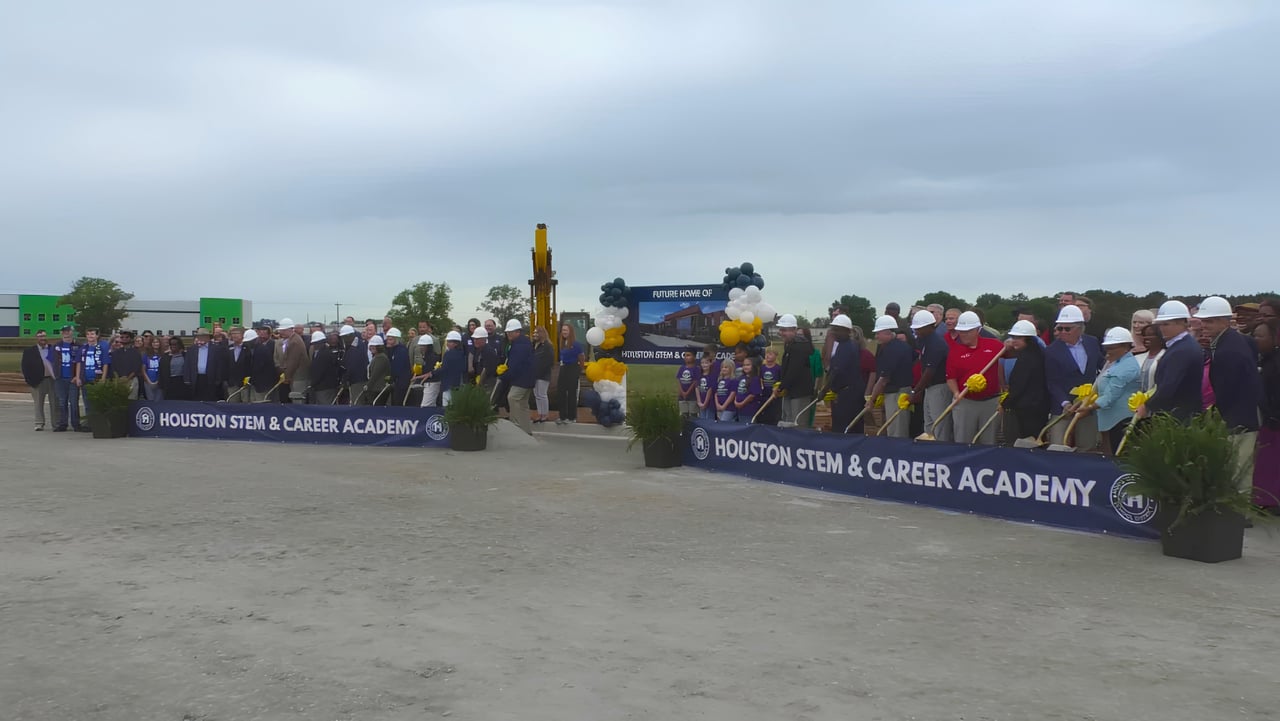
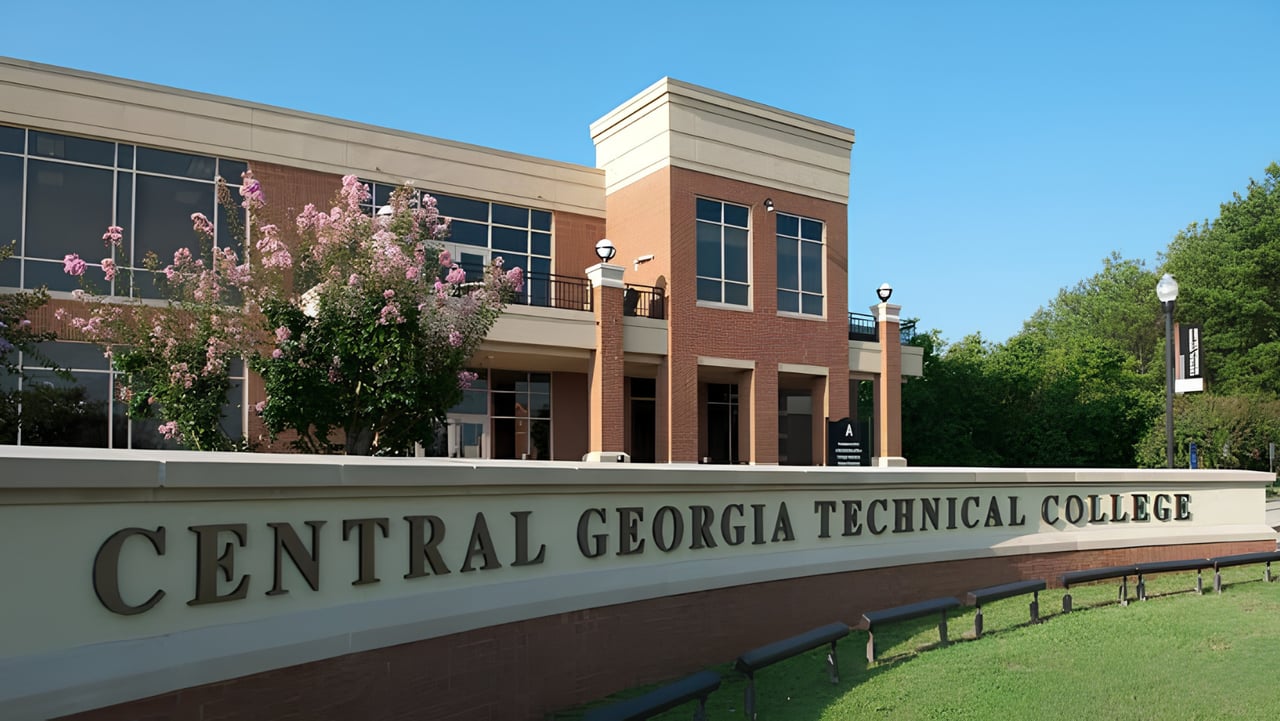
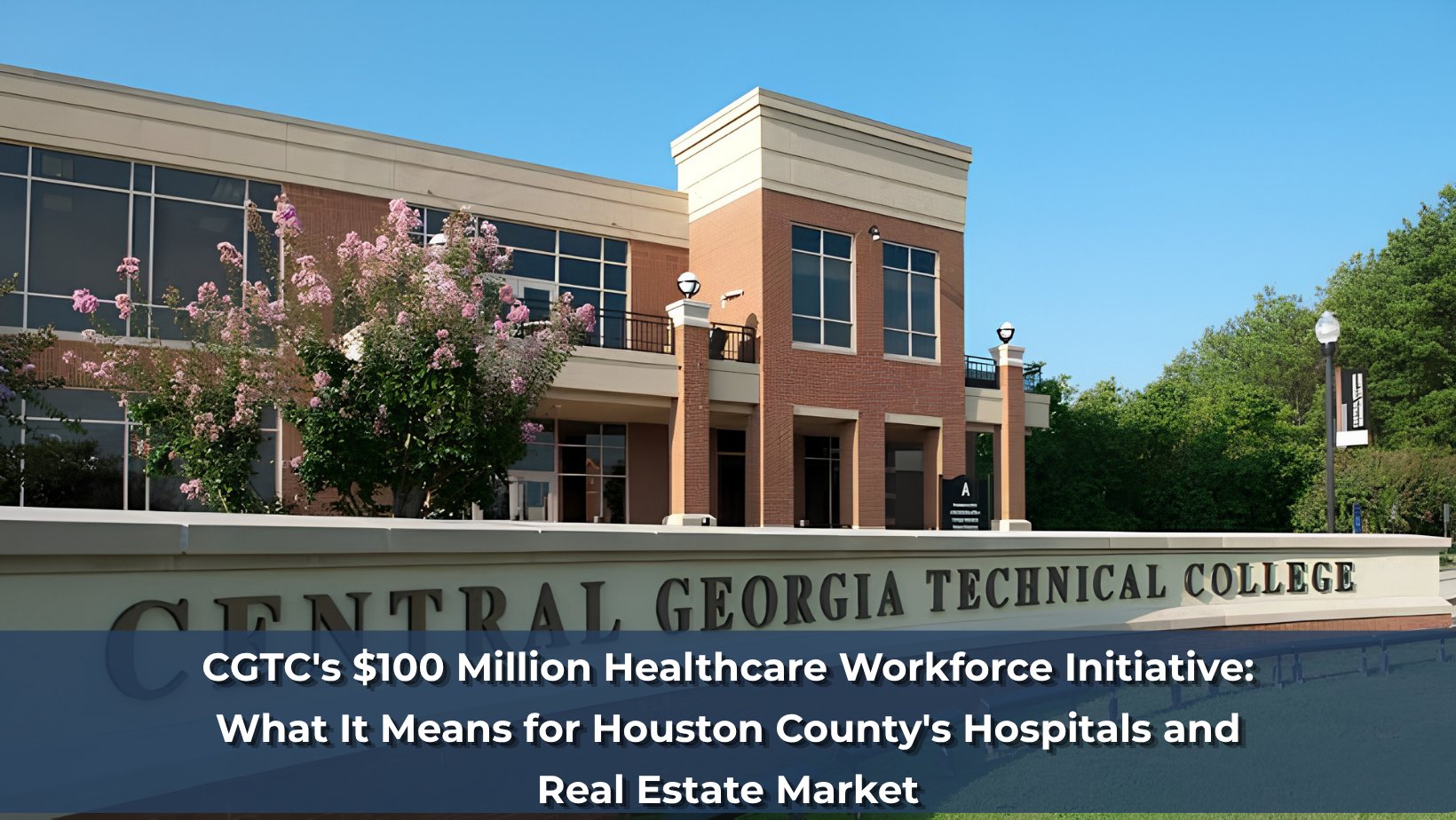
Central Georgia Technical College has secured over $100 million in public and private funding to build a healthcare workforce pipeline anchored right here in Houston County. Bloomberg Philanthropies contributed $10 million through the CGTC Foundation. The Georgia General Assembly, the Governor's Office, Houston County's Board of Education, and the Board of Commissioners are all in. Dual enrollment starts fall 2026, and over the next five years the initiative expects to train more than 2,000 students across 11 counties.
For anyone evaluating Houston County's long-term real estate trajectory, this investment is worth understanding in full.
The Healthcare Gap This Initiative Is Trying to Close
Houston Healthcare, the county's primary hospital system, was losing approximately $35 million per year before Emory Healthcare took over in June 2025. The two hospitals were renamed Emory Hospital Warner Robins and Emory Hospital Perry. Emory brought a $150 million recovery plan, which includes a major new electronic medical records system reported at roughly $51 million to $60 million.
But the financial restructuring addresses the balance sheet, not the workforce. The underlying problem is that Houston County does not have enough locally trained healthcare workers to staff the specialty care programs that would let patients stay in the county for treatment. Approximately half of specialty care, including oncology, cardiology, orthopedics, and other high-acuity services, currently goes to Macon because the local system cannot fully staff those programs.
This initiative is the supply-side answer. Train the workforce locally, and the specialty care follows.
What the $100 Million Initiative Actually Builds
Component | Details |
Total funding | More than $100 million in public and private investment |
Bloomberg Philanthropies | $10 million through the CGTC Foundation |
Government partners | GA General Assembly, Governor's Office, Houston County BOE, Houston County Commissioners |
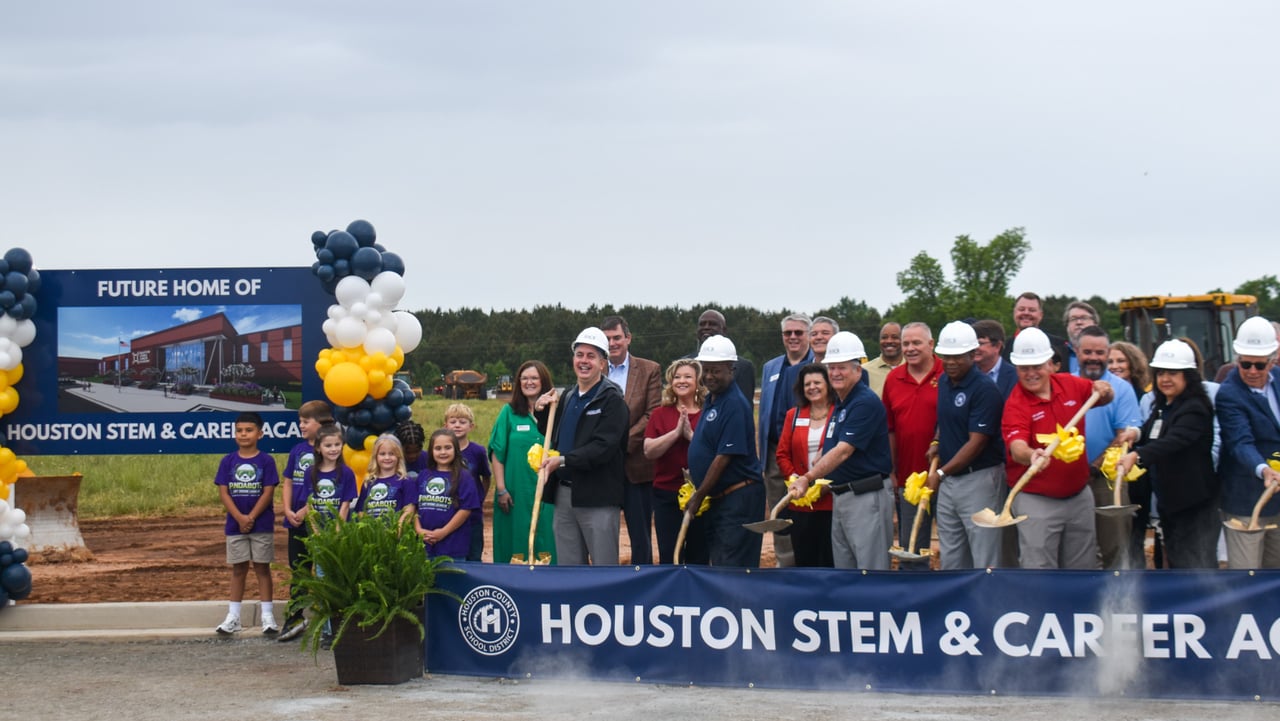
Primary location | New regional STEM/Allied Health Academy off Highway 41 in Warner Robins |
Dual enrollment start | Fall 2026 |
Programs | Nursing, surgical technology, pharmacy technology, medical laboratory technology |
Students served (5 years) | More than 2,000 across an 11-county service area |
Graduate outcome | College credential plus a direct pathway to employment, without college debt |
Students who complete these programs graduate high school with a college-level credential and, in most cases, a direct pathway to employment in the healthcare system without taking on college debt. That is a workforce development model that compresses the traditional pipeline from years to months.
Why Bloomberg's Involvement Changes the Story
Bloomberg Philanthropies does not distribute $10 million to local workforce initiatives without a rigorous evaluation of the program's structure, leadership, and potential for measurable outcomes. Its investment in the CGTC initiative is a national philanthropic endorsement that carries weight beyond the dollars. The program is part of a first-of-its-kind Bloomberg effort that pairs public school systems with hospitals in 13 communities nationwide, and Houston County is one of them.
In practical terms, Bloomberg's involvement makes this initiative more likely to be replicated, extended, and expanded. Foundations that see a model working in one market tend to invest in scaling it. Houston County is now a proof-of-concept site for a healthcare workforce development model that has national funders paying attention.
What to Watch Going Forward
Fall 2026 dual enrollment launch. District leaders have said they expect roughly 900 to 950 students in the first year, so the opening cohort will signal how quickly the pipeline is filling.
Emory Hospital Warner Robins specialty care expansion. As locally trained workers enter the system, watch for announcements about new specialty programs being retained locally.
The 50 percent specialty care outmigration metric. If that number starts moving, it will likely be cited in Emory's reporting.
Additional funding rounds. Bloomberg's initial investment often attracts follow-on funders from the national philanthropic and healthcare sectors.
The Real Estate Connection: Healthcare Workers as Long-Term Buyers
Healthcare workers are one of the most valuable buyer segments a local real estate market can have. They are employed in a field with strong job security and above-average income. They do not transfer out the way military families sometimes do. And they tend to weigh schools, community stability, and quality of life as primary factors in their home purchase decisions.
A 2,000-student pipeline over five years, training workers who will fill jobs at Emory Hospital Warner Robins, Emory Hospital Perry, and the broader Houston County healthcare ecosystem, is a sustained addition to the buyer pool that will still be relevant a decade from now.
Communities that can keep specialty care local are communities that attract and retain older buyers, often over 50, often retired, and often the most financially stable purchasers in a market, who prioritize proximity to quality healthcare as a primary location factor. Houston County's ability to make that case gets stronger as this initiative matures.
How This Applies to Houston County Buyers and Sellers Right Now
If You Are Buying in Houston County
A strengthening healthcare system is a long-term quality-of-life signal that matters across all buyer demographics, including families, retirees, and working professionals alike. Houston County's investment in its healthcare workforce pipeline is building an asset that will grow in value to residents over the next decade.
If You Are Selling in Houston County
Healthcare system quality is a consistent top-five factor for buyers over 50, a significant segment of both the civilian and retiring military buyer markets in Houston County. The CGTC initiative gives you a specific, funded, timeline-backed story to tell about where the county's healthcare system is headed.
If You Are a Relocating Military Family
Access to quality local healthcare is a non-negotiable for families with children and for servicemembers evaluating long-term communities. Houston County's investment in closing the specialty care gap directly addresses one of the most common concerns relocating families raise about smaller markets.
Frequently Asked Questions About the CGTC Healthcare Workforce Initiative
Q: What is the CGTC Healthcare Workforce Initiative?
A: It is a public-private investment of more than $100 million to build a healthcare workforce pipeline in Houston County, training students in nursing, surgical technology, pharmacy tech, and medical lab technology through dual enrollment starting in fall 2026.
Q: Who is funding it?
A: Funding partners include Bloomberg Philanthropies, which contributed $10 million through the CGTC Foundation, along with the Georgia General Assembly, the Governor's Office, the Houston County Board of Education, and the Houston County Board of Commissioners.
Q: Where will the program be located?
A: The primary location is a new regional STEM/Allied Health Academy being built off Highway 41 in Warner Robins. Central Georgia Technical College will also support partnerships across its 11-county service area so students can take part in the communities where they live.
Q: What programs does it include?
A: Nursing, surgical technology, pharmacy technology, and medical laboratory technology, with hands-on clinical experience. Graduates earn both a high school diploma and a college-level credential.
Q: How many students will it serve?
A: Over five years, the initiative expects to serve more than 2,000 students across central Georgia. District leaders have said they expect roughly 900 to 950 students in the first year.
Q: Will graduates have college debt?
A: No. The model is designed so students graduate high school with a college credential and a pathway directly into the healthcare workforce, without taking on college debt.
Q: Why is about half of Houston County's specialty care going to Macon?
A: The local system does not currently have enough trained staff to fully operate specialty care programs in-county. Patients with oncology, cardiology, orthopedics, and other high-acuity needs drive to Macon because that is where the specialists and staffed programs are. The CGTC initiative trains local workers to staff those programs at home.
Q: How does this connect to the Emory Healthcare merger?
A: Emory took over Houston Healthcare in June 2025 with a $150 million recovery plan, renaming the hospitals Emory Hospital Warner Robins and Emory Hospital Perry. The CGTC initiative addresses the workforce side of that recovery, training the healthcare workers Emory needs to staff specialty programs locally.
Q: Why does Bloomberg Philanthropies' involvement matter?
A: Bloomberg evaluates programs rigorously before investing, so its $10 million is a national endorsement of the model. The program is part of a first-of-its-kind Bloomberg effort pairing schools and hospitals across 13 communities nationwide, which makes Houston County a proof-of-concept site that national funders are watching.
Q: How does this affect Houston County real estate?
A: Healthcare workers are stable, long-term buyers, so a 2,000-student pipeline over five years adds to the buyer pool steadily. A strengthening local healthcare system is also a primary driver for buyers over 50, a significant and financially stable segment of Houston County's market.
Q: Who can I talk to about Houston County's long-term value trends?
A: William Walton-Dean at Walton Dean Realty tracks economic development, workforce investment, and real estate trends across all of Houston County, and can help you understand how investments like this translate into long-term value.
About the Author
William Walton-Dean is a licensed REALTOR® with Walton Dean Realty, operating under Century 21 Homes and Investments, serving buyers and sellers across Houston County, Georgia, including Perry, Warner Robins, Bonaire, Kathleen, Byron, and the surrounding Middle Georgia housing market. Specializing in hyper-local market analysis, military relocation, and luxury residential transactions, he helps clients navigate the Houston County real estate market with clarity, accuracy, and confidence.
📱 478-371-7069
Walton Dean Realty | Century 21 Homes and Investments
Thinking About Houston County's Long-Term Value?
The healthcare workforce pipeline changes the specialty care math for this market, and a market that keeps its care, and its workers, local is a market that holds value. If you want to understand how investments like this translate into real estate value over the next decade for a specific home or neighborhood, William Walton-Dean tracks the development and workforce trends shaping Houston County and can give you a clear, market-specific read on where you are buying or selling.
William Walton-Dean | Walton Dean Realty
📱 478-371-7069
Your dreams. Our dedication. A luxury experience tailored for you.
Sources: 41NBC, “$100M builds healthcare workforce in Middle Georgia,” April 13, 2026; Middle Georgia CEO and Central Georgia Technical College, “CGTC Partners with Houston County School District to Launch $100 Million Regional Healthcare Workforce Initiative,” April 2026; 13WMAZ and WGXA reporting on the Emory Healthcare integration, 2025 to 2026.
Disclaimer: This post is for general informational and educational purposes only and does not constitute legal, financial, tax, or investment advice. Funding figures, program details, and timelines reflect public reporting available in spring 2026 and may change. Always confirm current details and consult a licensed professional before making real estate decisions.