What Changes When You Buy a House in an LLC
Financing works differently
Financing is the most significant practical change. The conventional, owner-occupant mortgage products most buyers use are generally unavailable to an LLC. Investors purchasing through an entity typically rely on commercial financing or investor loan products, which often carry different down-payment requirements, terms, and interest rates. For an existing homeowner considering transferring a property already owned in their name into an LLC, most mortgages contain a due-on-sale clause that should be reviewed with a lender before any transfer occurs.
The Georgia homestead exemption generally does not apply
In Georgia, the homestead exemption reduces property taxes on a primary residence, but it is tied to an individual who owns and occupies the home as their main residence. A property held in an LLC generally cannot claim the homestead exemption. For an investment property the owner does not occupy, this is typically not a concern. For anyone considering placing a personal residence into an LLC, however, the loss of the homestead exemption is one of the first costs to evaluate and a detail that is frequently overlooked.
Insurance and title are structured differently
Insuring a property owned by an LLC generally requires a landlord or commercial policy rather than a standard homeowner's policy, and the deed and title will name the entity rather than an individual. These are not obstacles, but they must be established correctly from the outset to avoid complications later in the ownership or resale process.
When Buying in an LLC Makes Sense
As a general pattern, an LLC is an investment-property tool. Investors use it to separate liability and to organize rental activity, and for a genuine rental property that structure often holds up. Where it tends not to fit is a primary residence, because the owner forgoes the homestead exemption, complicates financing, and frequently does not gain the protection sought for a home they personally occupy. Whether the liability protection and tax treatment of an LLC benefit a particular investor is a determination for an attorney and CPA, who can evaluate the complete financial picture.
How This Applies to Houston County
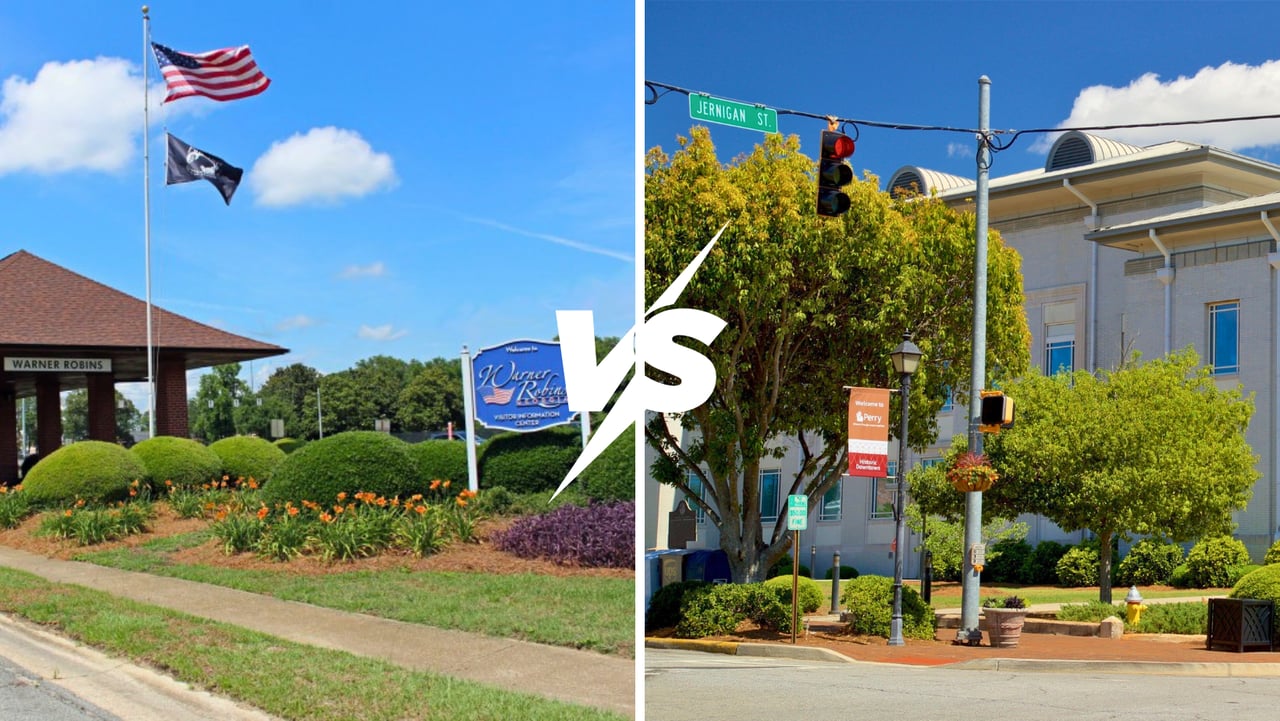
Houston County has a deep rental market driven heavily by Robins Air Force Base and the steady rotation of military families who rent before purchasing. These conditions make the Warner Robins area attractive to real estate investors, and the LLC question arises frequently in the local market. The recommended approach for local investors is to coordinate three conversations before submitting an offer: a lender for investor financing, an attorney for the entity and deed structure, and a CPA for tax treatment. The agent handles the transaction itself, identifying the right property, structuring the offer, and closing in the entity's name correctly. The most common mistake is attempting to shortcut this coordination and encountering a financing or homestead surprise after going under contract.
Buying in Your Name vs. an LLC: Comparison
The following is a general comparison for the Houston County market. An attorney and CPA should confirm what fits a specific situation.
Factor | In Your Name | In an LLC |
Typical loan type | Conventional / owner-occupant | Commercial / investor |
Georgia homestead exemption | Available on primary residence | Generally not available |
Insurance | Homeowner's policy | Landlord / commercial policy |
Best suited for | Primary residence | Investment / rental property |
For Sellers: Does It Matter If My Buyer Is an LLC?
Generally, it does not matter significantly. What matters is whether the buyer is qualified and the financing is solid. An LLC buyer using investor financing can be as strong as an individual buyer, and an LLC making a cash or well-capitalized purchase may be stronger.
From an agent's perspective, the one item worth verifying is that the offer's financing terms and proof of funds align with the entity making the purchase. This is a routine verification handled on the seller's behalf before acceptance. The buyer's entity structure is their concern; the seller's focus should remain on the buyer's ability to close.
For Investors: Should I Buy My Rental in an LLC?
For a genuine rental property, purchasing in an LLC is a common investor strategy for liability separation. Whether it is appropriate for a specific investor depends on their financing, tax situation, and overall portfolio, questions for a lender, CPA, and attorney.
From the transaction side, the key guidance is to establish the LLC before submitting the offer rather than afterward. Attempting to transfer a property into an entity mid-transaction or after closing is where financing complications and due-on-sale risk arise. With the entity formed and investor financing arranged in advance, the offer can be written in the LLC's name from the start, the clean path that avoids the costly mistakes.
Frequently Asked Questions About Buying in an LLC
Can I buy a house in an LLC in Georgia?
Yes, you can purchase residential property in an LLC in Georgia, and many real estate investors in the Houston County market do exactly that for rental properties. However, buying a house in an LLC changes several core elements of the transaction: the financing options narrow to commercial or investor loans, the insurance shifts to a landlord or commercial policy, and the title is held in the entity's name. You also generally lose the Georgia homestead exemption, which matters most if the property is one you intend to occupy. Before buying in an LLC, it is wise to coordinate with a lender, a real estate attorney, and a CPA.
Can an LLC claim the Georgia homestead exemption?
Generally, no. The Georgia homestead exemption reduces property taxes on a primary residence, but it is tied to an individual who owns and personally occupies the home as their main residence. Because an LLC is a business entity rather than an individual occupant, a property held in an LLC typically cannot claim the homestead exemption. For a true rental or investment property the owner does not live in, this is usually a non-issue. For anyone considering placing their own home into an LLC, the loss of this exemption is one of the most important costs to weigh and a frequent oversight.
What kind of loan does an LLC use to buy a house in Georgia?
Conventional, owner-occupant mortgage products, the loans most homebuyers use are generally unavailable to an LLC. Investors purchasing residential property through an LLC typically rely on commercial financing or investor loan products, which often carry different down-payment requirements, terms, and interest rates than a standard mortgage. Some investors also use DSCR (debt-service coverage ratio) loans that qualify the property based on its rental income rather than the borrower's personal income. The specific options and costs should be confirmed with a lender who works with investor financing in the Houston County market.
Should I put my primary residence in an LLC?
Putting a primary residence in an LLC is generally not advisable for most homeowners. Doing so typically forfeits the Georgia homestead exemption, complicates your financing, and often fails to provide the liability protection people are seeking for a home they personally occupy. An LLC is designed as an investment-property tool, not a primary-residence tool. If you are considering this for any reason, estate planning, privacy, or another goal, a real estate attorney and CPA should review your specific situation before you take any action.
Does buying a rental property in an LLC protect me from liability?
An LLC can provide a degree of liability separation between an investment property and your personal assets, which is one of the main reasons investors use them. However, the actual level of protection depends heavily on how the entity is formed, capitalized, and maintained over time, and improper handling can undermine it. Liability protection is a legal question that should be evaluated by a real estate attorney, not a real estate agent. The agent's role is limited to the transaction itself, the property, the offer, and closing in the entity's name.
What is a due-on-sale clause and how does it affect an LLC transfer?
A due-on-sale clause is a provision in most mortgages that can allow the lender to demand full repayment of the loan if the property is transferred to a new owner, including a transfer from your name into an LLC. This means moving a financed property you already own into an LLC can trigger the lender's right to call the loan due. Because of this risk, it is essential to consult your lender before transferring any mortgaged property into an entity. Many investors avoid the issue entirely by purchasing in the LLC's name from the start rather than transferring afterward.
Do I need special insurance for an LLC-owned rental in Houston County?
Generally, yes. A property owned by an LLC usually requires a landlord or commercial insurance policy rather than the standard homeowner's policy used for an owner-occupied residence. This coverage is structured for rental use and the entity ownership, and it accounts for risks specific to leasing a property to tenants. An insurance agent can establish the appropriate coverage for an LLC-owned rental in the Houston County market. Setting this up correctly from the start avoids gaps in coverage that can surface later.
Is it harder to sell a home owned by an LLC?
Not significantly. The process of selling a home owned by an LLC is broadly similar to a standard sale, with the entity named on the deed and the transaction handled accordingly. The main differences involve signing authority, confirming who is authorized to act on behalf of the LLC, and any tax considerations on the sale, which a CPA should review. For a seller, the buyer's entity structure rarely affects the transaction as long as the financing and proof of funds are solid. A local agent can guide an LLC owner through the specific paperwork involved.
Can I transfer a home I already own into an LLC?
It is possible to transfer a home you already own into an LLC, but two major considerations apply. First, most mortgages contain a due-on-sale clause that can be triggered by the transfer, so your lender must be consulted first. Second, if the home is your primary residence, you generally lose the Georgia homestead exemption once it is held by the entity. Because of the financing, tax, and legal implications, this move should be coordinated carefully with a lender, a real estate attorney, and a CPA before anything is filed.
Who should I consult before buying a house in an LLC?
Buying residential property in an LLC involves three professionals, each with a distinct role. A lender advises on investor or commercial financing and confirms what is available for an LLC purchase. A real estate attorney handles the entity formation, the deed, and the liability questions. A CPA addresses the tax treatment of holding and renting the property through the entity. The real estate agent handles the transaction itself, finding the property, structuring the offer, and closing in the LLC's name, and the investors who do this well bring all three professionals in before writing an offer.
Is buying a rental property in an LLC worth it in the Houston County market?
For many investors, holding a rental property in an LLC is worthwhile for the liability separation and the organizational clarity it provides, particularly in a deep rental market like Houston County driven by Robins Air Force Base demand. Whether it is worth it for you specifically depends on your financing, your tax situation, and your broader investment portfolio, which a CPA and attorney can evaluate. The added costs and financing differences are real and should be weighed against the benefits. From the transaction side, the key is to set the entity up before you make an offer so the purchase is clean from the start.
What is the biggest mistake people make buying in an LLC?
The most common and costly mistake is trying to place a primary residence into an LLC, which forfeits the homestead exemption and complicates financing without delivering the protection the owner expected. A close second is attempting to transfer a financed property into an entity after closing, which can trigger the due-on-sale clause. Both mistakes stem from treating an LLC as a one-size-fits-all solution rather than an investment-property tool. Coordinating with an attorney, CPA, and lender before buying, and purchasing in the entity's name from the start, avoids nearly all of these problems.
About the Author
William Walton-Dean is a REALTOR® serving buyers and sellers across Perry, Warner Robins, Bonaire, Kathleen, Byron, and Centerville in the Houston County, Georgia housing market. Through detailed market analysis and hyper-local insight, he helps clients navigate Middle Georgia real estate with clarity and confidence.
📱 478-371-7069
Walton Dean Realty | Century 21 Homes and Investments
Ready for a Personalized Home Search?
If you are thinking about buying or selling in Houston County, let's talk through where you stand and what your next move looks like. Send me a message or give me a call, and I'll give you a straight, data-backed read on your situation.
Disclaimer: This article provides general real estate information and is not legal or tax advice. Entity formation, liability protection, and tax treatment vary; consult a licensed attorney and CPA for guidance specific to your situation.