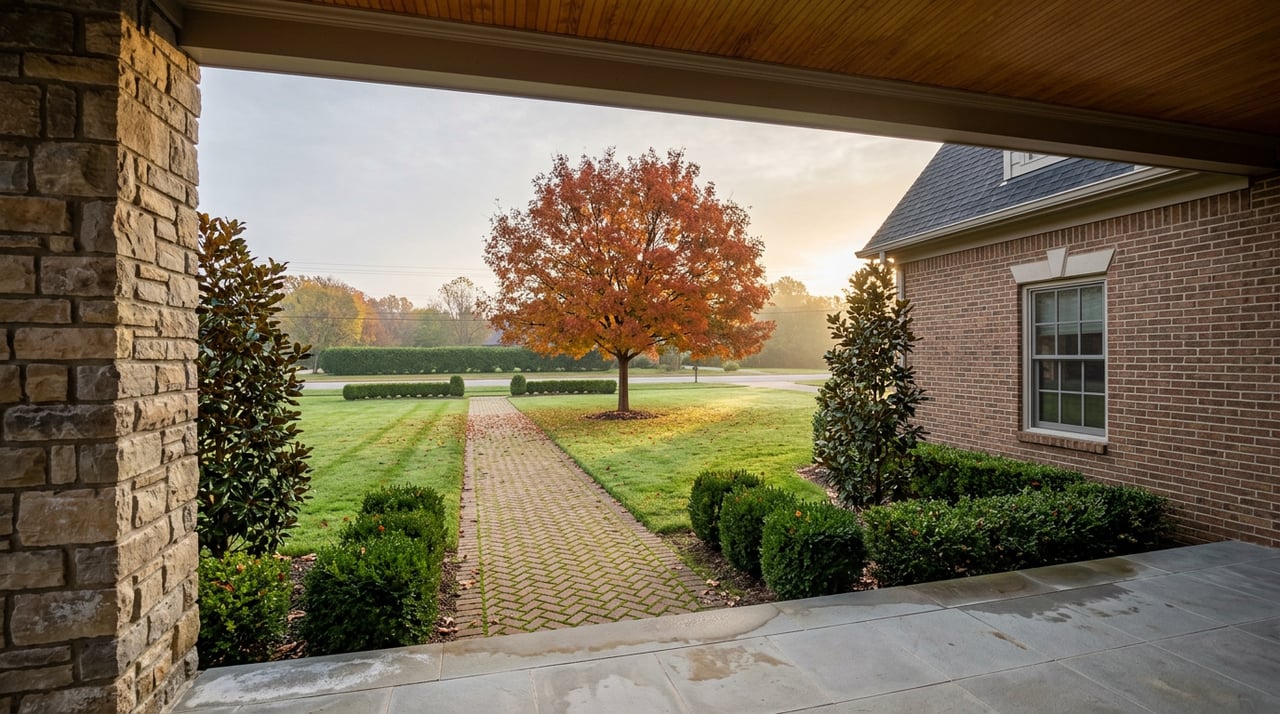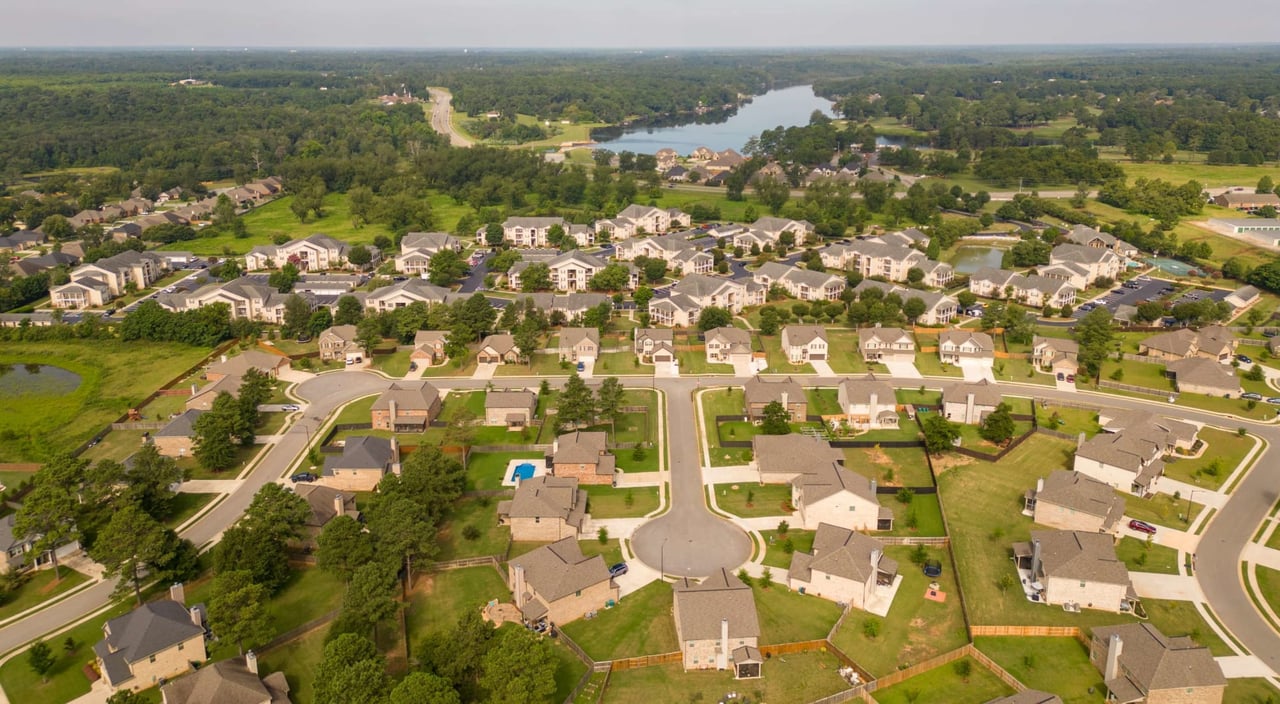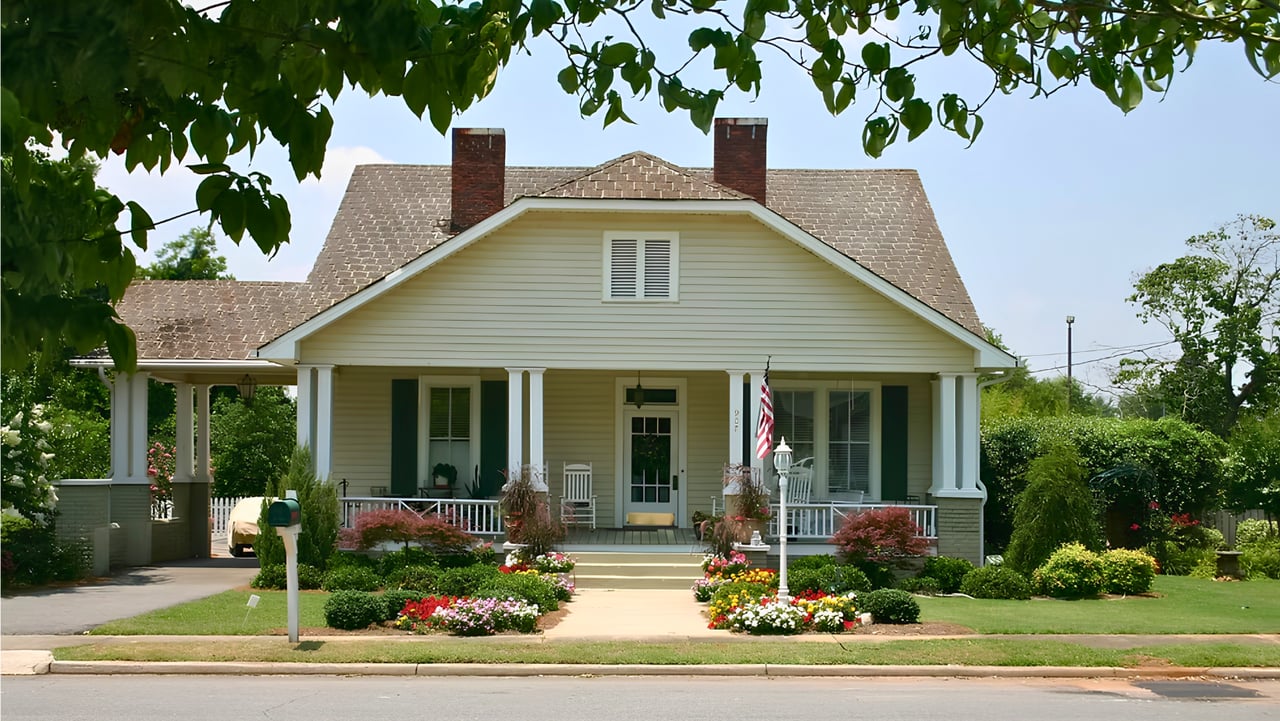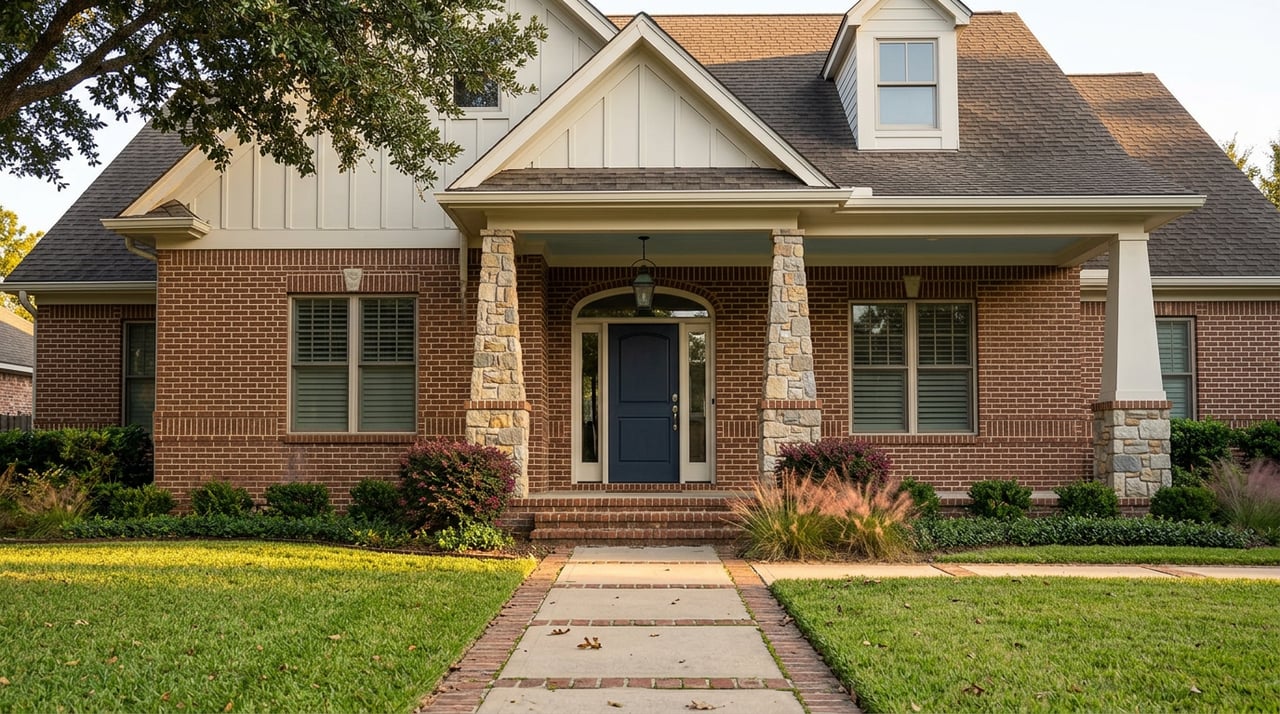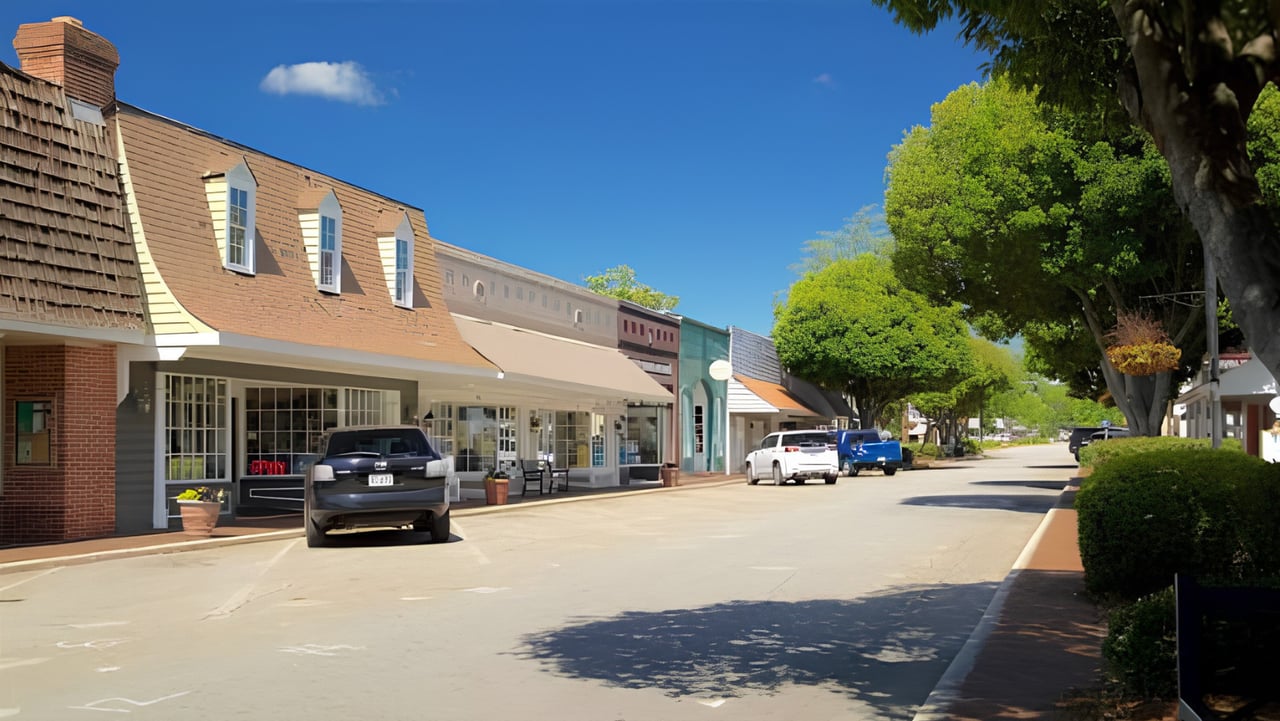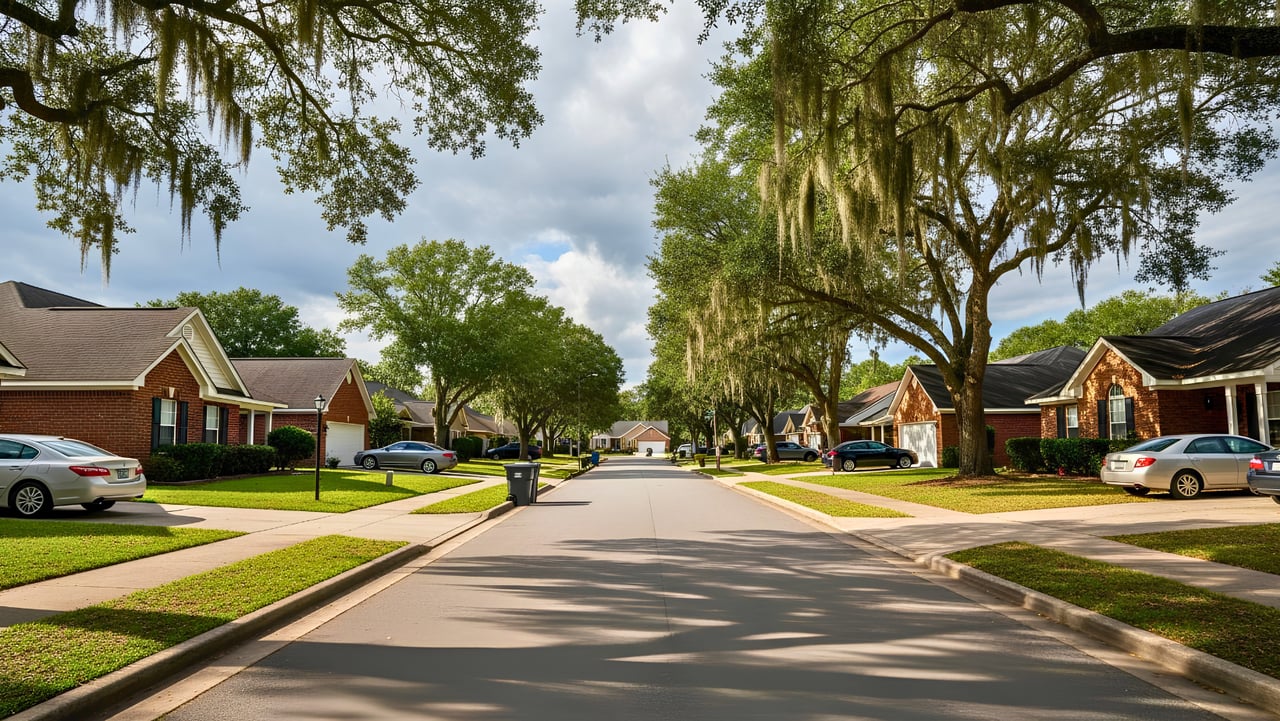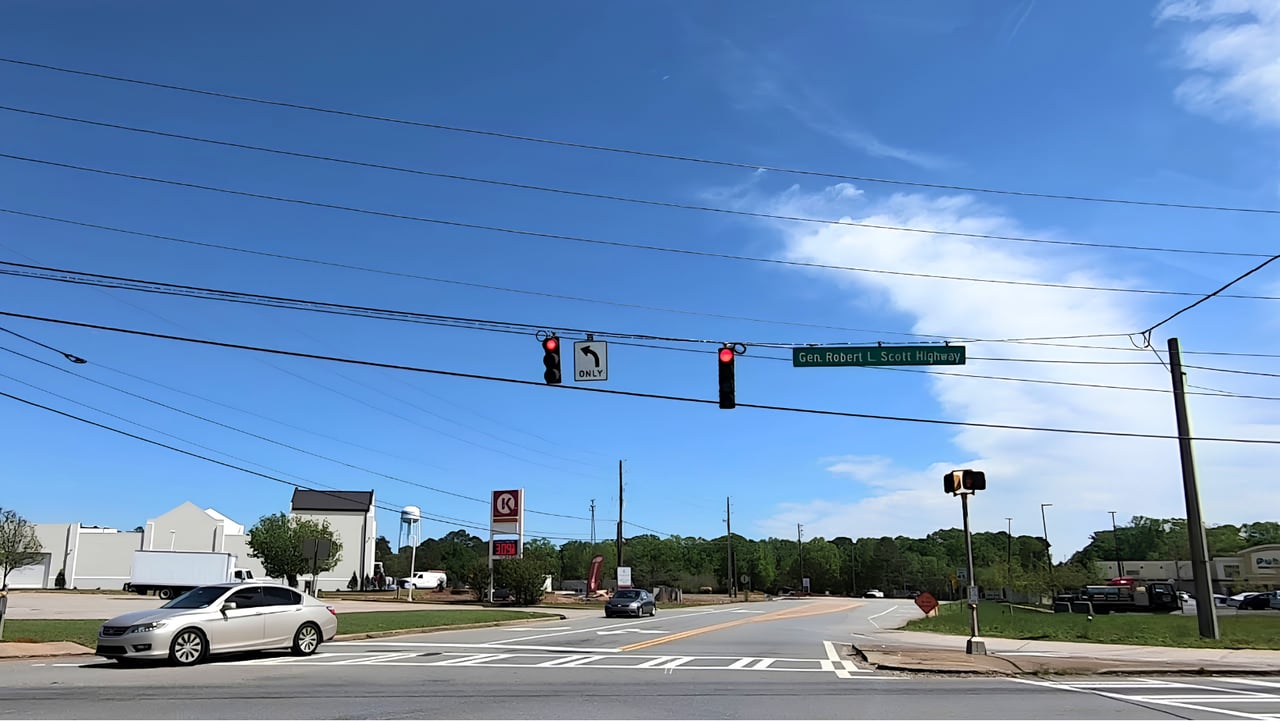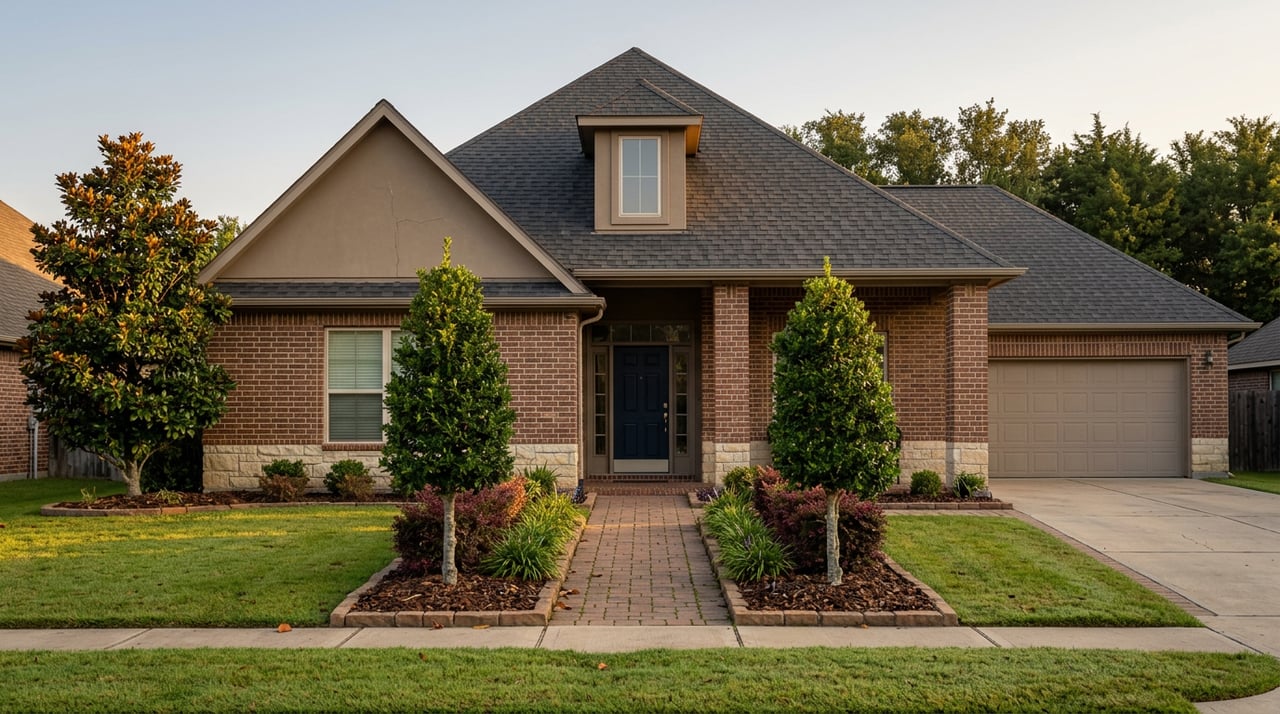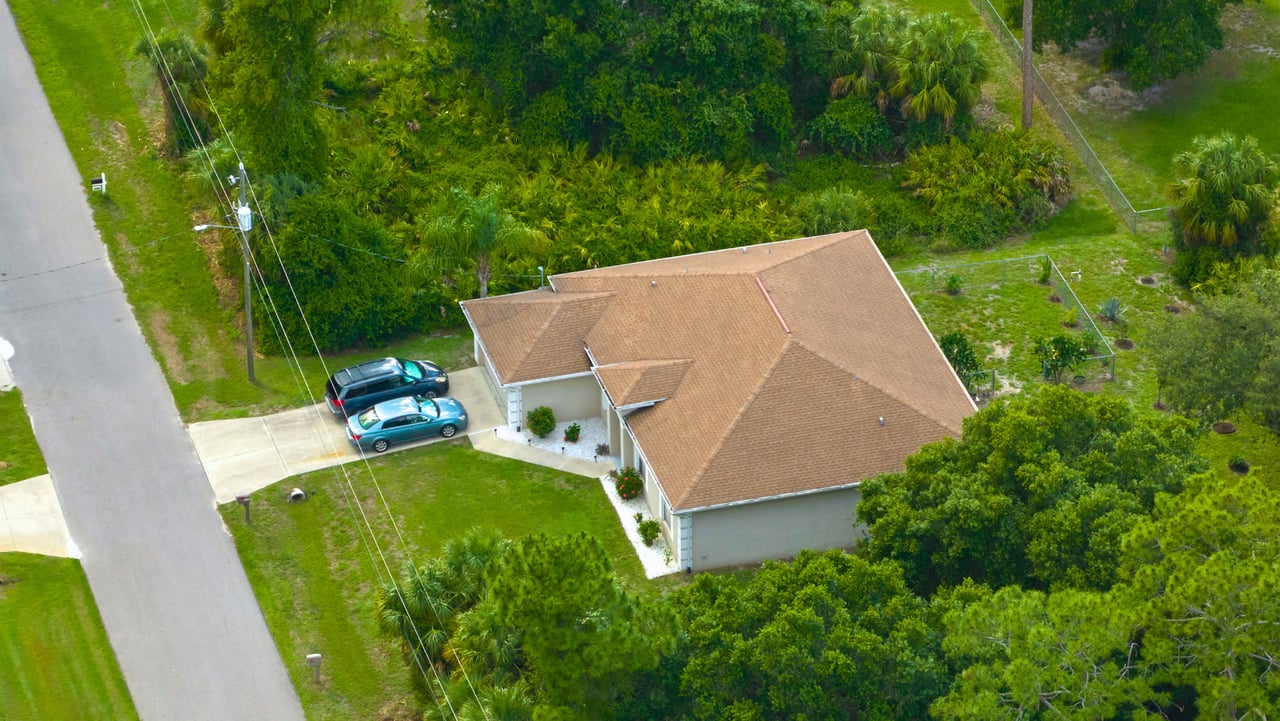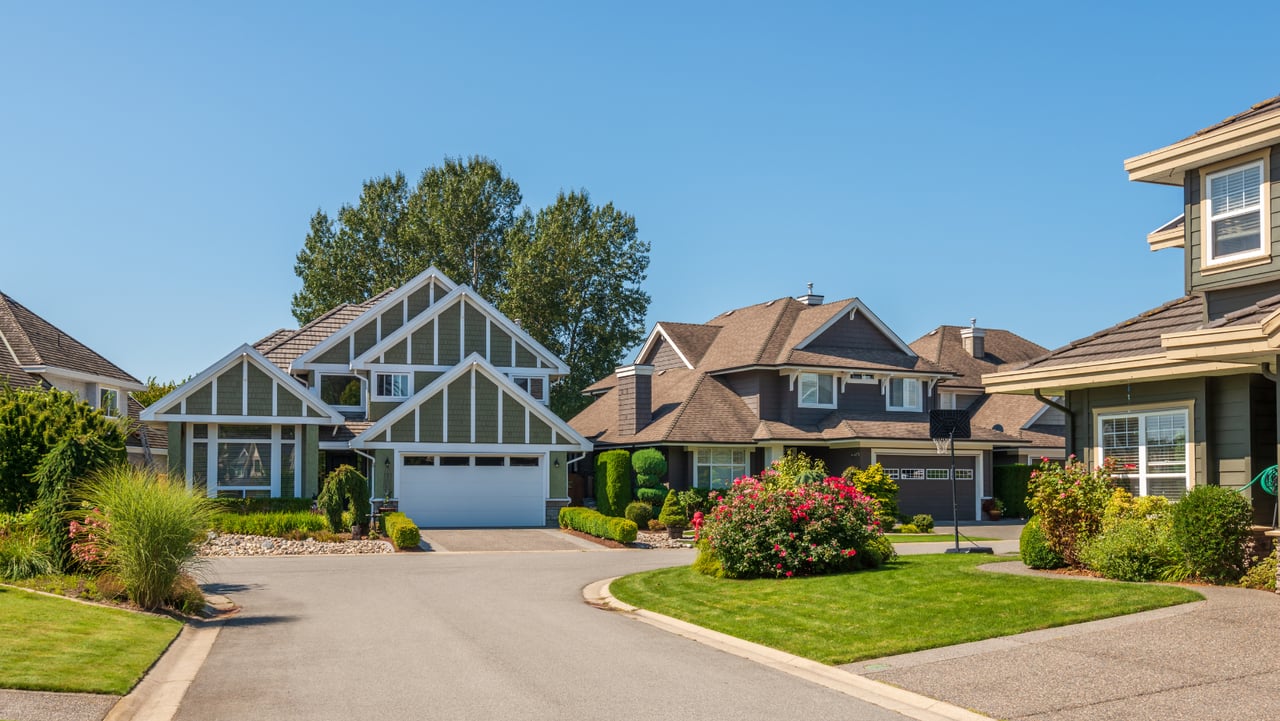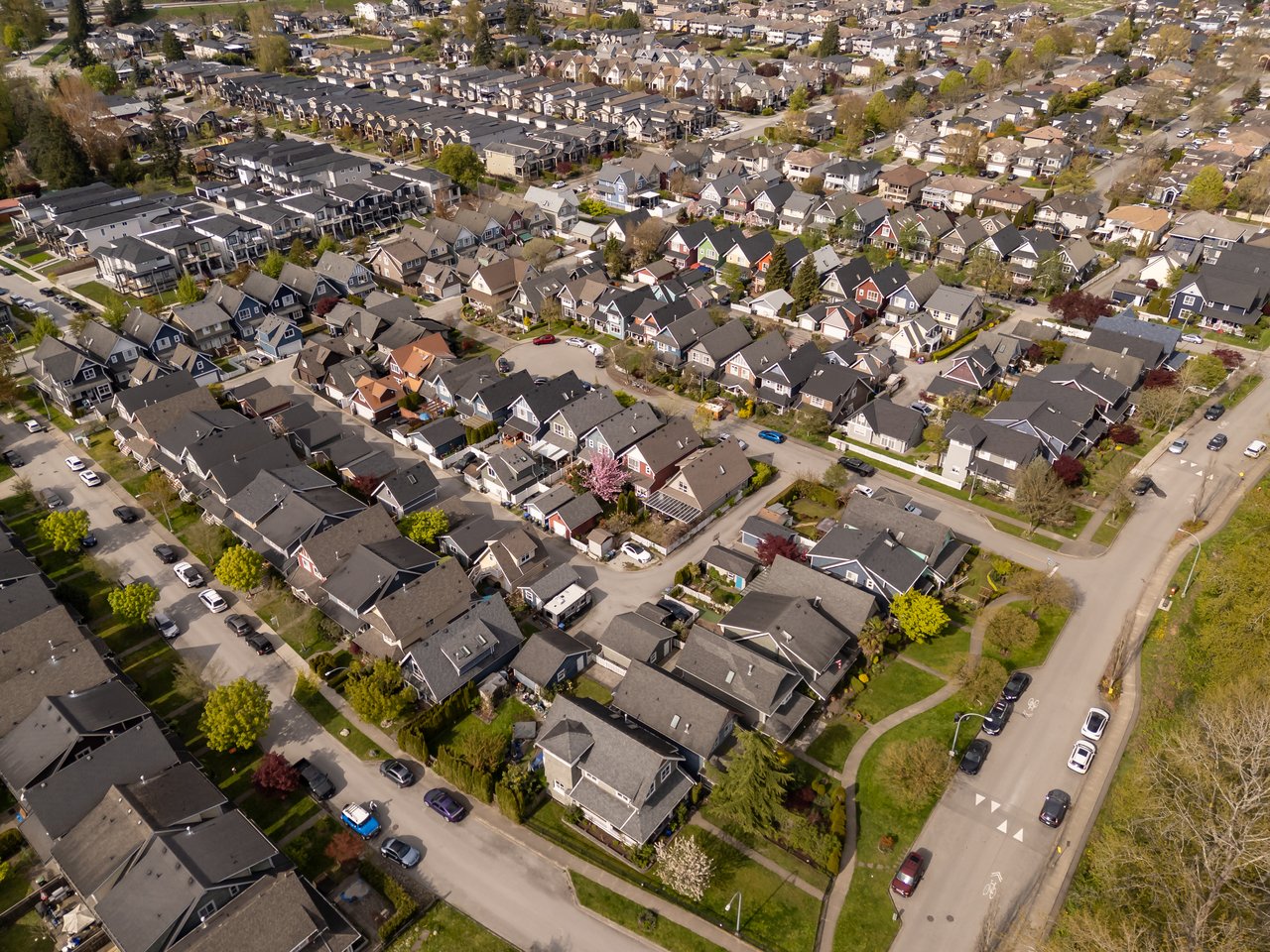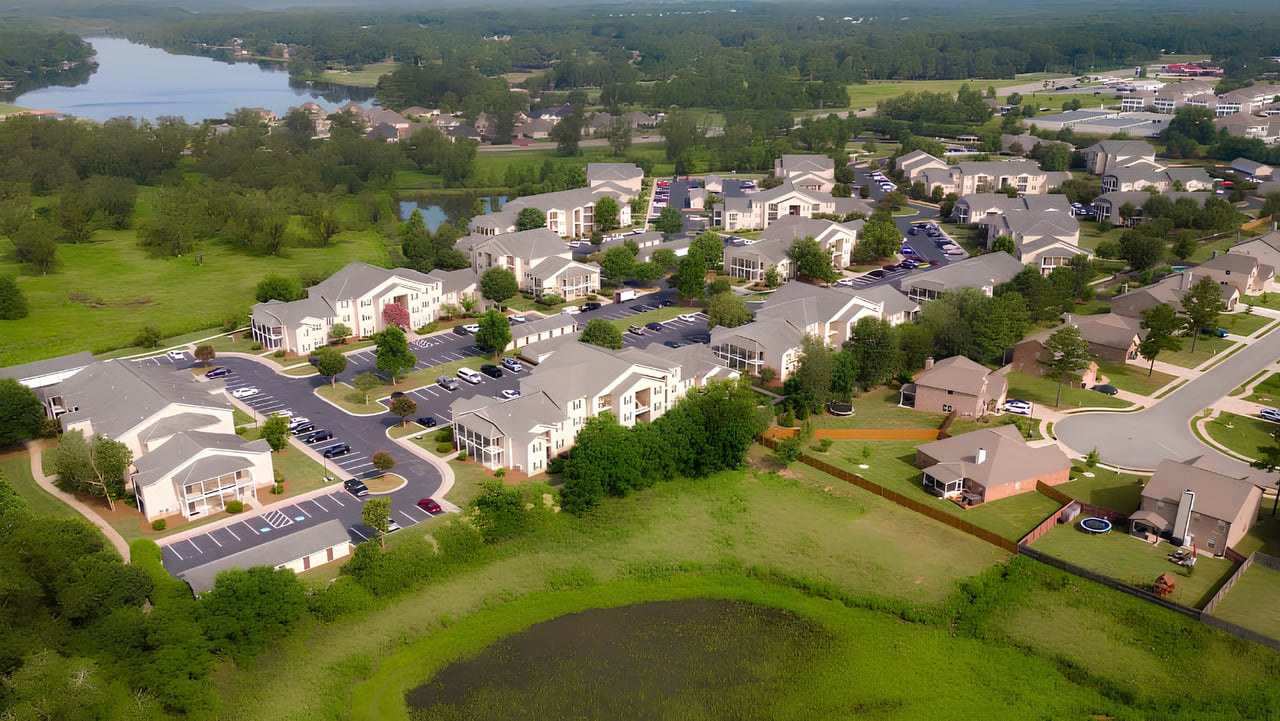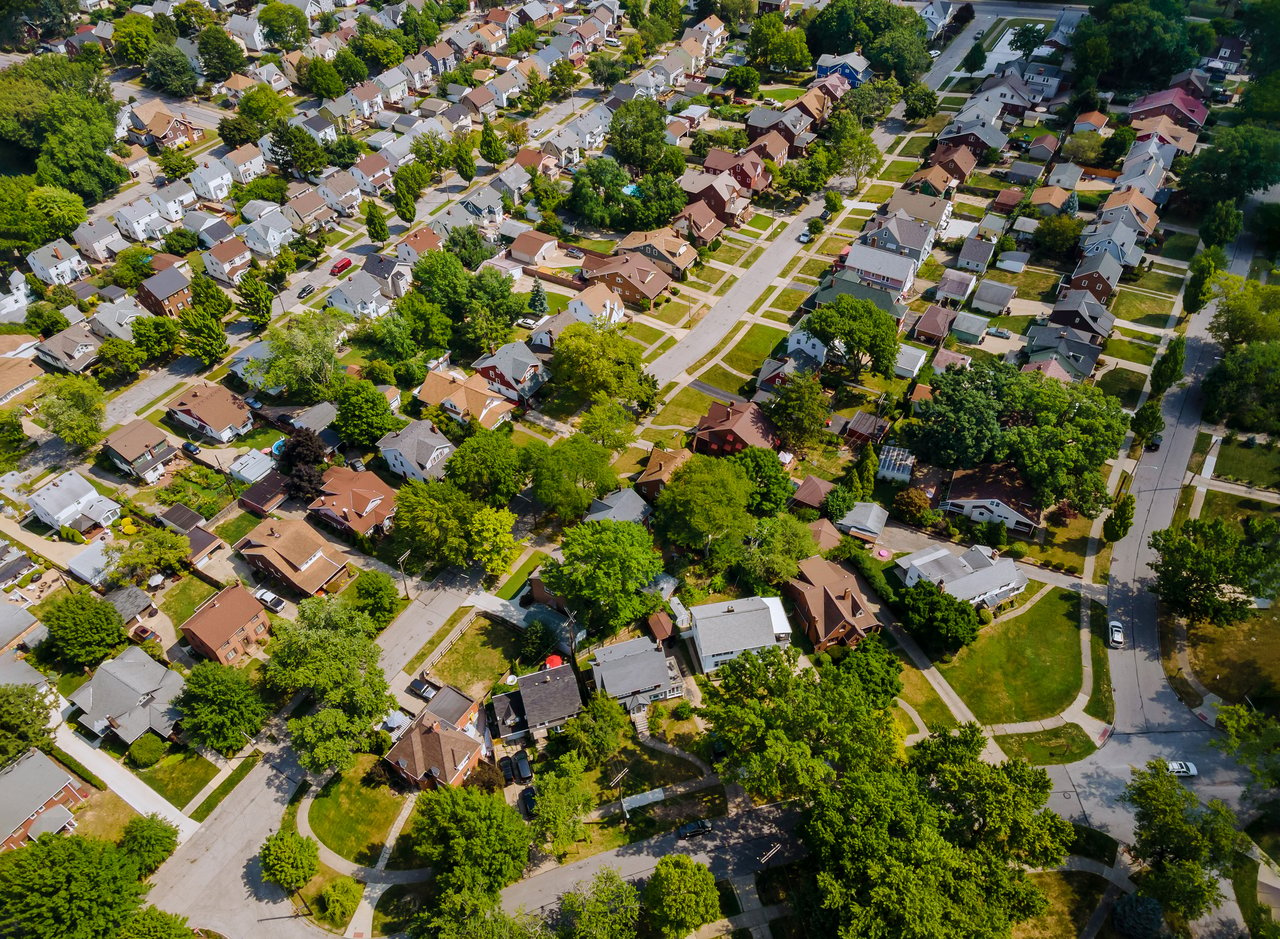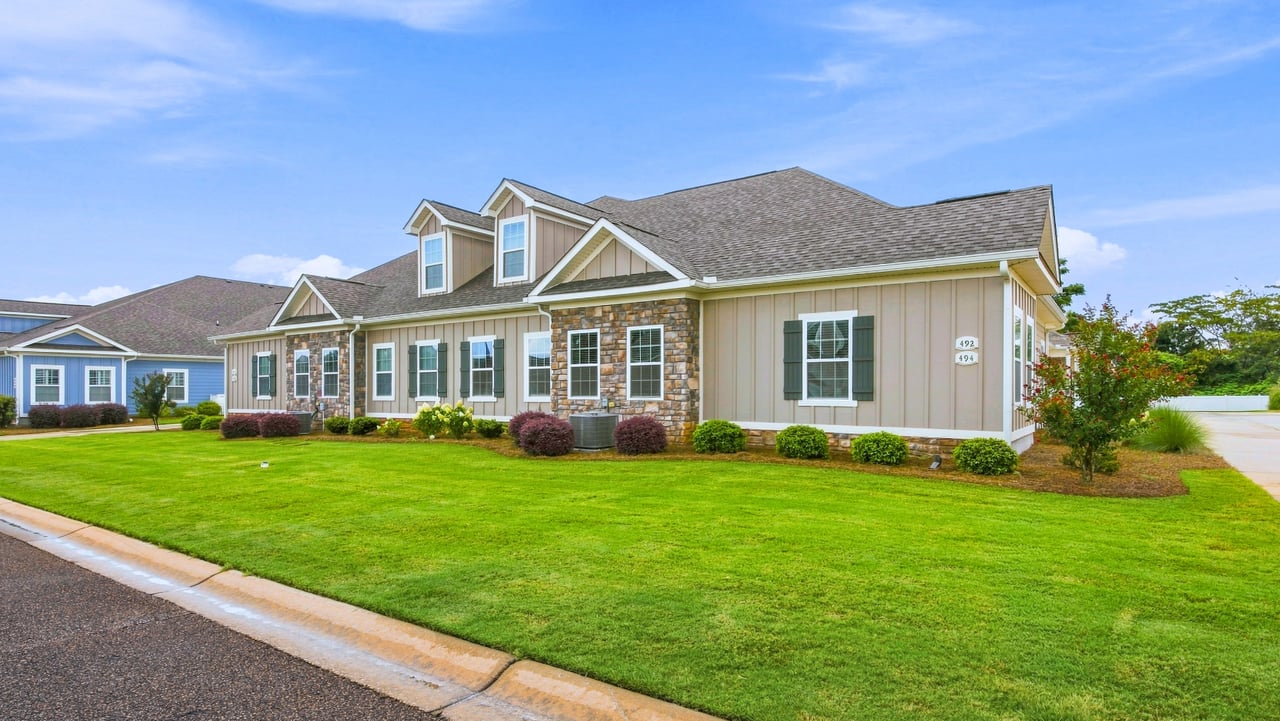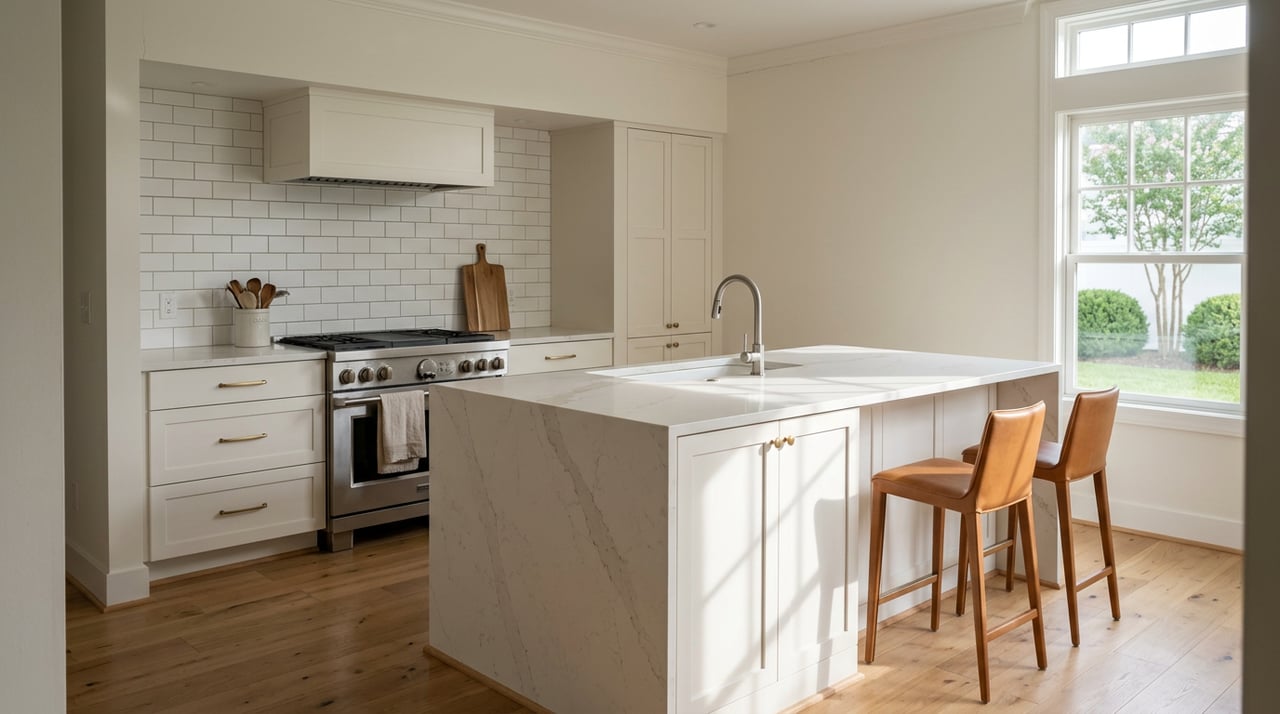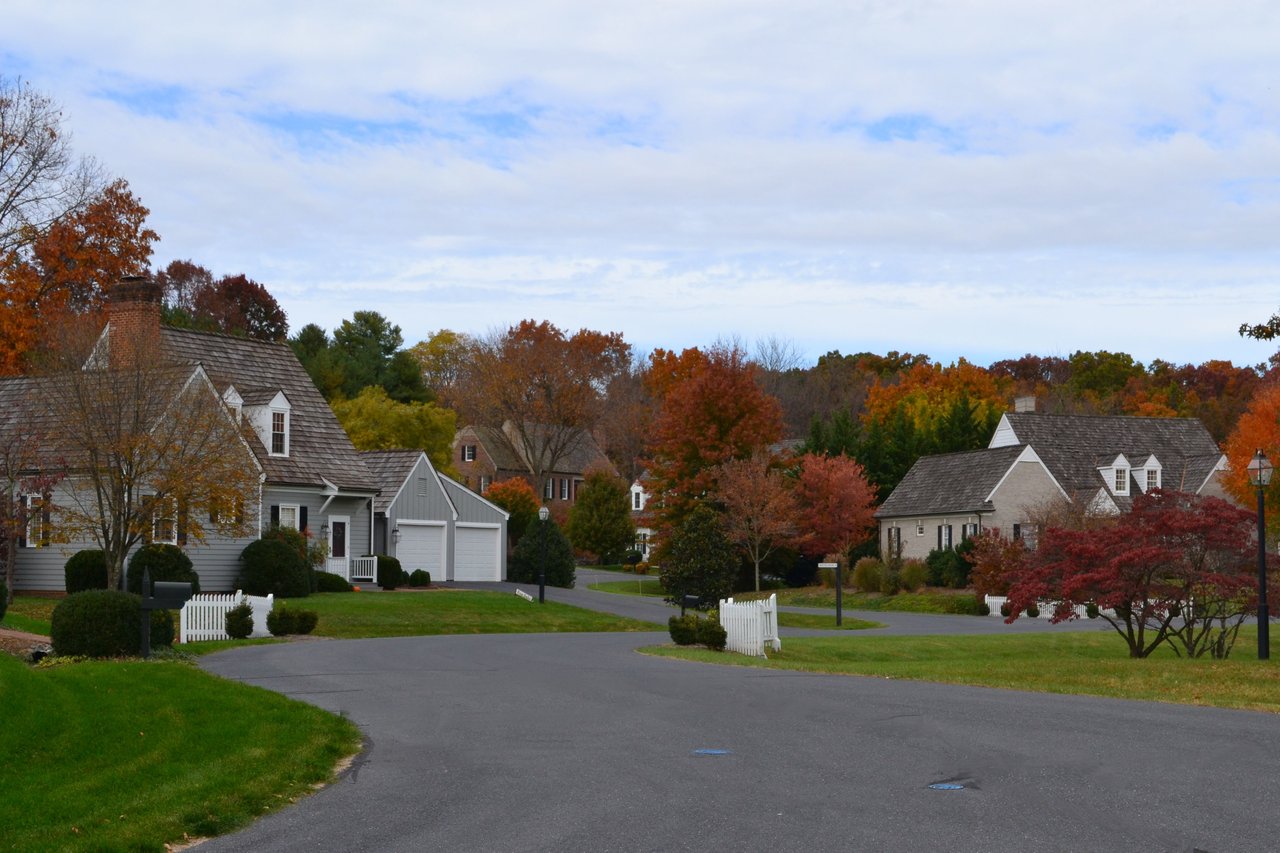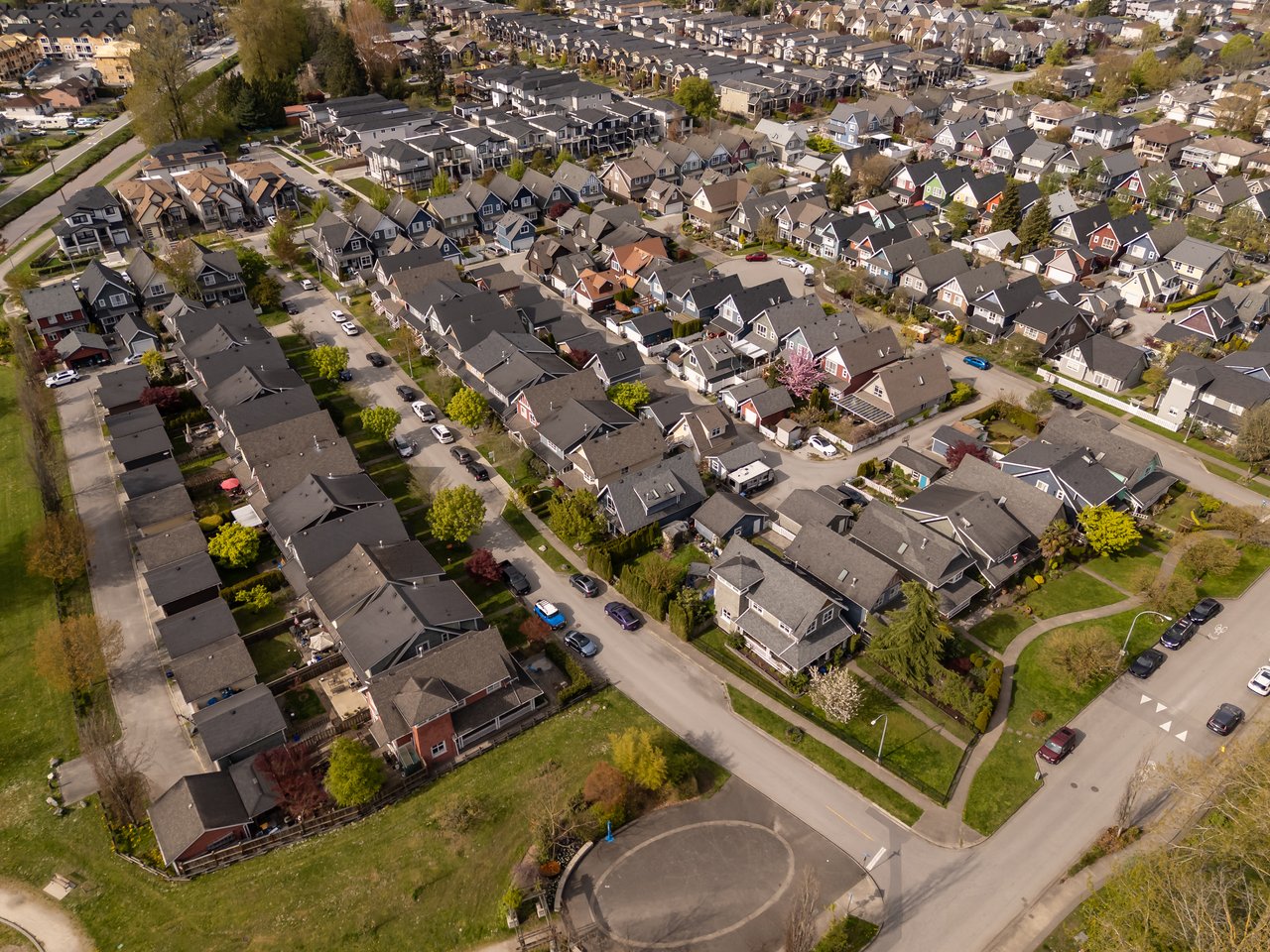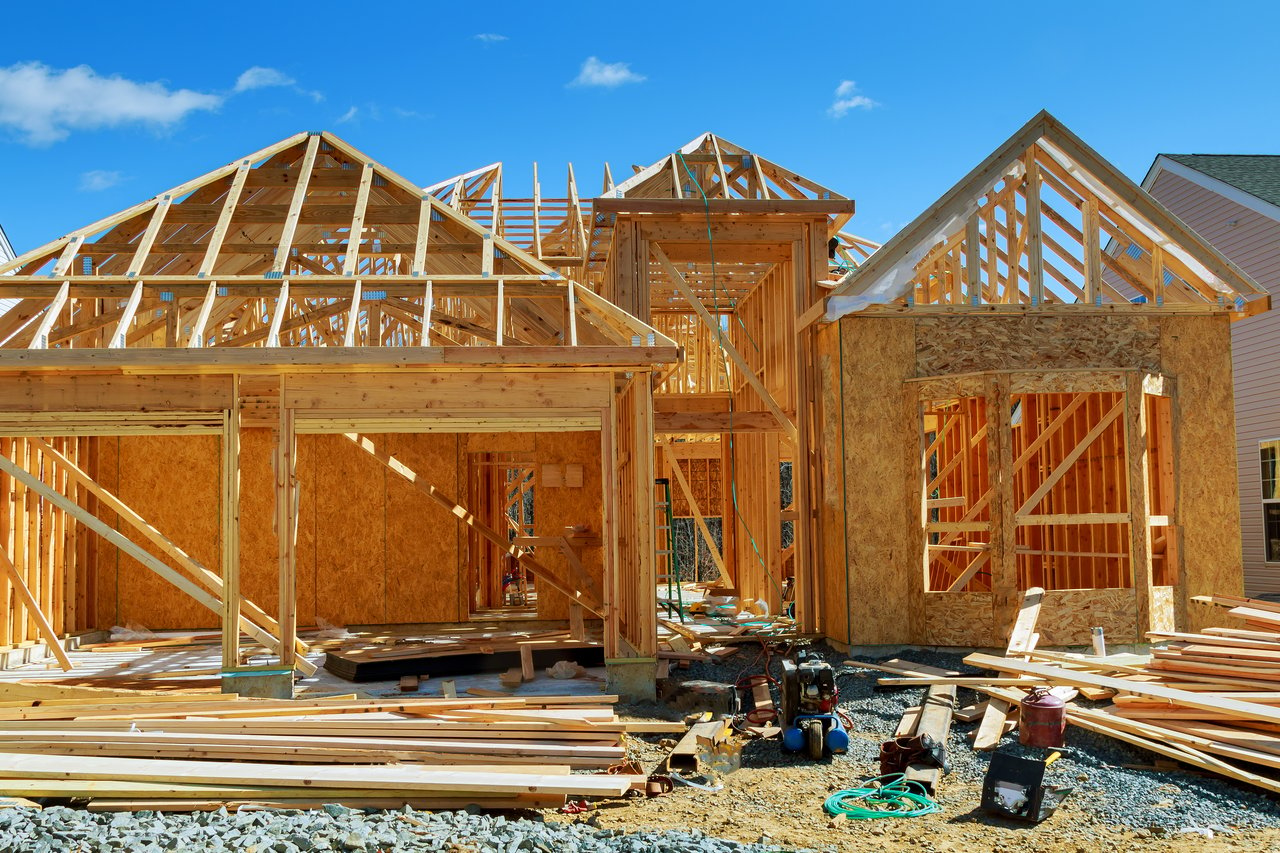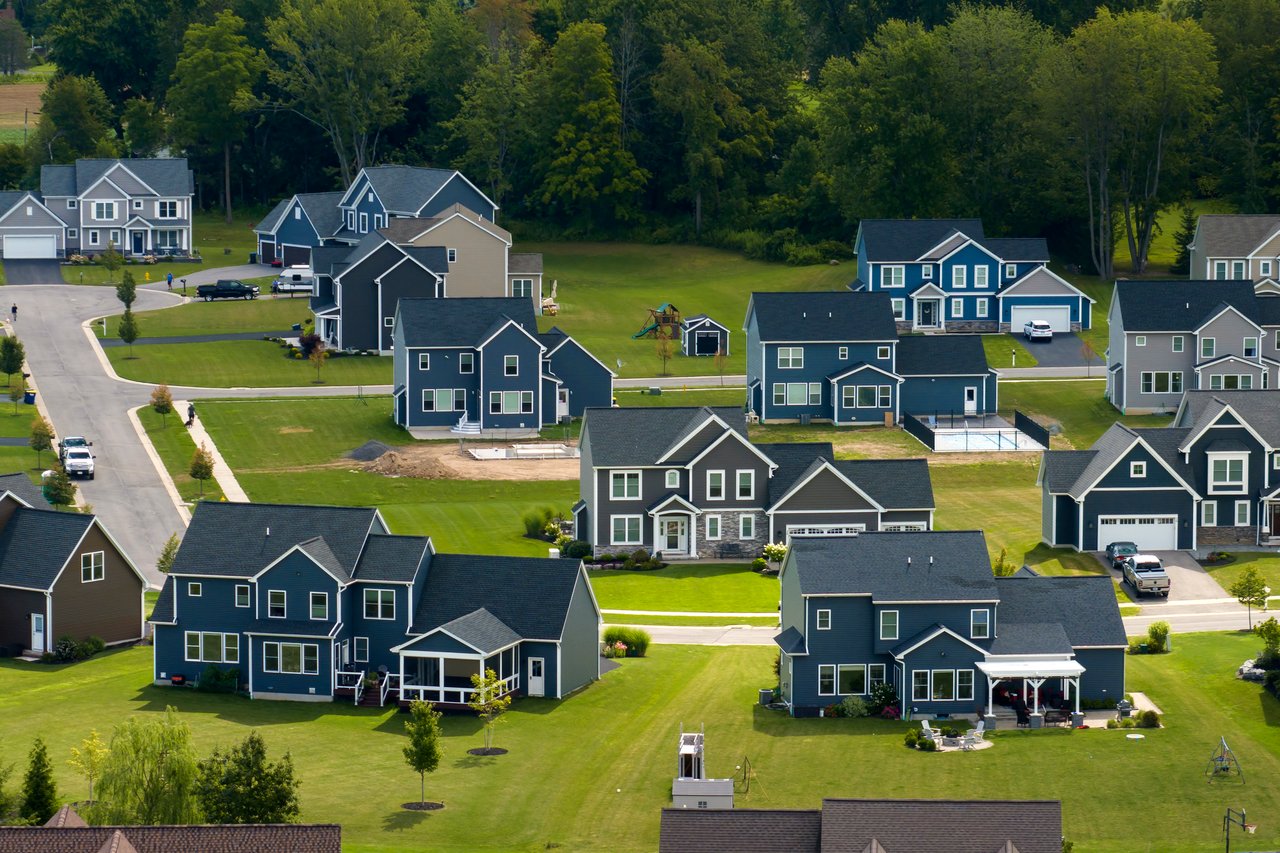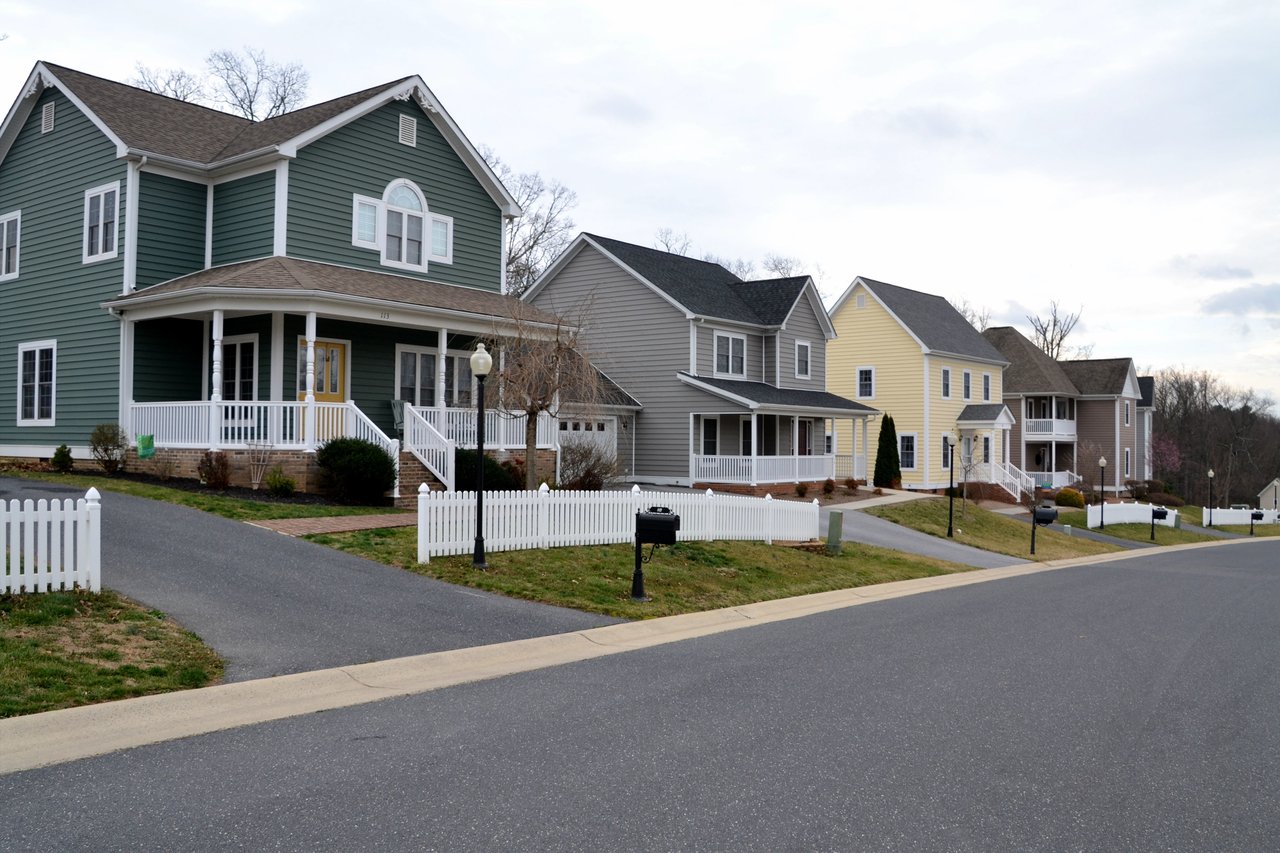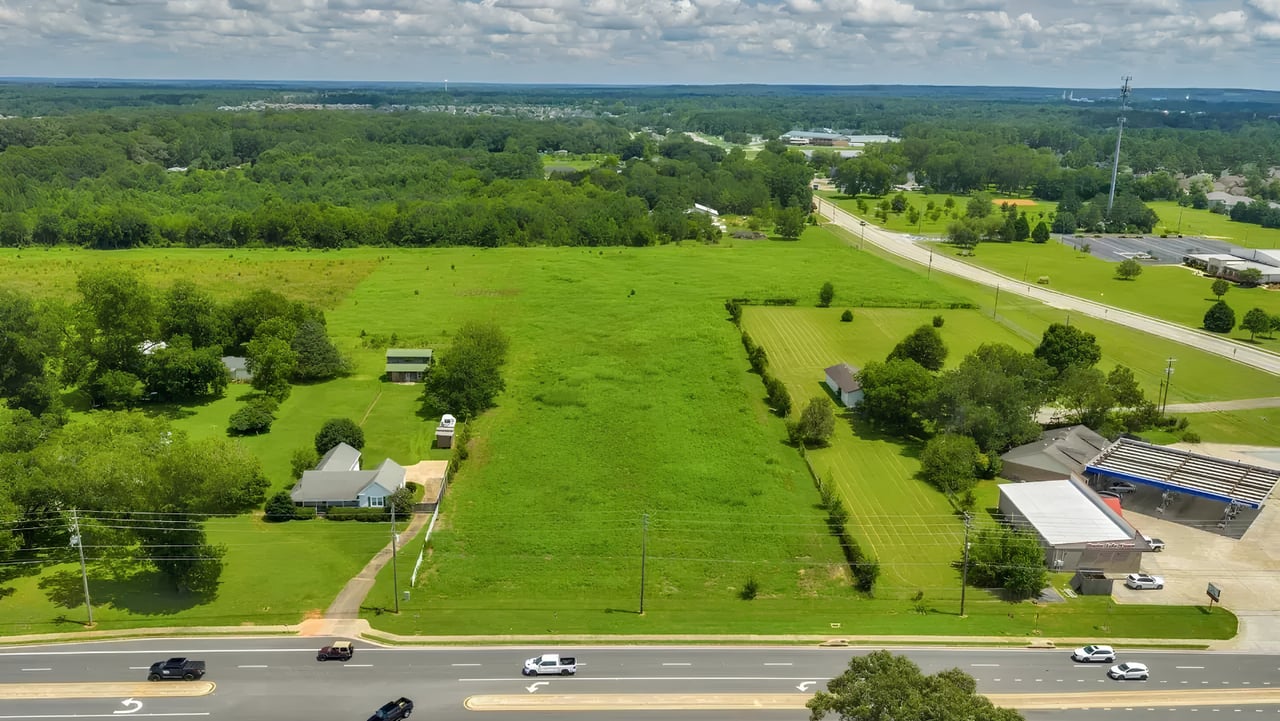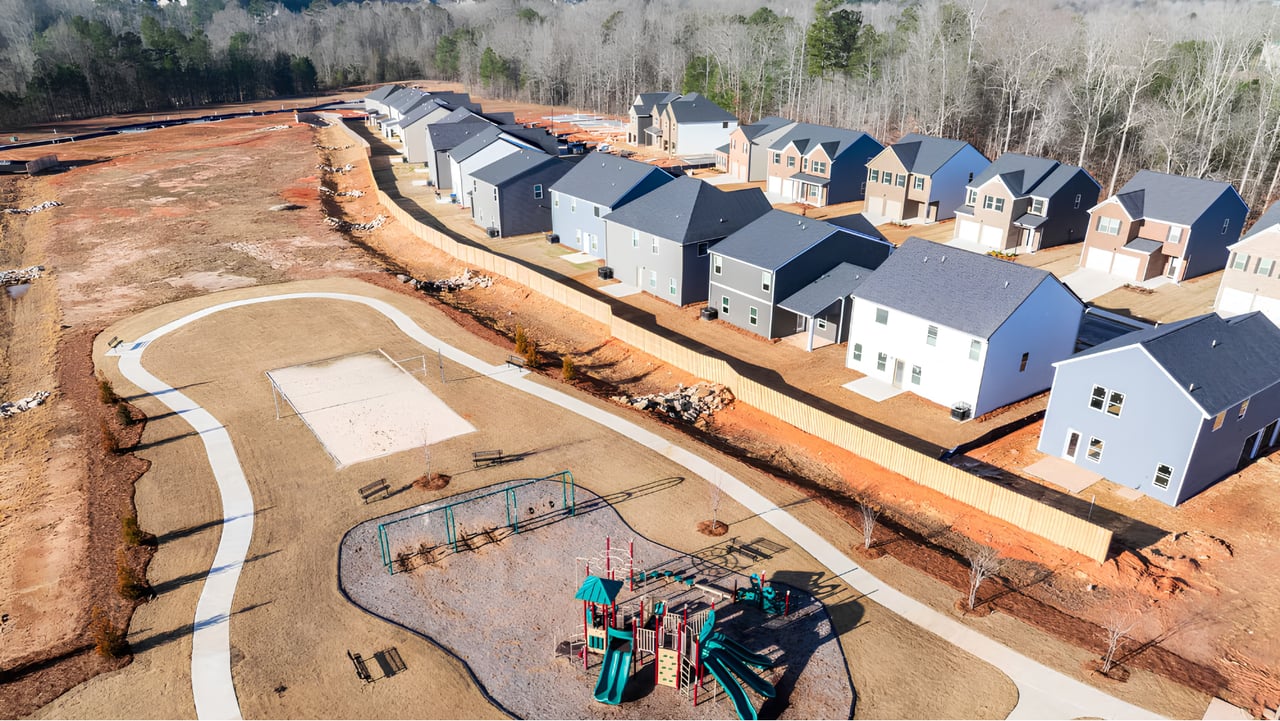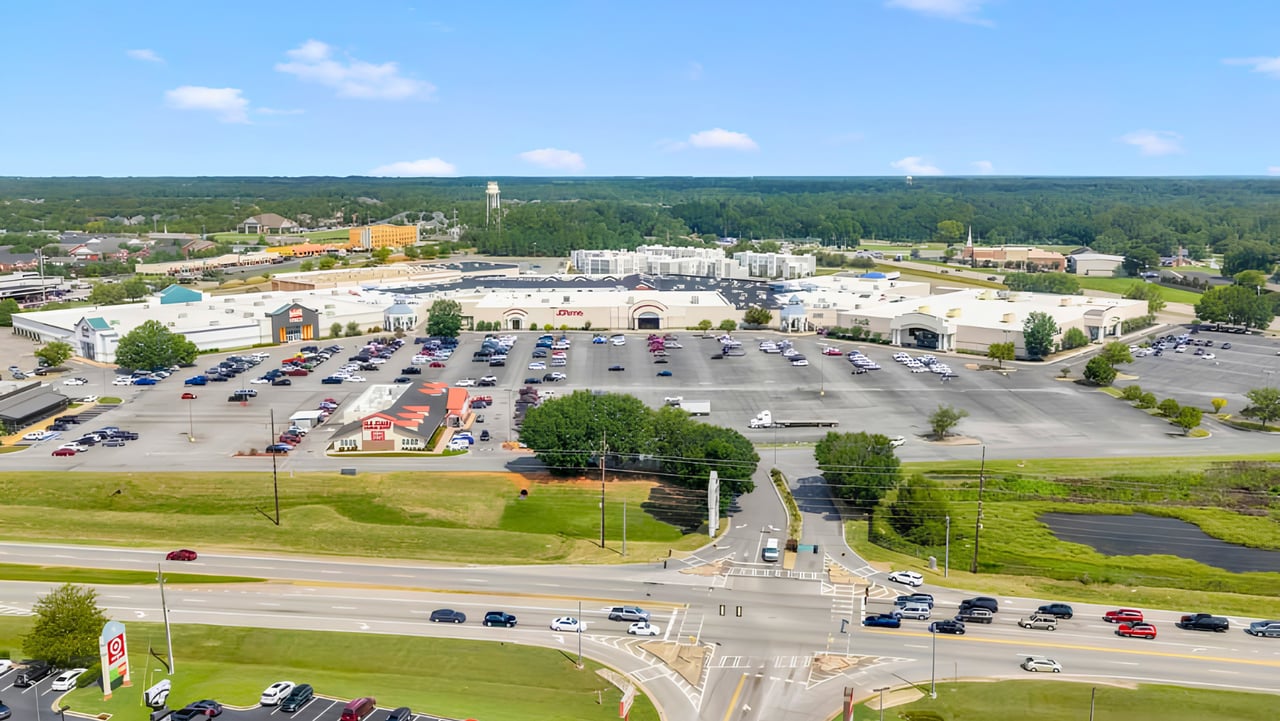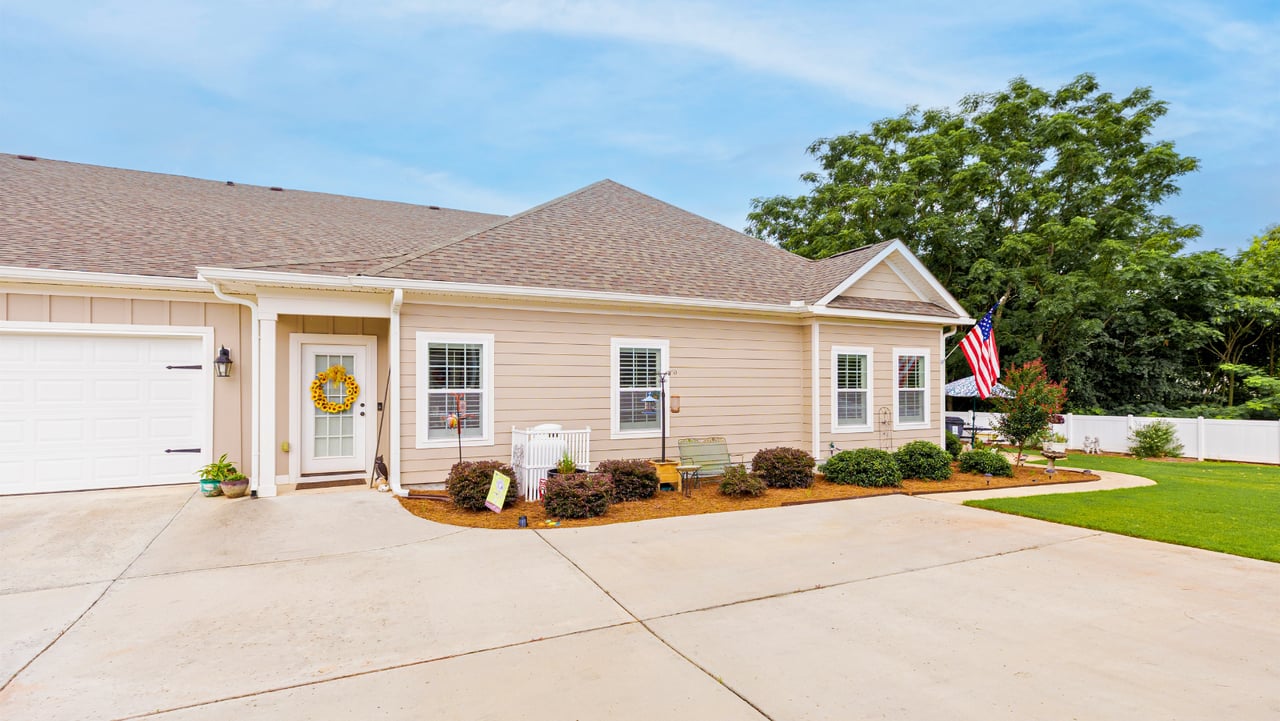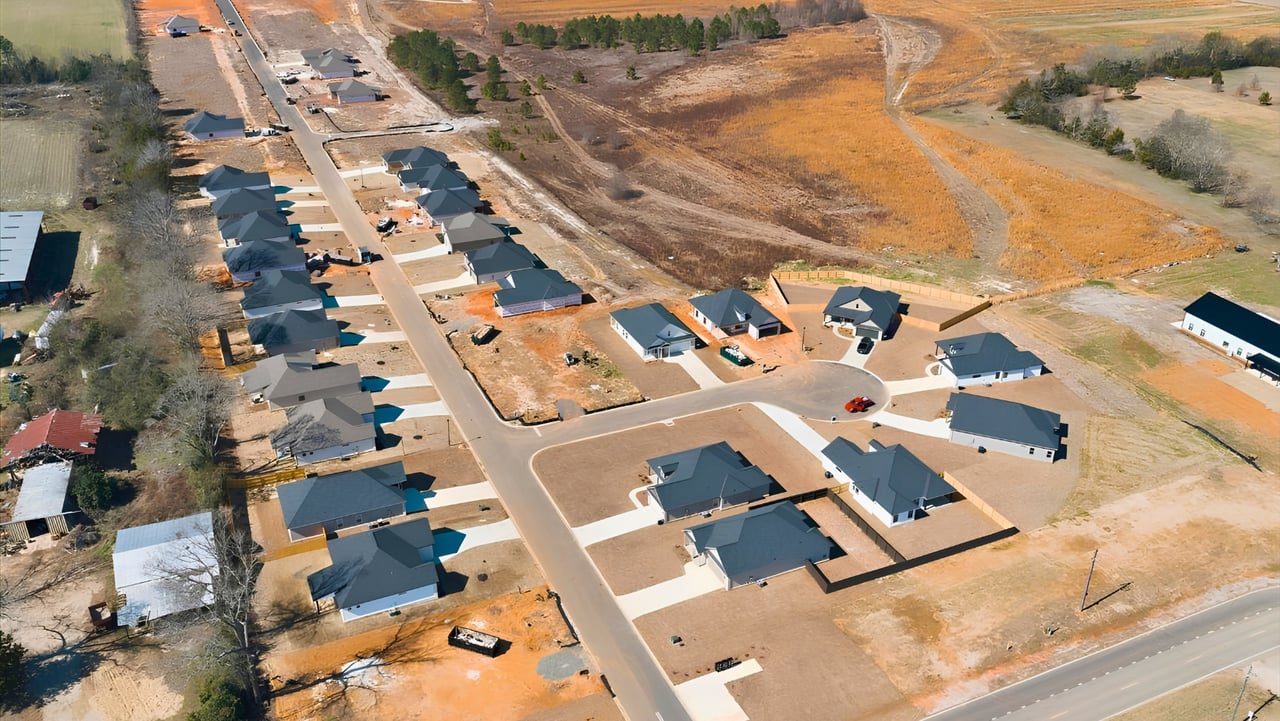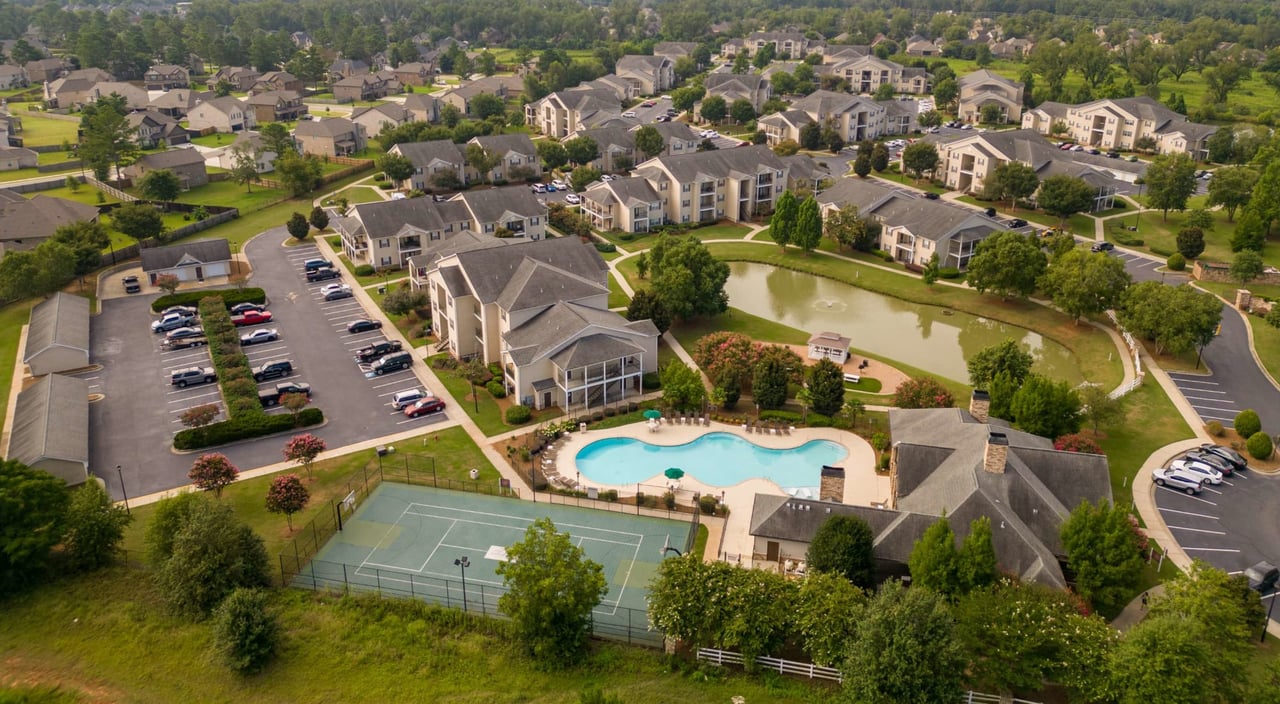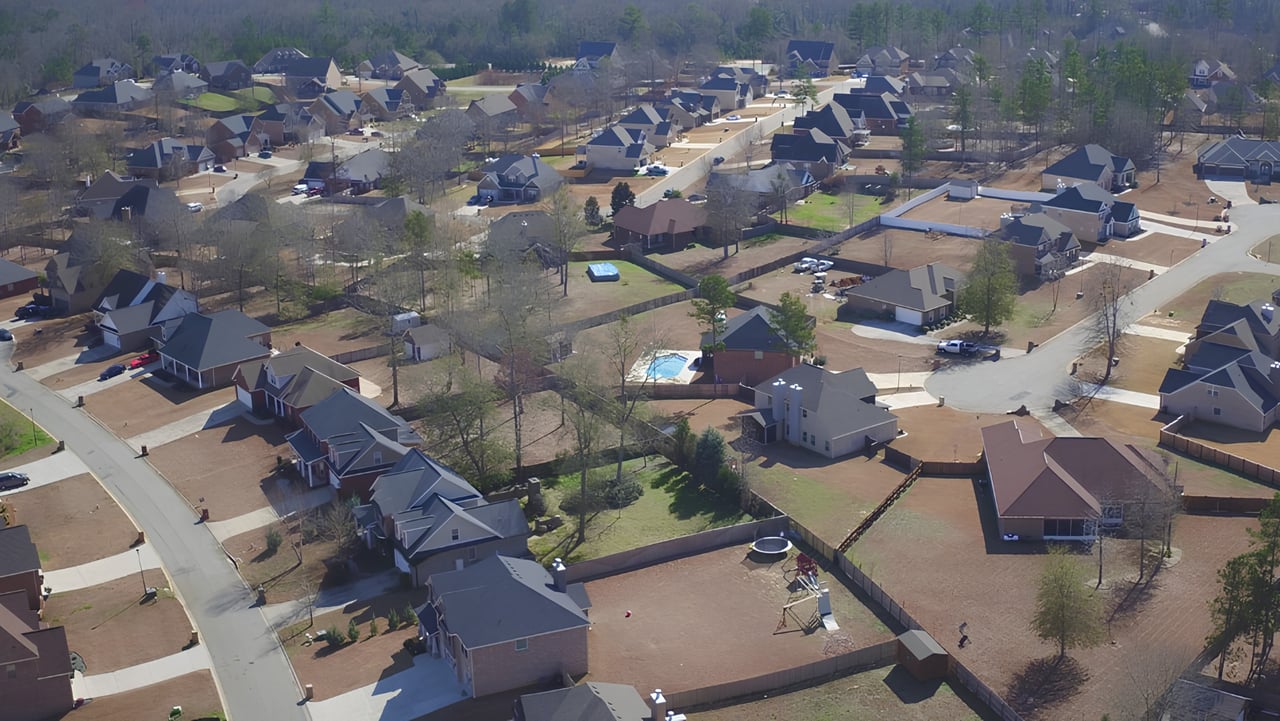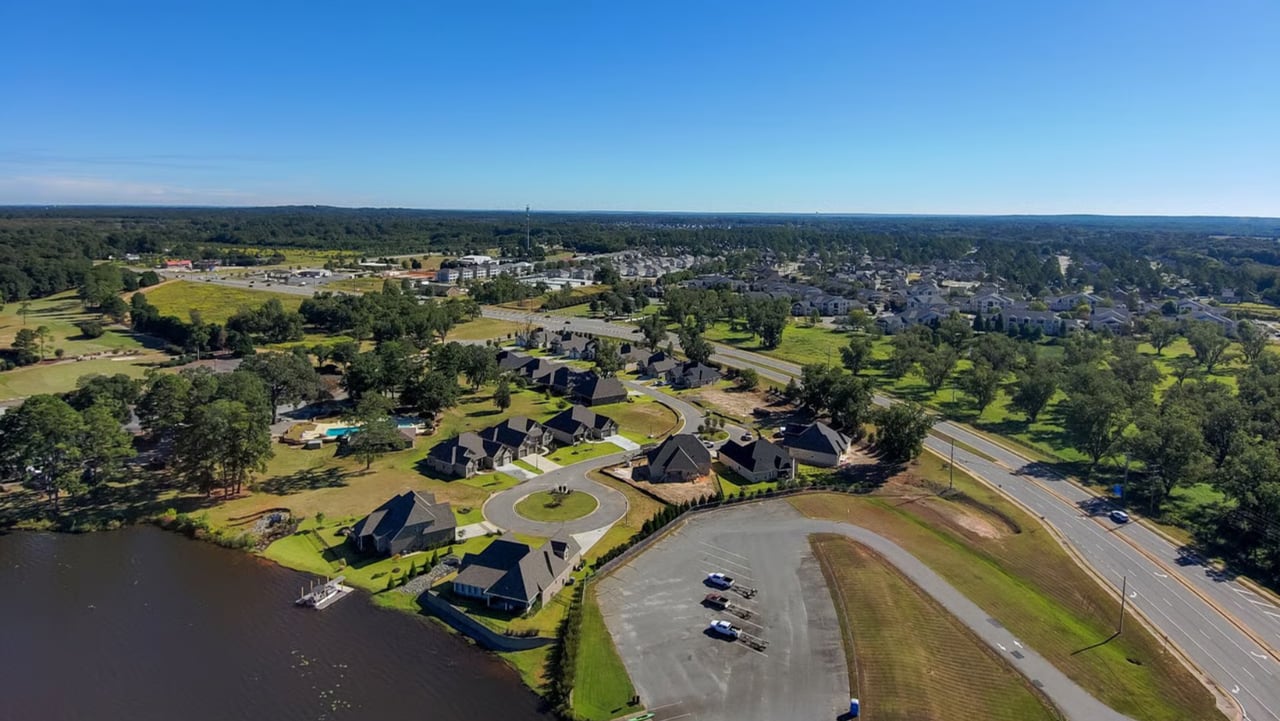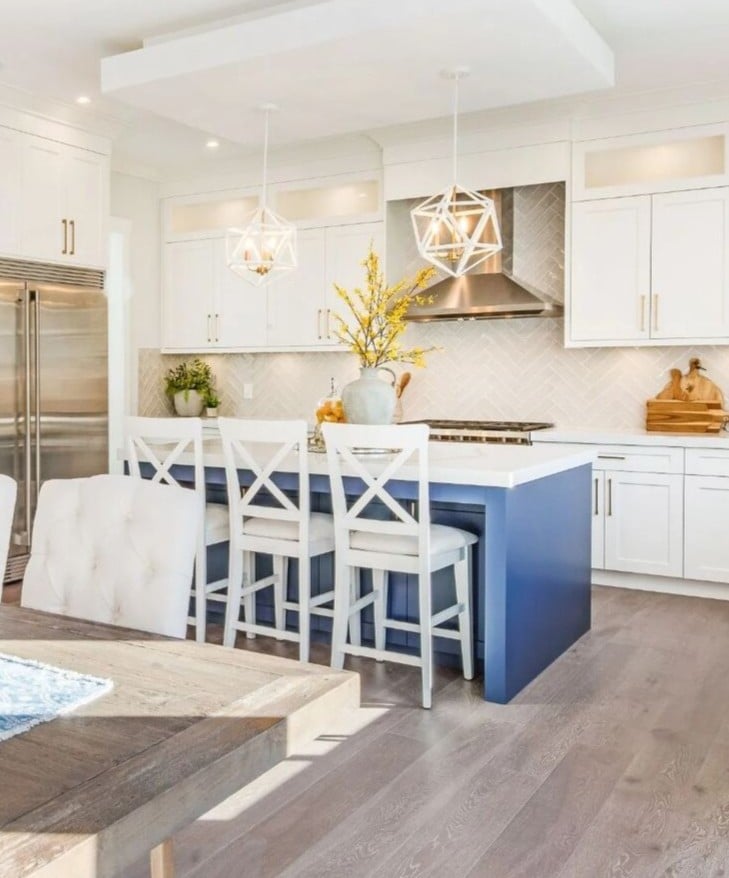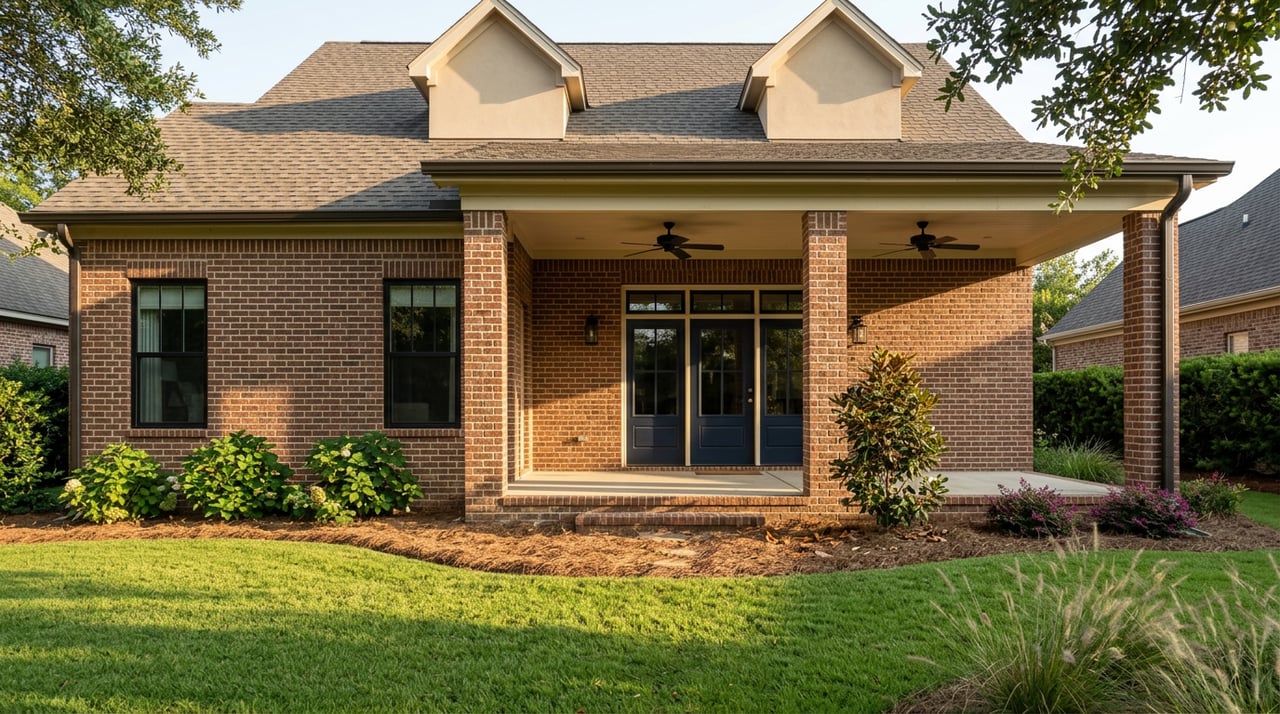
Two houses. Same subdivision off Russell Parkway, roughly the same square footage, both listed in June 2026. One asked $239,000 and closed in twelve days at full price. The other asked $268,000 and drifted past sixty days on market before a price cut. Nothing about the photos, the finishes, or the roofs explained the gap.
The explanation is one line in a Department of Defense table.
The line most Warner Robins listings straddle without knowing it
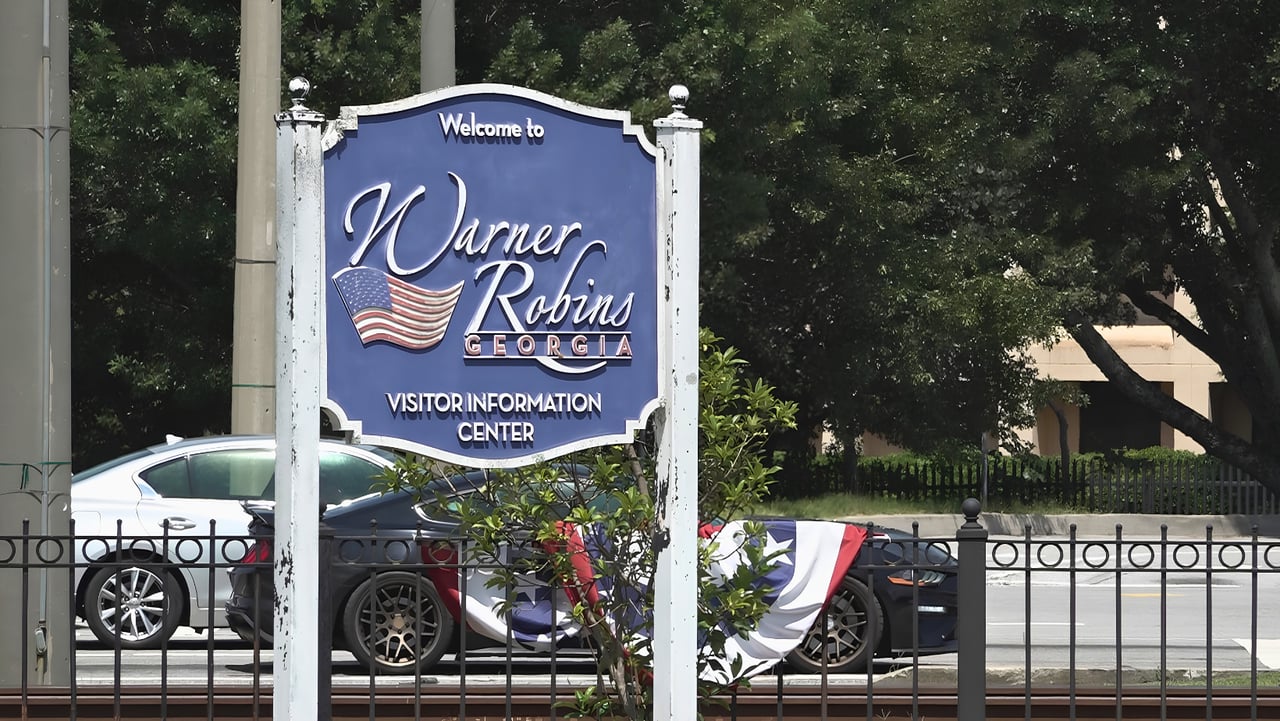
Warner Robins is not a market that clears on macro sentiment. It clears on Basic Allowance for Housing. The 2026 BAH schedule for Robins AFB, which the Defense Travel Management Office publishes as Military Housing Area GA076, sets a monthly, tax-free housing budget for every service member assigned to the base. When rates were reset on January 1, 2026, they moved up an average of 4.2% from the prior year. That reset flows through to what a VA-eligible buyer can carry each month, which flows through to what price bands sell fast and which ones sit.
The key tiers for Robins AFB in 2026:
Pay grade (with dependents) | 2026 monthly BAH |
|---|---|
E-5 | ~$1,800 |
E-6 | mid-$1,900s |
E-7 | low-$2,000s |
O-3 | mid-$2,300s |
O-5 | $2,709 |
Service members without dependents receive roughly 20% less. GA076 covers 34 ZIP codes across Houston, Peach, Bibb, Crawford, and adjacent counties, which means an E-5 in Warner Robins, Bonaire, Kathleen, or Perry receives the same allowance. What differs is what that allowance buys once you cross a city line.
Why the floor holds when the top of the market softens
Warner Robins in mid-2026 reads, on the portals, as a slowing market. Median list price was hovering around $250,000 to $252,000 in July 2026, and median days on market ran 57 to 59 days depending on the tracker. Prevailing 30-year mortgage rates sat in a 6.4% to 6.9% band. Those headline numbers describe an average that does not exist in real life.
Underneath the average, two markets are running in parallel.
Below roughly $260,000, buyer demand is regenerated every PCS cycle. Robins AFB is the largest single-site industrial complex in Georgia and supports more than 22,000 military, civilian, and contractor employees. A meaningful share of that population is either arriving on orders or leaving on orders in any given quarter. For the arriving side, BAH plus a VA loan produces a fairly narrow, predictable price ceiling. Multiply an E-6 dependent BAH by the payment factor at 6.75% and current property tax and insurance, and you land inside the $240,000 to $265,000 band before the buyer has toured a single home. That is why the sub-$260K segment continues to absorb inventory even while the broader metro slows.
Above $300,000, the buyer pool thins quickly. The next natural cohort is O-3 and O-4 households with two incomes, plus civilian move-up buyers stepping out of Warner Robins into Kathleen or Bonaire. That pool is real, but it is not replenished on a PCS calendar, and it is far more sensitive to rate moves and inspection findings. Homes in that band are pricing off appraisal comps, not off a housing allowance.
The band between those two, roughly $260,000 to $300,000, is the trap. It is above where the largest, most reliable buyer segment can stretch on BAH alone, and below where discretionary move-up buyers feel they are getting a meaningful step up in home. That is the band where a $268,000 list price loses to a $239,000 list price on a comparable house, because the smaller number pulls a much deeper demand pool than the larger one.
The ZIP-code fine print
HUD publishes 2026 Small Area Fair Market Rents that give a reasonable read on where BAH will and will not stretch in Warner Robins. The 3-bedroom benchmark is $1,570 in ZIP codes 31088 and 31093, rises to $1,820 in 31095, and jumps to $2,290 in 31098. Since the DoD constructs BAH as roughly 80% rent and 20% utilities, an E-5 with dependents receiving $1,800 has real coverage for a 3-bedroom rental in central Warner Robins, mixed coverage the closer you get to the base gates, and a stretch in the higher-cost pockets north and west. Those same relationships show up on the buy side. Listings priced to the BAH-supported rental math in the core ZIPs get multiple showings in the first week. Listings priced against the higher SAFMR benchmarks close to base need a different buyer profile to work.
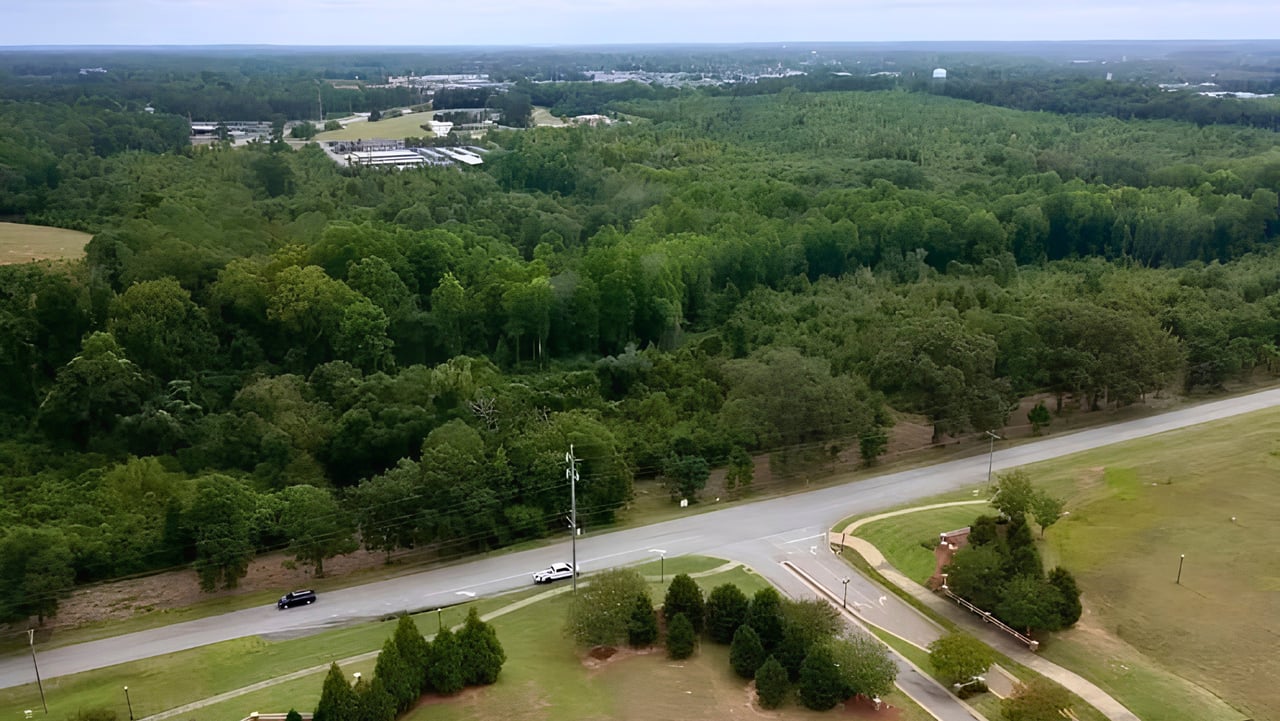
Gate access is the quiet variable behind the ZIP price differences. Homes with clean routing to the Russell Parkway or Watson Boulevard gates hold value differently than homes that require crossing town during shift change. That is a real utility a BAH-anchored buyer prices in, whether or not they name it out loud.
Rule of thumb for reading a Warner Robins listing in 2026: price it against the BAH tier of the likely buyer, not against Zillow's Zestimate. The Zestimate is an average of two markets that don't overlap.
What this changes if you're writing an offer
If you are buying under about $260,000 in Warner Robins, you are competing inside the BAH-anchored pool. That has practical consequences.
- Move on well-priced inventory in the first weekend. Homes in this band that are priced correctly do not sit for the "market median" DOM. They clear in one to three weeks. The metro-wide 57-day figure is dragged up by everything above the BAH line.
- Assume there is another VA offer coming. Structure inspection and appraisal language accordingly. VA appraisers use different standards than conventional appraisers, and sellers who have been through the process know that.
- Ask what BAH tier the seller had in mind when they priced. If the answer is "we didn't," you have information. If the answer is a specific rank, you are negotiating against a modeled buyer, not a wish price.
Above $300,000, the calculus flips. You are the discretionary buyer now, with time on your side and comps that are actually comparable.
What this changes if you're pricing to sell
The single most common Warner Robins seller mistake in 2026 is pricing a home at $269,900 because the comps say $265,000 and a little cushion feels safe. That price sits on the wrong side of a hard demand cliff. Every $1,000 above about $260,000 subtracts a measurable slice of the buyer pool, because it prices a growing share of BAH-anchored households out of the payment.
A cleaner sequence when preparing a Warner Robins home under $300,000:
- Identify the BAH tier that fits the home's bedroom count and square footage. A 3-bedroom, 2-bath at 1,600 to 1,800 square feet is squarely in E-5 to E-6 territory.
- Back into a list price that produces a monthly PITI at or slightly under that BAH figure at prevailing rates, not the peak comp from six months ago.
- If the honest number lands in the $260,000 to $300,000 dead zone, decide deliberately whether to price down into the BAH pool or up into the move-up pool. Straddling costs weeks and often costs a price cut anyway.
- Time the listing to the PCS calendar. Orders in Houston County concentrate spring and summer, and the buyer volume difference between April and November is not small.
Above $300,000, the pricing job is a different job. Comps, condition, and days-on-market discipline matter more than allowance tables.
FAQ
Do BAH rates only affect renters and VA buyers? They affect the whole market through the demand they generate. A conventional buyer competing for a $245,000 home in Warner Robins is bidding against a stream of VA-eligible households whose payment ceiling is set by BAH. The floor is created by demand, not by which loan program a specific buyer uses.
Do the same dynamics apply in Bonaire, Kathleen, and Perry? The allowance is identical inside GA076, but the housing stock is not. Bonaire and Kathleen sit at higher medians, so a smaller share of inventory falls inside the BAH-supported band. Perry has more variance by corridor. The rule still applies, the line just sits at a different place on the price ladder in each city.
What if BAH rates change mid-year? Rates are set annually and typically hold through the calendar year. The 2026 figures took effect January 1, 2026. Rate resets happen each January, so pricing decisions made in late fall should factor in the reasonable range of the coming reset rather than only the current figure.
Pricing a Warner Robins home, or reading one before you offer, is a question of which market a listing actually belongs to. That is a data question with a defensible answer, not a gut call. If you want that math run against a specific home, address, or price band before you list or before you write, William Walton-Dean can put the numbers on the table with you and build the strategy from there. Schedule a Consultation.