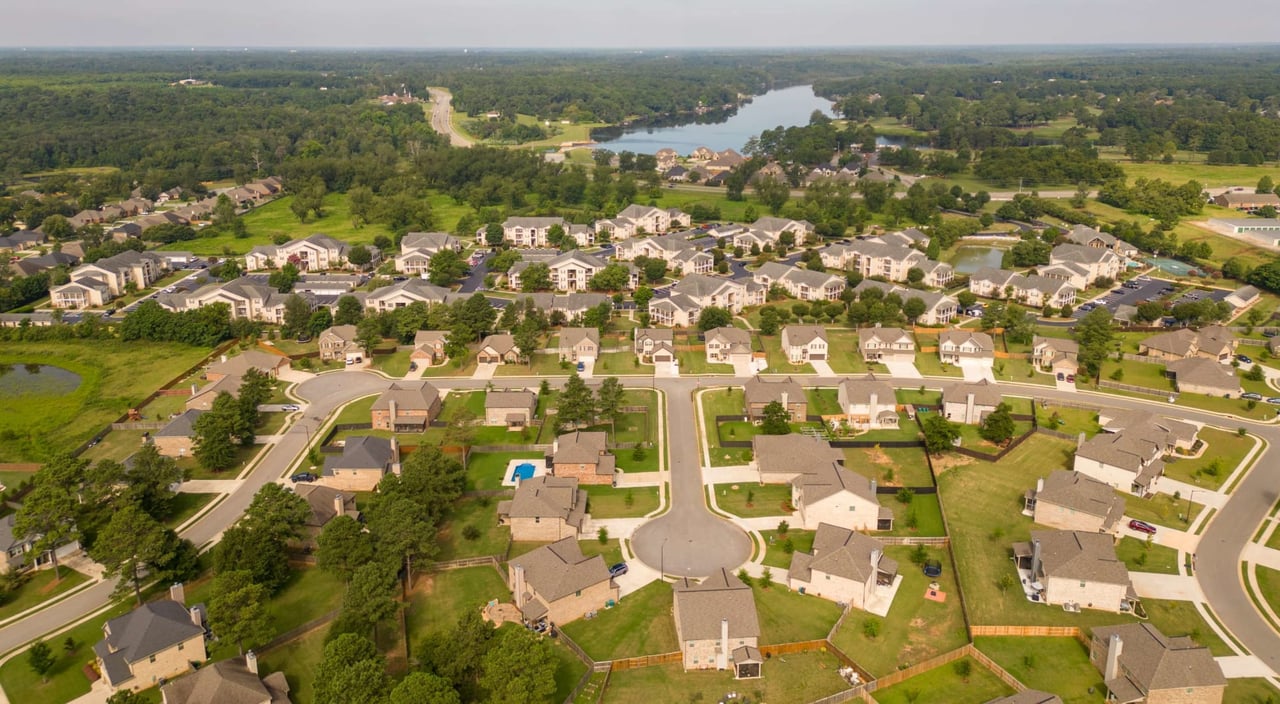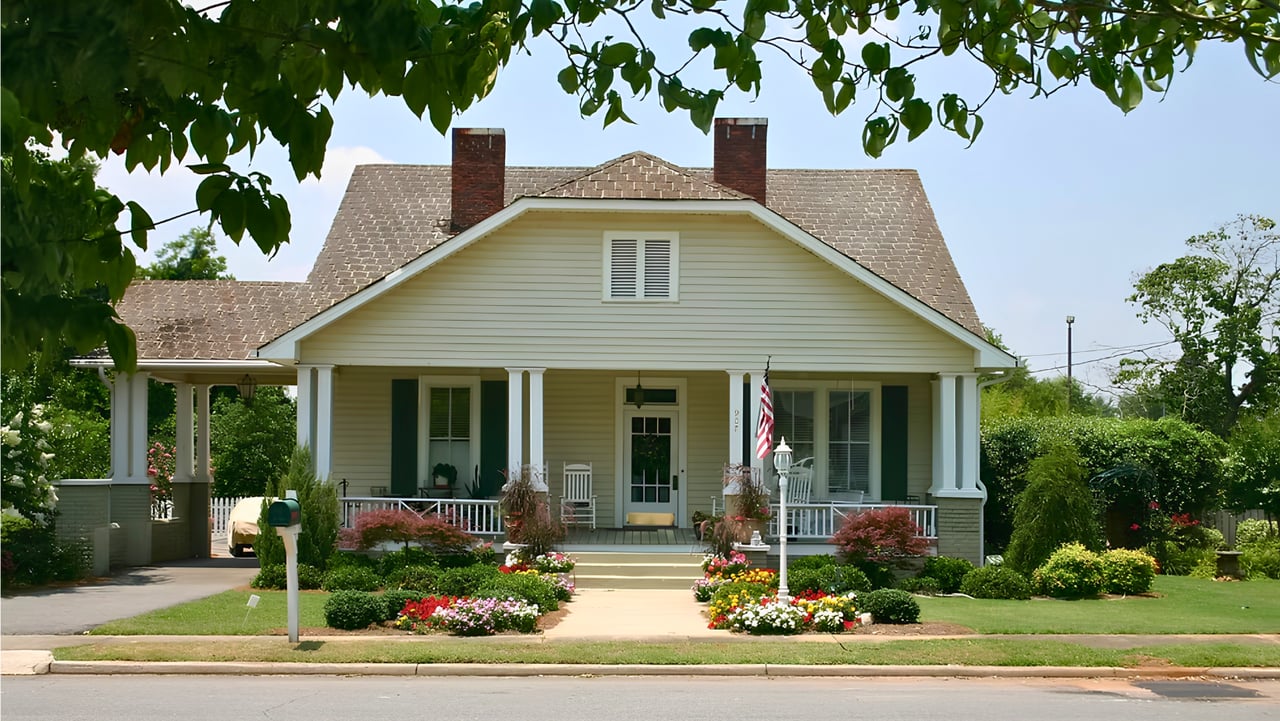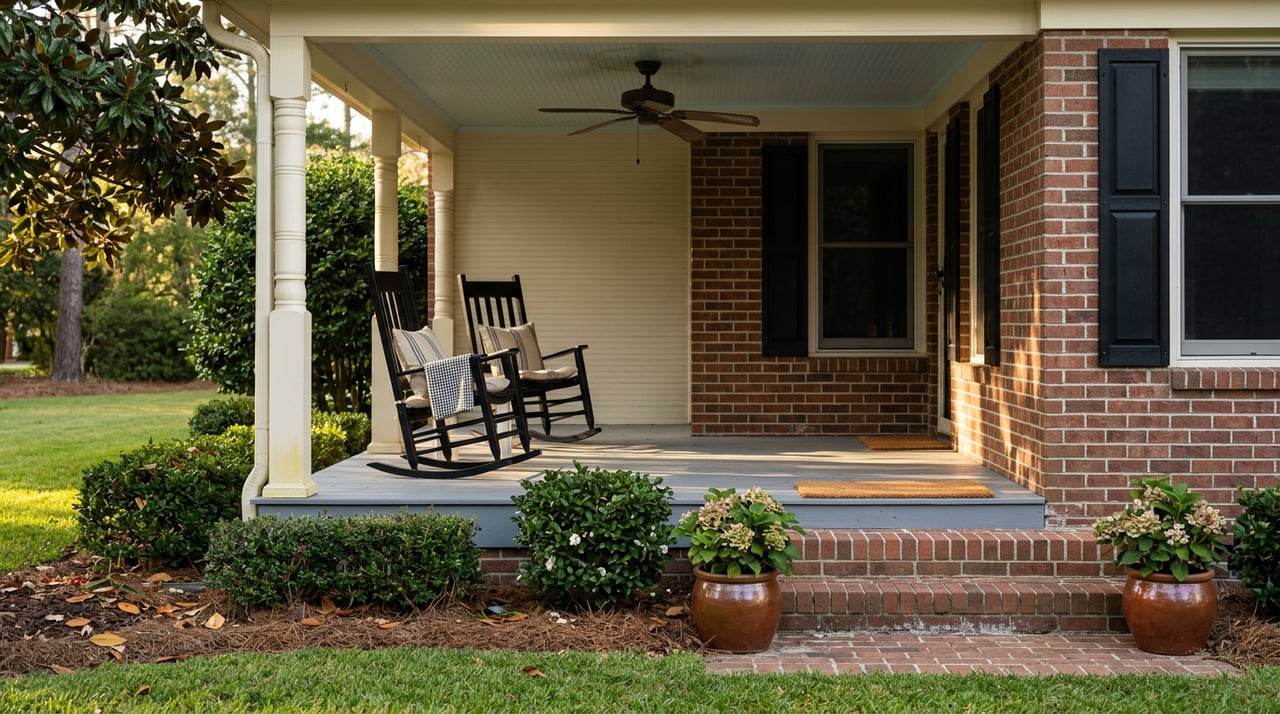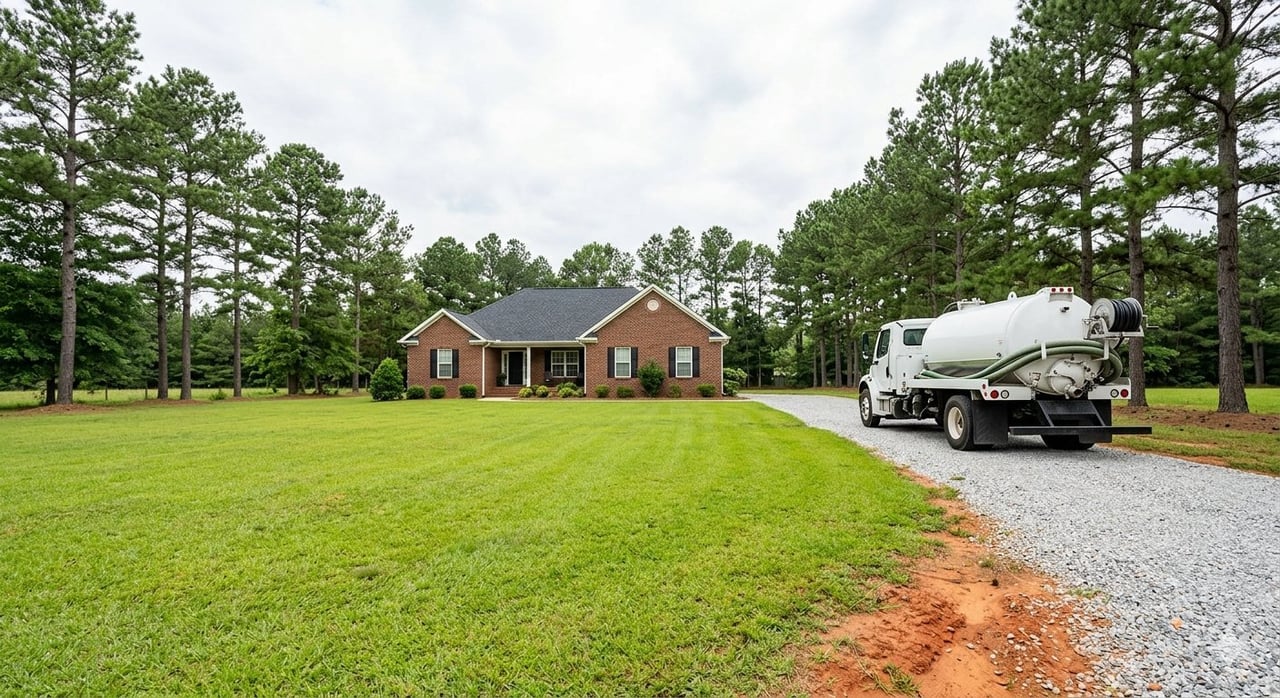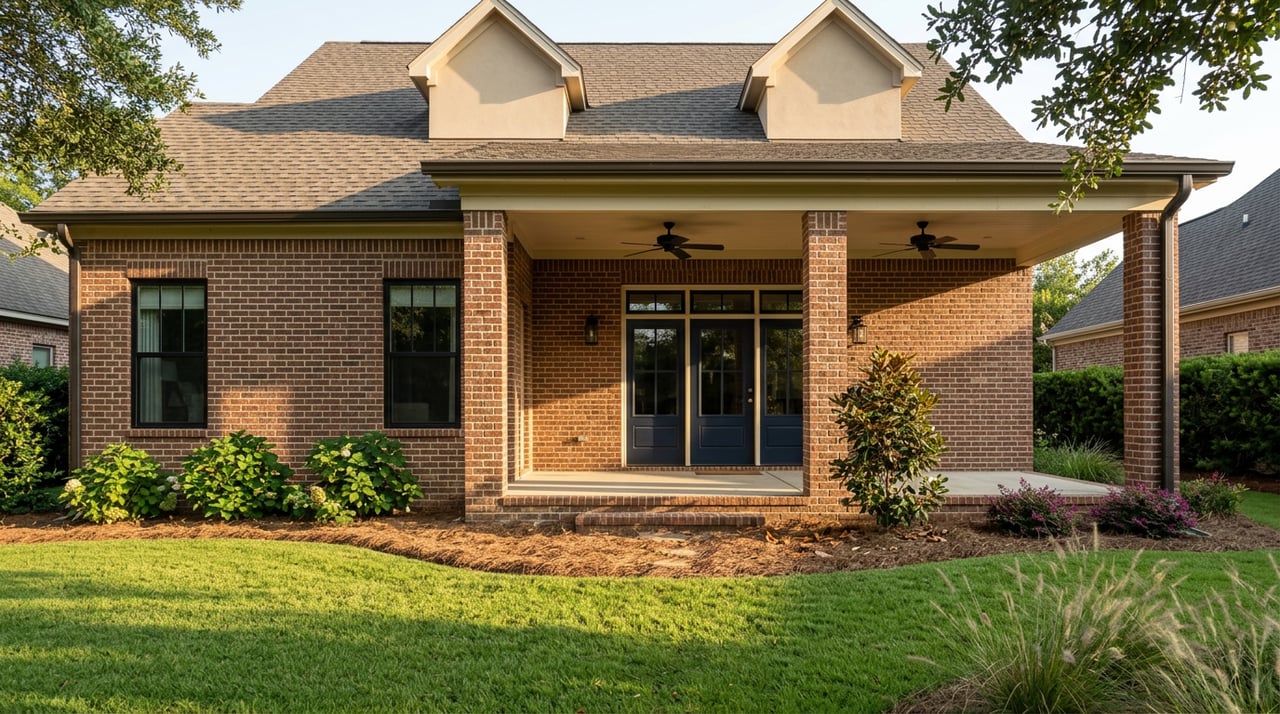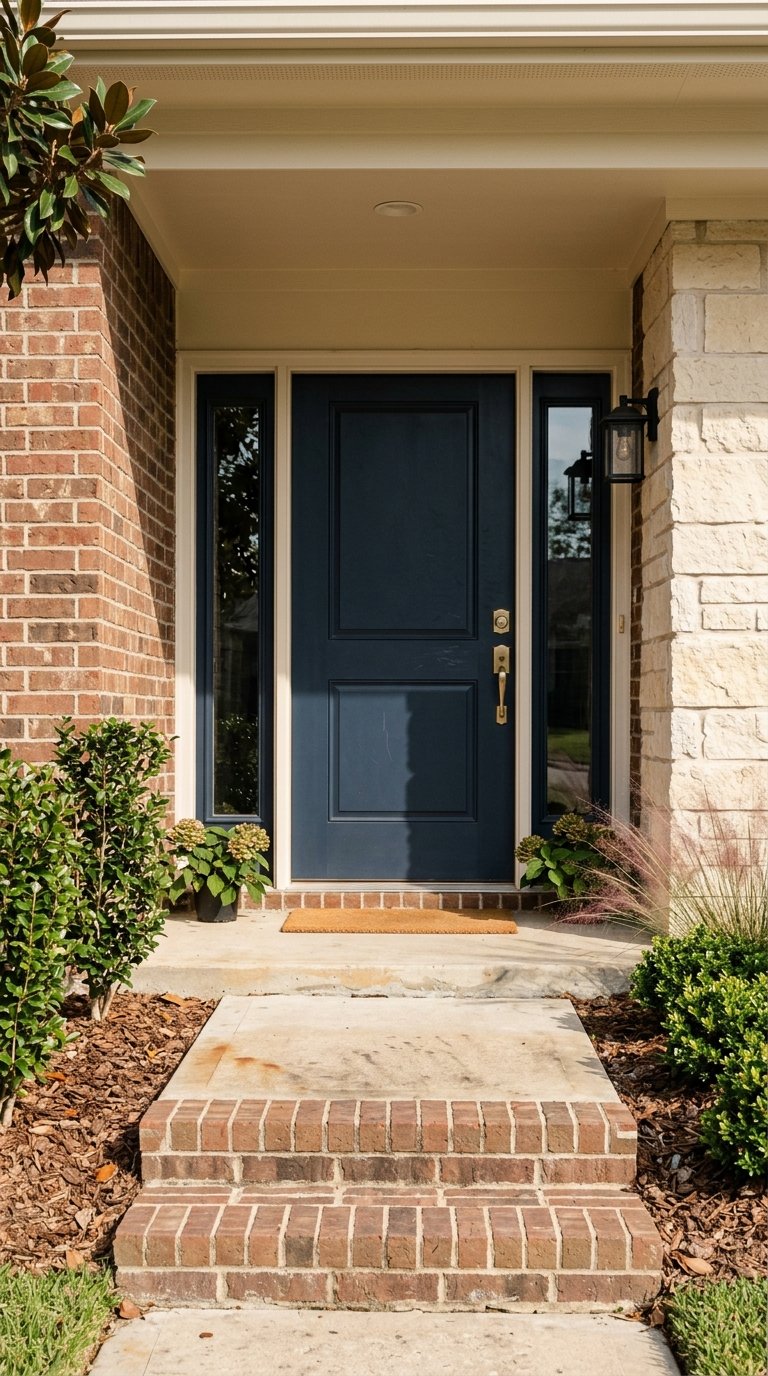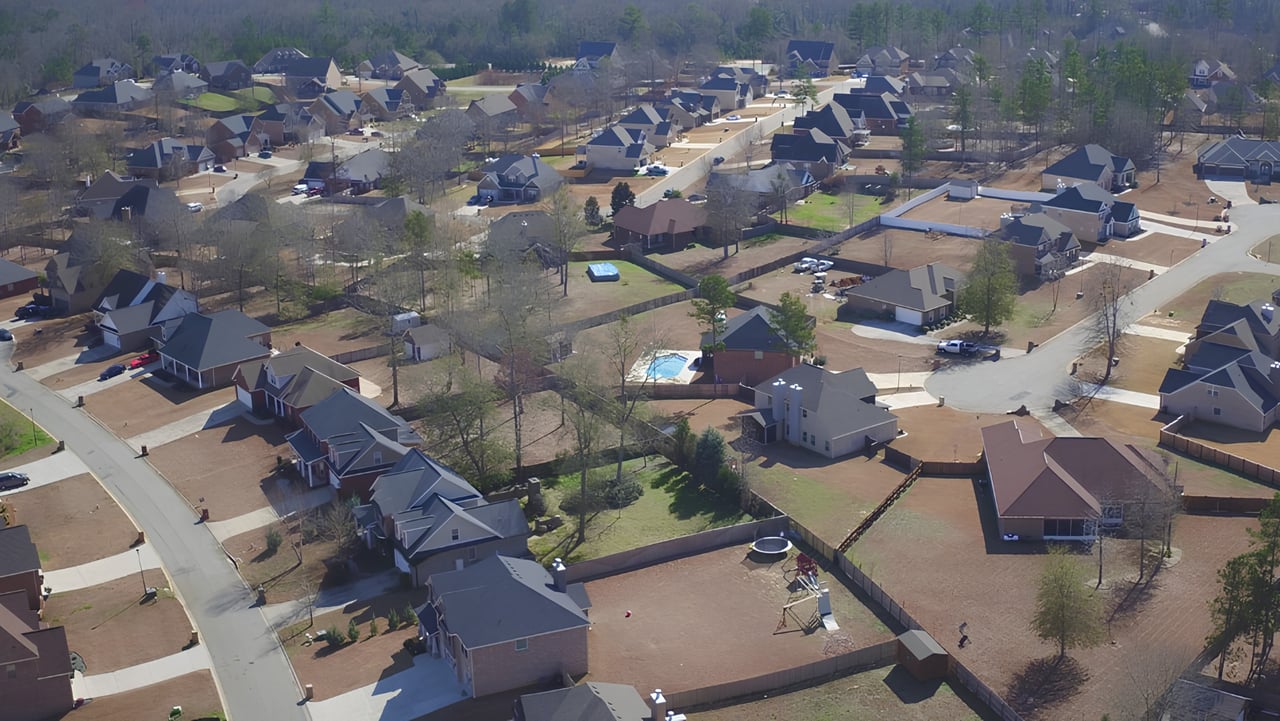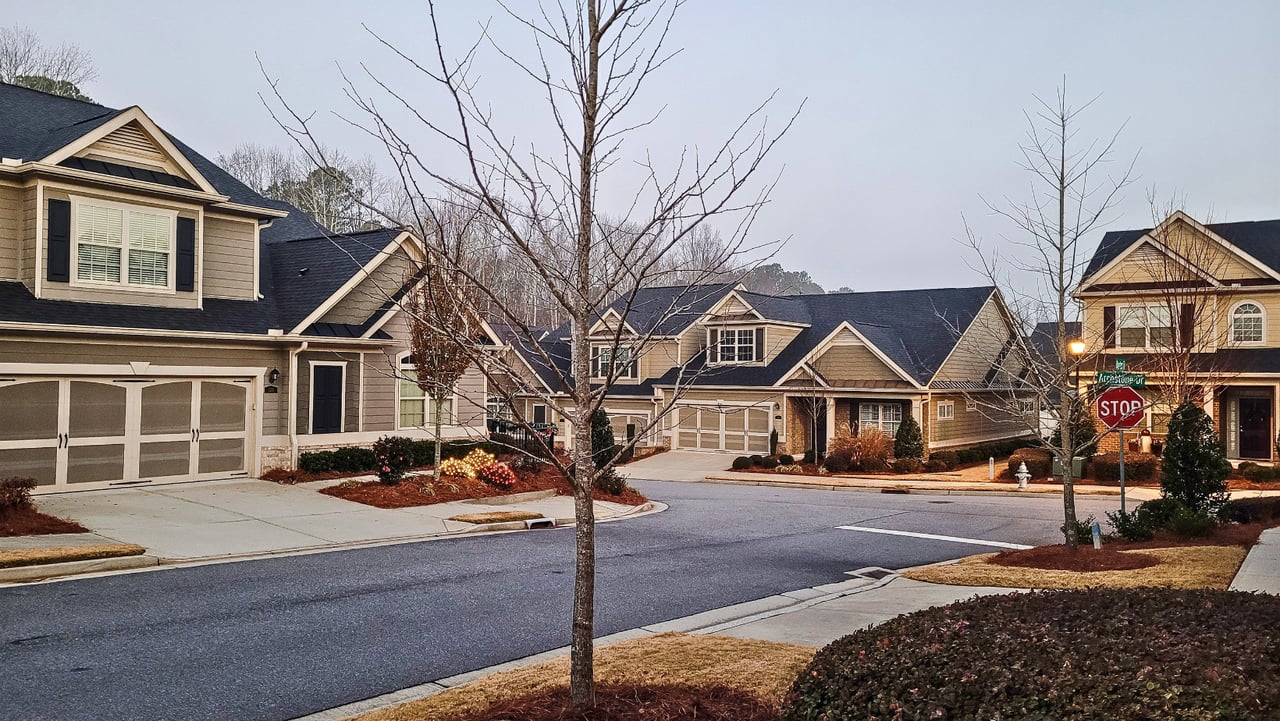

Buying an older home in Warner Robins is one of the best values in Middle Georgia. The city carries the deepest inventory in Houston County below $250,000, its established neighborhoods have mature trees and larger lots, and the character of a well-built 1980s brick ranch is hard to reproduce in new construction. None of that is in dispute.
What buyers miss is that the age which makes those homes affordable is the same age that puts their major systems near the end of their service lives. An HVAC unit lasts 15 to 20 years. A roof lasts 20 to 30. A water heater lasts 8 to 12. When you buy a home built in 1995 and everything is original, you are not buying a house with problems, you are buying a house with a replacement schedule, and that schedule has real dollars attached to it.
This is the buyer's side of the maintenance conversation. It is about budgeting before you buy, not fixing before you sell. Here is what those systems actually cost in 2026, and how to shop an older Warner Robins home with your eyes open.
The Four Systems That Surprise Buyers
Every home has these four, and on older Warner Robins stock every one of them is a candidate for replacement within your first several years of ownership. Here is what they run in Georgia in 2026.
System | Typical Service Life | 2026 Georgia Replacement Cost | Warning Signs at Showing |
HVAC (heat and air) | 15 to 20 years | $6,000 to $13,000 | Unit older than 15 years, rust, uneven cooling, high summer bills |
Roof (asphalt shingle) | 20 to 30 years | $8,000 to $18,000 (often near $12,000) | Curling or missing shingles, granule loss, ceiling stains, sagging |
Water heater | 8 to 12 years | $1,200 to $2,500 (tankless higher) | Manufacture date on the tank, rust at the base, lukewarm water |
Electrical panel | 25 to 40 years | $530 to $2,100 (more with rewiring) | Fuse box, federal-brand panels, two-prong outlets, flickering |
HVAC is the one Middle Georgia punishes hardest
Middle Georgia sits in a warm-humid climate zone where air conditioning runs eight to ten months a year. That workload means HVAC systems here wear faster than in milder parts of the country, and it means an aging unit shows up on your power bill long before it fails outright. A full replacement in this market generally runs $6,000 to $13,000 depending on system size and whether the ductwork needs work, and ductwork replacement alone can add $2,000 to $4,000 on top.
The trap is the unit that still runs. A twelve-year-old system that cools adequately at closing can fail in its first hard summer under your ownership, and now it is your $9,000 problem instead of a negotiating point. The age of the unit matters more than whether it works on inspection day.
The roof is the one that can block your loan
An asphalt-shingle roof on a typical Warner Robins home runs roughly $8,000 to $18,000 to replace, commonly landing near $12,000 for a standard-size home. Georgia's summer heat, humidity, and storm exposure shorten shingle life, which is why architectural-grade algae-resistant shingles are worth the small premium here.
The roof is also the system most likely to derail your financing and your insurance at the same time. FHA and VA appraisers flag active leaks, and in the current Georgia insurance market an aging roof is the single most weighted factor in whether a carrier will write a competitive policy at all. A roof that is fine for living in can still be a roof that costs you the deal.
Water heaters and electrical panels are cheaper but sneakier
A standard tank water heater runs roughly $1,200 to $2,500 installed, with tankless models higher. Check the manufacture date stamped on the tank at your showing, because an eight-to-twelve-year-old unit is living on borrowed time and a failure means water on the floor, not just cold showers.
Electrical panels run roughly $530 to $2,100 to replace, but the cost climbs fast if the home still has a fuse box, an outdated or recalled panel brand, aluminum branch wiring, or two-prong ungrounded outlets. Those conditions are common in Warner Robins homes from the 1960s and 1970s, they can require partial rewiring that pushes the total well past the panel cost alone, and some panel brands are flagged by insurers as a coverage problem in their own right.
The First-Five-Years Budget
Here is how to think about it on a real Warner Robins purchase. Take a $243,000 home built in the mid-1990s with original systems. You are not necessarily replacing everything at once, but you are almost certainly replacing something, and the honest planning number is not zero.
Reserve Approach | Annual Amount | Over Five Years | What It Realistically Covers |
1% of value guideline | ~$2,430 | ~$12,150 | One major system plus routine upkeep |
Original-systems home | Plan higher early | $15,000 to $25,000+ | Roof or HVAC, plus a water heater and small repairs |
Recently updated home | Plan lower early | $5,000 to $10,000 | Routine maintenance, minor repairs |
The point is not to scare anyone off older homes. The point is that a buyer who sets aside a realistic reserve sleeps fine when the AC dies in July, and a buyer who spent every dollar on the down payment does not. Same house, very different first year.
For Buyers: How Do I Shop an Older Warner Robins Home Without Getting Surprised?
Get the ages before you get emotional. Before you fall for a home, ask the listing agent for the age of the roof, the HVAC system, and the water heater, and look for the electrical panel type. Sellers who have maintained a home usually know these numbers and volunteer them. Silence on those questions is itself information.
Order a full inspection and do not treat it as a formality. On older stock, pay for the add-ons that matter: a sewer scope if the home is on public sewer with mature trees, an HVAC evaluation, and a close look at the panel. A $500 inspection that finds a $9,000 problem is the best money you will spend in the transaction, and it converts a hidden cost into a negotiating point while you still have leverage.
Use what you find at the table, not after. Every option you have to address a major system, a price reduction, a repair credit, a seller-completed repair, or a home warranty, exists only before you close. In the current Warner Robins market, where well-priced homes still move but listings past the roughly 44-day average have accumulated leverage for buyers, a documented $9,000 HVAC issue on a home that has been sitting is a legitimate and winnable conversation.
Mind the loan. Because VA and FHA financing dominate this market, understand that a non-functional system or a safety hazard can stall your approval. If you are using one of those programs and the inspection turns up a deal-affecting condition, that becomes a repair that generally has to happen before closing, and who pays for it is exactly what your agent negotiates.
For Sellers: How Do These Costs Affect What I Can Get?
If you are selling an older Warner Robins home, understand that today's buyers are budgeting for exactly the systems above, and a long inspection list does not just cost you the repair, it costs you buyer confidence. When an inspection returns four aging systems at once, buyers stop pricing the repairs and start discounting the whole house, because they begin wondering what else was left undone.
The two moves that protect your net are a pre-listing inspection and documentation. Knowing what a buyer's inspector will find lets you fix the deal-killers on your own terms and price the rest honestly, rather than negotiating from surprise after you are under contract. And if you have replaced a roof, an HVAC system, or a water heater, have the receipts and dates ready, because a documented recent system is worth real money in both the price and the speed of your sale.
The Bottom Line
An older Warner Robins home can be a genuinely smart buy, but only if you price the house you are actually getting, which includes its systems. HVAC, roof, water heater, and electrical are the four that most often surprise buyers, they carry real 2026 costs, and on original-systems stock at least one of them is likely coming due in your first five years.
Buyers who plan a reserve and inspect thoroughly turn those costs into negotiating points and budget lines. Buyers who plan only the down payment turn them into emergencies. The house is the same either way. The preparation is the whole difference.
Frequently Asked Questions About the Hidden Costs of Buying an Older Home in Warner Robins, GA
Q: What are the biggest hidden costs of buying an older home in Warner Robins?
A: The four systems that most often surprise buyers are HVAC, the roof, the water heater, and the electrical panel. In 2026 Georgia pricing, a full HVAC replacement runs roughly $6,000 to $13,000, an asphalt-shingle roof roughly $8,000 to $18,000, a standard water heater roughly $1,200 to $2,500, and an electrical panel roughly $530 to $2,100, with rewiring pushing that higher. Much of Warner Robins' stock was built between the 1970s and early 2000s, with older pockets near the base from the 1950s and 1960s, so original systems on these homes are frequently at or near the end of their service lives at the time of sale.
Q: How much does it cost to replace an HVAC system in Warner Robins, GA?
A: A full HVAC replacement in the Warner Robins area generally runs $6,000 to $13,000 in 2026, with ductwork replacement adding another $2,000 to $4,000 if needed. Central and South Georgia labor tends to run slightly below the statewide average. The cost depends on system size, the efficiency rating you choose, and installation complexity. Middle Georgia's warm-humid climate runs air conditioning eight to ten months a year, which shortens system life and makes HVAC age a legitimate question to ask before making an offer on an older home.
Q: How much does a new roof cost in Georgia?
A: An asphalt-shingle roof replacement in Georgia typically runs $8,000 to $18,000, commonly landing near $12,000 for a standard-size home, depending on roof size, pitch, and material. Architectural-grade algae-resistant shingles are worth the modest premium in Georgia's humid, storm-prone climate. Beyond the replacement cost, roof age is the single most heavily weighted factor in Georgia homeowners insurance underwriting right now, so an aging roof can affect both your ability to insure the home and your ability to finance it under FHA or VA guidelines.
Q: Do FHA and VA loans have property condition requirements?
A: Yes. Both FHA and VA loans carry Minimum Property Requirements that the home must meet for the loan to be approved. Conditions such as a non-functional HVAC system, an active roof leak, exposed or hazardous wiring, and significant plumbing deficiencies can stall or block approval until they are repaired. This matters a great deal in Warner Robins, where VA and FHA financing are among the most common loan types. If an inspection on an older home turns up a deal-affecting condition, it typically must be resolved before closing, and who pays for the repair is a matter for negotiation.
Q: How old is too old for a house in Warner Robins?
A: There is no single cutoff age. A well-maintained 1980s brick ranch with an updated roof, HVAC, and electrical panel can be a better buy than a neglected home half its age. What matters is the condition and age of the major systems, not the year on the deed. The practical approach is to ask for the ages of the roof, HVAC, and water heater, identify the electrical panel type, and order a thorough inspection. Age becomes a problem only when it is paired with deferred maintenance, and a good inspection is what tells those two situations apart.
Q: How much should I budget for repairs on an older Warner Robins home?
A: A common planning guideline is to reserve roughly 1% of the home's value per year for maintenance and eventual system replacement, which is about $2,430 annually on a $243,000 home. On an older home with original systems, that reserve tends to arrive in lumps rather than evenly, and a realistic first-five-years figure often falls between $15,000 and $25,000 or more if a roof or HVAC system is due. A recently updated home consumes far less early. A thorough inspection is what converts these ranges into a specific number for a specific property.
Q: What is the most important inspection add-on for an older home?
A: For older Warner Robins homes, the add-ons that most often pay for themselves are a sewer scope if the home is on public sewer with mature trees near the line, a dedicated HVAC evaluation, and a close inspection of the electrical panel and wiring. Each targets a system that is expensive to repair and common to find failing on older stock. A standard inspection is a strong foundation, but these targeted add-ons catch the high-dollar problems that a general visual pass can miss, and they do so while you still have room to negotiate.
Q: Can I negotiate repairs on an older home after inspection?
A: Yes, and the inspection period is precisely when you have the leverage to do it. Depending on the severity and the market, your options include a price reduction, a repair credit at closing, having the seller complete the repair before closing, or a home warranty to cover near-term failures. All of these require that you have not yet closed. In the current Warner Robins market, a documented major-system issue on a listing that has been sitting past the roughly 44-day average is a reasonable and often successful negotiation, because time on market shifts leverage toward the buyer.
Q: How long do home systems typically last?
A: General service-life guidelines are 15 to 20 years for HVAC systems, 20 to 30 years for an asphalt-shingle roof, 8 to 12 years for a standard tank water heater, and 25 to 40 years for an electrical panel before it may need upgrading for capacity or safety. Middle Georgia's climate can shorten HVAC and roof life at the lower end of those ranges because of heavy summer cooling loads and storm exposure. When several systems in a home are all near the end of their ranges at once, the replacement costs can stack up within a few years of purchase.
Q: Does an older home cost more to insure in Georgia?
A: It often does, and roof age is the primary reason. In the current Georgia insurance market, carriers weight roof age heavily, and an aging roof can raise premiums substantially or, in some cases, make a competitive policy hard to secure at all. Older electrical systems and certain recalled panel brands can also affect coverage. Because insurability now shapes both what you pay and whether some financing works, it is worth getting an insurance quote on a specific older home early in the process rather than assuming the premium after you are under contract.
Q: Should I buy an older home or new construction in Warner Robins?
A: Both can be smart, and the right answer depends on your budget, your risk tolerance, and how much of your money you want going to systems versus purchase price. An older home costs less up front but carries a nearer-term repair schedule. New construction costs more but comes with builder warranties and fresh systems, though it carries its own set of hidden costs in upgrades, lot premiums, and post-buildout tax reassessment. The honest comparison is total cost of ownership over the years you plan to stay, not just the purchase price.
About the Author
William Walton-Dean is a licensed REALTOR® with Walton Dean Realty, operating under Real Broker LLC, serving buyers and sellers across Houston County, Georgia, including Perry, Warner Robins, Bonaire, Kathleen, Byron, and the surrounding Middle Georgia housing market. Known for a data-driven, hyper-local approach and deep expertise in the military and PCS relocation market around Robins Air Force Base, he helps buyers and sellers at every price point make clear, confident decisions backed by real market insight.
📱 478-371-7069
Walton Dean Realty | Real Broker LLC
Buying an Older Home in Warner Robins? Let's Price the House You're Actually Getting
The listing shows the purchase price. It does not show the roof age, the HVAC unit, or the panel behind the wall. Reach out before you make an offer and we will help you read the systems, order the right inspections, and turn any hidden costs into negotiating points while you still have the leverage.
William Walton-Dean | Walton Dean Realty
📱 478-371-7069
A More Strategic Approach to Real Estate
This article is provided for general informational purposes only and reflects 2026 Georgia contractor pricing ranges, published loan program guidance, and market conditions as of July 2026. It is not construction, lending, tax, or legal advice. Repair costs vary widely by contractor, home size, system type, and property condition, and loan program requirements are subject to change and individual underwriting. Obtain a professional home inspection and licensed contractor estimates for any specific property, and consult a licensed loan officer regarding financing. William Walton-Dean is a licensed REALTOR® in the State of Georgia with Walton Dean Realty, operating under Real Broker LLC.