The reveal, held at the historic Douglass Theatre in front of nearly 300 people, represents the largest bond-funded project in the county's history. A development of this scale doesn't just change a skyline. Over time it changes the math on where people choose to live, work, and invest across the entire region, which is why the new Macon Arena matters far beyond the entertainment calendar.
This guide breaks down exactly what was announced, how the county says it will pay for the arena without raising taxes, what the project connects to on Macon's east side, and what all of it could mean if you own a home in Macon-Bibb, you're thinking about buying here, or you're weighing Macon against neighboring Houston County.
What Macon-Bibb County Announced
Macon-Bibb County revealed the final architecture and project details for the new Macon Arena at a public event branded “The Big Reveal.” The design was produced by PBK Architects, with MFA Project Management serving as the project lead and a construction team of Barton Malow in association with Sheridan Construction, the same local firm that built the original Coliseum 57 years ago.
The new arena will rise on the existing Coliseum site, built primarily on the surface parking lot near Second Street. That choice is deliberate. By constructing the new venue on the parking area first, the county can keep the current Coliseum open and hosting events throughout construction, rather than going dark and losing concerts, shows, and tournaments to other cities while a replacement is built.
The current Macon Coliseum opened in 1968. Mayor Lester Miller, who has noted he is about as old as the building, framed the project as a forward-looking investment rather than a teardown of the past, emphasizing that the facility can no longer keep up with the demands of modern performers, conventions, and audiences. Once the new arena opens, the county plans to begin demolishing the old Coliseum.
A Design Built to Look “Unmistakably Macon”
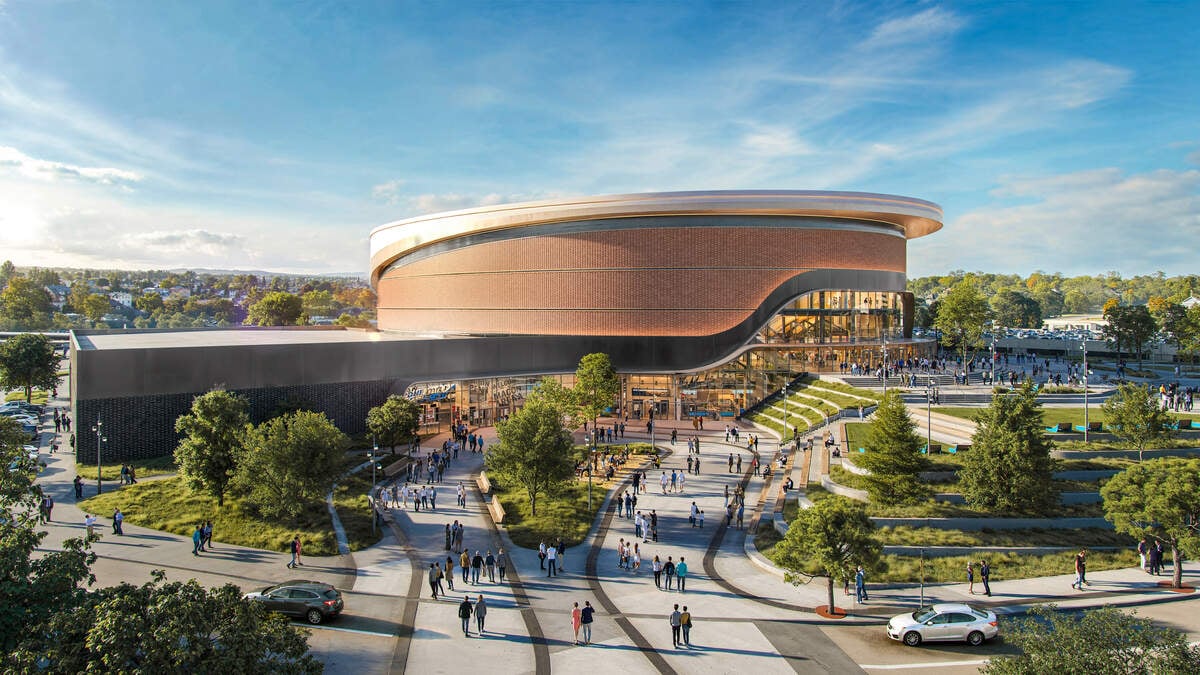
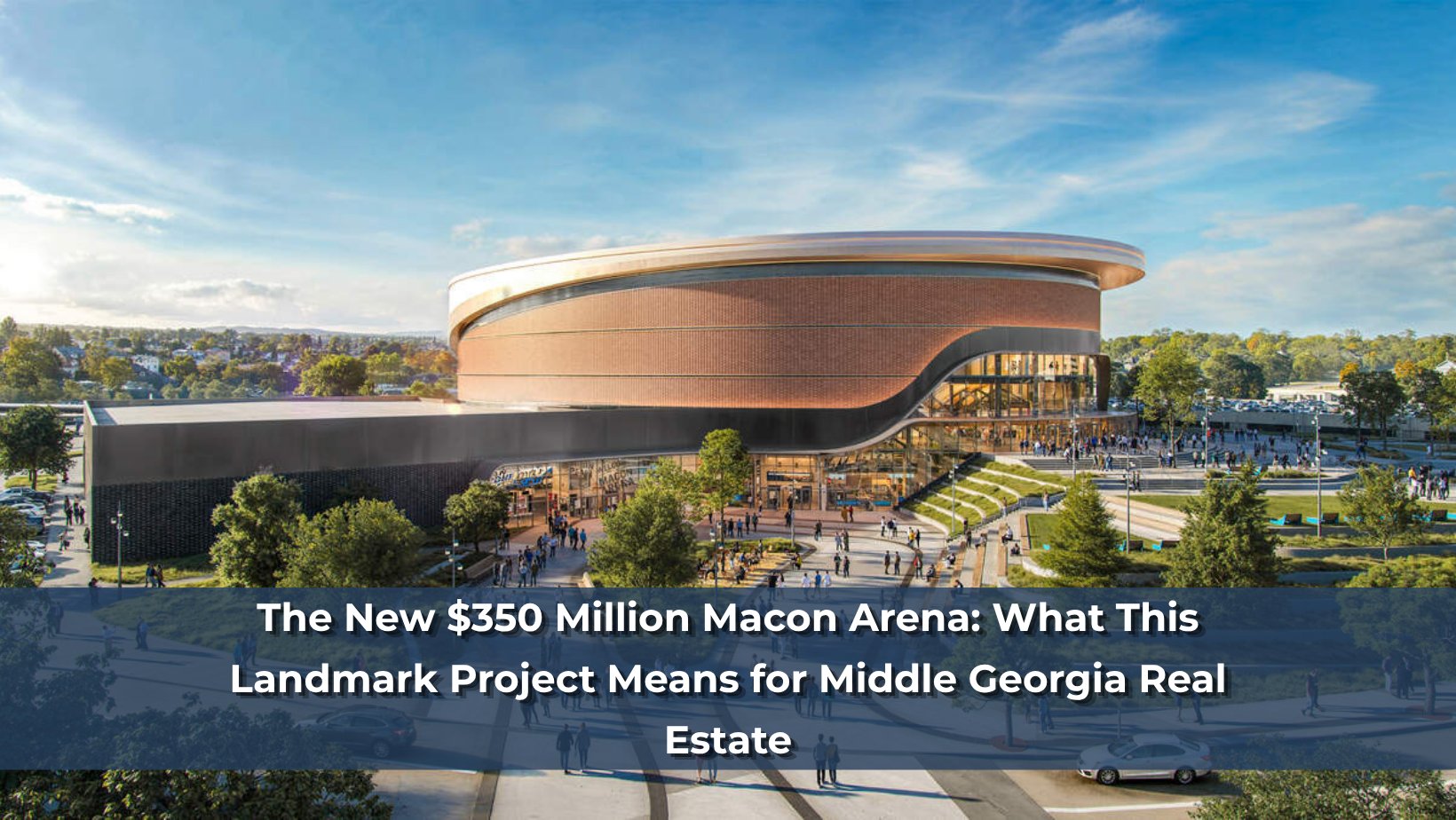
Rather than the glass-heavy look of earlier prototypes, the final design centers a circular building trimmed in locally made brick that Mayor Miller called “Lizella mud” brick, a nod to the clay and brick heritage just west of town. The architecture is layered with references to local history and culture meant to make the building feel rooted in Macon rather than generic.
A rising building accent above the first-floor wing pays tribute to the nearby Ocmulgee Mounds. Macon's deep musical roots show up in the details: the roof overhang is styled with ridges that resemble record grooves, and a wall along Second Street carries lighted bands designed to look like guitar frets.
Inside, the main bowl is designed in a 180-degree, end-stage concert configuration, and the team says sight-line studies and a state-of-the-art sound system were used to eliminate “bad seats.” Premium options include luxury suites, club suites, and loge boxes. Concession stands are positioned with the arena floor still in view so fans don't miss the action, and the design team is exploring technology that would let guests order food and drinks from their seats.
On parking, a 300-space VIP garage will attach directly to the arena, and a separate 500-space standalone parking deck is under consideration on the Piedmont Macon Medical Center side of the site to handle public flow and replace surface spaces lost to construction.
How Macon-Bibb Says It Will Pay for the Arena Without Raising Taxes
The new Macon Arena is funded through up to $350 million in bonds approved by the Macon-Bibb County Urban Development Authority, with the interest rate capped at 6% and annual payback on the Series 2026 bonds limited to roughly $29 million. That structure is the heart of the county's message: this is the largest bond expenditure in Macon-Bibb history, and leaders maintain it is designed to move forward without a tax increase for residents.
This is the single most important detail for any homeowner in the county, because it's the question people actually ask first. A project this size usually raises an eyebrow about the next tax bill. The county's position is that the financing is capped and structured so the arena pays its own way over time rather than landing on property owners. Whether or not that proves fully convincing, it's the right thing to understand before forming an opinion, and a fair thing to ask a commissioner about directly.
The Bigger Story: East Macon Is Becoming a Growth Corridor
The arena is the most visible piece of a much larger shift on Macon's east side, and that's where the real estate angle lives. County leaders have explicitly tied the project to two other developments in the same area: a long-running push to secure a national park designation at the Ocmulgee Mounds, and a proposed mixed-use development known as East Bank, located directly across Coliseum Drive from the arena site.
When a major event venue, a potential national park, and new mixed-use development cluster together in one district, the effect tends to compound. Visitors who once came for a single night start staying two or three days. Restaurants, hotels, and small businesses follow the foot traffic. And the housing nearby, often older and more affordable than the county average, begins to attract attention from buyers and investors who see where the momentum is heading. Visit Macon's leadership has been openly optimistic that major events will draw overnight visitors and bring millions of dollars in additional spending to the community.
It's worth being careful here, because this is a long game, not an overnight flip. Construction runs into 2028, the national park designation is a process rather than a done deal, and East Bank is still in the proposal stage. But the direction is clear, and the people who tend to do well in situations like this are the ones who understand the corridor early and make calm, informed decisions rather than chasing a headline.
The Bibb County Schools Partnership
One of the most distinctive features of the project is a formal partnership with the Bibb County School District. A nearly 35,000-square-foot flex hall will attach to the arena, housing three basketball or volleyball courts with a secondary layer of ice underneath to supplement the main arena's hockey rink and support youth hockey, high school tournaments, and trade shows.
Led by Superintendent Dr. Dan Sims, a future career center will be added onto the flex hall, giving public school students hands-on training in high-demand fields such as graphic design, audio-video production, and catering and hospitality. The arena is also slated to serve as the district's permanent graduation venue for decades to come. For families weighing a move to Macon-Bibb, a project that bakes workforce training and student events into a civic landmark is a meaningful signal about where the community is investing.
For Sellers: Does the New Macon Arena Make My Home Worth More?
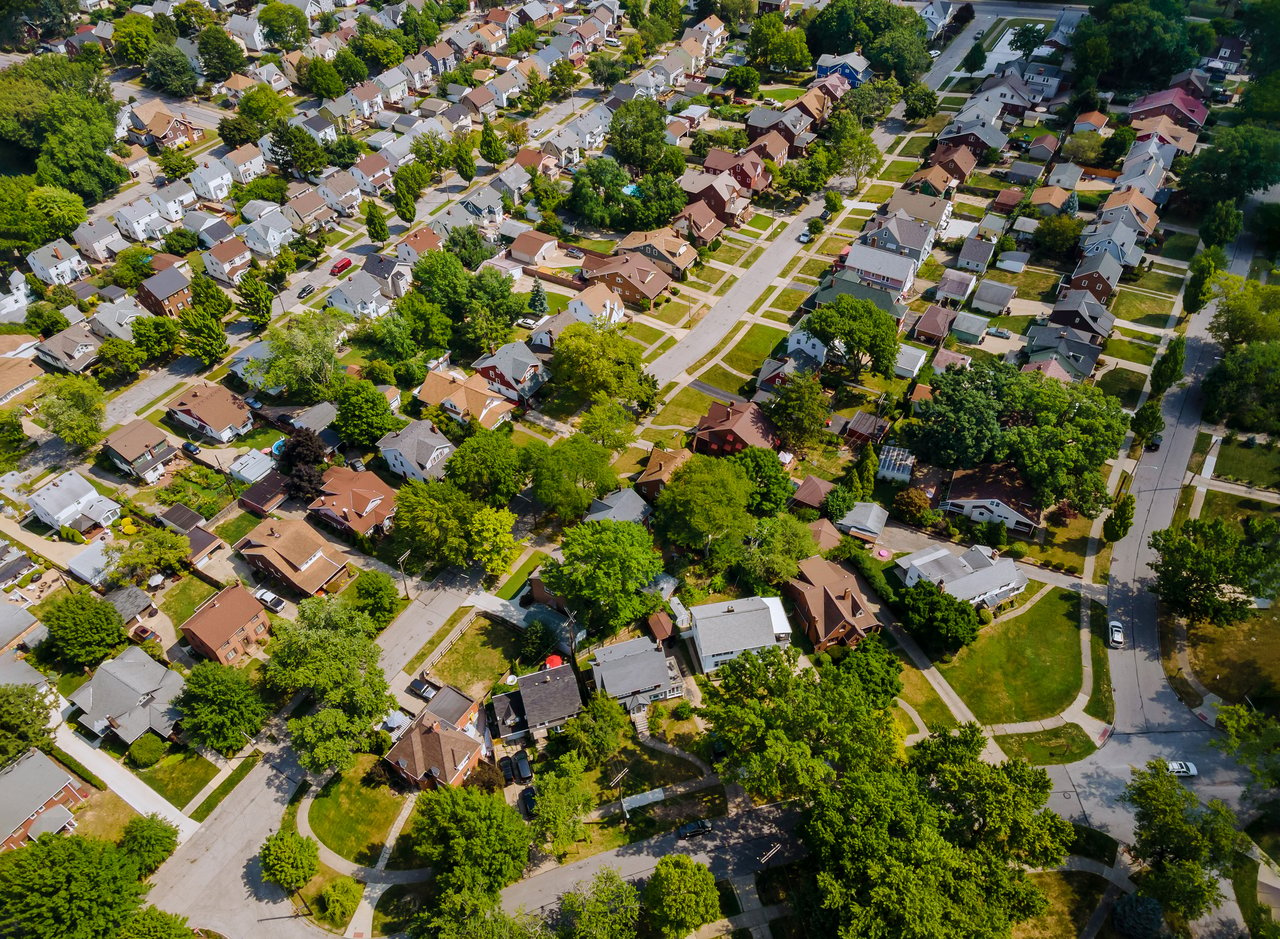
If you own a home in Macon-Bibb County, especially on the east side, the new arena is a long-term positive for your property's story, but it is not an instant price increase. Major public projects tend to lift nearby home values gradually as the surrounding district fills in with amenities, jobs, and foot traffic, and the Macon Arena won't open until 2028. The smartest move right now is to understand how your specific street and neighborhood sit relative to the arena, the proposed East Bank development, and the Ocmulgee Mounds corridor, because proximity and access matter more than the project alone.
In my experience, sellers who win in a market like this are the ones who can tell the story accurately. If you're listing near the corridor, the arena, the national park push, and East Bank are genuine selling points worth highlighting to buyers and relocating families, as long as they're framed honestly as future catalysts rather than guarantees. If you're farther out in the county, the regional momentum still helps, because a stronger Macon-Bibb tax base and event economy support the whole market. I'm always glad to walk a seller through where their home actually fits in that picture.
For Buyers: Should I Buy Near the New Macon Arena Before It Opens?
For buyers, East Macon currently offers some of the most affordable entry points in the metro, and it sits at the center of the arena, national park, and East Bank development cluster, which makes it worth a serious look before the area's profile rises. Buying ahead of a multi-year development wave can work in your favor, but only if you buy a home that makes sense on its own terms today, in a location and condition you're comfortable with, at a price supported by current comparable sales.
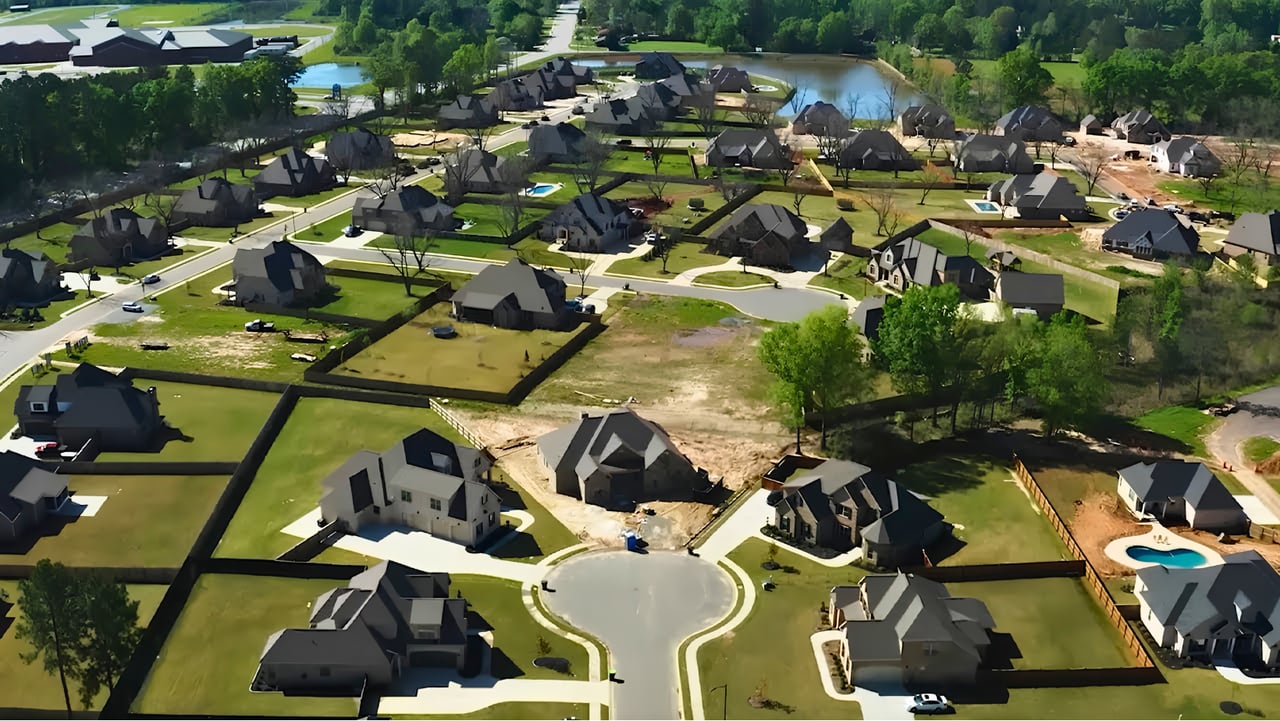
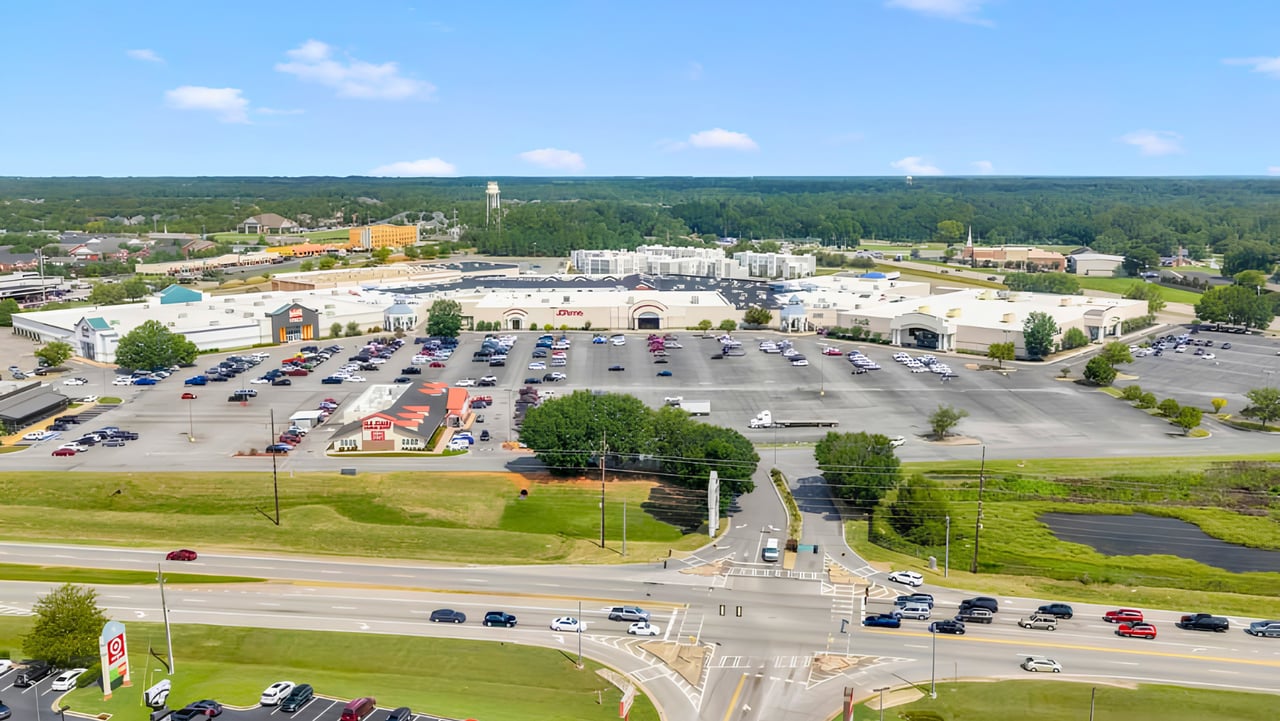
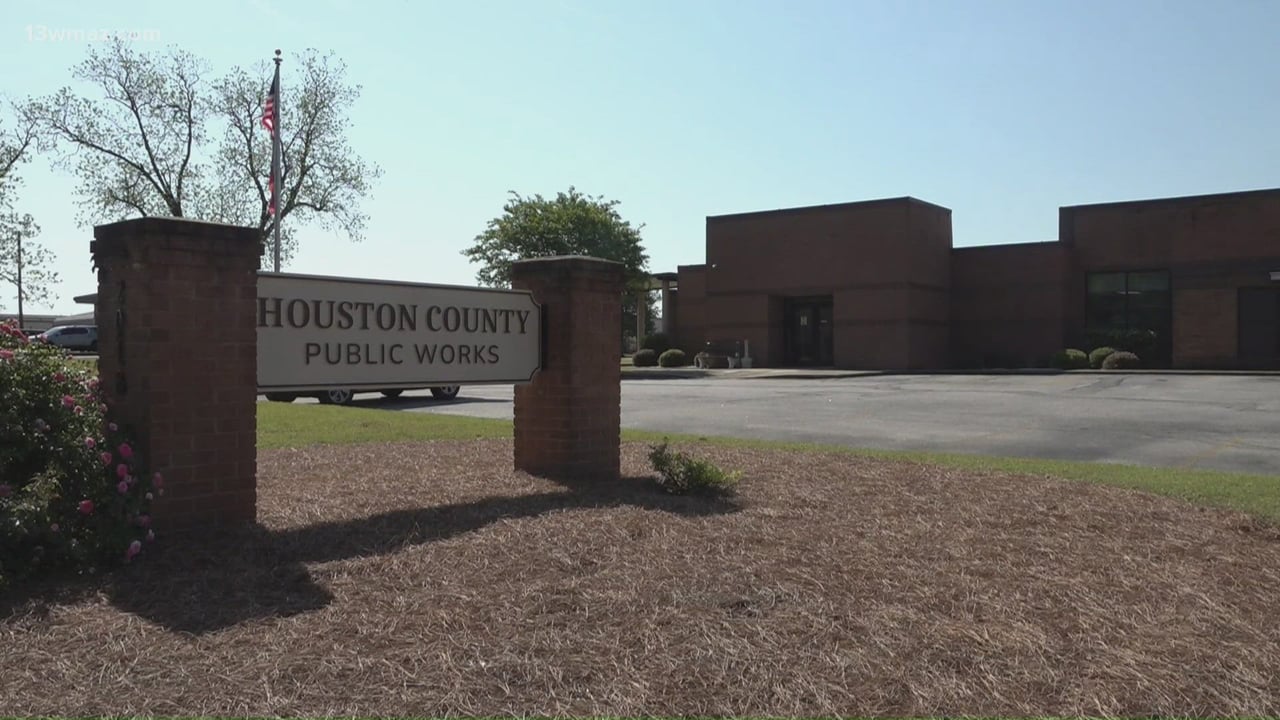
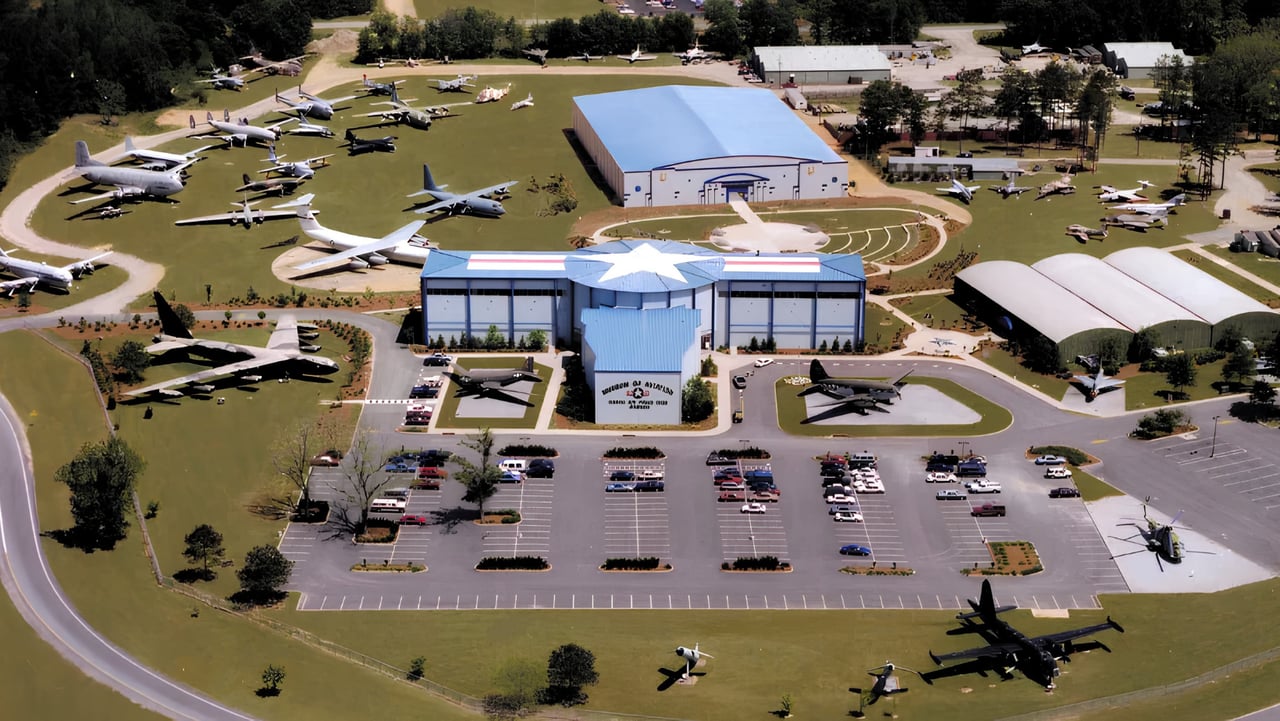
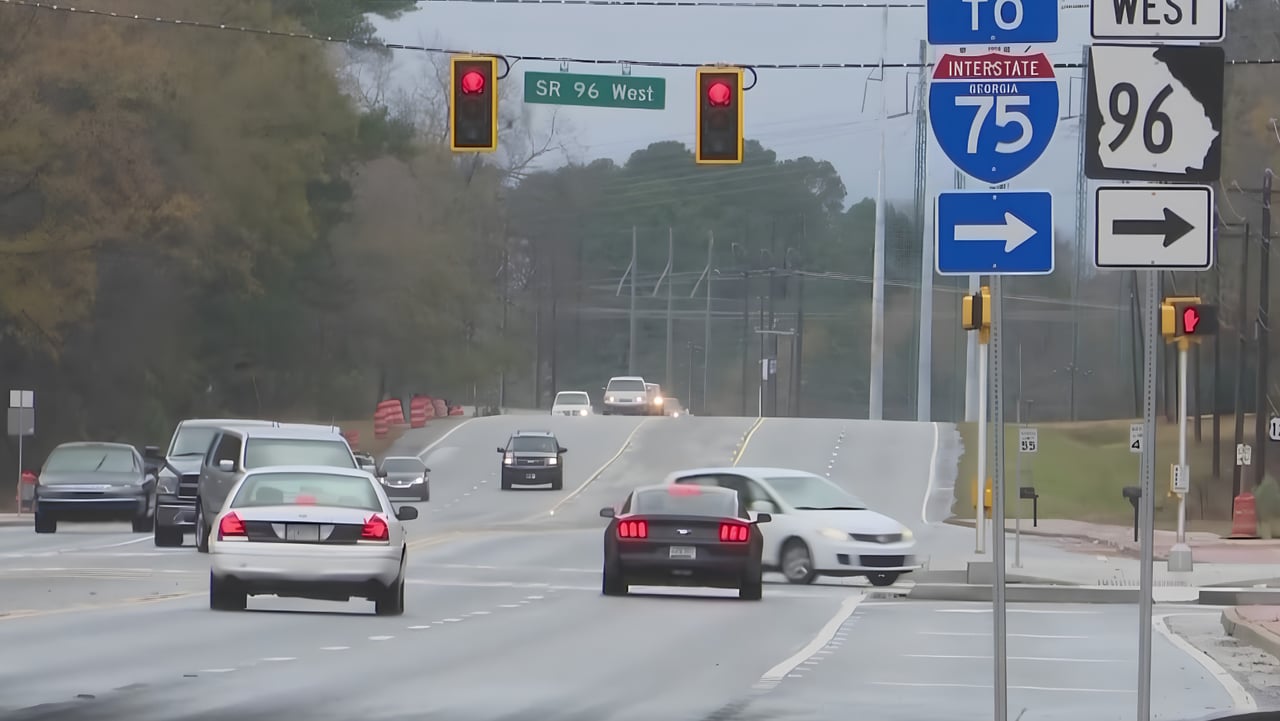
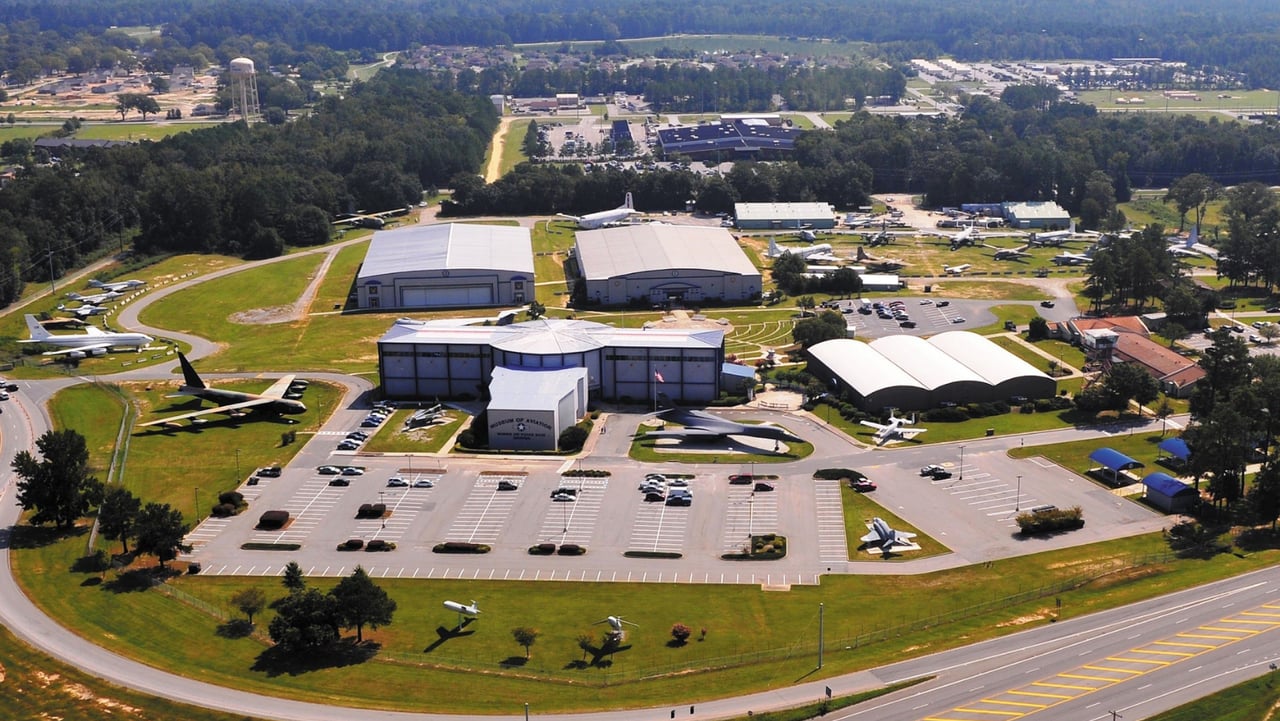
My honest advice is to separate the excitement from the decision. The arena is a strong reason to pay attention to East Macon, not a reason to overpay for any house with a view of the construction. Look closely at the specific block, flood and lot considerations near the river, and how a property would perform as a long-term hold. If you're relocating to Middle Georgia, including military families connected to Robins Air Force Base, it's also worth comparing Macon-Bibb against Houston County on commute, schools, and lifestyle before you commit. That comparison is exactly the kind of thing I help buyers think through.
Macon-Bibb vs. Houston County: A Quick Comparison for Relocating Buyers
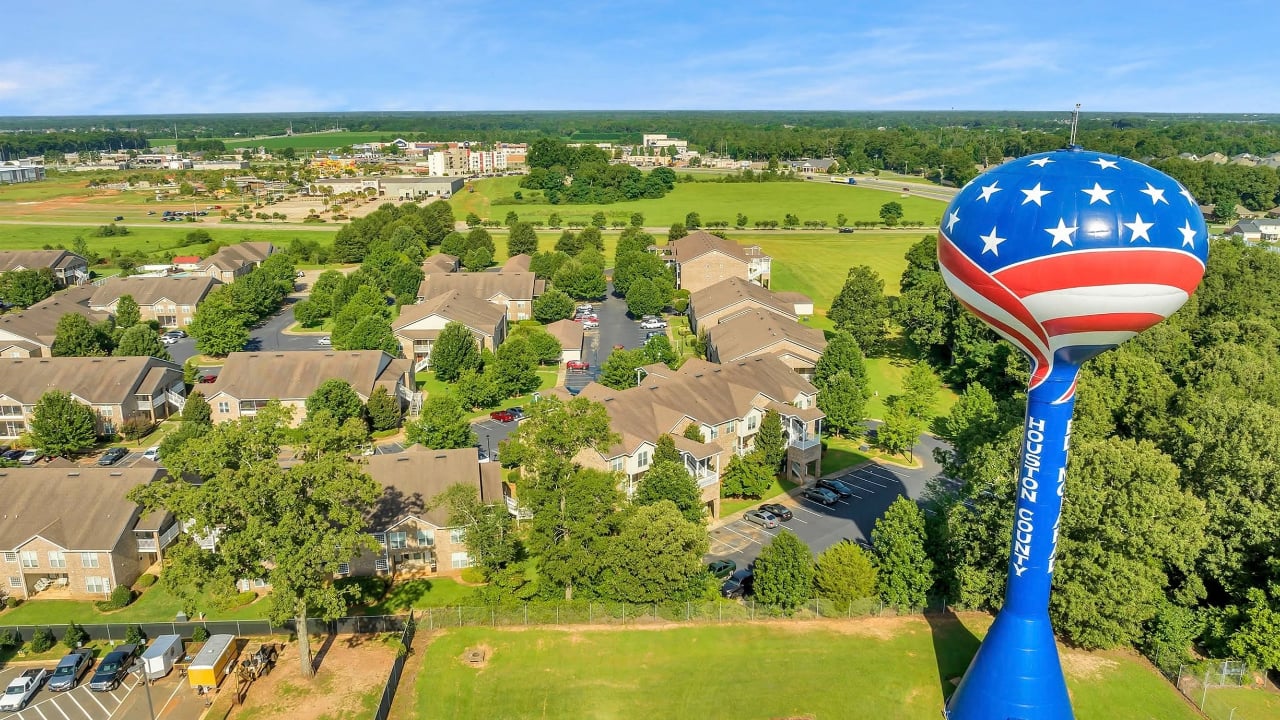
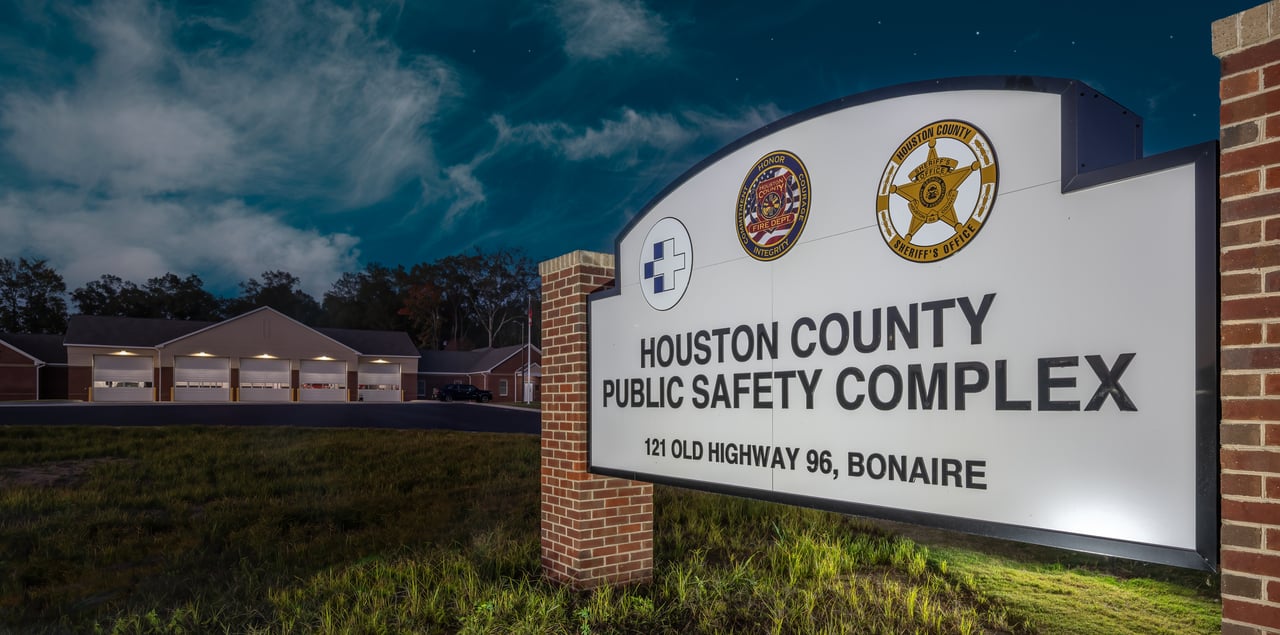
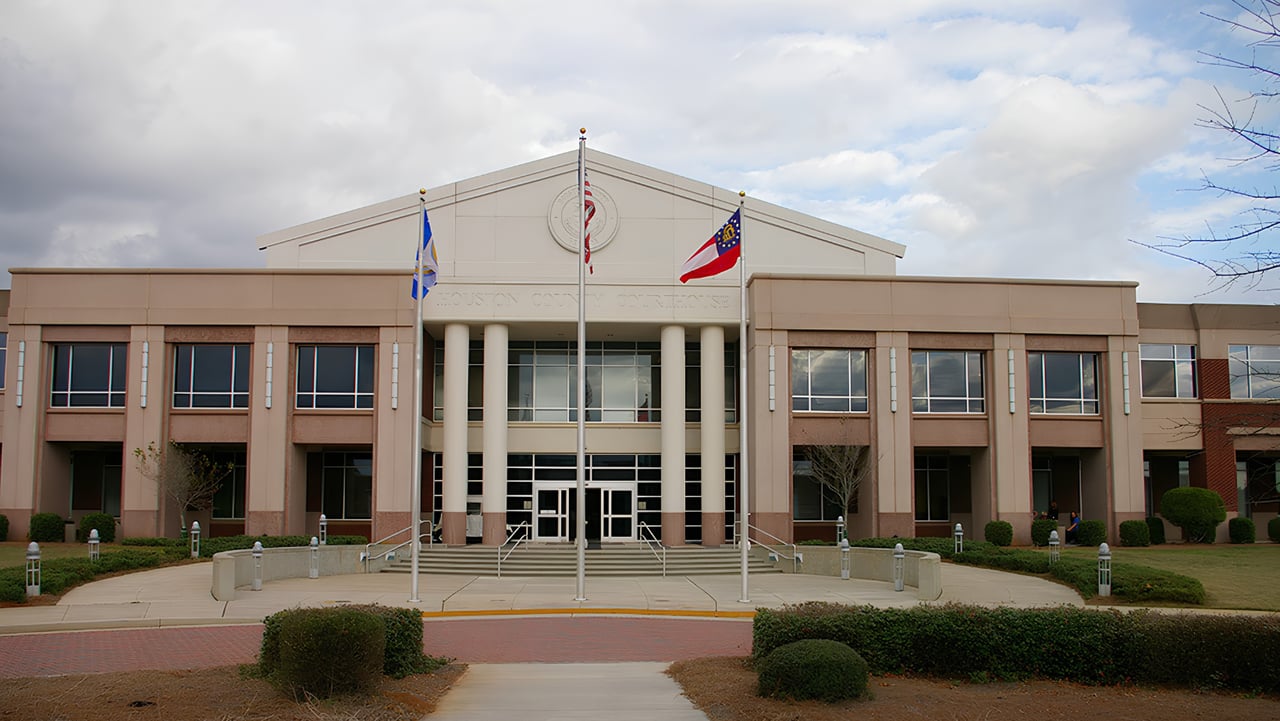
Many buyers moving to Middle Georgia weigh Macon-Bibb against Houston County to the south. Both markets are growing for different reasons. The table below is a high-level orientation, not a substitute for current numbers.
Factor | Macon-Bibb County | Houston County |
Primary growth driver | Downtown revitalization, arena, Ocmulgee national park push, East Bank development | Robins Air Force Base, defense and aerospace economy, steady residential expansion |
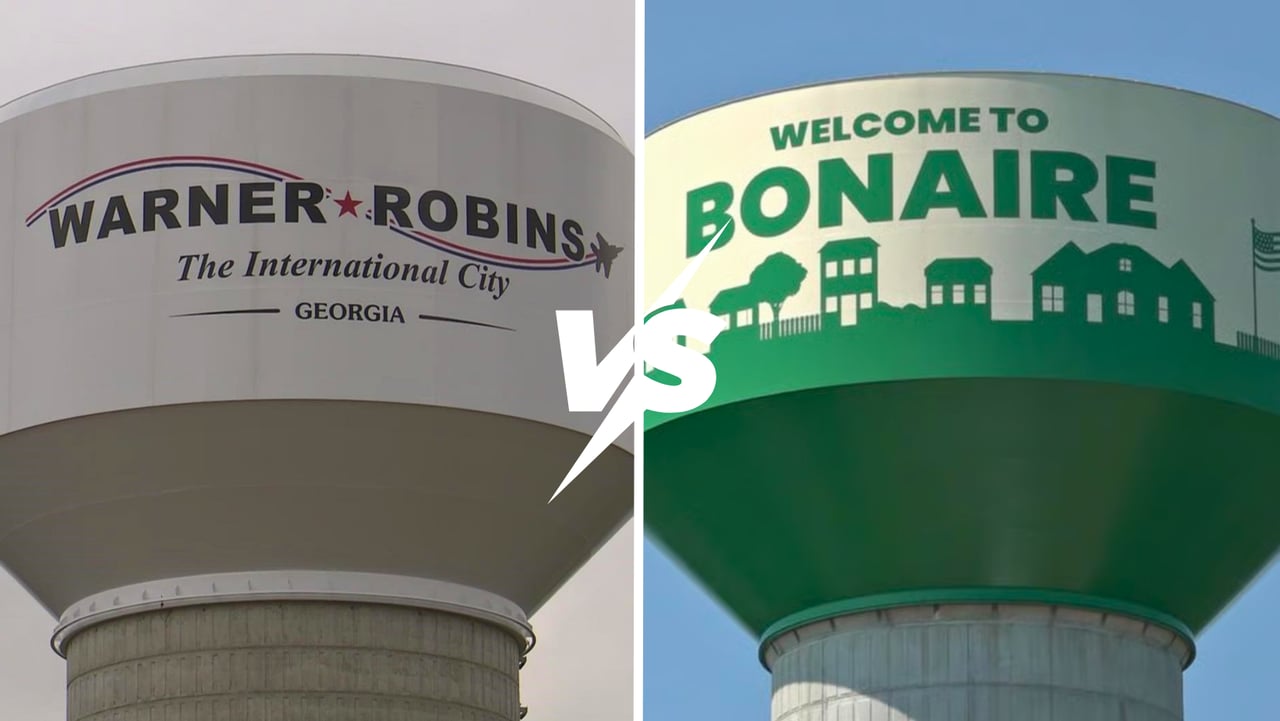
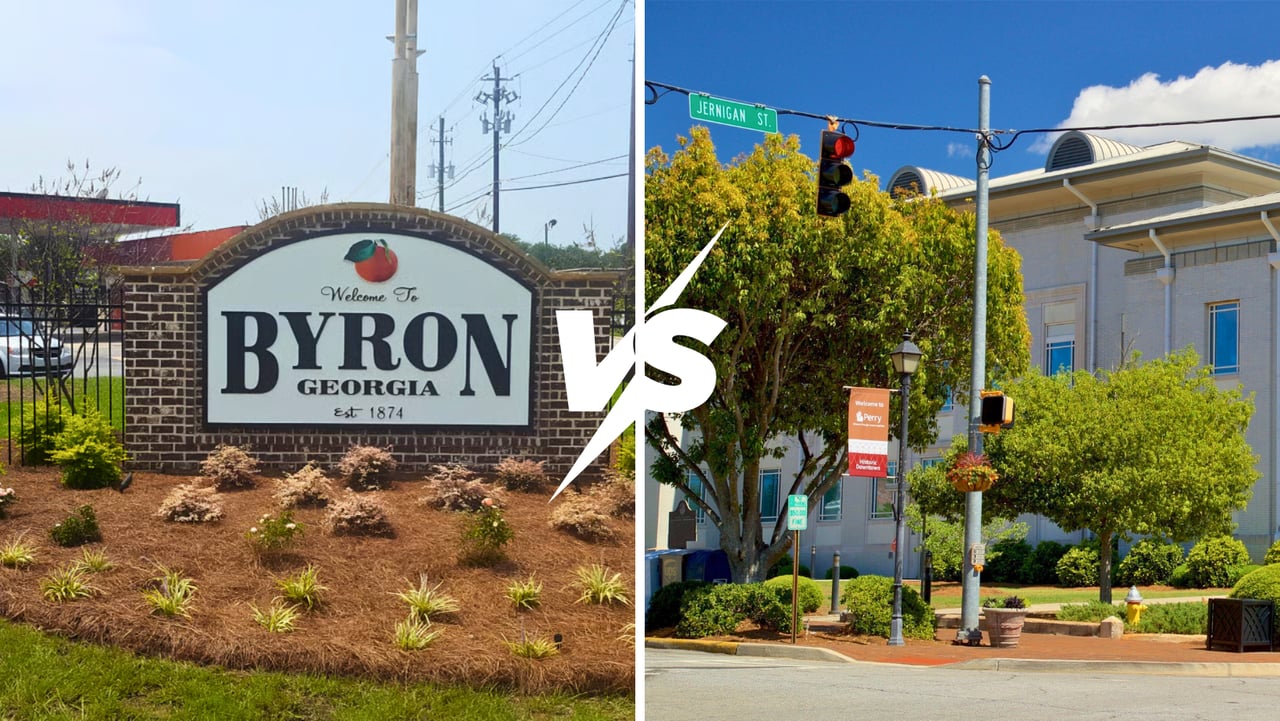
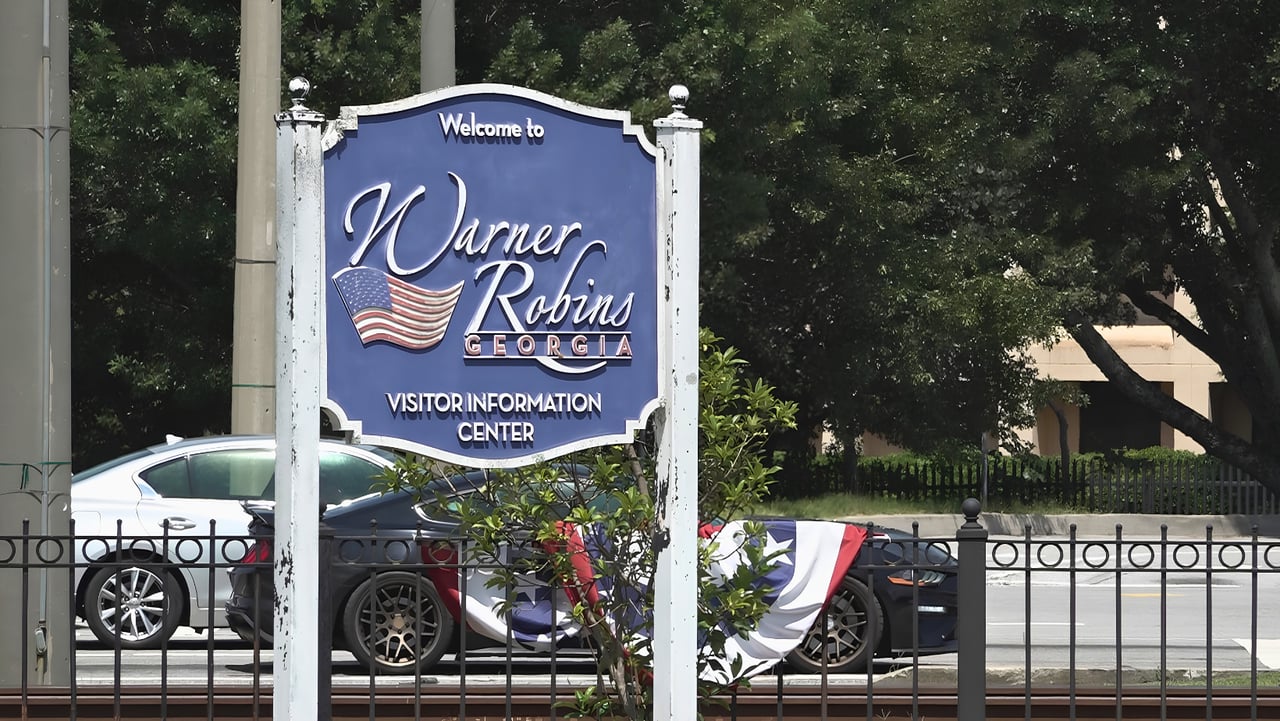
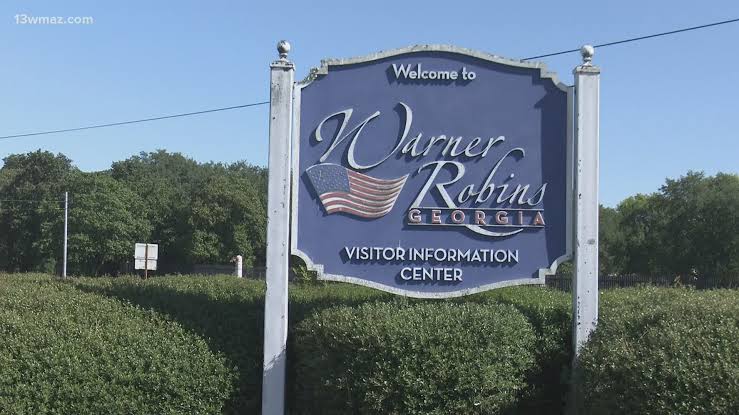
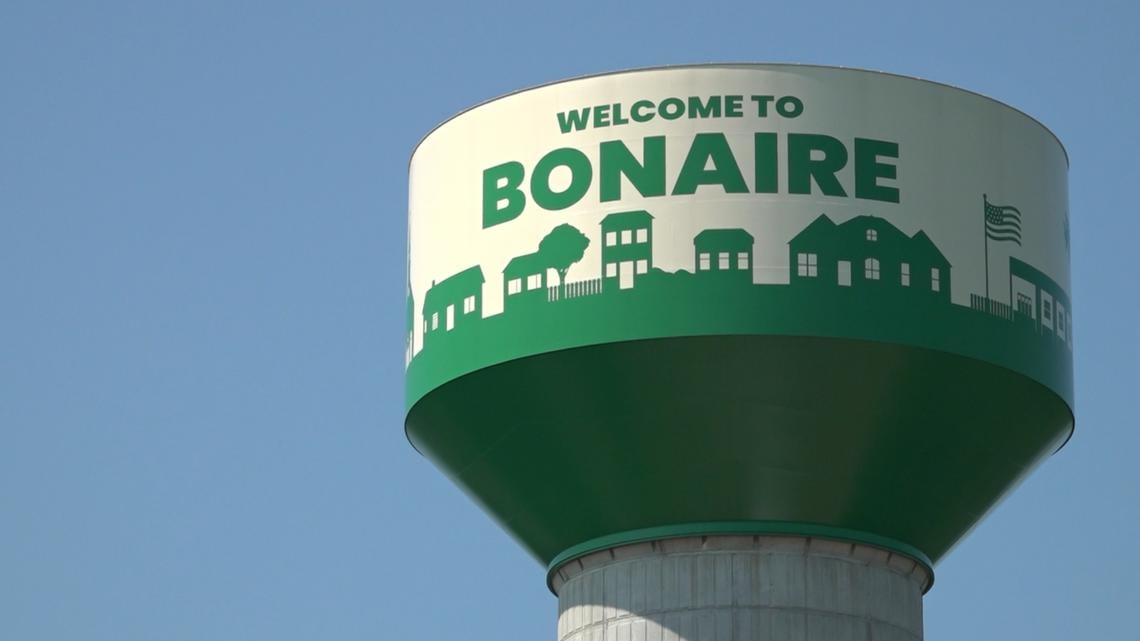
Signature 2026–2028 project | $350M Macon Arena and surrounding east-side corridor | Continued subdivision growth across Warner Robins, Perry, Bonaire, and Kathleen |
Typical buyer draw | Affordability, urban amenities, historic character, event economy | Military and PCS families, new construction, school stability |
Relocation note | Rising profile as the corridor develops over the next several years | Established, predictable relocation market anchored by the base |
Macon Arena Timeline at a Glance
June 24, 2026: Final design unveiled at the Douglass Theatre.
Summer 2026: Groundbreaking expected, with construction beginning on the existing surface parking lot.
2026–2028: Phased construction while the current Coliseum stays open for events.
2028: New arena targeted to open, with early events planned for that year.
After opening: The county plans to begin demolishing the old Macon Coliseum.
Frequently Asked Questions About the New Macon Arena
How much does the new Macon Arena cost and how is it being paid for?
The new Macon Arena carries a price tag of $350 million, making it the largest bond-funded project in Macon-Bibb County history. It is financed through bonds approved by the Macon-Bibb County Urban Development Authority, with the interest rate capped at 6% and annual repayment on the Series 2026 bonds limited to roughly $29 million. County leaders have repeatedly stated the structure is designed to fund the arena without raising taxes on residents. Homeowners with specific questions about millage rates should direct them to their county commission.
Where will the new Macon Arena be located?
The new arena will be built on the existing Macon Coliseum site at 200 Coliseum Drive in Macon, Georgia. Construction will take place primarily on the current surface parking lot near Second Street. This approach allows the existing Coliseum to remain open and continue hosting events throughout the construction period, so the community does not lose concerts, shows, and tournaments to other cities during the build.
How many people will the new Macon Arena hold?
The roughly 230,000-square-foot venue is designed to seat more than 10,000 people, with total campus capacity reaching up to 12,000 when the attached flex hall is included. The main bowl uses a 180-degree, end-stage concert configuration, and the design team conducted sight-line studies and built in a state-of-the-art sound system intended to eliminate poor seating. Premium options include luxury suites, club suites, and loge boxes.
When will the new Macon Arena open?
Groundbreaking is expected in the summer of 2026, with the arena targeted to open in 2028. Construction is being phased so the existing Coliseum stays operational the entire time. After the new venue opens, Macon-Bibb County plans to begin demolishing the old Coliseum, which originally opened in 1968.
Who is designing and building the new Macon Arena?
PBK Architects designed the arena, and MFA Project Management is serving as the project lead for Macon-Bibb County. Construction will be handled by Barton Malow in association with Sheridan Construction, the same local firm that built the original Macon Coliseum 57 years ago. The owner of the project is Macon-Bibb County.
What will the new Macon Arena be used for?
The arena is designed as a multi-purpose venue capable of hosting concerts, hockey games, conventions, trade shows, and large community events. An attached flex hall will hold three basketball or volleyball courts with a secondary ice layer to support youth hockey and tournaments. The venue will also serve as the Bibb County School District's permanent graduation site for years to come.
How does the arena involve Bibb County Schools?
The Bibb County School District is a formal partner in the project. The nearly 35,000-square-foot flex hall will host school athletics and events, and a future career center attached to the hall will give students hands-on training in fields such as graphic design, audio-video production, and catering and hospitality. The arena will also be the district's permanent graduation venue, tying public education directly into the new civic landmark.
What is the East Bank development near the arena?
East Bank is a proposed mixed-use development located directly across Coliseum Drive from the new arena site. County leaders have connected it to the arena and to the push for a national park designation at the nearby Ocmulgee Mounds as part of a broader vision for revitalizing Macon's east side. As a proposed project, its details and timeline are still subject to change, but together these efforts point toward a developing growth corridor in East Macon.
Will the new arena raise property values in East Macon?
Major public venues are commonly associated with gradual increases in nearby property values over time, particularly when paired with additional development such as the proposed East Bank project and the Ocmulgee Mounds national park effort. Any effect is typically incremental rather than immediate, and the Macon Arena is not scheduled to open until 2028. The degree of impact on a specific property depends on its proximity to the corridor, its condition, and broader market conditions.
What is the development outlook for East Macon near the arena?
East Macon currently offers some of the more affordable housing in the metro and sits at the center of the arena, the proposed East Bank development, and the Ocmulgee Mounds national park effort. These projects are positioned by county and tourism officials as a connected growth corridor intended to draw visitors and investment to the east side. The corridor runs along the Ocmulgee River near Coliseum Drive, and timelines for the surrounding projects extend through 2028 and beyond.
How does Macon-Bibb compare to Houston County?
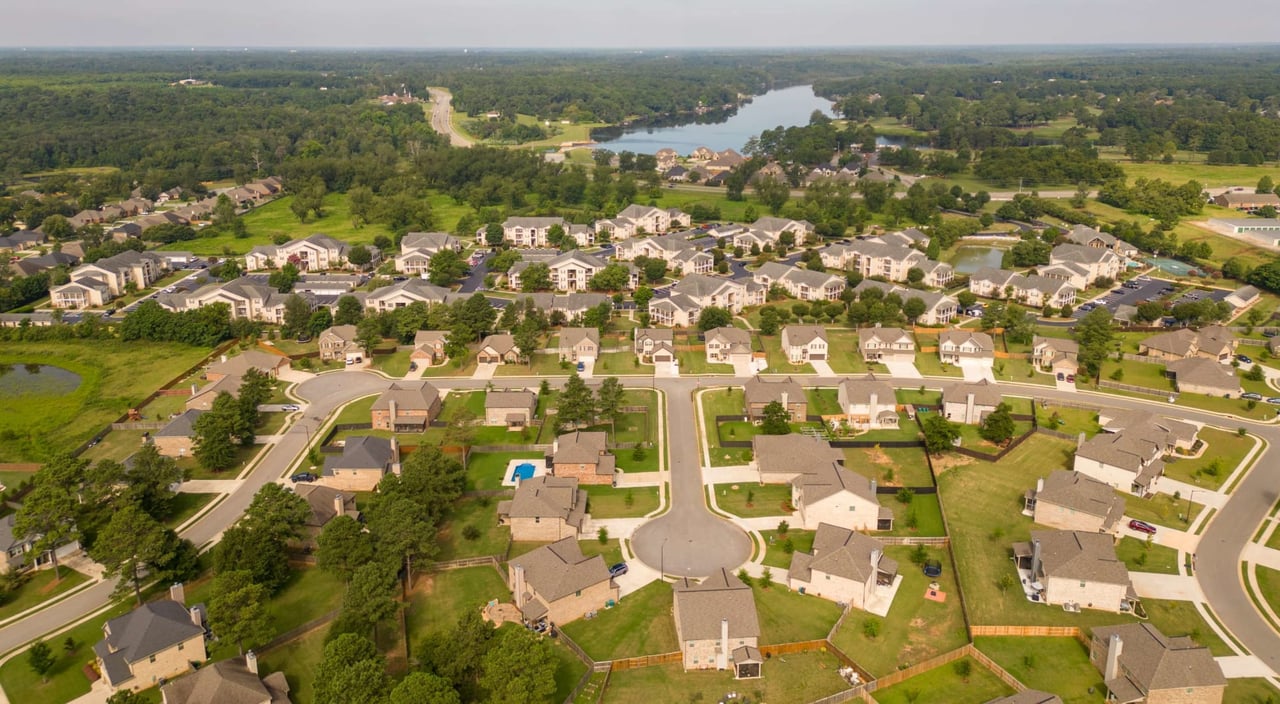
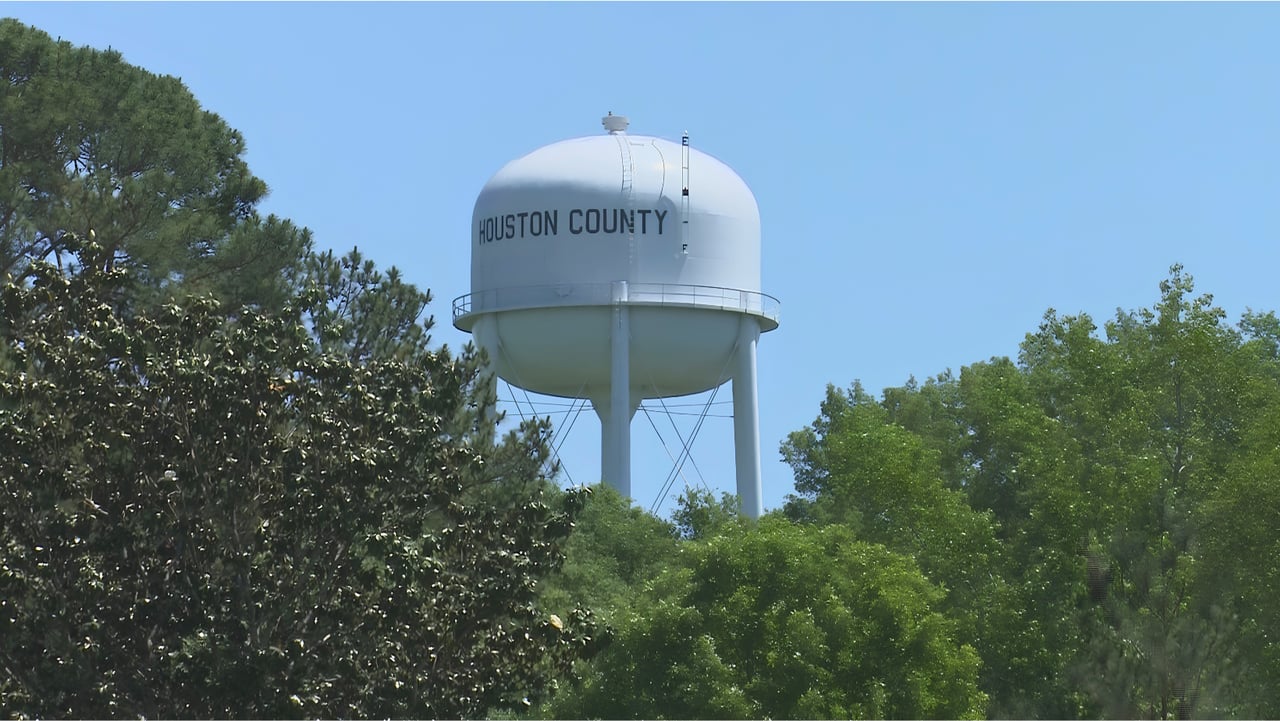
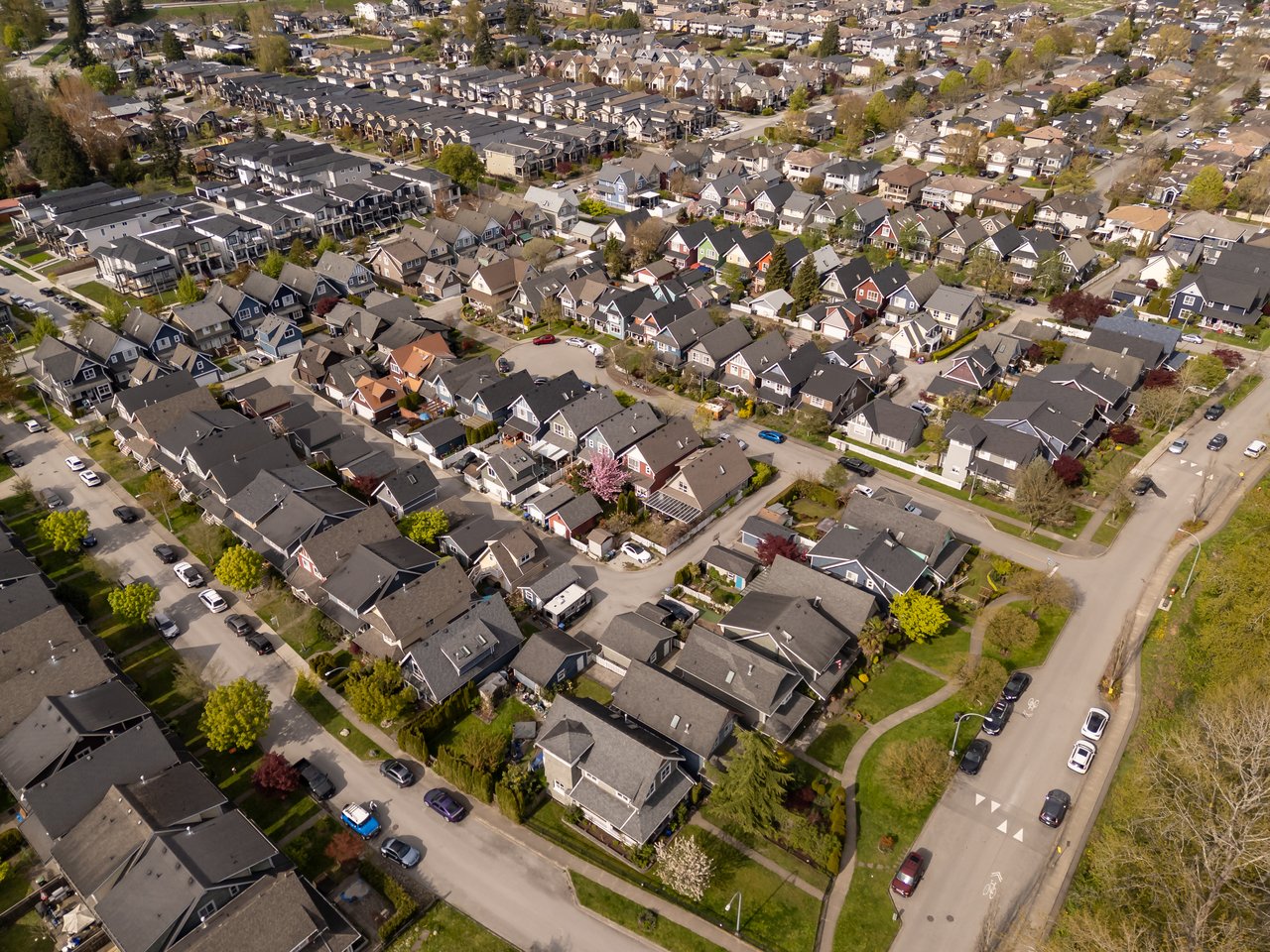
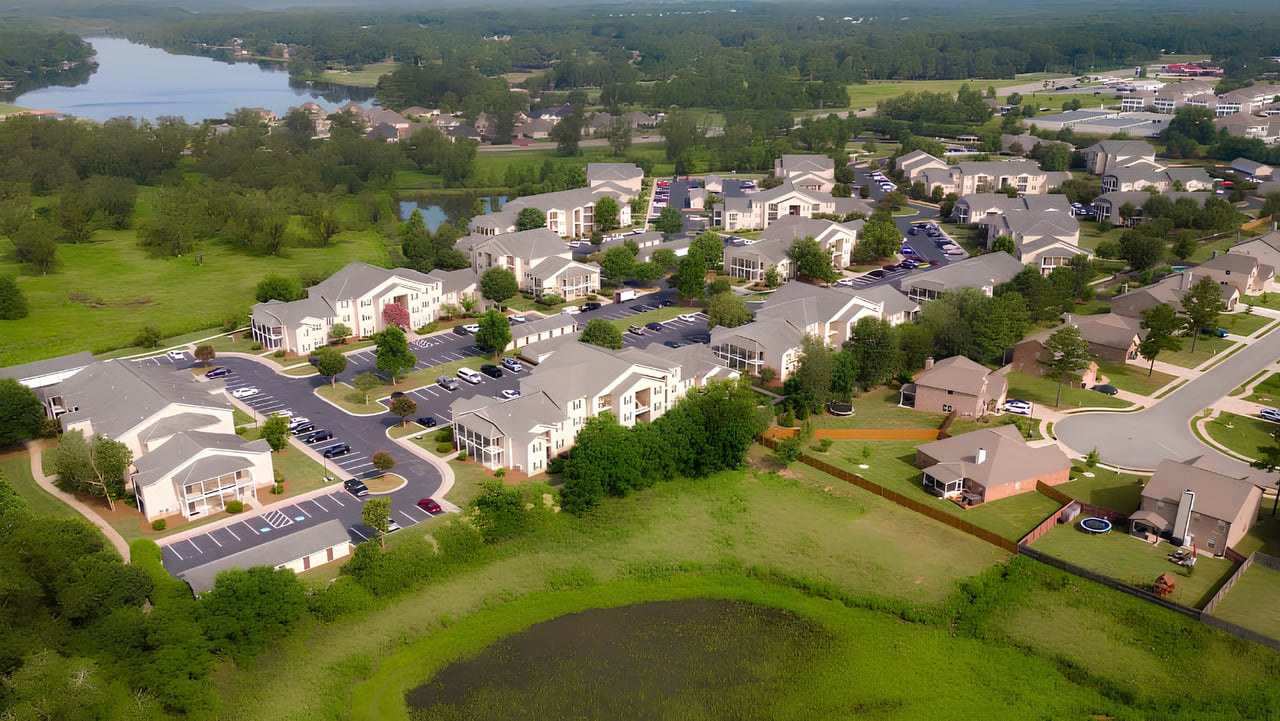
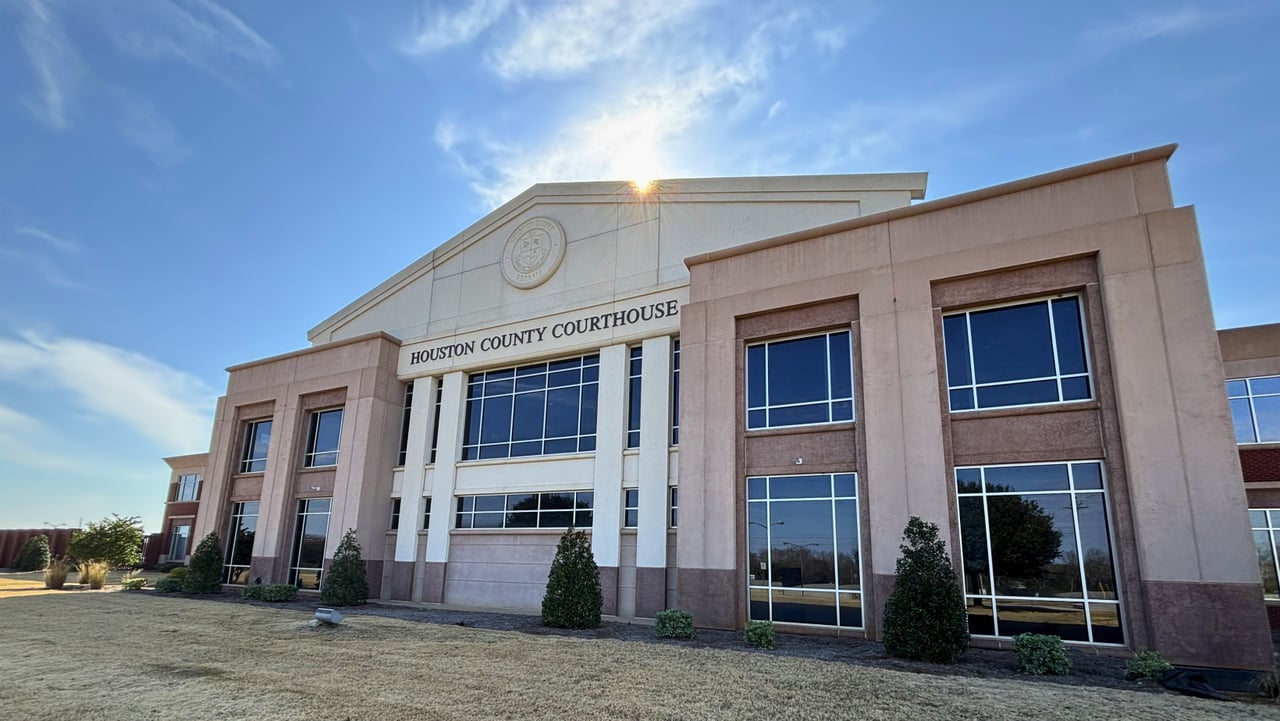
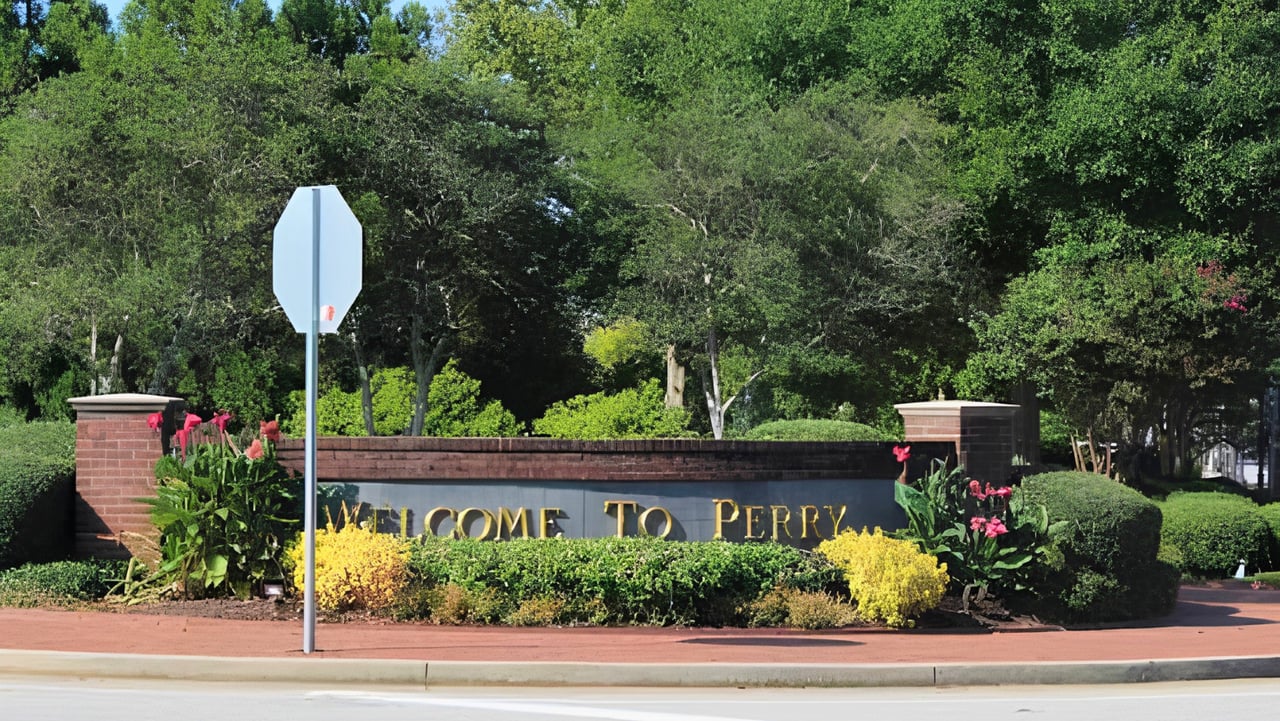
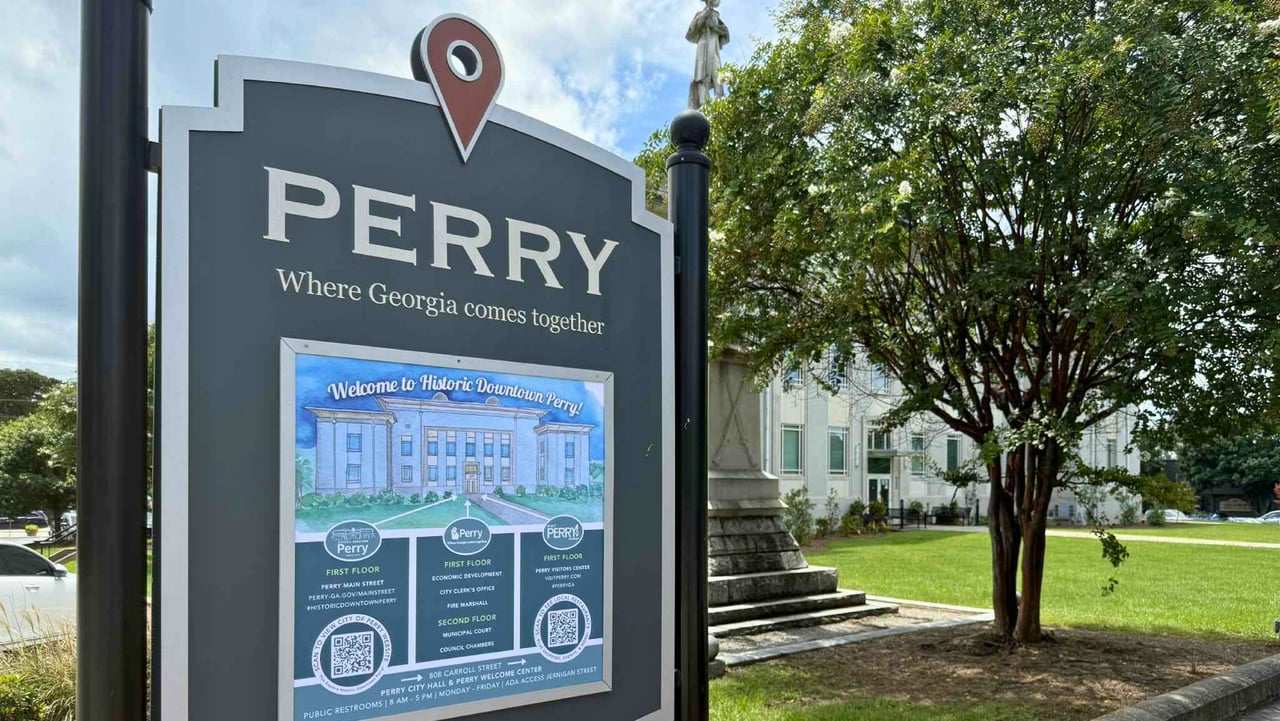
Macon-Bibb and Houston County are both growing Middle Georgia markets driven by different forces. Macon-Bibb's momentum centers on downtown revitalization, the arena, the national park effort, and east-side development, alongside relative affordability and historic character. Houston County's market is anchored by Robins Air Force Base and the defense economy, drawing many military and PCS families to Warner Robins, Perry, Bonaire, and Kathleen, with steady new construction and established school systems.
Will the old Macon Coliseum be torn down?
Yes. The county plans to demolish the existing Macon Coliseum after the new arena opens. Keeping the old building operational during construction is intentional, so Macon-Bibb does not lose events to competing cities while the replacement is built. The current Coliseum opened in 1968 and, according to county leaders, can no longer meet the needs of modern performers, conventions, and audiences.
This article was last updated in June 2026 and is reviewed quarterly to keep arena timelines, design details, and Middle Georgia market information current.
Disclaimer: This article is for general informational purposes only and reflects publicly available information about the proposed Macon Arena and related developments as of June 2026. Project designs, costs, timelines, financing terms, and surrounding developments are subject to change and are not guaranteed. Nothing here is financial, legal, or tax advice; questions about financing should be directed to a licensed lender, and questions about property taxes or public bonds to the appropriate government office. Will Walton-Dean is a licensed REALTOR® with Walton Dean Realty / Century 21 Homes and Investments.
Thinking About Buying or Selling in Macon or Houston County?
Big projects like the Macon Arena reshape a market quietly, over years, and the people who benefit most are usually the ones who understood the landscape early. Whether you're considering a move to East Macon, weighing Macon-Bibb against Houston County, or just want a clear read on what this development means for your home, I'm glad to talk it through with no pressure.
Will Walton-Dean | Walton Dean Realty | Century 21 Homes and Investments
📱 478-371-7069
Your dreams. Our dedication. A luxury experience tailored for you.