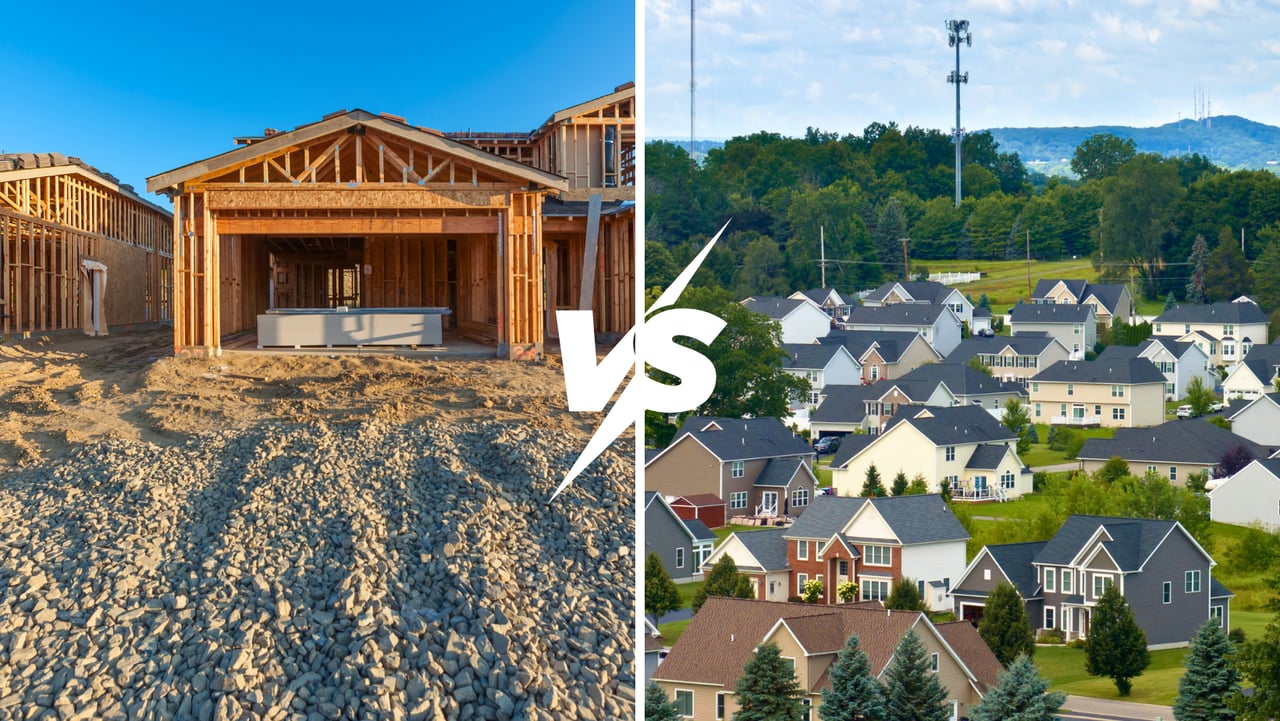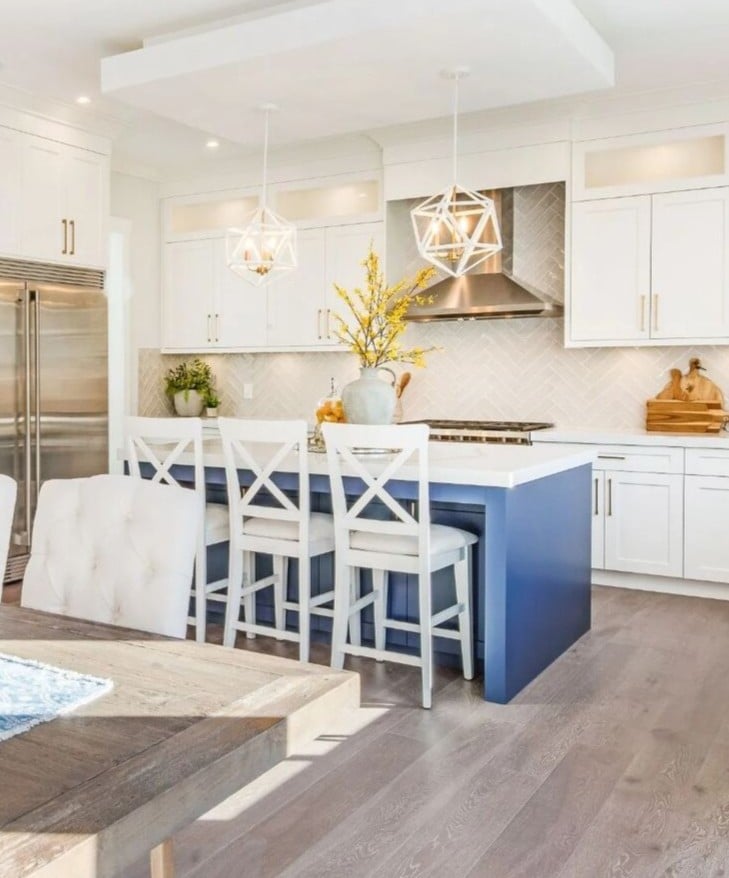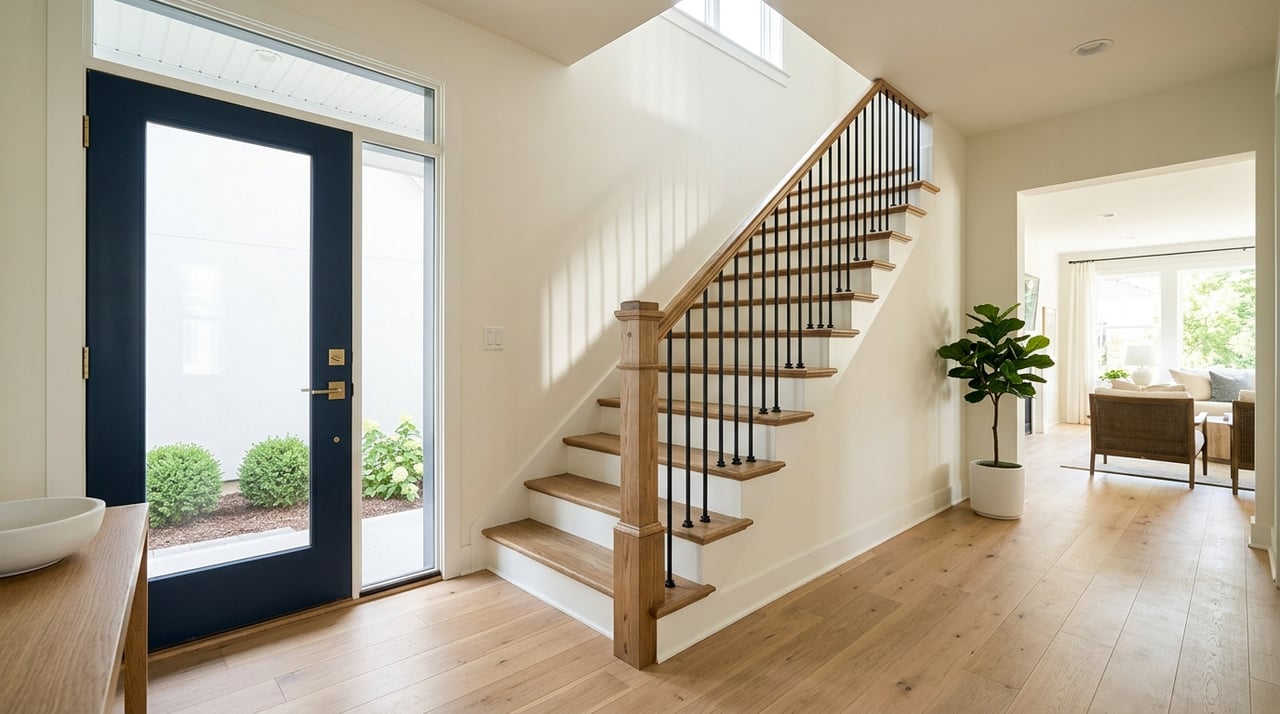
Thinking about buying new construction in Kathleen? It is easy to assume the builder holds all the cards, especially when shiny model homes, limited lots, and time-sensitive incentives are part of the sales pitch. The good news is that you still have room to negotiate if you know where to focus, what to question, and how to evaluate the full deal instead of just the base price. Let’s dive in.
Why negotiating power still exists in Kathleen
New construction in Kathleen is not a bargain-bin market, but it is not a market where you have to accept every builder term without question. Current new-construction listings show a median listing price around $369,900, with homes ranging from roughly $310,450 to $999,000. Active inventory also includes spec homes, to-be-built options, and listings that already mention flex cash.
That matters because it shows builders are already using incentives as part of the local playbook. At the same time, Kathleen’s broader market has stayed fairly firm, with year-over-year gains in median sale price and price per square foot, plus a slight drop in days on market. In other words, you may not get a dramatic price cut, but you may still be able to improve your terms in ways that protect your budget.
Focus on total deal value
One of the biggest mistakes buyers make with new construction is treating the sticker price as the only point that matters. Builders often prefer incentives over public price reductions because price cuts can affect nearby comps and perceived neighborhood value. That is why your strongest negotiating power often shows up in the structure of the deal, not just the posted sale price.
With the 30-year fixed mortgage rate at 6.48% as of June 4, 2026, payment relief matters. A rate buydown, closing-cost credit, or flex cash package may do more for your monthly affordability than a modest reduction in base price. The key is to compare the real financial impact, not the marketing headline.
What builders may negotiate
Depending on the community, stage of construction, and builder goals, you may be able to negotiate:
- Rate buydowns
- Closing-cost credits
- Flex cash
- Design-center credits
- Appliances
- Blinds
- Landscaping
- Other move-in-ready extras
If a builder needs to move inventory by month-end or quarter-end, there may be even more room to ask. In Kathleen, the presence of flex-cash listings suggests this kind of incentive-based negotiation is already happening.
Ask what the incentive really costs
Builder incentives are not always free money. Many are tied to using the builder’s preferred lender, title company, or a strict closing timeline. If the lender fees are higher or the loan terms are less favorable, the value of the incentive can shrink quickly.
That is why you should evaluate the whole package. Compare the rate, lender fees, closing costs, and any must-close-by deadline before agreeing to an incentive. A bigger credit is not always the better deal if it comes with more expense or less flexibility elsewhere.
Questions to ask before accepting an incentive
- Is this incentive available only if you use the builder’s preferred lender?
- Are there extra lender fees tied to the offer?
- Does the deal require closing by a specific date?
- What happens if construction is delayed?
- Can flex cash be applied to closing costs, rate relief, or upgrades?
- Is the incentive stronger on one inventory home than another?
These questions help you move from reacting to sales pressure to making a clear, informed decision.
Protect your earnest money and deadlines
Negotiation power is not just about credits and upgrades. It is also about contract risk. If you sign a builder contract without understanding the timeline, default language, and contingency deadlines, you can lose leverage fast.
Consumer closing guidance warns that buyers who break a purchase contract may lose their deposit. That makes earnest-money language especially important in new-construction deals. You want clarity on what happens if financing changes, the builder misses a completion target, or the closing date shifts.
Contract items worth reviewing closely
- Earnest-money refund conditions
- Financing deadlines
- Construction completion timing
- Must-close-by dates
- Change-order policies
- Allowances and upgrade pricing
- Delay language and extension rights
If the builder is offering a strong incentive, make sure the agreement also spells out what happens if the home is not completed on time. A good-looking deal can become much less attractive if the timeline slips and your costs rise.
Read the warranty like a business document
Many buyers assume a new home means fewer headaches. New construction can reduce some maintenance risk, but it does not remove the need to read the warranty carefully. Most newly built homes come with a builder warranty, and coverage often varies by category and timeline.
A common pattern is one year for workmanship and materials on many components, two years for systems like HVAC, plumbing, and electrical, and up to 10 years for major structural defects, depending on the builder. FHA and VA loans also require builders to buy third-party warranties for newly built homes.
That sounds reassuring, but the fine print matters. Dispute procedures, exclusions, repair standards, and claim deadlines can all affect how useful the warranty really is.
Review these warranty points before signing
- What is covered and for how long?
- What is excluded?
- What problems must be submitted in writing?
- What is the repair process?
- Does the contract require mediation or arbitration?
- Who pays arbitration costs?
This is one of the easiest places to lose negotiating power by rushing. If a term is unclear before closing, it usually becomes harder to challenge later.
Choose the lot with resale in mind
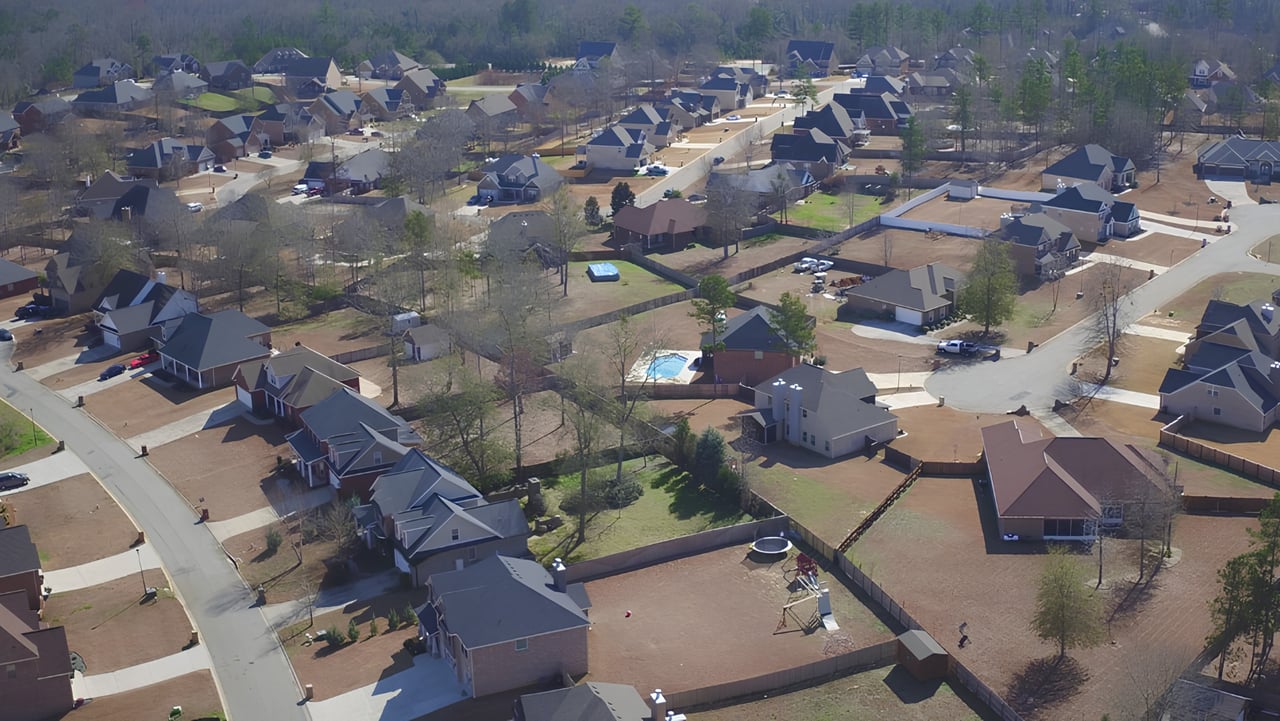
In Kathleen, lot choice is not a minor detail. Current new-construction listings range from roughly quarter-acre lots to half-acre and near-acre parcels, with some acreage properties much larger than that. That spread means lot premiums deserve serious scrutiny.
A premium lot can be worth it, but only if the long-term value makes sense for your goals and future buyer pool. If you are paying extra for a feature that will not matter much on resale, that is money you may not recover later.
Look beyond curb appeal
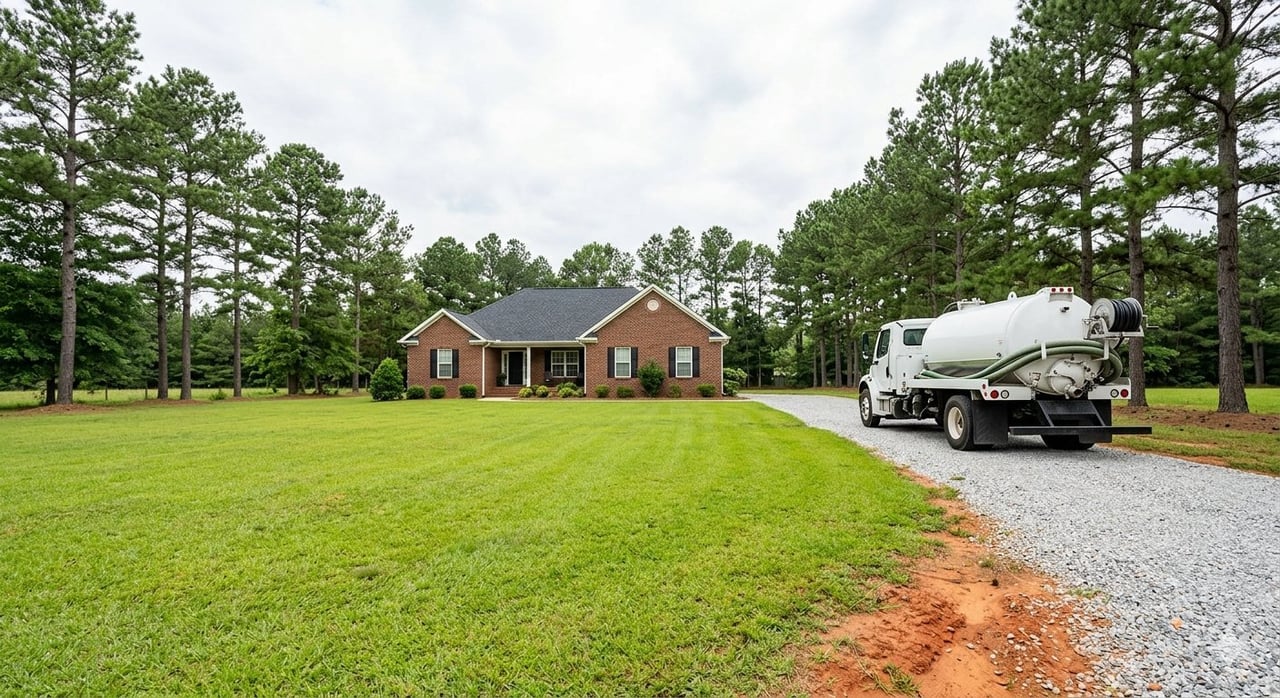
Houston County subdivision rules make it clear that buyers should pay attention to more than the view from the street. The county regulates street access, final plat approval, drainage, erosion, flood-prone land, and development standards. In septic-served situations, health department certification on the final plat may also matter.
That means your due diligence should include questions about:
- Drainage patterns
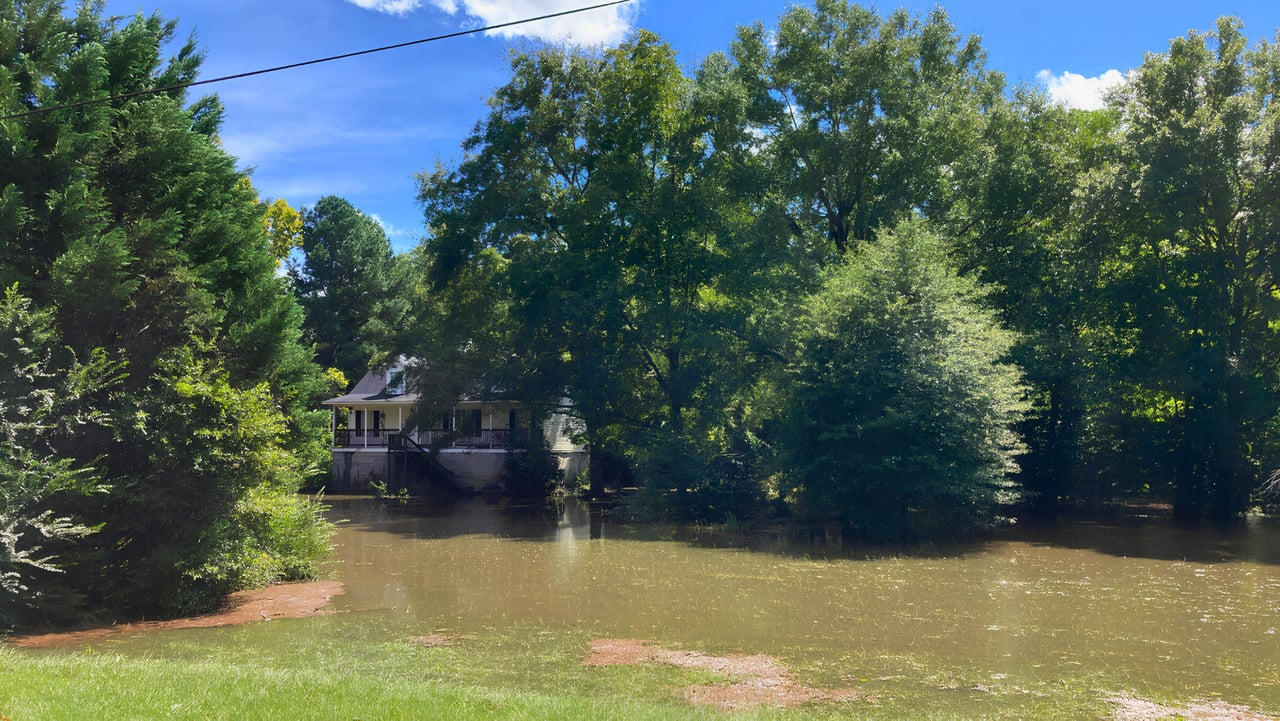
- Flooding risk
- Erosion concerns
- Public street access
- Septic feasibility
- Utility availability
- Wetlands or river-corridor overlays
- Future street layout and nearby development
A lot that looks great during a quick showing may present future issues that affect usability or resale.
Spend on upgrades that age well
Not every upgrade carries the same long-term value. National value research shows that structural and layout features often matter more than cosmetic finishes. Newer homes, larger homes, additional bathrooms, garages, and larger lots all tend to have stronger value impact than decorative touches alone.
That does not mean design choices do not matter. It means you should be careful about overspending on upgrades that are highly personal or easy for a future buyer to change. If your budget is tight, prioritize features that improve function, livability, and broad market appeal.
Upgrades that may deserve priority
- Functional floor plan improvements
- Additional full bathrooms
- Garage usefulness and storage
- Lot characteristics with practical value
- Size and layout that fit long-term needs
Upgrades to evaluate more carefully
- Highly customized finishes
- Trend-driven design selections
- Premium items with limited everyday benefit
- Add-ons priced far above likely resale impact
In a negotiation, this can help you decide whether to ask for cash-saving incentives or builder-paid upgrades. Sometimes preserving your own cash is smarter than rolling extra design costs into the purchase.
Keep location fit part of the negotiation
When you buy in Kathleen, you are not just choosing a house. You are choosing a location pattern that affects daily driving, routines, and future resale. Official Houston County school maps show Kathleen-area campuses that include Matt Arthur Primary, Matt Arthur Elementary, Mossy Creek Middle, and Veterans High School.
You should confirm school assignment and commute fit based on your own needs before you sign. Even if you are not making a decision based on schools, location convenience still matters for resale. Buyers often weigh access, drive time, and lot placement just as much as interior finishes.
Use financing strategy to keep leverage
If you qualify, Georgia Dream down-payment assistance may also change how you negotiate. Current program materials describe assistance of up to 5% or $10,000 under the Standard program and up to 6% or $12,500 under PEN or CHOICE programs, subject to lender and eligibility rules.
For some buyers, that can preserve cash for closing costs, reserves, or strategic upgrades. It can also reduce pressure to stretch too far on options or lot premiums. A strong financing plan gives you more control, which usually leads to better decisions during builder negotiations.
A smart new-construction strategy in Kathleen
Buying new construction in Kathleen does not mean giving up negotiating power. It means shifting your focus from emotional sales pressure to the parts of the deal that actually affect your money, flexibility, and resale outlook. The strongest buyers are usually the ones who compare incentives carefully, read contracts closely, and think a few steps ahead.
That is where a structured approach matters. When you understand local inventory, lot risks, builder terms, and financing tradeoffs, you are in a much better position to negotiate with confidence instead of reacting on the fly.
If you want a clear, strategic approach to buying new construction in Kathleen, connect with William Walton-Dean for guidance that keeps the numbers, contract terms, and long-term value in focus.
FAQs
What can you negotiate on a new construction home in Kathleen?
- You may be able to negotiate rate buydowns, closing-cost credits, flex cash, appliances, blinds, landscaping, design credits, or other move-in-ready extras, even when the builder does not reduce the base price.
How do builder incentives work in Kathleen new construction deals?
- Builder incentives often improve affordability or reduce cash due at closing, but they may be tied to a preferred lender, title company, or a strict closing deadline, so you need to compare the full loan cost and terms.
What should you review in a Kathleen builder contract before signing?
- Review earnest-money terms, financing deadlines, completion timing, must-close-by dates, delay language, upgrade pricing, and what happens if the home is not finished on time.
What does a builder warranty usually cover on a new home?
- Many builder warranties commonly cover workmanship and materials for one year, major systems like HVAC, plumbing, and electrical for two years, and structural defects for up to 10 years, depending on the builder and warranty terms.
Why does lot selection matter when buying new construction in Kathleen?
- Lot choice can affect drainage, access, septic feasibility, overlays, future resale, and whether a premium price is likely to hold value over time.
How do you decide between a rate buydown and design upgrades in Kathleen?
- The better option depends on total loan cost, monthly payment impact, available cash, and how much value the upgrades are likely to add compared with using incentives to lower your upfront or ongoing housing costs.
Which local location factors should you confirm before buying in Kathleen?
- You should confirm commute patterns, school assignment, street access, lot conditions, and nearby development plans because location fit can affect both daily life and future resale appeal.