Why Road Projects Are a Leading Indicator of Home Values
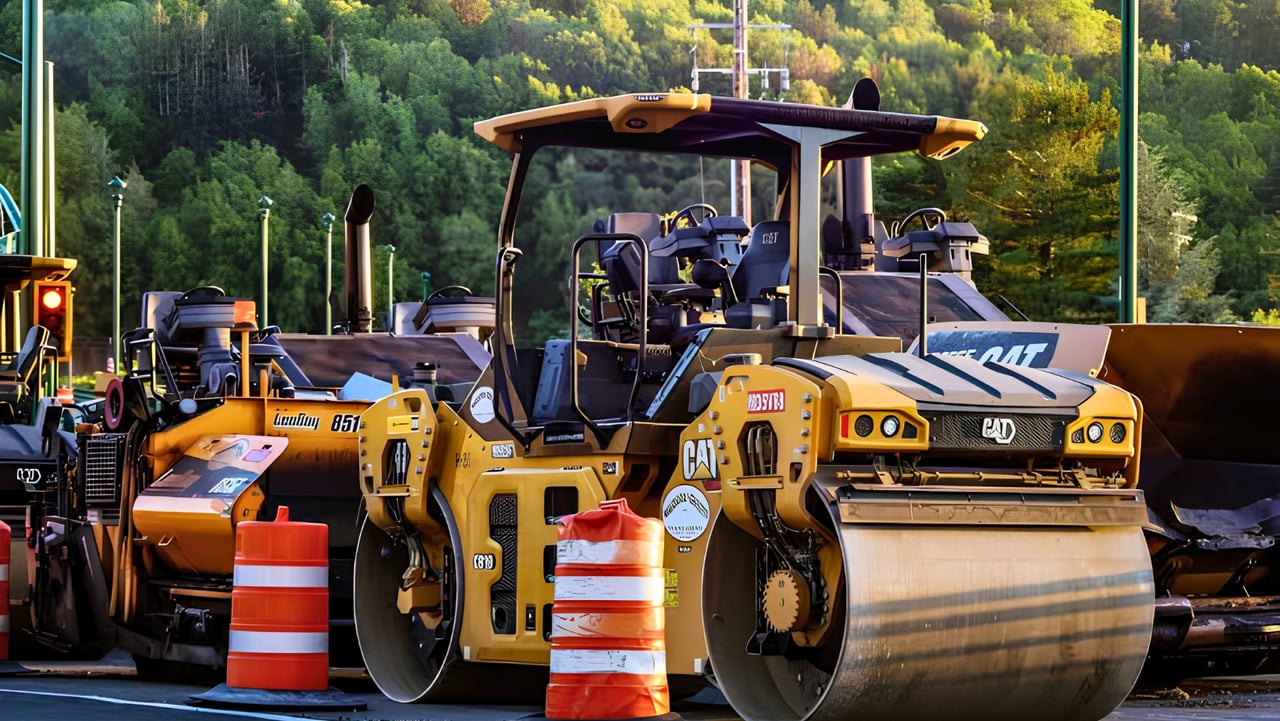
Local governments do not widen roads on a hunch. A road-widening decision is the end product of traffic studies, projected development, and budget prioritization. By the time a county commits millions of dollars to widening a corridor, it has already counted the traffic, reviewed the subdivisions that have been approved but not yet built, and concluded that the area is growing fast enough to justify the investment. The county is acting on growth it already sees coming.
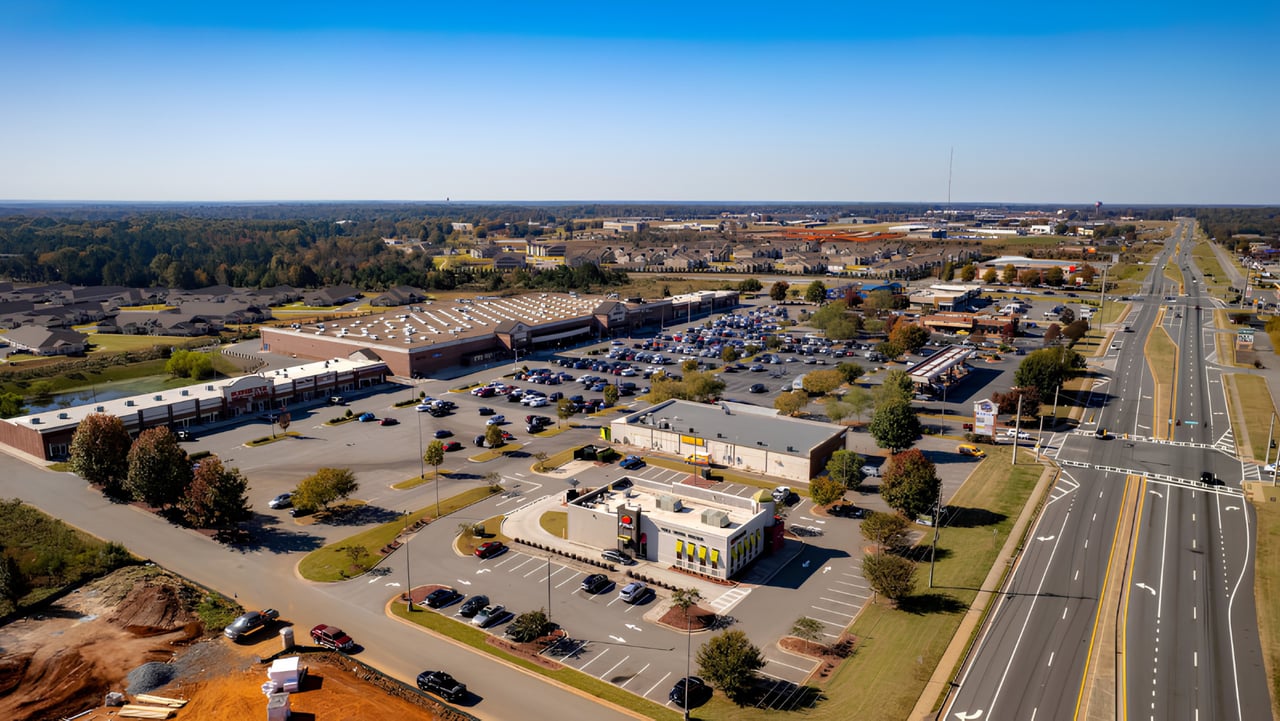
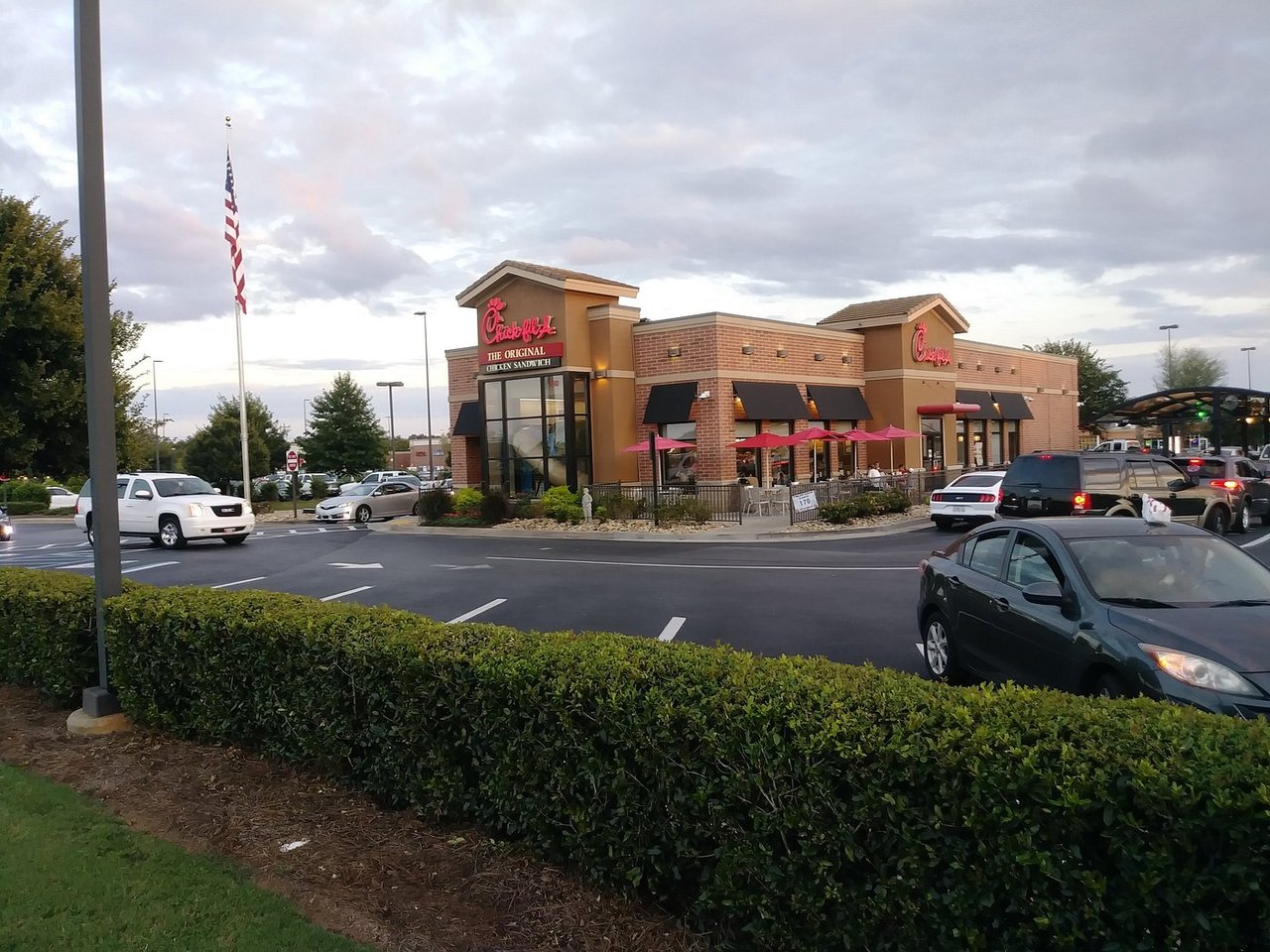
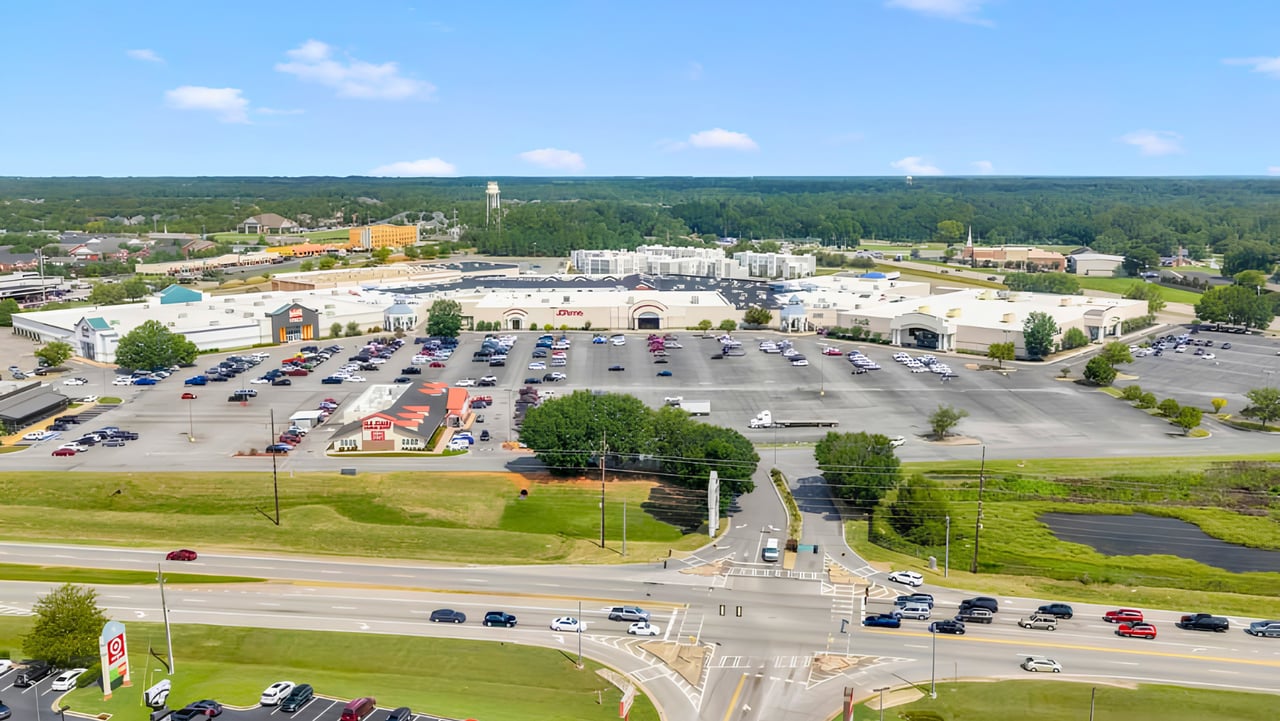
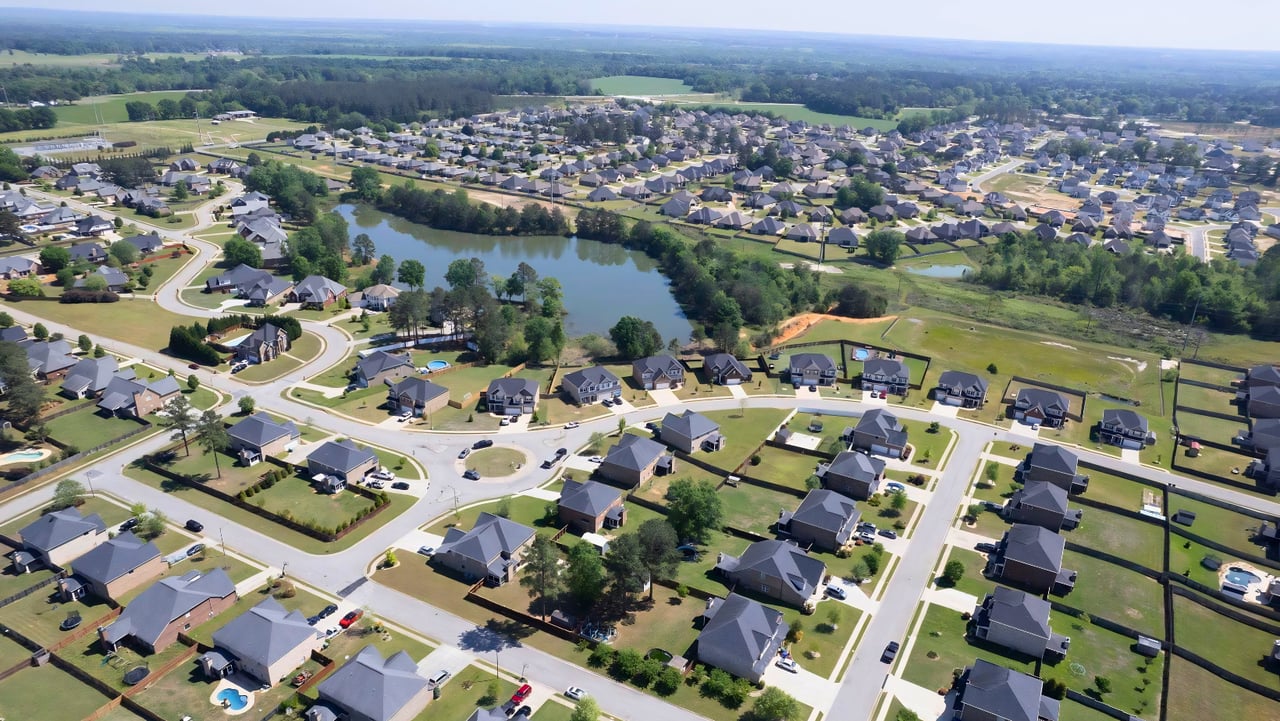
That makes road budgets a leading indicator for home values, and it is exactly how I think about timing for clients. The sequence runs in a predictable order: a road is widened, national and regional retailers follow the higher traffic counts, new subdivisions fill in the surrounding land, and home prices rise as the area matures. A buyer who purchases after that full sequence has played out pays the matured price. A buyer who recognizes the signal when the road money is first committed has the chance to buy ahead of the appreciation rather than chasing it.
The Houston Lake & Dunbar Road Projects: What the County Committed
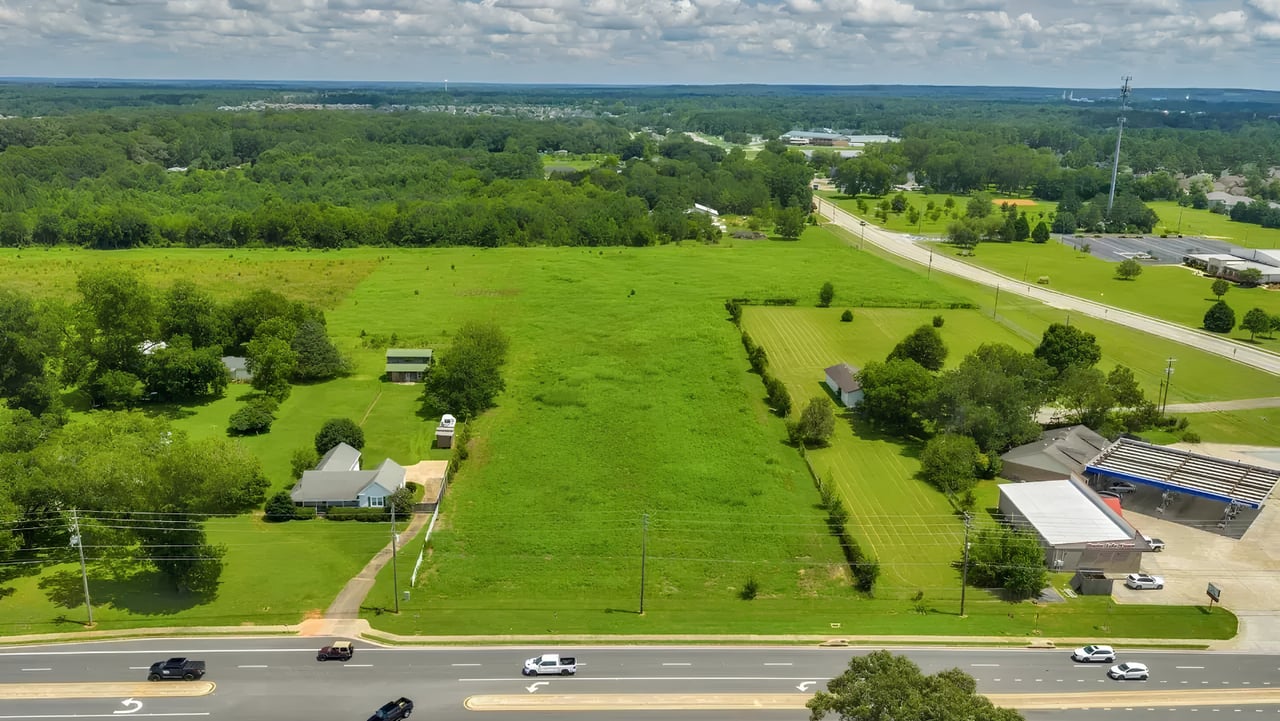
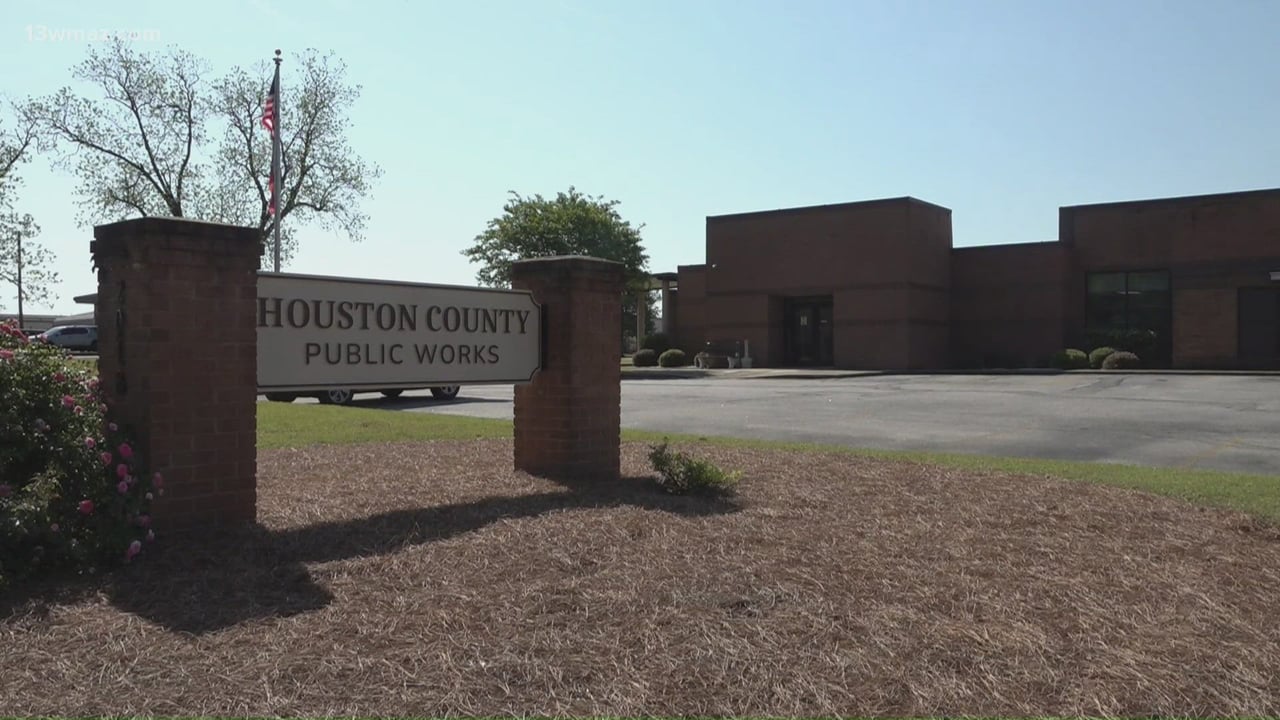
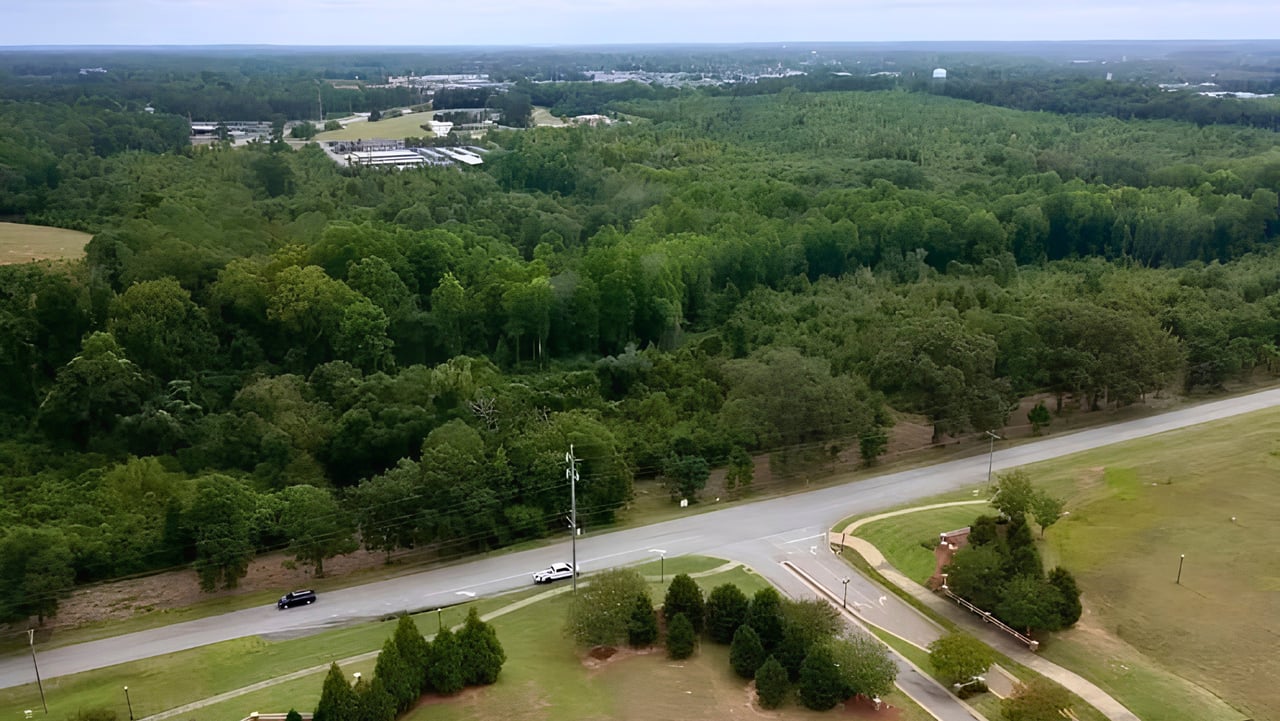
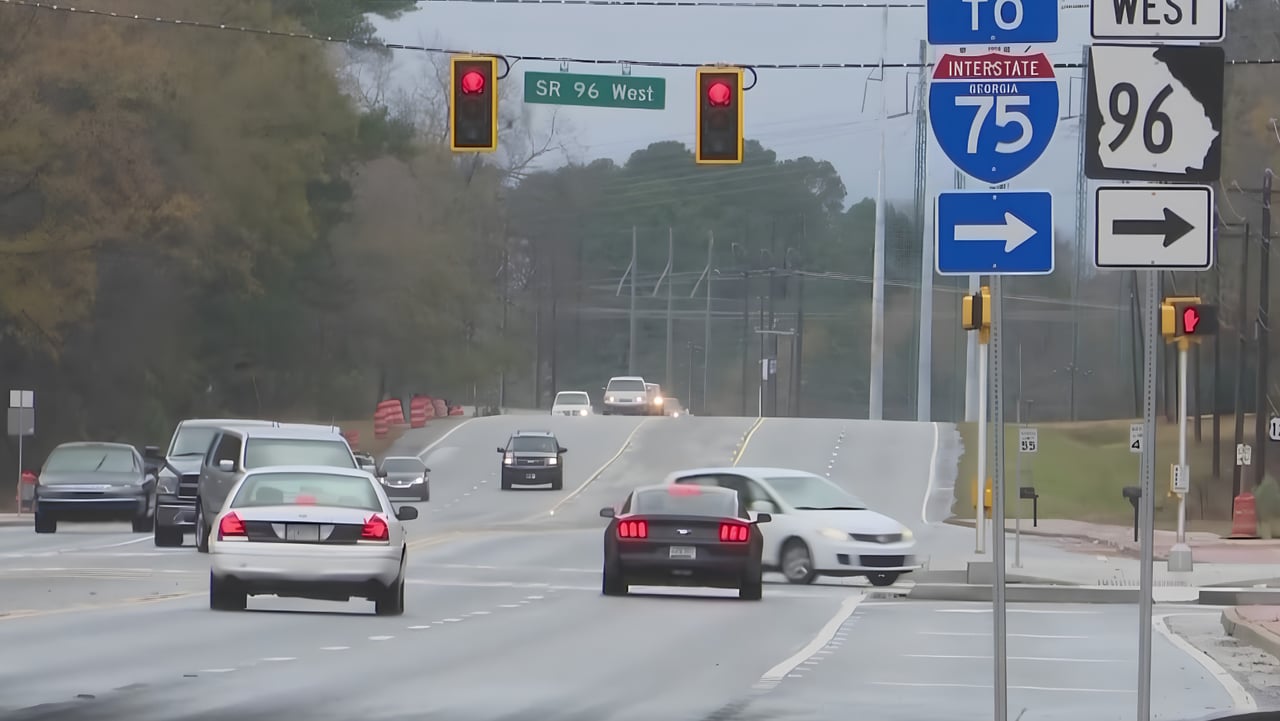
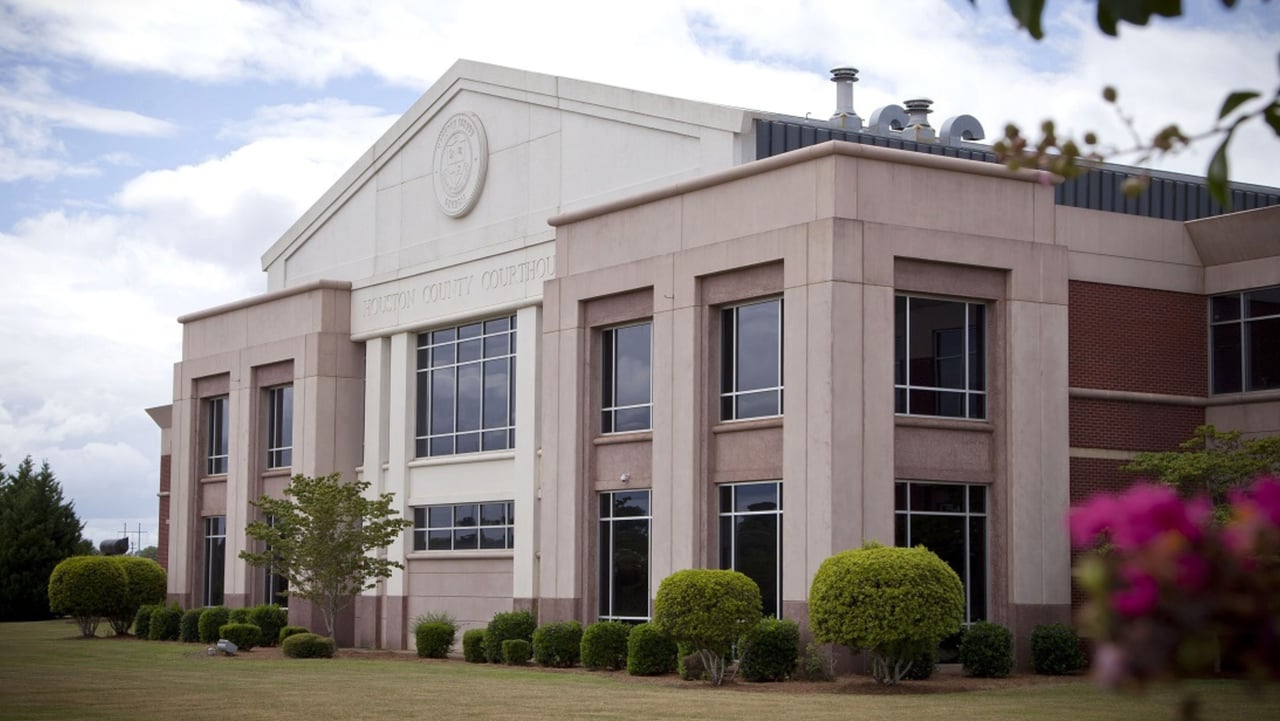
According to 13WMAZ reporting from February 17, 2026, the Houston County Board of Commissioners set aside nearly $16 million in SPLOST funds to address Houston Lake Road and Dunbar Road. Chairman Dan Perdue described the north end of Houston County as a rapidly growing area and identified both roads as needing to be widened to keep pace. Houston Lake Road already carries more than 25,000 vehicles per day according to the Georgia Department of Transportation, and Perdue noted the commission receives dozens of complaints about traffic on both roads, with residents specifically asking for each to be widened.
The county's first procedural step was a traffic study to guide the scope of the improvements. That is itself a tell: a traffic study is what a local government commissions when it is preparing to invest in a corridor it expects to grow. Separately, in December 2025, 13WMAZ reported that the county approved a plan to repair seven roads in 2026, including Houston Lake Road, covering more than eight miles of roadway. The roads were prioritized based on engineer condition grades and citizen feedback, and the work is funded largely through the state Local Maintenance and Improvement Grant program, which requires a roughly 30 percent local match; the county's share is about $330,000.
How to Read Road Budgets Like a Local
The skill is not memorizing individual projects but learning to read the signals consistently. The same indicators tend to appear before most growth corridors take off, and these are the ones I track.
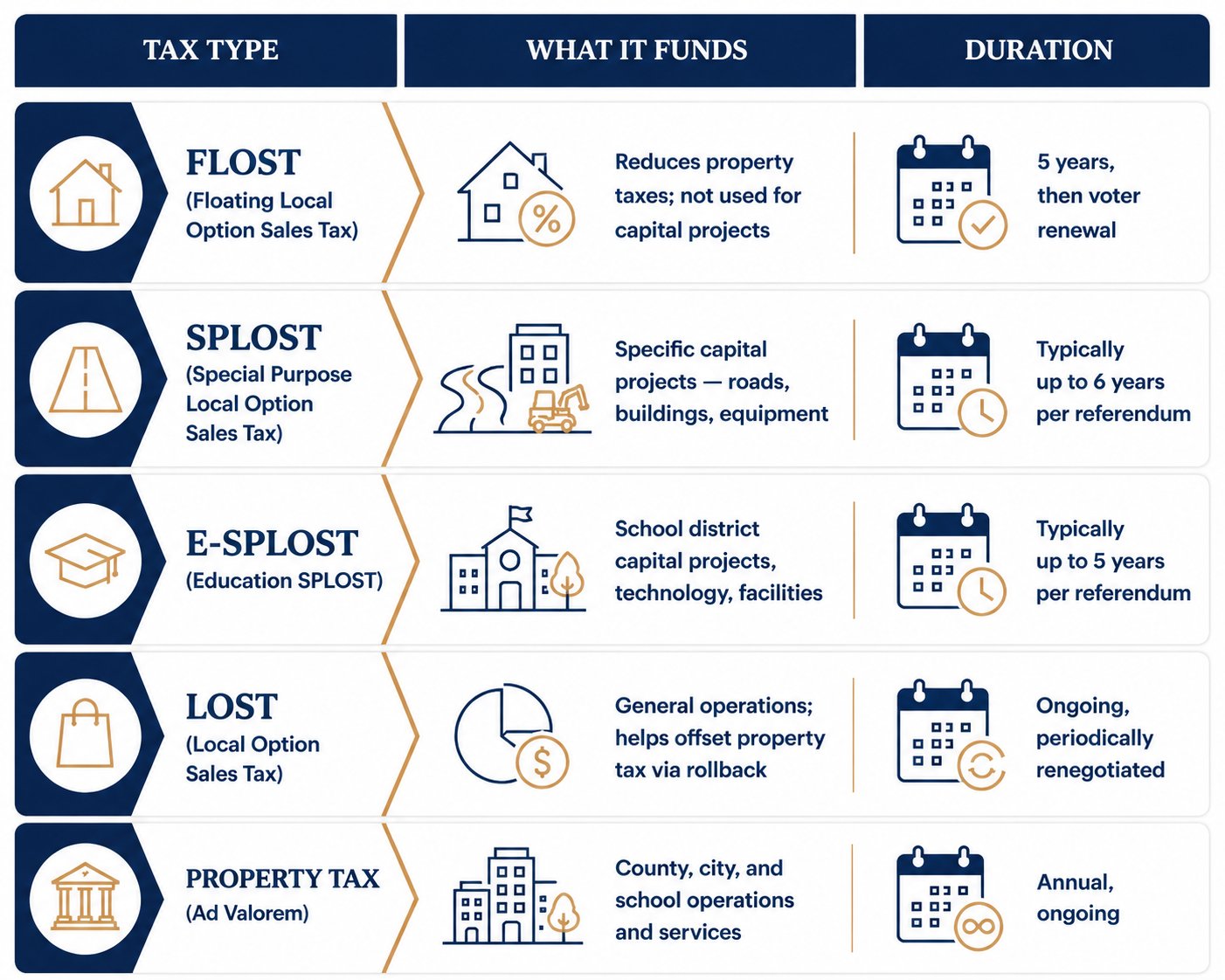
These signals are public information, available through county commission agendas, SPLOST project lists, GDOT traffic data, and local news coverage. Most buyers never look at them. The buyer who does gains a real informational edge in timing a purchase ahead of the broader market, and that edge is one of the most valuable things I can offer a client.
What This Means for Houston County Buyers and Homeowners
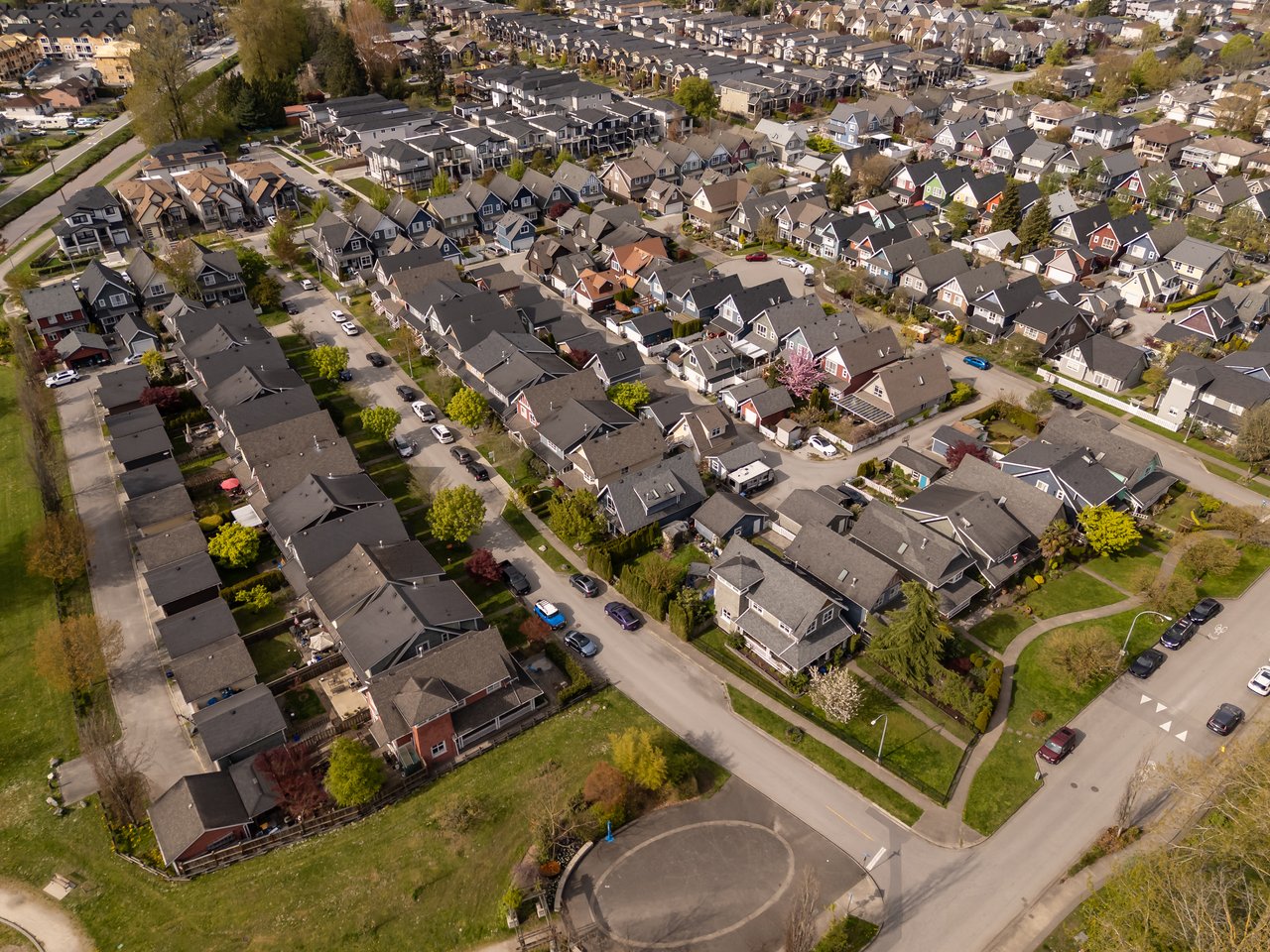
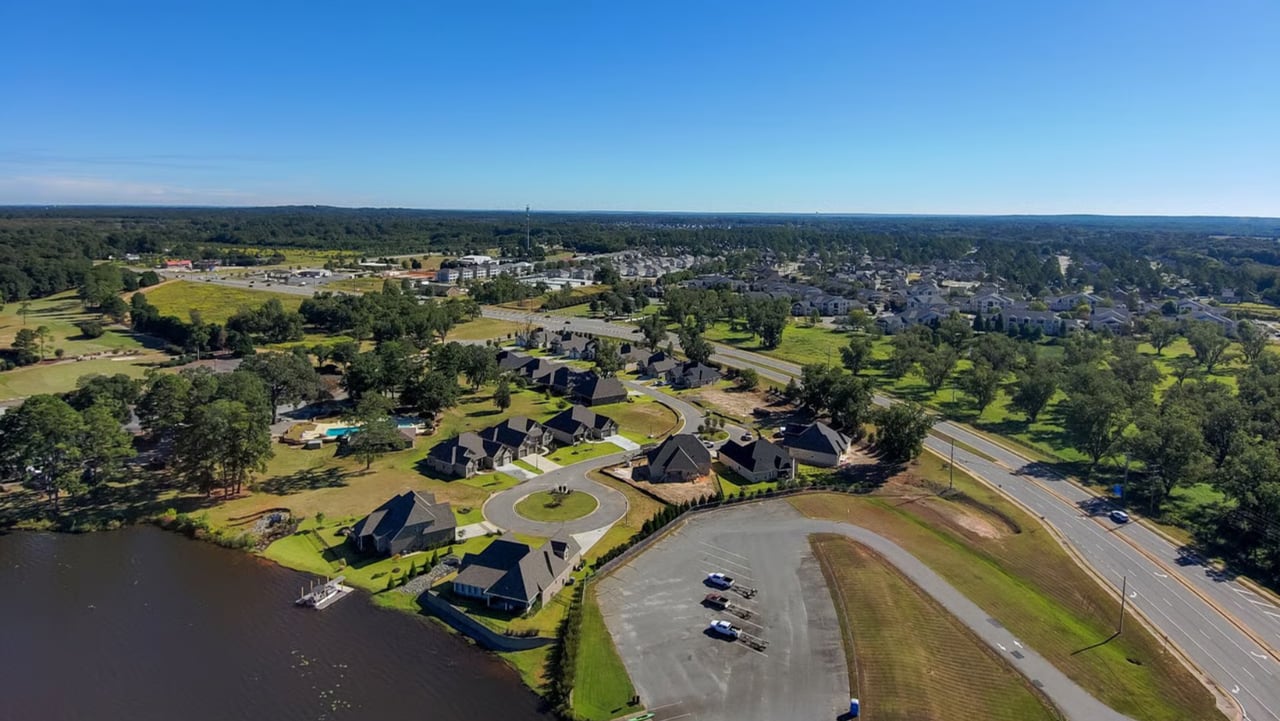
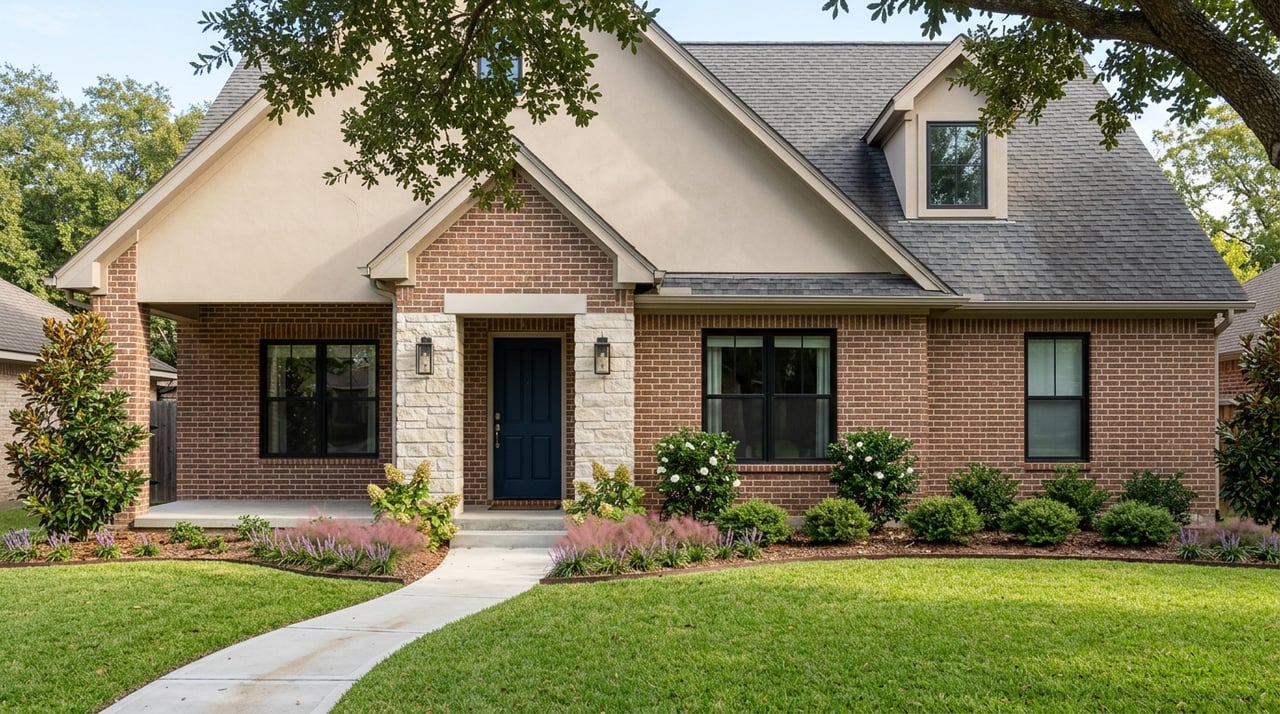
For buyers, the Houston Lake and Dunbar Road investments point to the north end of Houston County as a corridor the county itself expects to grow. Homes positioned near a corridor about to be widened often sit in the path of the next several years of appreciation. For current homeowners along these corridors, the long-term trajectory of property value is generally supported by the investment, even as construction creates temporary disruption.
I always give clients the honest trade-off: the construction period itself brings noise, detours, and inconvenience while the work is underway. But the pattern tends to resolve in the homeowner's favor. Once the work is complete, the result is a wider, busier, more accessible corridor with stronger commercial draw and higher property values than before. I have watched that play out on other Houston County corridors over the past decade, and the people who bought early were not lucky; they read the signal.
Frequently Asked Questions: Houston County Road Projects and Home Values
Q: How much is Houston County spending to widen Houston Lake Road and Dunbar Road?
A: Houston County set aside nearly $16 million in SPLOST funds to widen Houston Lake Road and Dunbar Road on the north end of the county, according to 13WMAZ reporting from February 2026. The county's first step was a traffic study to guide the improvements.
Q: Why is Houston County widening Houston Lake Road?
A: Houston Lake Road carries more than 25,000 vehicles per day according to the Georgia Department of Transportation, and the north end of Houston County is experiencing significant residential growth. Chairman Dan Perdue described the area as fast-growing and said the commission receives dozens of traffic complaints about both roads.
Q: Do road improvements increase home values?
A: Road improvements often precede rising home values. Infrastructure investment typically comes before retail growth and new subdivisions, which in turn support higher home prices. A road widening is a signal that the local government expects an area to grow, which is why infrastructure budgets are considered a leading indicator of appreciation.
Q: How can I tell where home values will rise in Houston County?
A: One effective method is to monitor public infrastructure signals: traffic studies, SPLOST and grant allocations for road widenings, approved-but-unbuilt subdivisions, rising traffic counts, and sewer or water capacity projects. These signals appear in county commission agendas, SPLOST project lists, and local news coverage, and they often indicate where growth and appreciation are heading.
Q: What roads is Houston County repairing in 2026?
A: In December 2025, Houston County approved a plan to repair seven roads in 2026, including Houston Lake Road, covering more than eight miles of roadway. The roads were prioritized based on engineer condition grades and citizen feedback, and the work is funded largely through the state Local Maintenance and Improvement Grant program with a local match of about $330,000.
Q: Is the north end of Houston County a good place to buy a home?
A: The north end of Houston County, including the Houston Lake Road and Dunbar Road corridors, is an area the county has identified as fast-growing and is investing in heavily. Homes near corridors slated for widening often sit in the path of future appreciation. As always, buyers should weigh their specific goals, budget, and tolerance for nearby construction with a local REALTOR®.
Q: What is SPLOST and how does it fund road projects?
A: SPLOST stands for Special Purpose Local Option Sales Tax, a voter-approved one percent local sales tax used to fund specific capital projects such as roads, buildings, and equipment. Houston County is using SPLOST funds to back the nearly $16 million Houston Lake Road and Dunbar Road improvements; the county's SPLOST project page indicates committed funds for the project are scheduled to be available by early 2030.
Q: Should I avoid buying a home near a planned road widening?
A: Not necessarily. A planned widening brings temporary construction disruption, but it also signals an area the county expects to grow, which generally supports long-term home values. Buyers should weigh the short-term inconvenience against the longer-term appreciation potential and consider the specific location relative to the project.
Q: How long does a road widening project take in Houston County?
A: Timelines vary based on funding availability, design, and construction phases. Some Houston County SPLOST road improvement funds are committed over multi-year horizons, and the county's SPLOST page indicates committed funds for the Houston Lake and Dunbar project are scheduled to be available by early 2030. Buyers and homeowners can track timelines through Houston County Board of Commissioners updates and SPLOST project pages.
Q: Does Robins Air Force Base affect road and growth patterns in Houston County?
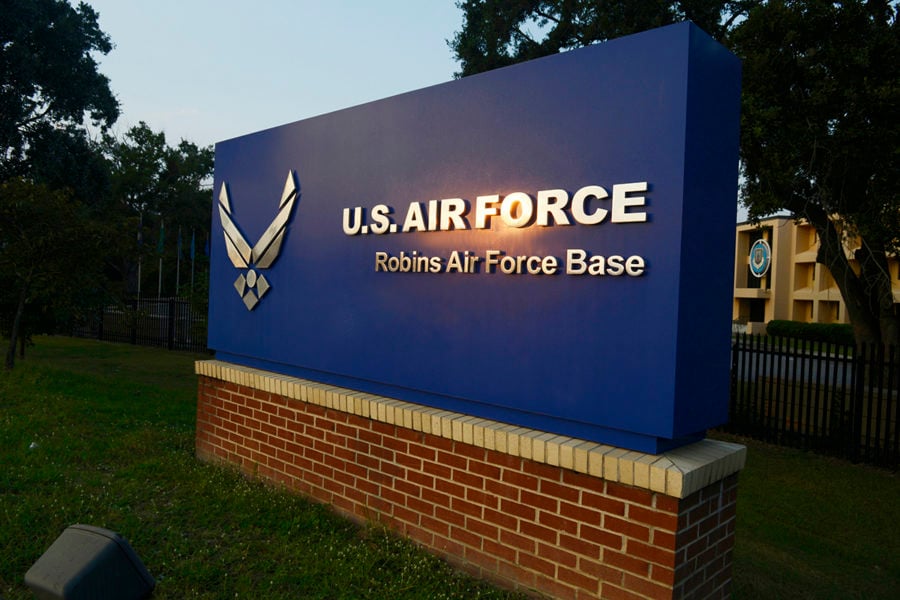
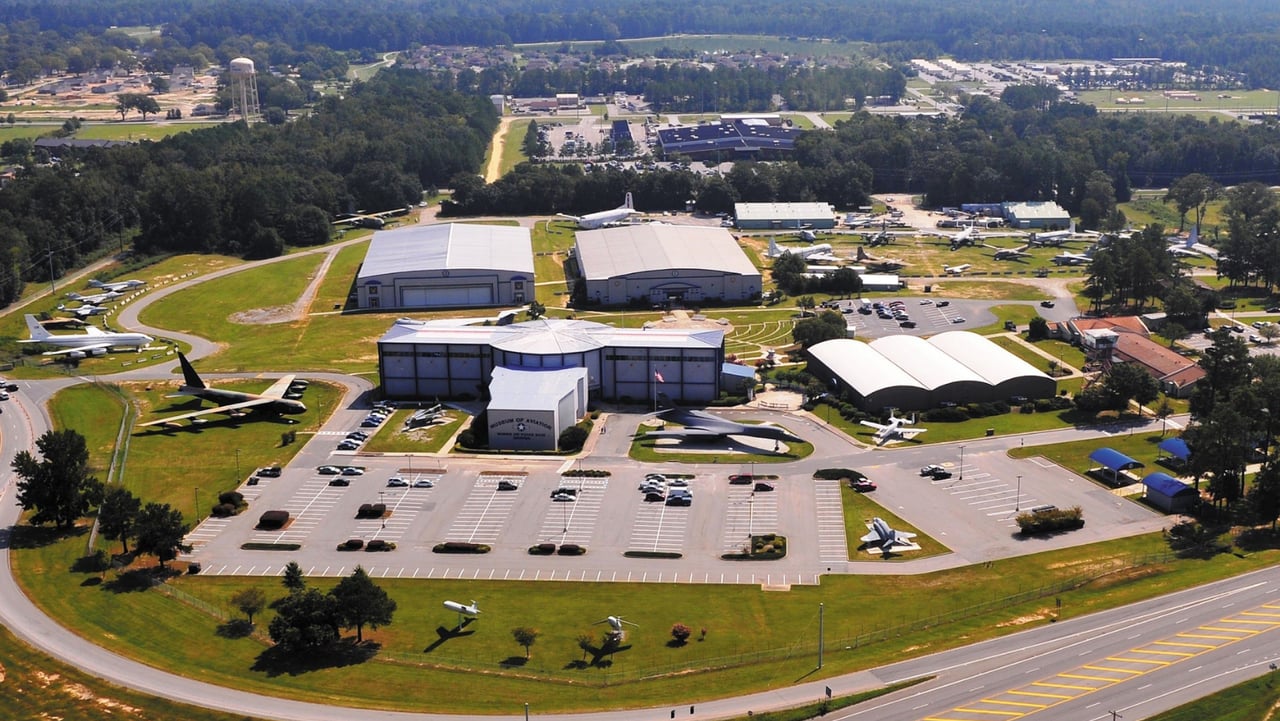
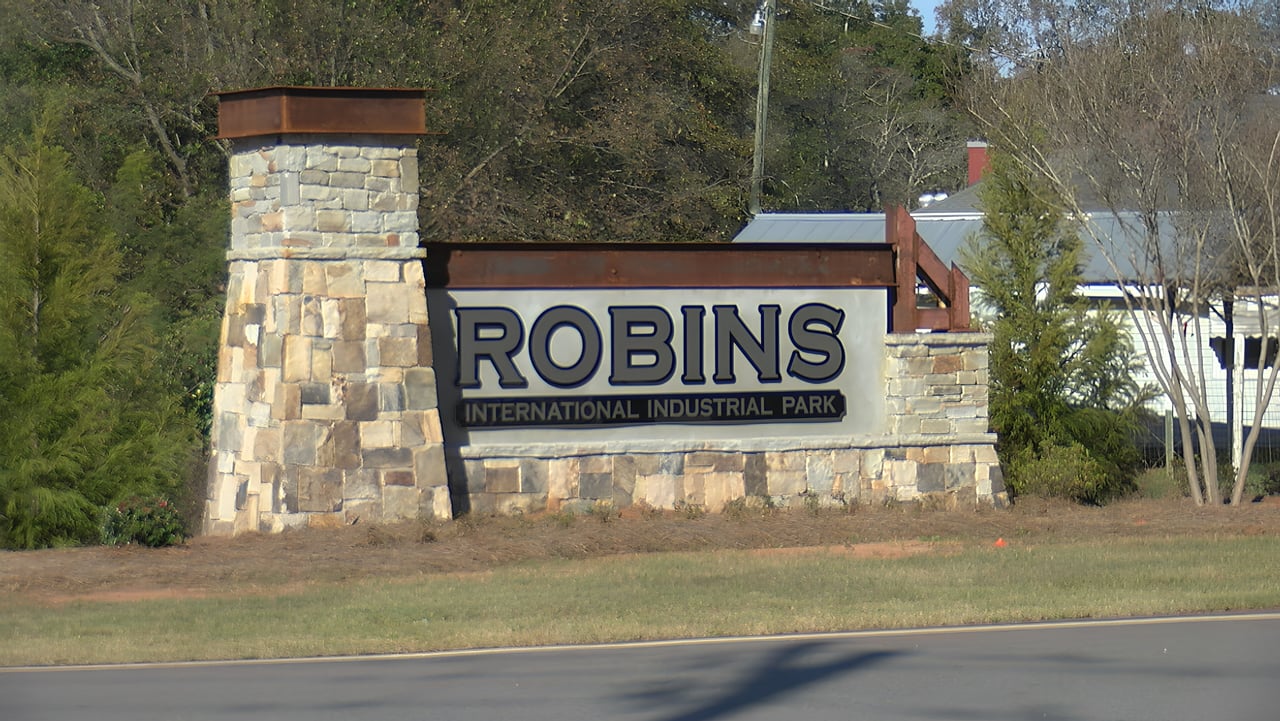
A: Yes. Robins Air Force Base is the dominant economic driver in Houston County, and base-related employment and household formation contribute to traffic and residential growth patterns across the county. Growth corridors and infrastructure investments are often connected to the broader demand the base helps generate.
About the Author
William Walton-Dean is a licensed REALTOR® with Walton Dean Realty, operating under Century 21 Homes and Investments, serving buyers and sellers across Houston County, Georgia, including Perry, Warner Robins, Bonaire, Kathleen, Byron, and the surrounding Middle Georgia housing market. Specializing in hyper-local market analysis, military relocation, and luxury residential transactions, he helps clients navigate the Houston County real estate market with clarity, accuracy, and confidence.
📱 478-371-7069
Walton Dean Realty | Century 21 Homes and Investments
Ready for a Personalized Home Search?
If you want to know which Houston County corridors are flagged for the next round of growth — and which neighborhoods sit in the path of appreciation before the broader market catches on — reach out. Reading these signals is one of the most useful things I do for clients.
William Walton-Dean | Walton Dean Realty
📱 478-371-7069
Your dreams. Our dedication. A luxury experience tailored for you.
This information is provided for general educational purposes regarding the Houston County, Georgia real estate market. It is not financial or investment advice. Infrastructure timelines, funding, and home values can change. Buyers and sellers should confirm current details with Houston County and a licensed real estate professional.