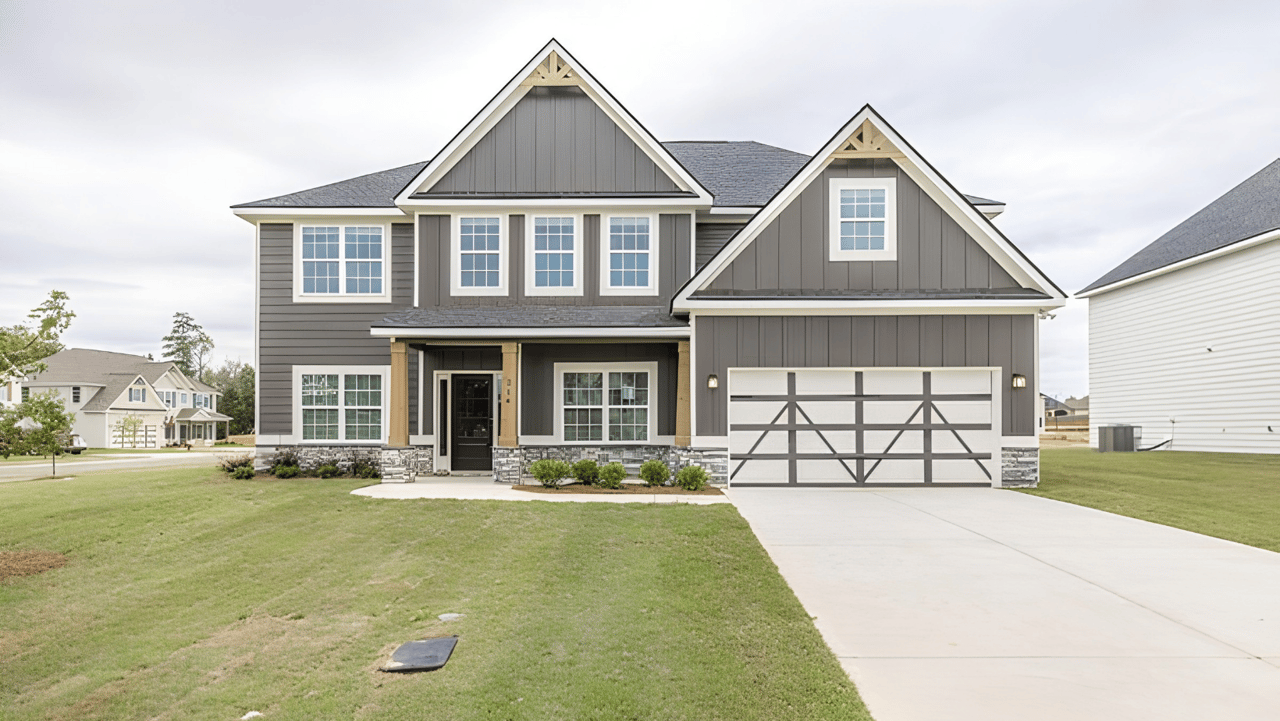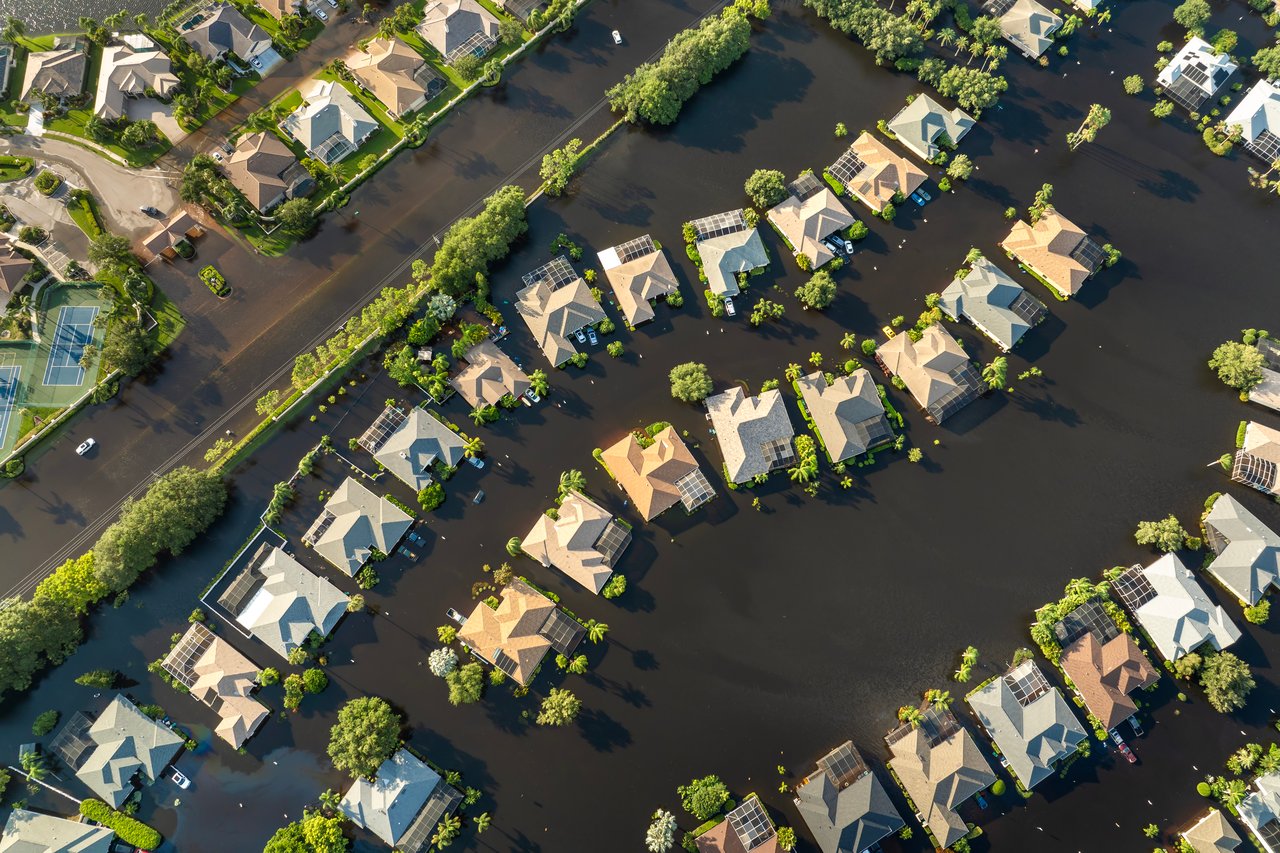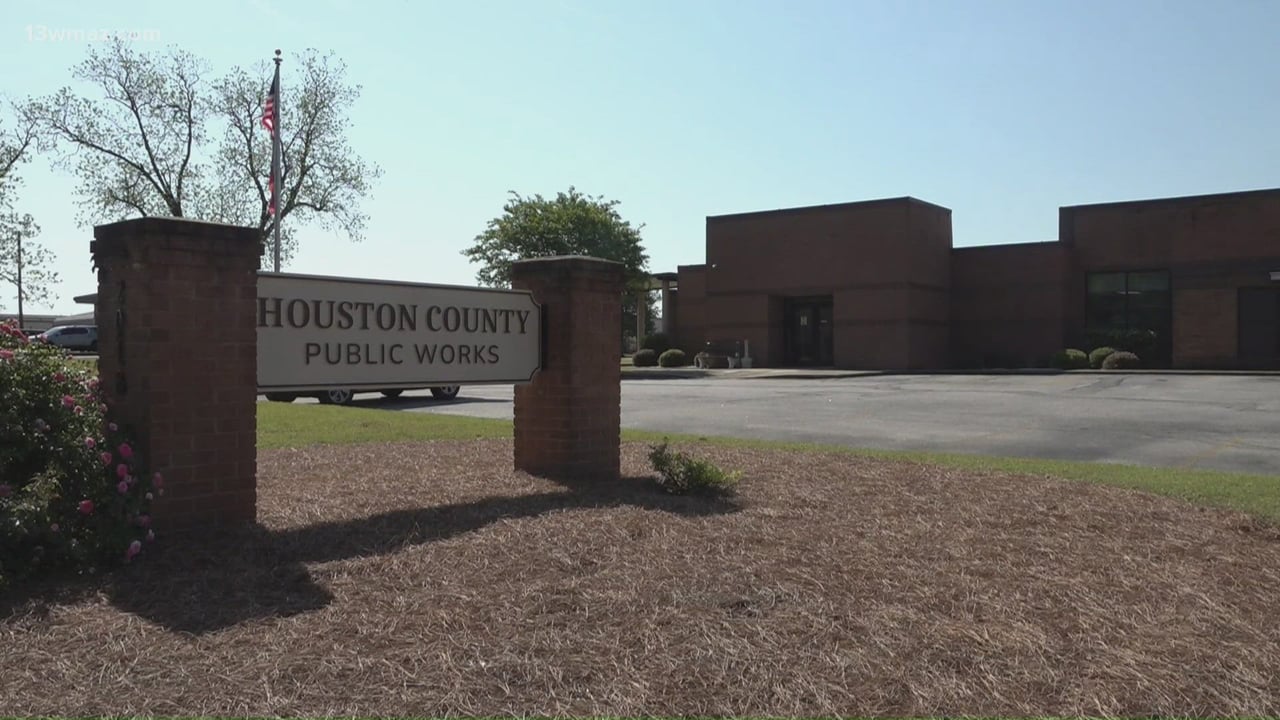
Houston County quietly rolled out a new water connection fee schedule in 2026, and it gets significantly more expensive between now and 2029. A standard one-inch meter connection currently costs $2,500. In three years, that same connection will run over $6,000. For larger-diameter connections serving commercial or multi-family developments, the increases are proportionally higher.
This is not an isolated change. It is one piece of a coordinated infrastructure investment story that tells you something specific about where Houston County is headed.
What Prompted the New Fee Schedule
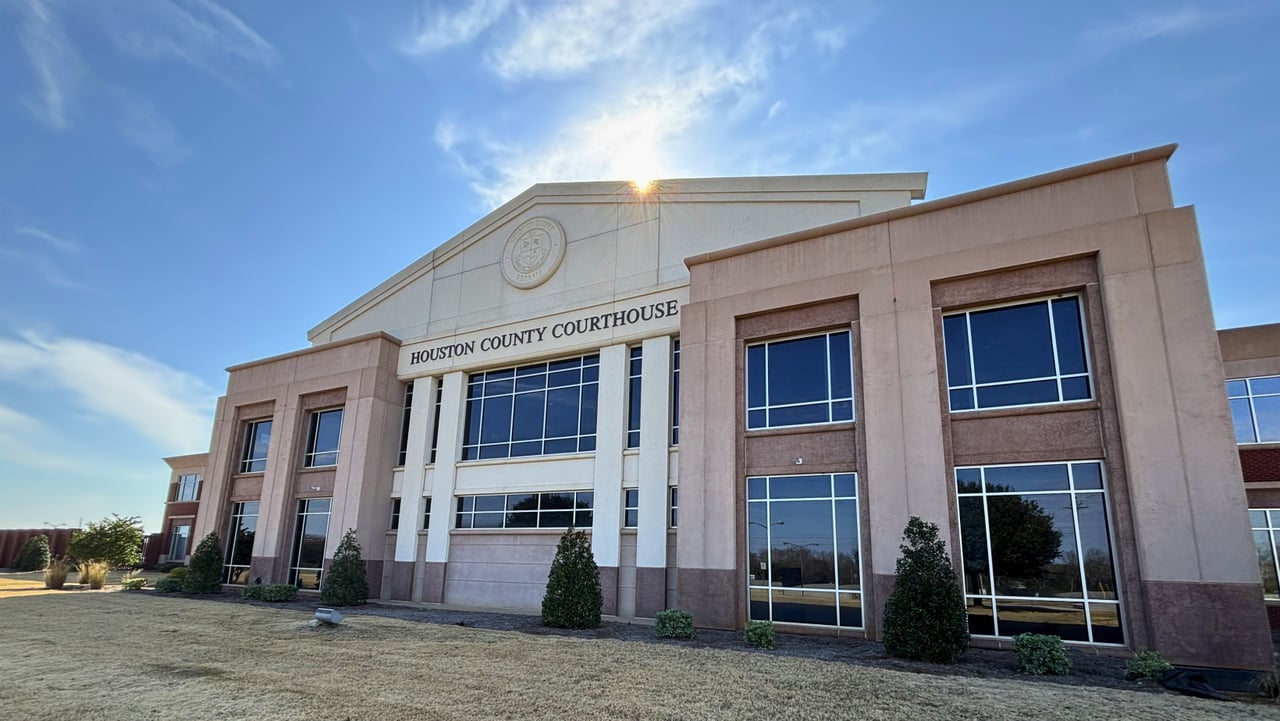
In January 2026, the Houston County Commission approved a new $15 million water treatment facility in Kathleen. Commission Chairman Dan Perdue was quoted directly: daily water consumption in the county jumped from 11 million gallons in January 2022 to 15 million gallons by January 2025. That is a 36 percent increase in three years.
Infrastructure of that scale costs money. Connection fees are the mechanism by which the county recovers that investment from the development activity that necessitated it. The fee schedule, which more than doubles by 2029, is designed to front-load cost recovery from the developers who will generate the demand the new facility was built to serve.
Connection Type | 2026 Fee | 2029 Fee |
|---|---|---|
Standard 1-inch meter | $2,500 | $6,000+ |
Perry sewer connection | $2,500 (effective Jan. 2026) | TBD per Perry rate schedule |
Larger diameter commercial lines | Significantly higher | Proportionally higher increase |
How Rising Connection Fees Move the New Construction Market
Connection fees are a cost that has to be absorbed somewhere in the transaction chain. Builders have three options when fees increase: absorb the cost and reduce their margin, reduce the specification of the home to offset the fee, or pass the cost to the buyer in the form of a higher purchase price.
In a competitive market where builders are already operating on tight margins and material costs remain elevated, absorption is the least likely outcome. Most of the fee increase lands in the buyer's purchase price, sometimes explicitly and sometimes embedded in base pricing adjustments.
For buyers comparing new construction to existing homes, this means the cost premium for new construction is widening. Every dollar added to the connection fee schedule is a dollar that pushes new home prices higher relative to existing inventory.
What This Means for Sellers of Existing Homes
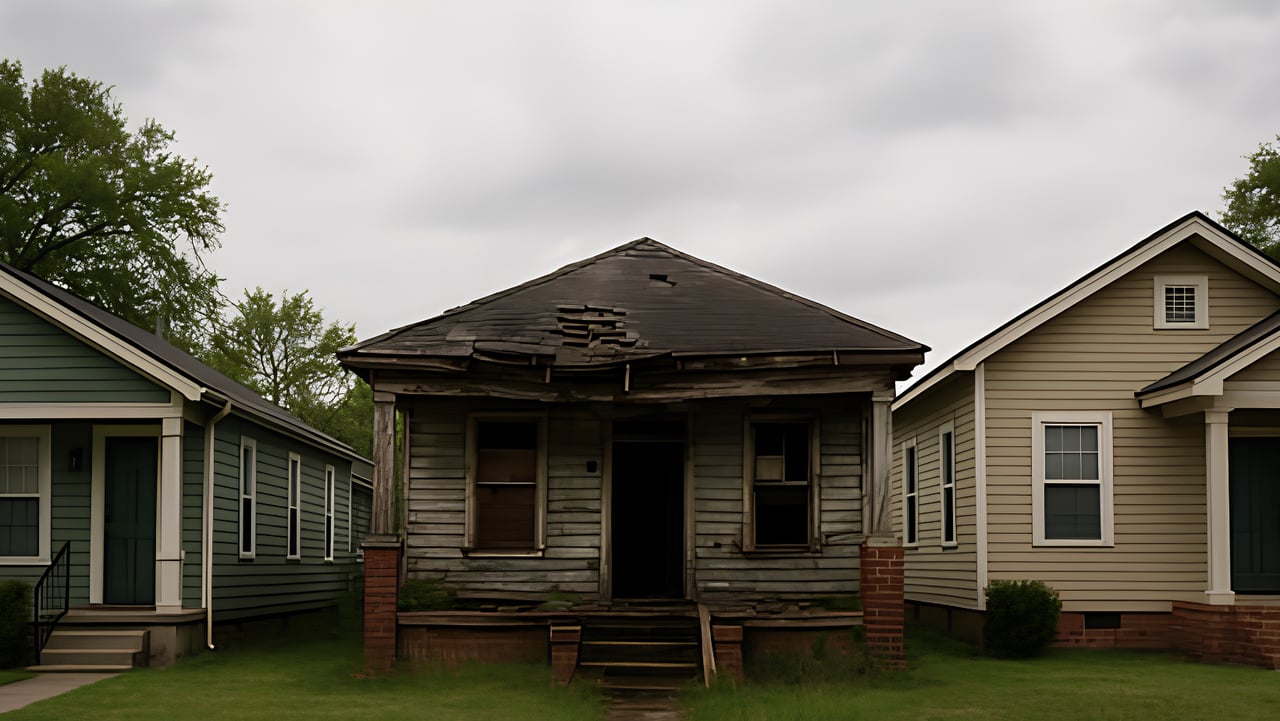
When new construction gets more expensive, existing homes get more competitive. A buyer who might have stretched into a new build begins comparing the total cost of ownership more carefully, and an existing home of comparable size and location starts looking like a better value.
This dynamic is most pronounced in the entry-level and mid-range markets, where buyers are most sensitive to price differences and where new construction premiums have the most impact. Sellers in Warner Robins, Centerville, and Perry in the $200,000 to $350,000 price range are positioned to benefit from this shift.
What to Watch Going Forward
• Builder pricing announcements for new communities in Houston County. Watch for adjustments that reflect the new fee schedule.
• Permit filing volume. If connection fees slow the pace of new permit filings, existing inventory tightens and prices follow.
• The 2029 fee schedule implementation. The increase to $6,000+ is not yet in effect. As it approaches, watch for a pre-implementation rush of permit filings.
• Additional fee adjustments. Water and sewer infrastructure investment is ongoing across the county. Further connection fee increases are possible before 2029.
The Bigger Picture for Houston County
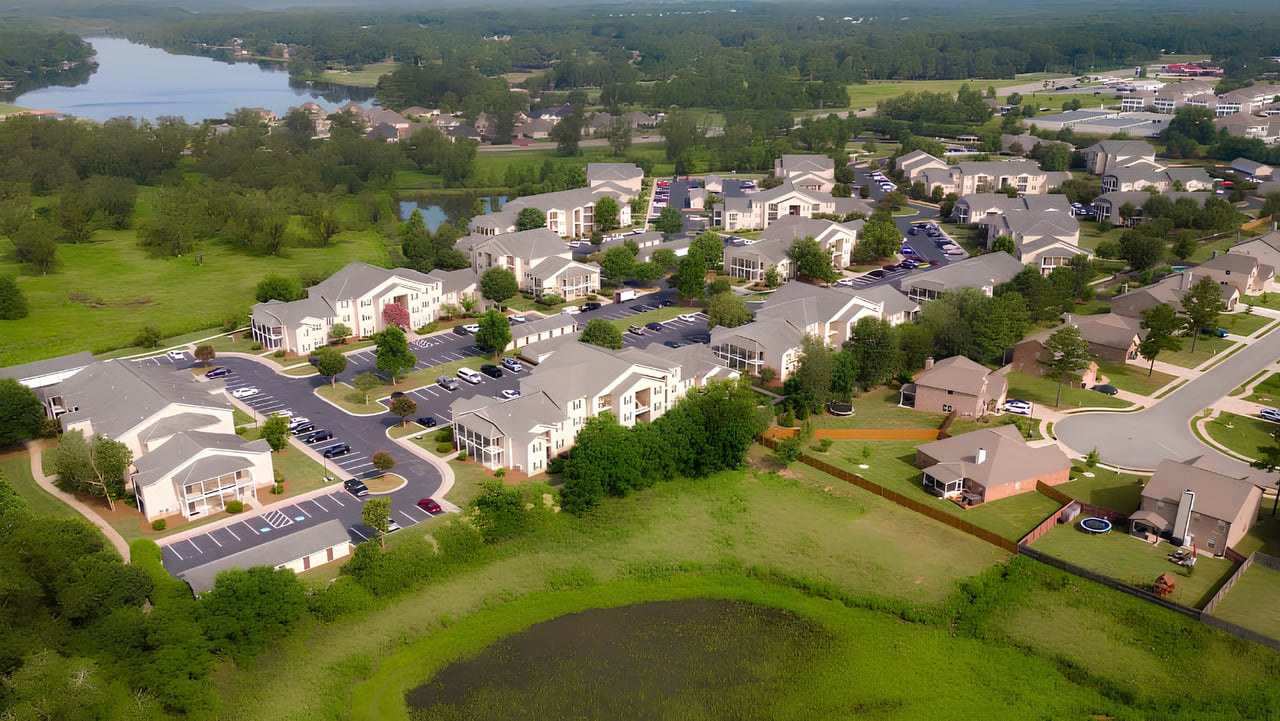
Houston County's infrastructure investment is accelerating across multiple systems simultaneously. The $15 million water treatment facility. Perry's $50 million wastewater plant. Centerville's first stormwater rate increase in a decade. These are not isolated decisions. They are coordinated responses to a county that is growing faster than its existing infrastructure was designed to handle.
The connection fee increases are the cost signal that confirms the growth is real. A county does not build $65 million in new water and wastewater infrastructure unless its growth projections justify the investment.
How This Applies to Houston County Buyers and Sellers Right Now
If You're Considering New Construction
The current $2,500 connection fee is the lowest it will be for the foreseeable future. Building or buying new construction before the 2029 fee schedule takes effect locks in the current infrastructure cost. After 2029, the same home costs meaningfully more to connect to the grid.
If You're Selling an Existing Home
New construction is getting more expensive in your market. That is a direct competitive advantage for existing inventory. If you're planning to list, the current environment, where new construction premiums are widening, is favorable for sellers.
If You're an Investor or Developer
The pre-2029 window is the most cost-effective time to file permits and secure connections. Every project that can be permitted before the fee schedule doubles saves meaningful money per unit. The window is approximately three years and closing.
Frequently Asked Questions About Houston County Water Connection Fees
Q: What is Houston County's current water connection fee?
A: A standard one-inch meter connection currently costs $2,500. The fee schedule increases significantly through 2029, when the same connection will cost over $6,000.
Q: Why are connection fees increasing?
A: Houston County approved a new $15 million water treatment facility in January 2026 to handle surging demand. Daily water consumption rose from 11 million gallons in 2022 to 15 million gallons by early 2025. Connection fees are how the county recovers that infrastructure investment from the development activity that necessitated it.
Q: Does this affect existing homeowners?
A: Connection fees apply to new development, not existing connections. However, existing homeowners benefit indirectly. As new construction becomes more expensive, existing homes become more competitive on price.
Q: Where do these fees apply?
A: The county water connection fee applies to new developments across Warner Robins, Centerville, and Perry. Perry's separate $2,500 sewer connection fee applies within city limits.
Q: How does this affect new home prices?
A: Builders typically pass connection fee increases to buyers through higher base prices. As the fee schedule increases toward 2029, new construction in Houston County will carry a wider cost premium over existing homes.
Q: Who can I talk to about new construction versus existing homes in Houston County?
A: William Walton-Dean at Walton Dean Realty works with buyers across all of Houston County and can help you evaluate the total cost comparison between new construction and existing inventory in your target price range.
Source: 13WMAZ, "New water connection fees implemented as Houston County grows," April 14, 2026. 13WMAZ, "Houston County funds new $15 million water facility to meet surging water demand," January 27, 2026.
Disclaimer: This post is for informational purposes only and does not constitute legal, financial, or investment advice. Always consult a licensed professional before making real estate decisions.
About the Author
William Walton-Dean is a licensed REALTOR® with Walton Dean Realty, operating under Real Broker LLC, serving buyers and sellers across Houston County, Georgia, including Perry, Warner Robins, Bonaire, Kathleen, Byron, and the surrounding Middle Georgia housing market. Known for a data-driven, hyper-local approach and deep expertise in the military and PCS relocation market around Robins Air Force Base, he helps buyers and sellers at every price point make clear, confident decisions backed by real market insight.
📱 478-371-7069
Walton Dean Realty | Real Broker LLC
Buying or Selling in an HOA Community in Houston County? Let's Talk.
An association is not a line item on a listing sheet. It is an entity with real authority over your property, and the rules governing it just changed for the first time in Georgia's history. Reach out and we will make sure you know exactly what you are buying into, or exactly what needs clearing before you list.
William Walton-Dean | Walton Dean Realty | 📱 478-371-7069 | 📧 [email protected]
"A More Strategic Approach to Real Estate"
Disclaimer: This article is provided for general informational purposes only and does not constitute legal, financial, or tax advice. William Walton-Dean is a licensed real estate agent and is not an attorney. Nothing here creates an attorney-client relationship or should be relied upon as a legal interpretation of Senate Bill 406 or any other Georgia statute. The provisions described reflect publicly available reporting and published legal commentary as of July 2026, and implementation details are expected to develop ahead of the January 1, 2027 effective date. Homeowners association governing documents vary considerably, and the application of this law to any specific association, dispute, lien, or property is a legal question. Anyone facing an association dispute, a lien, fines, or foreclosure should consult a licensed Georgia attorney. Questions about a specific association's registration status should be directed to that association or to the Georgia Secretary of State's office.