
Georgia now has its first statewide law governing homeowners associations. Senate Bill 406, formally the Georgia Property Owners' Bill of Rights Act, was signed into law on May 12, 2026, and it takes effect in stages. One provision has been active since July 1, 2026. The majority of the law arrives January 1, 2027.
Until now, Georgia HOAs operated under a patchwork of statutes with no universal registration requirement and no state-level complaint process. The new law changes both. It requires associations to register with the Secretary of State in order to keep the powers homeowners feel most directly, including the ability to levy fines, record liens, and pursue foreclosure. It also builds a formal complaint and appeal path that runs through a state office rather than through the association itself.
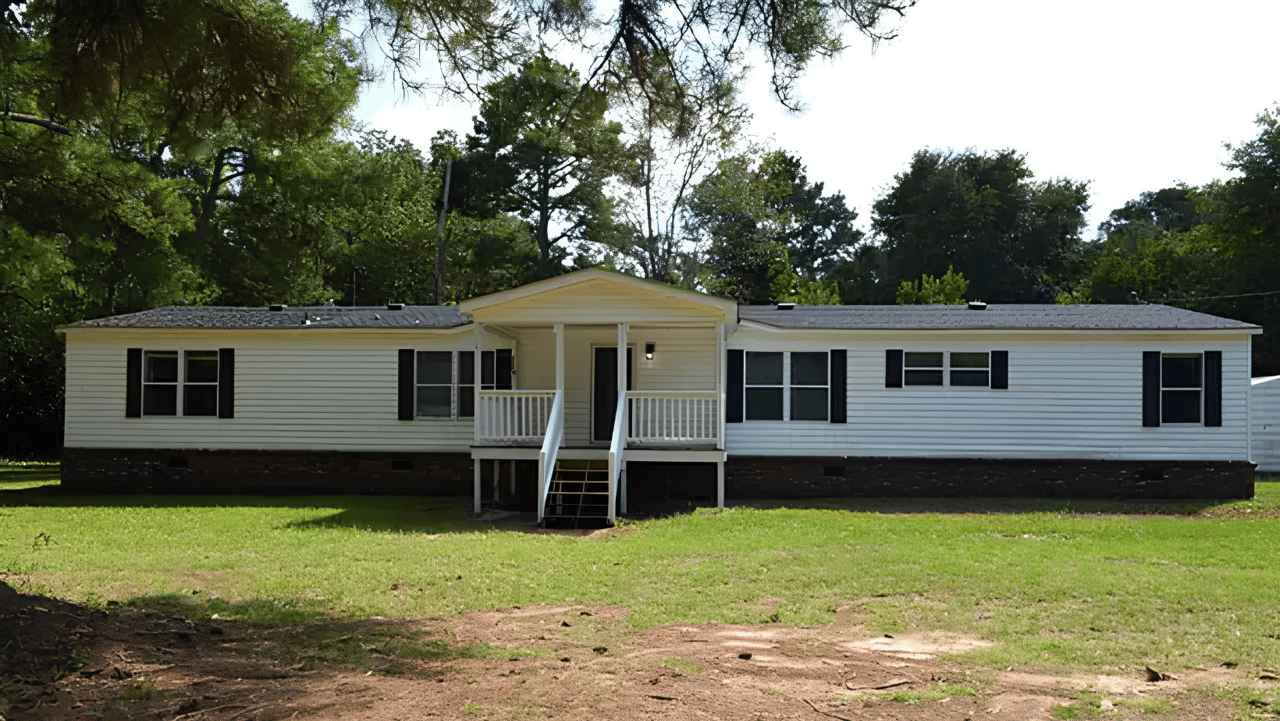
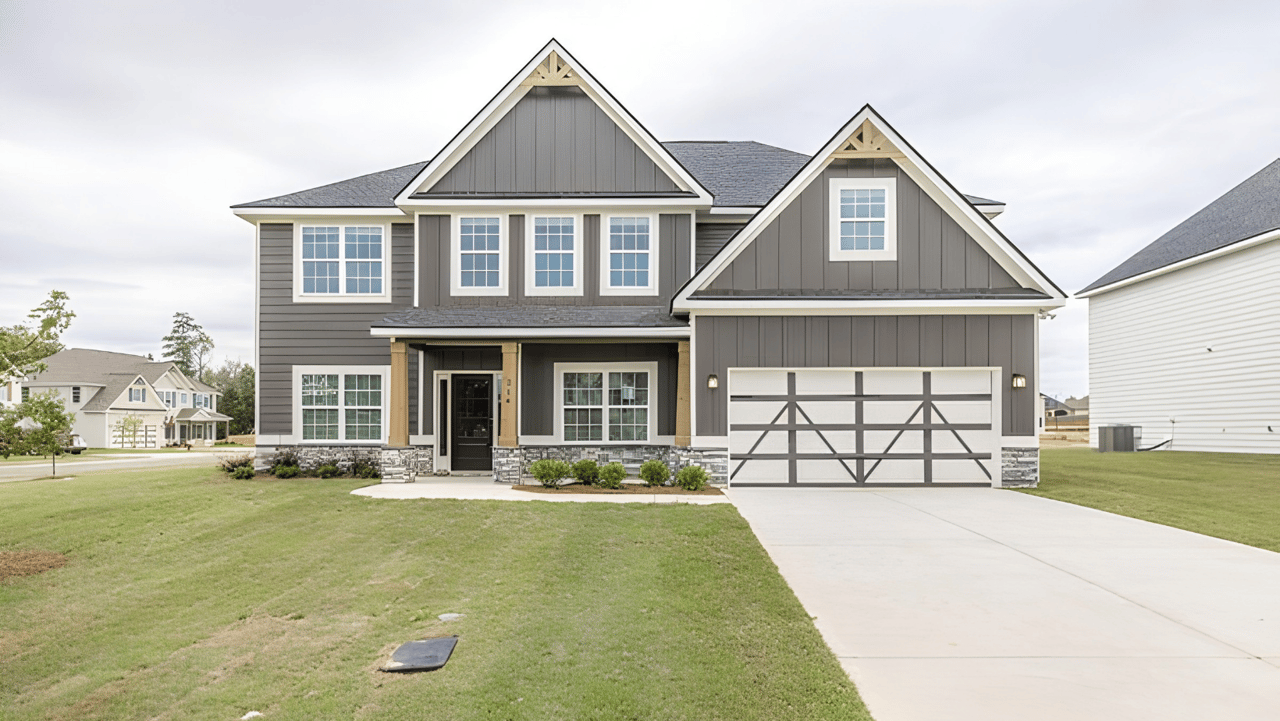
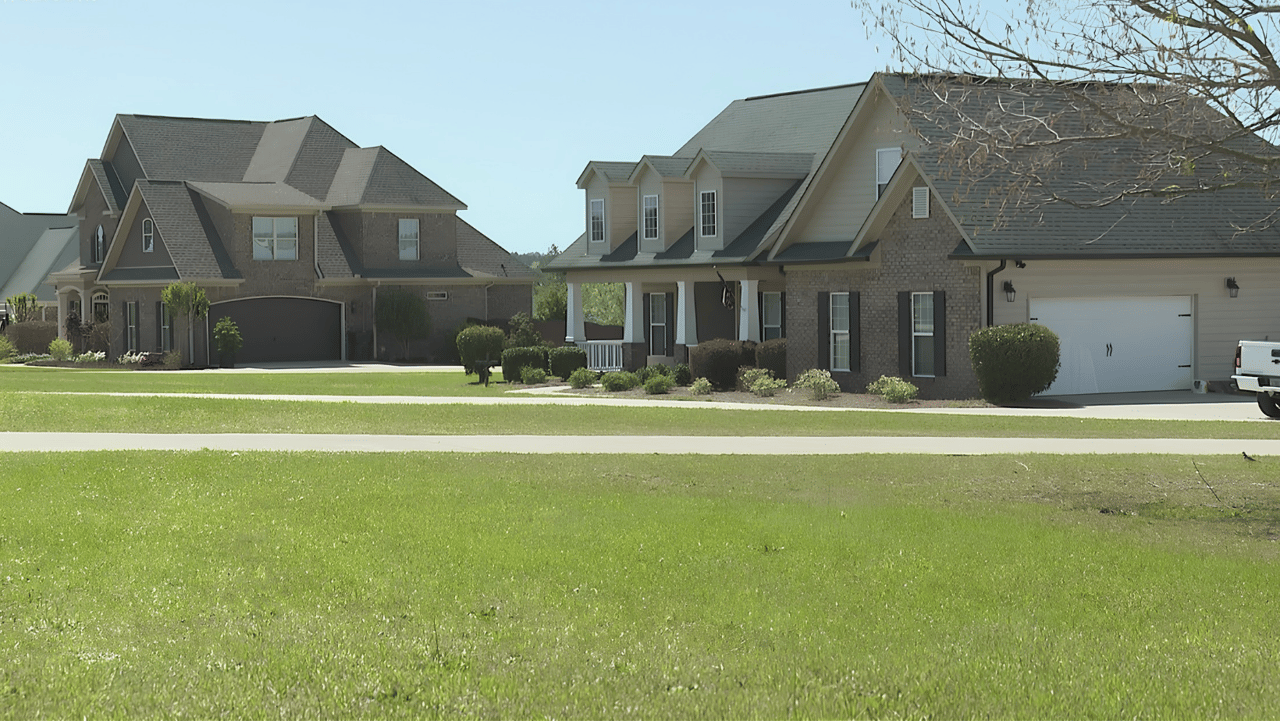
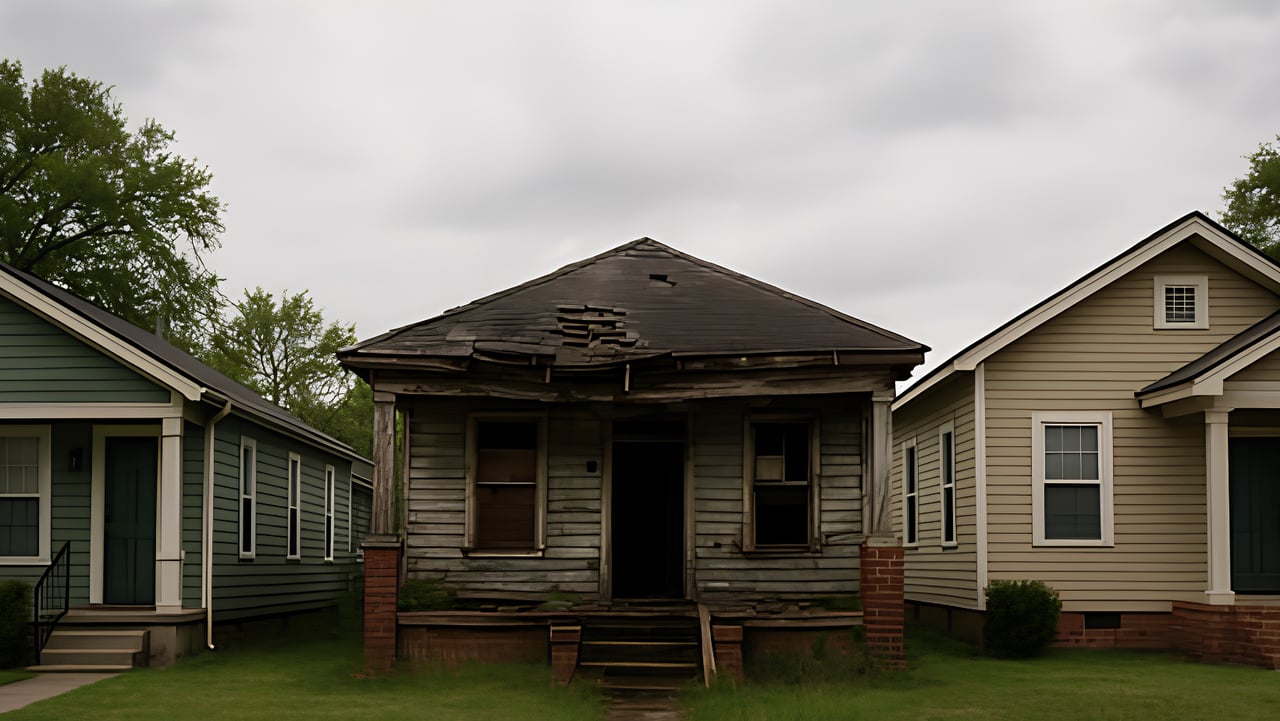
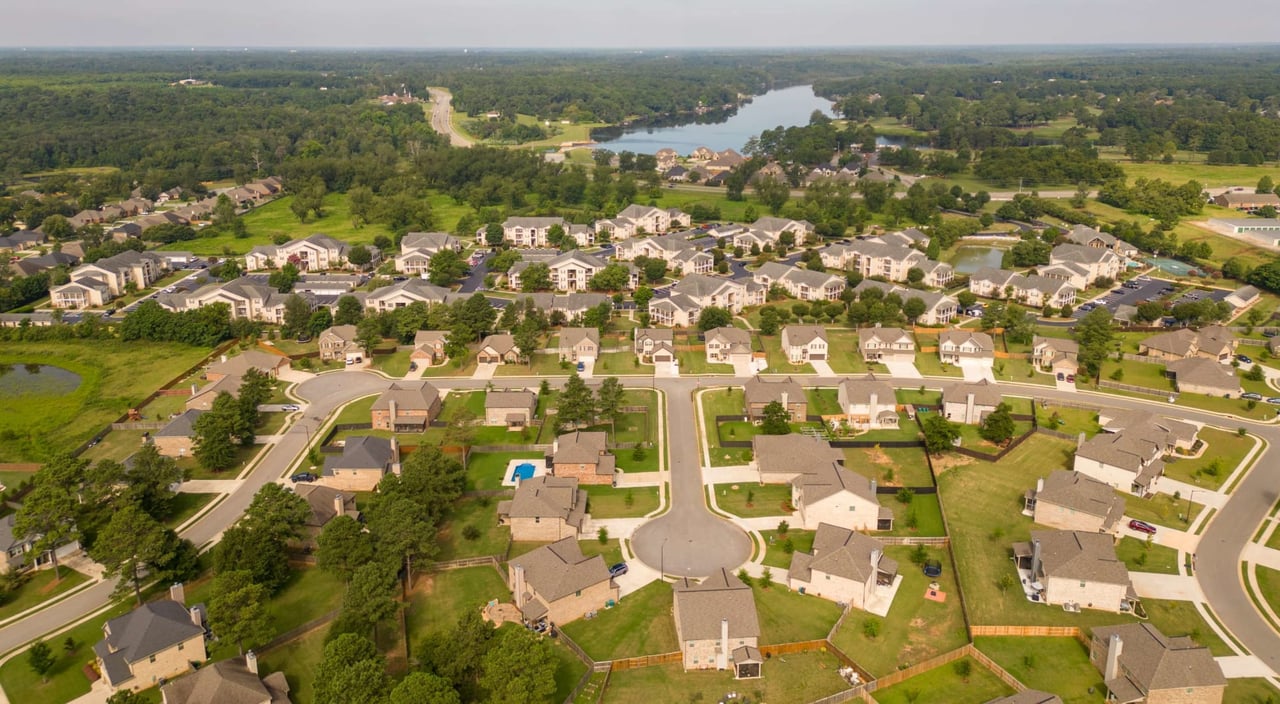
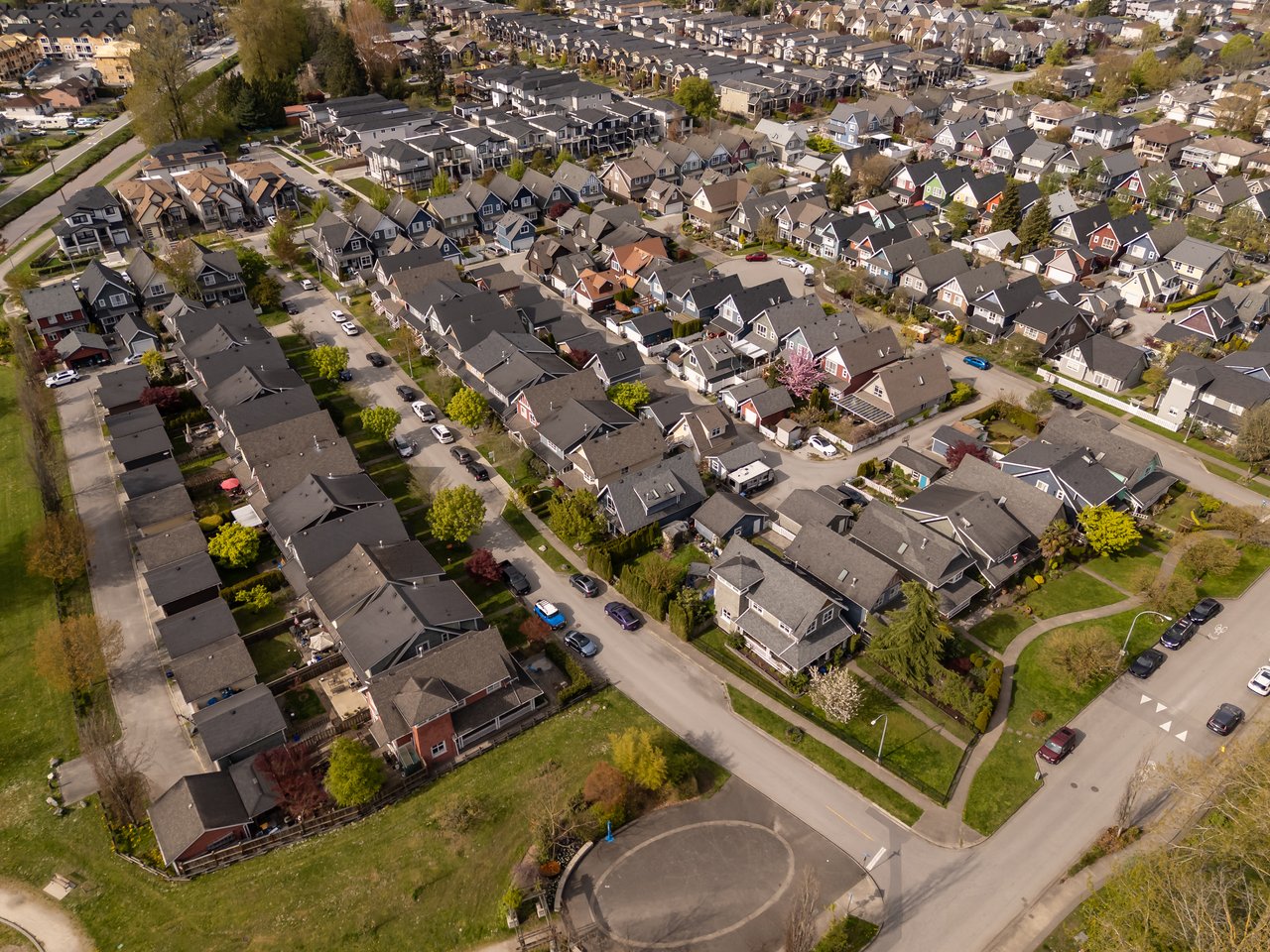
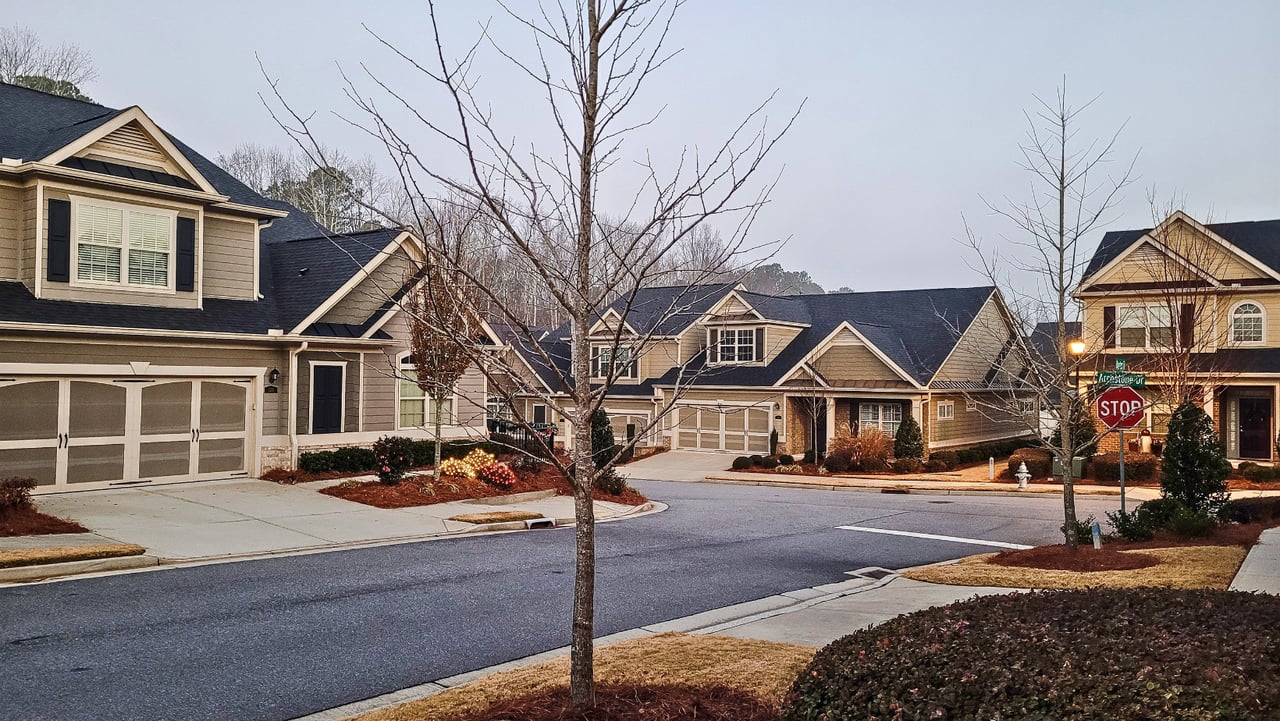
For Houston County, this lands unevenly by design. Much of the older housing stock in Warner Robins and Centerville sits outside any association, while the newer subdivisions in Kathleen, Bonaire, and Perry are largely HOA-governed. Roughly half this county will feel this law and half will not notice it at all. The homeowners I hear from on this subject are rarely asking what their dues cover. They are asking what happens when a disagreement escalates, and that is precisely the question this law was written to answer.
What Is the Georgia Property Owners' Bill of Rights Act?
Senate Bill 406 is the first law to impose uniform requirements on homeowners associations across Georgia. Its central mechanism is registration. Beginning January 1, 2027, an association that wants to assess or collect fines and fees, record a lien against a member's property, or initiate foreclosure must be registered with the Secretary of State. Associations that choose not to register are required to notify the Secretary of State in writing, at which point they are classified as nonregistered owners' associations and lose the authority to assess or collect fines and fees at all.
Registration is not a one-time formality. Registered associations must renew each year by December 31 and must report any change of name, address, or officers within 30 days.
The law also creates something Georgia homeowners have never had, which is a structured complaint, hearing, and appeal process administered through a state office rather than through the association's own board. The bulk of the law was delayed to January 2027 specifically to give the Secretary of State's office time to staff and build that apparatus.
Date | What changes |
May 12, 2026 | Senate Bill 406 signed into law as the Georgia Property Owners' Bill of Rights Act |
July 1, 2026 | Attorney's fee protections take effect for actions filed on or after this date. An association must send written notice by certified mail identifying outstanding fines or delinquent fees, allow 30 days to pay, and provide an itemized list of fees claimed. A court must find the fees reasonable before awarding them. |
January 1, 2027 | The bulk of the law takes effect. Associations must be registered with the Secretary of State to assess or collect fines and fees, record liens, or initiate foreclosure. Financial record retention extends to 10 years. The complaint and appeal process through the Secretary of State becomes available. |
Each Dec. 31 | Registered associations must renew their registration annually, and report any change of name, address, or officers within 30 days |
Why Georgia Passed a Statewide HOA Law
The legislation traces to a pattern that reporting documented across the state. Homeowners were fined for maintenance issues such as faded shutters or a house that had not been pressure washed. Those who disputed the fines found themselves accumulating thousands of dollars in court costs, and in some cases the escalation put the home itself at risk. The problem was rarely the original fine. It was what the original fine turned into.
That is what the July 1, 2026 provision addresses. Before an association can pursue attorney's fees, it must now send written notice by certified mail identifying the outstanding fines or delinquent fees, give the homeowner 30 days to pay, and provide an itemized list of the fees being claimed. A court must then find those fees reasonable before awarding them. This provision applies to actions filed on or after July 1, 2026.
I want to be careful not to paint every association as the villain here, because most of them in this county are run by volunteers doing an unglamorous job for their neighbors. The law is not a verdict on HOAs. It is a floor under homeowners, and a well-run association should clear that floor without changing a thing.
What the Law Does Not Do
Two limits matter. First, the law is not retroactive. A homeowner already in litigation with an association when these provisions took effect is not covered by the new protections. The attorney's fee requirements apply to actions filed on or after July 1, 2026, not to disputes already underway.
Second, the law does not reduce dues, cap assessments, or eliminate an association's authority to enforce its covenants. A registered association operating properly retains the ability to levy fines, record liens, and pursue foreclosure for unpaid dues. What changes is the procedure, the paper trail, and the existence of a state-level forum when a homeowner believes the process has gone wrong.
Will a Fight With My HOA Hold Up My Closing?
It can, and this is the seller-side reality of the new law. An unresolved dispute with an association does not stay between the homeowner and the board. Unpaid dues, fines, and any associated fees can attach to the property as a lien, and a lien surfaces in the title search. It must be resolved or paid from proceeds before a sale closes.
The new law changes the calculus in a seller's favor in one specific respect. An association that is not registered as of January 1, 2027 cannot record a lien or collect fines and fees. For a seller in a small self-managed community in Kathleen or Bonaire, the registration status of that association becomes a practical question with a dollar figure attached to it.
My advice to sellers is unromantic. If you have an open disagreement with your association and you intend to list, deal with it before you go on the market rather than during due diligence. A lien discovered two weeks from closing turns into a renegotiation, and buyers rarely respond generously to surprises that came from the seller's side of the table. That said, the moment a dispute becomes a legal question, it belongs with a real estate attorney and not with me.
What Should I Ask About an HOA Before I Buy?
The standard advice is to ask what the dues are and what they cover. That question is still correct and it is now incomplete. Starting in 2027, a buyer should also be asking whether the association is registered with the Secretary of State, because registration determines whether that association can enforce anything financially against the home being purchased.
Beyond registration status, the documents matter more than the amenities. Review the covenants, the current budget, the reserve balance, the history of special assessments, and any pending litigation. An association with a thin reserve and aging common infrastructure is a future special assessment regardless of how attractive the monthly dues look today. Under the new law, financial records must be retained for 10 years beginning in 2027, which over time gives buyers a considerably longer window into how an association has actually been run.
The pattern I see with buyers, particularly those relocating here for Robins Air Force Base and moving quickly, is that the HOA gets treated as a line item rather than as an entity they are joining. It is worth about an hour of real attention during due diligence. I can flag what to look for, and a real estate attorney can tell you what the documents actually bind you to.
Frequently Asked Questions
Q: What is the Georgia Property Owners' Bill of Rights Act?
A: The Georgia Property Owners' Bill of Rights Act, enacted as Senate Bill 406, is the first statewide law establishing uniform requirements for homeowners associations across Georgia. It was signed into law on May 12, 2026. The law requires associations to register with the Georgia Secretary of State, establishes a formal complaint and appeal process at the state level, limits how and when attorney's fees can be pursued, and raises the threshold for foreclosure. It applies to HOA-governed communities throughout the state, including the newer subdivisions across Kathleen, Bonaire, Perry, and Houston County, Georgia.
Q: When does the new Georgia HOA law take effect?
A: The law takes effect in two stages. The attorney's fee provisions became effective July 1, 2026, and apply to actions filed on or after that date. The majority of the law, including the registration requirement and the state complaint process, takes effect January 1, 2027. The delay was built in to give the Secretary of State's office time to establish the staff and systems needed to administer registration and handle homeowner complaints.
Q: Do all HOAs in Georgia have to register with the Secretary of State?
A: Registration is required for any association that intends to assess or collect fines and fees, record liens, or initiate foreclosure proceedings against homeowners. An association may decline to register, but it must notify the Secretary of State in writing and is then classified as a nonregistered owners' association. Nonregistered associations are barred from assessing or collecting fines and fees. Registered associations must renew annually by December 31 and report any change of name, address, or officers within 30 days.
Q: What happens if my HOA does not register?
A: An unregistered association loses the enforcement powers that homeowners encounter most directly. It cannot collect fines, fees, or accelerated assessments, cannot record liens against member properties, and cannot initiate foreclosure proceedings. This makes registration status a material question for anyone buying into or selling within an HOA community in Houston County beginning in 2027. Homeowners with questions about a specific association's status should direct them to that association or to a licensed Georgia attorney.
Q: Can my HOA still charge me attorney's fees in Georgia?
A: Yes, but the process changed as of July 1, 2026. Before pursuing attorney's fees, an association must send written notice by certified mail identifying the outstanding fines or delinquent fees, provide the homeowner 30 days to pay, and supply an itemized list of the fees being claimed. A court must then find those fees reasonable before they can be awarded. These requirements apply to actions filed on or after July 1, 2026 and do not apply retroactively to disputes already in litigation.
Q: Is the new Georgia HOA law retroactive?
A: No. The law is not retroactive, and homeowners already engaged in litigation with an association at the time the provisions took effect are not covered by the new protections. The attorney's fee requirements apply only to actions filed on or after July 1, 2026. This is a significant limitation for any Georgia homeowner currently in an ongoing dispute, and anyone in that position should consult a licensed attorney about how the timing affects their specific circumstances.
Q: Can an HOA foreclose on my home in Georgia?
A: Yes. Georgia associations retain the ability to pursue foreclosure for unpaid dues, and the new law does not eliminate that authority. What the law changes is the threshold and the procedure. Senate Bill 406 raises the minimum amount of unpaid dues an association must be owed before it can file for foreclosure, and that threshold applies to dues rather than to fines or fees. Beginning January 1, 2027, an association that is not registered with the Secretary of State cannot initiate foreclosure at all.
Q: Why did Georgia pass a statewide HOA law?
A: Reporting on the legislation traced its origins to complaints from homeowners across Georgia who received fines for maintenance matters such as faded shutters or failing to pressure wash a home. Homeowners who disputed those fines frequently accumulated thousands of dollars in court costs, and the escalation placed some at risk of losing their homes. Homeowner advocacy groups pushed for the bill, and lawmakers heard testimony from families describing disputes that began small and grew without clear limits. The law is intended to establish procedural minimums rather than to eliminate association authority.
Q: How does the new HOA law affect buying a home in Houston County?
A: Beginning in 2027, buyers evaluating an HOA-governed home in Kathleen, Bonaire, Perry, or elsewhere in Houston County should confirm whether the association is registered with the Secretary of State, since registration determines whether the association can enforce fines, liens, or foreclosure against the property. Buyers should also review the covenants, current budget, reserve balance, special assessment history, and any pending litigation during due diligence. The extended 10-year record retention requirement will, over time, give buyers a longer view of how an association has managed its finances.
Q: How does an HOA dispute affect selling a home in Georgia?
A: Unpaid dues, fines, and associated fees can attach to a property as a lien, and any lien appears during the title search and must be resolved or paid from proceeds before closing. An unresolved association dispute therefore becomes a transaction problem rather than remaining a private disagreement. Sellers in Warner Robins, Kathleen, Bonaire, or anywhere in Houston County who have an open matter with their association are generally advised to address it before listing rather than during due diligence, when discovery can trigger renegotiation or termination.
Q: What records must a Georgia HOA keep under the new law?
A: Effective January 1, 2027, Georgia associations must retain financial records for at least 10 years, a substantial increase over prior practice at many associations. The law also requires registered associations to provide required records to the state so homeowners can review them, including governing documents and financial information. This provision reflects the legislature's emphasis on financial transparency and gives both current owners and prospective buyers a longer history against which to evaluate an association's management.
Q: How do I file a complaint against my HOA in Georgia?
A: The Georgia Property Owners' Bill of Rights Act establishes a formal complaint, hearing, and appeal process administered through the Secretary of State's office, which becomes available January 1, 2027. This is the first time Georgia homeowners have had a state-level forum for association disputes rather than being limited to the association's internal process or to civil litigation. Because procedures and forms will be published by the Secretary of State as the office implements the law, homeowners should confirm current requirements directly with that office and consult a licensed Georgia attorney regarding any specific dispute.
This article is reviewed and updated quarterly. Implementation details, registration procedures, and Secretary of State guidance are expected to develop ahead of the January 1, 2027 effective date. Figures and provisions current as of July 2026. Sources include Atlanta News First, News4Jax, and published legal analysis of Senate Bill 406.
About the Author
William Walton-Dean is a licensed REALTOR® with Walton Dean Realty, operating under Real Broker LLC, serving buyers and sellers across Houston County, Georgia, including Perry, Warner Robins, Bonaire, Kathleen, Byron, and the surrounding Middle Georgia housing market. Known for a data-driven, hyper-local approach and deep expertise in the military and PCS relocation market around Robins Air Force Base, he helps buyers and sellers at every price point make clear, confident decisions backed by real market insight.
📱 478-371-7069
Walton Dean Realty | Real Broker LLC
Buying or Selling in an HOA Community in Houston County? Let's Talk.
An association is not a line item on a listing sheet. It is an entity with real authority over your property, and the rules governing it just changed for the first time in Georgia's history. Reach out and we will make sure you know exactly what you are buying into, or exactly what needs clearing before you list.
William Walton-Dean | Walton Dean Realty | 📱 478-371-7069 | 📧 [email protected]
"A More Strategic Approach to Real Estate"
Disclaimer: This article is provided for general informational purposes only and does not constitute legal, financial, or tax advice. William Walton-Dean is a licensed real estate agent and is not an attorney. Nothing here creates an attorney-client relationship or should be relied upon as a legal interpretation of Senate Bill 406 or any other Georgia statute. The provisions described reflect publicly available reporting and published legal commentary as of July 2026, and implementation details are expected to develop ahead of the January 1, 2027 effective date. Homeowners association governing documents vary considerably, and the application of this law to any specific association, dispute, lien, or property is a legal question. Anyone facing an association dispute, a lien, fines, or foreclosure should consult a licensed Georgia attorney. Questions about a specific association's registration status should be directed to that association or to the Georgia Secretary of State's office.