
How Property Taxes Differ Inside vs. Outside City Limits
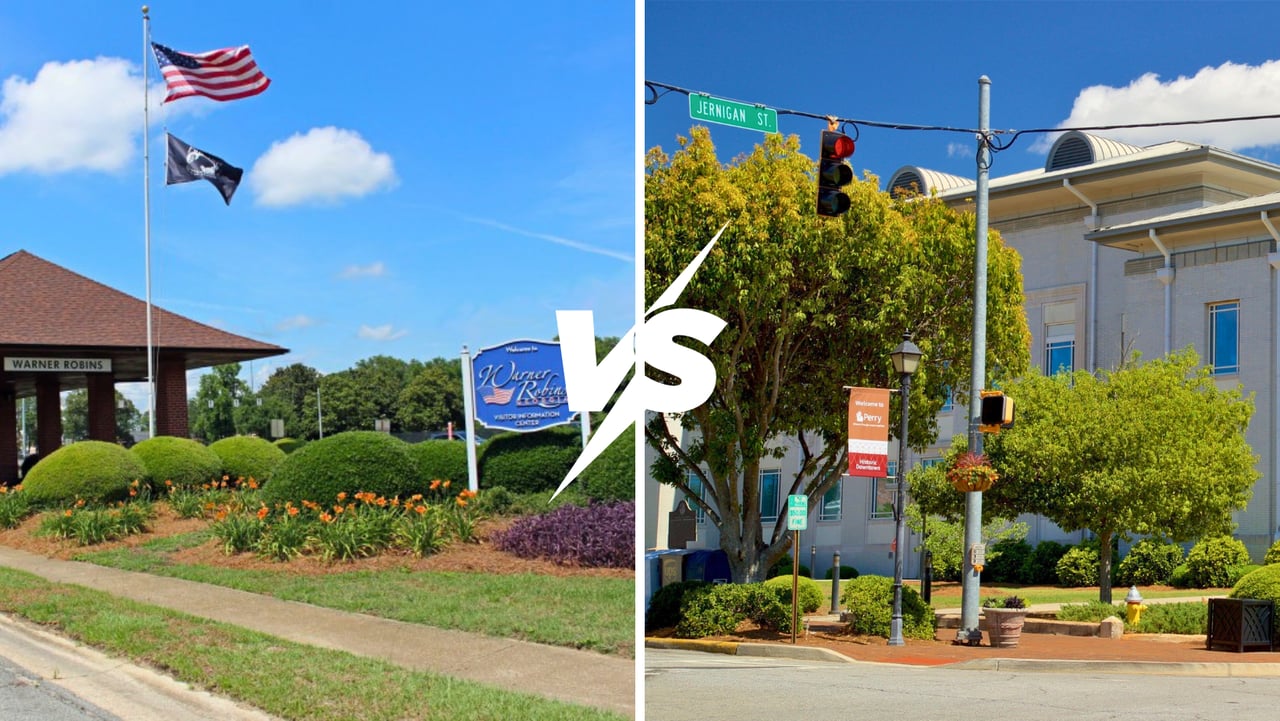
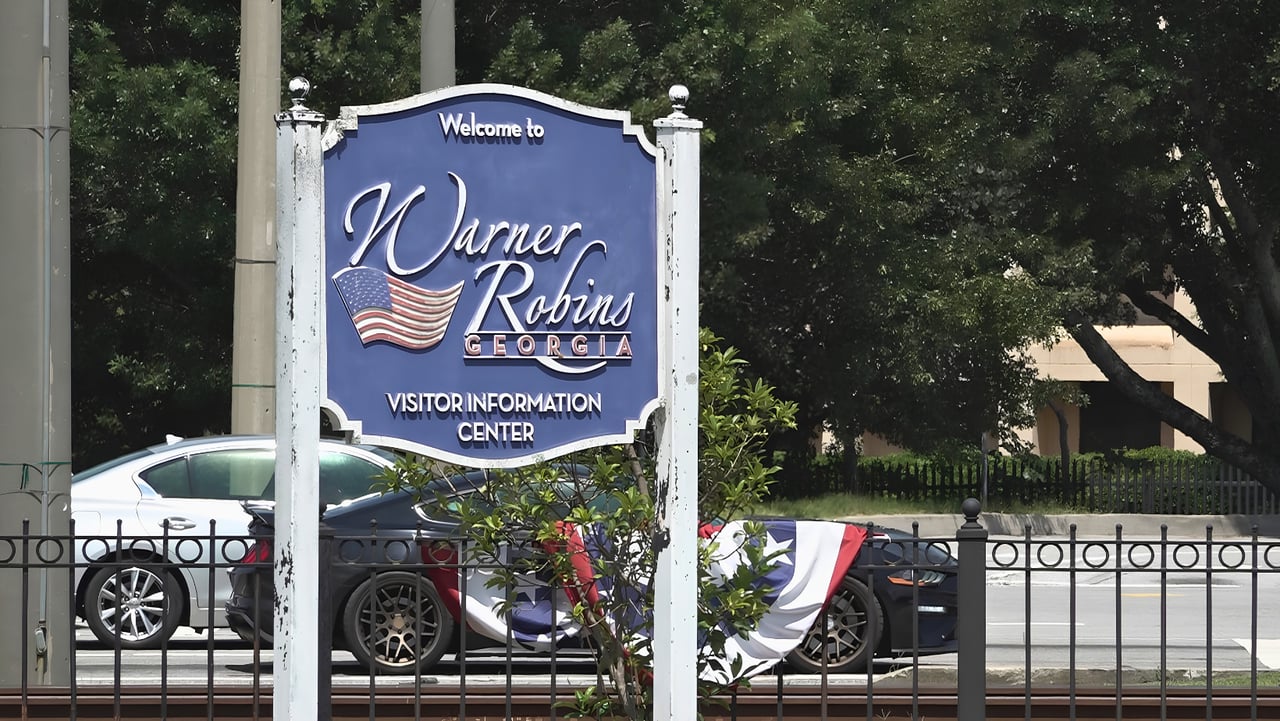
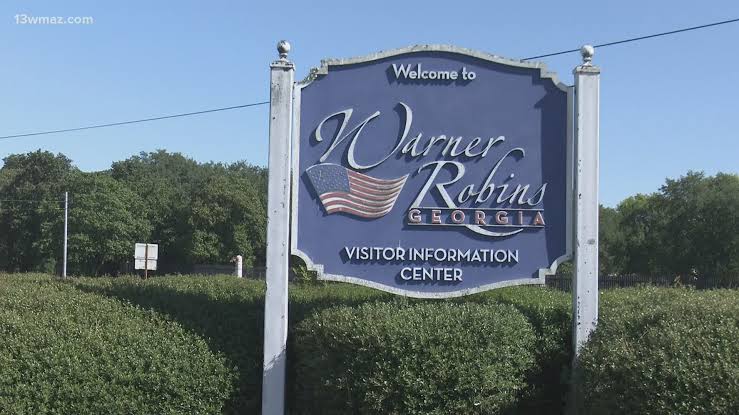
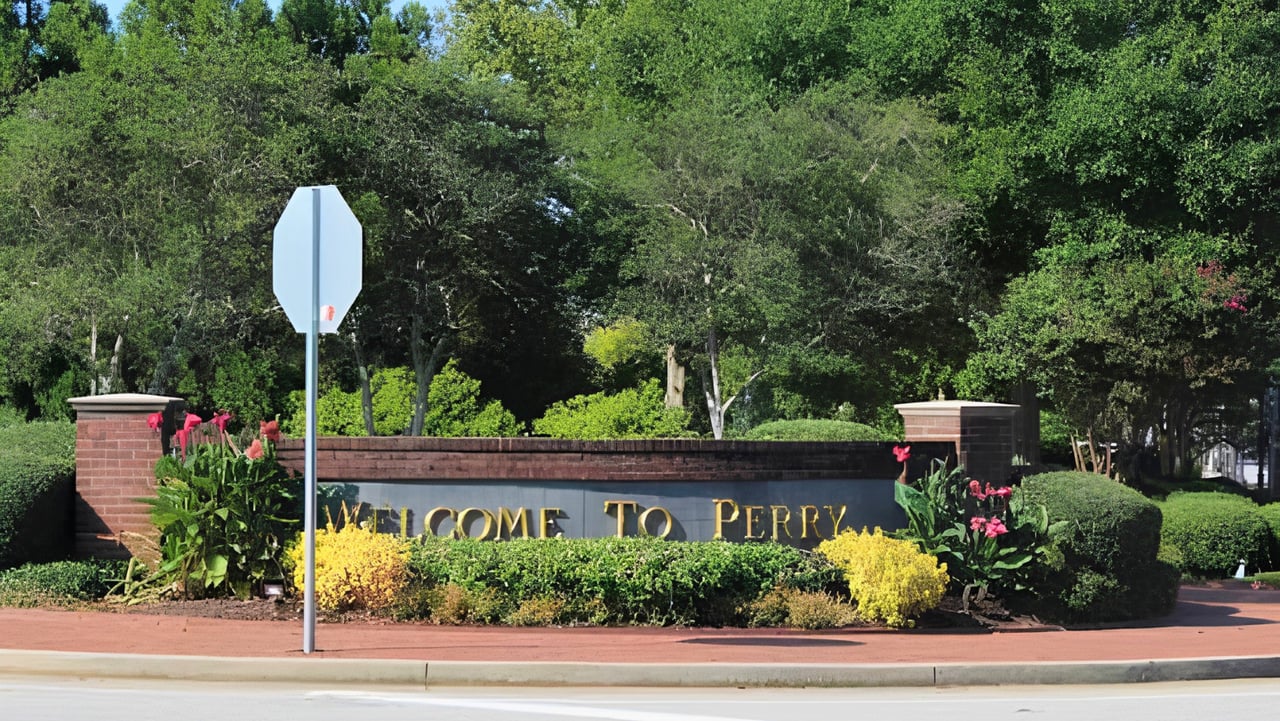
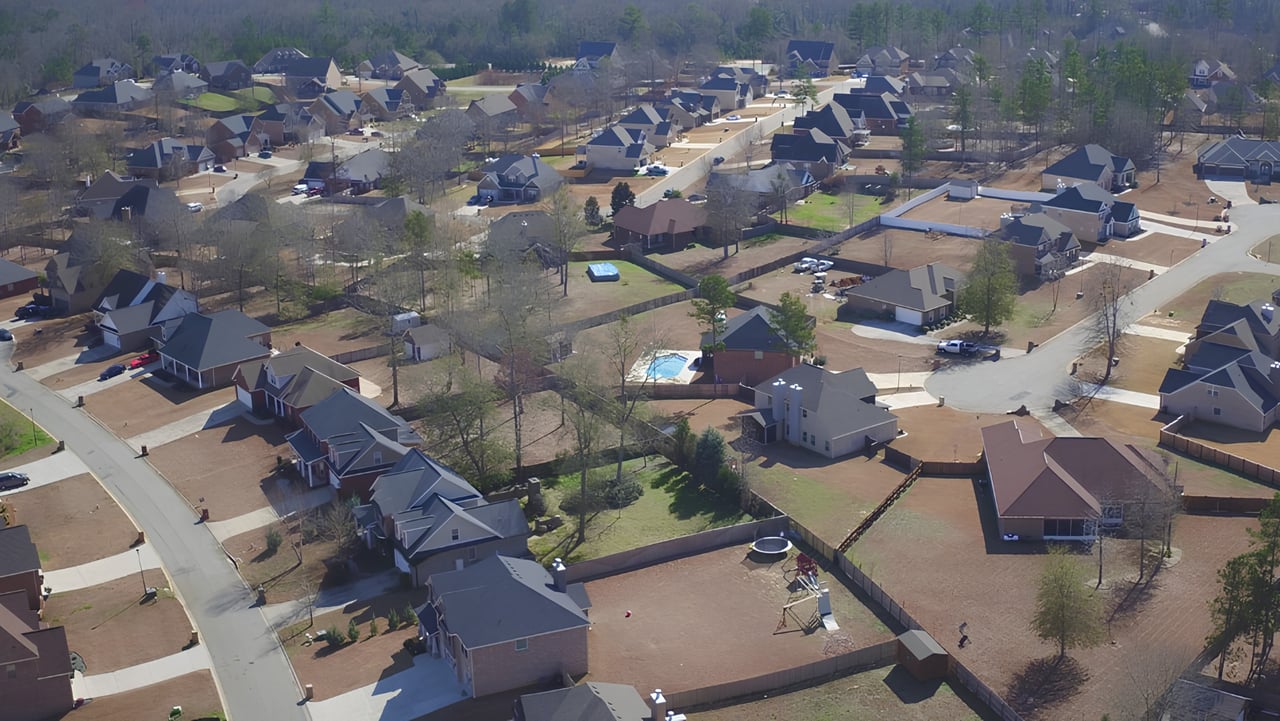
In Georgia, property taxes are levied by multiple taxing authorities, and a property owner pays each authority that has jurisdiction over the property. Every property in Houston County pays county taxes and county school taxes. A home located inside the Perry city limits additionally pays a City of Perry millage. To put concrete numbers on it, for 2025 the Houston County maintenance and operations millage was 8.45 mills, while the City of Perry set its millage at 12.697 mills. A home inside Perry city limits is subject to both, while a comparable home in unincorporated Houston County is not subject to the city's 12.697 mills at all. The same pattern applies inside Warner Robins or Centerville, each of which levies its own city millage on top of county taxes. Millage rates are set annually and change year to year, so current figures should always be confirmed.
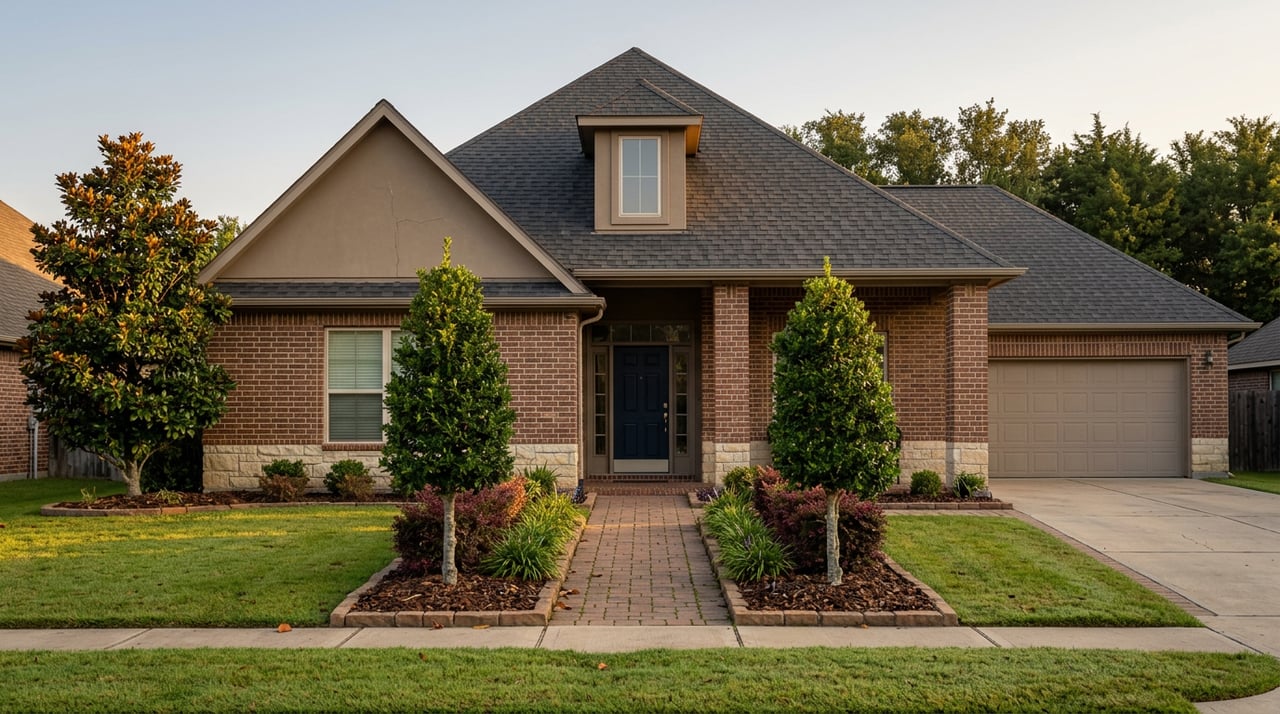
The practical effect, and the reason I flag it for every client, is that two otherwise identical homes on the same road can carry different total tax bills depending solely on which side of the city limit they fall. The home inside the city pays county plus city; the home outside pays county only. This is layered on top of the standard Georgia assessment structure, in which taxable value is set at 40 percent of fair market value before exemptions, and a millage rate is applied to that taxable value.
It Is Not Just Taxes: Utilities and Fees
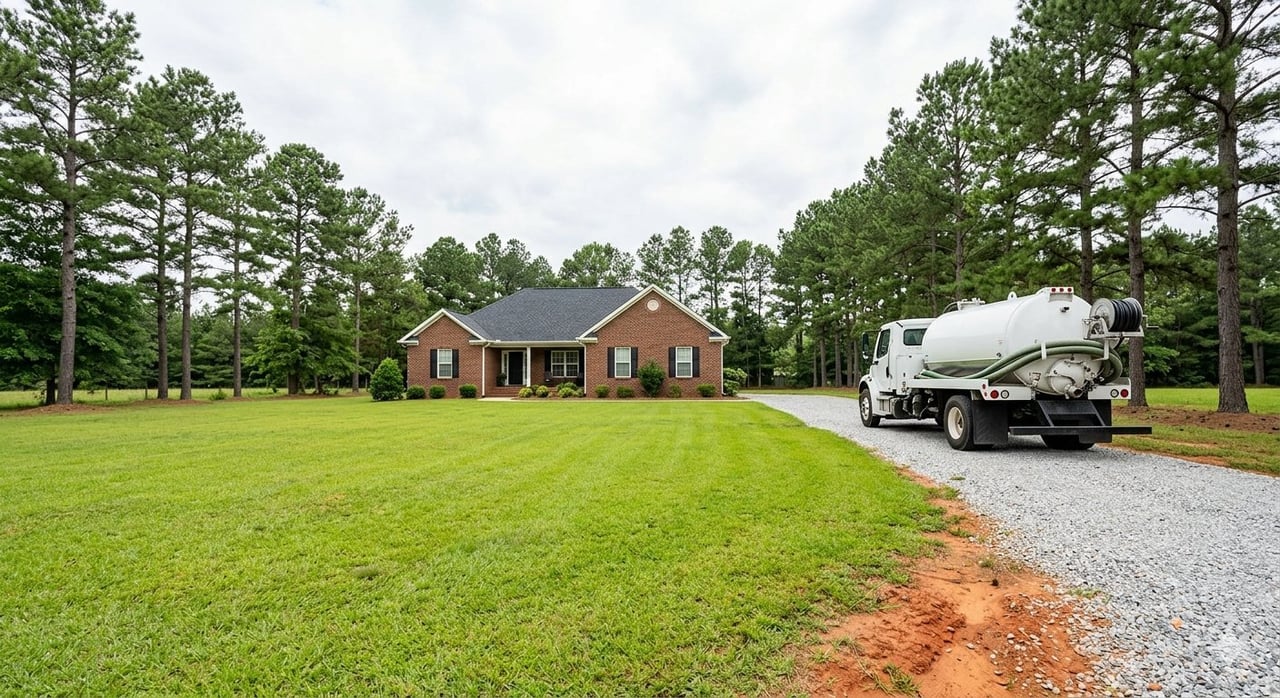
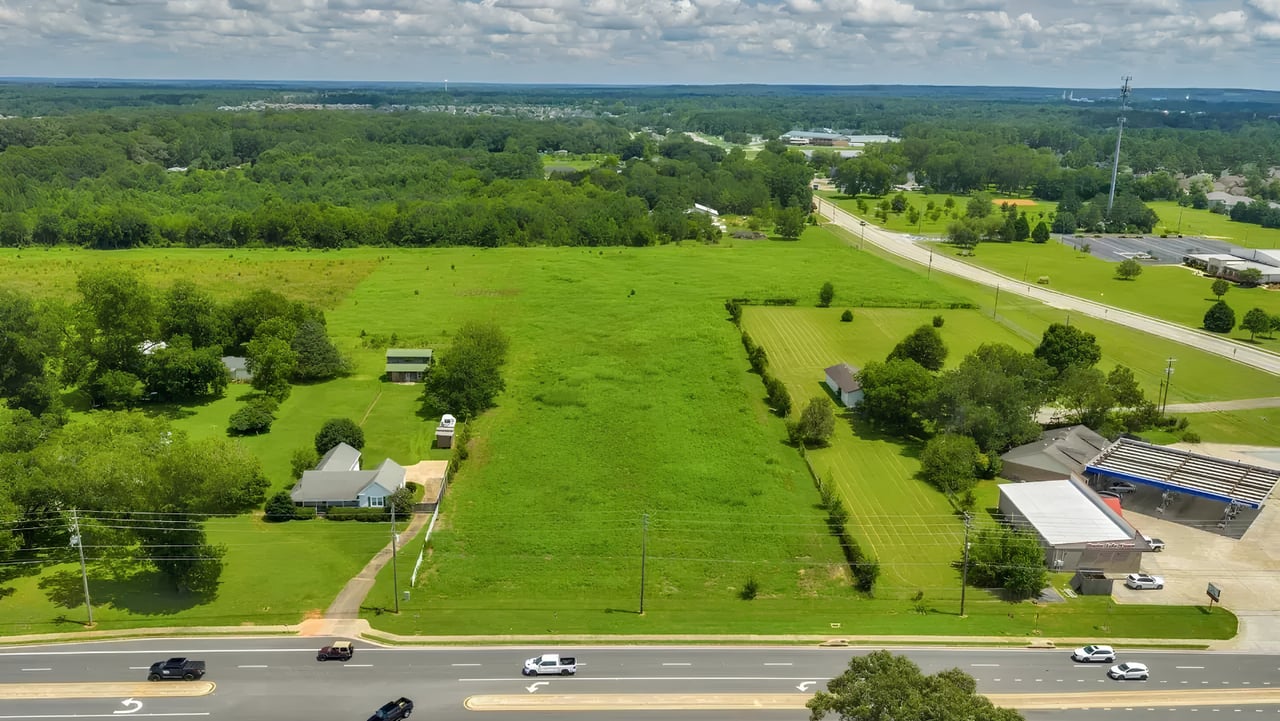
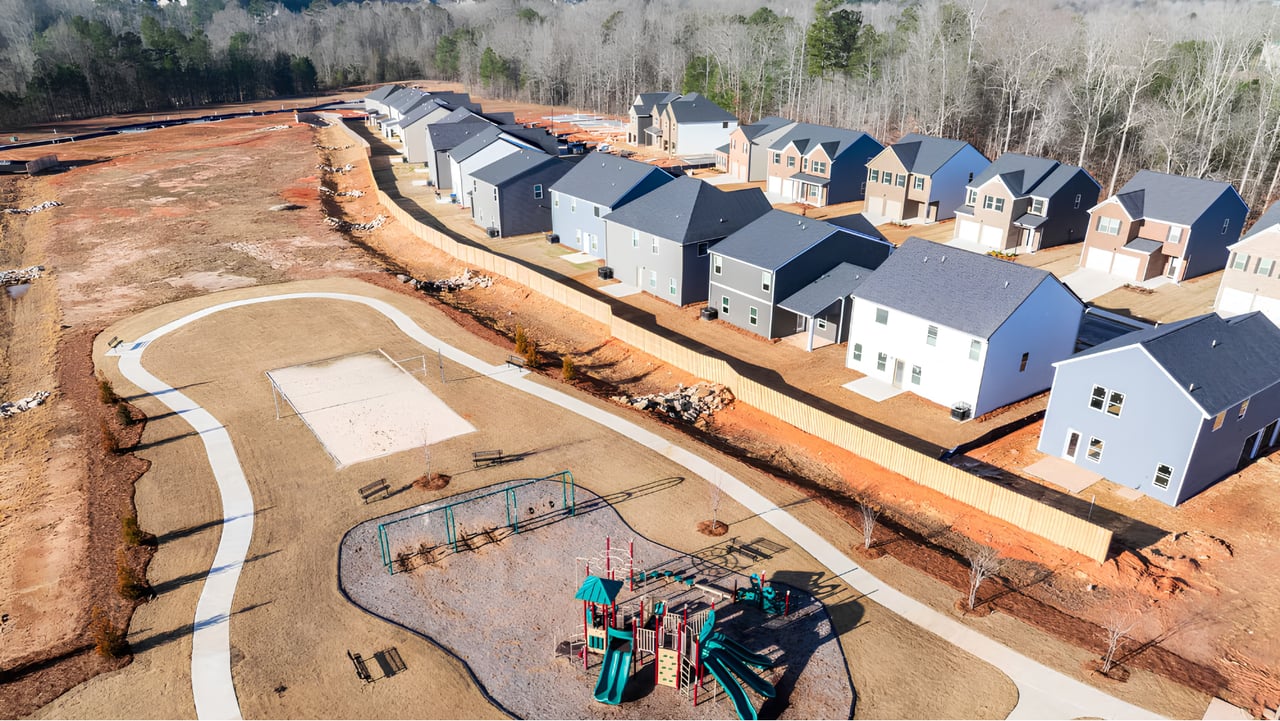
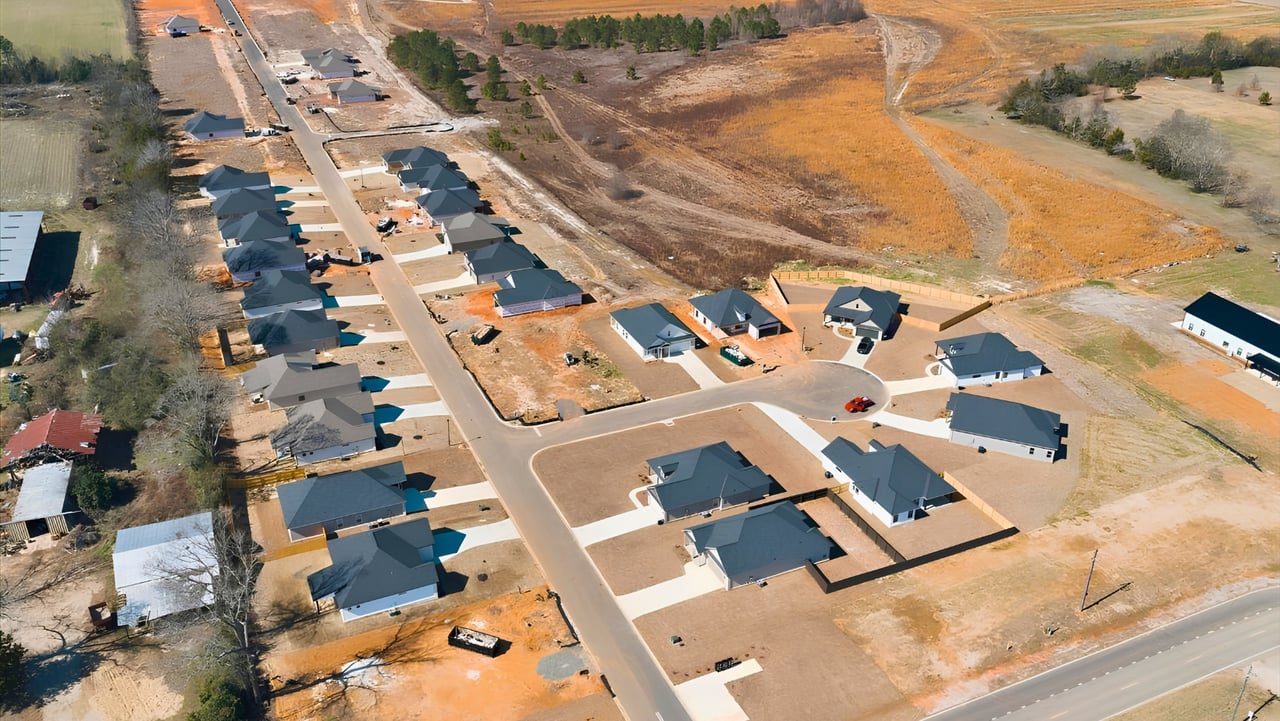
The distinction extends beyond property tax millage. Homes inside city limits are typically connected to city utilities, which can include a city sewer fee on the regular utility bill. Homes in unincorporated Houston County frequently rely on well and septic systems rather than city water and sewer, avoiding those recurring municipal charges. This is why builders marketing new-construction homes in outer subdivisions sometimes advertise advantages like 'county taxes only, no city sewage fees' directly in their listings. It represents a real, recurring cost difference, and they know it appeals to budget-conscious buyers.
Why the Difference Compounds Over Time
The most overlooked aspect of the city-versus-county distinction is that it is not a one-time closing cost. It recurs every single year for as long as the home is owned. A difference of a few hundred dollars per year in additional city taxes and utility fees may sound minor at the moment of purchase, but over 10 to 15 years of ownership it can total thousands of dollars, on a home that looks identical to the one across the street that happens to fall outside the city limit. For buyers comparing homes similar in price and features, this recurring difference can meaningfully change the true long-term cost of ownership, and it is exactly the kind of factor that never appears in a listing description but shows up reliably on every tax notice and utility bill.
The Trade-Off: What City Limits Buy You
Being outside the city limits is not automatically the better choice, and I am careful not to frame it that way. City limits typically purchase a set of services that unincorporated areas may not receive to the same degree.
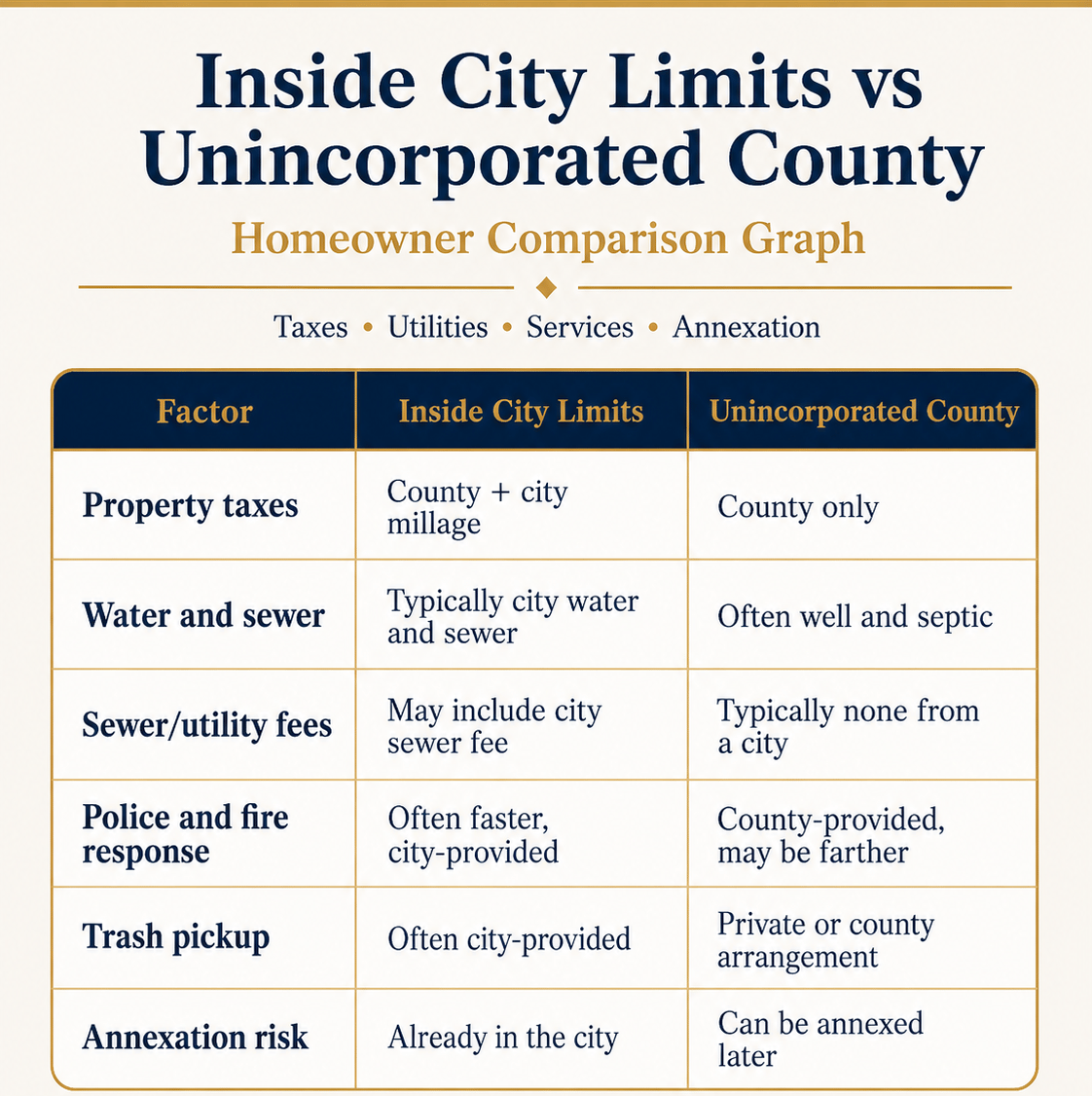
It is also worth noting that the county levies some charges only on unincorporated property. For 2025, for example, Houston County proposed a fire protection millage charged only to unincorporated residences, increasing it from 1.177 to 1.677 mills to fund additional firefighters and expand around-the-clock coverage; properties inside a city's limits are served by that city's fire arrangements instead. This illustrates that the city-versus-county question is a genuine trade-off rather than a simple matter of one side always paying more. My point with clients is never that one side wins; it is that you should know which side of the line a home is on, and what that side provides and costs, before you sign.
Annexation: The Line Can Move
One factor buyers rarely consider is that the city limit line is not necessarily permanent. Through annexation, a home that sits in unincorporated Houston County today can be brought into a city later, particularly in fast-growing areas where cities expand their boundaries to accommodate new development. In Perry specifically, planning documents note that a second wastewater facility coming online in 2026 opens thousands of unincorporated acres on the east side to potential annexation. When a property is annexed, the city millage and city service structure can begin to apply, changing the cost math after the buyer has already purchased. It does not happen to every county home, but it is a real possibility in growth corridors, and it is worth asking about before buying a property currently just outside a city limit.
Frequently Asked Questions: City Limits vs. County in Houston County
Q: Do I pay more property taxes inside Perry city limits than in unincorporated Houston County?
A: Generally, yes. Homes inside the Perry city limits pay both Houston County property taxes and a separate City of Perry millage, while homes in unincorporated Houston County typically pay county taxes only. For 2025, for example, the Houston County maintenance and operations millage was 8.45 mills and the City of Perry millage was 12.697 mills, so a home inside the city was subject to both rates. Millage rates change annually and should be confirmed for the current year.
Q: What is the difference between city and county taxes in Houston County, GA?
A: County taxes apply to every property in Houston County. City taxes apply additionally to properties inside the limits of Perry, Warner Robins, or Centerville. A property inside a city pays county plus city millage; a property in the unincorporated county pays county only. Cities also often provide utilities and services that come with their own fees.
Q: What does 'county taxes only, no city sewage fees' mean in a listing?
A: It means the home is located in unincorporated Houston County rather than inside a city's limits. As a result, the owner pays county property taxes but not a separate city millage, and the home is typically not connected to city sewer, so there is no recurring city sewage fee. Builders use this phrase as a selling point because it represents a real, recurring cost savings.
Q: Is it better to buy inside city limits or in the county?
A: It depends on a buyer's priorities. Unincorporated county locations typically have lower recurring taxes and fees. City limits typically provide faster police and fire response, city water and sewer, and trash service. The right choice is a trade-off between cost and services, and a buyer should know which side of the line a home is on before deciding.
Q: How much can the city-versus-county difference cost over time?
A: While the exact amount depends on the specific millage rates, utility fees, and home value, a difference of a few hundred dollars per year can total thousands of dollars over 10 to 15 years of ownership. Because the difference recurs annually, it has a larger cumulative impact than buyers often realize at the time of purchase.
Q: What is annexation and how does it affect my property?
A: Annexation is the process by which a city extends its boundaries to include property previously in the unincorporated county. If a home is annexed into a city, the city millage and city service structure can begin to apply, changing the owner's tax and fee picture. Annexation is most common in fast-growing areas and is worth asking about before buying a property just outside a city limit.
Q: How do I find out if a home is inside or outside city limits?
A: The city-limit status of a property can be confirmed through Houston County tax records, the relevant city, or a knowledgeable local REALTOR®. Because the distinction affects taxes, fees, and services, it should be verified during the home-buying process rather than assumed.
Q: Do unincorporated county homes use well and septic?
A: Many do. Homes in unincorporated Houston County frequently rely on private well and septic systems rather than city water and sewer, particularly in outer subdivisions and rural areas. This avoids city utility fees but means the owner is responsible for maintaining those private systems, which buyers should evaluate during inspection.
Q: Does being in city limits affect home value?
A: City-limit status can affect both ongoing cost of ownership and buyer preferences, which in turn can influence value and marketability. Some buyers prefer city services and amenities, while others prioritize lower taxes and fees in the county. The effect on value depends on the specific location, services, and buyer pool.
Q: Which Houston County cities levy their own property taxes?
A: Perry, Warner Robins, and Centerville each levy their own city millage in addition to Houston County taxes. A home inside any of these cities' limits pays that city's millage on top of county taxes, while a home in the unincorporated county does not.
About the Author
William Walton-Dean is a licensed REALTOR® with Walton Dean Realty, operating under Century 21 Homes and Investments, serving buyers and sellers across Houston County, Georgia, including Perry, Warner Robins, Bonaire, Kathleen, Byron, and the surrounding Middle Georgia housing market. Specializing in hyper-local market analysis, military relocation, and luxury residential transactions, he helps clients navigate the Houston County real estate market with clarity, accuracy, and confidence.
📱 478-371-7069
Walton Dean Realty | Century 21 Homes and Investments
Ready for a Personalized Home Search?
If you are buying or selling in Perry or anywhere in Houston County, Georgia, and want a REALTOR® who can break down the real cost difference between city-limit and county properties, street by street, reach out. It is one of the first things I check for my clients.
William Walton-Dean | Walton Dean Realty
📱 478-371-7069
Your dreams. Our dedication. A luxury experience tailored for you.
This information is provided for general educational purposes regarding the Houston County, Georgia real estate market. It is not tax or legal advice. Millage rates, utility fees, city boundaries, and annexation policies can change. Buyers should confirm a property's city-limit status and current tax and fee details with the relevant city, the Houston County Tax Commissioner, and a licensed real estate professional.