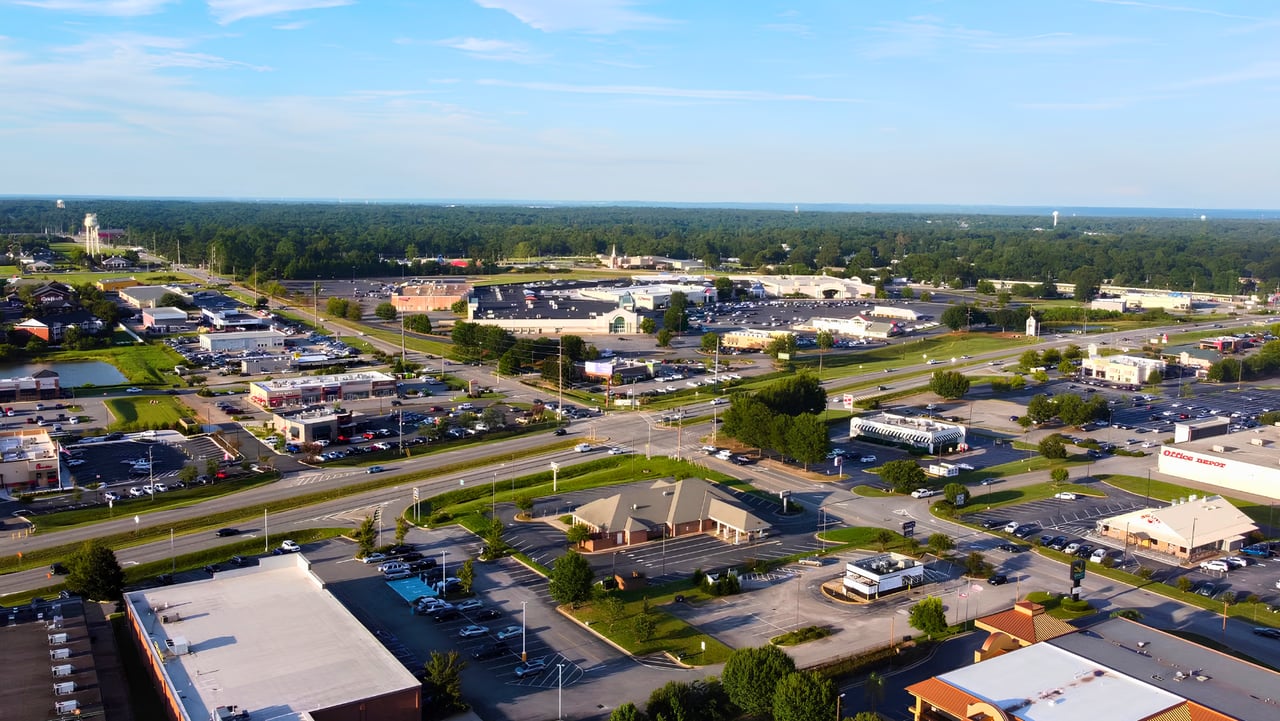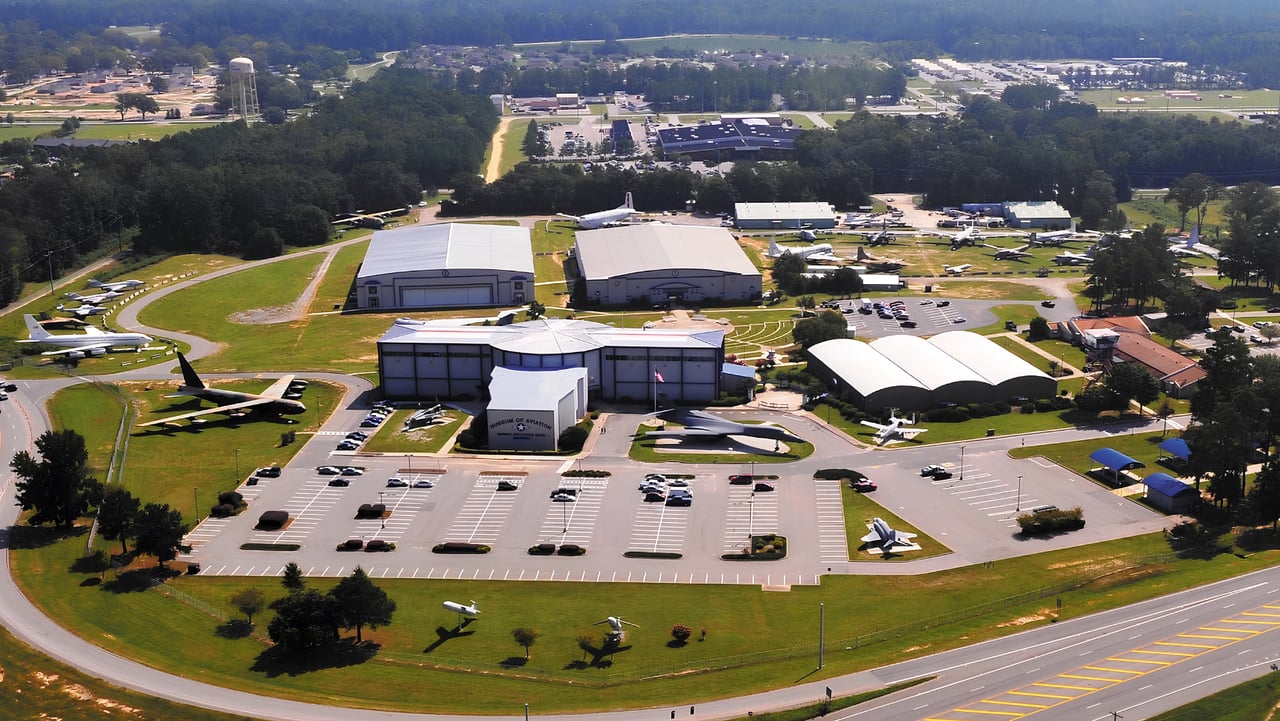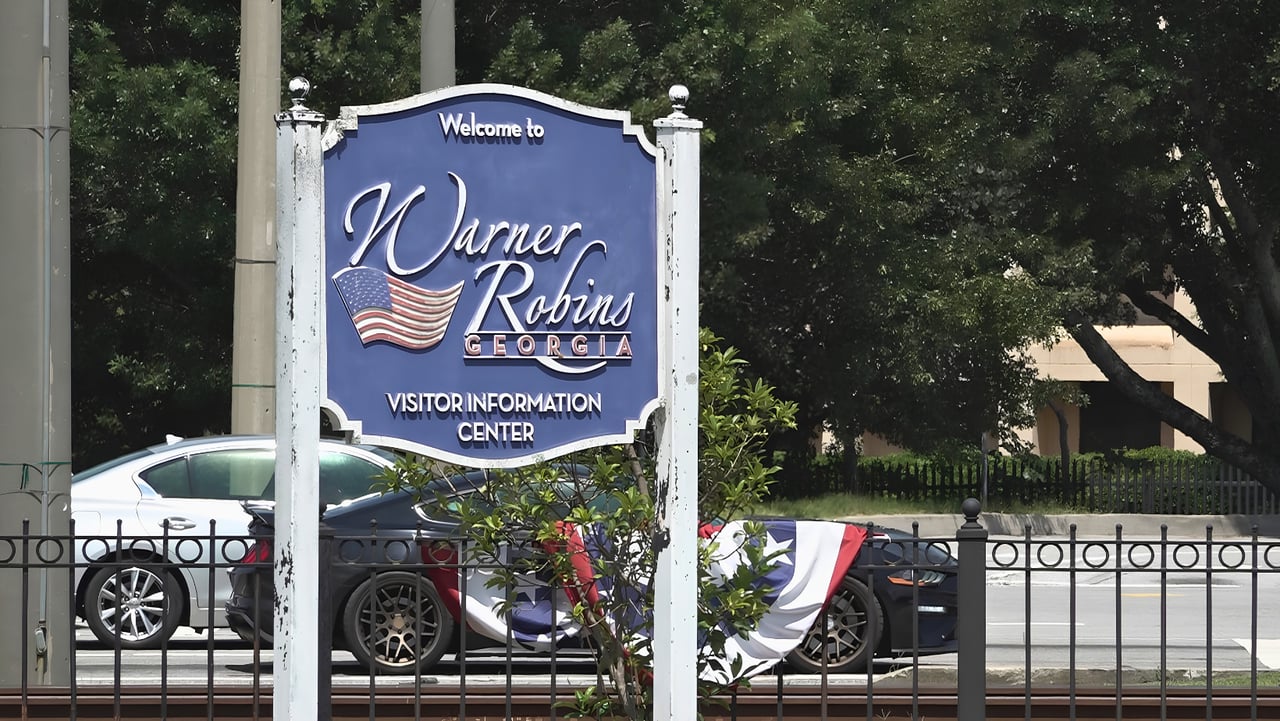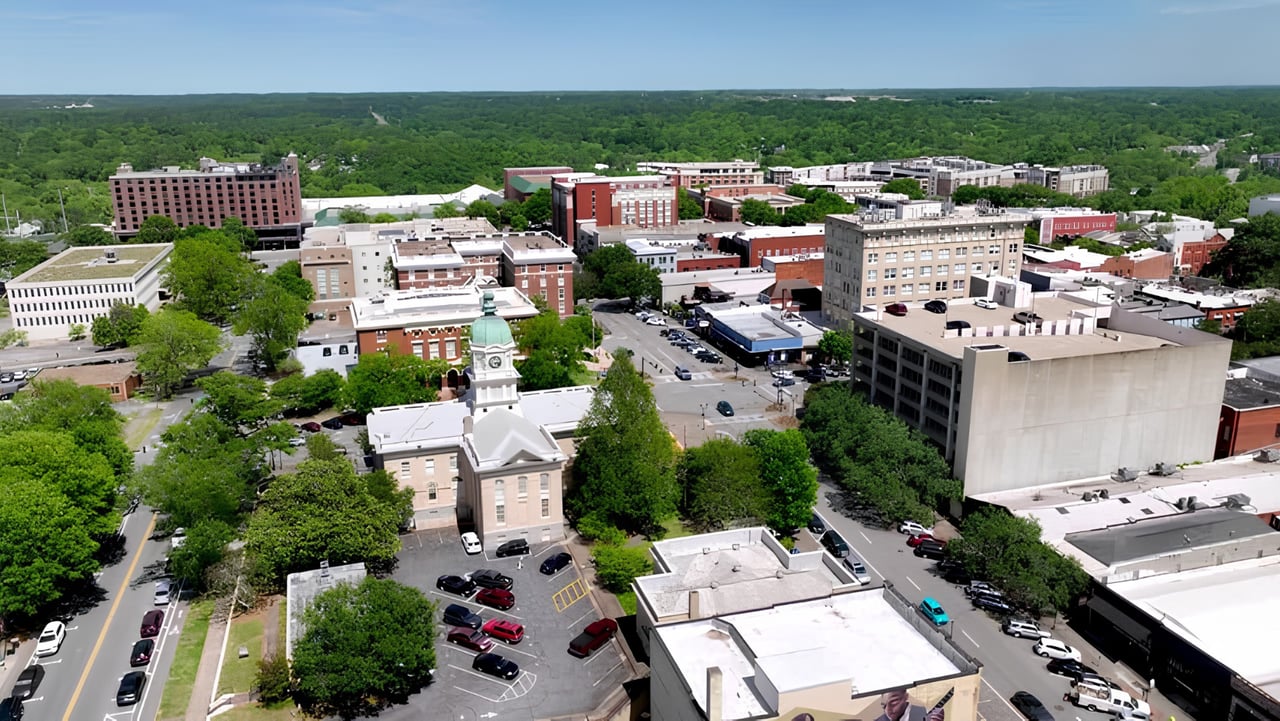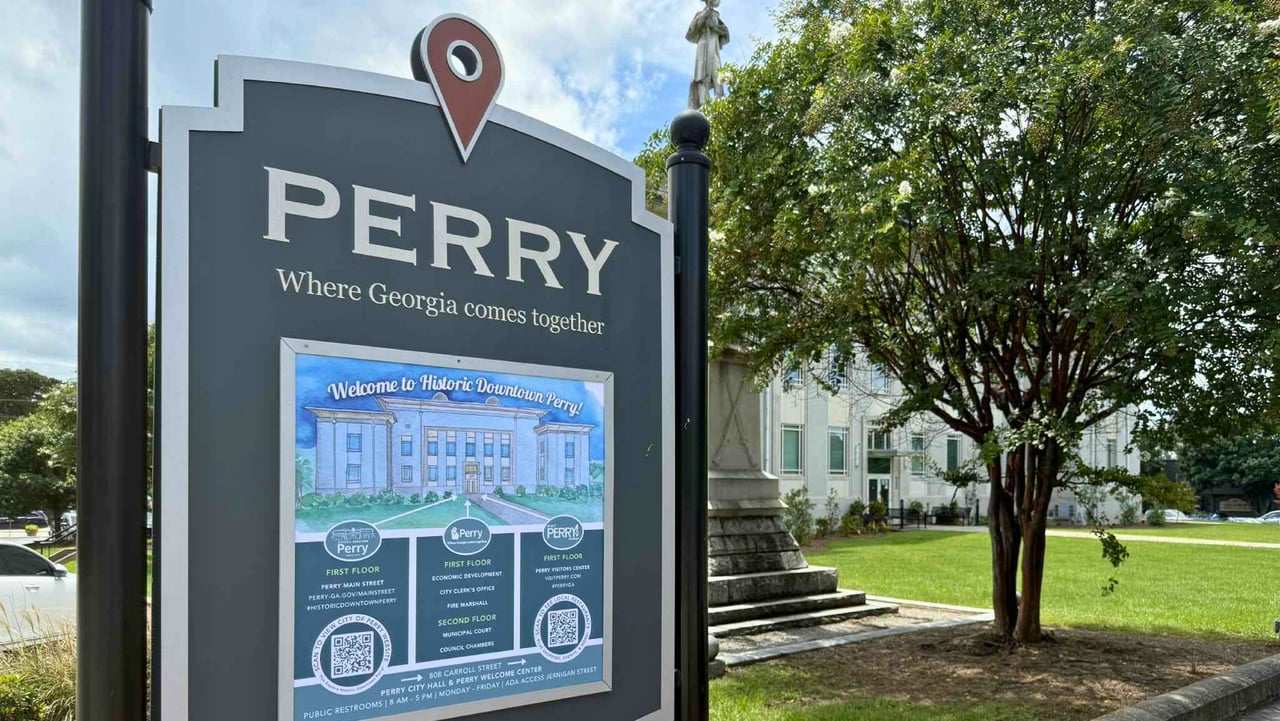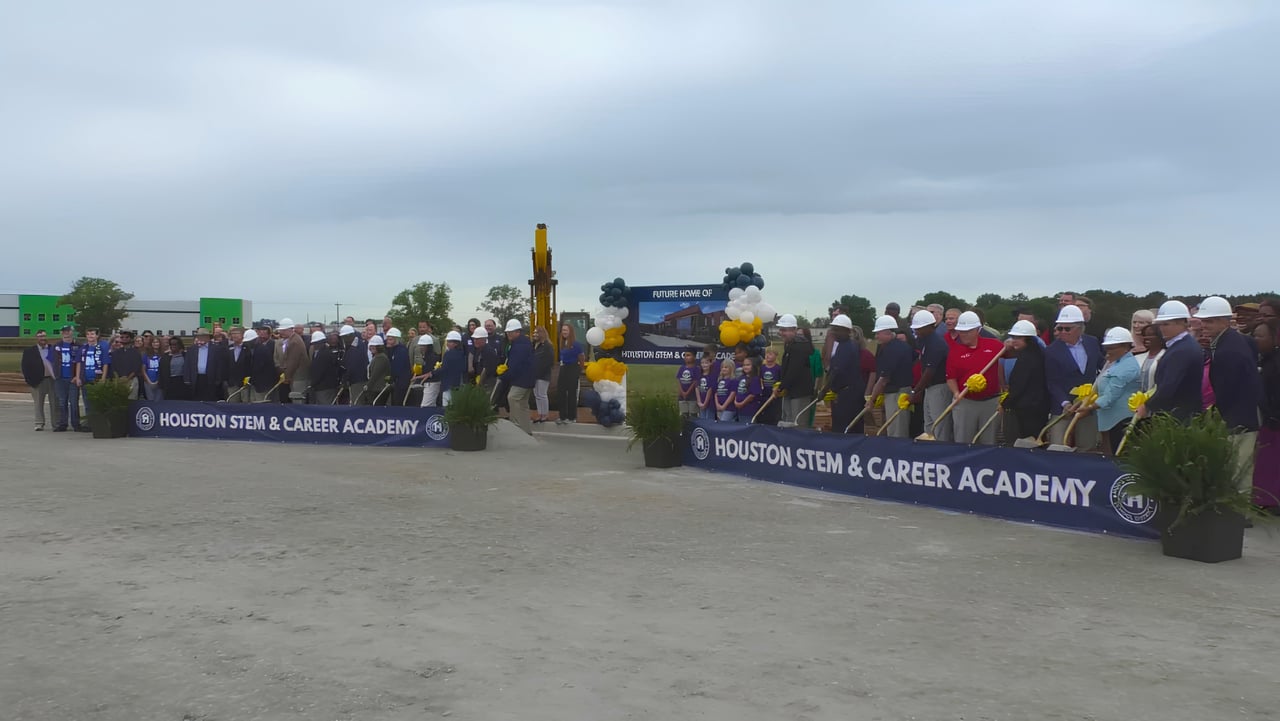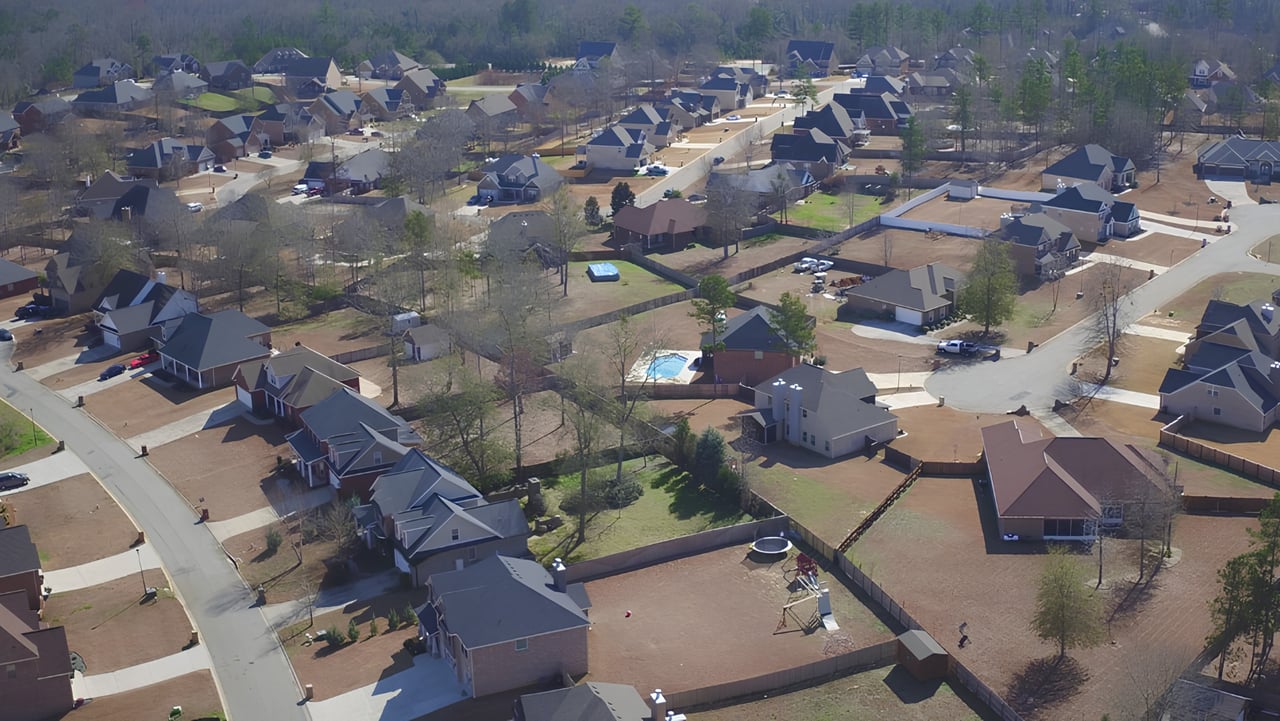
Houston County is updating its Joint Comprehensive Plan, the long-range document that guides decisions on growth, housing, jobs, and public services for roughly the next five years. The county is developing the plan in partnership with Warner Robins and Centerville, while the City of Perry is producing its own separate comprehensive plan. For anyone who owns a home, is thinking about buying one, or simply cares how this community develops, the plan is more consequential than its dry name suggests.
A comprehensive plan does not make headlines the way a new subdivision or a road project does, yet it sits upstream of both. It is the policy framework that influences where new housing is encouraged, how transportation and utilities are prioritized, and what kind of development the county steers toward or away from. Because Georgia requires local governments to keep these plans current, Houston County is actively gathering resident input through a series of public town hall meetings, which means the window to influence the next five years of local growth is open now rather than after the decisions are made.
What Is the Houston County Comprehensive Plan?
A comprehensive plan is a long-range guide that local governments use to coordinate growth and set priorities across housing, transportation, economic development, infrastructure, and community services. Houston County's plan is a joint effort with Warner Robins and Centerville, reflecting the reality that growth in one part of the county affects the others. The plan looks out over roughly a five-year horizon and is updated on a recurring basis as required by the Georgia Department of Community Affairs.
It helps to understand what the plan is and what it is not. It is a policy blueprint that expresses the community's intended direction and informs how officials evaluate future decisions. It is not a binding rezoning of any specific parcel, and it does not by itself change what any individual property owner can build. Its power is indirect but substantial, because the individual decisions that do change the landscape, rezonings, infrastructure investments, and development approvals, are generally expected to align with it.
Why This Plan Matters to Homeowners and Buyers
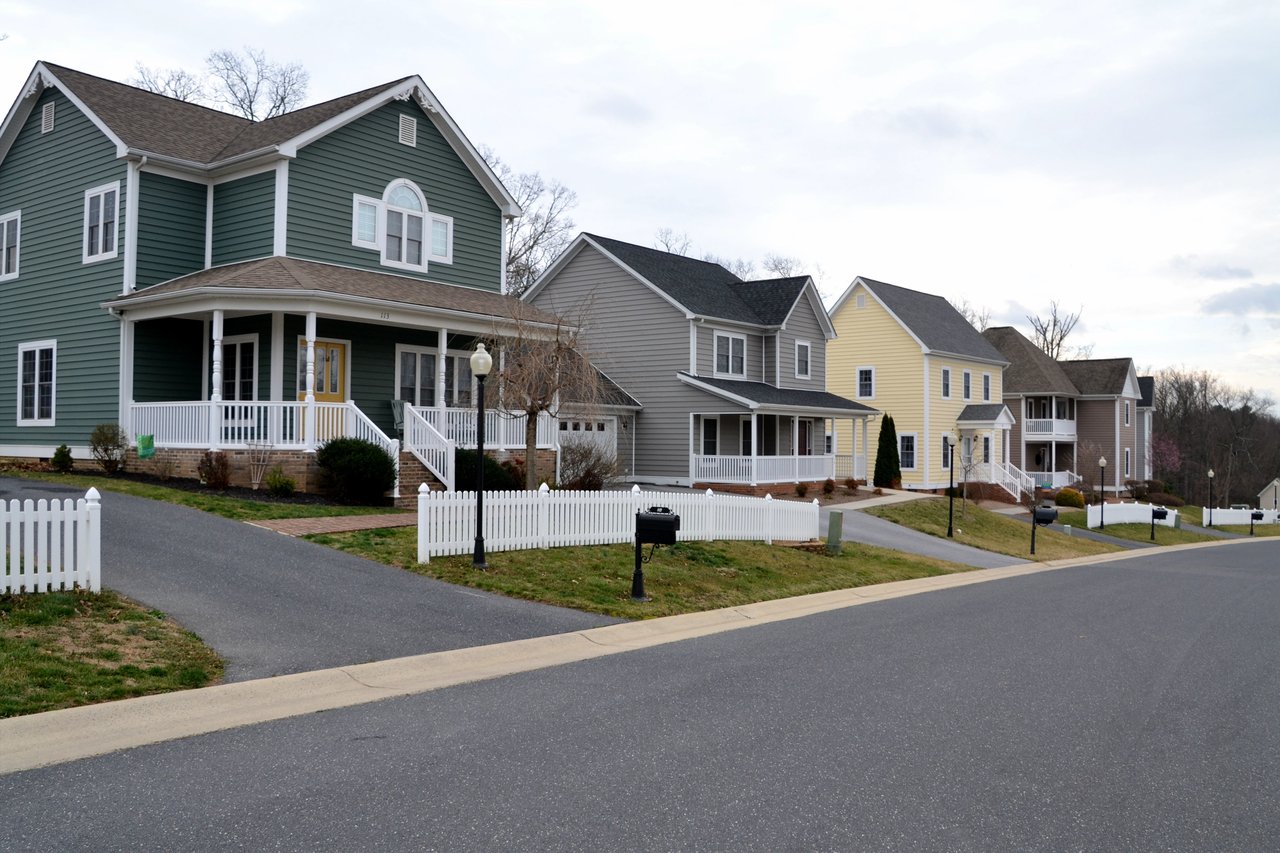
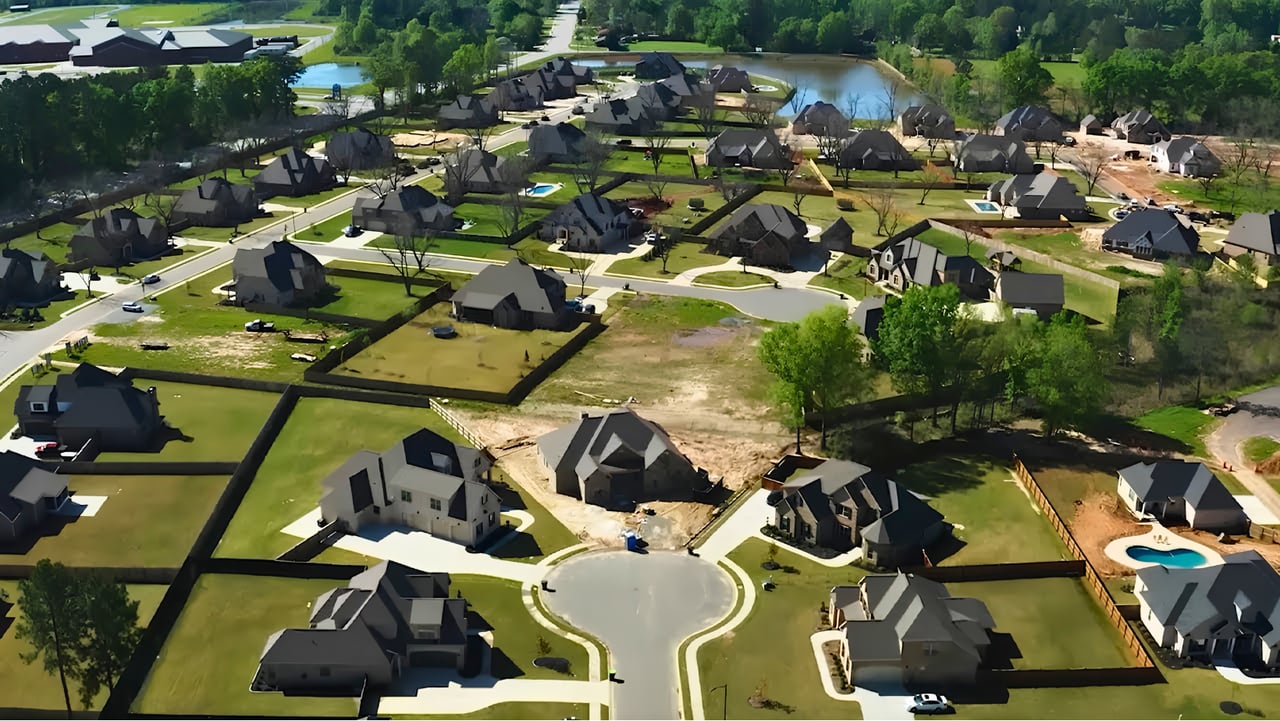
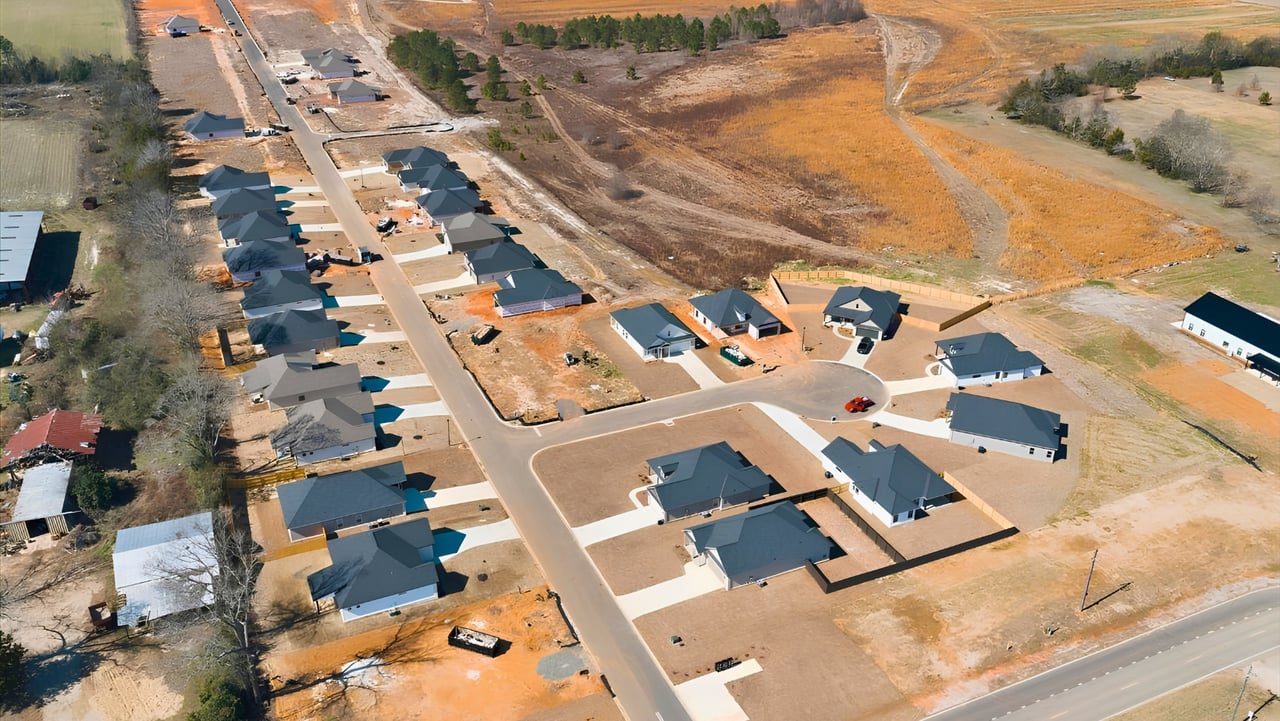
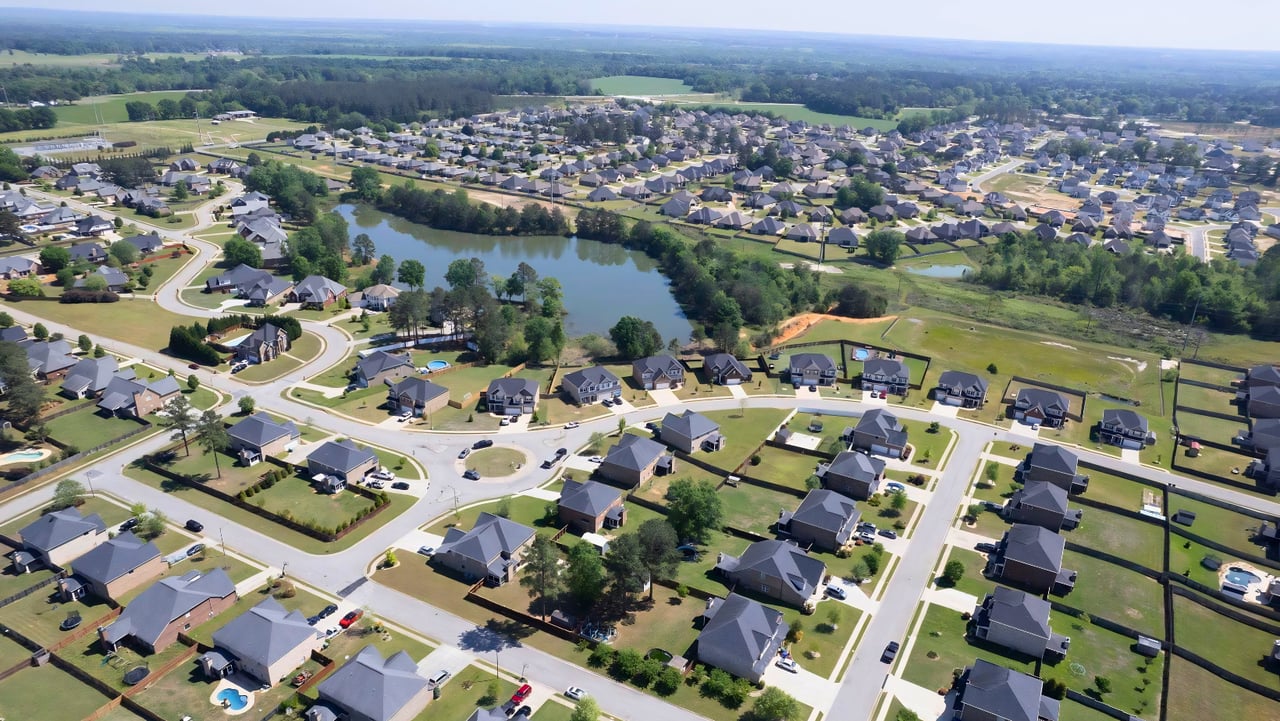
The plan touches the things homeowners actually care about, even when it does so quietly. It influences where new neighborhoods are encouraged, which shapes future supply and the character of an area. It guides whether roads, water, and sewer capacity keep pace with residential expansion, which affects daily quality of life and the feasibility of nearby development. And it sets the tone for the mix of housing the county pursues, from affordable options to move-up and new construction.
For property values, the effect is real but indirect. Areas designated for desirable growth, amenities, and infrastructure investment tend to see value support over time, while homeowners concerned about incompatible development nearby have the most influence during the planning stage, before any specific project is proposed. This is the practical reason I encourage clients to pay attention now. By the time a rezoning sign appears on a lot down the street, many of the guiding decisions have already been framed by the plan, and the easiest moment to shape the outcome has passed.
The Four Themes the Plan Is Tackling
The county has organized its public input process around distinct thematic blocks, each addressing a different set of priorities for the county's future. The table below outlines them.
Theme | What it covers |
Jobs & Housing | Workforce development, economic growth, and expanding housing options including affordable housing |
Transit & Land Use | Public transportation, road networks, and how land across the county is designated for residential, commercial, and other uses |
Infrastructure & Public Safety | Water and sewer capacity, roads, and police and fire coverage keeping pace with residential expansion |
Arts, Culture & Recreation | Regional recreation programs and quality-of-life amenities |
Early sessions in the series addressed jobs and housing, where residents raised concerns including the availability of affordable housing and workforce and job development for young people entering the workforce. Upcoming sessions move into transit and land use and then infrastructure and public safety, the themes most directly tied to how the county absorbs new residential growth without overextending roads, utilities, and emergency services.
For Buyers: What the Plan Tells You About Where to Buy
For a buyer, a comprehensive plan is an underused source of insight into where a community is heading. The future land use direction, the areas prioritized for infrastructure, and the corridors targeted for growth all hint at where demand and amenities may concentrate over the coming years. A home in an area positioned for planned investment and compatible growth may benefit from that trajectory, while a buyer who values quiet and stability can use the same information to steer toward areas the plan does not earmark for intensive development.
I treat the plan as one layer of the decision rather than the whole picture. It sits alongside school zones, commute times to Robins Air Force Base, flood and drainage considerations, and the specific condition and price of a home. But for buyers making a long-term decision, understanding the direction the county intends to grow is genuinely useful context, and it is exactly the kind of local knowledge I bring to the search rather than leaving a buyer to discover it after closing.
For Sellers: How Growth and Planning Affect Your Position
For sellers, the county's growth trajectory is part of the story a well-positioned listing tells. Buyers relocating to the area, including the steady flow tied to Robins Air Force Base, are often drawn to communities with a clear sense of direction, planned amenities, and infrastructure that can support them. A seller in an area aligned with the county's growth priorities has a genuine narrative to lean on, and understanding the plan helps frame a home within the larger arc of where the county is investing.
The flip side is worth acknowledging honestly. Nearby development can cut both ways, adding convenience and amenities for some buyers while raising traffic or density concerns for others. Knowing what the plan does and does not designate for a given area lets a seller anticipate buyer questions rather than be caught off guard by them. When it comes time to price and position a home, this kind of context is part of the hyper-local judgment that goes into a strong listing strategy.
How to Have Your Say
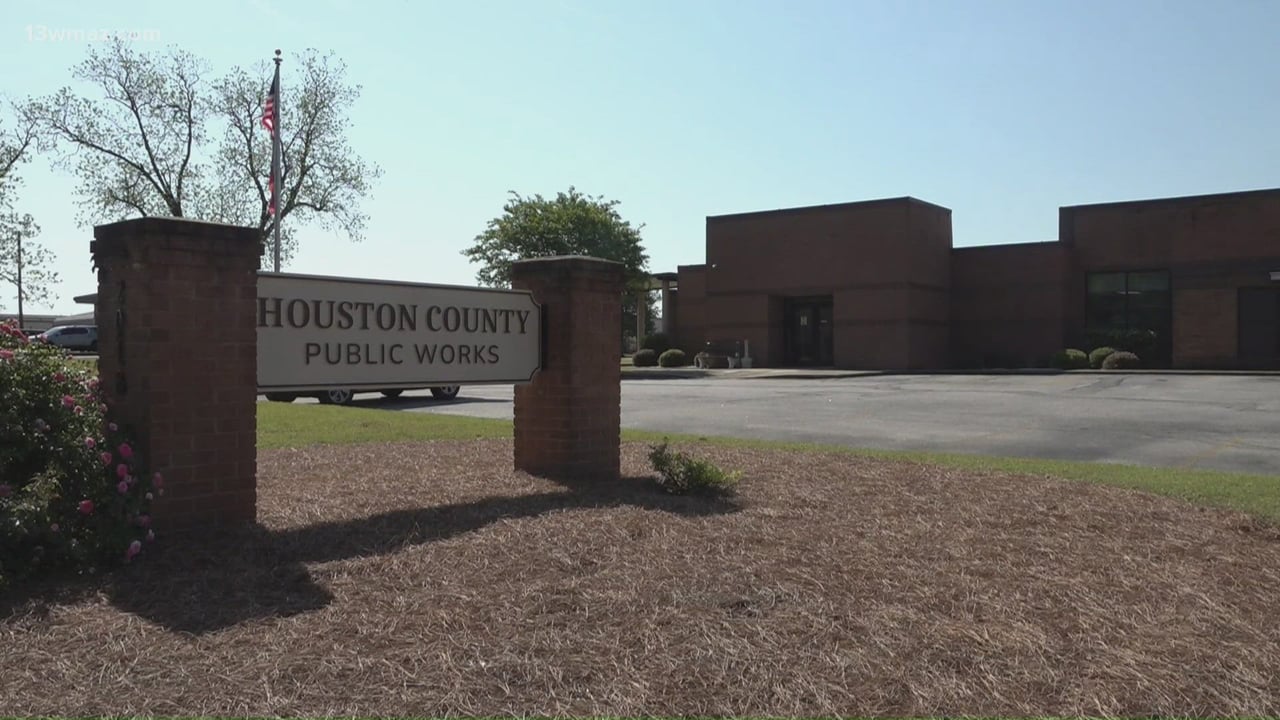
The plan is being shaped through public town hall meetings open to anyone who lives in the county. The meetings run from 6:00 to 7:30 p.m. and rotate between the Houston County Annex at 200 Carl Vinson Parkway in Warner Robins and venues in Centerville. Because the county schedules sessions based on room availability, the specific dates shift, so the most reliable way to find the next meeting is to contact Houston County directly and ask for the next comprehensive plan town hall. The county has also indicated it is gathering feedback through multiple channels beyond the in-person sessions.
This is the part I want residents to actually act on. The single most effective moment to influence how your street and your community develop is during this input window, and it costs nothing but an evening. Whether you want more of something, less of something, or simply want to understand where things are headed, the town hall is the room where that input is on the record.
Frequently Asked Questions
Q: What is the Houston County comprehensive plan?
A: The Houston County comprehensive plan, formally a Joint Comprehensive Plan developed with Warner Robins and Centerville, is a long-range policy document that guides the county's decisions on growth, housing, jobs, transportation, infrastructure, and public services over roughly a five-year horizon. It is required and periodically updated under Georgia Department of Community Affairs rules. The plan does not rezone individual properties, but it establishes the framework that future zoning, infrastructure, and development decisions are generally expected to follow. The City of Perry is developing its own separate comprehensive plan rather than participating in the joint county plan.
Q: Is Houston County, Georgia growing?
A: Yes. Houston County, anchored by Warner Robins and its proximity to Robins Air Force Base, continues to experience residential and commercial growth, which is a central reason the county is updating its comprehensive plan. County officials have publicly described managing that growth, including housing demand, infrastructure capacity, and workforce needs, as a primary purpose of the planning process. The plan is intended to help the county and its partner cities coordinate long-term development deliberately rather than reactively. Buyers and sellers across Warner Robins, Centerville, Bonaire, and Kathleen are all affected by how that growth is guided.
Q: Does a comprehensive plan change my property's zoning?
A: No. A comprehensive plan does not by itself change any property's zoning; it is a policy framework rather than a zoning ordinance. Actual zoning changes occur through individual rezoning applications and public hearings. However, because rezonings must generally conform to the comprehensive plan, the plan strongly influences which zoning changes are ultimately approved. This is why the planning stage is so important: it shapes the environment in which every later rezoning decision is evaluated, even though it does not directly alter any single parcel.
Q: How does the Houston County comprehensive plan affect property values?
A: The plan influences future land use patterns, infrastructure investment, and neighborhood character, all of which can affect property values over time. Areas designated for desirable growth, amenities, and infrastructure improvements may see value support, while the plan's designations also help homeowners anticipate what kinds of development are likely nearby. Homeowners concerned about incompatible development have the most influence during the planning process itself, before specific projects are proposed. The effect on any individual property is indirect and unfolds over years, so the plan is best understood as one factor among many that shape long-term value.
Q: What topics do the Houston County town hall meetings cover?
A: The county organized its public input process around thematic blocks: jobs and housing, which includes workforce development and affordable housing; transit and land use, covering transportation and how land is designated for various uses; infrastructure and public safety, addressing water, sewer, roads, and police and fire coverage as the county grows; and arts, culture, and recreation, covering quality-of-life amenities. Early sessions addressed jobs and housing, with residents raising issues such as affordable housing availability and job development for young people. Later sessions move into transit, land use, and infrastructure, which are closely tied to how the county manages residential expansion.
Q: When and where are the Houston County comprehensive plan town halls?
A: The town hall meetings run from 6:00 to 7:30 p.m. and rotate between the Houston County Annex at 200 Carl Vinson Parkway in Warner Robins and venues in Centerville. Because the county schedules the sessions based on room availability, the specific dates vary rather than following a fixed calendar. The most reliable way to confirm the next meeting is to contact Houston County directly and ask about the upcoming comprehensive plan town hall. The county has also indicated it is collecting resident feedback through additional channels beyond the in-person meetings.
Q: How can I give input on the Houston County comprehensive plan?
A: Residents can participate by attending the public town hall meetings, which are open to anyone who lives in the county, and the county has indicated it is gathering feedback through multiple channels in addition to the in-person sessions. Because meeting dates are set dynamically, contacting Houston County to confirm the next session is the most reliable approach. Providing input during this planning window is the most direct way for a resident to influence long-term decisions about housing, land use, infrastructure, and growth in their area, well before those decisions reach the stage of individual project approvals.
Q: Why is Perry doing a separate comprehensive plan from Houston County?
A: The City of Perry opted to develop its own city-specific comprehensive plan rather than continue solely within the joint county plan, in order to tailor the plan to the vision of Perry residents. Houston County, Warner Robins, and Centerville are proceeding with a joint plan, while Perry runs a parallel process. Officials have described a coordinated relationship in which the plans can be compared where they overlap. For residents, the practical takeaway is that Perry has its own planning process and input opportunities, separate from the county town halls, and Perry residents should follow the city's process specifically.
Q: What are the required elements of a Georgia comprehensive plan?
A: Georgia requires comprehensive plans to address a set of elements that generally include land use, transportation, housing, economic development, community facilities and services, natural and cultural resources, intergovernmental coordination, and a community work program, along with overall community goals and quality of life. These elements ensure that plans address growth in a coordinated way rather than in isolation. Houston County's joint plan with Warner Robins and Centerville is structured to satisfy these state requirements while reflecting local priorities surfaced through the public input process.
Q: How does county growth affect buying or selling near Robins Air Force Base?
A: Growth guided by the comprehensive plan shapes the housing supply, amenities, and infrastructure that relocating military and civilian buyers encounter around Robins Air Force Base. For buyers, understanding where the county is directing growth offers useful context on where demand and amenities may concentrate. For sellers, a clear county growth trajectory and planned investment can strengthen a home's appeal to incoming buyers. Because the base drives a steady flow of relocation activity, the way Houston County manages growth has a direct bearing on both sides of the transaction in the surrounding communities.
Q: When should I get involved, now or when a project is proposed near me?
A: Now. The most effective time to influence how your area develops is during the comprehensive planning process, because the plan frames the decisions that later projects and rezonings must generally conform to. By the time a specific rezoning or development is proposed near your home, much of the guiding direction has already been set, and your influence at that later stage is more limited. Participating during the current input window, through the town halls and the county's other feedback channels, is the most impactful way for a resident to shape long-term outcomes for their street and neighborhood.
This article is reviewed and updated quarterly. Meeting schedules, plan status, and public input opportunities change over time. Details current as of July 2026. Confirm current meeting dates and input channels directly with Houston County.
About the Author
William Walton-Dean is a licensed REALTOR® with Walton Dean Realty, operating under Real Broker LLC, serving buyers and sellers across Houston County, Georgia, including Perry, Warner Robins, Bonaire, Kathleen, Byron, and the surrounding Middle Georgia housing market. Known for a data-driven, hyper-local approach and deep expertise in the military and PCS relocation market around Robins Air Force Base, he helps buyers and sellers at every price point make clear, confident decisions backed by real market insight.
📱 478-371-7069
Walton Dean Realty | Real Broker LLC
Buying or Selling in a Growing Houston County? Let's Talk.
Where the county is steering growth shapes access, convenience, and the long-term appeal of a neighborhood. If you are buying or selling in Warner Robins, Centerville, Bonaire, Kathleen, or anywhere in Houston County and want a REALTOR who tracks the county's plans and knows how they connect to specific streets and neighborhoods, reach out. Turning local planning into a clear picture for your home, neighborhood, and timeline is what I do for every client.
William Walton-Dean | Walton Dean Realty | 📱 478-371-7069 | 📧 [email protected]
"A More Strategic Approach to Real Estate"
Disclaimer: This information is provided for general educational purposes regarding the Houston County, Georgia comprehensive planning process and local real estate market. It is not legal, financial, tax, or investment advice. Comprehensive plans, meeting schedules, land use designations, zoning, and timelines are set and changed by Houston County and its partner municipalities and can change at any time, and nothing here guarantees any outcome, project, or effect on property values. William Walton-Dean is a licensed real estate agent and is not a government official or planner. Residents should confirm current meeting dates, plan details, and input opportunities directly with Houston County and consult appropriate professionals for decisions specific to their situation.