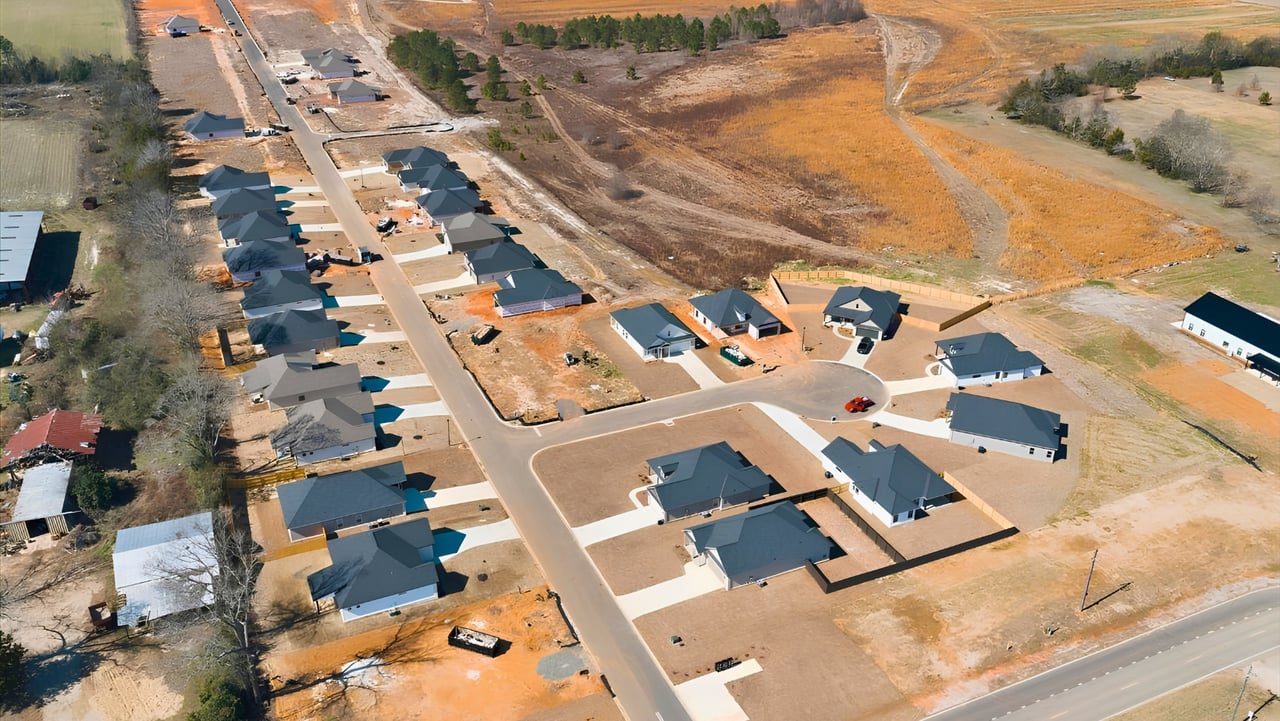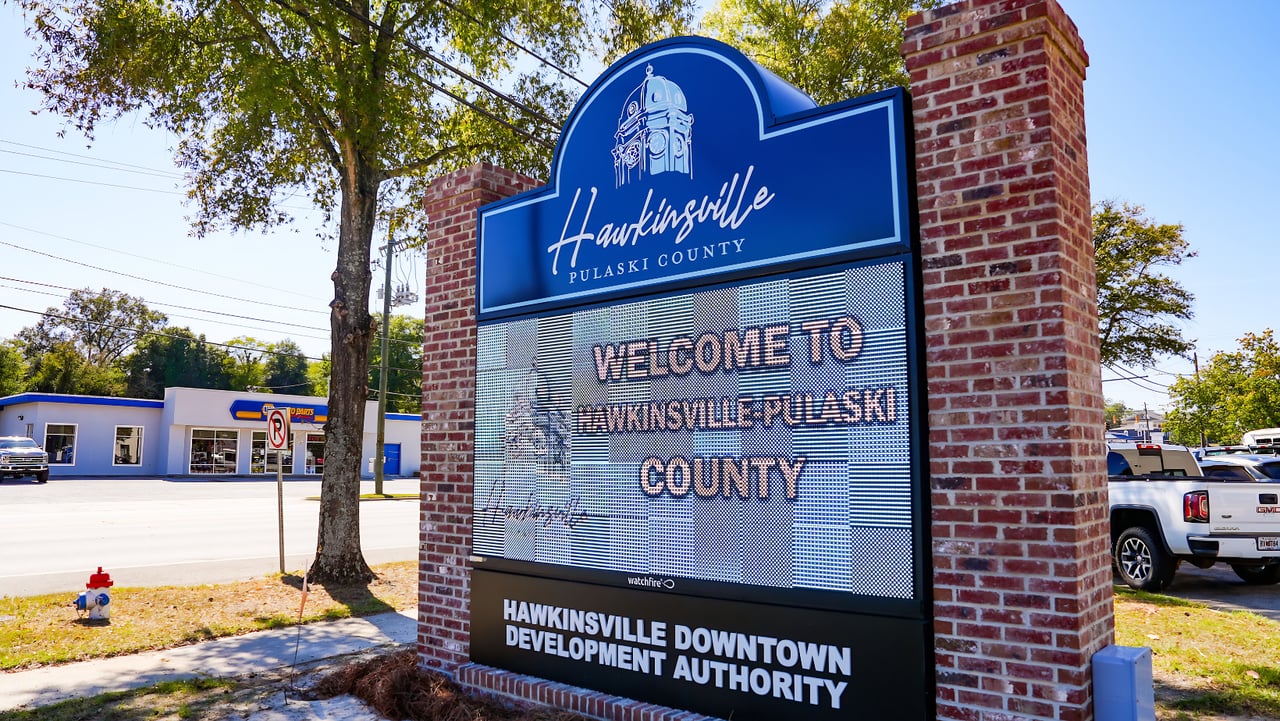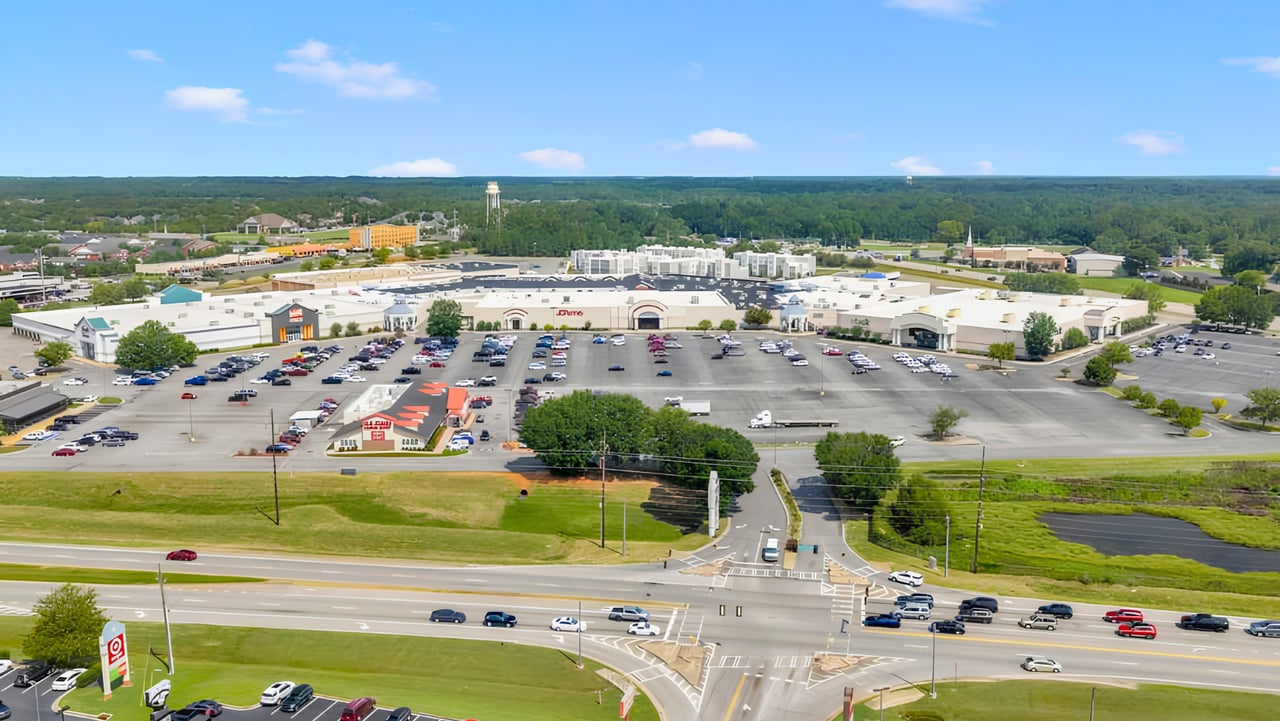
Here is a scenario that plays out every year across Houston County. A buyer closes on a home in Warner Robins, Perry, Bonaire, or Kathleen, settles in, and gets comfortable with a monthly payment that feels manageable. Then, roughly a year to eighteen months later, a letter arrives from the mortgage servicer: the escrow account is short, the buyer owes the difference, and the new monthly payment is going up by a couple hundred dollars a month.
Nothing went wrong. The interest rate did not change. This is one of the most common and least understood hidden costs of buying a home in Georgia, and it traces back to how property is reassessed after a sale and how escrow accounts true up. It is entirely predictable, and a buyer who understands it in advance can plan for it instead of being ambushed by it.
This post is about the payment going up. If you are looking for the relief side of the tax picture, the homestead exemption and the local FLOST tax relief, that is a separate conversation covered elsewhere on the site.
Why the Payment Jumps: Two Mechanics Stacked Together
Mechanic one: reassessment to what you paid
Georgia taxes property on 40% of its fair market value, established by the Houston County Board of Tax Assessors as of January 1 each year. State law requires the assessors to appraise at fair market value and holds them to an annual sales ratio audit, with an acceptable range of 38 to 42, which keeps assessed values tracking the market.
Here is where buyers get caught. The prior owner may have been taxed on an assessed value that lagged the market, especially if they owned the home for years while values rose. When you buy, your purchase price is fresh market evidence, and the county often moves the home's assessed value toward what you actually paid. If the home was under-assessed relative to your purchase price, your tax bill can be meaningfully higher than the figure shown on the old listing, and that new, higher bill is the one you will pay going forward. This holds whether you bought in Warner Robins, Perry, or an unincorporated pocket near Bonaire or Kathleen.
Mechanic two: the escrow shortfall
Most buyers escrow their taxes and insurance, meaning the lender collects roughly one-twelfth of the annual total with each payment and pays the bills when they come due. At closing, the lender estimates your escrow based on the information available, which is frequently the seller's lower tax figure.
When the first full tax bill after your purchase comes in higher than that estimate, two things happen at once. First, the escrow account is short for the year, and the lender collects that shortfall, either as a lump sum or spread over the next twelve months. Second, the lender raises your ongoing monthly escrow to cover the new, higher annual bill. That combination, paying back the shortfall while also paying more going forward, is what produces the noticeable jump in your monthly payment.
Where You Buy Changes the Number
The size of the jump depends on how far the old assessment lagged your purchase price and, importantly, on which jurisdiction the home sits in. Houston County's cities carry different combined millage rates, so the same reassessment produces a different dollar figure depending on the address.
Location | 2025 Combined Millage (approx.) | City Tax? | Effect on the Bill |
Warner Robins city limits | ~29.1 mills | Yes (Warner Robins) | Highest combined rate of the group |
Perry city limits | County + school + Perry city | Yes (Perry) | Carries its own city millage |
Bonaire (unincorporated) | ~20.2 mills | No city tax | Lower combined rate than the cities |
Kathleen (unincorporated) | ~20.2 mills | No city tax | Lower combined rate than the cities |
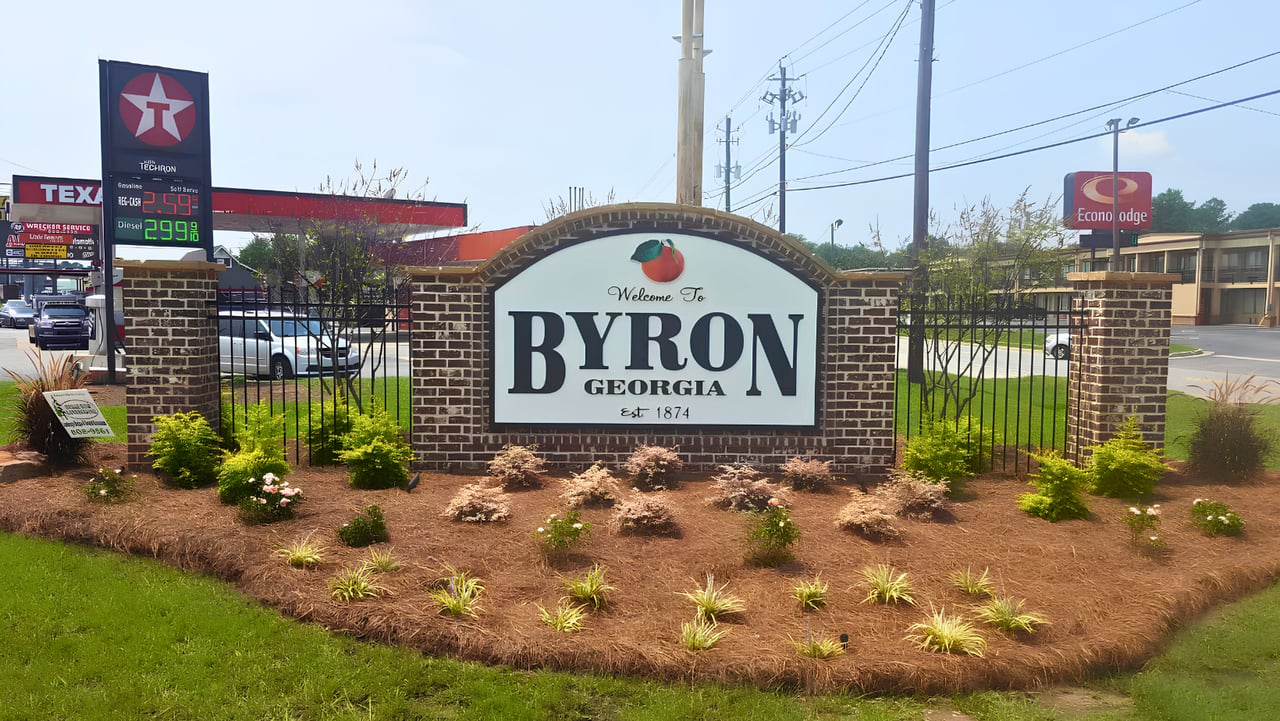
Byron area (Peach County) | Peach County rates | Byron is in Peach County | Different county entirely; its own millage |
Illustration using 2025 combined figures. Warner Robins and Perry are incorporated Houston County cities with a city millage; Bonaire and Kathleen are unincorporated Houston County with no city tax; Byron sits primarily in neighboring Peach County with its own rates. Confirm the current rate for any specific address with the applicable tax authority.
Consider a home bought at $243,000 inside Warner Robins city limits at roughly 29.1 mills that had been assessed well below the purchase price.
Situation | Assessed Value (40%) | Approx. Annual Tax (homesteaded) | Approx. Monthly Escrow for Tax |
Prior owner's lagging assessment | $80,000 | ~$2,271 | ~$189 |
Reassessed toward purchase price | $97,200 | ~$2,772 | ~$231 |
Difference you absorb | $17,200 | ~$501 per year | ~$42 per month ongoing |
Illustration only, using 2025 combined Warner Robins millage and the standard homestead exemption. The same home at an unincorporated Bonaire or Kathleen address, at roughly 20.2 mills, would produce a smaller bill and a smaller jump. The ongoing increase compounds with the one-time shortfall repayment, so the first adjusted year can feel larger than the ongoing figure.
In that example the ongoing increase is about $42 a month, but in the first adjusted year the servicer is also collecting roughly $500 of shortfall, which can push the temporary monthly increase well over $80 or $100 until the shortfall is repaid. The same reassessment at an unincorporated Bonaire or Kathleen address produces a smaller figure because of the lower millage, while a Perry city-limits home carries its own city rate. This is why the payment on your closing disclosure should be treated as a starting estimate, not a fixed number.
The Exemptions That Do Not Transfer
A second trap compounds the first. Any homestead exemption, senior exemption, or assessment protection the seller had does not transfer to you. The listing's current tax figure may reflect the seller's exemptions, and if that seller was, for example, a senior with a reduced assessment, your tax bill as a new owner without those exemptions can be dramatically higher than the number you saw while shopping.
The homestead exemption is also something you must actively claim. Georgia's standard homestead exemption removes $2,000 from the 40% assessed value of an owner-occupied primary residence, and additional exemptions exist for older homeowners and disabled veterans, but every one of them requires an application filed with the Houston County Tax Assessor's Office. A buyer who never files pays the full assessment indefinitely, forfeiting a saving they were entitled to. It is the most commonly missed money in the county, and it applies whether you bought in Warner Robins, Perry, Bonaire, or Kathleen.
[INTERNAL LINK: Link to the existing Homestead Exemption Deadline post and the buyer property-tax post.]
One piece of good news works in a long-term owner's favor: Houston County has not opted out of the statewide floating homestead exemption established under House Bill 581, which is designed to limit how quickly the taxable value of a homesteaded property can rise with market appreciation. That mechanism does not prevent the initial reassessment after a purchase, but it moderates increases in the years that follow once your homestead is in place. Buyers near Byron should note that Peach County sets its own policy on this, so confirm it for that jurisdiction.
For Buyers: How Do I Avoid Being Blindsided?
Estimate your taxes at your purchase price, not the seller's figure. Before you finalize your budget, calculate the likely tax bill using 40% of your purchase price, the current combined millage rate for that specific address, and the standard homestead exemption. A Warner Robins city-limits home at roughly 29.1 mills produces a very different figure than an unincorporated Bonaire or Kathleen address at roughly 20.2 mills, so use the rate for your actual location. If that number is higher than the listing's tax figure, you have just found your year-two payment before it found you.
Ask why the current tax figure is what it is. If a listing shows an unusually low tax bill, ask whether the seller had a senior exemption, a long-standing lagging assessment, or another protection that will not carry over to you. That single question can reveal a several-hundred-dollar-a-year difference that would otherwise surface as a surprise.
File your homestead exemption as soon as you are eligible. The moment the home is your primary residence, file with the Houston County Tax Assessor's Office. Missing the filing window means paying a full year without an exemption you qualified for, and it is entirely avoidable. The Tax Assessor's Office can confirm the current filing window and requirements at 478-218-4750, and buyers near Byron should confirm the equivalent with Peach County.
Keep a cushion for the first escrow analysis. Because the jump often lands twelve to eighteen months in, set aside a few hundred dollars against the first escrow shortfall so that the servicer's letter is an inconvenience rather than a crisis. Buyers who expect it handle it easily. Buyers who spent to the edge of their approval do not.
Property tax and escrow outcomes depend on the county's assessment, the adopted millage rate, your exemptions, and your servicer's escrow analysis. Confirm specifics with the Houston County Tax Assessor's Office and your lender, and with Peach County for Byron-area homes. This article does not provide tax or lending advice.
For Sellers: How Does This Affect My Buyer and My Sale?
If your home is marketed with a tax figure that reflects a senior exemption or a long-standing low assessment, understand that a buyer's actual tax bill will likely be higher, and a well-prepared buyer or their lender will figure that out. It is better for the transaction if that reality is understood early rather than becoming a point of friction when the buyer's lender recalculates the escrow and the payment during underwriting.
Being straightforward about the tax picture protects your deal. A buyer who understands that their taxes will be based on their purchase price, and who has budgeted accordingly, is a buyer who closes on schedule and does not come back mid-contract asking for a concession because their monthly payment turned out higher than they assumed. Clarity up front is simply a smoother path to closing, in any Houston County city.
[INTERNAL LINK: Link to the Cost to Sell a Home in Houston County post.]
The Bottom Line
The year-two payment jump is one of the most predictable hidden costs of buying a home in Houston County, and one of the least discussed. It is not caused by anything going wrong. It is the natural result of Georgia reassessing your home toward what you paid, the seller's exemptions not transferring to you, and your escrow account truing up to the real tax bill, with the size of the jump depending on whether you bought in a city like Warner Robins or Perry or an unincorporated area like Bonaire or Kathleen.
The fix is simple: estimate your taxes at your purchase price and your specific location's millage before you buy, ask why the current tax figure is what it is, file your homestead exemption promptly, and keep a cushion for the first escrow analysis. Do that, and the letter from your servicer becomes a number you already saw coming instead of a shock that strains your budget.
Frequently Asked Questions About the Year-Two Payment Jump in Houston County, GA
Q: Why did my mortgage payment go up when my interest rate is fixed?
A: On a fixed-rate loan, your principal and interest do not change, but your total monthly payment can still rise because it includes escrow for property taxes and homeowners insurance. When your property is reassessed after purchase, often toward the price you paid, and the first full tax bill comes in higher than your lender estimated at closing, the escrow account runs short. The servicer collects that shortfall and raises your ongoing monthly escrow to cover the higher annual bill. That combination produces a payment increase even though your interest rate never moved, and it happens throughout Houston County regardless of city.
Q: Will my property taxes go up after I buy a home in Houston County?
A: Often, yes, if the home was assessed below your purchase price before you bought it. Georgia assesses property at 40% of fair market value as of January 1, and after a sale the Houston County Board of Tax Assessors frequently adjusts the assessed value toward the price you paid, since your purchase is fresh market evidence. If the prior owner was taxed on a lagging assessment, your tax bill can be meaningfully higher than the figure shown on the listing. This applies in Warner Robins, Perry, Bonaire, and Kathleen alike, though the resulting dollar figure varies with each location's millage rate.
Q: What is an escrow shortage and why did I get one after buying?
A: An escrow shortage occurs when the taxes and insurance actually due exceed what your lender collected and held in your escrow account. After a purchase, the lender's initial escrow estimate is often based on the seller's lower tax figure, so when the first full reassessed tax bill arrives, the account falls short. The servicer then collects the shortfall, either as a lump sum or spread across the next twelve months, and increases your ongoing monthly escrow payment to cover the higher annual total. This is a common experience for Houston County buyers whose homes were under-assessed before purchase.
Q: Do the seller's tax exemptions transfer to me when I buy their home?
A: No. Any homestead exemption, senior exemption, or assessment protection the seller had does not transfer to you. If a listing shows an unusually low tax figure, it may reflect the seller's exemptions rather than what you will pay. For example, if the seller was a senior with a reduced assessment, your bill as a new owner without those exemptions can be substantially higher. You must file your own homestead exemption with the Houston County Tax Assessor's Office to receive it, and it is not applied automatically when you buy, whether the home is in Warner Robins, Perry, Bonaire, or Kathleen.
Q: How do I estimate my actual property taxes before buying in Houston County?
A: Take 40% of your purchase price to get the assessed value, subtract the standard $2,000 homestead exemption, and multiply by the combined millage rate for the specific address. For 2025, that combined rate was roughly 29.1 mills inside Warner Robins city limits and roughly 20.2 mills at an unincorporated address such as Bonaire or Kathleen, with Perry carrying its own city rate. On a $243,000 home inside Warner Robins with the homestead exemption, that produces roughly $2,772 per year, while the same home in unincorporated Bonaire would be lower. Comparing that figure to the listing's current tax number tells you whether a year-two increase is likely.
Q: Are property taxes lower in Bonaire and Kathleen than in Warner Robins?
A: Generally yes, because Bonaire and Kathleen are unincorporated communities in Houston County and carry no separate city property tax. Their 2025 combined rate was roughly 20.2 mills, versus roughly 29.1 mills inside Warner Robins city limits, which includes the Warner Robins city millage. On an identical assessed value, that difference produces a meaningfully lower annual tax bill and a smaller escrow, though the reassessment-after-purchase mechanic still applies. A Warner Robins mailing address does not always mean a city-limits address, so confirming which applies is worth doing during your search, since it directly affects your payment.
Q: How much can my payment jump in the second year?
A: It varies with how far the prior assessment lagged your purchase price, whether the home is inside a city limit, and whether the millage rate changes. On a moderately under-assessed Warner Robins home, the ongoing monthly increase might be around $40 to $60, but in the first adjusted year the servicer is also collecting the escrow shortfall, which can push the temporary increase above $80 or $100 a month until the shortfall is repaid. The same reassessment at a lower-millage Bonaire or Kathleen address produces a smaller jump. This is why the closing disclosure payment should be treated as a starting estimate.
Q: When does the payment increase usually happen?
A: The increase typically lands twelve to eighteen months after purchase, once the first full property tax bill under your ownership has been issued and your servicer completes its annual escrow analysis. Houston County real estate taxes are normally due December 20, so the timing depends on when you bought relative to that date and when your servicer runs its analysis. Because the adjustment often arrives more than a year after closing, many Houston County buyers are caught off guard, having assumed the payment they started with was the payment they would keep.
Q: What is the homestead exemption and how do I file it in Houston County?
A: The standard Georgia homestead exemption removes $2,000 from the 40% assessed value of an owner-occupied primary residence before the millage rate is applied. Additional exemptions exist for homeowners aged 62 and older and 65 and older, subject to income limits, and for qualifying disabled veterans. You must file an application with the Houston County Tax Assessor's Office, as the exemption is not automatic, and a buyer who never files pays the full assessment indefinitely. The Tax Assessor's Office can confirm the current filing window and required documentation at 478-218-4750. Buyers near Byron should confirm the equivalent process with Peach County.
Q: Is the payment jump different near Byron since it is in Peach County?
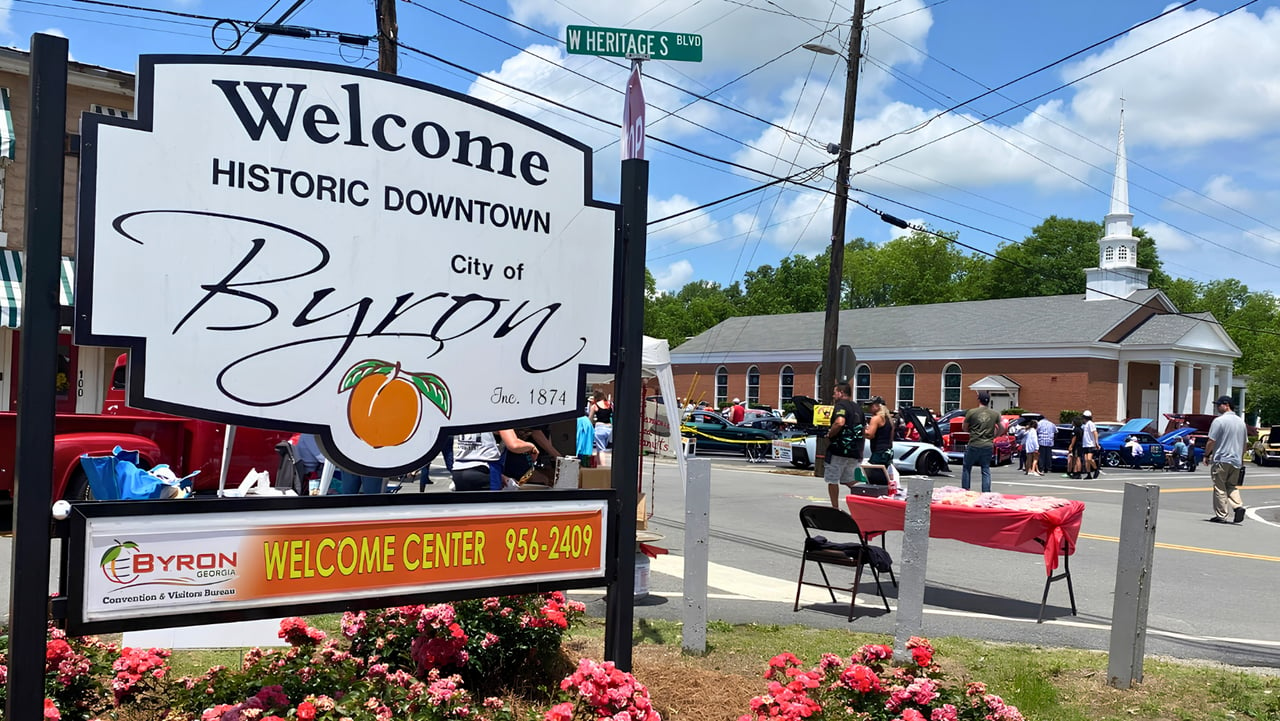
A: Yes. Byron sits primarily in neighboring Peach County, which sets its own millage rates, homestead policies, and assessment practices separate from Houston County. The general mechanic is the same, a reassessment toward your purchase price after a sale, followed by an escrow trueup, but the specific rates and exemption rules differ, so a Byron-area buyer should confirm figures with Peach County rather than assuming Houston County's numbers apply. Because a small portion of Byron extends into Houston County, confirming which jurisdiction a specific address falls in is an important early step for an accurate estimate.
Quarterly refresh note: Confirm Houston County, Board of Education, and City of Warner Robins and City of Perry millage rates each fall after adoption, plus Peach County rates for Byron-area content. Re-verify homestead exemption amounts and the filing window with the Tax Assessor's Office annually. Update the illustrated figures if millage rates or exemption amounts change.
About the Author
William Walton-Dean is a licensed REALTOR® with Walton Dean Realty, operating under Real Broker LLC, serving buyers and sellers across Houston County, Georgia, including Perry, Warner Robins, Bonaire, Kathleen, Byron, and the surrounding Middle Georgia housing market. Known for a data-driven, hyper-local approach and deep expertise in the military and PCS relocation market around Robins Air Force Base, he helps buyers and sellers at every price point make clear, confident decisions backed by real market insight.
📱 478-371-7069
Walton Dean Realty | Real Broker LLC
Buying in Houston County? Let's Calculate Your Real Tax Bill Before You Commit
The listing's tax figure is often the seller's number, not yours, and the rate differs between Warner Robins, Perry, and unincorporated Bonaire or Kathleen. Reach out before you finalize your budget and we will estimate your taxes at your purchase price and your specific location's millage, flag any exemption that will not transfer, and make sure the year-two payment is a number you already planned for.
William Walton-Dean | Walton Dean Realty
📱 478-371-7069
A More Strategic Approach to Real Estate
This article is provided for general informational purposes only and reflects 2025 adopted millage rates, Georgia tax law, and market conditions as of July 2026. It is not tax, legal, or lending advice. Assessed values, millage rates, exemption amounts, and escrow calculations vary by property, by jurisdiction, by tax year, and by servicer, and are subject to change, with Byron-area properties governed by Peach County. Confirm current figures with the Houston County Tax Assessor's Office and Tax Commissioner, confirm escrow details with your lender, and consult a qualified tax professional regarding tax questions. William Walton-Dean is a licensed REALTOR® in the State of Georgia with Walton Dean Realty, operating under Real Broker LLC.