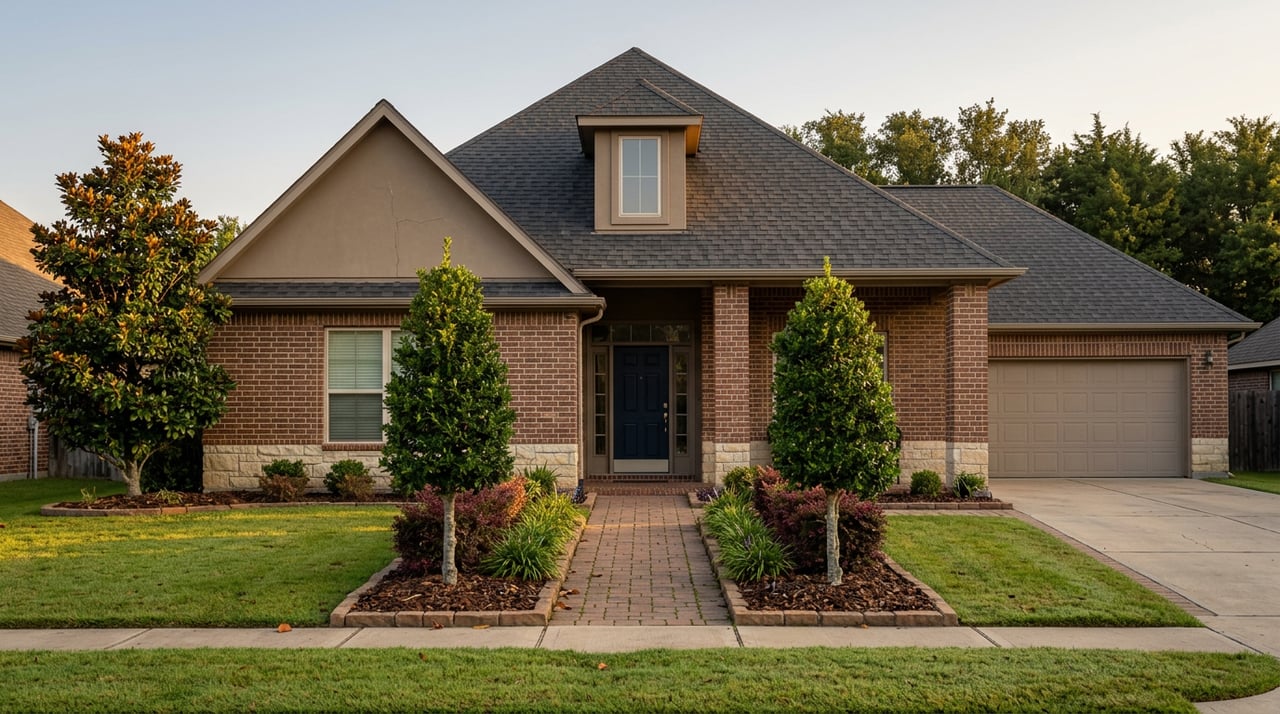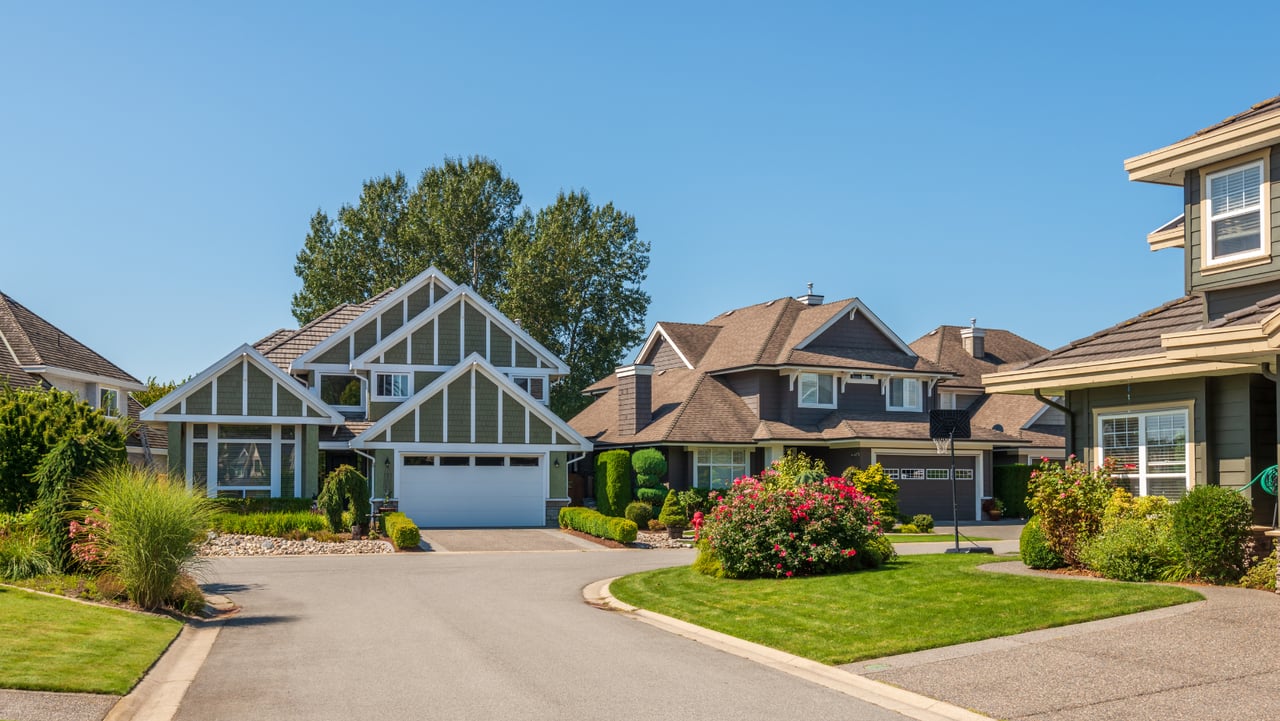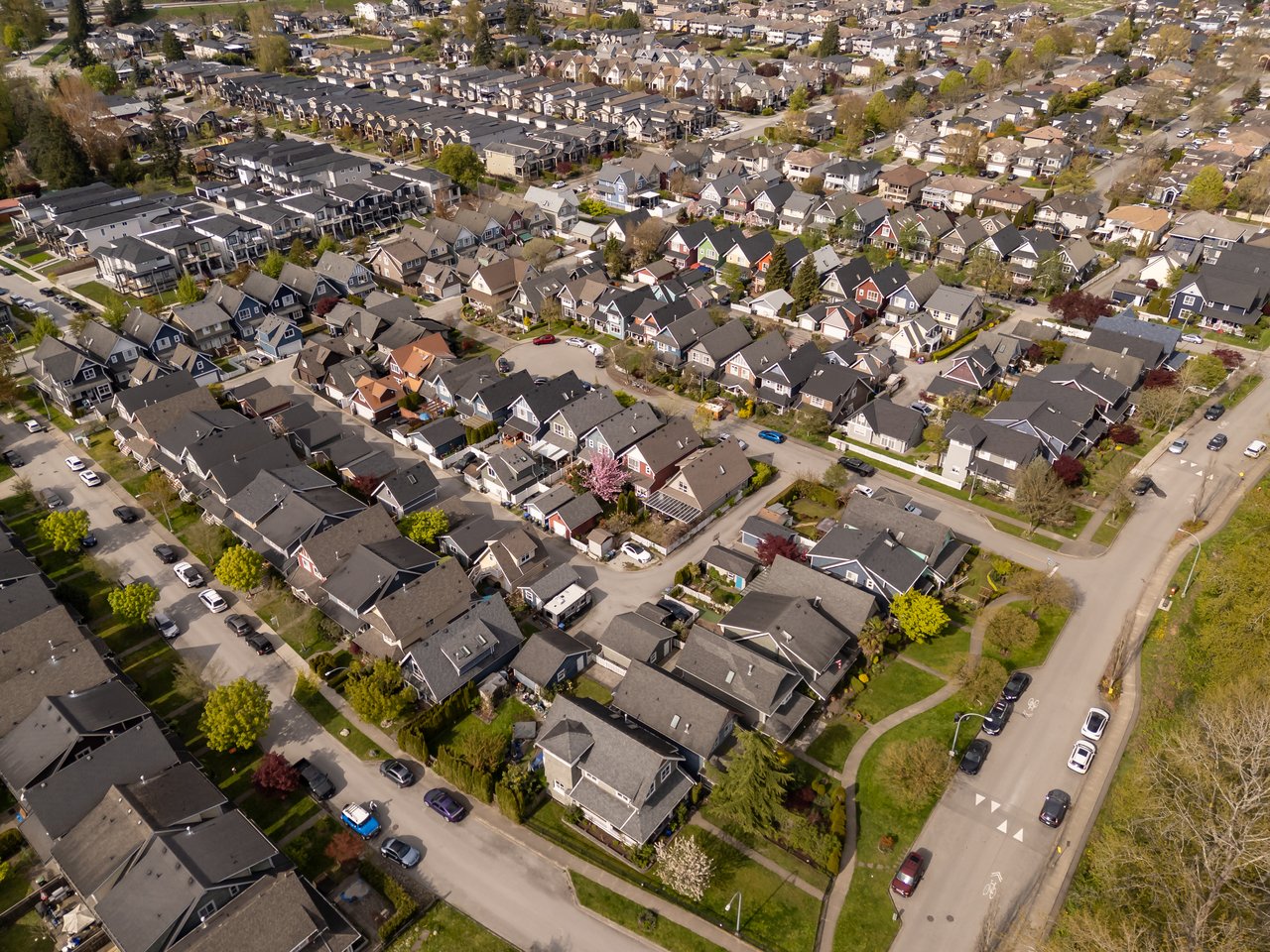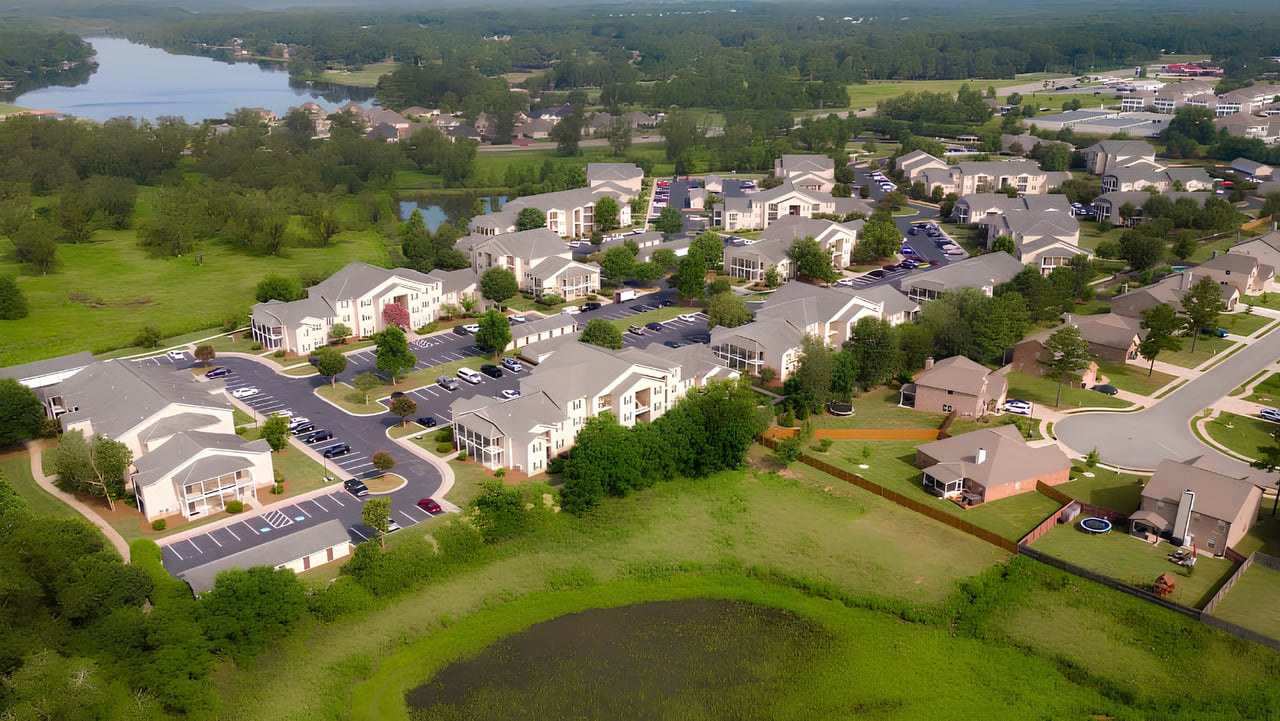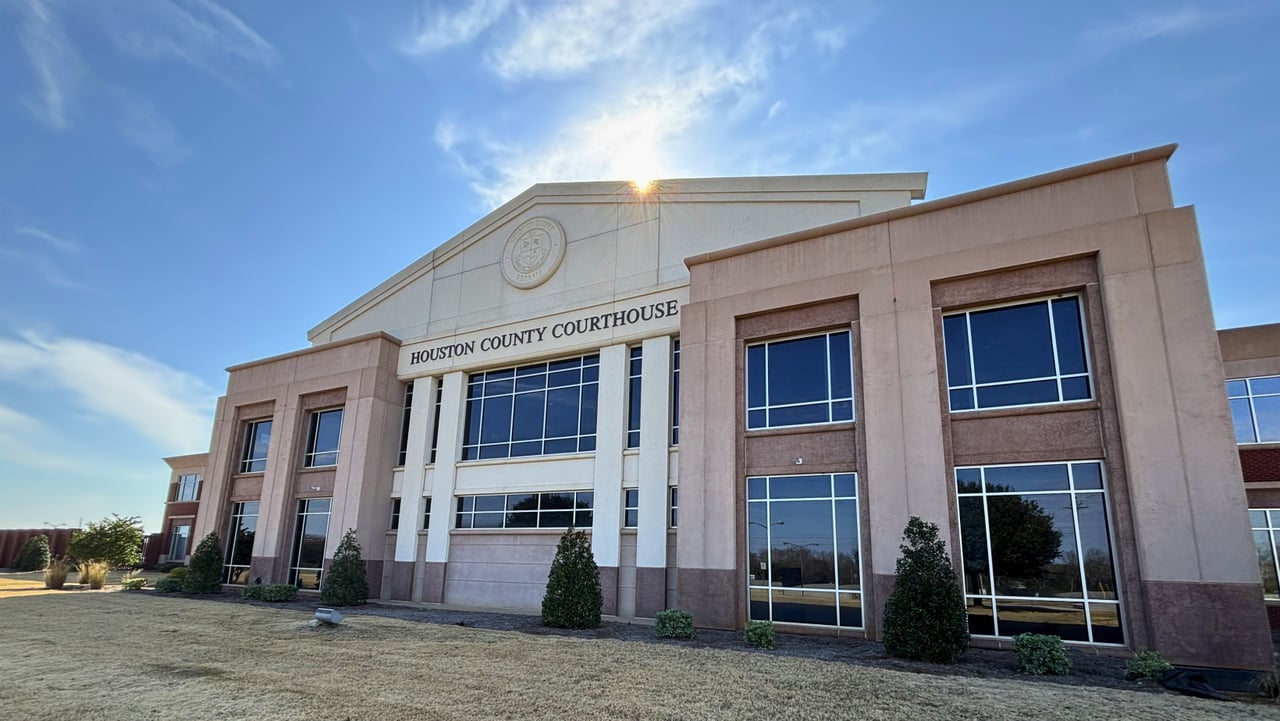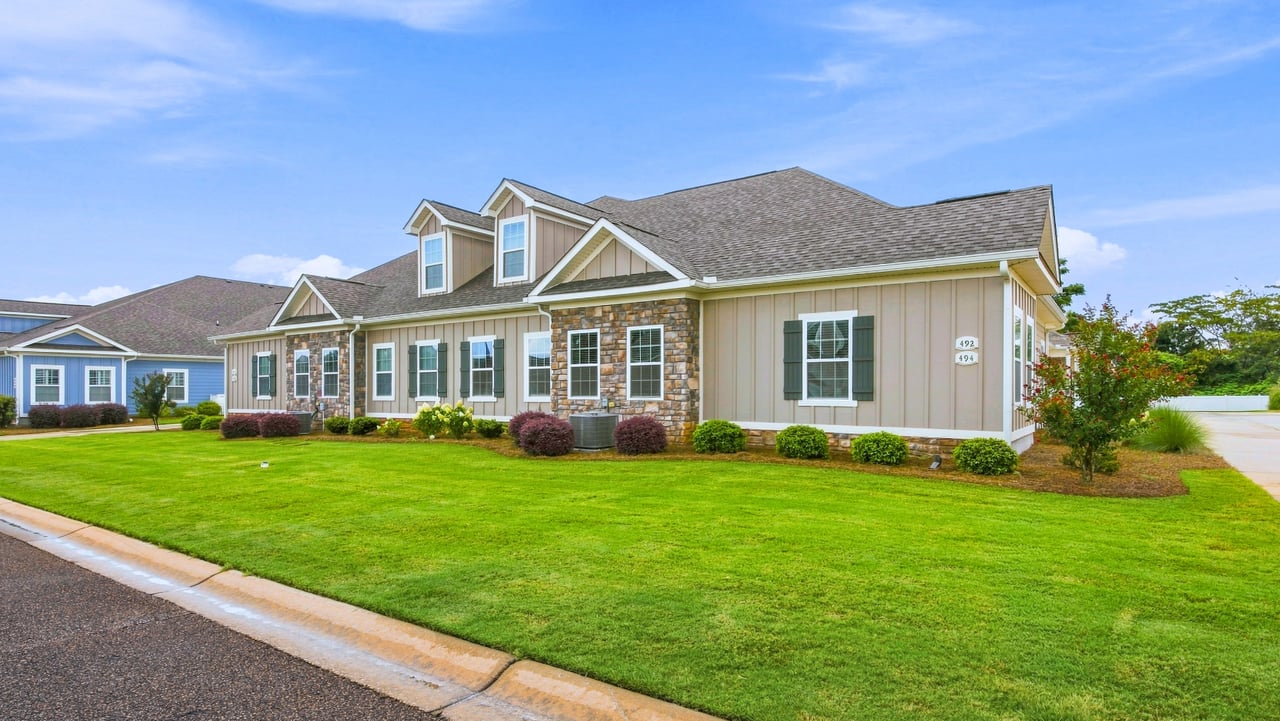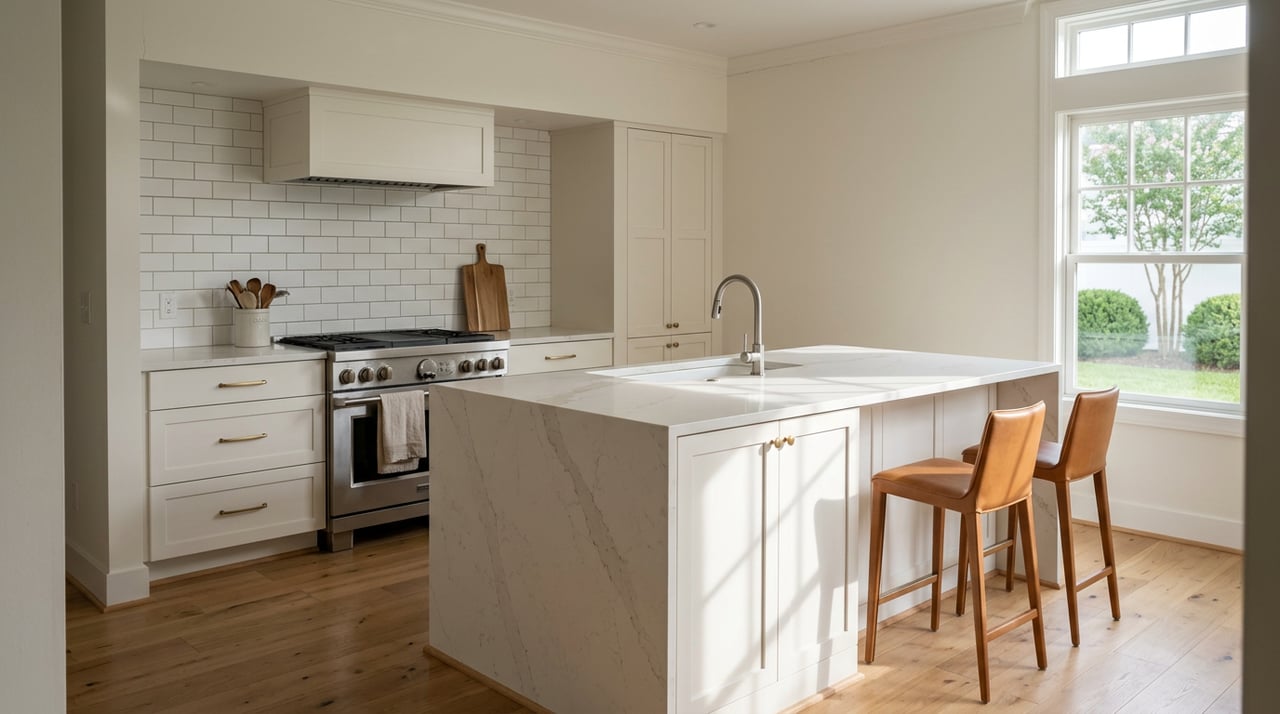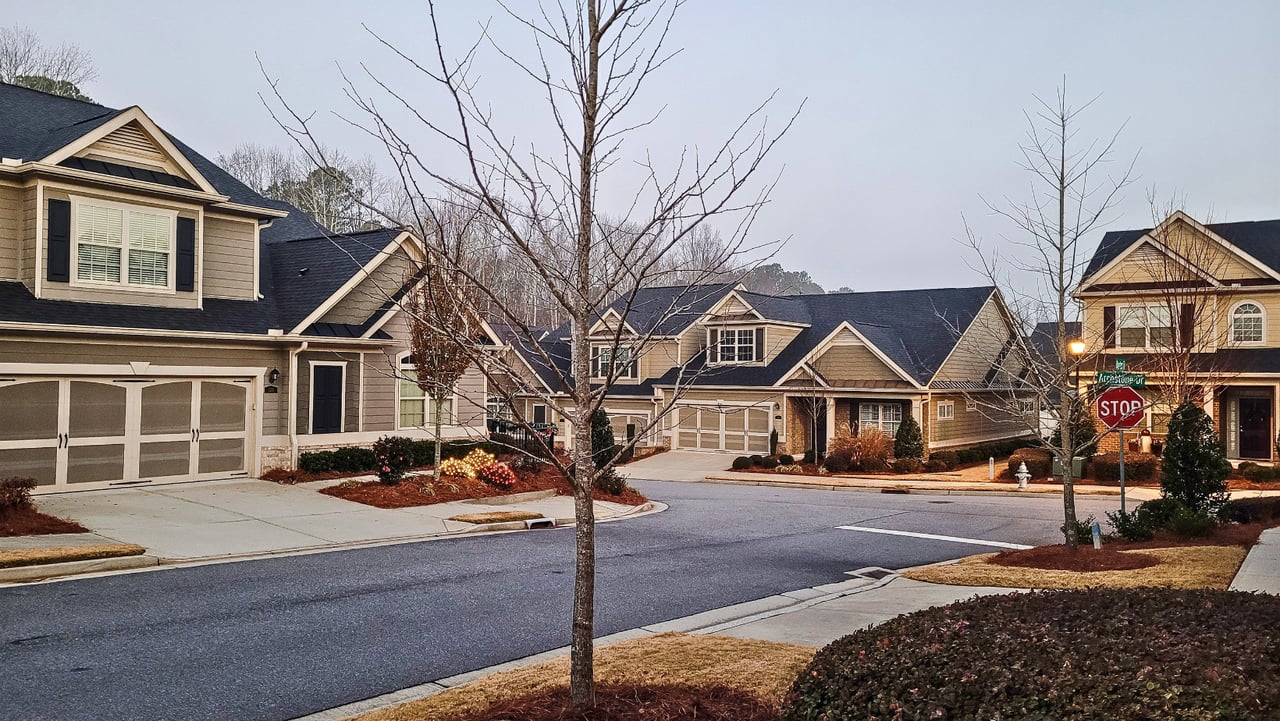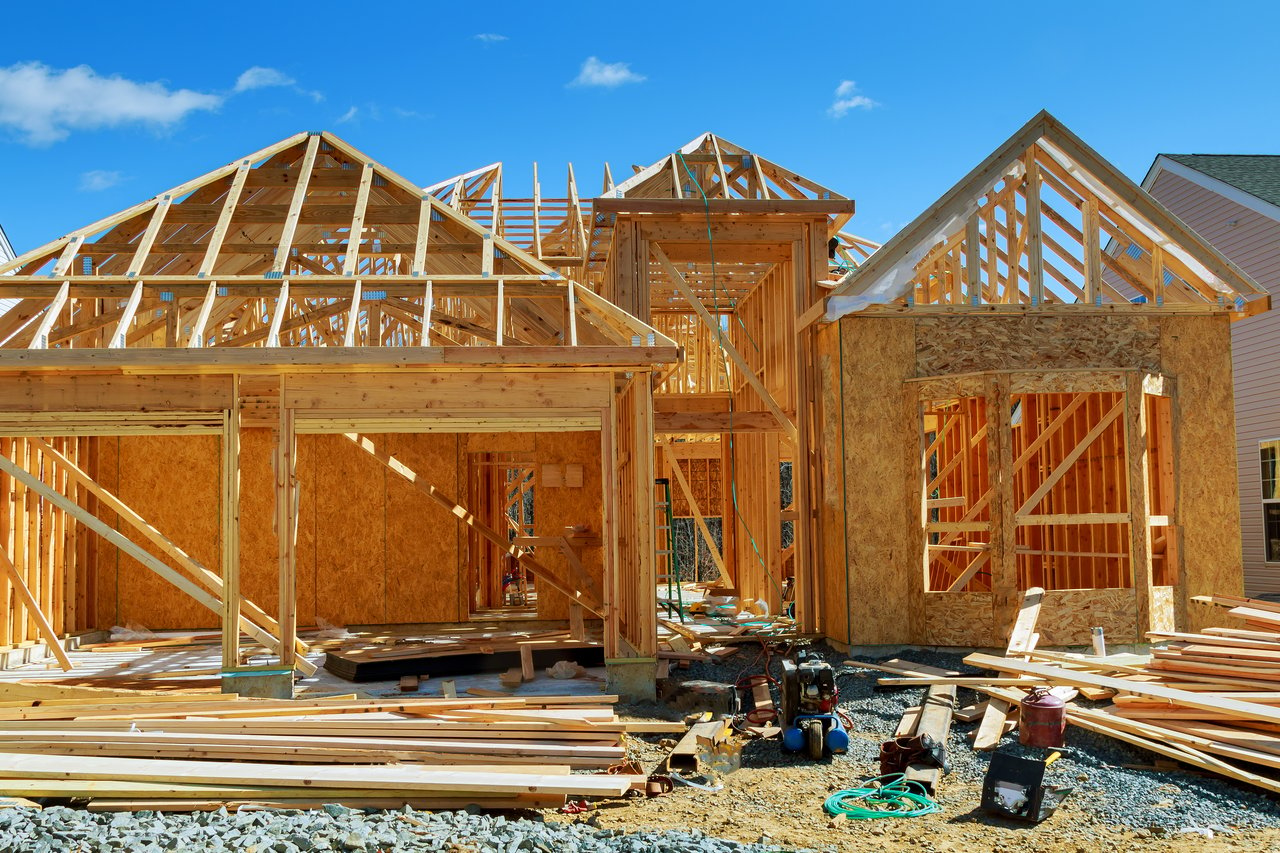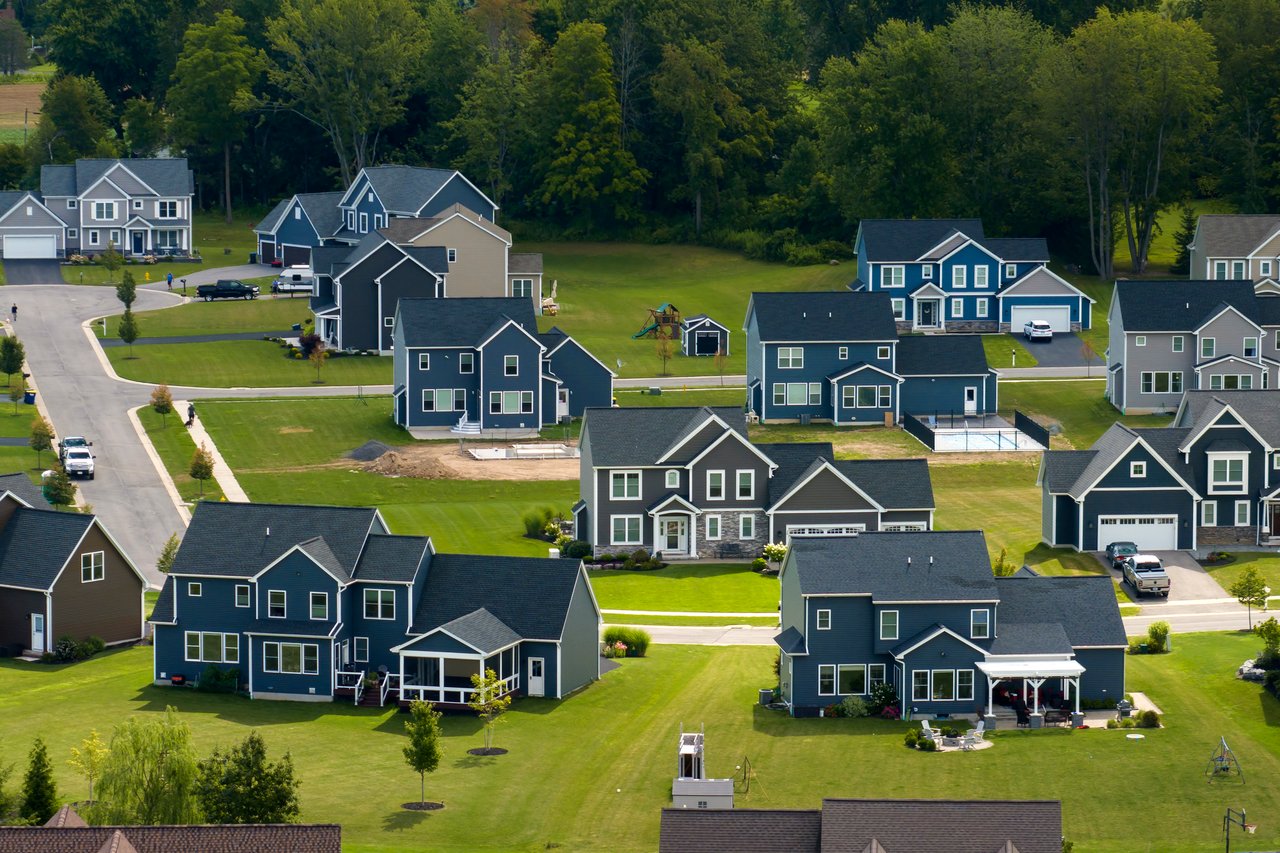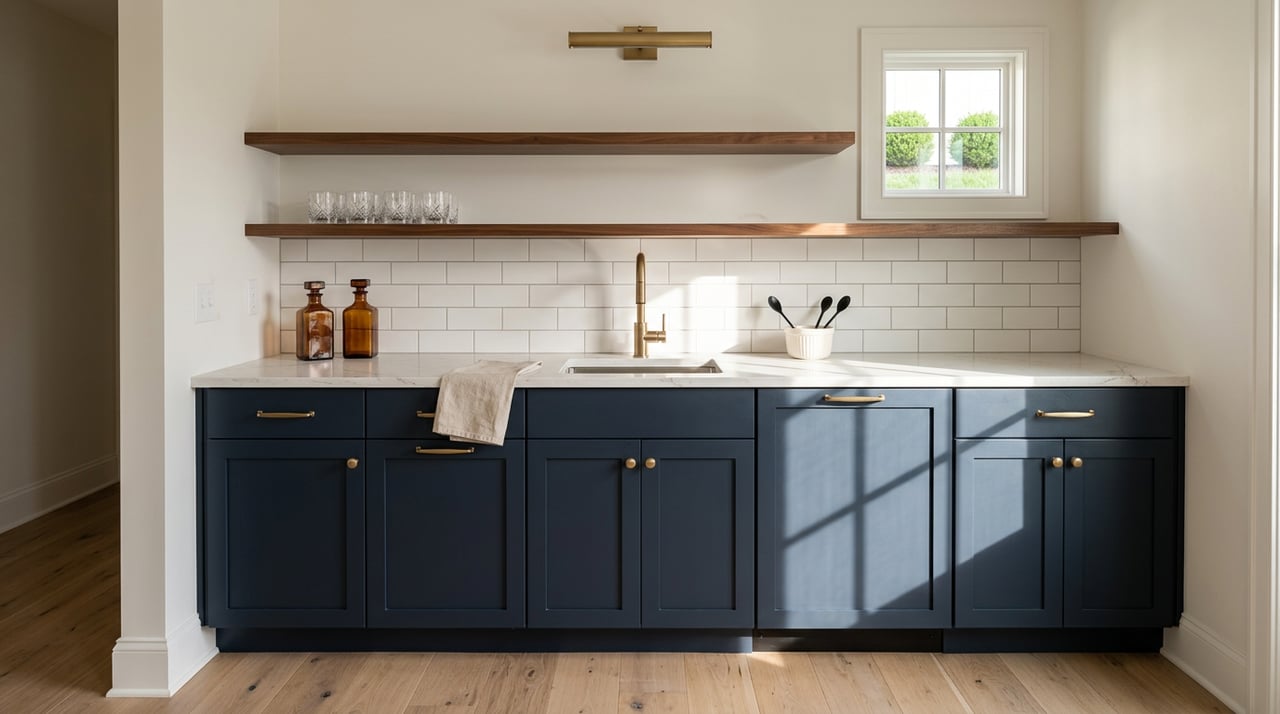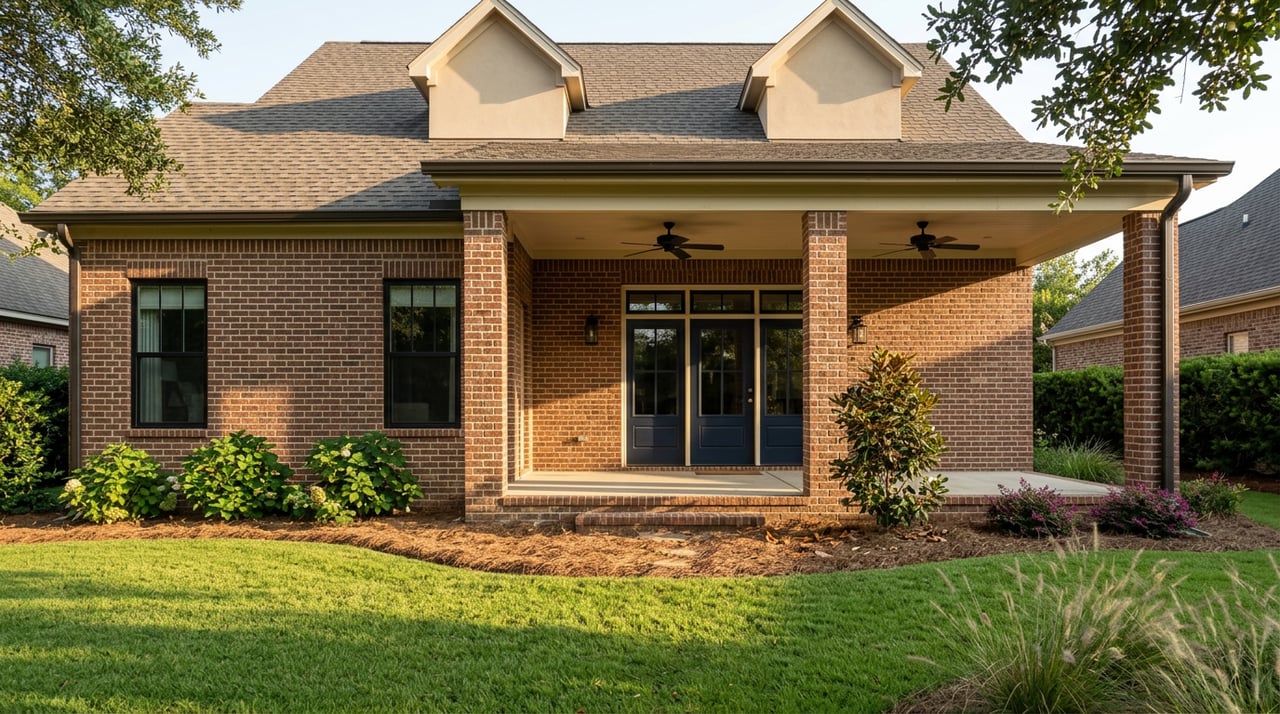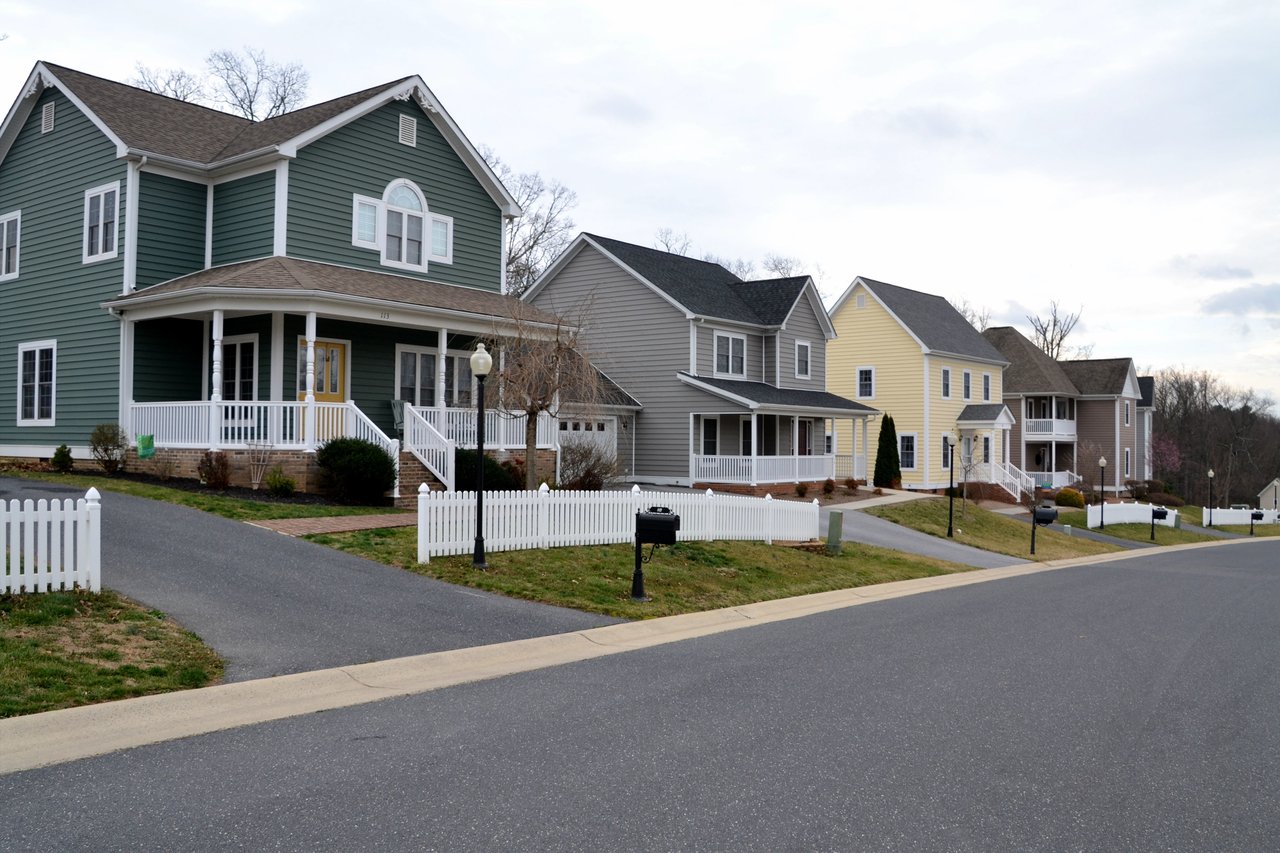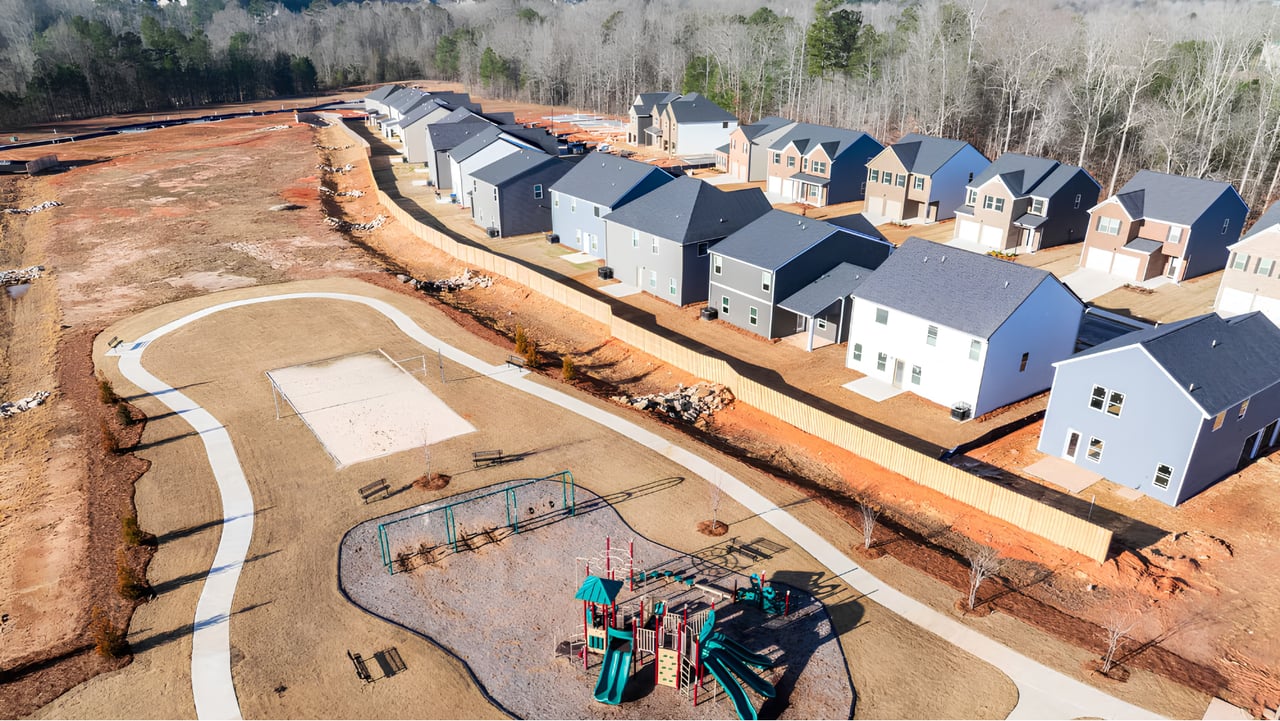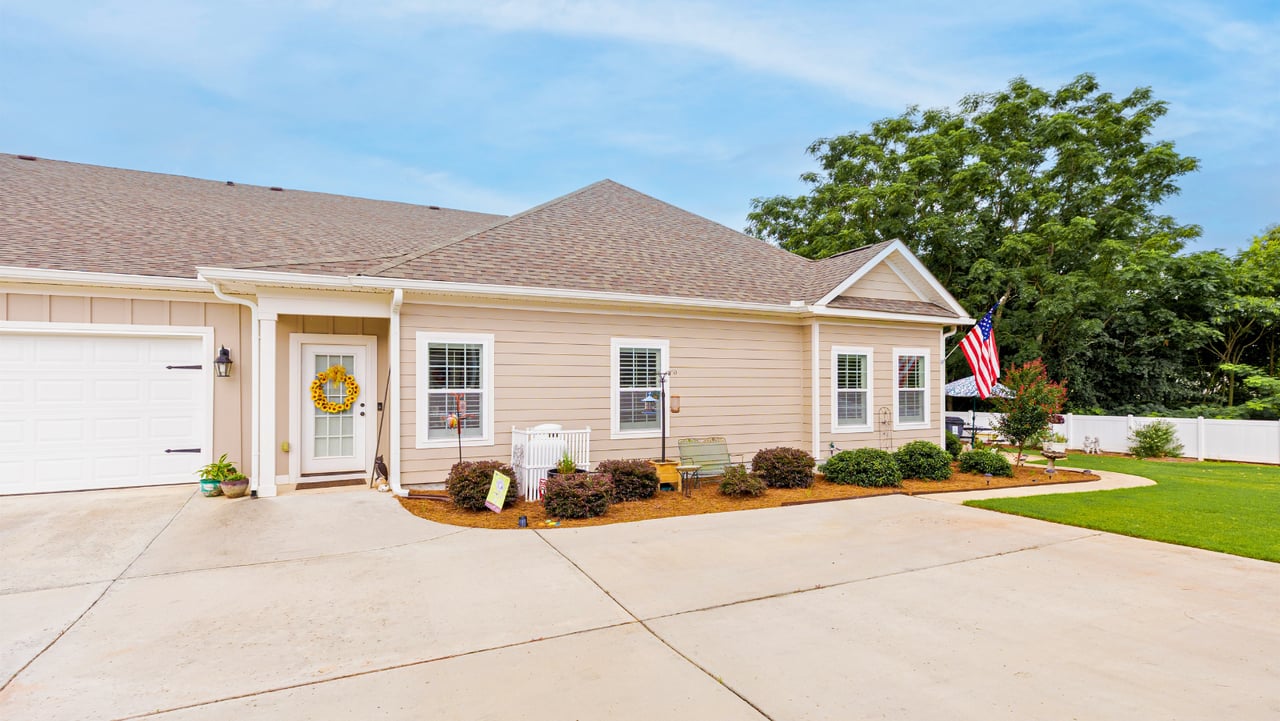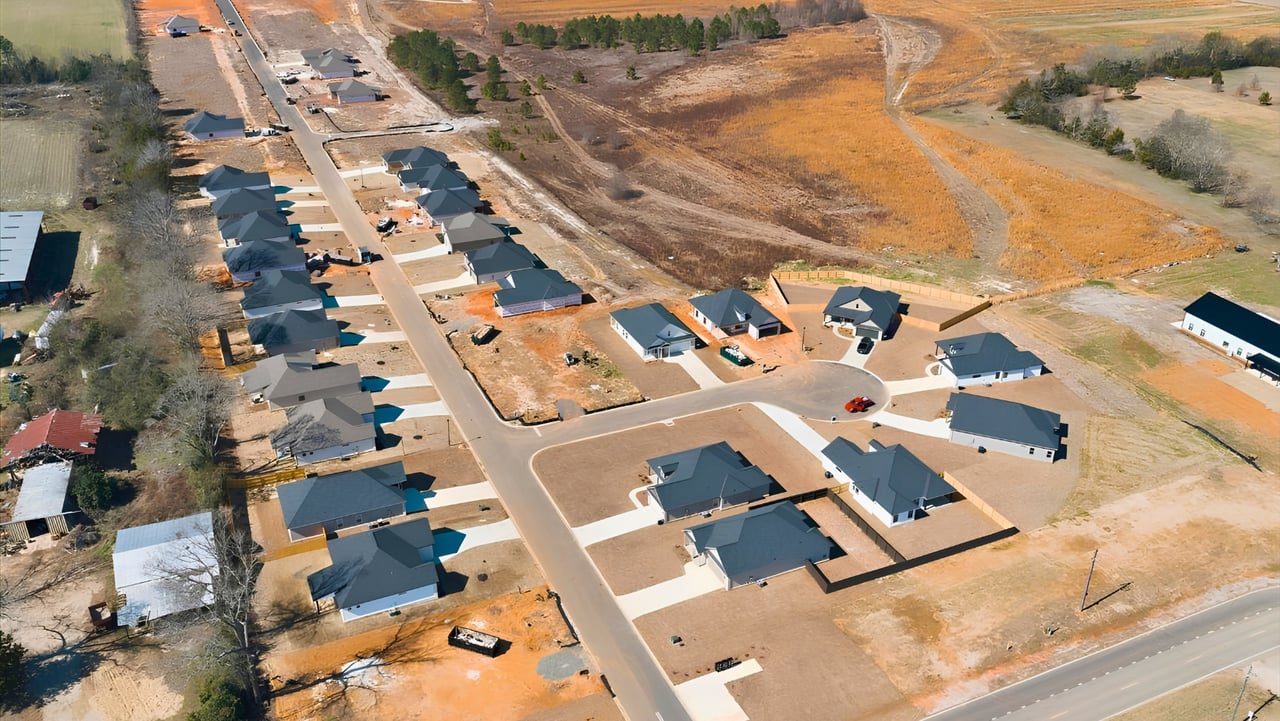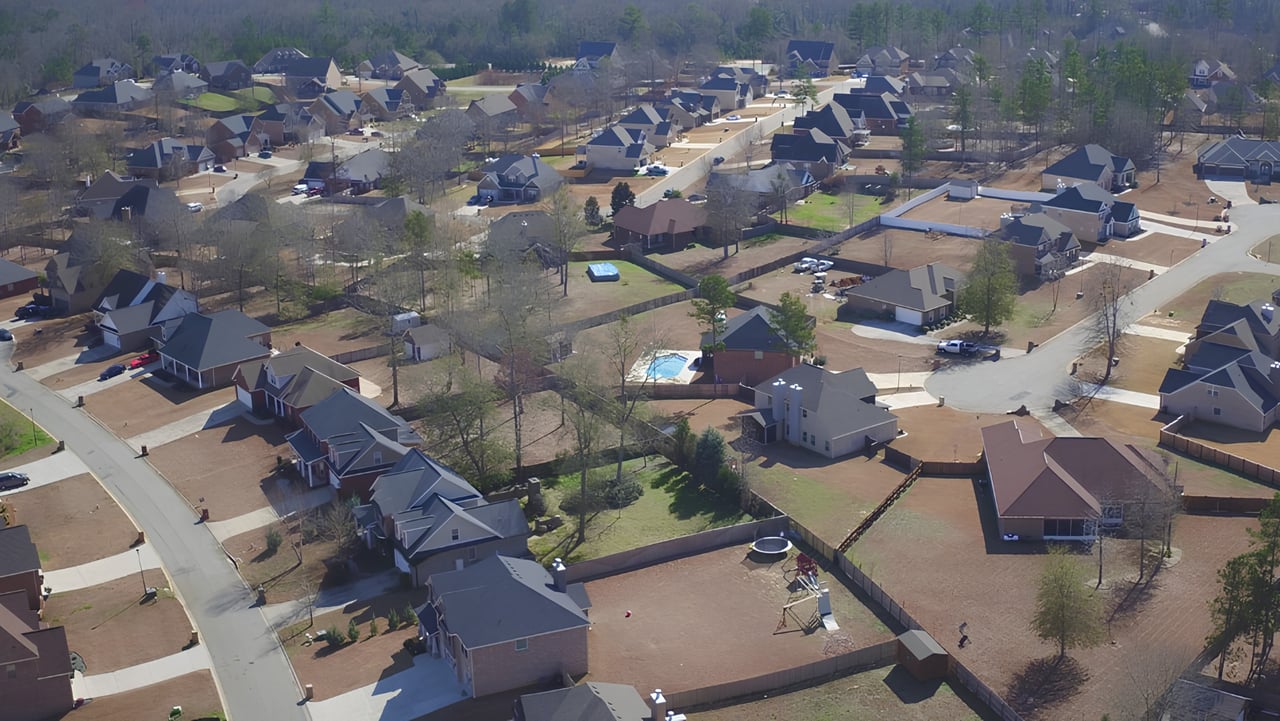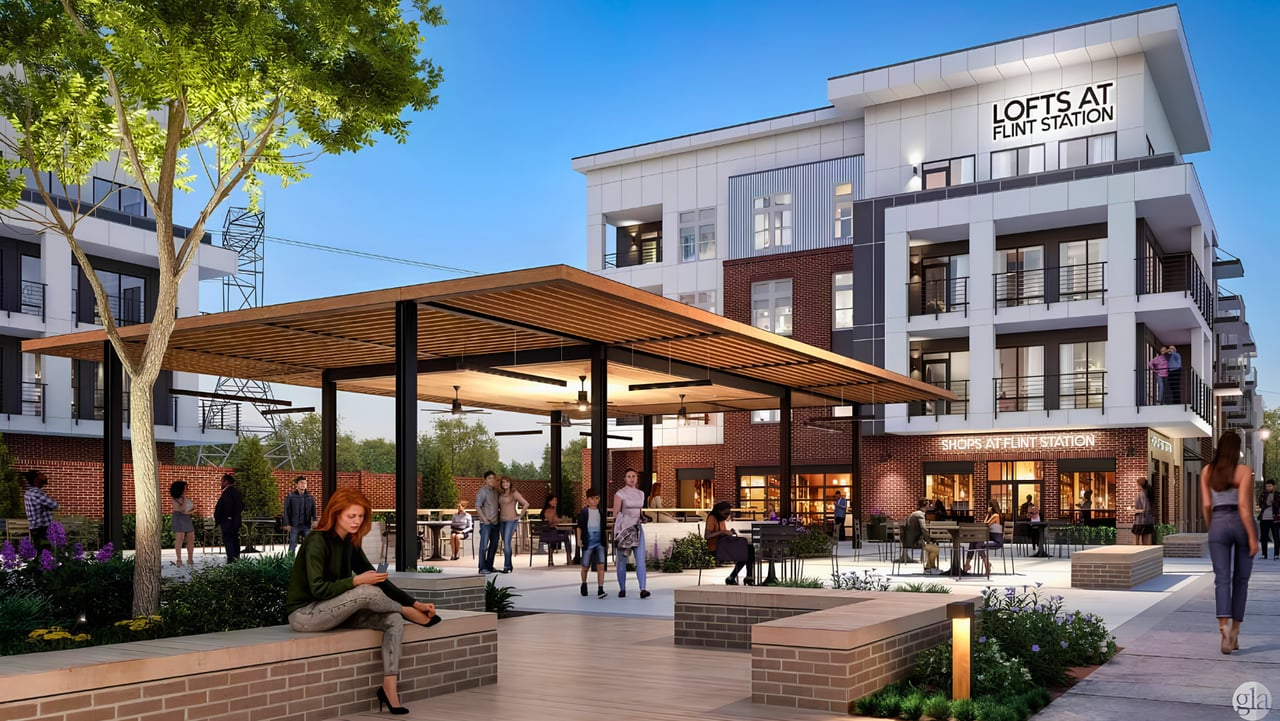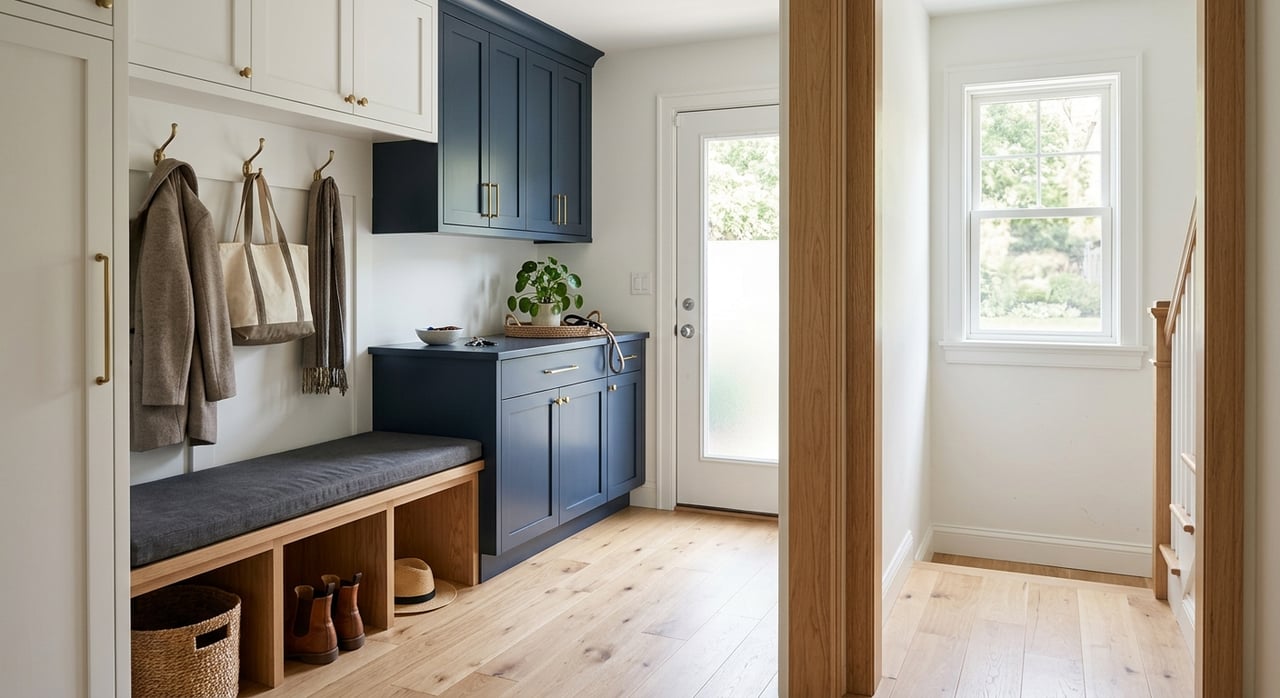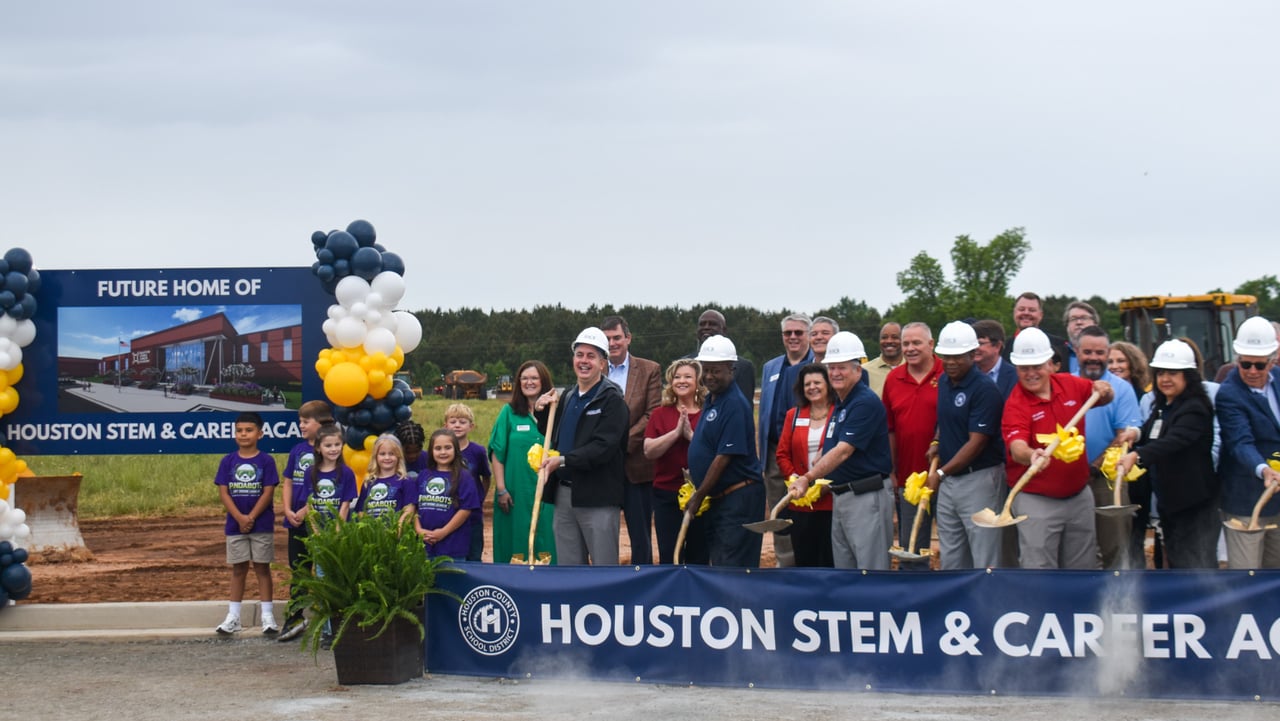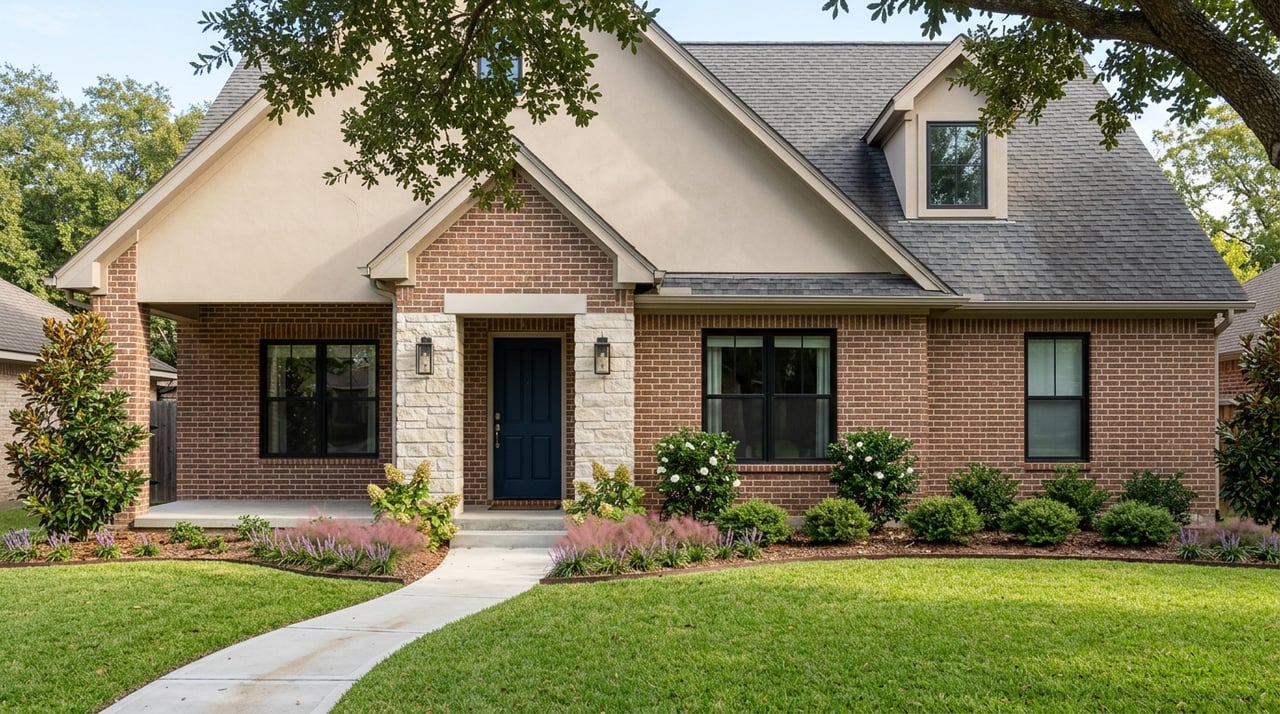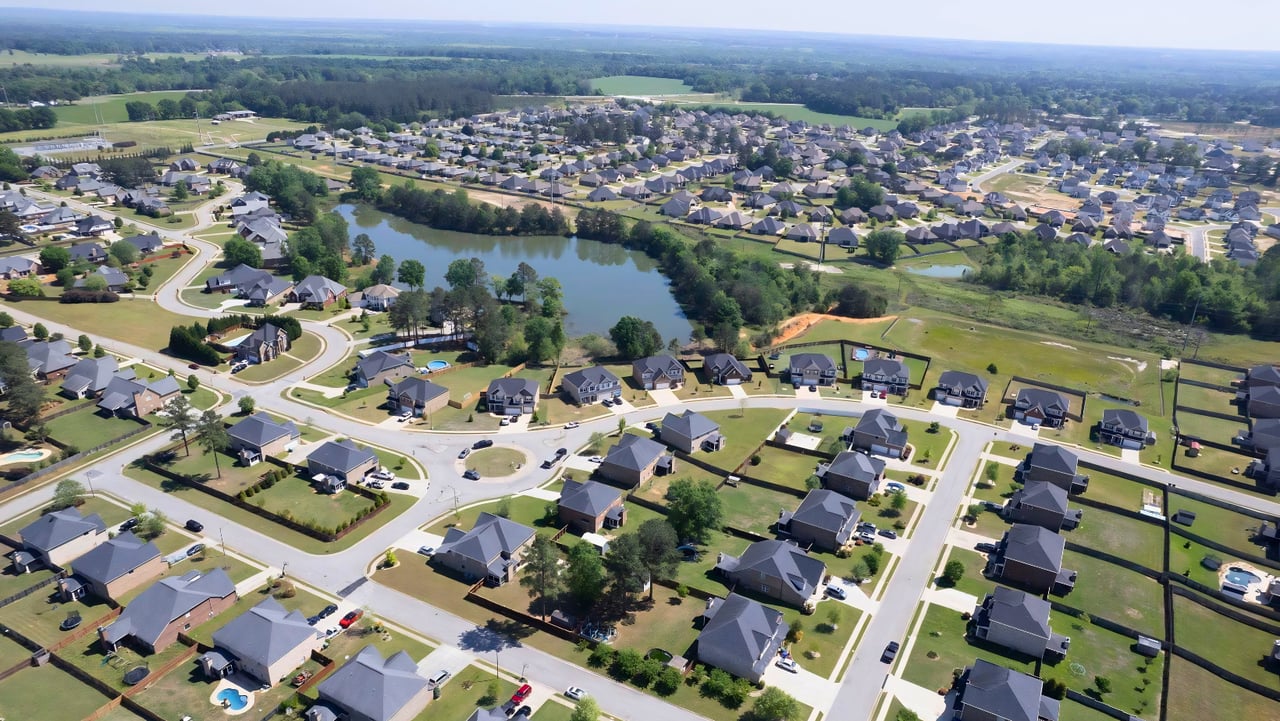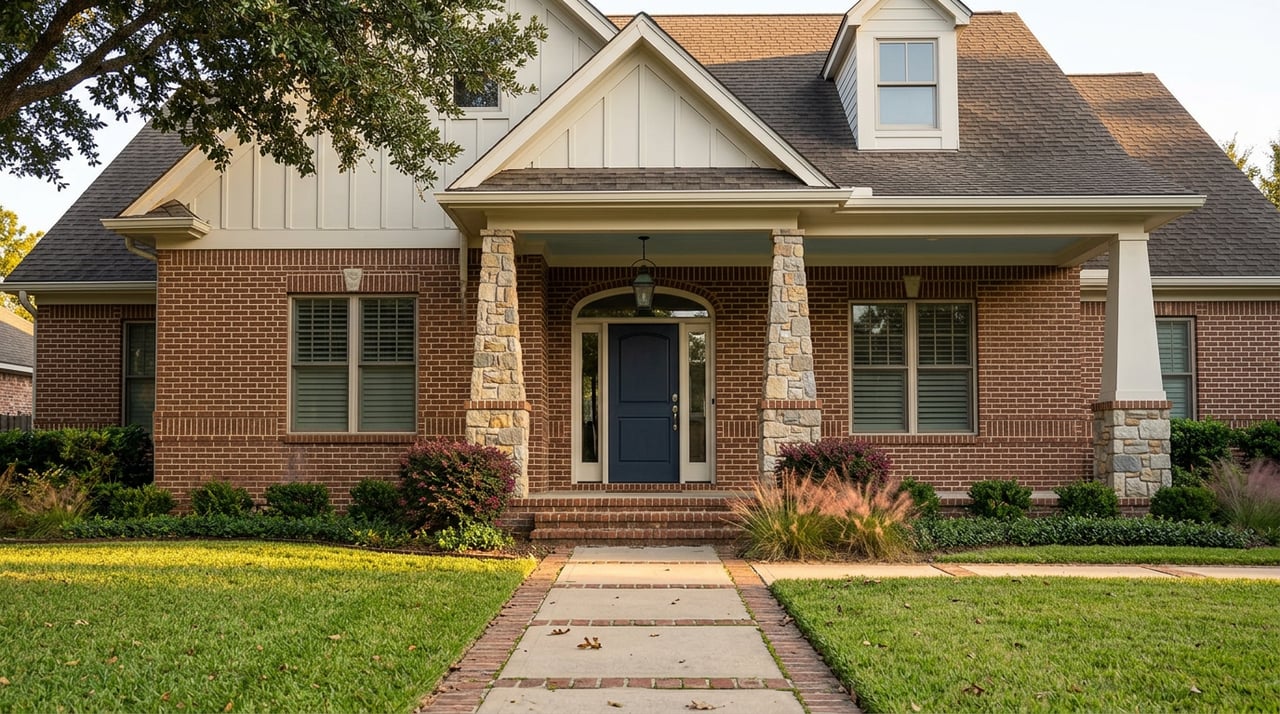
You are standing in a model home at Harley Farms South, looking at a sheet that lists the sale price, the builder's flex cash, and an estimated monthly payment that includes property taxes. The tax line looks almost too good to be true. That is because it is calculated on a number that no longer describes the property in front of you.
This is the piece of Bonaire's new construction boom that rarely comes up at the design center, and it matters more than which floor plan you pick.
Why the first tax bill is a placeholder, not a forecast
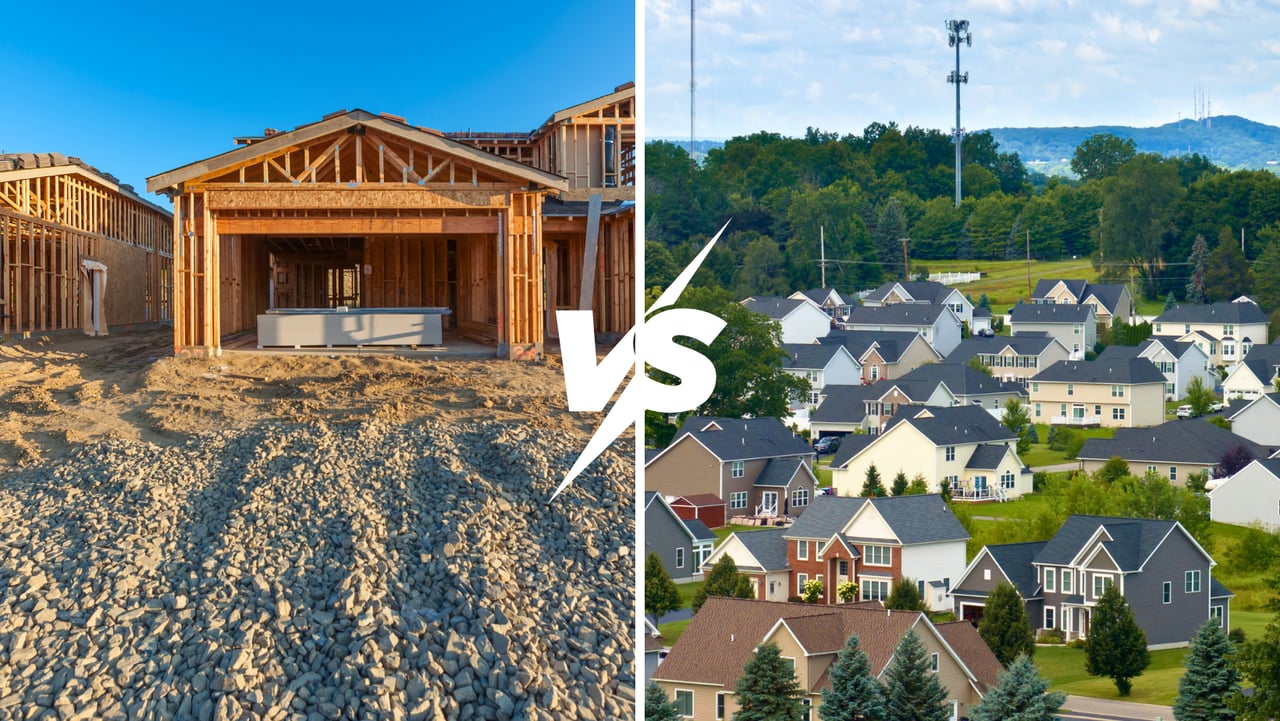
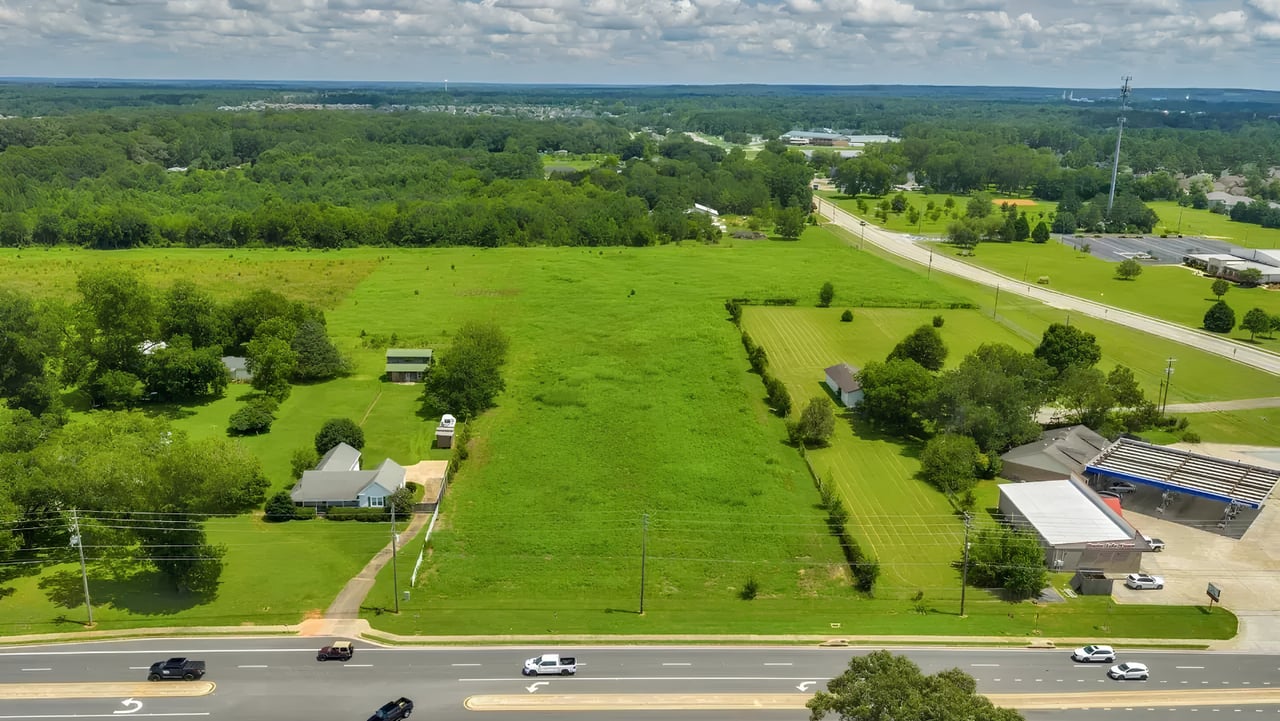
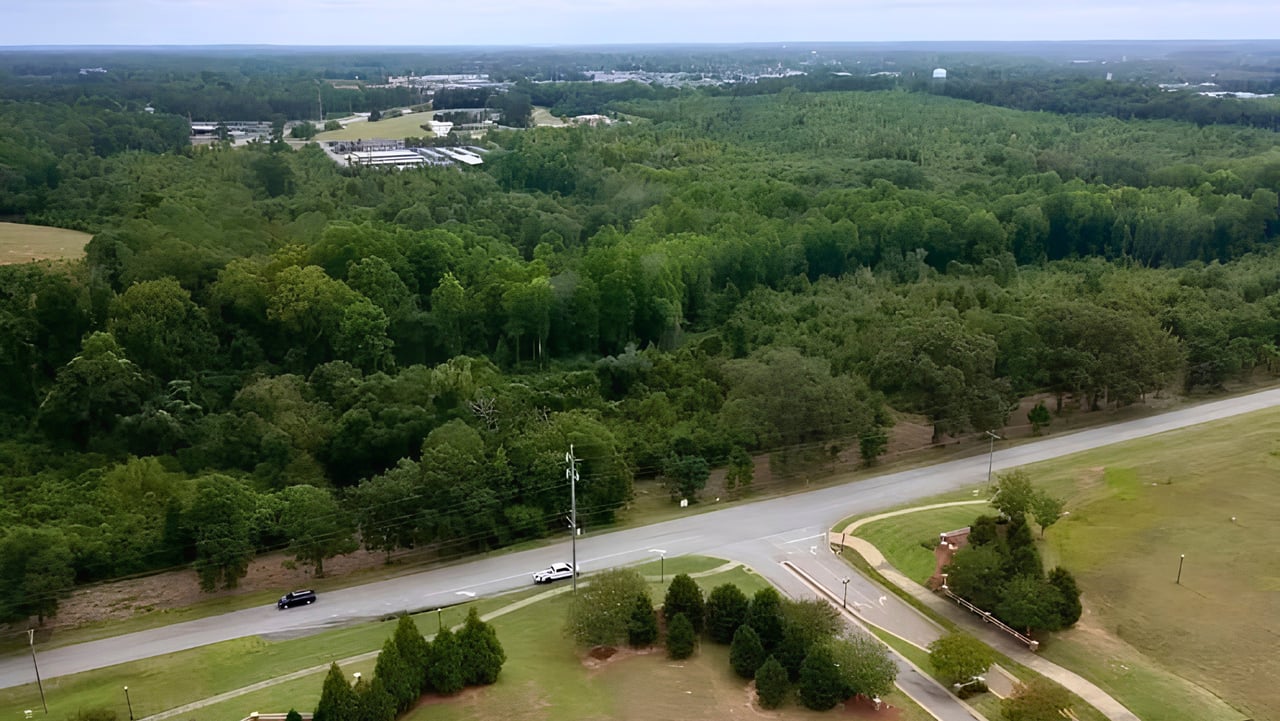
Georgia counties assess real property at 40 percent of fair market value, then apply the local millage rate to that reduced number. Before a house goes up, the county is taxing bare dirt. A half-acre lot in a subdivision like Southfield Plantation or Bryson Crossing might carry a fair market value in the tens of thousands of dollars. Once a finished home sits on that same parcel, the fair market value the county uses jumps into the hundreds of thousands, and the assessment catches up on its own schedule, not the closing date.
Closing attorneys in Georgia see this often enough that they have a workaround for the proration math at settlement. When the prior year's tax bill reflects an empty lot, it is standard practice to estimate the coming year's taxes at roughly 1 percent of the purchase price rather than carry forward the old number, precisely because the vacant-lot bill understates what the finished home will actually owe. That estimate exists to protect the closing proration. It is not the same thing as knowing what your actual bill will look like once the county reassesses, and buyers who treat the estimate as a ceiling are the ones who get surprised.
Georgia's statewide effective property tax rate runs close to 0.79 percent of a home's value in 2026. Applied to a completed house, not the lot it replaced, that rate gives you a rough sense of where the bill eventually lands.
The number on the builder's closing cost sheet describes a property that hasn't existed yet. The number the county sends you next year describes the one you're actually living in.
What that gap looks like across Bonaire's active subdivisions
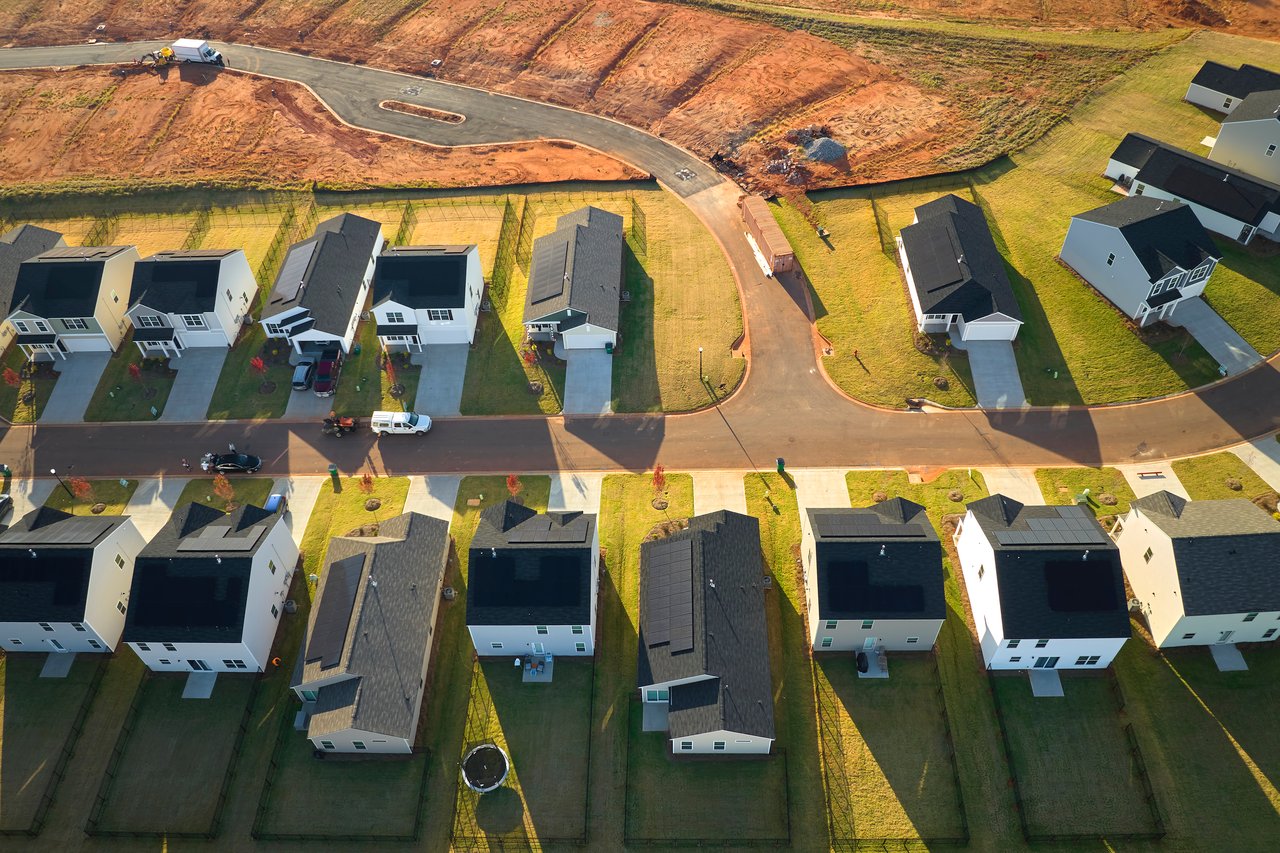
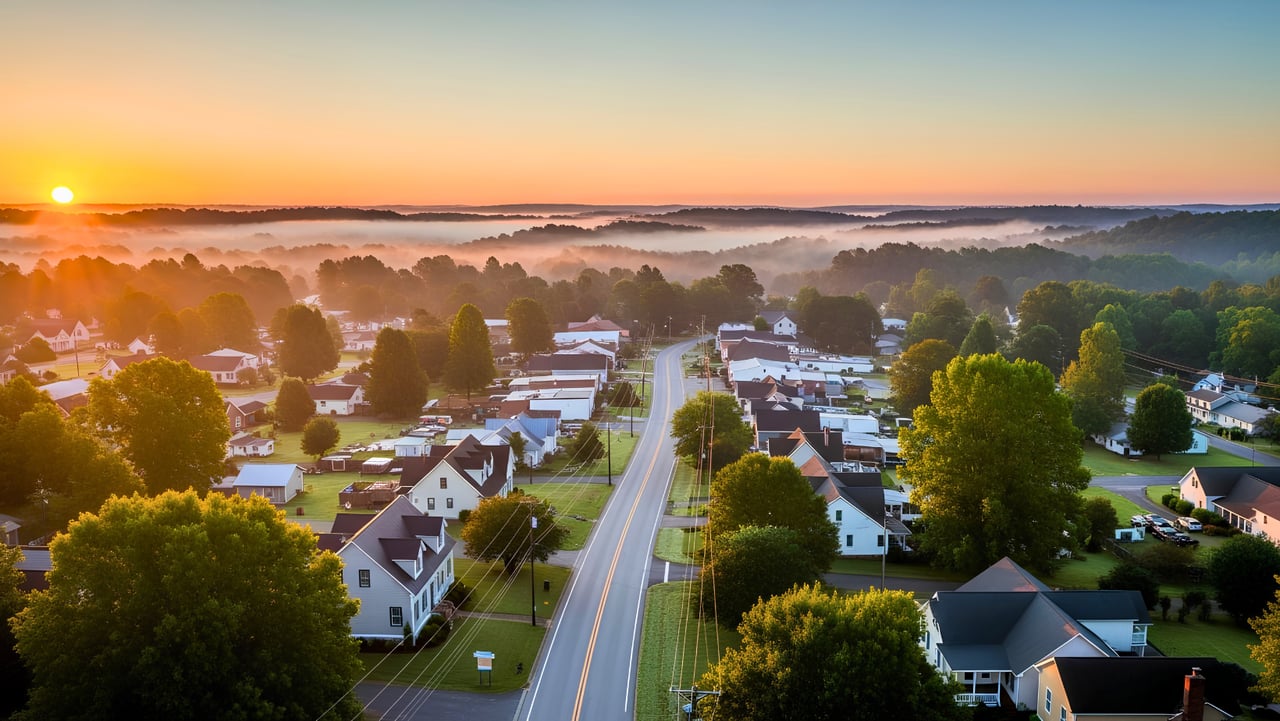
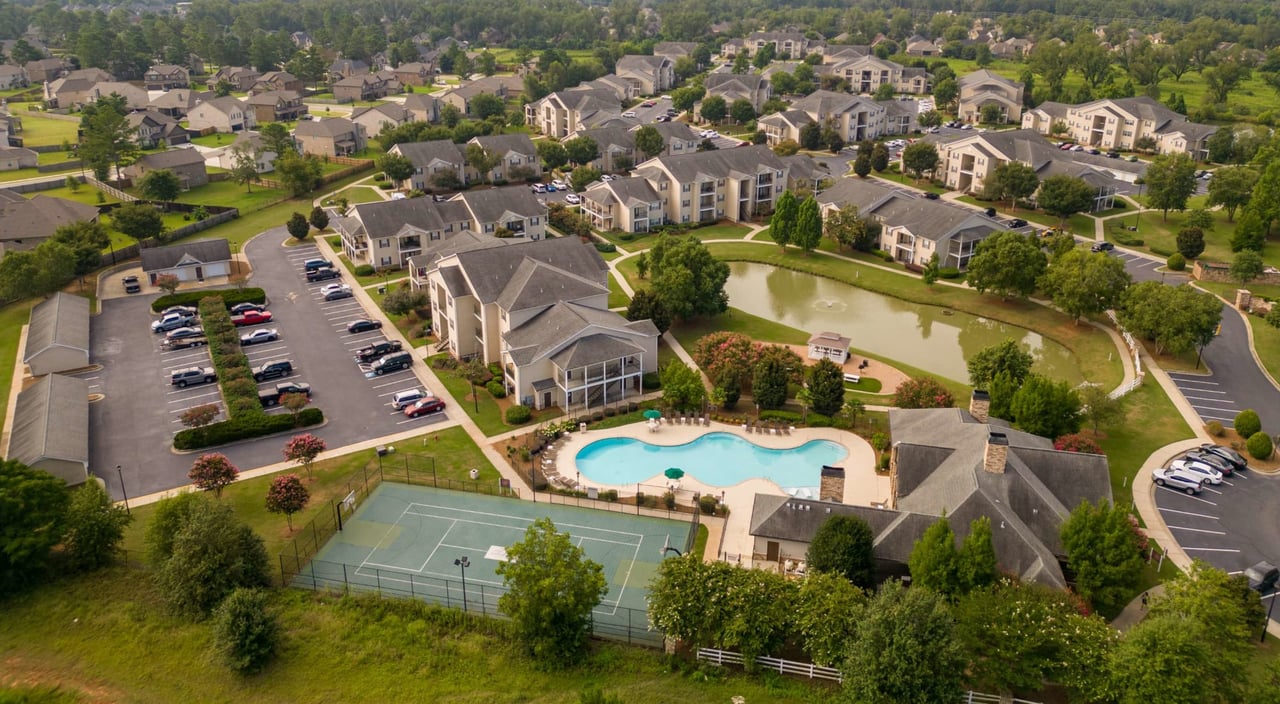
Bonaire currently has several active new-construction communities at different price points, and the size of the year-one-to-year-two tax gap scales with the price of the home. Using the midpoint of each community's advertised range and Georgia's statewide effective rate as an illustration of where the finished-home bill eventually settles:
Subdivision | Builder | Advertised price range | Approx. eventual annual tax at 0.79% |
|---|---|---|---|
Southfield Plantation | Century Complete | $270,000 to $300,000 | Around $2,250 |
Harley Farms South | Peachtree Building Group | $325,000 to $375,000 | Around $2,765 |
Magnolia Flats | Hughston Homes | $400,000 to $600,000 | Around $3,950 |
Bryson Crossing | Various | $400,000 to $500,000 | Around $3,555 |
None of these figures are an assessed value. They are a way of showing that the gap between what a new-construction buyer prorates at closing and what they eventually pay is not a rounding error. On a home in the Magnolia Flats range, the difference between a lot-only bill and a finished-home bill can run into the thousands, arriving as a single reassessment notice rather than a gradual increase.
The practical takeaway is not to avoid new construction. It is to budget for the reassessed number from day one rather than the closing day estimate, so the adjustment doesn't land on your escrow account as a shock.
The incentive sheet deserves the same scrutiny
The tax line isn't the only number on that closing cost sheet that needs translation. Builders in Bonaire have been advertising flex cash and rate buydown packages that can look like straightforward savings but are structured to protect the builder's list price first. Earlier this year, Harley Farms South was offering up to $25,000 in flex cash on select homes, and Magnolia Flats had a comparable offer of up to $15,000. Packages like these move month to month and lot to lot, so the specific number attached to a home today may differ from what these communities were advertising when this comparison was built. What stays consistent is the structure worth understanding before you sign anything.
A rate buydown and a closing cost credit solve different problems, and most of these offers require you to use the builder's preferred lender to unlock the full value. That is not automatically a bad deal, but it means the honest way to evaluate it is to get a quote from an outside lender and compare the total loan cost, not just the advertised monthly payment. A generous-looking flex cash number can still cost you more over the life of the loan if the preferred lender's rate or fees run higher than what you would find on your own.
The comparison that matters is simple: what does the offer do to your monthly payment, and how much cash do you bring to closing. Run both figures side by side before you decide which incentive structure fits your plans.
What VA buyers need to know before the appraisal
A meaningful share of Bonaire's new construction traffic comes from buyers using a VA loan, and the timeline on these homes works differently than it does on an existing resale. Every VA purchase requires a VA appraisal, and the appraiser is also checking the home against the VA's Minimum Property Requirements, a baseline standard covering things like working utilities, pest-free construction, and legal access to the property. A home under construction generally needs to be complete or nearly complete before that appraisal can move forward cleanly, which is one reason quick-move-in inventory homes tend to close with fewer complications than homes still being framed.
It is worth remembering that a VA appraisal and a home inspection are not the same exercise. The appraisal establishes value and checks for baseline habitability standards. It is not a system-by-system evaluation of workmanship, and VA guidance is direct that the loan program guarantees your loan, not your home's condition. An independent inspection, even on brand-new construction, catches the kind of finish and installation issues an appraiser has no reason to flag. Some VA buyers schedule that inspection before closing so the builder addresses issues upfront. Others wait until close to the 11-month mark of the builder's one-year warranty, giving small defects time to surface before the warranty window closes. Either approach works as long as you don't skip it entirely.
Before you sign at any Bonaire builder's office
A short list is worth having in hand before your next visit to a model home or sales trailer:
- Ask your closing attorney what the current tax bill reflects, land only or finished home, and request a written estimate of the reassessed number rather than relying on the proration figure alone.
- Get a Good Faith Estimate from the builder's preferred lender and from at least one outside lender, then compare the total loan cost, not just the advertised rate.
- Have every incentive, whether it's flex cash, a rate buydown, or a closing cost credit, written into the purchase contract with the specific dollar amount and any conditions attached.
- If you're using a VA loan, confirm with your lender how far along construction needs to be before the appraisal can proceed, and schedule an independent inspection regardless of what the builder's warranty covers.
- Budget your monthly housing cost using the eventual reassessed tax figure, not the number on the closing day settlement statement.
A few questions worth settling
Will my property tax bill definitely double in year two? Not necessarily double, but it will typically increase once the county reassesses the completed home rather than the vacant lot. The size of the increase depends on how much the finished home's fair market value exceeds what the land alone was worth, which is why higher-priced communities like Magnolia Flats see a larger dollar swing than entry-price communities like Southfield Plantation.
Does a VA loan work the same way on a finished inventory home as it does on a to-be-built home? The appraisal requirement applies either way, but a finished or nearly finished home is generally easier to appraise cleanly, since the appraiser is evaluating a property that already exists rather than a set of plans.
Is an inspection really necessary on a brand-new house? Yes. New construction can carry mistakes or overlooked details that don't surface during a standard walkthrough, and neither the builder's warranty inspection nor the VA appraisal replaces an independent, system-by-system review.
If you're evaluating a specific lot in Bonaire and want a second set of eyes on the tax math or the incentive package before you sign, that is exactly the kind of review William Walton-Dean walks clients through ahead of every new construction contract. Schedule a Consultation before your next visit to a builder's sales office.