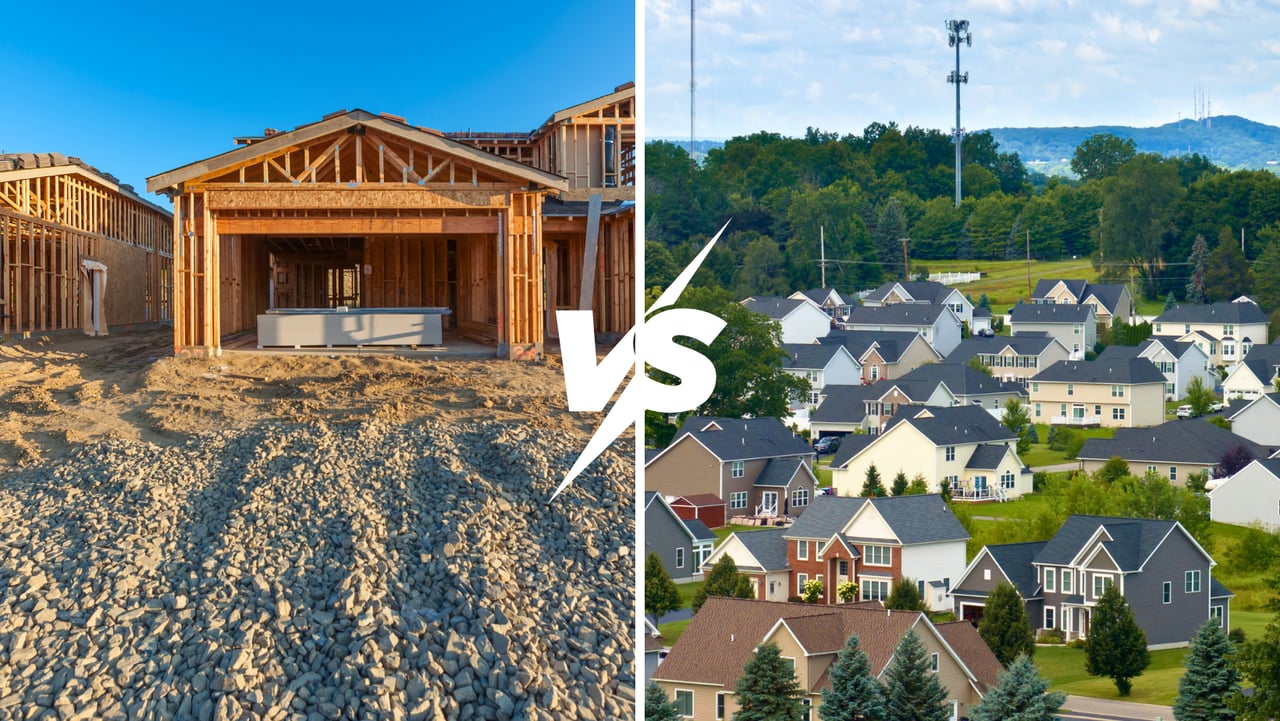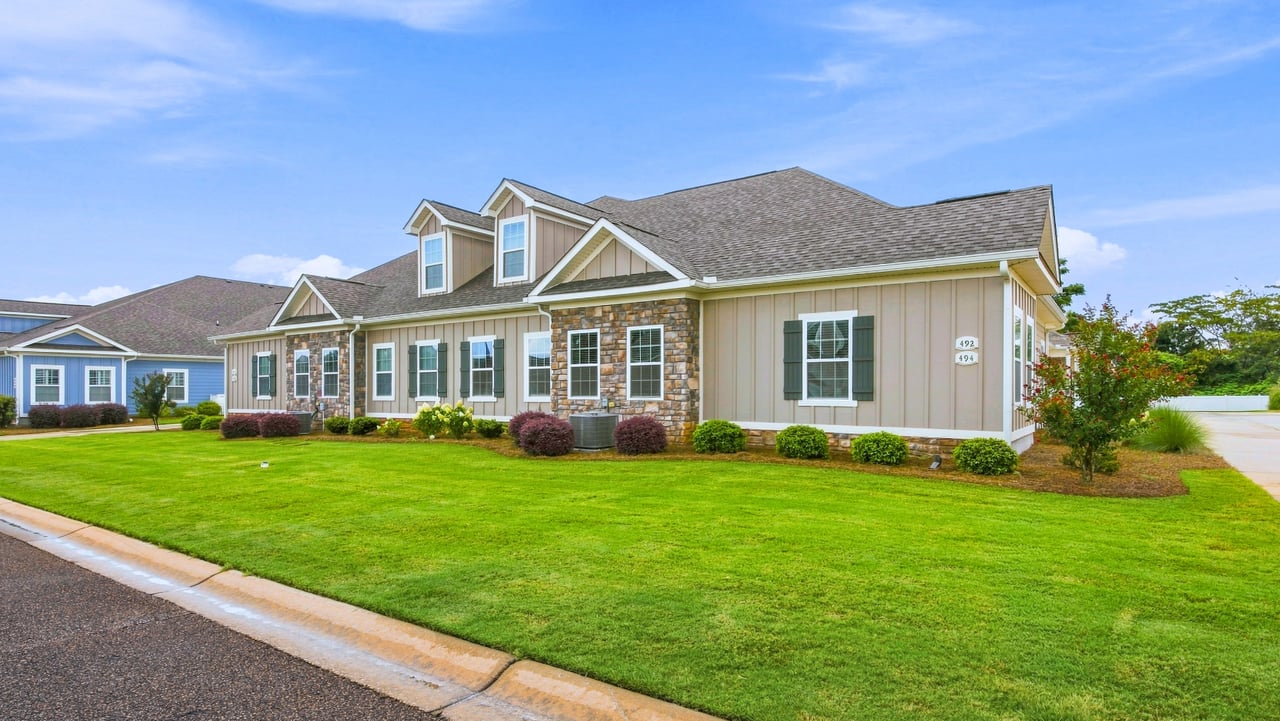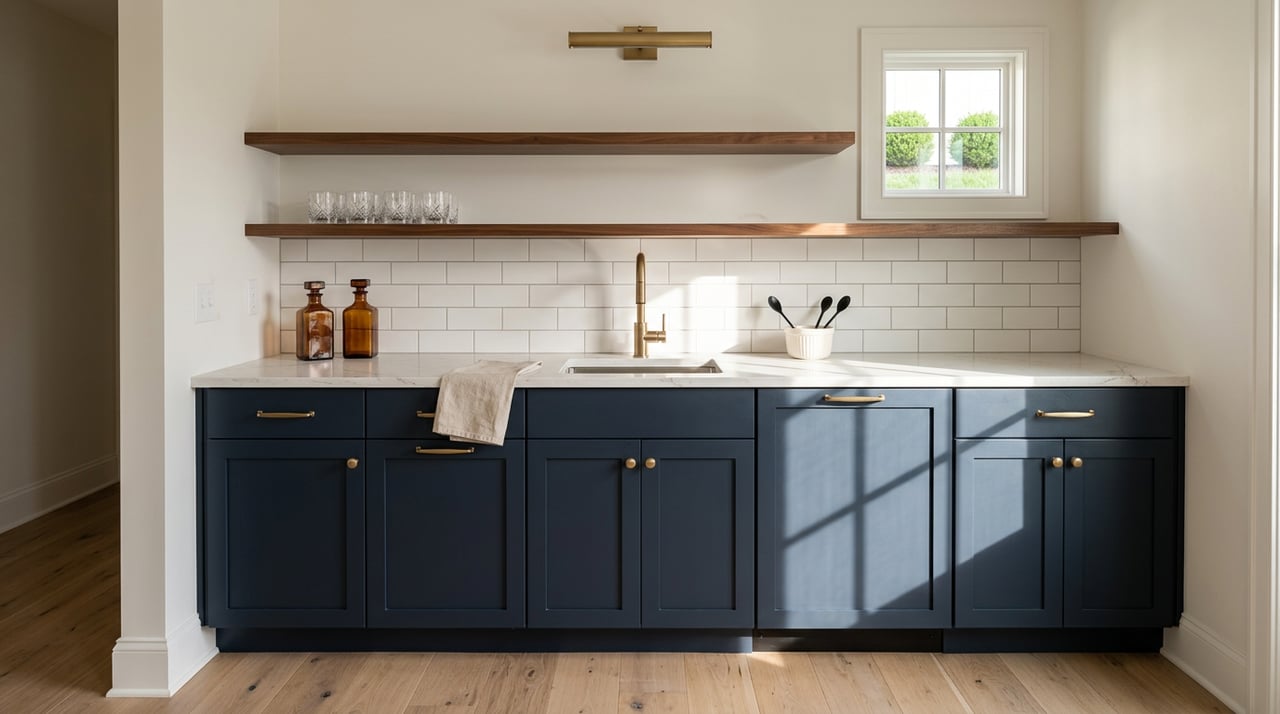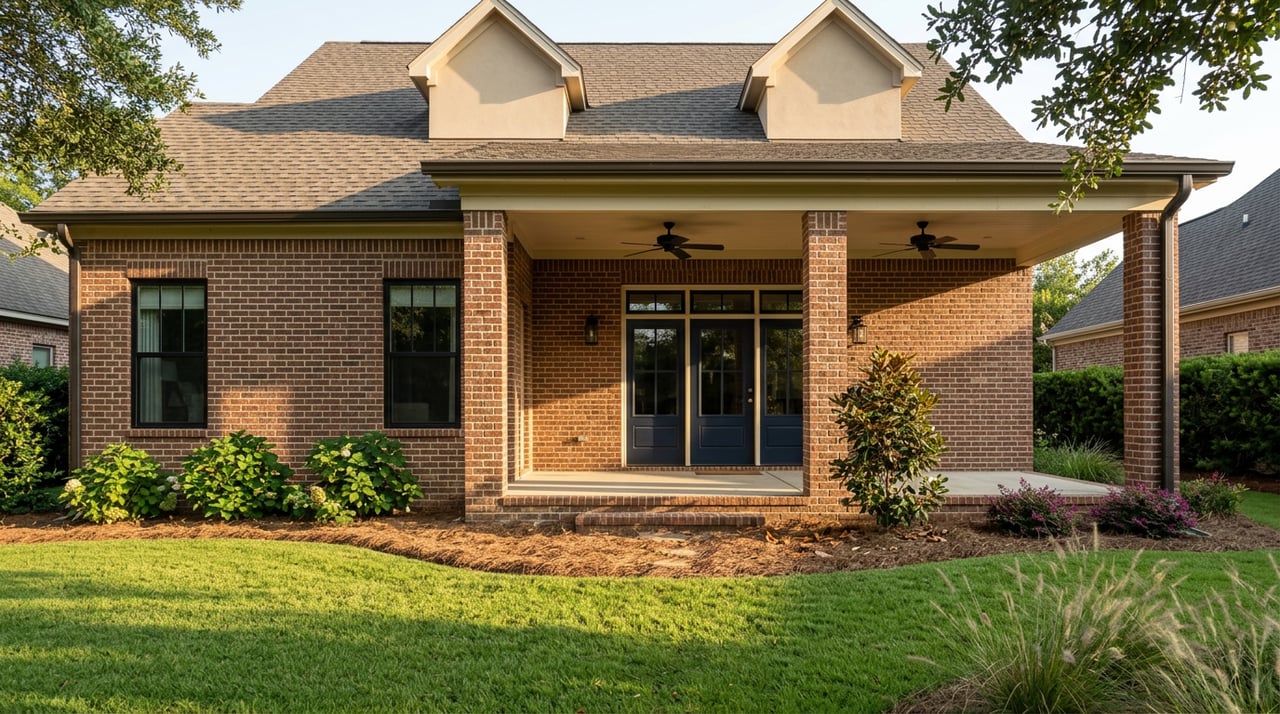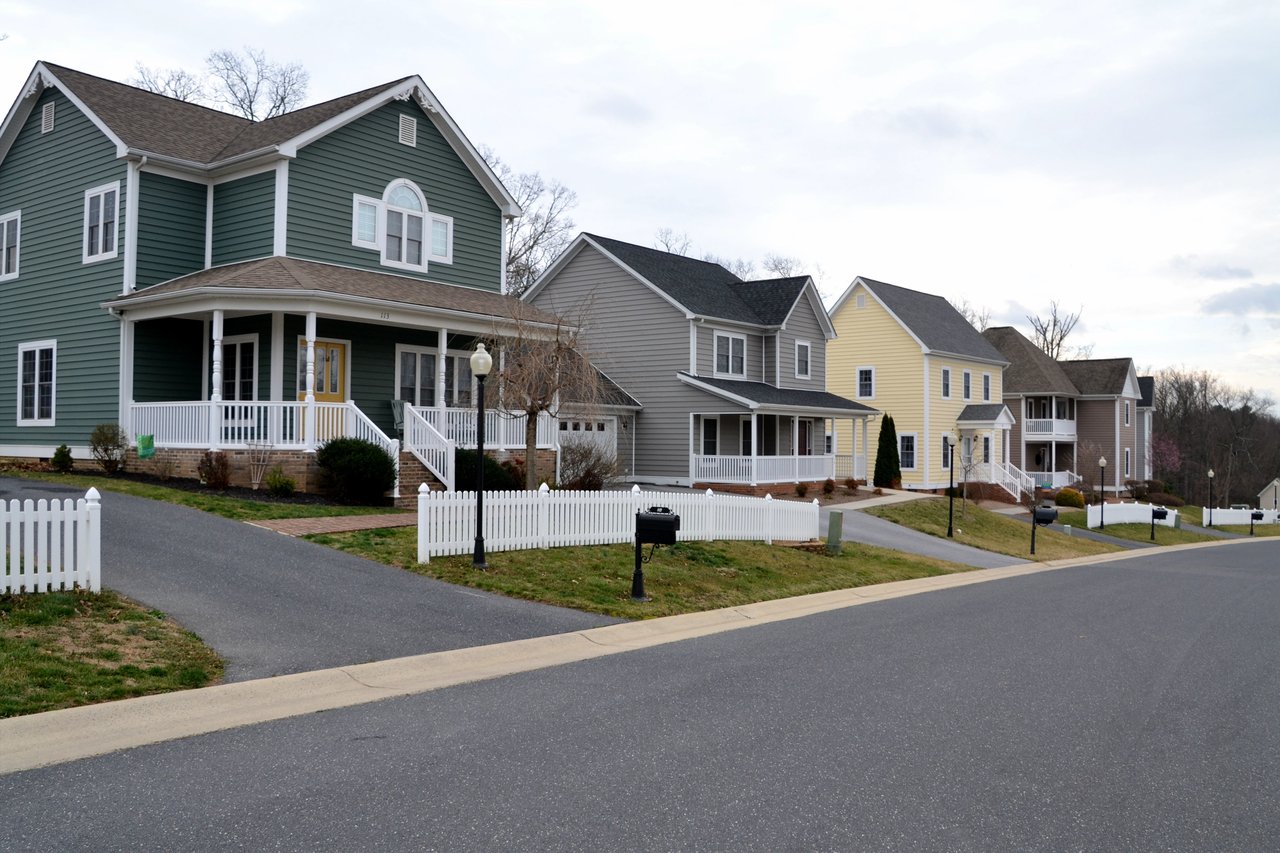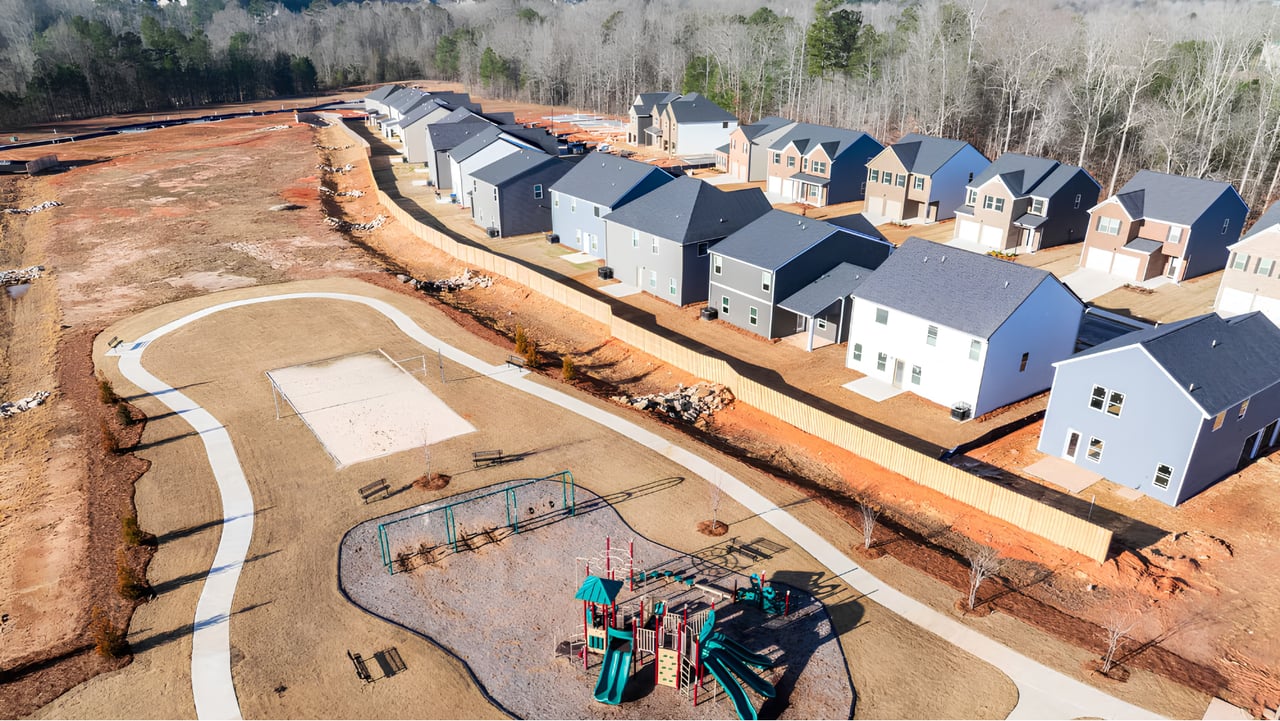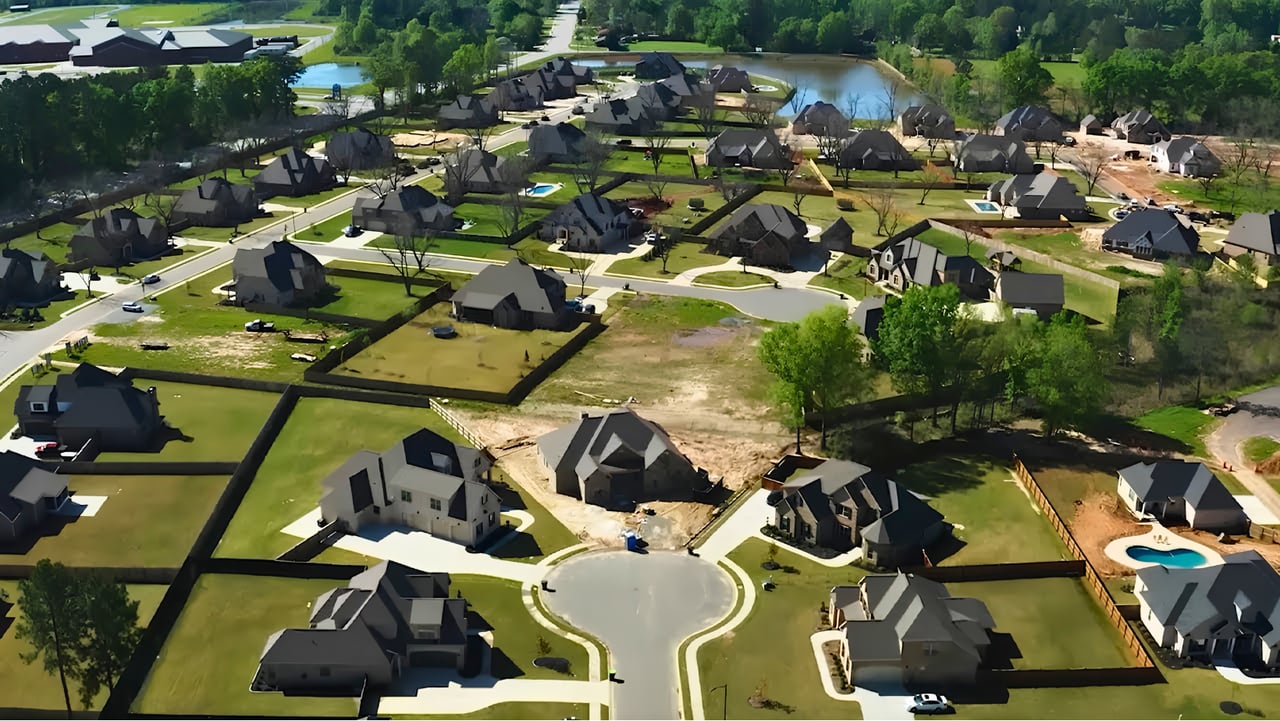
New construction is a genuinely appealing option in Warner Robins. Builders like Driggers Construction and Hughston Homes are active across the city, base plans start in a competitive range, and the appeal is obvious: fresh systems, a builder warranty, modern layouts, and no previous owner's deferred maintenance to inherit. For many buyers, especially military families relocating on a tight timeline, a new home is exactly the right call.
But new construction carries its own distinct set of hidden costs, and they are different from the ones that come with an older home. Instead of an aging roof, the surprises are the gap between the base price and the model home, the finish-out items the builder did not include, the incentive that is not quite as good as it sounds, and a property tax bill that arrives low and then jumps. None of these are reasons to avoid new construction. All of them are reasons to read the contract with your eyes open.
The Base Price Is Not the Price
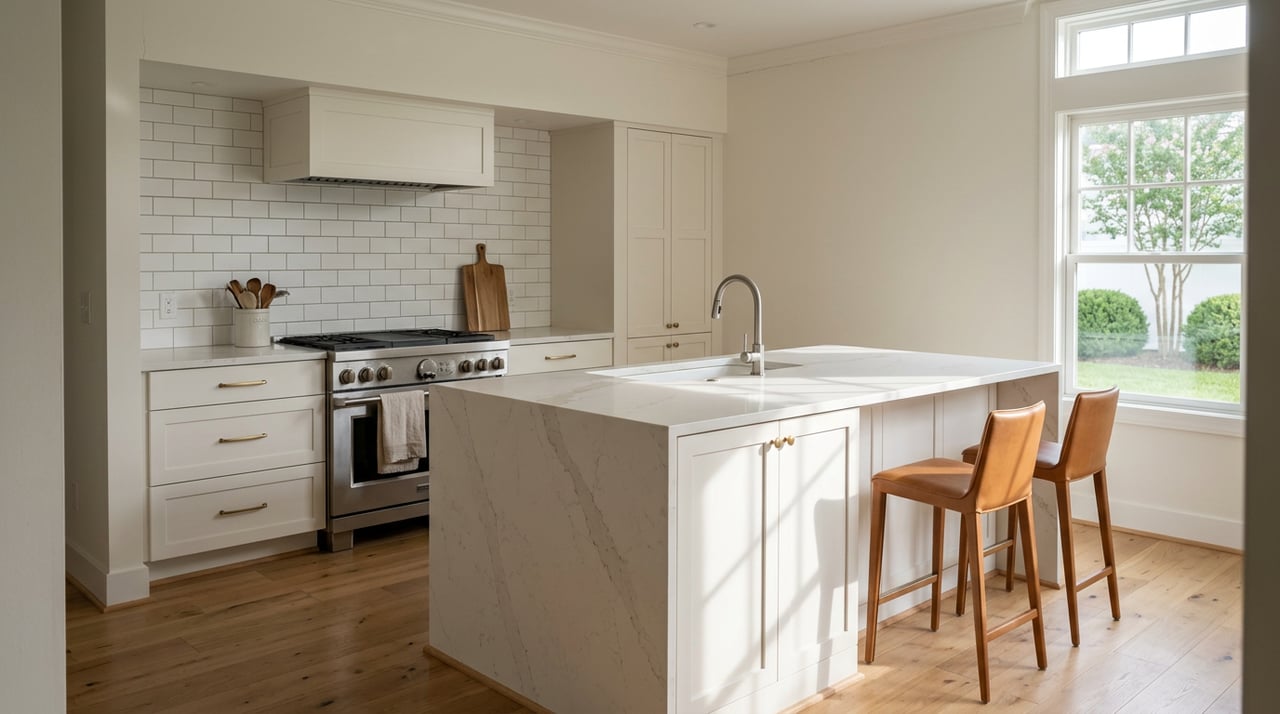
The single biggest source of surprise in new construction is the distance between the advertised base price and the all-in cost of the home you actually want. The model home you fall in love with is almost always the fully upgraded version, and the base plan at the advertised price is a more modest specification.
Cost Category | What It Covers | Why Buyers Miss It |
Design-center upgrades | Flooring, countertops, cabinets, fixtures, appliances | The model showcases upgrades; the base package is plainer |
Lot premium | Larger, corner, cul-de-sac, or preferred lots | Advertised price is usually the least desirable lot |
Structural options | Extra bedroom, sunroom, extended garage, bump-outs | Chosen before the slab is poured; priced separately |
Finish-out items | Landscaping, fencing, blinds, gutters, refrigerator | Often excluded from the base package entirely |
Upgrades add up faster than buyers expect
At the design center, individual choices feel modest, but they compound. Upgrading flooring throughout, choosing better countertops, adding cabinet hardware, and selecting a nicer appliance package can quietly move the price well beyond the base, and because these choices are made one at a time over several appointments, the running total is easy to lose track of. The discipline is to decide your total upgrade budget before you walk in, and to treat the base specification, not the model home, as your starting point.
Lot premiums are a real line item
The advertised base price almost always assumes the least desirable available lot. A larger lot, a corner, a cul-de-sac position, or a homesite backing to trees or green space typically carries a lot premium that can run several thousand to well over ten thousand dollars. If the lot matters to you, and for resale it usually should, budget for the premium rather than assuming the base price applies to the homesite you want.
The Finish-Out Costs That Are Not in the Base Package
This is where new-construction buyers most often get caught after closing, expecting to move into a finished home and discovering a list of things the builder did not include. Base packages vary, but the commonly excluded items are consistent, and together they can add thousands of dollars in the first months of ownership.
Finish-Out Item | Often Excluded From Base? | Typical Buyer Cost After Closing |
Landscaping beyond the front yard | Frequently | Sod, plants, and irrigation can run into the thousands |
Fencing | Usually | Depends on lot size; often several thousand |
Blinds and window coverings | Usually | Whole-home coverings add up quickly |
Gutters | Sometimes | Varies by home size |
Refrigerator | Often | A notable appliance cost |
Garage-door opener | Sometimes | Small but genuinely surprising when excluded |
The reason this matters is cash flow. A buyer who put most of their savings into the down payment and upgrades, and who then discovers the backyard is bare dirt with no fence, no back-yard landscaping, and no blinds on any window, faces a several-thousand-dollar list of purchases right when their reserves are thinnest. Knowing the exclusions in advance lets you budget for them or negotiate some of them into the contract.
Builder Incentives: Read the Whole Deal
Builders frequently offer incentives, a closing-cost credit, an upgrade allowance, or a rate buydown, and most of them are tied to using the builder's preferred lender and title company. These incentives are often real and worthwhile, and there is nothing wrong with taking one. The hidden cost appears only when a buyer accepts the incentive without comparing the whole package.
The preferred lender's rate and fees are part of the equation. An incentive that saves you $8,000 in closing costs is a poorer deal if the preferred lender's rate and fees cost you more than $8,000 over the time you hold the loan compared with an outside lender. The way to evaluate it is to get a competing loan estimate from your own lender and compare the total cost of each path, incentive included, rather than assuming the builder's offer is automatically best. A good builder incentive holds up to that comparison, and a weak one does not.
The Property Tax Surprise on New Construction
New construction carries a specific and delayed tax trap. Georgia assesses property at fair market value as of January 1, and if the home was not complete on the assessment date, your first tax bill may reflect only the raw lot or a partially built structure. That produces a pleasantly low first bill, and an equally low initial escrow estimate from your lender.
Then the county reassesses the completed home at its full finished value, the tax bill jumps, and because your escrow was set on the lower figure, the account runs short. The servicer collects the shortfall and raises your monthly payment. It is the same escrow-and-reassessment mechanic that catches resale buyers, but on new construction the gap between the first bill and the stabilized bill can be especially large, because the first bill may have been based on dirt.
The other tax nuance is the developing subdivision. In a community that is still filling in, early buyers sometimes see assessments settle only once the neighborhood is built out and comparable sales establish the market. Budgeting for the stabilized tax bill, based on your full purchase price, rather than the introductory figure, is the way to avoid the surprise.
What New Construction Gets Right
None of this is an argument against new construction, and it is worth being fair about the real advantages, because they offset the hidden costs in ways an older home cannot. New homes come with fresh systems and no deferred maintenance, so the roof, HVAC, water heater, and electrical replacement schedule that shadows an older home is years or decades away. They carry builder warranties, commonly a one-year workmanship warranty, a two-year systems warranty, and a ten-year structural warranty. They are built to current energy codes, which shows up in lower utility bills than a comparable older home. And they tend to hold value well in growing parts of Warner Robins supported by population growth and school demand.
The honest framing is that new construction trades the older home's repair surprises for a different set of finish-out and tax surprises. Neither is worse. They are just different, and a buyer who knows which set they are signing up for makes a better decision.
For Buyers: How Do I Buy New Construction Smart?
Set your all-in budget before the design center, not during it. Decide your total number, treat the base specification as your starting point, and track upgrades against a fixed budget so the running total does not surprise you. The model home is the fully loaded version, and pricing your home to match it is how buyers overspend.
Get the base inclusion list in writing and map the finish-out gap. Ask exactly what the base package includes and, just as important, what it excludes, then price the fencing, landscaping, blinds, and appliances you will need to buy separately. That gap is your true move-in cost, and knowing it lets you budget for it or negotiate some items into the contract.
Compare the builder incentive against an outside lender. Take the incentive seriously, but get a competing loan estimate from your own lender and compare the complete cost of each path. A strong incentive survives that comparison. Accepting one without checking is how a credit that looked generous quietly costs you more over the life of the loan.
Bring your own representation. In a new-construction transaction, the on-site agent represents the builder. Having your own agent, whose involvement generally does not change your price, means someone is looking out for your interests on the contract, the upgrade decisions, the incentive comparison, and the walkthrough. It costs you little and protects a great deal.
Budget for the stabilized tax bill, not the introductory one. Estimate your taxes on your full purchase price using the current millage rate for the address, and set that as your expectation rather than the low first-year figure. That way the post-buildout reassessment and the escrow adjustment are numbers you planned for.
For Sellers: What If I'm Competing With New Construction?
If you are selling an existing home in a Warner Robins market with active new construction nearby, the hidden costs above are your competitive argument. A builder's advertised base price looks lower than your resale price on paper, but once a buyer adds upgrades, a lot premium, fencing, landscaping, blinds, and the post-buildout tax jump, the real all-in cost of that new home is often higher than it first appears.
Your resale home frequently comes with the finish-out already done, mature landscaping, a fence, window coverings, and an established tax assessment, all of which the new-construction buyer has to pay for separately. Making that total-cost comparison clear, rather than competing only on sticker price, is how a well-presented resale home holds its own against the shiny model down the road. If your systems are updated and documented, that further narrows the gap the builder is counting on.
The Bottom Line
New construction in Warner Robins is a strong option with real advantages: fresh systems, warranties, energy efficiency, and no inherited deferred maintenance. But the advertised base price is a starting point, not the real number. Upgrades, lot premiums, and finish-out items add up, builder incentives deserve a genuine comparison, and the property tax bill arrives low and then jumps once the finished home is reassessed.
Set your all-in budget before the design center, get the exclusions in writing, compare the incentive against an outside lender, bring your own representation, and plan for the stabilized tax bill. Do that, and new construction delivers on its promise without the hidden costs catching you after you have the keys.
Frequently Asked Questions About the Hidden Costs of New Construction in Warner Robins, GA
Q: What are the hidden costs of buying new construction in Warner Robins?
A: The main hidden costs are the gap between the advertised base price and the fully upgraded model home, lot premiums for better homesites, and finish-out items excluded from the base package, such as landscaping beyond the front yard, fencing, blinds, gutters, and sometimes a refrigerator or garage-door opener. There is also a delayed property tax surprise: your first bill may reflect a raw lot or partial structure, then jump once the completed home is reassessed at full value. Design-center upgrades add up quickly because they are chosen one at a time, and builder incentives are worth comparing rather than accepting automatically.
Q: Why is the base price of a new home lower than what I actually pay?
A: The advertised base price reflects the base specification on the least desirable available lot, while the model home you tour is almost always the fully upgraded version. Between the two sit design-center upgrades like better flooring, countertops, cabinets, and appliances, structural options like an extra bedroom or extended garage, a lot premium for a larger or preferred homesite, and finish-out items the base package excludes. Each choice feels modest at the design center, but together they can add tens of thousands of dollars, which is why the base specification, not the model home, should be your budgeting starting point.
Q: What is not included in a new construction home?
A: It varies by builder and community, but commonly excluded items include landscaping beyond the front yard, fencing, blinds and window coverings, gutters, a refrigerator, and sometimes even a garage-door opener. Buyers often expect to move into a fully finished home and instead face a several-thousand-dollar list of purchases right after closing, when their reserves are thinnest. The safeguard is to request the base package's exact inclusion list in writing before signing, identify every finish-out item you will need to buy separately, and either budget for those costs or negotiate some of them into the contract.
Q: Should I use the builder's preferred lender in Warner Robins?
A: Builder incentives are frequently tied to using the preferred lender and title company, and the incentive can be real and worthwhile, but you should compare the whole deal before accepting it. Get a competing loan estimate from your own lender and compare the total cost of each path, including the rate, fees, and the incentive, over the time you expect to hold the loan. An incentive that saves you several thousand dollars in closing costs is a weaker deal if the preferred lender's rate and fees cost you more over time. A strong incentive holds up to that comparison, and a weak one does not.
Q: Do property taxes go up after buying new construction?
A: Yes, and often sharply, because of how Georgia assesses property. If the home was not complete on the January 1 assessment date, your first tax bill may reflect only the raw lot or a partially built structure, producing a low initial bill and a low escrow estimate. Once the county reassesses the finished home at full value, the tax bill jumps, your escrow account runs short, and your monthly payment rises. Budgeting for the stabilized tax bill based on your full purchase price, rather than the introductory figure, is the way to avoid this surprise.
Q: Do I need my own agent to buy new construction?
A: It is strongly advisable. The on-site sales agent in a builder's model home represents the builder's interests, not yours. Having your own agent means someone is advocating for you on the contract terms, the upgrade decisions, the incentive comparison, the inspections, and the final walkthrough. In most new-construction transactions, having your own representation does not increase your price, so it costs you little while protecting a significant purchase. Bringing your agent to your very first visit is important, because some builders limit representation if you register on site without one.
Q: How much do builder upgrades cost in Warner Robins?
A: Upgrade costs vary widely by builder, community, and the choices you make, so there is no single figure, but they add up faster than most buyers expect. Upgrading flooring throughout, choosing better countertops and cabinets, adding fixtures and hardware, and selecting a nicer appliance package can move the price well beyond the base, and because these choices are made one at a time across several design-center appointments, the running total is easy to lose track of. The best practice is to set a total upgrade budget before your first appointment and track every selection against it.
Q: Are new construction homes a good value in Warner Robins?
A: They can be, particularly for buyers who value fresh systems, builder warranties, energy efficiency, and no inherited deferred maintenance. New homes typically carry a one-year workmanship warranty, a two-year systems warranty, and a ten-year structural warranty, and they tend to hold value well in growing parts of Warner Robins supported by population growth and school demand. The tradeoff is a different set of hidden costs, upgrades, lot premiums, finish-out items, and the post-buildout tax jump, versus an older home's repair schedule. The right choice depends on your budget and how you weigh those two different cost profiles.
Q: What warranty comes with a new construction home?
A: Most builders provide a tiered warranty structure: commonly a one-year workmanship warranty covering defects in materials and workmanship, a two-year systems warranty covering major mechanical systems such as plumbing, electrical, and HVAC, and a ten-year structural warranty covering major structural defects. Specific terms vary by builder, so review the warranty documents carefully before closing and understand the process for reporting issues after you move in. This warranty coverage is one of the genuine advantages of new construction over an older home, where major system replacements can arrive without any warranty protection.
Q: How do I compete with new construction when selling my resale home?
A: The hidden costs of new construction are your strongest argument. A builder's advertised base price looks lower on paper, but once a buyer adds upgrades, a lot premium, fencing, landscaping, blinds, and the post-buildout tax increase, the real all-in cost of the new home often exceeds its sticker. Your resale home frequently comes with the finish-out already done, mature landscaping, a fence, window coverings, and an established tax assessment, all of which a new-construction buyer must pay for separately. Presenting that total-cost comparison, and documenting any updated systems, is how a well-prepared resale home competes effectively.
Q: Is new construction cheaper than an older home in Warner Robins?
A: Not necessarily, once all costs are counted. New construction typically carries a higher purchase price than an older home but comes with fresh systems, warranties, and energy efficiency that reduce near-term repair and utility costs. An older home costs less up front but carries a nearer-term repair schedule for the roof, HVAC, and other systems. The honest comparison is total cost of ownership over the years you plan to stay, factoring in the new home's upgrades, finish-out, and tax jump against the older home's repair reserve. Neither is universally cheaper; the answer depends on the specific homes and your time horizon.
About the Author
William Walton-Dean is a licensed REALTOR® with Walton Dean Realty, operating under Real Broker LLC, serving buyers and sellers across Houston County, Georgia, including Perry, Warner Robins, Bonaire, Kathleen, Byron, and the surrounding Middle Georgia housing market. Known for a data-driven, hyper-local approach and deep expertise in the military and PCS relocation market around Robins Air Force Base, he helps buyers and sellers at every price point make clear, confident decisions backed by real market insight.
📱 478-371-7069
Walton Dean Realty | Real Broker LLC
Considering New Construction in Warner Robins? Let's Read the Whole Deal Together
The base price is the starting point, not the finish line. Reach out before you sign at the design center and we will help you map the upgrades, spot the finish-out exclusions, compare the builder's incentive against an outside lender, and plan for the tax bill once your home is reassessed at full value.
William Walton-Dean | Walton Dean Realty
📱 478-371-7069
A More Strategic Approach to Real Estate
This article is provided for general informational purposes only and reflects local new-construction practice, Georgia tax law, and market conditions as of July 2026. It is not construction, lending, tax, or legal advice. Builder inclusions, upgrade pricing, incentive structures, warranty terms, and tax outcomes vary by builder, community, and individual transaction, and are subject to change. Review all builder contracts and warranty documents carefully, compare complete loan estimates with a licensed loan officer, and consult a qualified tax professional regarding tax questions. William Walton-Dean is a licensed REALTOR® in the State of Georgia with Walton Dean Realty, operating under Real Broker LLC.