
Across Houston County, Georgia, the most misunderstood moment in a residential real estate transaction is not the closing table. It is the twenty-four hours after an offer are accepted. Buyers in Warner Robins, Kathleen, Perry, Bonaire and neighboring Byron routinely assume a deal becomes binding the instant a seller signs. In Georgia, it does not.
Under the Georgia Association of REALTORS Purchase and Sale Agreement, the contract becomes binding on a specific, named date called the Binding Agreement Date. That date is established when the party who made the last offer, or that party's broker, receives notice that the offer was accepted, delivered in one of the forms the contract permits. A seller's signature alone does not start the clock. Neither does a phone call confirming the news.
The distinction matters because the Binding Agreement Date functions as day zero for the entire transaction. Every deadline that follows, including the due diligence period, the financing contingency and the title objection window, is counted forward from that single date. A buyer who miscounts by two days can walk into the end of a due diligence period believing there is still time left, and there is not.
What Is the Binding Agreement Date in a Georgia Real Estate Contract?
The Binding Agreement Date is the date on which a Georgia purchase and sale agreement becomes a legally binding contract. It is determined by delivery and receipt of notice, not by the act of signing.
The sequence works like this. A buyer submits an offer. If the seller accepts it without changes, the seller signs. The seller or the seller's broker then delivers notice of that acceptance to the buyer's agent, using one of the delivery methods the contract specifies. The party or broker who receives that final notice fills in the Binding Agreement Date on the form. From that date forward, the contract is binding and the deadline clock is running.
When a seller counters, the roles reverse. The counteroffer becomes the last offer, and the contract becomes binding when the seller, or the seller's broker, receives notice that the buyer accepted the counter. In a transaction with several rounds of counters, the Binding Agreement Date attaches to the final round, not the first one.
Why Signature Day and Binding Agreement Date Are Often Different
A seller in Kathleen can sign an offer on a Friday evening. If notice of that acceptance is not delivered to the buyer's agent until Monday morning, the Binding Agreement Date is Monday. Three calendar days passed in which the buyer believed the deal was live and the contract clock had not yet started.
This is one of the most common sources of deadline confusion in Georgia transactions, particularly for buyers relocating from states where a contract becomes binding on signature. Buyers moving into Houston County from other markets should treat the date written on the form as the controlling date, and confirm it rather than assume it.
Which Contract Deadlines Start on the Binding Agreement Date?
Georgia contract day counts are negotiated between the parties and filled into the agreement. They are not fixed by state law, which means two homes on the same street in Bonaire can carry different deadline structures. What is consistent is where the counting starts.
Deadline | What It Governs | How the Length Is Set |
Due Diligence Period | The buyer's window to inspect, investigate and terminate | Negotiated and written into the contract |
Earnest Money Delivery | When the buyer must deliver earnest money to the holder | Stated in the contract, typically counted from the Binding Agreement Date |
Financing Contingency | The buyer's protection if loan approval is not obtained | Negotiated and written into the contract |
Appraisal Contingency | The buyer's protection if the appraised value comes in below contract price | Negotiated and written into the contract |
Title Objection Window | The buyer's period to raise written objections to title | Negotiated and written into the contract |
Closing Date | The date the transaction is scheduled to close | Agreed by the parties and stated in the contract |
The practical consequence is that a single wrong date at the top of the form cascades through every other deadline in the transaction. This is why the 2022 Georgia Association of REALTORS forms added a process allowing a party to object to a Binding Agreement Date that was entered incorrectly, rather than living with an error that shifts every downstream deadline.
What Should a Buyer Do in the First 48 Hours After an Offer Is Accepted?
A buyer's first 48 hours under contract should be spent delivering earnest money, scheduling the inspection early in the due diligence window, and completing the lender's loan application so underwriting can begin. These three actions protect the buyer's leverage and preserve the option to renegotiate or terminate.
Here is how I work the first two days with my buyers in Houston County.
Confirm the Binding Agreement Date in writing. Before anything else, I want that date confirmed and circled. Every other deadline in the file is calculated from it, so I would rather spend fifteen minutes verifying it on day one than discover a discrepancy on the last day of due diligence.
Get earnest money delivered. The contract states when earnest money is due and who holds it. Late delivery of earnest money is an avoidable default, and it is one of the few early missteps that hands a seller leverage for no good reason.
Book the inspection for the front of the window, not the back. If the due diligence period runs a set number of days, an inspection scheduled on the second to last day leaves no room to bring in a specialist. In an older Warner Robins home, one inspection finding frequently generates a second appointment with a roofer, an HVAC contractor or a structural engineer. That second appointment needs somewhere to live inside the window.
Complete the loan application immediately. The financing contingency is a deadline, not a courtesy. For VA buyers purchasing near Robins Air Force Base, the appraisal is ordered through a VA assignment process, and starting late compresses a timeline that is already less flexible than a conventional file.
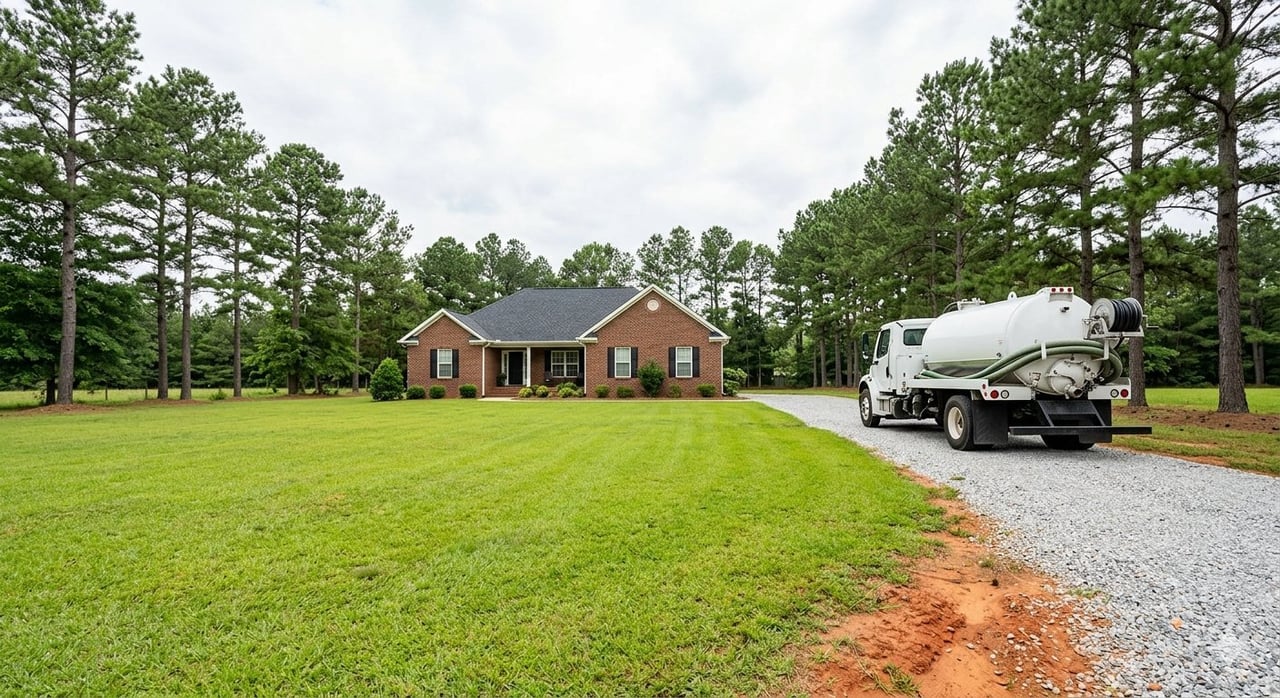
Order the survey and insurance quotes early if the property calls for it. Acreage properties around Perry and Elko, homes on well and septic, and anything with a shared drive or a recorded easement are worth investigating during the window rather than after it.
What Does a Seller Need to Do Once the Contract Is Binding?
Once the contract is binding, a seller's obligations shift from marketing to performance. The seller should confirm the Binding Agreement Date, gather documentation the closing attorney will request, prepare for the buyer's inspection access, and request a mortgage payoff statement so the figure is in hand well ahead of closing.
The sellers who have the smoothest closings are the ones who treat the binding date as a work order rather than a finish line. A few things I push for early.
Request the payoff statement. Payoff figures expire and lenders are not always fast. Ordering early is the single cheapest way to avoid a closing delay that has nothing to do with the buyer.
Pull together title-side documents now. Prior survey, recorded easements, solar or HVAC lease agreements, permits for finished spaces, and any lien or judgment paperwork. These surface during the attorney's title examination anyway. Finding them in week one is routine. Finding them in the closing week is a delay.
Contact the HOA or management company if the property is in one. Many Houston County subdivisions require a statement of account or a transfer fee, and turnaround times vary widely by community.
Plan for inspection access. The buyer's due diligence window is finite. A seller who is slow to grant access is effectively shortening the buyer's window, and that creates pressure that tends to come back as an aggressive repair request.
Does This Work Differently in Warner Robins, Perry, Bonaire, Kathleen or Byron?
The contract mechanics are identical across Georgia. What changes from city to city inside Houston County is the practical pressure on the timeline: who the buyer is likely to be, how the property is financed, and which jurisdiction governs taxes and schools.
Area | What Commonly Shapes the Under-Contract Timeline |
Warner Robins | The county's largest market and closest to Robins Air Force Base. Heavy VA and government-backed loan volume, and PCS orders that can compress or move a closing date. |
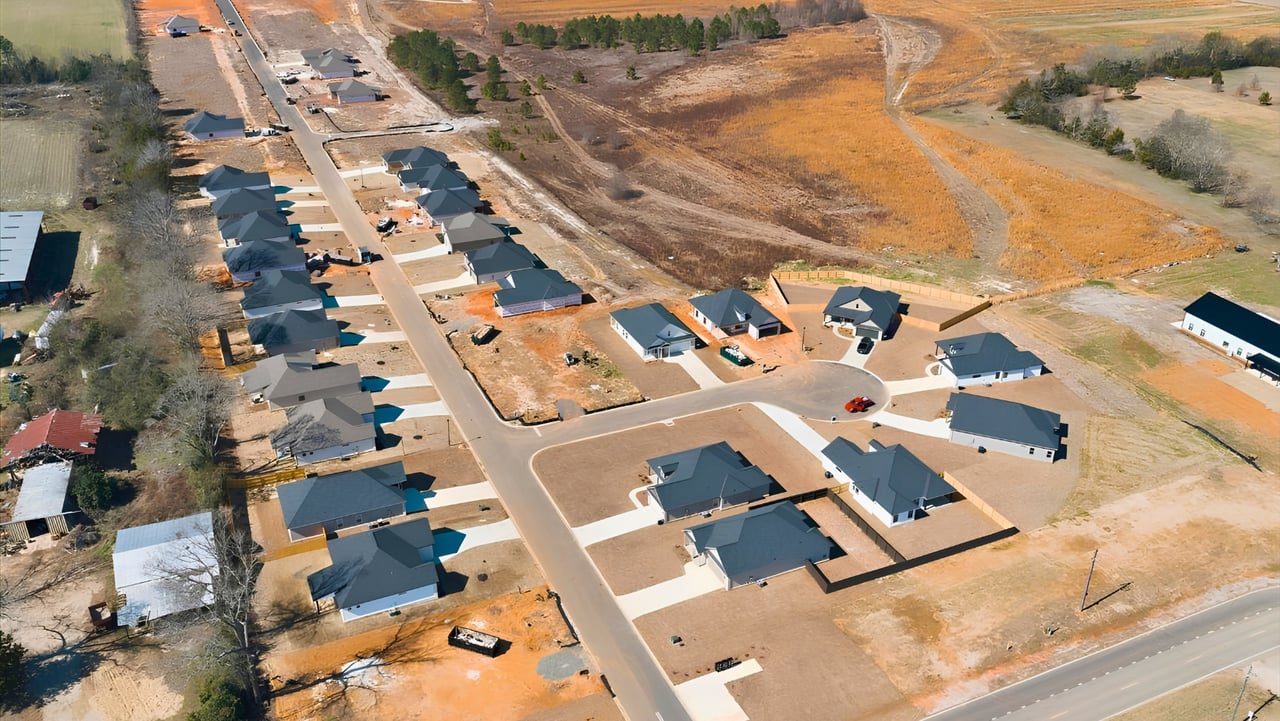
Kathleen | Unincorporated Houston County with a strong share of newer construction. Builder timelines and new-build warranty items shape the inspection conversation. |
Perry | The county seat, with a wider price range and more acreage properties. Surveys, well and septic inspections, and longer marketing periods at higher price points are more common. |
Bonaire | Unincorporated Houston County with no city property tax line. Subdivision HOA documentation and transfer requirements are a frequent timeline factor. |
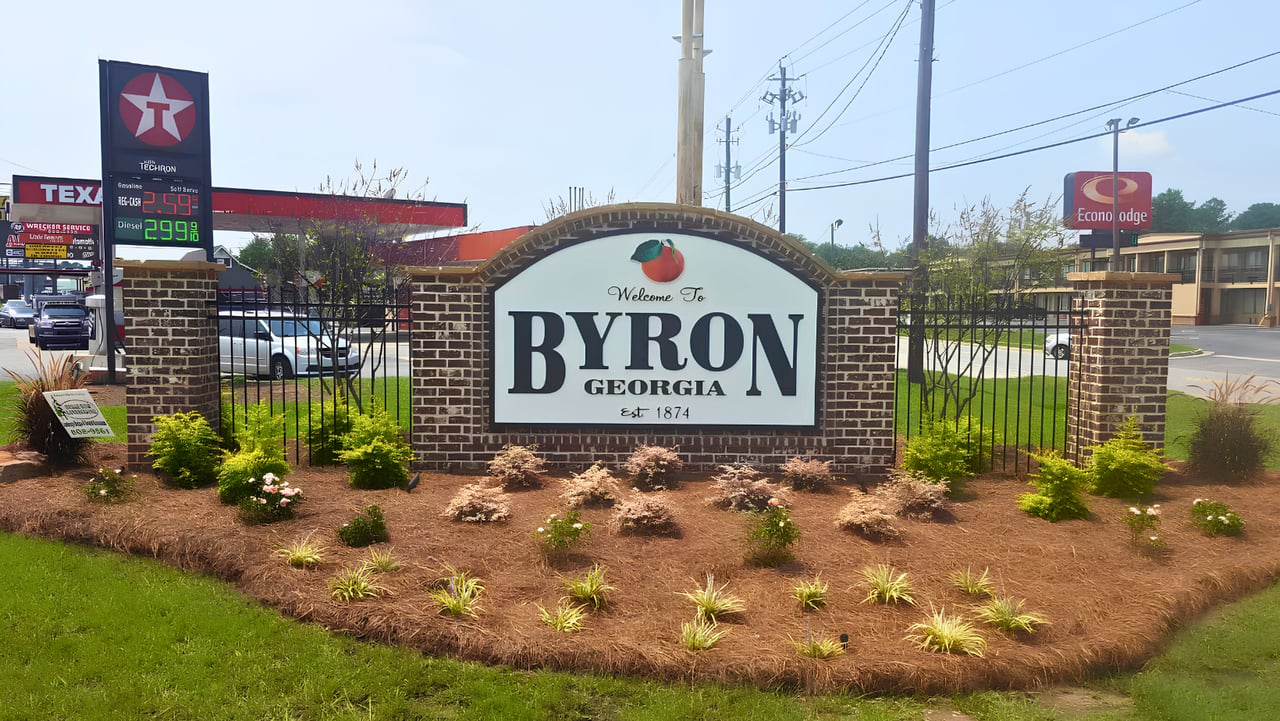
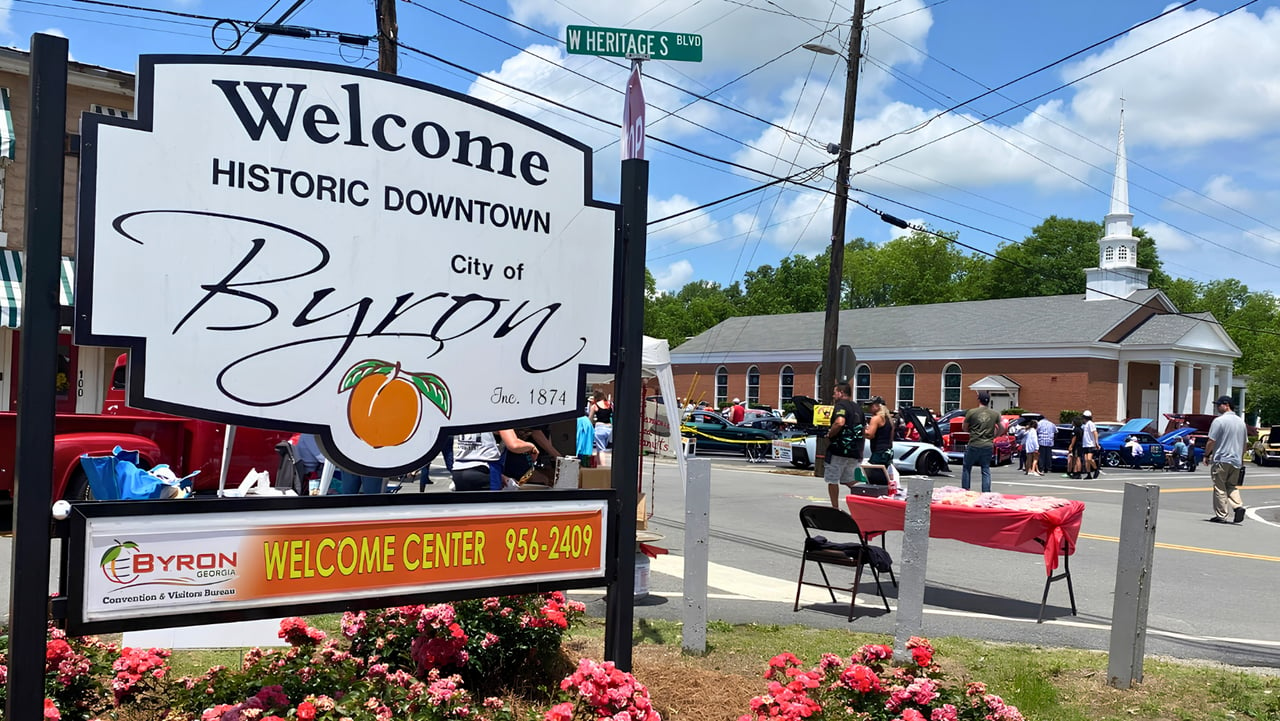
Byron | Neighboring Byron sits in Peach County, not Houston County, which means a different school district and a different taxing jurisdiction on every closing statement. |
Byron is treated as Peach County on every tax, school and jurisdiction question. Buyers comparing Bonaire and Byron on price alone regularly overlook that the two properties sit under different county authorities, and that difference appears in the numbers the closing attorney prepares.
Who Is Actually Working the File After the Contract Becomes Binding?
Georgia law treats a real estate closing as the practice of law. Under O.C.G.A. Section 15-19-50, only an attorney licensed by the State Bar of Georgia may conduct a closing, disburse settlement funds or render an opinion on title. This is different from the majority of states, where a title company or escrow agent can close a transaction without an attorney.
That requirement shapes who does what after the binding date. The closing attorney examines title, prepares or approves the deed and security instruments, handles the escrow and disbursement of funds, and records the deed. It is worth noting that the closing attorney is not automatically the buyer's personal counsel. In many transactions the attorney represents the lender or the closing firm while still carrying professional obligations to conduct the closing properly. Buyers and sellers may retain their own counsel for independent advice, and in a complicated file, inherited property, an estate sale, a boundary question, that is often money well spent.
Georgia also follows a race-notice recording system. If two parties end up with competing claims to the same property, the party who records first generally prevails, provided that party had no knowledge of the earlier unrecorded claim. Prompt and correct recording by the closing attorney is the step that converts a signed deed into protected ownership.
The Bottom Line
The day after an offer is accepted is not a waiting period. It is the beginning of a negotiated clock that governs the rest of the transaction, and the clock starts on a date that is defined by delivery of notice rather than by a signature.
For buyers, the work in the first 48 hours is concrete: confirm the date, deliver earnest money, get the inspection booked at the front of the window, and complete the loan application. For sellers, it is equally concrete: confirm the date, order the payoff, assemble the title-side documents, and make access easy. Both sides are protecting the same thing, which is a closing that happens on schedule and on the terms already agreed.
Frequently Asked Questions About Going Under Contract in Houston County, GA
Q: What is the Binding Agreement Date in Georgia?
A: The Binding Agreement Date is the date a Georgia purchase and sale agreement becomes a legally binding contract. It is established when the party who made the last offer, or that party's broker, receives notice that the offer was accepted, delivered in one of the forms the contract permits. The party or broker receiving that final notice fills the date into the agreement. Every contract deadline in a Houston County transaction, including the due diligence period and the financing contingency, is counted forward from this date.
Q: Is my contract binding as soon as the seller signs it in Georgia?
A: No. In Georgia, a seller's signature alone does not create a binding contract. Notice of the acceptance must be delivered to and received by the party who made the last offer or that party's broker, using a delivery method the contract allows. This means a home in Warner Robins can be signed by the seller on one day and become binding on a later day, and the later date is the one that controls every deadline in the transaction.
Q: Does a phone call telling me my offer was accepted start the contract clock?
A: No. Verbal notice does not establish the Binding Agreement Date under the Georgia Association of REALTORS Purchase and Sale Agreement. Notice of acceptance must be delivered in one of the specific forms the contract identifies. Buyers in Houston County who begin counting due diligence days from a congratulatory phone call are frequently counting from the wrong date, which is one of the most common timeline errors in Georgia residential transactions.
Q: How long is the due diligence period in a Houston County, GA contract?
A: The length of the due diligence period is negotiated between the buyer and seller and written into the contract. It is not set by Georgia statute, which is why two homes listed on the same street in Kathleen can carry different due diligence windows. The period is counted forward from the Binding Agreement Date rather than from the offer date or the signature date. Buyers purchasing an older home, an acreage property near Perry, or a home on well and septic often negotiate a longer window to allow for specialist inspections.
Q: What happens if the Binding Agreement Date is filled in incorrectly?
A: An incorrect Binding Agreement Date shifts every downstream deadline in the transaction, because all contract day counts are calculated from it. The 2022 Georgia Association of REALTORS forms clarified how the date is determined and added a process allowing a party to object to a date that was entered incorrectly. Because the consequences compound through the due diligence, financing and title objection deadlines, buyers and sellers in Houston County should confirm the date in writing at the start of the transaction rather than assuming it is correct.
Q: When do I have to deliver earnest money after going under contract in Georgia?
A: The earnest money deadline is stated in the contract and is typically counted from the Binding Agreement Date. The contract also identifies who holds the earnest money, which in a Houston County transaction is commonly the listing broker or the closing attorney. Late delivery is an avoidable default that can give the seller leverage or, in some circumstances, grounds to terminate. Delivering earnest money promptly and obtaining written confirmation of receipt is the cleanest way to close that risk out.
Q: Do I need a lawyer to buy a house in Warner Robins or Perry, GA?
A: Georgia requires a licensed Georgia attorney to conduct every real estate closing under O.C.G.A. Section 15-19-50, so an attorney will be involved in your transaction regardless. That attorney is not automatically your personal counsel, and in many transactions represents the lender or the closing firm. Buyers and sellers may retain their own independent attorney, which is worth considering for inherited property, estate sales, boundary questions or any transaction with unusual title complexity in Houston County.
Q: Why does Georgia require an attorney at closing when other states do not?
A: Georgia law treats a real estate closing as the practice of law. Under O.C.G.A. Section 15-19-50, activities that occur at a closing, including conveyancing, preparing legal instruments and rendering opinions on title, fall within the statutory definition of practicing law. Only a member of the State Bar of Georgia may conduct the closing, disburse settlement funds from the escrow account or issue a title opinion. Buyers relocating to Houston County from states where title companies close transactions should expect this structural difference.
Q: What is a race-notice recording state and why does it matter in Georgia?
A: Georgia follows a race-notice recording system, which means that if two parties hold competing claims to the same property, the party who records first generally prevails, provided that party had no knowledge of the earlier unrecorded claim. Recording is handled by the closing attorney after the transaction closes. For a buyer in Houston County, prompt and correct recording is the step that turns a signed deed into ownership that is protected against a later competing claim.
Q: Can a seller keep showing the house after accepting my offer in Georgia?
A: Whether a seller may continue showing the property and accept backup offers depends on the terms written into the contract, so the answer is found in the agreement rather than in state law. Some Houston County listings remain active for backup offers during the due diligence period, since that window is the point at which a buyer is most likely to terminate. Buyers who want certainty on this point should have their agent confirm the listing status and the contract language rather than assume the home is fully off the market.
Q: Does going under contract work differently in Byron than in the rest of Houston County?
A: The contract mechanics are identical, because the Georgia Association of REALTORS forms and Georgia contract law apply statewide. What differs is jurisdiction. Neighboring Byron is located in Peach County rather than Houston County, which means a different school district and a different taxing authority appear on the closing statement. Buyers comparing homes in Bonaire and Byron should account for that difference when they evaluate total monthly cost, not only the contract price.
Q: What is the most common mistake buyers make in the first week under contract in Houston County?
A: The most common mistake is treating the due diligence period as a window that can be used at leisure rather than a deadline that is counted from a specific date. Buyers who schedule the inspection late in the window leave no room to bring in a roofer, an HVAC specialist or a structural engineer after the initial report. In a market with significant VA and government-backed loan volume around Robins Air Force Base, the second most common mistake is delaying the loan application, which compresses an appraisal and underwriting timeline that has little slack in it.
About the Author
William Walton-Dean is a licensed REALTOR® with Walton Dean Realty, operating under Real Broker LLC, serving buyers and sellers across Houston County, Georgia, including Perry, Warner Robins, Bonaire, Kathleen, Byron, and the surrounding Middle Georgia housing market. He brings a data-driven, hyper-local approach to both residential and commercial transactions, working with first-time buyers, move-up sellers, investors, and families relocating to the area, including those tied to Robins Air Force Base. Drawing on a prior career as a C-level executive, he helps buyers and sellers at every price point make clear, confident decisions backed by real market insight.
📱 478-371-7069
Walton Dean Realty | Real Broker LLC
Buying or Selling in Houston County? Let's Talk About Your Timeline
Whether you are preparing to write an offer in Warner Robins or getting a home ready to list in Perry, the deadlines that follow a binding contract are where most transactions are won or lost. If you want someone tracking those dates with you from day one, reach out.
William Walton-Dean | Walton Dean Realty
📱 478-371-7069
A More Strategic Approach to Real Estate
Disclaimer
This article is provided for general informational purposes only and does not constitute legal advice. Real estate contract terms, deadlines and day counts are negotiated between the parties and written into the individual agreement. Georgia law, including statutory requirements and standard association forms, is subject to change. Nothing in this article creates an attorney-client relationship or a brokerage relationship. For advice regarding a specific transaction, property or contract, consult a licensed Georgia real estate attorney and your licensed real estate agent.