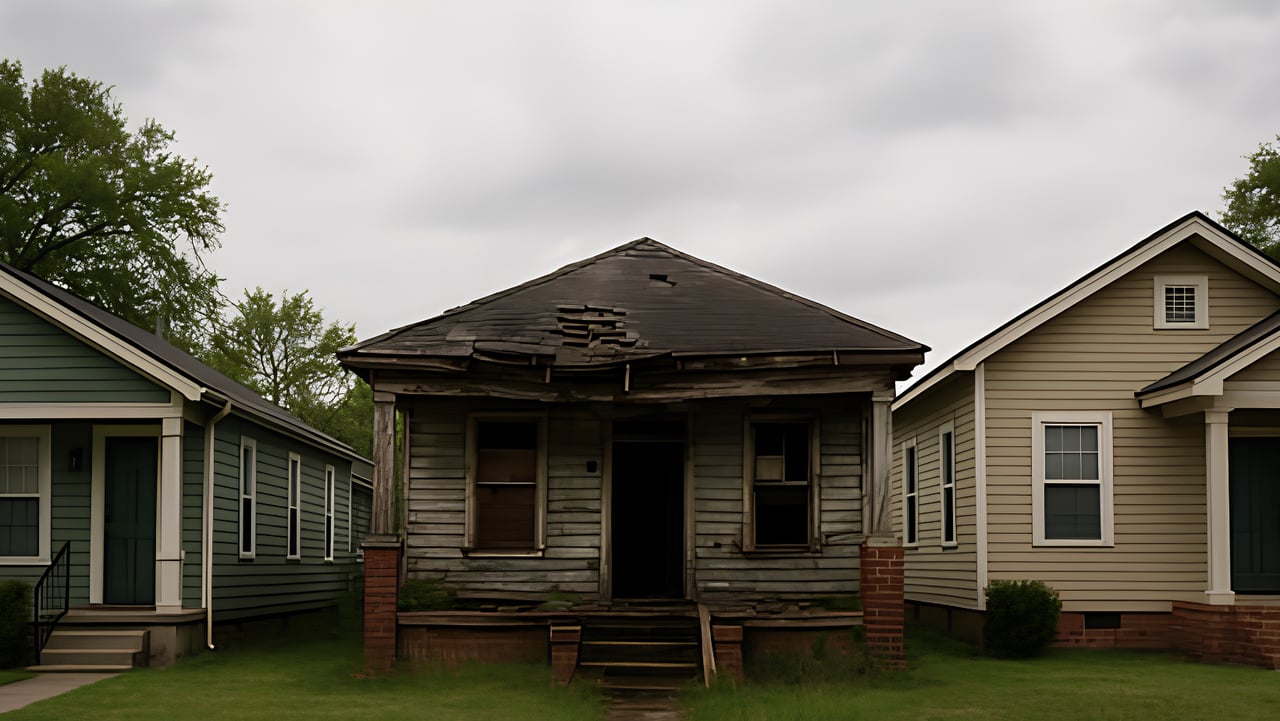

Every cost of selling covered elsewhere in this cluster, commission, concessions, prorated taxes, prep, shows up somewhere you can see it. The most expensive mistake a seller can make does not. Overpricing never appears as a line on the settlement statement, which is exactly why it is so easy to make and so costly to absorb. It works quietly, through time on market, price reductions, and carrying costs, and by the time it shows up, the money is already gone.
This post explains how overpricing actually costs a seller money, why the current Houston County market punishes it, and how accurate pricing protects your net proceeds. It is the deep dive on the one selling cost that is entirely within your control and entirely self-inflicted when it goes wrong.
How Overpricing Quietly Costs You
Overpricing does not save you money by aiming high. It costs you money through three mechanisms that compound the longer the home sits.
Mechanism | How It Works | Effect on Your Net |
Carrying costs | Mortgage, taxes, insurance, and utilities continue every month unsold | Direct monthly drain on your eventual proceeds |
Price reductions | Overpriced homes cut price, often more than once, to attract offers | You end up below where accurate pricing would have landed |
Days-on-market stigma | A long-sitting listing signals a motivated seller | Buyers offer lower and negotiate harder using the age against you |
Carrying costs never stop
Every month your home sits unsold, you keep paying for it. The mortgage payment, the property taxes, the homeowners insurance, and the utilities continue whether the home is occupied or vacant, and on a typical Houston County home those costs run well over a thousand dollars a month combined. A home that takes four months longer to sell than it should have has cost you those months directly, and that money comes straight out of your eventual net proceeds. This is the most concrete cost of overpricing, and it is entirely avoidable.
The price-cut cycle ends lower
Overpriced homes rarely hold their price. They sit, generate little interest, and eventually the seller reduces the price, often more than once, chasing a market that was always below the list. The problem is that by the time the price is finally right, the listing is stale, and a home that has been reduced twice over ninety days signals to buyers that the seller has already blinked. The market punishes overreach not with a flat rejection, but with accumulating days on market, and the home frequently sells for less than it would have at an accurate price from day one.
Days on market is public leverage
Buyers and their agents can see how long a home has been listed, and they use it. A fresh, accurately priced listing generates competition and can hold its price. A listing that has been active for two or three months tells every buyer that the seller is motivated, that offers have not been coming, and that there is room to negotiate. That public figure hands buyers leverage the seller cannot recover, which is why the first weeks on market, when the listing is fresh and the pricing is credible, are the most valuable and the most important to price correctly.
Why Houston County Punishes Overpricing Now
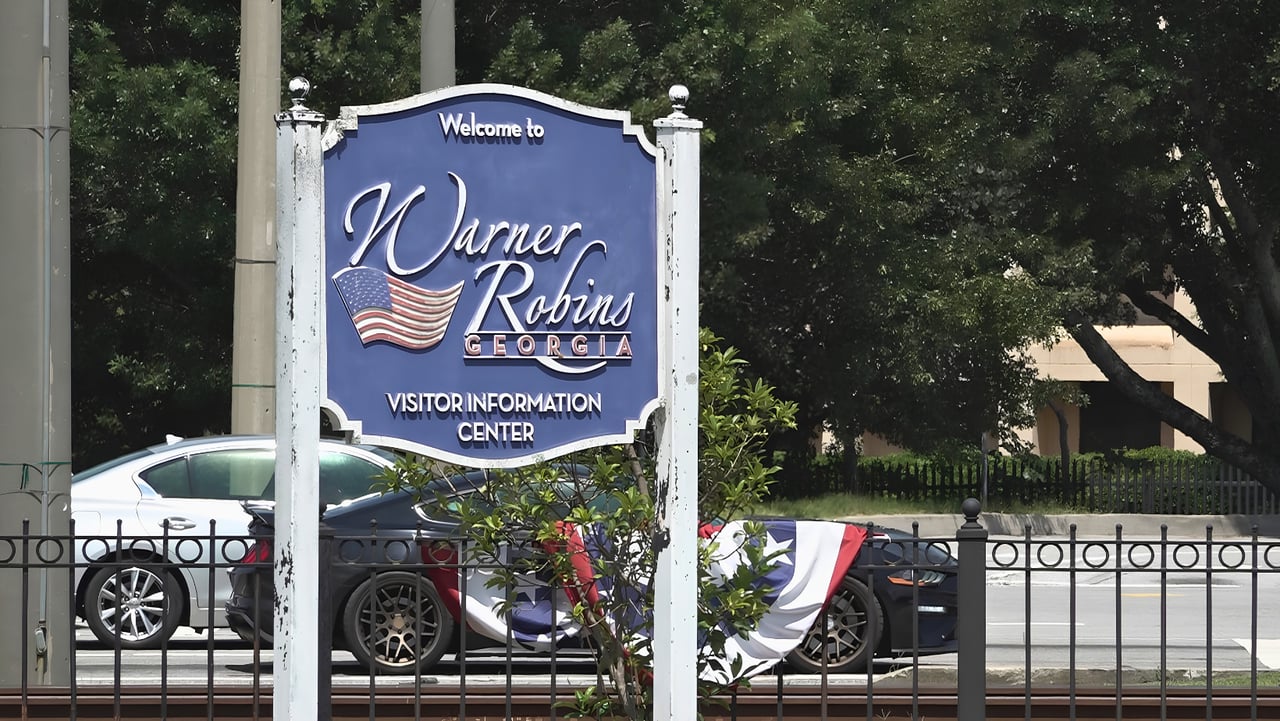
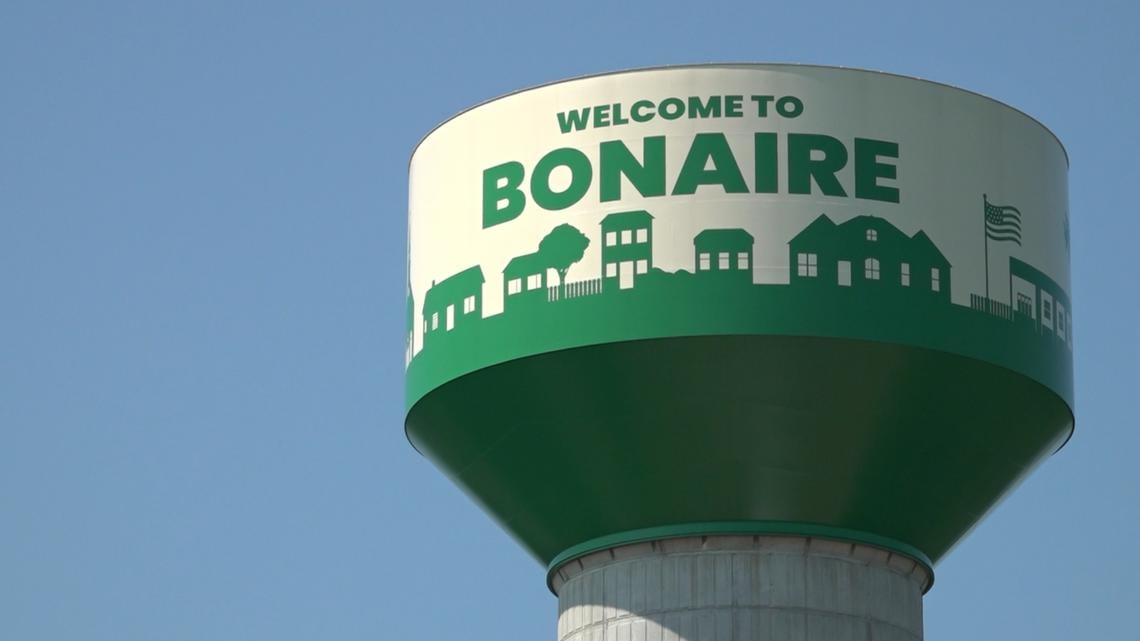
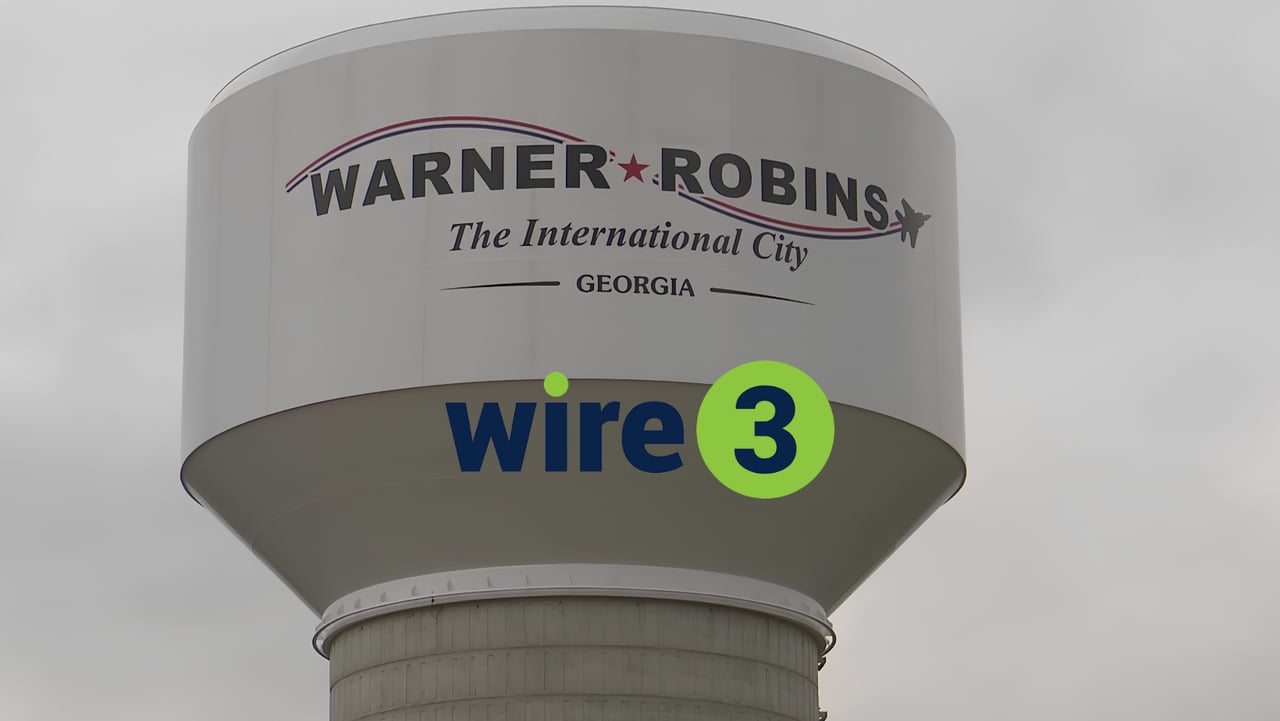
This market rewards accurate pricing specifically because inventory has expanded and buyers have choices. Warner Robins homes were selling in a median of around 44 days in mid-2026, and the pace varies across the county, with Bonaire moving quickly and other areas slower. In a market like this, a correctly priced home still sells, and sometimes quickly, but an overpriced home does not simply wait patiently for its number. It sits while accurately priced competitors sell around it, and the growing days-on-market figure works against it the entire time.
Sellers who remember the frenzied conditions of a few years ago sometimes price as if buyers have no alternatives. They do now. The homes that sell well are the ones priced to the current comparable sales, not to a hopeful number or to what a neighbor got two years ago. Accurate pricing is not leaving money on the table. It is the strategy most likely to produce the highest net, because it captures the fresh-listing attention and avoids the entire cost cascade of a stale one.
For Sellers: How Do I Avoid the Overpricing Trap?
Price to the comparable sales, not to a hope. The most reliable protection against the overpricing trap is a pricing analysis grounded in recent, genuinely comparable sales in your specific city and price band, not a number pulled from what you need, what a neighbor listed at, or what the market looked like two years ago. The comparable sales tell you where buyers are actually transacting, and that is where an accurate list price starts.
Respect the value of the first few weeks. A listing is at its most powerful the moment it hits the market, when it is fresh, its days-on-market figure is zero, and its pricing is credible. Pricing correctly from the start captures that attention and the competition it can generate. Starting high with a plan to reduce later squanders that window and replaces it with the stale-listing stigma that costs you leverage.
Watch the market's feedback and act on it. If your home generates showings but no offers, or few showings at all, the market is telling you something about the price, and the longer you wait to respond, the more carrying costs you absorb and the staler the listing becomes. A quick, decisive adjustment early is far cheaper than a slow series of cuts over months. Your net is protected by reading the feedback honestly, not by waiting for a buyer who is not coming at that price.
For Buyers: How Do I Read Days on Market?
A long-sitting listing can be an opportunity, but read it carefully. A home that has been on the market well past its city's average days on market, especially one with price reductions, often signals a motivated seller and room to negotiate on price, credits, or repairs. That is genuine buyer leverage, and it is worth recognizing. But also ask why it has been sitting, because sometimes the answer is a condition problem or a location issue rather than just an overreaching price, and that distinction should inform your offer and your inspection.
Do not assume a fresh listing has no room. Conversely, a newly listed home is not automatically firm on price. The point is to read each listing's situation, days on market, price history, condition, and local pace, rather than applying a single rule. Your agent can pull the price and days-on-market history and help you calibrate an offer to the specific situation rather than guessing.
The Bottom Line
Overpricing is the most expensive selling mistake in Houston County precisely because it never appears as a line you can see. It costs you through carrying costs that accumulate every month the home sits, through the price cuts that overpriced homes eventually make, and through the days-on-market stigma that hands buyers leverage. The overpriced home routinely nets less than the accurately priced one would have, having spent months getting there.
The market rewards accurate pricing and punishes overreach, not with a rejection but with silence and accumulating days on market. Price to the current comparable sales, respect the value of the first few weeks, and act on the market's feedback quickly. Accurate pricing is not leaving money on the table. It is the surest way to protect your net proceeds.
Frequently Asked Questions About the Cost of Overpricing in Houston County, GA
Q: Why is overpricing a home so costly?
A: Overpricing is costly because it drains your proceeds in ways that never appear on the settlement statement. Carrying costs, the mortgage, property taxes, insurance, and utilities, continue every month the home sits unsold. Overpriced homes typically end up cutting their price, often more than once, and sell below where accurate pricing would have landed. And because days on market is public, a long-sitting listing signals a motivated seller and invites lower offers. These effects compound, which is why an overpriced home routinely nets less than it would have at an accurate price from the start, despite aiming higher.
Q: How long should it take to sell a home in Houston County?
A: It depends on the city, price point, and condition, but Warner Robins homes were selling in a median of around 44 days in mid-2026, with the pace varying across the county. Bonaire has tended to move quickly, while some areas sell more slowly. An accurately priced, well-presented home in good condition generally sells within or near its area's typical timeframe. A listing that sits well past that window, especially without generating offers, is usually signaling that the price is above what the current market will support, and the longer it sits, the more it costs the seller.
Q: Does overpricing and reducing later work as a strategy?
A: It generally does not, and it often nets less than pricing accurately from the start. Overpriced homes tend to sit, generate little interest, and require one or more price reductions to attract offers. By the time the price is finally right, the listing is stale, its days-on-market figure is high, and buyers read the price cuts as a signal that the seller has already blinked. Meanwhile, carrying costs have accumulated the entire time. The fresh-listing window, when the home draws the most attention and can hold its price, is squandered, and the home frequently sells for less than an accurate initial price would have achieved.
Q: What are carrying costs when selling a home?
A: Carrying costs are the ongoing expenses of owning the home while it remains unsold: the mortgage payment, property taxes, homeowners insurance, and utilities, all of which continue every month regardless of whether the home is occupied. On a typical Houston County home, these run well over a thousand dollars a month combined. When a home takes several months longer to sell than it should have because it was overpriced, those extra months of carrying costs come directly out of the seller's eventual net proceeds. Carrying costs are the most concrete and measurable cost of overpricing, and they are entirely avoidable with accurate pricing.
Q: Why do buyers pay attention to days on market?
A: Days on market is public information that buyers and their agents use as a negotiating signal. A fresh, accurately priced listing suggests the seller is confident and may generate competing interest, so buyers are less likely to push hard on price. A listing that has been active for two or three months, especially with price reductions, tells buyers that offers have not been coming and that the seller is likely motivated, which invites lower offers and harder negotiation. This is why the first weeks on market, when the listing is fresh and the pricing is credible, are the most valuable and the most important to price correctly.
Q: Why does the Houston County market punish overpricing right now?
A: The market punishes overpricing because inventory has expanded and buyers have choices. When buyers can select among several available homes, an overpriced listing simply sits while accurately priced competitors sell around it, and its growing days-on-market figure works against it. In a tight seller's market, an overpriced home might eventually find a buyer with less damage, but in the current balanced-to-buyer-friendly conditions, overreach is penalized more sharply. Homes that sell well are those priced to current comparable sales, not to a hopeful number or to what the market looked like during the frenzied conditions of a few years ago.
Q: How do I price my home accurately?
A: Accurate pricing starts with a pricing analysis grounded in recent, genuinely comparable sales in your specific city and price band, homes similar in size, age, condition, and location that have actually sold recently. Those sales show where buyers are transacting, which is where an accurate list price begins. Pricing to what you need, what a neighbor listed at, or what the market looked like years ago leads to overpricing and its cascade of costs. A professional pricing analysis from an agent who knows your local market and buyer is the foundation of a list price that protects your net proceeds.
Q: Is it better to price low to attract multiple offers?
A: Pricing slightly ahead of the comparable sales to generate competition is a legitimate strategy in some conditions, but it is different from underpricing, and it depends on the market. The goal is accurate pricing that reflects current comparable sales, which positions the home to sell within its normal timeframe and hold its value. In a market with sufficient buyer activity, an accurately priced or strategically competitive listing can draw strong offers. Whether an aggressive pricing strategy makes sense for your specific home and market is a question for your pricing analysis, but overpricing is almost never the answer.
Q: What should I do if my home is not selling?
A: If your home generates showings but no offers, or few showings at all, the market is giving you feedback, usually about price, and the sooner you respond, the less it costs you. A quick, decisive price adjustment early is far cheaper than a slow series of cuts over months, because every month of delay adds carrying costs and ages the listing. Review the recent comparable sales, the showing feedback, and the days-on-market figure with your agent, and be willing to act on what the market is telling you rather than waiting for a buyer who is not coming at the current price.
Q: Does overpricing affect the appraisal too?
A: It can. Even if an overpriced home eventually attracts a buyer willing to pay the high price, the transaction still has to clear the lender's appraisal, and if the appraised value comes in below the contract price, the deal can require renegotiation, a larger buyer down payment, or a price reduction to proceed. This is another way overpricing creates friction and cost rather than capturing a higher number. Pricing to the comparable sales from the start reduces the risk of an appraisal gap, which is one more reason accurate pricing tends to produce a smoother sale and a stronger net.
Quarterly Refresh Note: Update the Warner Robins and county days-on-market and price-reduction figures from the monthly MLS exports each quarter. Re-verify carrying-cost framing and the current market characterization as conditions evolve.
About the Author
William Walton-Dean is a licensed REALTOR® with Walton Dean Realty, operating under Real Broker LLC, serving buyers and sellers across Houston County, Georgia, including Perry, Warner Robins, Bonaire, Kathleen, Byron, and the surrounding Middle Georgia housing market. Known for a data-driven, hyper-local approach and deep expertise in the military and PCS relocation market around Robins Air Force Base, he helps buyers and sellers at every price point make clear, confident decisions backed by real market insight.
📱 478-371-7069
Walton Dean Realty | Real Broker LLC
Pricing a Home to Sell in Houston County? Let's Get the Number Right the First Time
Overpricing is the one selling cost that is entirely self-inflicted, and the first few weeks on market are the ones you cannot get back. Reach out and we will build a pricing analysis from real comparable sales in your city, so your home sells for the most the market will pay rather than the least an aging listing will accept.
William Walton-Dean | Walton Dean Realty
📱 478-371-7069
A More Strategic Approach to Real Estate
This article is provided for general informational purposes only and reflects local MLS data and market conditions as of July 2026. It is not financial or legal advice. Pricing, days on market, and market conditions vary by home, city, and price point, and are subject to change. Any specific list price should be based on a professional pricing analysis of current comparable sales for your property. William Walton-Dean is a licensed REALTOR® in the State of Georgia with Walton Dean Realty, operating under Real Broker LLC.