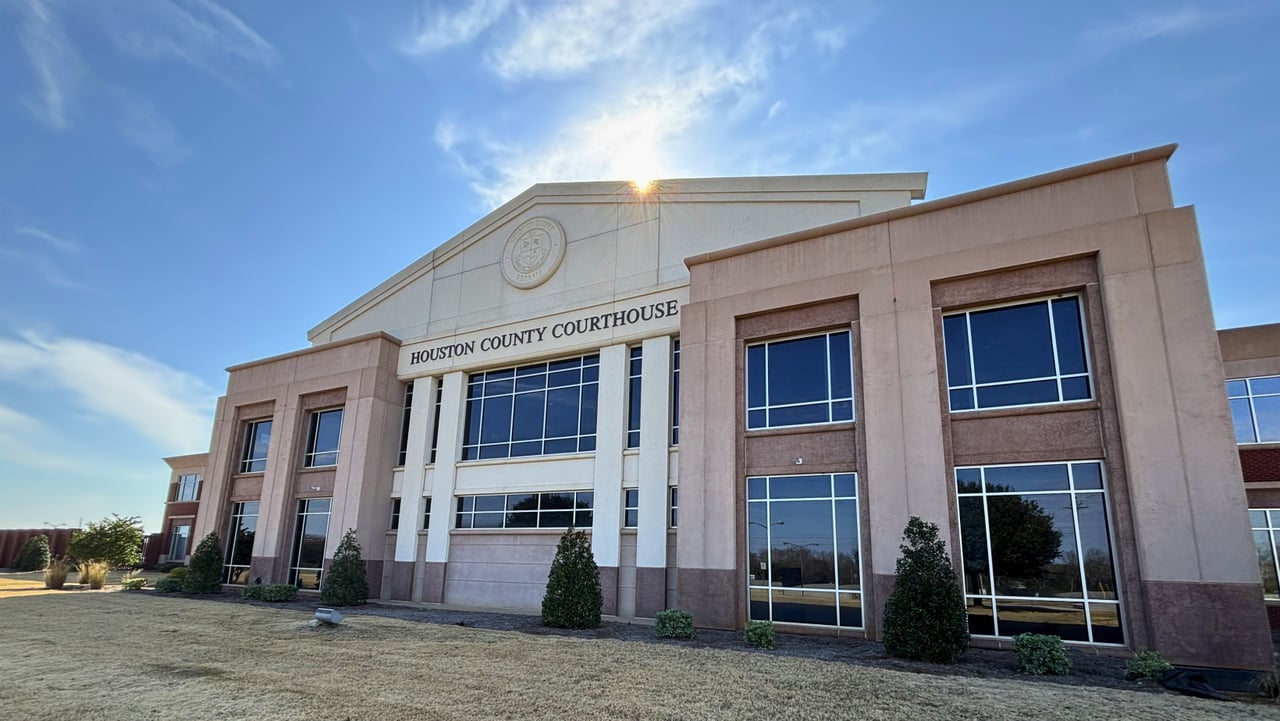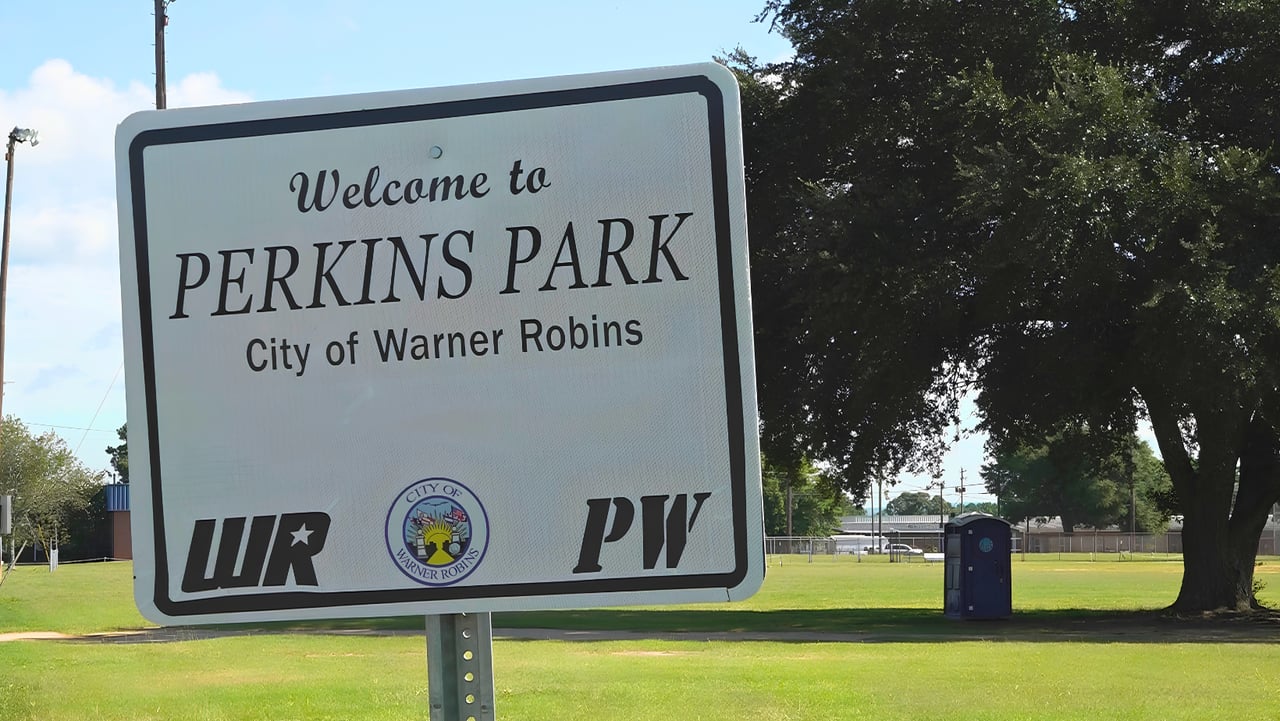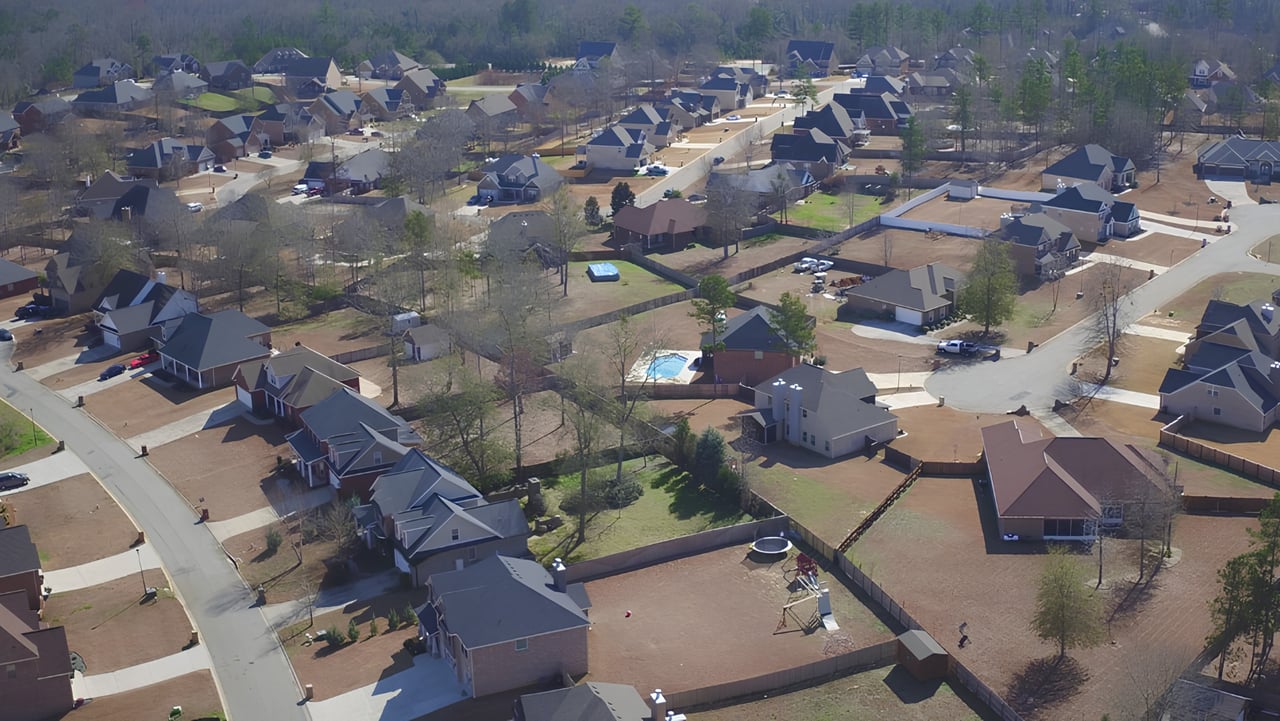
Every standard Georgia real estate contract carries a clause that most buyers and sellers never read closely: either party can push the closing date back eight days without asking permission from the other side. It sits in the Georgia Association of Realtors purchase and sale agreement, the form nearly every Warner Robins transaction uses, and it exists for exactly the kind of delay that shows up most often at Robins Air Force Base: a VA appraisal that takes longer than the calendar allows for.
For a buyer or seller working around a report date, that clause is not fine print. It is the difference between a closing that survives a slow appraisal and one that collapses two weeks before a household goods pickup.
A Clause Neither Side Has to Negotiate For
The Georgia Association of Realtors contract, known in its current form as F201, includes what practitioners call the eight-day unilateral extension. If the closing date arrives and one party still needs more time, that party can extend the deadline by eight days on their own, as long as they notify the other side before or on the original closing date. No renegotiation, no amendment signed by both parties, no waiting on a reluctant counterpart.
This is a contract provision, not a state law. It only applies when the transaction uses the Georgia Association of Realtors form, which covers the large majority of residential resale deals in Houston County. An attorney-drafted contract outside the GAR system will not automatically include it.
The same contract treats the Binding Agreement Date as day zero for every other clock running underneath it. Due diligence, financing, and appraisal contingencies all count forward from that date in calendar days, not business days. A slow week, a holiday, or a weekend does not pause the count. That detail matters once you start stacking a peak-season appraisal delay against a fixed report date.
Why Warner Robins Tests This Clause Every Summer
Robins Air Force Base drives the timing problem more than any other single factor in this market. Permanent change of station season runs May through August, and that is also when VA appraisers across the country carry their heaviest caseloads. In a typical week, Georgia appraisals target roughly eight to ten business days from assignment to report delivery. During peak PCS months, industry appraisal-timeline tracking shows that window stretching another three to seven business days simply from volume, before anything about the property itself causes a delay.
Stack that against a report date that does not move for the Air Force, and the math gets tight fast. A file that would close comfortably in March can run past its original date in June for no reason other than the appraiser's queue.
What Else Draws Down the Buffer
The eight-day extension covers one slow appraisal. It does not automatically cover two problems stacked on top of each other.
If the appraisal comes back below the contract price, VA's Tidewater Initiative gives the appraiser two to five additional business days to review new comparable sales before finalizing the Notice of Value. That is a second delay layered on top of the first, and it only shows up after the initial report is already late.
Minimum Property Requirement findings work the same way. VA appraisers are required to flag safety and soundness issues, and the VA's own timeliness rules govern how those inspections get scheduled and re-scheduled. A missing carbon monoxide detector, an aging roof, or an electrical panel that draws a second look can each trigger a repair-and-reinspection cycle. Reinspection slots are the same appraisers running the same overloaded PCS-season calendar, which means the fix takes longer to schedule than it would in October.
None of this is unusual for VA lending anywhere in the country. What makes it a Warner Robins problem specifically is that the PCS calendar concentrates so much of the year's appraisal volume into four months, right when a large share of local buyers and sellers are working against a fixed report date instead of a flexible one.
The Calendar, Worked Backward
A file that starts clean and moves through Georgia's standard structure looks something like this, counting forward from a June binding agreement date during peak PCS season.
Days from binding | What's happening | Where the buffer gets tested |
|---|---|---|
0-14 | Due diligence period, inspections, title review | Low risk unless repairs surface late |
5-25 | VA appraisal assigned, inspected, reported | Peak season adds 3-7 days here alone |
20-30 | Tidewater review if value comes in low | Adds 2-5 more days if triggered |
25-35 | MPR repairs and reinspection, if required | Competes for the same overloaded appraiser slots |
30-45 | Underwriting, closing attorney prepares documents | Georgia closings are attorney-led, not escrow-only |
Original closing date | Either party may invoke the 8-day extension | One-time buffer, must be invoked in writing before the original date passes |
Under normal conditions, a Robins-area file closes inside 30 to 45 days without needing the extension at all. The clause matters specifically when two or three of these rows run long in the same file, which is far more common in June and July than in February.
What Protects a Report Date
The single biggest variable in a PCS-timed closing is how quickly the appraisal gets ordered, and that is entirely within the buyer's and lender's control on day one.
Share the report date with the lender at the first conversation, not after the third document request. A lender who orders the appraisal the same day the contract binds gives the appraiser the maximum possible runway before peak-season volume backs up the queue. Waiting even a week to mention a hard report date can eat into margin that the eight-day extension was supposed to protect.
Sellers benefit from the same logic in reverse. A home with a documented, working carbon monoxide detector, a serviced HVAC system, and no obvious roof or electrical red flags going into the appraisal avoids the MPR-and-reinspection loop entirely. That is not staging advice. It is calendar management, because a reinspection during June or July competes for the same scarce appraiser slots as the original visit.
Georgia's attorney-led closing process is worth looping in early as well. Because a closing attorney, not a title company alone, prepares the final documents, keeping that office aware of a compressed timeline as soon as a delay appears gives everyone a chance to adjust before the original closing date passes, which is the only point at which the eight-day extension can still be invoked.
A Few Questions Worth Settling
Does invoking the eight-day extension require the other party's agreement? No. Either the buyer or the seller can invoke it unilaterally, as long as written notice goes to the other party before or on the original closing date. Missing that window means the extension is no longer available.
Does this clause only apply to VA financing? No. It is part of the standard GAR contract regardless of loan type. It happens to matter most for VA purchases in this market because VA appraisal timing is the delay most likely to run past a fixed closing date during PCS season.
What happens if eight days still is not enough? At that point, both parties need a mutual amendment rather than a unilateral extension, since the automatic clause only covers one eight-day window per closing date. This is where an early conversation with the lender and closing attorney pays off, because a second delay is far easier to manage when everyone already knows the file is tight.
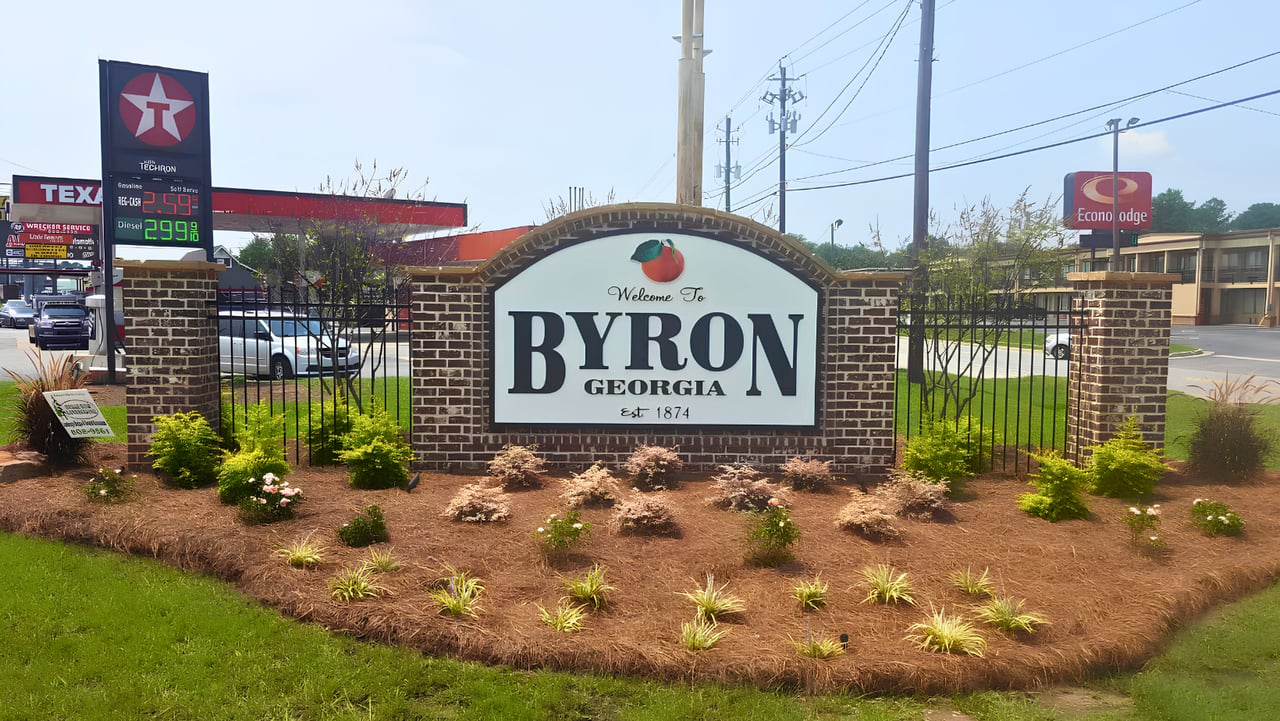
A PCS report date does not care whether an appraiser had a busy July. Understanding exactly which parts of a Warner Robins closing calendar bend, and which do not, is the difference between a stressful last-minute scramble and a plan that already accounted for it. If you are buying or selling on a military timeline in Warner Robins, Perry, Bonaire, Kathleen, or Byron, William Walton-Dean can walk through your specific contract dates and build a closing plan that has room in it before the calendar gets tight.