Warner Robins has started planning the redevelopment of one of its downtown spaces, and while it is being called a park project, the most consequential part of it happens underground. The city has begun a planning effort for Perkins Park, the former Perkins Field on Mulberry Street near City Hall, that pairs recreation and community-gathering improvements with a serious look at stormwater and drainage. For a city in humid Middle Georgia, and one that sits alongside Robins Air Force Base, that combination is more significant than a typical park upgrade.
This post explains what the Perkins Park redevelopment actually involves, where it stands in 2026, how it is being funded, why the stormwater focus matters, and what a project like this can mean for nearby Houston County neighborhoods. It is a local-news breakdown for residents, buyers, and sellers who want to understand what is happening downtown and why it is worth paying attention to.
What the Project Actually Is
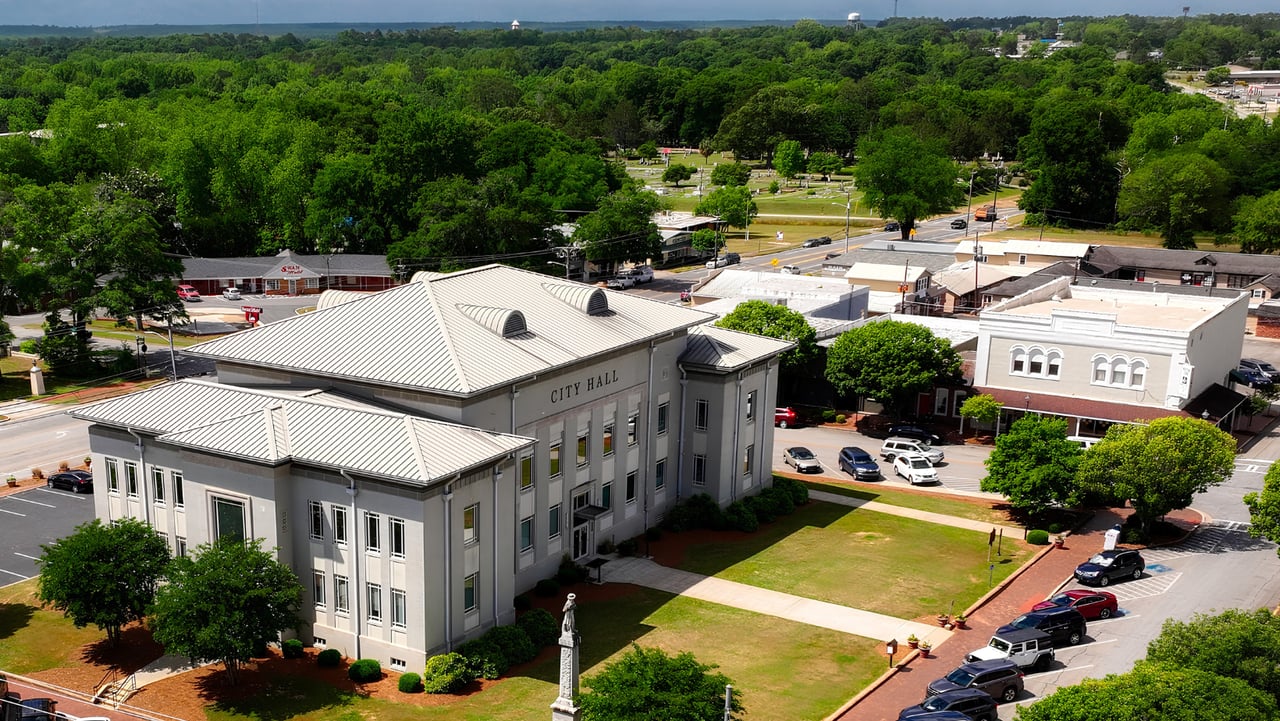
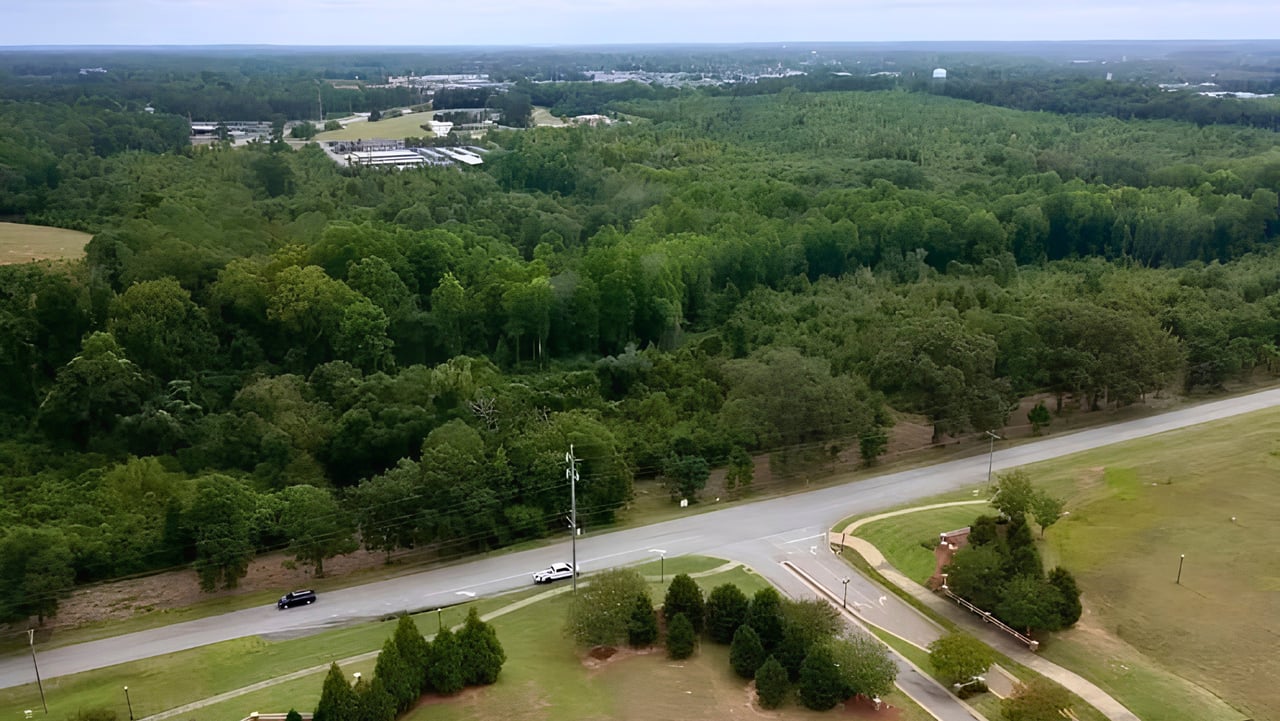
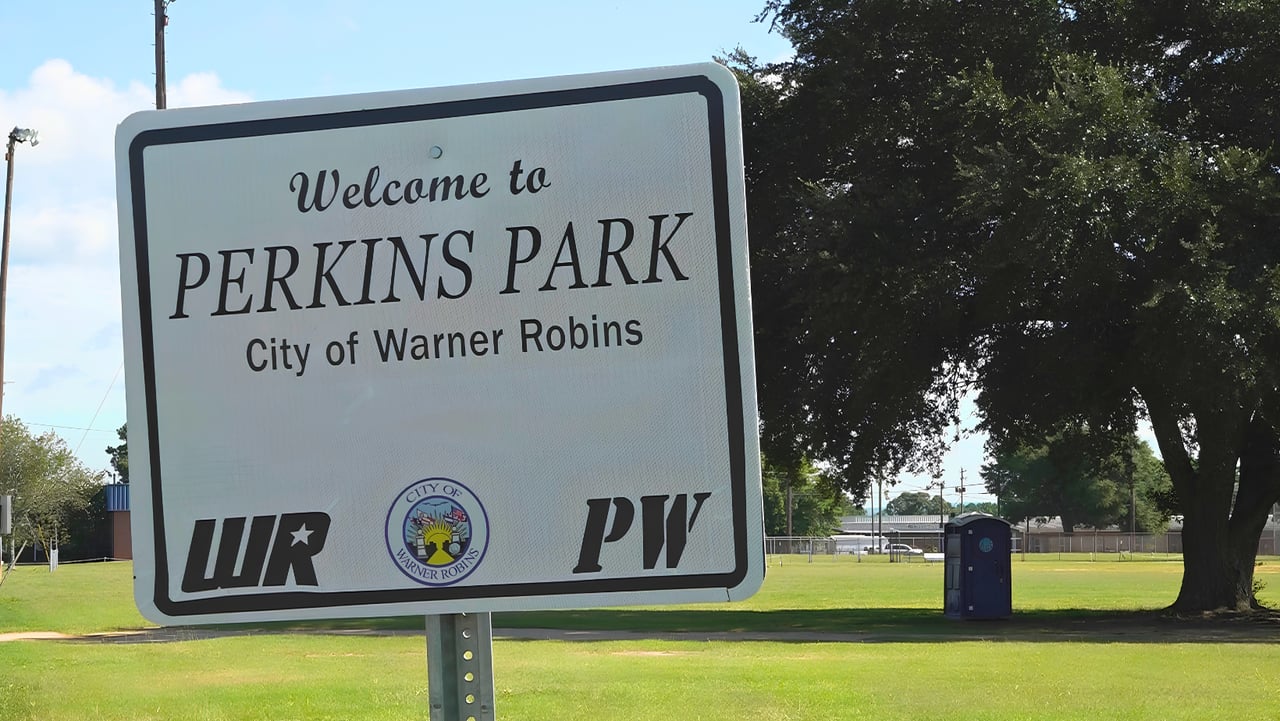
Perkins Park, formerly known as Perkins Field, sits on Mulberry Street not far from City Hall and was once used as a baseball facility. In recent years it has become a gathering space for community events such as Food Truck Roundups, the International City Festival, and Trunk-or-Treat celebrations, which the city has said demonstrated the park's potential as a community destination while highlighting the need for better amenities and infrastructure to support year-round use.
In 2026, the city launched a planning effort to reimagine the space. The planning phase, expected to be completed in October 2026, is set to produce park renderings, detailed plans for key areas, and a preliminary study of how water moves through the property. Importantly, this is a planning phase, the city has not yet announced a construction budget, a funding source for the build-out itself, or a timeline for work beyond planning. In other words, 2026 is about the vision and the study, with the specifics of construction to follow.
Element | Status / Detail |
Location | Former Perkins Field, Mulberry Street, near City Hall |
Current use | Community events: food trucks, festivals, Trunk-or-Treat |
Phase | Planning phase, expected complete October 2026 |
Planning deliverables | Renderings, detailed plans, stormwater study |
Funding (planning) | Defense Community Resilience Program, no cost to city |
Construction | No budget or timeline announced yet |
Why the Stormwater Focus Is the Real Story
The detail that makes this more than a routine park upgrade is stormwater. A central part of the planning is a study of how water moves across the property and how the city can manage it better, alongside the recreational improvements. In Middle Georgia's humid, storm-prone climate, stormwater and drainage are not abstractions, they affect flooding, property, and the health of the surrounding area, and improving how a downtown property handles water has effects that reach well beyond the park's boundaries.
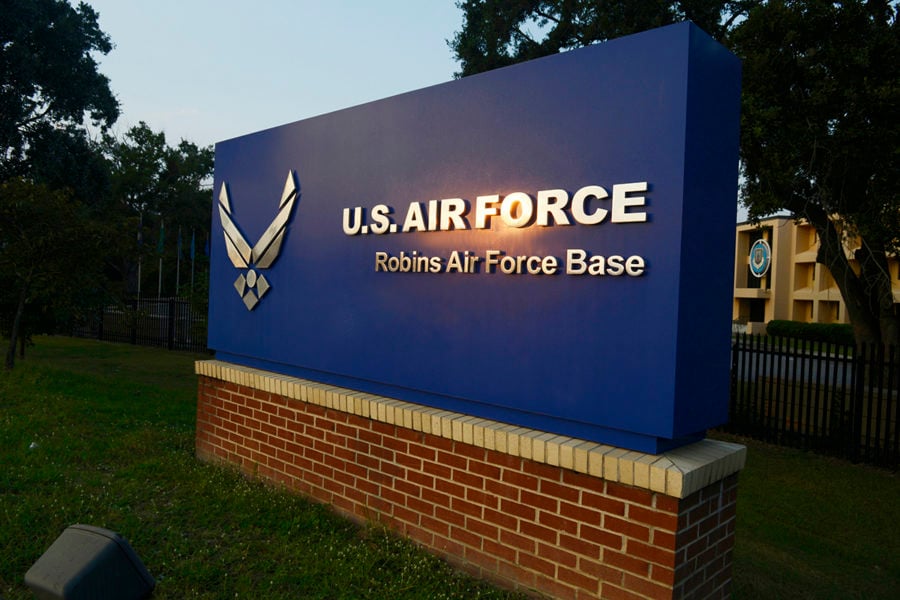
That is where the Robins Air Force Base connection comes in. According to the city, better stormwater management at the park could reduce downstream effects on Robins Air Force Base, linking a downtown recreation project to the region's largest employer and economic engine. It is a reminder that infrastructure decisions in Warner Robins ripple outward, and that a project framed as a park is, in part, a resilience investment for the wider community.
Funded at No Cost to the City
One of the most notable aspects of the effort is how the planning is being paid for. The planning phase is funded through the Defense Community Resilience Program, administered by the University of Georgia's Carl Vinson Institute of Government, and the city has said it comes at no cost to Warner Robins. For residents who reasonably wonder whether a project like this raises their taxes, the planning work specifically is being covered by that program rather than by local tax dollars.
That funding structure reflects a broader pattern in which communities near military installations can access resilience-focused programs tied to the base's operations, since improvements that protect the installation also benefit the surrounding community. It also means the city can develop a serious plan, complete with renderings and a stormwater study, before committing local funds to construction, which is a prudent way to approach a project of this kind.
What It Could Mean for Nearby Neighborhoods
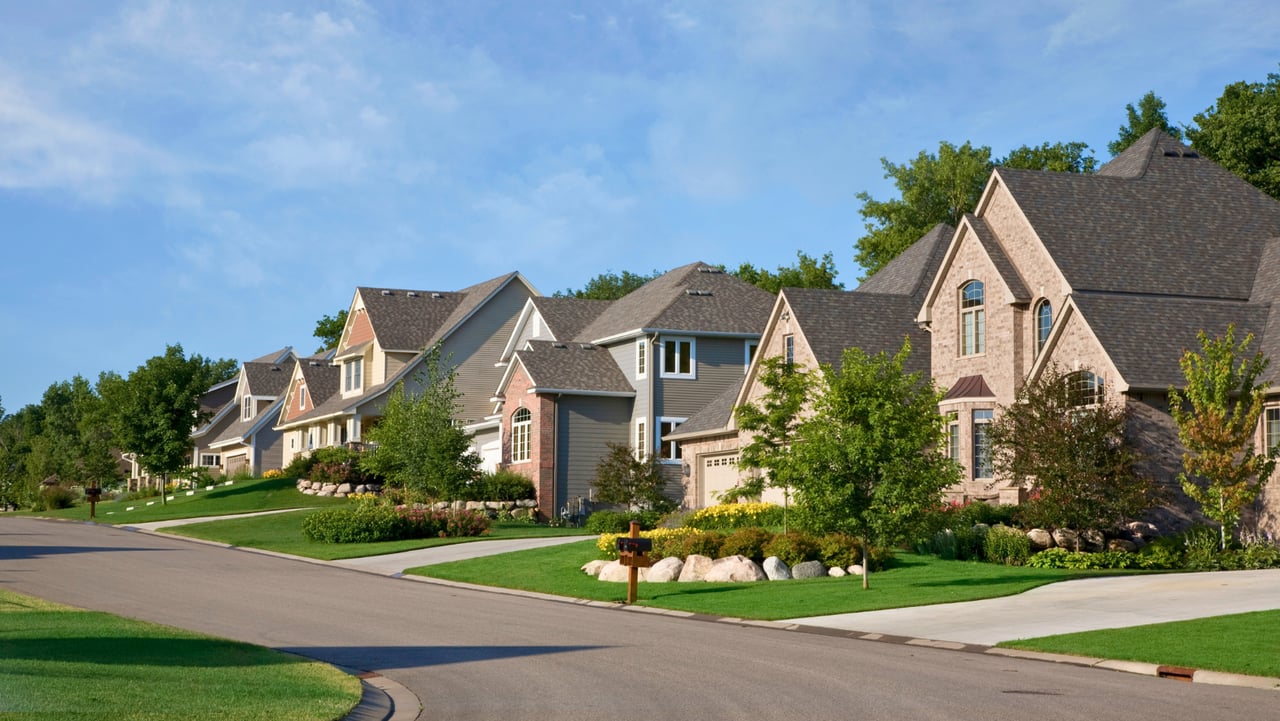
For homeowners and buyers, the value of a story like this is in the pattern it reflects. When a city invests in downtown green space, community gathering places, and drainage infrastructure, the areas around that investment tend to become more desirable over time. Walkable, event-friendly public spaces draw people, and better stormwater management protects the surrounding property, both of which support neighborhood appeal and, over the long run, property values. This is the quieter, slower kind of value that infrastructure creates, distinct from a single new store or subdivision.
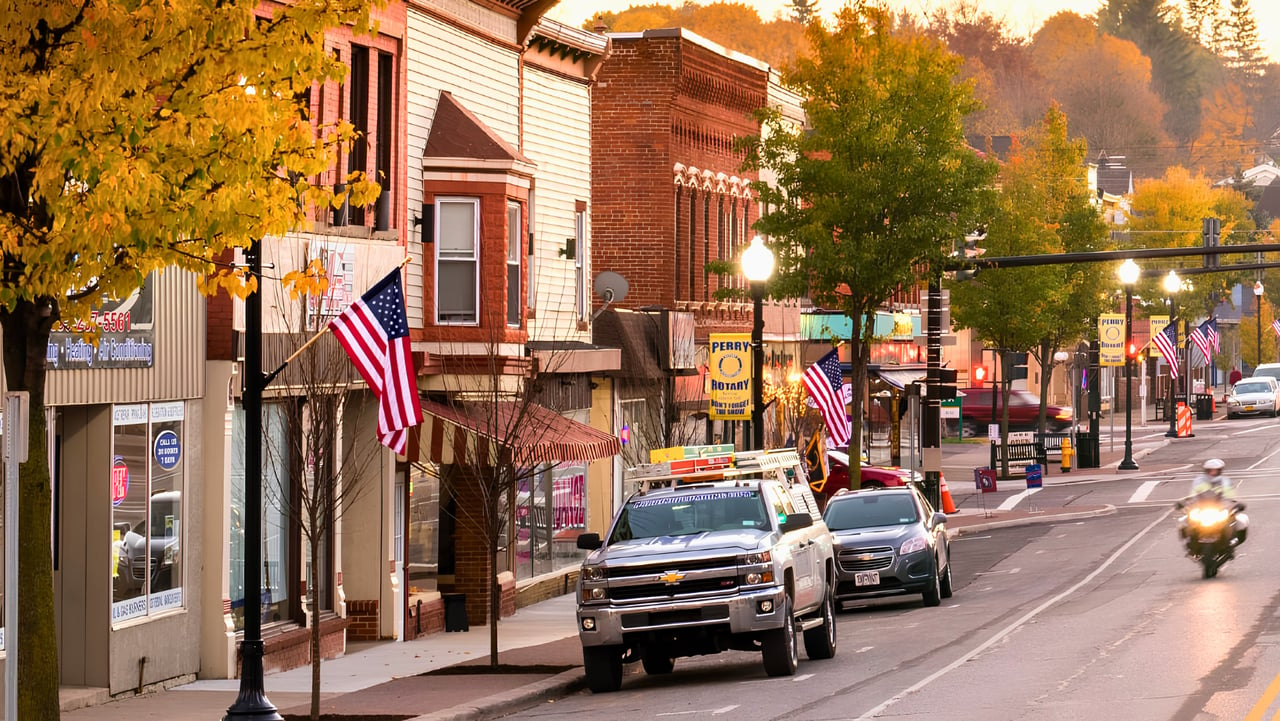
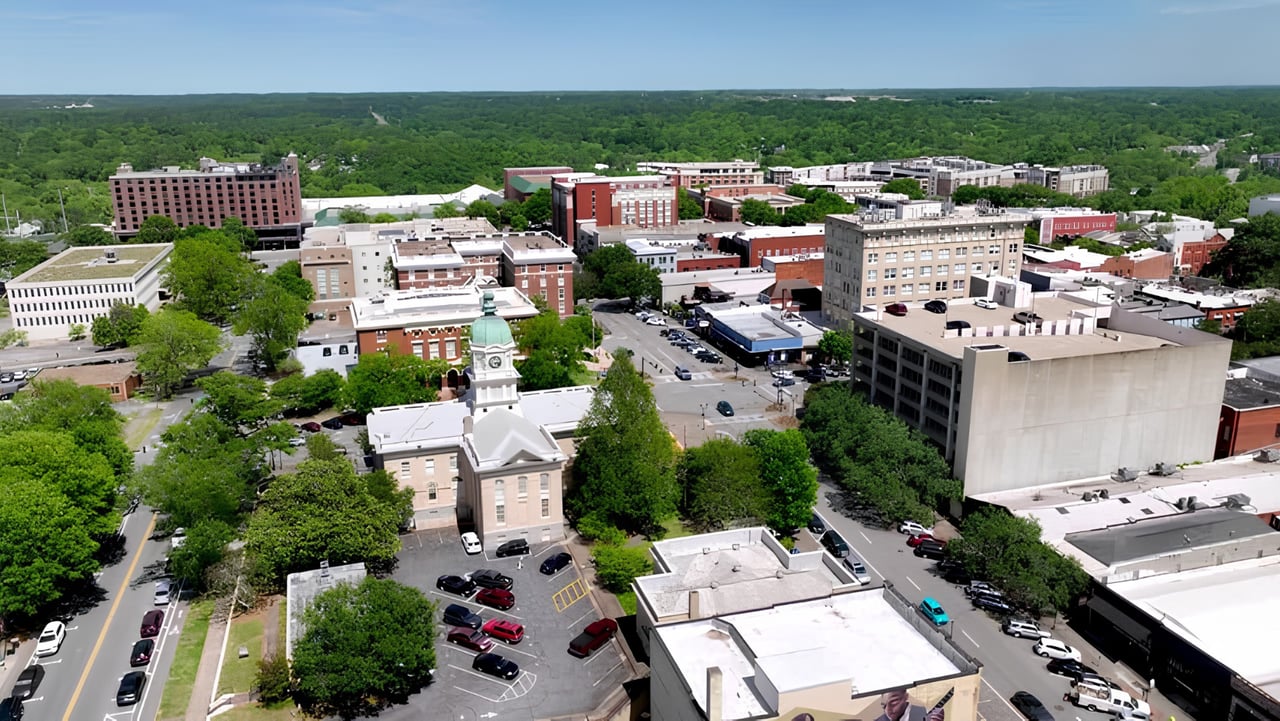
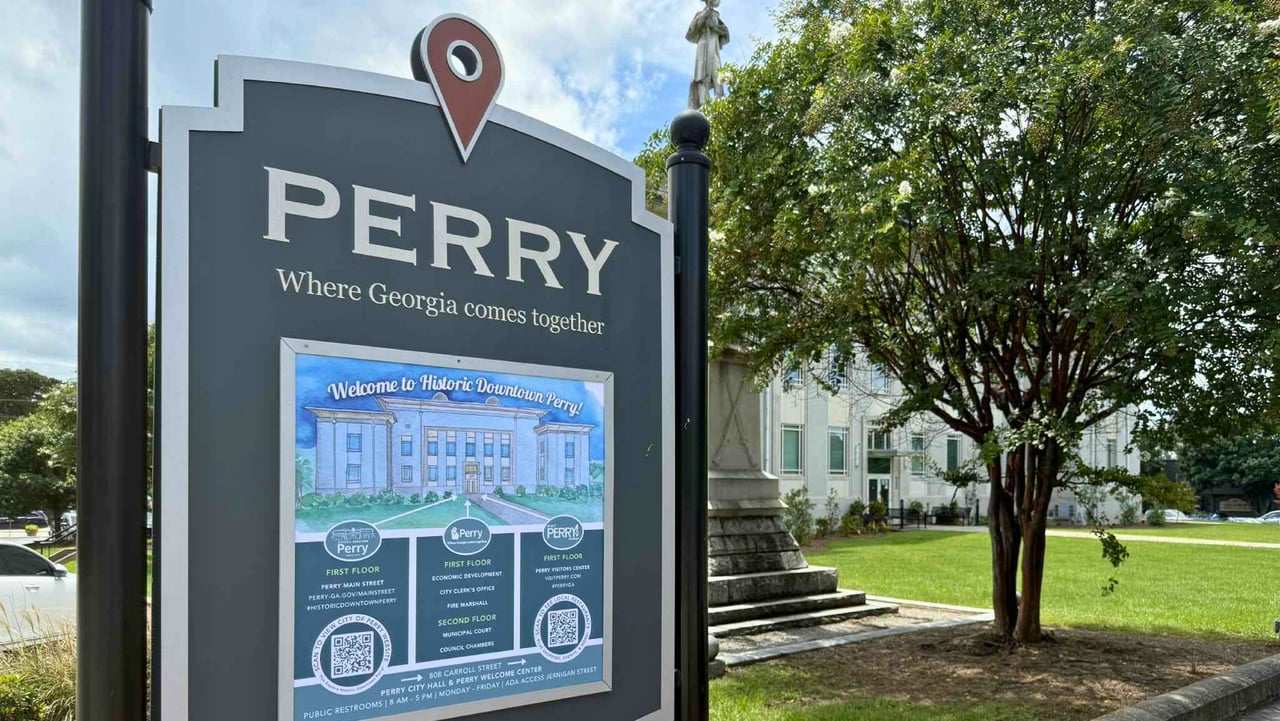
Perkins Park is also part of a broader moment of civic attention on downtown Warner Robins, a city that has historically been defined more by its corridors and strip centers than by a traditional walkable core. Residents have long noted that Warner Robins lacks the kind of charming, park-once-and-stroll downtown that neighboring Perry enjoys. Investments in downtown gathering spaces are steps in that direction, and for anyone watching where the city is heading, they are worth tracking. None of this is a guarantee about any specific home's value, but the direction of public investment is a legitimate factor to weigh.
For Buyers: Should This Affect Where I Buy?
Treat public investment as one signal among several, not a reason to overpay. A city investing in downtown green space and drainage is a positive long-term indicator for nearby areas, and it is reasonable to factor it in when weighing where to buy in Warner Robins. But it is one signal among many, schools, commute, price, condition, and your own needs still lead. Do not pay a premium today for a benefit that is still in the planning phase, since construction scope and timing have not been set.
Pay attention to drainage on the specific home, not just the area. The stormwater theme of this project is a useful reminder for any Middle Georgia buyer: how water moves around a property matters. When you tour homes near or anywhere in the region, look at grading, drainage, and any history of water issues, and make sure your inspection evaluates them. A city improving stormwater downtown does not fix drainage at a specific house, so your own due diligence on the property still applies.
Think in terms of direction, not hype. The most useful way to read a project like Perkins Park is as part of the trajectory of downtown Warner Robins, alongside other civic investments. If you value walkability and community spaces, areas seeing this kind of attention may fit your priorities, whether you are looking in Warner Robins, Perry, Bonaire, Kathleen, or neighboring Byron. Buy the home and the location that fit you, and treat public investment as a helpful tailwind rather than the whole decision.
For Sellers: Can I Use This in My Sale?
If your home is near downtown Warner Robins, proximity to civic investment is a fair and honest point to highlight. Buyers who value walkability and community spaces may find it appealing that the city is investing in nearby amenities and infrastructure. Present it accurately, as a planning-phase project with community and stormwater goals, rather than overstating it as a finished amenity or a guaranteed value boost, since the construction details are not yet set.
Lead with what is real and current about your home and location. Proximity to parks, events, and downtown gathering spaces is a genuine lifestyle selling point across Warner Robins, Perry, Bonaire, Kathleen, and neighboring Byron, and pairing it with your home's actual condition and features is more persuasive than leaning on a future project alone. Honest, accurate positioning, supported by what buyers can verify, is what earns trust and supports your price in a market where buyers compare many options.
The Bottom Line
The Perkins Park redevelopment is a downtown Warner Robins story that is really about three things at once: recreation, drainage, and the direction of the city. In 2026 it is in its planning phase, with renderings and a stormwater study expected by October, funded at no cost to the city through a defense resilience program, and carrying implications that reach from community events all the way to Robins Air Force Base.
For residents, buyers, and sellers, the takeaway is not to chase a project that is still on the drawing board, but to recognize what it signals: a city investing in walkable spaces and in how it manages water, both of which shape neighborhoods over time. Watch how it develops, weigh it as one factor among many, and keep your own property-level due diligence front and center, whether you are in Warner Robins or anywhere across Houston County and neighboring Byron.
Frequently Asked Questions About the Perkins Park Redevelopment
Q: What is the Perkins Park redevelopment in Warner Robins?
A: It is a city planning effort to reimagine Perkins Park, the former Perkins Field on Mulberry Street near City Hall, which has become a gathering space for community events. The redevelopment pairs recreation and community-gathering improvements with a significant focus on stormwater management. As of 2026, the project is in its planning phase, expected to be completed in October 2026, producing park renderings, detailed plans for key areas, and a study of how water moves through the property. The city has not yet announced a construction budget or timeline beyond planning, so the current stage is about developing the vision and the supporting stormwater study rather than building.
Q: When will the Perkins Park redevelopment happen?
A: As of 2026, the project is in its planning phase, which the city expects to complete in October 2026. That phase is set to deliver renderings, detailed plans, and a preliminary stormwater study. Actual construction has not been scheduled, because the city has not yet announced a construction budget, a funding source for the build-out, or a timeline for work beyond planning. This means residents should view 2026 as the planning and study year, with decisions about construction scope and timing expected to follow once the planning deliverables are complete. Anyone tracking the project should watch for the release of renderings and any subsequent construction announcements.
Q: Who is paying for the Perkins Park project?
A: The planning phase is funded through the Defense Community Resilience Program, administered by the University of Georgia's Carl Vinson Institute of Government, and the city has said it comes at no cost to Warner Robins. This program supports resilience-focused planning in communities near military installations, reflecting the fact that improvements protecting the installation also benefit the surrounding community. It is important to note that this funding applies specifically to the planning phase. Any funding for future construction, whether local, grant-based, or otherwise, had not been announced as of publication, so how the eventual build-out would be paid for remains to be determined.
Q: Why is stormwater part of a park project?
A: Stormwater is a central part of the Perkins Park planning because how a property handles water has effects that reach well beyond its boundaries, especially in Middle Georgia's humid, storm-prone climate. The planning includes a study of how water moves across the property and how to manage it better, alongside the recreational improvements. Effective stormwater management helps address flooding and protects surrounding property. In this case, the city has indicated that better stormwater management at the park could also reduce downstream effects on Robins Air Force Base, which is part of why the project pairs recreation with drainage and treats water management as a core goal rather than an afterthought.
Q: How does Perkins Park connect to Robins Air Force Base?
A: According to the city, improved stormwater management at Perkins Park could reduce downstream effects on Robins Air Force Base. Because water flows across jurisdictional lines, drainage improvements at a downtown property can affect areas downstream, including the base. This connection is also reflected in the funding, since the planning is supported through a defense community resilience program tied to the presence of the installation. The link underscores how closely Warner Robins and Robins Air Force Base are intertwined, with a downtown park project carrying implications for the region's largest employer and economic engine, not just for local recreation.
Q: Will the Perkins Park redevelopment raise my taxes?
A: The planning phase is being funded through the Defense Community Resilience Program at no cost to the city, so the planning work specifically is not being paid for with local tax dollars. How any future construction would be funded had not been announced as of publication, so it is too early to say what, if any, local funding would be involved in the build-out. Residents concerned about the tax impact of city projects can follow city budget discussions and public meetings, where funding decisions are made and public input is invited. For now, the current planning effort is covered by the resilience program rather than by Warner Robins taxpayers.
Q: What was Perkins Park before?
A: Perkins Park was formerly known as Perkins Field, and the property on Mulberry Street near City Hall was once used as a baseball facility. Over time it transitioned into a community event space, hosting gatherings such as Food Truck Roundups, the International City Festival, and Trunk-or-Treat celebrations. The city has said the success of these events demonstrated the park's potential as a community destination while also highlighting the need for enhanced amenities and infrastructure to support year-round use. That combination of proven community appeal and infrastructure needs is part of what motivated the current planning effort to reimagine the space for the future.
Q: Could the Perkins Park project affect nearby home values?
A: It could contribute positively over time, though no specific outcome is guaranteed. When a city invests in downtown green space, community gathering places, and drainage infrastructure, the surrounding areas often become more desirable, which can support neighborhood appeal and property values over the long run. Walkable, event-friendly public spaces attract people, and better stormwater management protects nearby property. However, the project is still in its planning phase, so buyers should not overpay today for a benefit that is not yet built. The direction of public investment is a legitimate factor to weigh alongside price, condition, schools, and location when considering a home near downtown Warner Robins.
Q: Is Warner Robins building a real downtown?
A: Warner Robins has seen growing civic attention on its downtown, with efforts aimed at creating more walkable, gathering-oriented spaces in a city historically defined more by its corridors and strip centers. The Perkins Park redevelopment is one piece of that broader momentum, focused on a specific park and its stormwater needs, and it is distinct from other downtown initiatives the city has pursued. Residents have long noted that Warner Robins lacks the kind of charming, walkable downtown core that neighboring Perry enjoys, and investments in downtown gathering spaces are steps in that direction. Whether the city ultimately achieves a traditional downtown feel is something to watch as these efforts develop.
Q: How can I stay informed about the Perkins Park project?
A: The most reliable way to stay informed is to follow the City of Warner Robins directly through its official news releases and public meetings, where project updates, renderings, and any construction decisions are announced and public input is invited. Local news outlets covering Middle Georgia also report on the project's milestones. Because the project is in its planning phase, with renderings and detailed plans expected in October 2026, watching for those deliverables is a good way to track progress. For residents, buyers, or sellers interested in how downtown investment may affect specific neighborhoods, a local real estate professional can help put each update in the context of the surrounding Houston County market.
Quarterly refresh note: Update this post when Perkins Park renderings and detailed plans are released (expected October 2026) and when any construction budget, funding, or timeline is announced. Re-verify the planning-phase funding and the Robins AFB stormwater connection at each refresh, and keep any references to the broader downtown effort distinct from this project.
About the Author
William Walton-Dean is a licensed REALTOR® with Walton Dean Realty, operating under Real Broker LLC, serving buyers and sellers across Houston County, Georgia, including Perry, Warner Robins, Bonaire, Kathleen, Byron, and the surrounding Middle Georgia housing market. Known for a data-driven, hyper-local approach and deep expertise in the military and PCS relocation market around Robins Air Force Base, he helps buyers and sellers at every price point make clear, confident decisions backed by real market insight.
📱 478-371-7069
Walton Dean Realty | Real Broker LLC
Curious How Downtown Investment Could Shape Your Warner Robins Neighborhood? Let's Talk
Projects like Perkins Park are the kind of signal worth reading, but they are one factor among many. Reach out and we will help you weigh downtown investment, drainage, and location against the things that matter most for your move, so you buy or sell with the full picture, not the hype.
William Walton-Dean | Walton Dean Realty
📱 478-371-7069
A More Strategic Approach to Real Estate
This article is provided for general informational purposes only and reflects the Perkins Park planning-phase announcement and reporting as of August 2026. It is not investment advice or a prediction about any specific property's future value. Public project plans, funding, and timelines can change, and construction details had not been announced as of publication. Verify the current status of the project with the City of Warner Robins, and consult appropriate professionals for property-specific decisions. William Walton-Dean is a licensed REALTOR® in the State of Georgia with Walton Dean Realty, operating under Real Broker LLC.