
No. A Georgia seller is not required to make repairs identified in a buyer's home inspection. There is no statutory repair obligation, no list of conditions a seller must correct, and no mechanism that forces a seller to accept a repair request. The request is a proposed amendment to the contract, and the seller may agree, counter or decline.
That is the legal answer, and it is accurate. It is also incomplete in a way that costs sellers in Warner Robins, Kathleen, Perry, Bonaire and neighboring Byron real money. The buyer who sent the request holds an unrestricted right to terminate during the due diligence period, so a flat refusal is not free. And there is one category of repair a seller cannot practically decline: a condition the buyer's lender requires corrected before the loan will fund.
The useful question, then, is not whether the seller has to. It is how a seller should respond to get the transaction closed at the best net.
How Does a Repair Request Actually Arrive?
A repair request in Georgia arrives as a proposed amendment to the purchase contract, typically near the end of the buyer's due diligence period, listing the repairs, credits or price adjustments the buyer is requesting. It is not self-executing. Nothing changes until both parties sign.
The seller's options are to sign the amendment as proposed, to counter with a modified version, or to decline. Declining does not terminate the contract. The buyer then decides whether to proceed without the repairs, to negotiate further, or to terminate within the due diligence window. A seller who understands that sequence responds to the request as a negotiation rather than a demand.
What Are My Options When I Receive a Repair Request?
A seller receiving a repair request may agree to all requested items, agree to some and decline others, offer a credit in place of some or all repairs, offer a price reduction, or decline entirely. The right choice depends on the cost of the items, the strength of the market, the buyer's financing, and what restarting would cost.
SELLER KEYWORD TARGETS: how to respond to repair request seller Georgia | seller counter repair request | repair credit vs repair seller | should I fix or give credit Houston County
Response | How It Works | When It Fits the Seller |
Agree in full | The seller completes every requested item before closing | Small requests, or a competitive buyer the seller wants to keep |
Counter on the material items | The seller agrees to safety, structural and system items and declines cosmetic ones | The most common productive response; keeps the buyer engaged |
Offer a credit instead | The seller credits the buyer at closing and the buyer handles the work after | The seller has moved out or does not want to manage contractors; lender caps apply |
Reduce the price | The contract price is lowered by an agreed amount | Large items where the finding changes value; note that the lower price becomes a public comparable |
Decline entirely | The seller refuses all items | Rarely optimal; appropriate when the request is unreasonable and backup offers exist |
How I work the response with sellers.
Sort the list before deciding anything. Safety and structural, systems at end of life, and cosmetic. The first two categories are the ones a seller should engage with, because the next inspector will find them too. The third is where a seller can reasonably hold the line.
Counter rather than refuse. A seller who agrees to the two items that actually matter and declines the rest almost always ends up in a better place than a seller who says no to everything. The buyer has spent money on inspections and wants to proceed. A counter keeps them in the transaction. A flat no invites them to leave.
Prefer the credit when the work can wait. A credit means the seller does not have to find a contractor, schedule the work before closing, and defend the quality at the walkthrough. The buyer takes the money and the responsibility. The exception is any item the lender requires corrected, which has to be actually done.
Think about the comparable. A price reduction permanently lowers the sale price that becomes a public record and a comp for neighbors. A credit does not. For a seller who cares about the neighborhood's numbers, or who may sell nearby again, that distinction is worth something.
Compare the request to the cost of restarting. Days on market, a new round of showings, a new inspection that finds the same items, and a new buyer with less invested. A repair request that costs less than that is usually worth resolving.
Which Repairs Can I Not Practically Refuse?
A seller may refuse any repair the buyer requests, but a seller cannot refuse a repair the buyer's lender requires and still expect that buyer's loan to fund. Appraisals for government-backed loans, including FHA and VA, include a property condition component, and conditions the appraiser identifies as not meeting the program's standards must be corrected before closing.
In Houston County this is a practical constraint rather than a technicality. The market around Robins Air Force Base carries a high share of VA financing, and a seller in Warner Robins who declines a VA-required condition item is declining that buyer's financing entirely. The next buyer may well be a VA buyer too, and the same item will come up again.
Lender-required items are usually limited to health, safety and habitability conditions rather than the general contents of an inspection report. A seller should understand which items on a request fall into that category, because those are not negotiating positions.
How Should Agreed Repairs Be Documented?
Agreed repairs should be documented in a signed amendment that specifies each item, who will perform the work, the standard to which it will be completed, the deadline for completion, and whether receipts or contractor invoices will be provided to the buyer.
Vague repair language is the most common source of walkthrough disputes. An amendment that says the seller will repair the roof leak invites a disagreement about whether a patch satisfies it. An amendment that says a licensed roofer will repair the leak at the northeast corner and provide an invoice does not. Sellers benefit from specificity as much as buyers do, because a specific amendment defines when the seller's obligation is complete.
The work has to be done before the buyer's final walkthrough. A seller who agrees to repairs and does not complete them arrives at closing week with a buyer holding leverage, and the remedies at that point, a credit, an escrow holdback or a delayed closing, are all worse for the seller than having done the work.
What Does the Buyer's Side of the Negotiation Look Like?
From the buyer's side, a well-constructed repair request prioritizes safety, structural and end-of-life system items, supports each with a contractor estimate, and prefers a credit where the work can wait. A poorly constructed one lists everything in the inspection report.
BUYER KEYWORD TARGETS: what to include in repair request Georgia | repair request strategy buyer | seller refused repairs what now | inspection negotiation Houston County
Sellers who understand how a good request is built can recognize one when it arrives. A short list of material items with estimates attached is a buyer who intends to close and is negotiating in good faith. A twenty item list with no numbers is a buyer who has not prioritized, and a counter that addresses the two real items usually resolves it.
Does the Repair Negotiation Differ Across Houston County?
The legal framework is uniform. What differs across the county is the housing stock and the financing mix, which shape what appears in repair requests and which items are lender-required.
Area | What Commonly Shapes the Repair Negotiation |
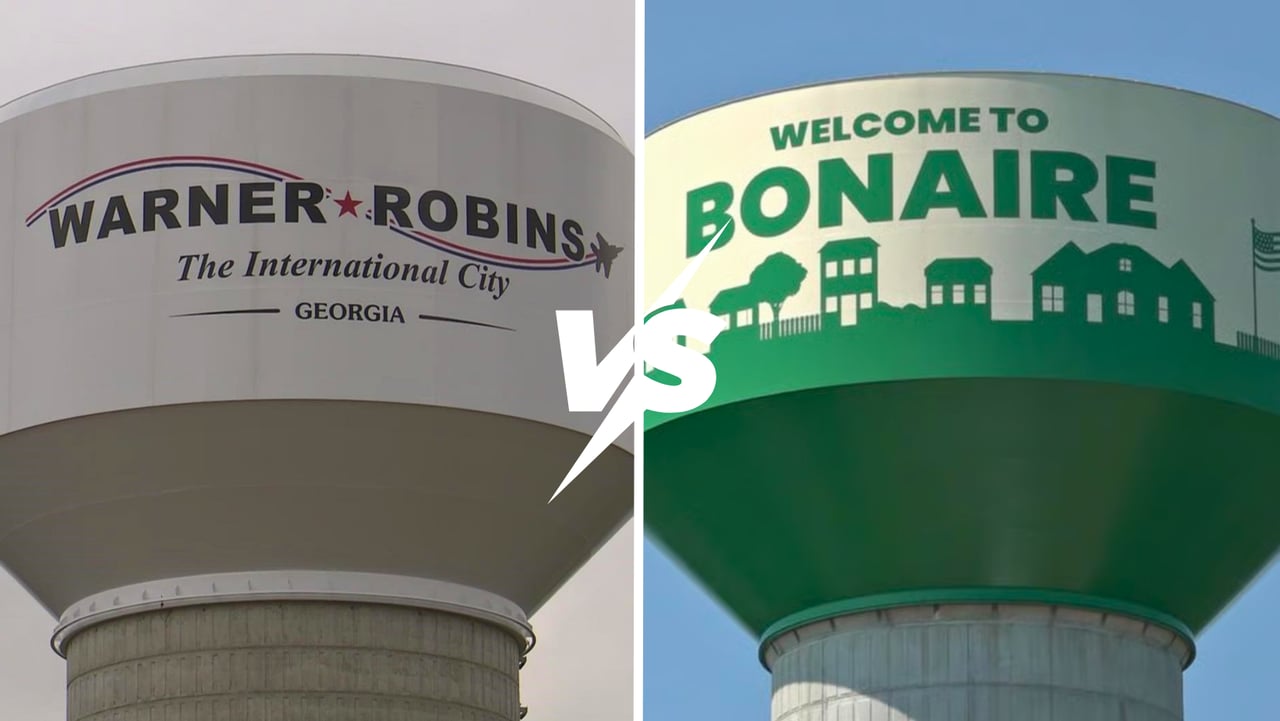
Warner Robins | Older established housing where roofing, HVAC and electrical items recur, and where VA appraisal condition requirements convert some requests into lender requirements. |
Kathleen | Newer construction where builder warranty coverage may address items a buyer would otherwise request, changing who the buyer negotiates with. |
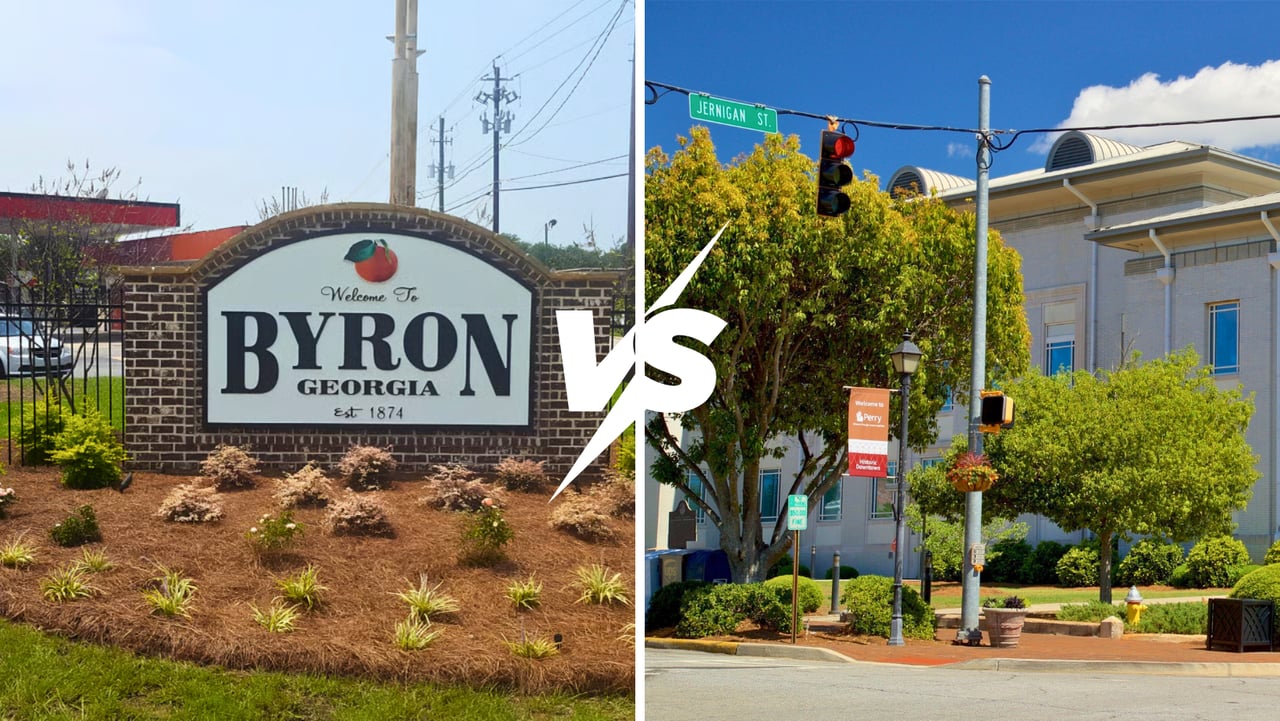
Perry | More acreage where septic, well and outbuilding findings appear, and where specialist estimates take longer to obtain. |
Bonaire | Established subdivisions where HVAC and roof age are the most frequent negotiation points. |
Byron | Neighboring Byron follows the same Georgia repair negotiation rules, though it sits in Peach County for tax and jurisdiction purposes. |
The Bottom Line
A Georgia seller does not have to make the repairs a buyer asks for, and the sellers who get the best outcomes rarely refuse outright. They sort the request, engage with the material items, decline the cosmetic ones, prefer a credit where the work can wait, and recognize that a lender-required condition is not a negotiating position.
The comparison a seller should keep in mind is not the cost of the repair against zero. It is the cost of the repair against the cost of restarting, because the next buyer's inspector is going to find the same things.
Frequently Asked Questions About Seller Repairs in Houston County, GA
Q: Does a seller have to make repairs after a home inspection in Georgia?
A: No. Georgia does not impose a statutory obligation on a seller to repair items identified in a buyer's home inspection. A repair request is delivered as a proposed written amendment to the contract, and the seller may agree, counter or decline. A declined request does not end the contract, but the buyer retains the right to terminate during the due diligence period for any reason, so a refusal carries the risk of losing the buyer.
Q: What happens if I refuse to make any repairs in Georgia?
A: The buyer decides whether to proceed with the purchase as-is, to negotiate further, or to terminate during the due diligence window with earnest money returned. Refusal does not breach the contract. Whether it is a good decision depends on the strength of the market, the availability of backup offers, and the likelihood that the next buyer's inspector will find the same items. In most Houston County transactions, a counter that addresses the material items produces a better result than a flat refusal.
Q: Are there repairs a seller cannot refuse in Georgia?
A: A seller may refuse any requested repair, but cannot refuse a repair the buyer's lender requires and still expect that buyer's loan to fund. Appraisals for government-backed loans such as FHA and VA include property condition standards, and conditions the appraiser identifies as not meeting them must be corrected before closing. Given the concentration of VA financing near Robins Air Force Base, declining a VA-required item in Warner Robins effectively declines that buyer's financing, and the same item is likely to recur with the next VA buyer.
Q: Should I make the repair or give the buyer a credit?
A: A credit is often better for the seller because it avoids finding and scheduling a contractor before closing, and it shifts responsibility for the work and its quality to the buyer after closing. A credit also does not lower the recorded sale price the way a price reduction does. The limits are that lenders cap seller credits by loan program, so the buyer's lender should confirm the credit is usable, and that any lender-required condition item must actually be repaired rather than credited.
Q: How much of a credit can I give the buyer?
A: Seller credits, also called concessions, are capped by the buyer's loan program rather than by Georgia law, and the limits differ for conventional, FHA, VA and USDA financing. A credit above the program cap is partially unusable to the buyer, which means the seller would be agreeing to give money the buyer cannot receive. Before signing an amendment with a credit, the buyer's lender should confirm the applicable limit so the figure is set at a level the program allows.
Q: Is a price reduction better than a credit for the seller?
A: Usually not. A price reduction permanently lowers the sale price that is recorded and becomes a public comparable, which can affect appraisals for neighboring properties and any future sale in the area. A credit reduces the seller's net by the same amount without changing the recorded price. A price reduction can be appropriate for large items where the finding materially changes the property's value, but sellers in Houston County who care about their neighborhood's comparables often prefer the credit.
Q: How should agreed repairs be written into the contract?
A: In a signed amendment that specifies each item, who will perform the work, the standard to which it will be completed, the completion deadline, and whether receipts or contractor invoices will be provided to the buyer. Vague language such as repair the roof invites a dispute at the walkthrough about whether the work satisfied the agreement. Specific language defines when the seller's obligation is complete, which protects the seller as much as the buyer.
Q: What if I agree to repairs and cannot get them done before closing?
A: The seller arrives at the final walkthrough with an unfulfilled obligation and a buyer holding leverage. The available resolutions are a credit for the cost of the incomplete work, an escrow holdback administered by the closing attorney until the work is done, or a delayed closing. All of them are worse for the seller than having completed the work on time. Sellers should agree only to repairs they can realistically complete and should begin scheduling contractors the day the amendment is signed.
Q: Does the buyer have to accept my repairs at the walkthrough?
A: The buyer verifies at the final walkthrough that agreed repairs were completed to the standard the amendment specifies. If the amendment was specific about the scope and the contractor, and receipts were provided, the verification is straightforward. If the amendment was vague, the buyer may dispute whether the work satisfied it. This is why specificity in the repair amendment protects the seller, and why receipts and invoices should be gathered as the work is completed.
Q: Can I sell my house as-is in Georgia and skip the repair negotiation?
A: A seller can market a property as-is, which signals that the seller does not intend to make repairs. It does not remove the buyer's right to inspect or the buyer's due diligence termination right, and it does not prevent the buyer from submitting a repair request anyway. Lender-required condition items still apply on financed purchases regardless of the as-is designation. As-is is a negotiating posture rather than a legal shield, and it tends to narrow the buyer pool.
Q: What is the most common mistake sellers make with repair requests?
A: Refusing on principle. Sellers who receive a repair request and respond with a flat no are reacting to the request rather than evaluating it against the cost of restarting, and they frequently lose a buyer who was prepared to close. The second most common mistake is agreeing to repairs with vague language and then facing a dispute at the walkthrough over whether the work was adequate. Sorting the request, countering on the material items, and writing the amendment specifically avoids both.
Q: Do repair negotiations work differently for new construction in Kathleen?
A: They can. Newer construction in Kathleen and elsewhere in Houston County frequently carries a builder warranty, and items a buyer would otherwise request from a resale seller may instead be handled as warranty claims with the builder. That changes who the buyer negotiates with and may remove the item from the seller's repair request entirely. Sellers of newer homes should confirm what the builder warranty covers and for how long before responding to a request.
About the Author
William Walton-Dean is a licensed REALTOR® with Walton Dean Realty, operating under Real Broker LLC, serving buyers and sellers across Houston County, Georgia, including Perry, Warner Robins, Bonaire, Kathleen, Byron, and the surrounding Middle Georgia housing market. He brings a data-driven, hyper-local approach to both residential and commercial transactions, working with first-time buyers, move-up sellers, investors, and families relocating to the area, including those tied to Robins Air Force Base. Drawing on a prior career as a C-level executive, he helps buyers and sellers at every price point make clear, confident decisions backed by real market insight.
📱 478-371-7069
Walton Dean Realty | Real Broker LLC
Selling in Houston County? Let's Plan the Repair Response
Repair requests in Warner Robins, Perry or Bonaire are won by sellers who sorted the list before it arrived and countered on the items that mattered. If you want that response planned in advance, reach out.
William Walton-Dean | Walton Dean Realty
📱 478-371-7069
A More Strategic Approach to Real Estate
Disclaimer
This article is provided for general informational purposes only and does not constitute legal, financial or lending advice. Repair obligations, credits and amendments are negotiated between the parties and written into the individual contract, and lender concession limits and property condition requirements vary by loan program and are subject to change. Nothing in this article creates an attorney-client relationship or a brokerage relationship. For advice regarding a specific transaction, property, contract or loan, consult a licensed Georgia real estate attorney, the relevant lender, and your licensed real estate agent.