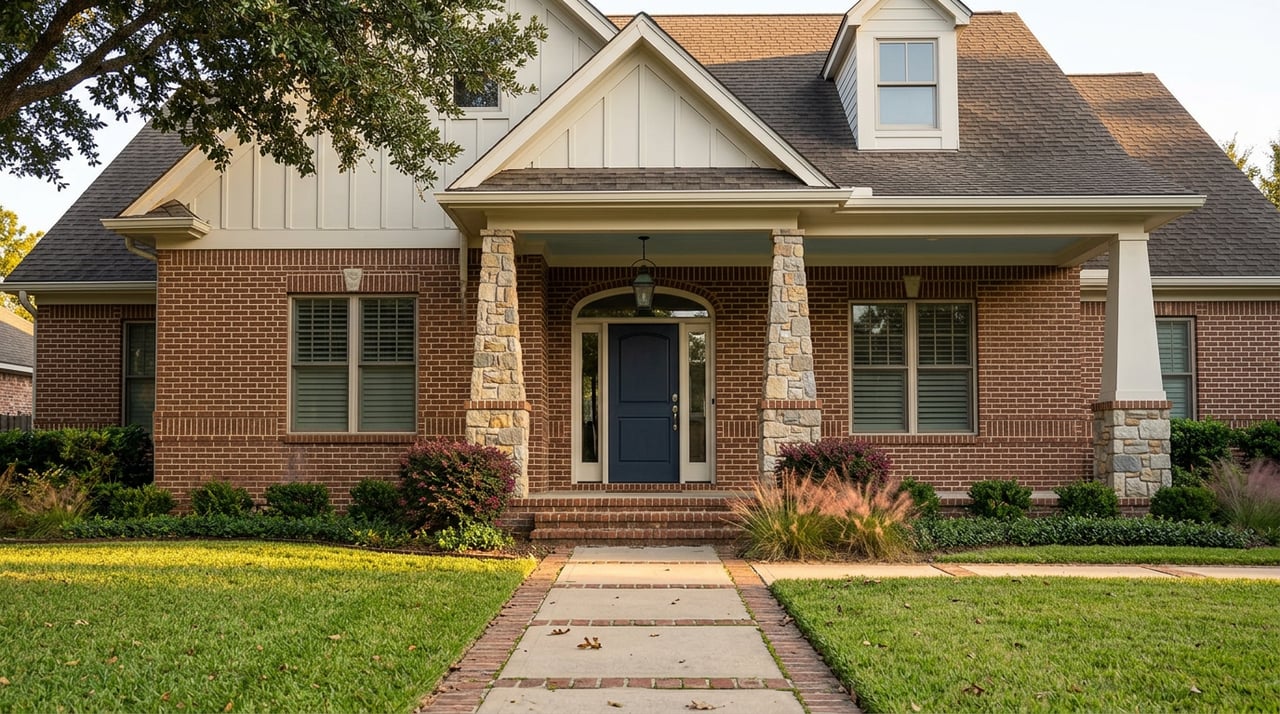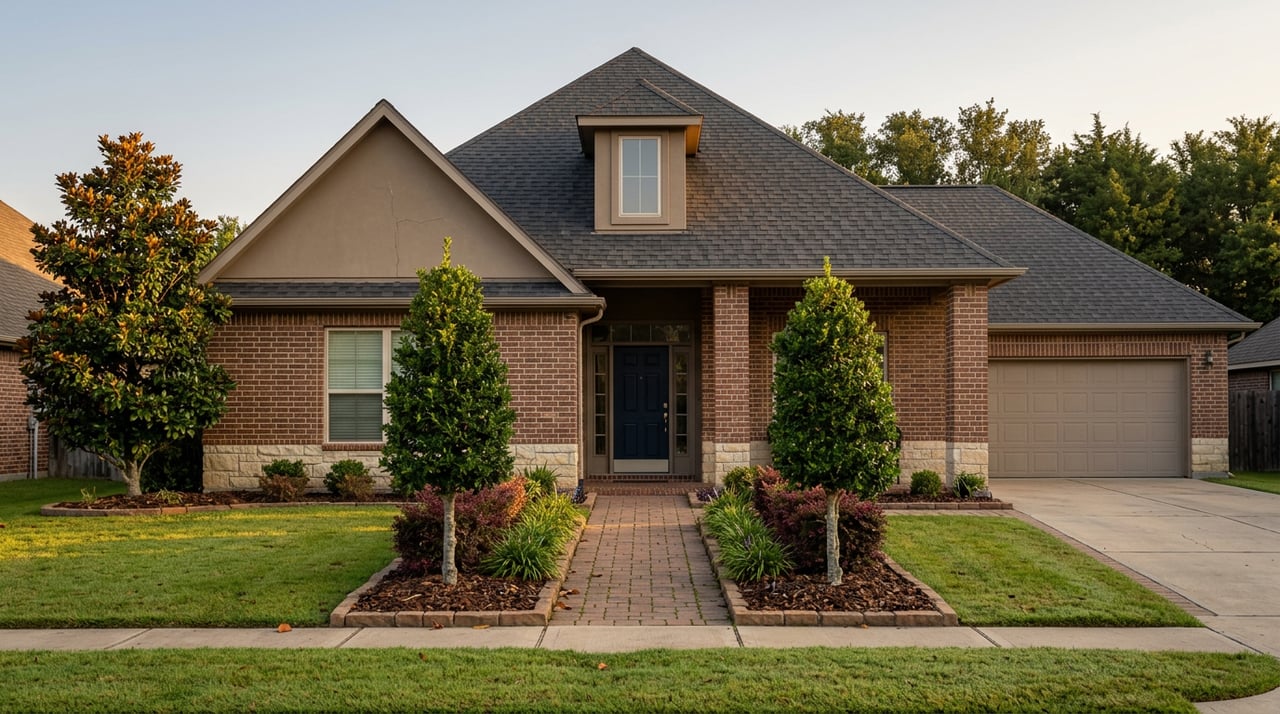
A money pit is not a mystery, it is a home whose real costs were hidden, deferred, or underestimated until the new owner was already living with them. The good news for Houston County buyers is that avoiding one is far more within your control than the phrase suggests. Money pits are usually bought by buyers who fell for fresh cosmetics, skipped or rushed their due diligence, or misjudged what a project would truly cost, and every one of those is a preventable mistake.
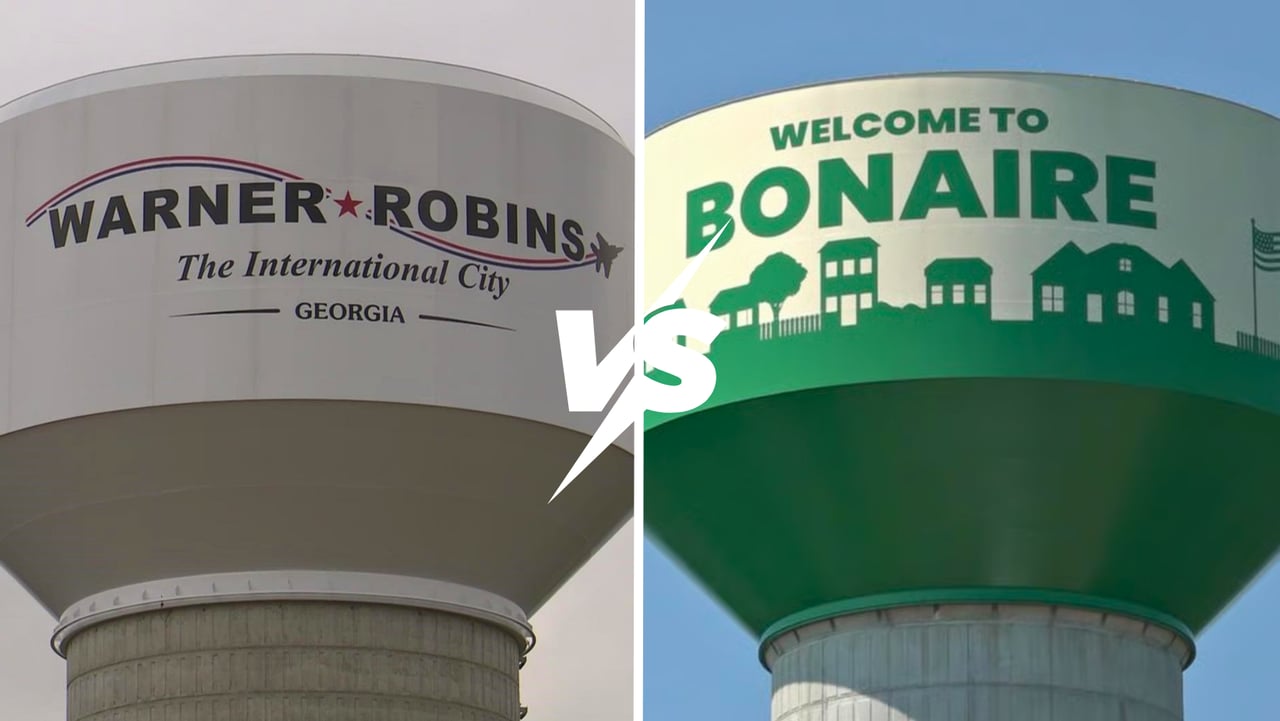
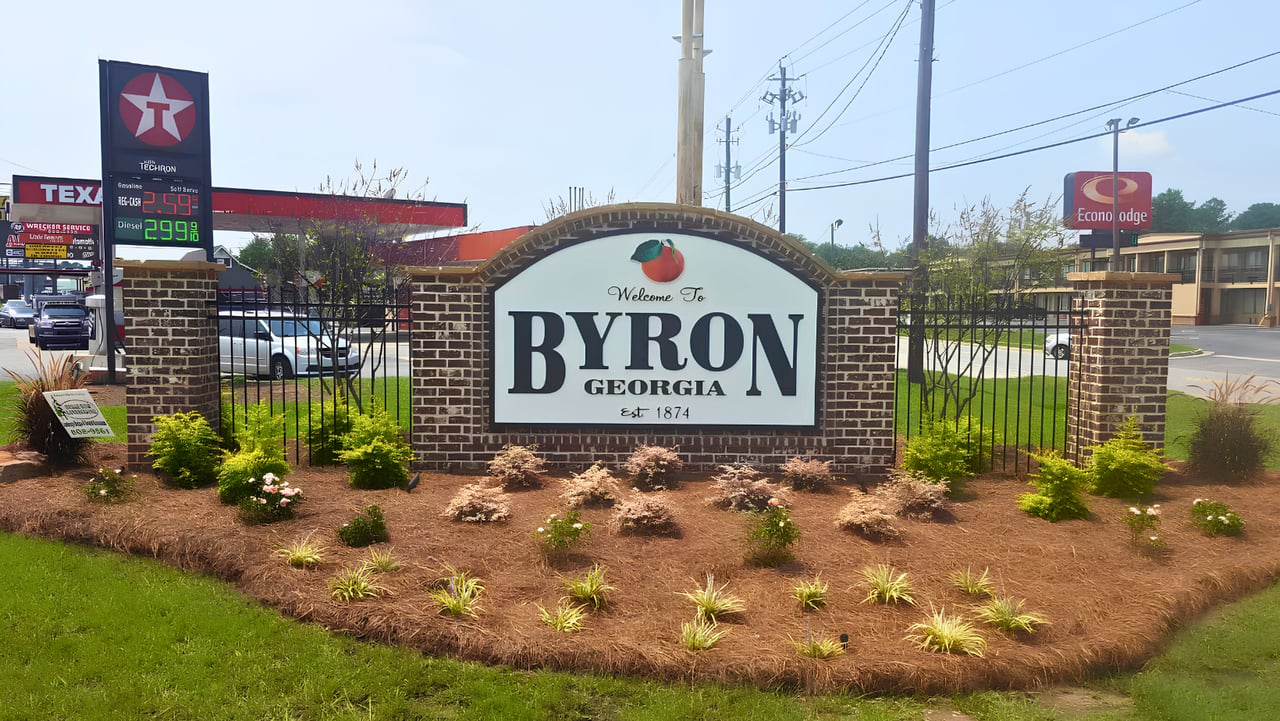
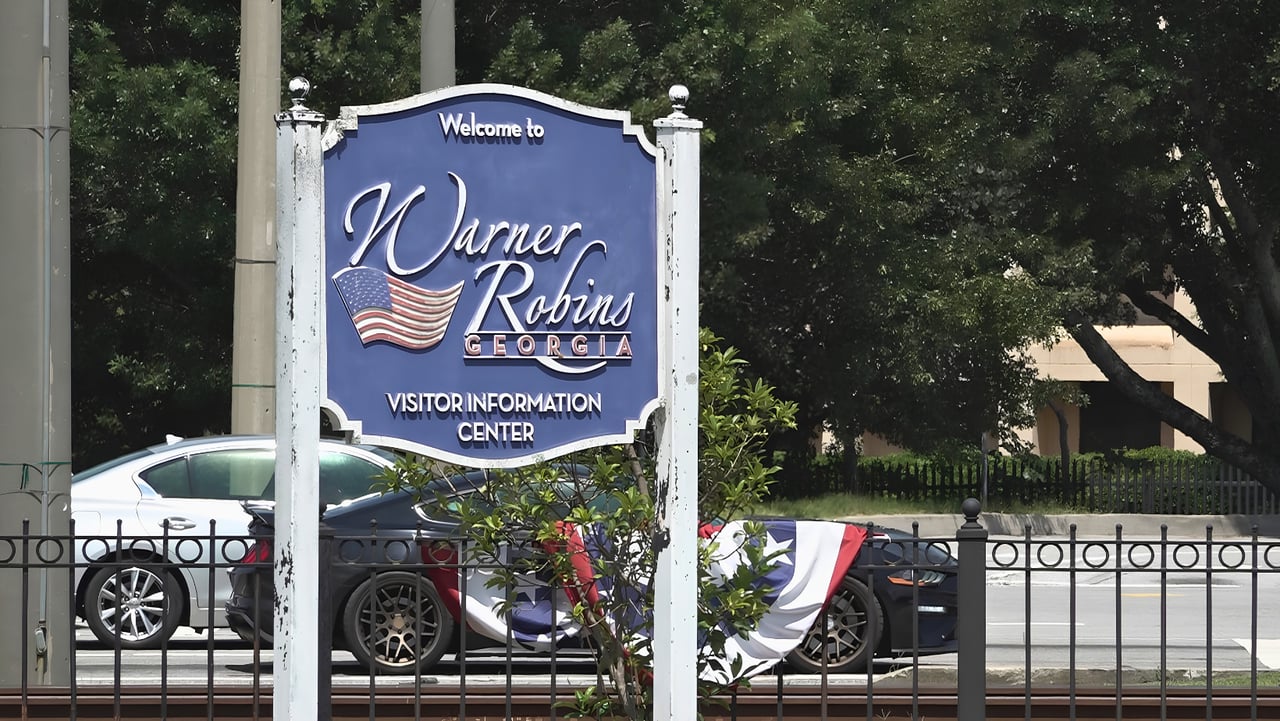
This pillar lays out the buyer's strategy for avoiding a money pit across the Houston County market, from Warner Robins and Perry to Bonaire, Kathleen, and neighboring Byron: how to read the warning signs before you make an offer, how to use Georgia's due diligence period, which situations carry the highest risk, and how to buy a fixer-upper on purpose without it turning into a money pit by accident. Four companion posts go deep on each, and this series works alongside two others in the library, one on what a home's systems actually cost, and one on what a home inspection typically flags.
What Turns a Home Into a Money Pit?
Money pits are made in a few recognizable ways, and understanding them tells you where to focus. The first is hidden or deferred problems: a roof, HVAC, foundation, or plumbing issue that was patched over or ignored, and that comes due on the new owner's watch. The second is cosmetic distraction: a home dressed up with fresh paint, new flooring, and staging that draws the eye away from the expensive systems underneath. The third is misjudged scope: a buyer who sees a project as a weekend of work when it is really a major renovation. And the fourth is skipped or rushed diligence: not inspecting thoroughly, not investigating history, or letting the due diligence window close without acting.
Notice that none of these is about bad luck. Each is something a prepared buyer can catch, which is why the rest of this guide is organized around the points in the process where money pits are made and unmade: the showing, the due diligence period, the type of home, and the renovation plan.
The Buyer's Money-Pit Strategy, Start to Finish
Avoiding a money pit is a sequence, not a single step. Here is the strategy at a glance, with each stage covered in depth in this series or its companion clusters.
Stage | What You're Doing | Where It's Covered |
Touring | Reading pre-offer warning signs with your own eyes | Warning signs companion post |
Under contract | Using the due diligence period fully and early | Due diligence companion post |
Judging the home | Recognizing high-risk situations and home types | High-risk home types companion post |
Inspection | Getting a thorough inspection and the right specialists | Inspection Problems cluster |
Budgeting | Understanding true system costs and reserves | Hidden Costs cluster |
Renovating | Vetting a fixer-upper with a real budget and plan | Fixer-upper companion post |
Touring: trust your senses before the professionals arrive
Long before an inspector is involved, your own eyes and nose catch a great deal. Fresh paint concentrated in one area, a musty smell, doors that stick, floors that slope, water stains on ceilings, and a home that is cosmetically polished but has an obviously old roof or HVAC unit are the classic pre-offer clues. Learning to read them, so you can decide whether to even make an offer, is the first line of defense, and the warning-signs companion post covers exactly what to look for on a Houston County showing.
Due diligence: the window that protects you
Once under contract, Georgia's due diligence period is your strongest safeguard. It is a negotiated window during which you can inspect, investigate the home's history, and terminate for any reason with your earnest money returned. Used well, inspecting early, lining up specialists, and treating the deadline as the most important date in the deal, it lets you discover a money pit while you can still walk away or renegotiate. The due diligence companion post explains how it works in Georgia and how to use it.
Type of home: know which situations carry the most risk
Some homes are statistically more likely to become money pits: cosmetic flips that hide old systems behind new finishes, long-vacant homes where neglect has compounded, as-is estate sales sold without disclosure, and homes with unpermitted additions or amateur repairs. Recognizing these situations does not mean avoiding them entirely, it means raising your scrutiny accordingly, which the high-risk home types companion post details for the Houston County market.
The Professionals Who Keep You Out of a Money Pit
Your strategy is stronger with the right team. A certified, locally experienced home inspector is the foundation, and on a Georgia purchase a separate wood-destroying organism inspection is standard given the region's very-heavy termite risk. Beyond those, specialists earn their fee when the general inspection raises a concern: a structural engineer for a foundation question, a licensed electrician or plumber for systems findings, a sewer scope on an older home, and an insurance agent early in the process to confirm the home is insurable at a reasonable cost. Each of these, used at the right moment during due diligence, converts an unknown into a known while you still have leverage.
A knowledgeable agent ties it together, helping you read warning signs on the showing, structure a due diligence period that gives you time to investigate, line up the right specialists, and interpret what the findings mean for your decision and your negotiation. The cost of assembling this team is trivial next to the cost of a money pit, which is the entire point.
For Buyers: How Do I Put This Into Practice?
Get pre-approved and get a great inspector lined up before you shop. The buyers who avoid money pits are the ones who move deliberately when it counts, and that starts with being ready: pre-approved so you can act, and with a certified, locally experienced inspector on standby so you can inspect early in your due diligence window rather than scrambling at the deadline.
Do not be seduced by cosmetics, and do not skip the boring stuff. The most common way buyers walk into a money pit is by falling for a fresh, staged interior and neglecting the roof, HVAC, foundation, plumbing, and electrical underneath. Look past the finishes to the systems and the structure, and insist on the full inspection and any warranted specialist evaluations even when the home shows beautifully.
Treat the due diligence deadline as sacred. It is the single most important date in your transaction, the point after which your options narrow and your earnest money is at risk if you try to back out. Inspect and investigate early, so that if something turns up, you have time to renegotiate, bring in a specialist, or terminate, all while the window is still open. That discipline, more than anything else, is what keeps a Houston County buyer out of a money pit.
Contract terms, deadlines, and notice requirements are legal matters that vary by transaction. This article provides general market context, not legal or lending advice; consult your agent and a Georgia real estate attorney for contract specifics.
For Sellers: How Do I Keep My Home From Looking Like a Money Pit?
The flip side of the money-pit conversation is that buyers are actively looking for warning signs, so a seller's job is to remove them. A pre-listing inspection lets you find and address the deal-affecting issues on your own terms, and documentation, receipts for a newer roof, HVAC, or system replacements, a clean or bonded termite history, permits for past work, reassures a buyer who would otherwise assume the worst and discount your whole home.
Transparency beats concealment every time. Cosmetic cover-ups over real problems are exactly what savvy buyers and inspectors are trained to catch, and being caught papering over an issue destroys trust and the deal along with it. Disclosing known issues honestly and pricing to the home's real condition keeps you out of a mid-contract collapse, in any Houston County city or neighboring Byron. A well-maintained home with a clean, documented history is the opposite of a money pit, and buyers pay accordingly.
The Bottom Line
Money pits are avoidable. They are bought by buyers who fall for cosmetics, misjudge scope, or rush their diligence, and every one of those is a mistake a prepared buyer can sidestep. The strategy is a sequence: read the warning signs while touring, use Georgia's due diligence period fully and early, raise your scrutiny on higher-risk home types, lean on the right professionals, and, if you are buying a fixer-upper, do it with a real budget and plan.
Across Houston County, from Warner Robins and Perry to Bonaire, Kathleen, and neighboring Byron, the buyers who follow that sequence rarely end up in a money pit, because almost every money pit reveals itself before closing to someone who is looking. The four companion posts break down each stage so you can buy with confidence rather than crossed fingers.
Frequently Asked Questions About Avoiding a Money Pit in Houston County
Q: What is a money pit in real estate?
A: A money pit is a home that keeps costing the owner significant money after purchase, usually because problems were hidden, deferred, or underestimated before closing. It might be a house with an aging roof and HVAC dressed up with fresh cosmetics, a long-vacant home where neglect has compounded, or a fixer-upper whose renovation scope was badly misjudged. The defining feature is that the real costs were not apparent, or not taken seriously, at the time of purchase. In Houston County, money pits are almost always avoidable, because the warning signs typically appear during showings and the due diligence period to a buyer who is paying attention.
Q: How can I tell if a house is a money pit before buying it?
A: The clues often appear before the professional inspection. On a showing, watch for fresh paint concentrated in one area, musty odors, water stains on ceilings or walls, sloping or bouncy floors, doors and windows that stick, and a cosmetically polished home with an obviously old roof or HVAC system. During due diligence, a thorough home inspection, a termite inspection, and specialist evaluations where warranted confirm what your senses suggested. Certain situations, cosmetic flips, long-vacant homes, and as-is estate sales, carry higher risk. Combining alert touring with disciplined due diligence is how buyers in Warner Robins, Perry, Bonaire, Kathleen, and Byron catch a money pit before closing.
Q: What is the most important step to avoid buying a money pit?
A: Using Georgia's due diligence period fully and early is the single most important step. This negotiated window in your purchase contract lets you inspect the home, investigate its history, and terminate for any reason with your earnest money returned, which means it is your best opportunity to discover a money pit while you can still walk away or renegotiate. The key is to act early in the window rather than at the deadline, so that if the inspection or a specialist turns up a serious problem, you have time to respond. Treating the due diligence deadline as the most important date in your transaction is the habit that protects Houston County buyers most.
Q: Does a home inspection guarantee I won't buy a money pit?
A: A thorough inspection dramatically reduces the risk but does not eliminate it, because an inspection is a visual, non-invasive review of accessible areas and cannot see inside walls, underground, or into the future. That is why avoiding a money pit is a strategy rather than a single step: alert touring before the offer, a strong general inspection, a termite inspection, specialist evaluations like a structural engineer or sewer scope when warranted, an early insurance quote, and full use of the due diligence period. Each layer catches what the others might miss. A great inspector is the foundation of that strategy in Houston County, but the surrounding steps are what make it reliable.
Q: Are older homes in Houston County more likely to be money pits?
A: Older homes carry more of the systems and structural findings that can become money pits, aging roofs and HVAC, older wiring and plumbing, foundation movement on Georgia clay, but age alone does not make a money pit. A well-maintained older home in Warner Robins, Perry, or Byron with documented upkeep can be a sound purchase, while a poorly maintained or cosmetically flipped newer home can be a money pit. What matters is condition, maintenance history, and how thoroughly you investigate, not the year built. The Hidden Costs of Buying an Older Home cluster covers the specific systems to budget for, and the key is to inspect and price for the home's real condition.
Q: What professionals should I hire to avoid a money pit?
A: Start with a certified, locally experienced general home inspector, and on a Georgia purchase add a wood-destroying organism inspection from a licensed pest company, since the region's termite risk is very heavy. Beyond those, bring in specialists when the general inspection raises a concern: a structural engineer for a foundation question, a licensed electrician or plumber for systems findings, and a sewer scope on an older home. Get an insurance quote early to confirm the home is insurable at a reasonable cost, since insurability problems can derail a purchase. A knowledgeable agent coordinates the team and helps you interpret findings, which together keep Houston County buyers out of money pits.
Q: Can a fixer-upper be a good buy, or is it always a money pit?
A: A fixer-upper can be an excellent buy when it is purchased intentionally, with a realistic renovation budget, contractor estimates obtained during due diligence, and appropriate financing such as an FHA 203(k) or Fannie Mae HomeStyle renovation loan. A fixer-upper becomes a money pit only when a buyer underestimates the scope, skips getting real cost estimates, or lacks a financing plan for the work. The difference between a smart fixer-upper and a money pit is planning, not the condition of the home itself. The fixer-upper companion post explains how to vet a project home and finance the renovation so it builds equity rather than draining your budget.
Q: What happens if I find serious problems after the due diligence period ends?
A: Your options narrow significantly. During the due diligence period you can terminate for any reason with your earnest money returned, but after the deadline you have generally accepted the home's condition, and backing out can put your earnest money at risk unless a separate contingency, such as financing or appraisal, still applies. This is precisely why acting early in the due diligence window is so important: it preserves your ability to renegotiate, bring in a specialist, or walk away. Missing serious problems until after the deadline is one of the main ways Houston County buyers end up stuck with a money pit, and it is entirely avoidable with disciplined timing.
Q: How do I avoid overpaying for a home that needs work?
A: Price to the home's real condition, not its cosmetic presentation. Get a thorough inspection and, for a project home, obtain contractor estimates during due diligence so you know the true cost of the work before you commit to a price. Use documented findings to negotiate a price reduction, a repair credit, or seller-completed repairs, all of which are legitimate during the due diligence period. Comparing the all-in cost, purchase price plus realistic renovation and repair costs, against comparable move-in-ready homes tells you whether the deal makes sense. In Houston County's inventory-rich market, buyers have the leverage to negotiate on condition rather than overpaying for a home that needs work.
Q: Is a cheap home always a money pit risk in Houston County?
A: Not necessarily, but a price well below comparable homes deserves scrutiny, since it can reflect condition problems the seller has priced in, or a situation like an as-is estate sale or a distressed property. A below-market price is a reason to raise your diligence, not to assume the worst or the best. A thorough inspection, investigation of the home's history, and specialist evaluations where warranted reveal whether the low price reflects fixable cosmetic issues, which can be a genuine opportunity, or serious hidden problems that would make it a money pit. In Warner Robins, Perry, Bonaire, Kathleen, or Byron, the strategy is the same: let the price prompt deeper investigation rather than a snap judgment.
Quarterly refresh note: Update Georgia inspection and renovation-financing references annually. Re-verify due diligence practice, FHA and VA property-condition guidance, and renovation loan program details each year, and confirm the cross-linked cluster posts remain live.
About the Author
William Walton-Dean is a licensed REALTOR® with Walton Dean Realty, operating under Real Broker LLC, serving buyers and sellers across Houston County, Georgia, including Perry, Warner Robins, Bonaire, Kathleen, Byron, and the surrounding Middle Georgia housing market. Known for a data-driven, hyper-local approach and deep expertise in the military and PCS relocation market around Robins Air Force Base, he helps buyers and sellers at every price point make clear, confident decisions backed by real market insight.
📱 478-371-7069
Walton Dean Realty | Real Broker LLC
Worried About Buying a Money Pit in Houston County? Let's Vet It Together
Almost every money pit reveals itself before closing to a buyer who knows what to look for. Reach out and we will help you read the warning signs, structure a due diligence period that gives you room to investigate, and line up the inspections and specialists that keep a costly surprise from becoming your problem.
William Walton-Dean | Walton Dean Realty
📱 478-371-7069
A More Strategic Approach to Real Estate
This article is provided for general informational purposes only and reflects Georgia real estate practice, agency guidance, and market conditions as of August 2026. It is not legal, lending, construction, tax, or inspection advice. Contract terms, inspection outcomes, and financing options vary by transaction and property. Obtain a professional home inspection and, where warranted, specialized evaluations for any specific property, and consult a Georgia real estate attorney and a licensed loan officer for contract and financing specifics. William Walton-Dean is a licensed REALTOR® in the State of Georgia with Walton Dean Realty, operating under Real Broker LLC.