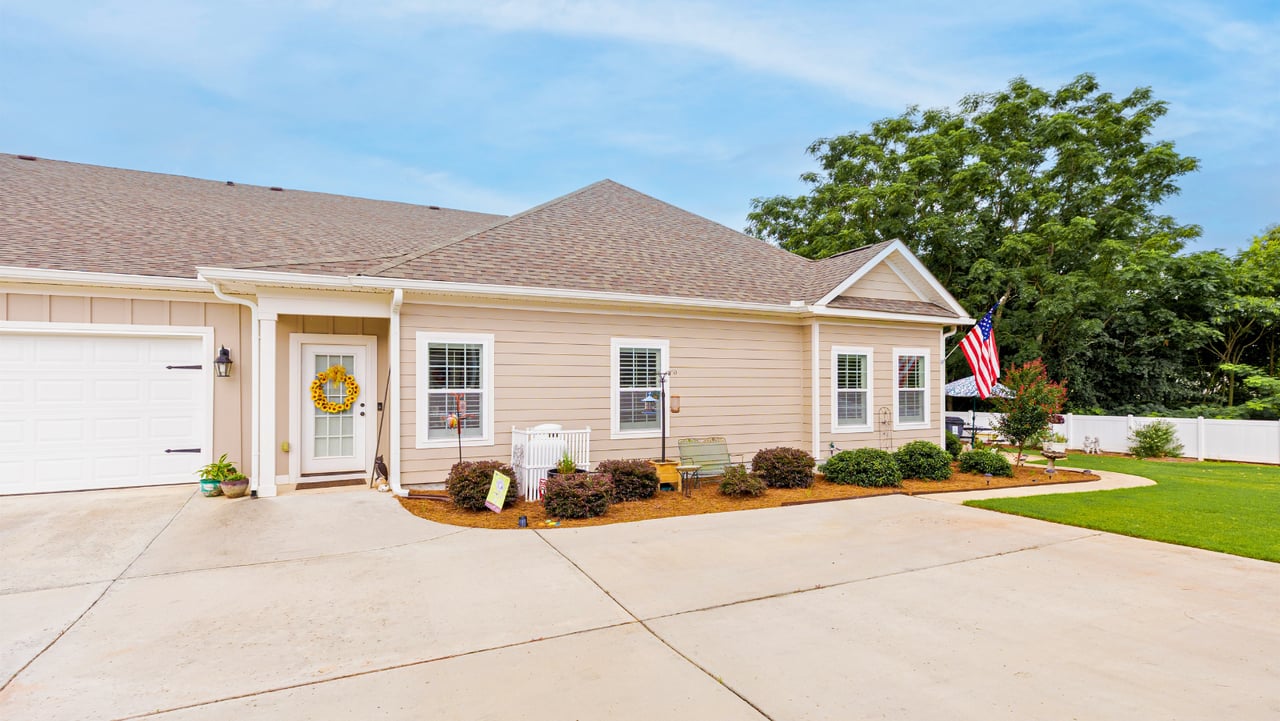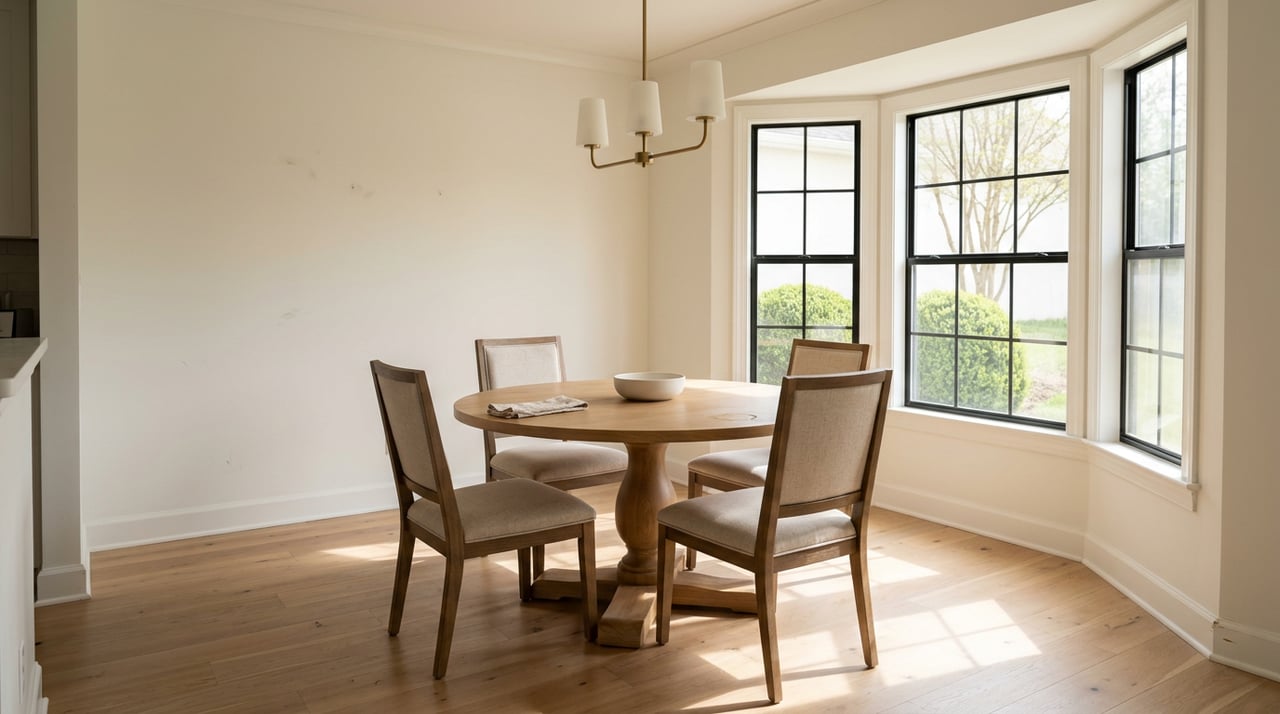
The final walkthrough is the last time a Houston County buyer sees the home before it becomes theirs, and it is the first time most of them see it empty. Furniture that has been covering a floor for a decade comes out, a wall that had a bookcase against it is bare, and the condition of the property is visible in a way it was not during showings or the inspection.
The walkthrough is not a second inspection. It is a verification that the home is in the condition the contract requires, that agreed repairs were completed, and that nothing has changed since the buyer last saw it. In Georgia it is not required by statute, but it is a contract right in the standard forms and it is the buyer's final leverage point.
That last part is what makes it matter. Every remedy available to a buyer who finds a problem at the walkthrough, a credit, an escrow holdback, a delayed closing, in extreme cases a termination, exists only until the documents are signed. After closing, the seller has the proceeds and the buyer has the house, including whatever came with it. Buyers in Warner Robins, Kathleen, Perry, Bonaire and neighboring Byron who treat the walkthrough as a formality give up that leverage without knowing they had it.
What Is the Final Walkthrough and When Should It Happen?
The final walkthrough is a buyer's inspection of the property shortly before closing to confirm it is in the condition the contract requires. It should be scheduled after the seller has vacated and, where the timeline allows, at least one full day before closing.
The timing serves two purposes. Walking through after the seller has moved out is the only way to see the floors, walls and surfaces that furniture and belongings were covering. Walking through a day early leaves time to negotiate a resolution with the seller before the closing appointment rather than at the closing table with everyone waiting.
A same-morning walkthrough is common in Houston County when moving schedules are tight, particularly with buyers arriving on orders through Robins Air Force Base. It works when nothing is wrong. When something is wrong, it converts a manageable problem into a same-day crisis.
What Should I Check at the Final Walkthrough?
A buyer should verify that agreed repairs were completed, that all systems and fixtures function, that items required to convey are present, that no new damage has occurred, and that the property has been left in the condition the contract requires.
Area | What to Verify |
Agreed repairs | Each repair from the inspection amendment is complete, and receipts or contractor invoices are provided where the amendment required them |
Flooring and walls | Now visible without furniture: stains, scratches, gouges, water marks, nail holes, patches that were not there before |
Plumbing | Run every faucet, flush every toilet, check under sinks for leaks, confirm the water heater is on and producing hot water |
HVAC | Run heat and cooling, confirm the system responds at the thermostat, check that filters and vents are in place |
Electrical | Test outlets and switches, confirm the panel is accessible, check that light fixtures work and bulbs are present |
Appliances | Every appliance that conveys is present and operates; nothing was swapped for an older unit |
Windows and doors | Open, close and lock; screens present; garage door and opener function |
Items that convey | Fixtures, blinds, mounted items, and anything the contract specifies stays with the property |
Exterior | Yard condition, fencing, outbuildings, and anything that was present at the inspection |
Condition and cleaning | Personal property and debris removed, home left in the condition the contract requires |
The list is long because the walkthrough is short. What I tell buyers is to bring the inspection report and the repair amendment, and to work from those rather than from memory. The purpose is not to find new things to complain about. It is to confirm that what was promised was delivered and that nothing has been damaged, removed or changed since the last visit.
What Happens if I Find a Problem at the Walkthrough?
A buyer who finds a problem at the final walkthrough may negotiate a closing credit, request that funds be held in escrow by the closing attorney until the issue is resolved, delay closing to allow the seller to correct it, or in extreme cases terminate if the property's condition has materially changed from what the contract requires.
Remedy | How It Works | When It Fits |
Closing credit | The seller credits the buyer at closing for the cost of the repair, and the buyer handles it after taking ownership | Minor to moderate issues where the buyer is comfortable managing the work |
Escrow holdback | A portion of seller proceeds is held by the closing attorney until the repair is completed and verified | Issues significant enough that the buyer wants assurance the work will actually be done |
Delay closing | The closing date moves to allow the seller time to correct the problem | Major issues where the buyer wants the work done before taking ownership |
Terminate | The buyer declines to close on the basis that the property's condition has materially changed | Rare; substantial damage or a property no longer matching the contract |
Here is how I handle it in practice.
Document first, negotiate second. Photographs with timestamps, taken before anyone starts discussing solutions. The conversation with the listing side goes better when it starts with evidence rather than description.
Size the problem before choosing the remedy. A scratch in the floor under where the sofa sat and a water-damaged subfloor under where the sofa sat are not the same problem, and they do not get the same response. A quick contractor call for a number changes the whole negotiation.
Prefer the credit for small things and the holdback for real ones. A credit is fast and keeps the closing on schedule. A holdback is the right tool when the buyer needs to know the work will actually happen after the seller has been paid.
Do not sign and hope. The single worst outcome is a buyer who notices something, signs anyway on a verbal promise, and discovers that the promise carried no weight once the proceeds were disbursed.
What Should a Seller Do Before the Buyer's Walkthrough?
A seller should walk the home after moving out and before the buyer does, correct minor damage revealed by removed furniture, complete every agreed repair with documentation, and leave the property in the condition the contract requires.
The seller-side conversation gets its own post in this series. The short version is that most walkthrough problems are visible to the seller a week before the buyer arrives, and a small effort after the movers leave prevents a large conversation at the closing table.
Does the Walkthrough Differ Across Houston County?
The walkthrough is a contract right that works identically statewide. What differs is the housing stock, which shapes what is likely to be found.
Area | What Commonly Shows Up at the Walkthrough |
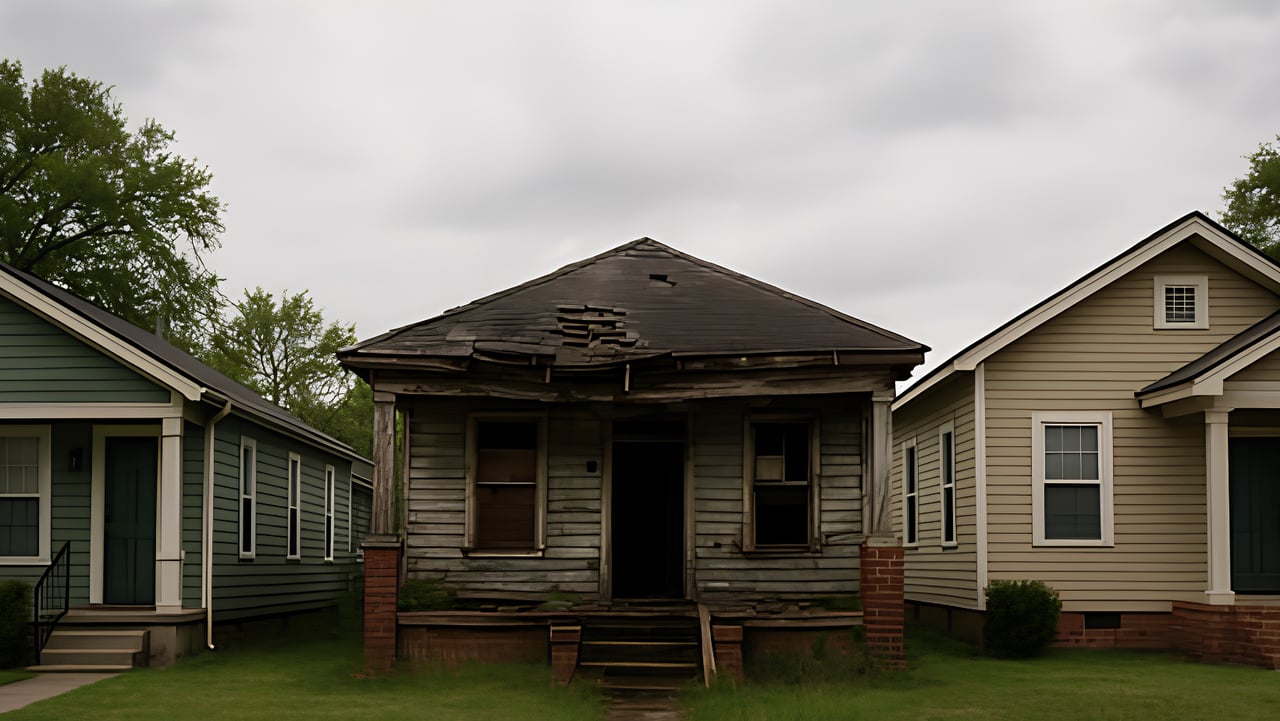
Warner Robins | Older established housing where long-term furniture placement reveals flooring wear, and where PCS timelines push walkthroughs to the morning of closing. |
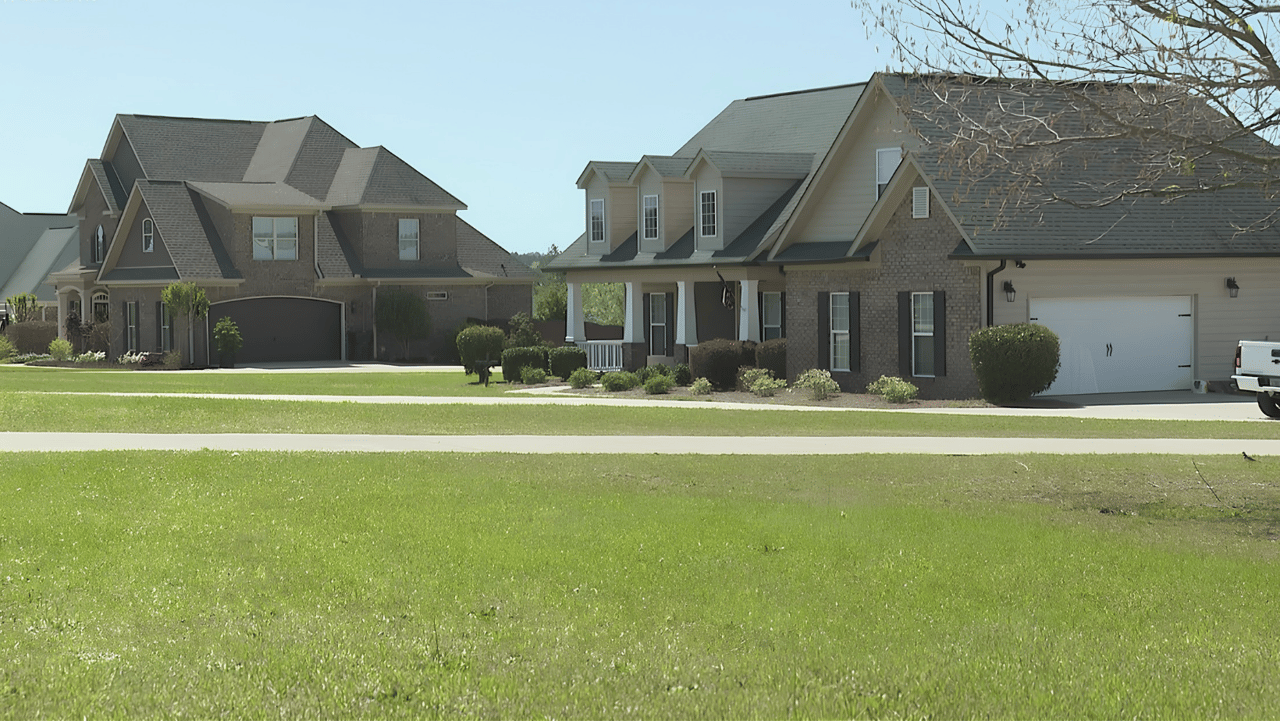
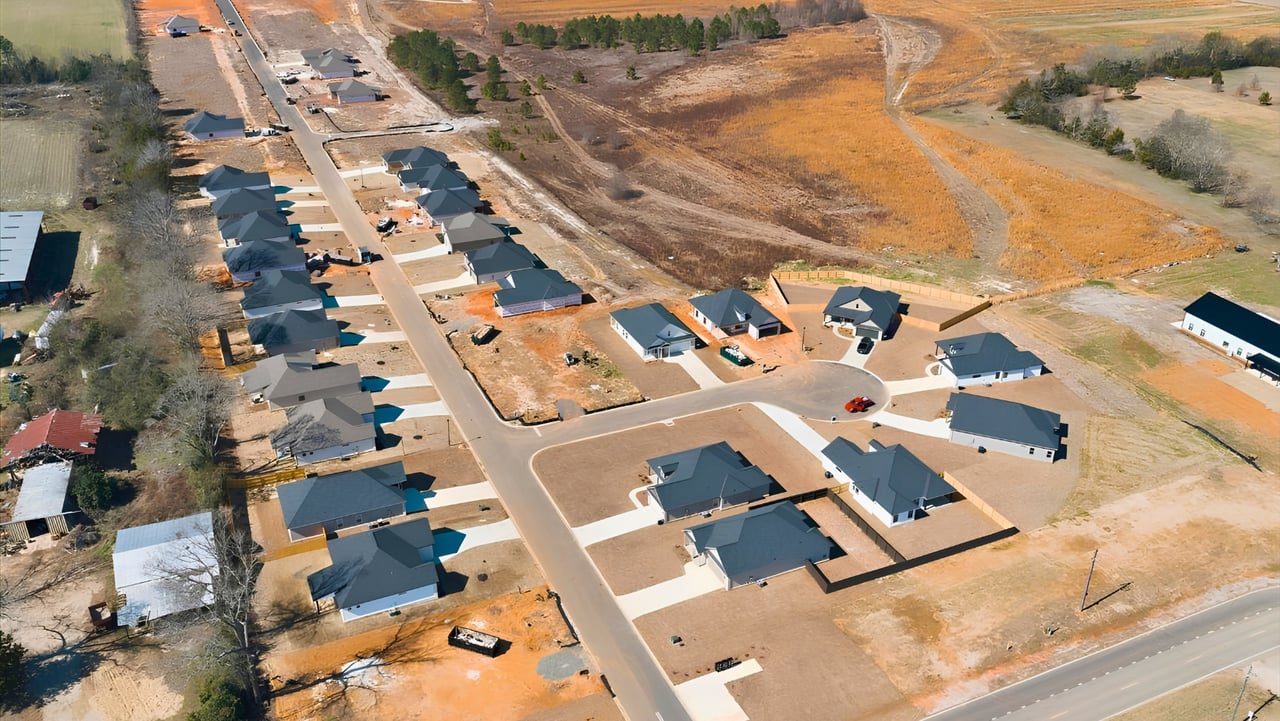
Kathleen | Newer construction where punch-list items, incomplete builder work and landscaping condition are the typical findings. |
Perry | More acreage and outbuildings, where exterior condition, equipment that was supposed to convey, and yard maintenance come into play. |
Bonaire | Established subdivisions where HVAC and appliance function are the recurring checks, along with items that convey. |
Byron | Neighboring Byron follows the same Georgia contract rights, though it sits in Peach County for tax and jurisdiction purposes. |
The Bottom Line
The final walkthrough is the buyer's last point of leverage in a Houston County purchase, and it is the only time the property is seen empty before ownership transfers. Schedule it after the seller has moved out, bring the inspection report and the repair amendment, work through the home systematically, and document anything that is wrong before discussing it.
If something is wrong, every remedy exists until the documents are signed and none of them exist afterward. That asymmetry is the entire reason the walkthrough matters.
Frequently Asked Questions About the Final Walkthrough in Houston County, GA
Q: Is a final walkthrough required in Georgia?
A: No. Georgia does not require a final walkthrough by statute, but the right to conduct one is included in the standard Georgia Association of REALTORS forms as a contract right of the buyer. Declining the walkthrough forfeits the buyer's last opportunity to verify the property's condition before ownership transfers. Because every remedy for a condition problem is available only before the documents are signed, buyers in Houston County should treat the walkthrough as a required step regardless of what the law compels.
Q: When should I schedule the final walkthrough?
A: After the seller has moved out and, where the timeline allows, at least one full day before closing. Walking through after the seller has vacated is the only way to see flooring, walls and surfaces that furniture and belongings were covering. Walking through a day early leaves time to negotiate a resolution before the closing appointment rather than at the table. A same-morning walkthrough is workable when nothing is wrong and difficult when something is.
Q: What is the difference between the final walkthrough and the home inspection?
A: The home inspection occurs during the due diligence period and evaluates the condition of the property's structure and systems to inform the buyer's decision and any repair negotiation. The final walkthrough occurs shortly before closing and verifies that the property is in the condition the contract requires, that agreed repairs were completed, and that nothing has been damaged, removed or changed since the buyer last saw it. The walkthrough is not the time to raise items that should have been addressed during due diligence.
Q: What should I bring to the final walkthrough?
A: Bring the home inspection report, the repair amendment or any written agreement listing what the seller agreed to fix, the contract's list of items that convey, and a phone or camera for timestamped photographs. Working from those documents rather than from memory keeps the walkthrough focused on verification. If the repair amendment required receipts or contractor invoices, confirm they have been provided before or at the walkthrough.
Q: What are the most common problems found at final walkthroughs?
A: Flooring damage revealed once furniture and rugs are removed, wall damage such as scuffs, nail holes and patches, agreed repairs that were not completed or were completed poorly, appliances or fixtures removed that were supposed to convey, and a property not left in the condition the contract requires. In older Warner Robins housing, long-term furniture placement frequently reveals wear that was invisible at showings. In newer Kathleen construction, incomplete punch-list items are the more typical finding.
Q: What can I do if I find damage at the final walkthrough in Georgia?
A: A buyer may negotiate a closing credit to cover the repair, request that the closing attorney hold a portion of the seller's proceeds in escrow until the issue is resolved, delay closing to allow the seller time to correct the problem, or in extreme cases terminate if the property's condition has materially changed from what the contract requires. Each of these options depends on the contract language and the facts, and all of them are available only before the documents are signed.
Q: What is an escrow holdback and how does it work in Georgia?
A: An escrow holdback is an arrangement in which a portion of the seller's proceeds is retained by the closing attorney at closing and released only when a specified repair or condition is completed and verified. Because Georgia requires closings to be conducted by a licensed attorney, the holdback is administered through the attorney's trust account under a written agreement between the parties. It allows the closing to proceed on schedule while giving the buyer assurance that the seller remains motivated to complete the work.
Q: Can I delay closing because of a walkthrough problem?
A: Delaying closing is one of the available remedies when a walkthrough reveals a problem significant enough that the buyer wants it corrected before taking ownership. Whether and how the closing date can move depends on the contract, the lender's requirements and the willingness of the parties. A delay can affect the lender's rate lock, the Closing Disclosure timing and both parties' moving arrangements, so it is generally reserved for issues that a credit or holdback cannot reasonably address.
Q: What happens if the seller did not finish the agreed repairs?
A: Incomplete agreed repairs are among the most common walkthrough findings. The buyer's options are a credit for the cost of completing the work, an escrow holdback until the seller completes it, or a delayed closing. A buyer should not accept a verbal assurance that the work will be done after closing, because once the proceeds are disbursed the seller has little incentive and the buyer has no leverage. Any resolution should be documented in writing before signing.
Q: Can I bring a contractor or inspector to the final walkthrough?
A: A buyer can, though it is not standard practice. The walkthrough is typically conducted by the buyer and their agent. Where specific repairs were agreed, particularly roofing, HVAC, plumbing or structural work, bringing the relevant contractor or specialist to verify the work was done correctly can be worthwhile. This is most useful when the repair amendment did not require receipts or when the buyer has reason to doubt the quality of the completed work.
Q: What if something was removed that was supposed to stay with the house?
A: Items that convey are governed by the contract, which typically specifies fixtures and listed personal property that remain with the home. If a conveying item is missing at the walkthrough, the buyer may negotiate a credit for its replacement value, request its return before closing, or use an escrow holdback. Disputes over what constitutes a fixture are common, which is why buyers in Houston County should confirm the list of conveying items in writing during the contract negotiation rather than at the walkthrough.
Q: Is a same-day walkthrough a bad idea?
A: It is workable when nothing is wrong and difficult when something is. A walkthrough conducted the morning of closing leaves no time to obtain a contractor estimate, negotiate a resolution or document an agreement before the closing appointment. When tight moving schedules make a same-day walkthrough unavoidable, as often happens with buyers relocating to Houston County on orders, the buyer should arrive early, work systematically from the repair amendment, and be prepared to pause the closing rather than sign with an unresolved issue.
About the Author
William Walton-Dean is a licensed REALTOR® with Walton Dean Realty, operating under Real Broker LLC, serving buyers and sellers across Houston County, Georgia, including Perry, Warner Robins, Bonaire, Kathleen, Byron, and the surrounding Middle Georgia housing market. He brings a data-driven, hyper-local approach to both residential and commercial transactions, working with first-time buyers, move-up sellers, investors, and families relocating to the area, including those tied to Robins Air Force Base. Drawing on a prior career as a C-level executive, he helps buyers and sellers at every price point make clear, confident decisions backed by real market insight.
📱 478-371-7069
Walton Dean Realty | Real Broker LLC
Buying or Selling in Houston County? Let's Talk About Closing Week
The final walkthrough in a Warner Robins, Perry or Bonaire purchase is the last moment a buyer holds any leverage, and most problems found there were avoidable a week earlier. If you want closing week planned so nothing surprises you at the table, reach out.
William Walton-Dean | Walton Dean Realty
📱 478-371-7069
A More Strategic Approach to Real Estate
Disclaimer
This article is provided for general informational purposes only and does not constitute legal advice. Walkthrough rights, property condition requirements and available remedies are governed by the individual contract and the facts of a specific transaction. Georgia law and standard association forms are subject to change. Nothing in this article creates an attorney-client relationship or a brokerage relationship. For advice regarding a specific transaction, property or contract, consult a licensed Georgia real estate attorney and your licensed real estate agent.