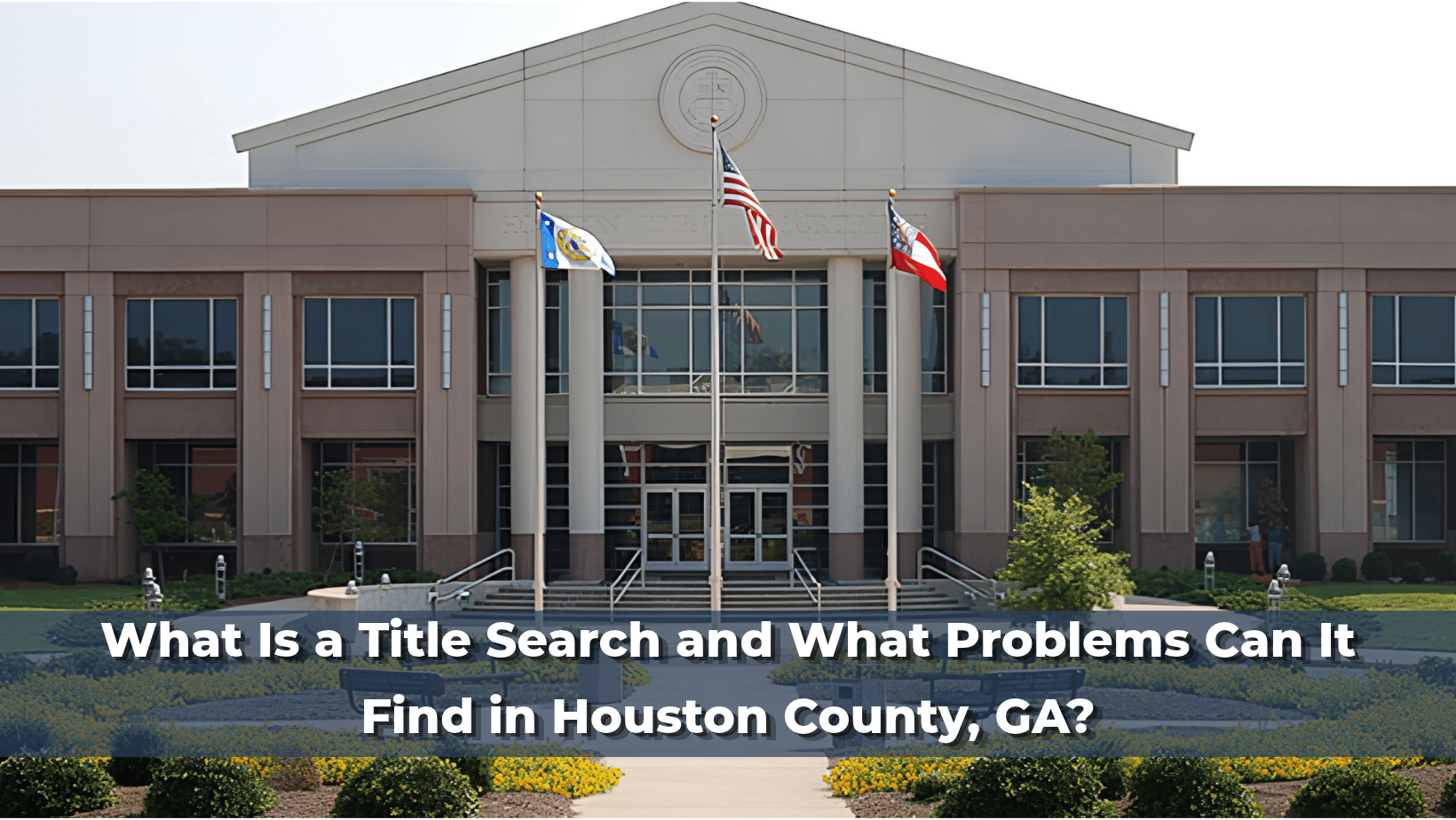
A title search is the part of a Houston County purchase that happens entirely out of the buyer's sight and carries some of the highest stakes in the transaction. It is the examination of the public record to determine who actually owns the property, what claims exist against it, and whether the seller can deliver the ownership the contract promises.
In Georgia that examination is conducted by or under the supervision of the closing attorney, because Georgia law treats rendering an opinion on title as the practice of law under O.C.G.A. Section 15-19-50. The attorney examines the chain of ownership recorded with the Clerk of Superior Court, identifies anything that clouds the title, and either clears it before closing or advises the parties that it cannot be cleared.
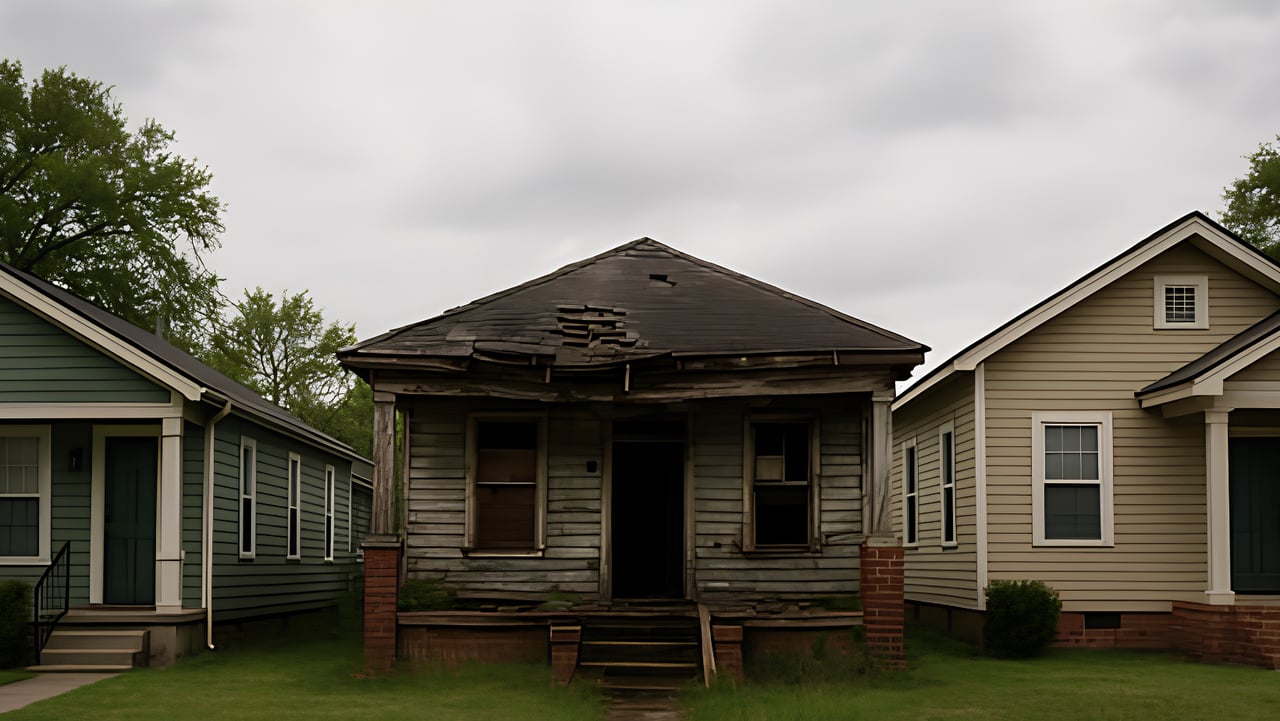
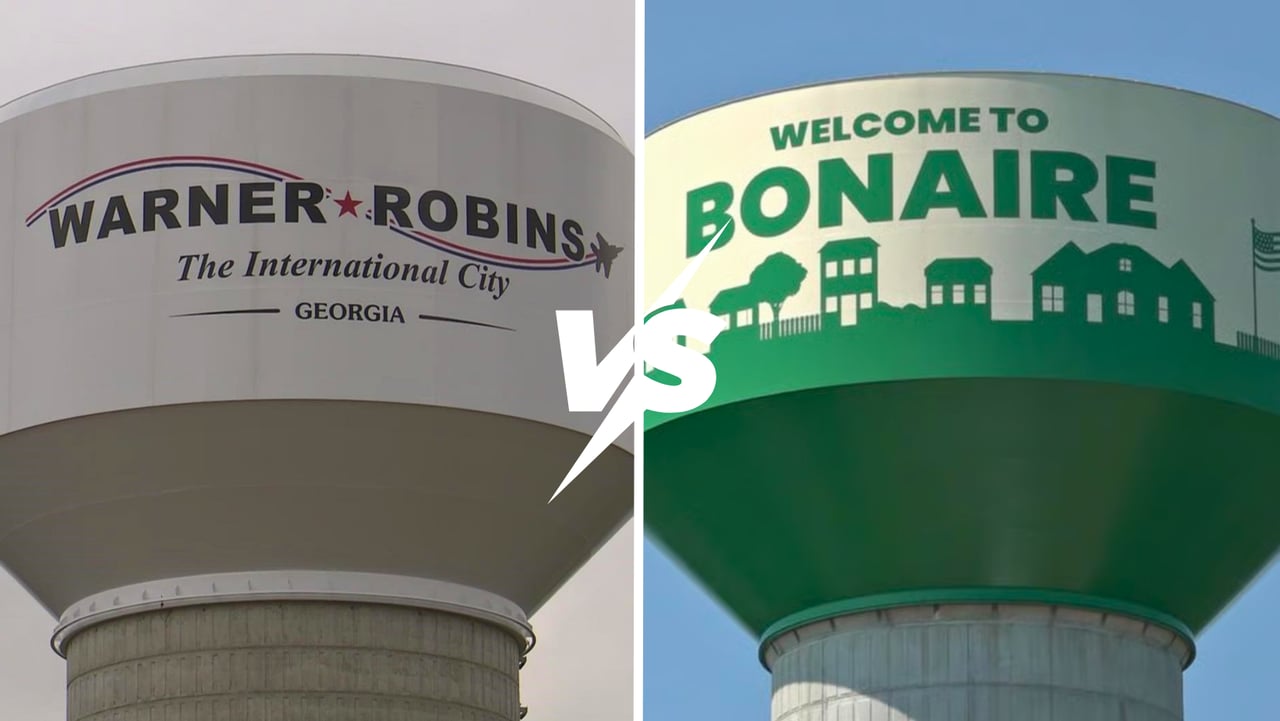
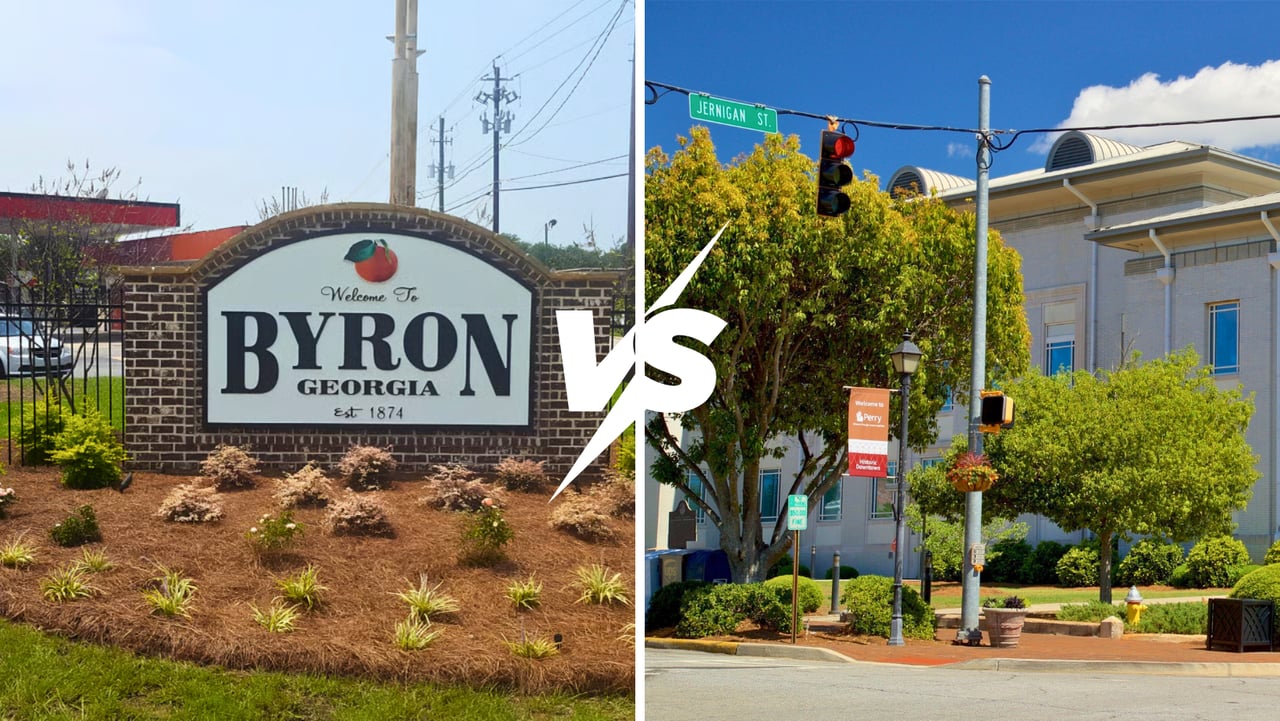
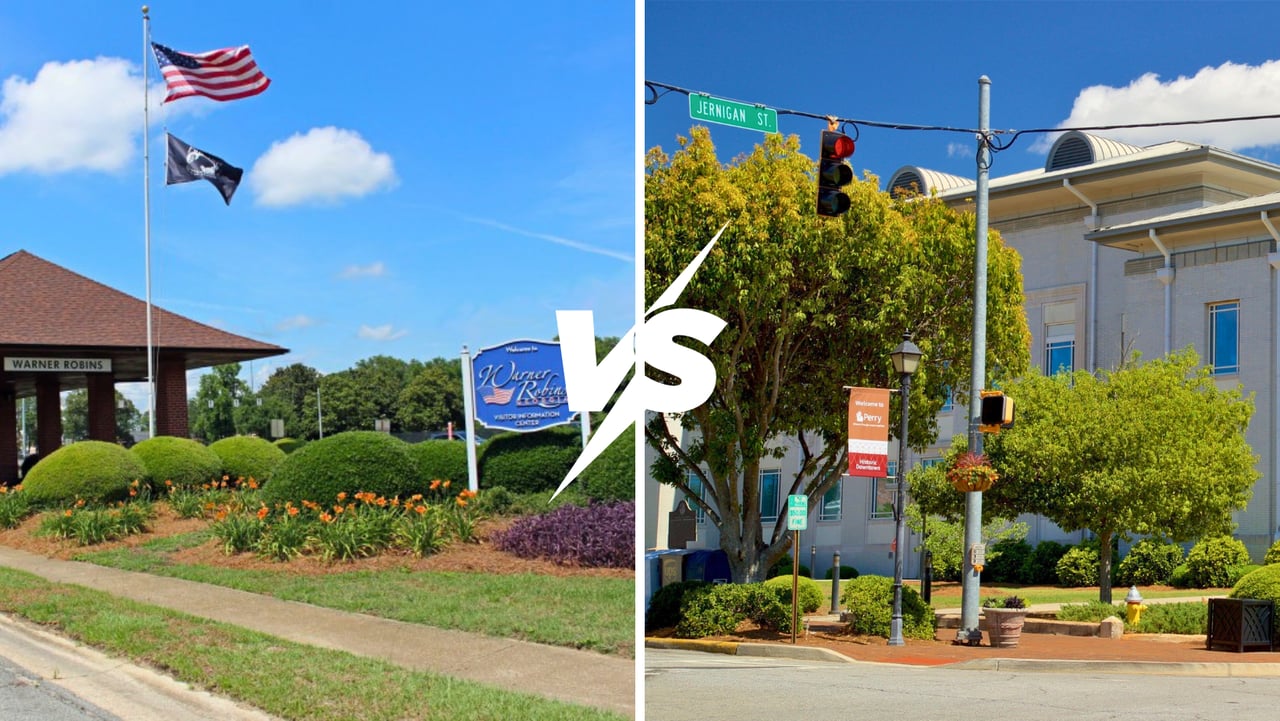
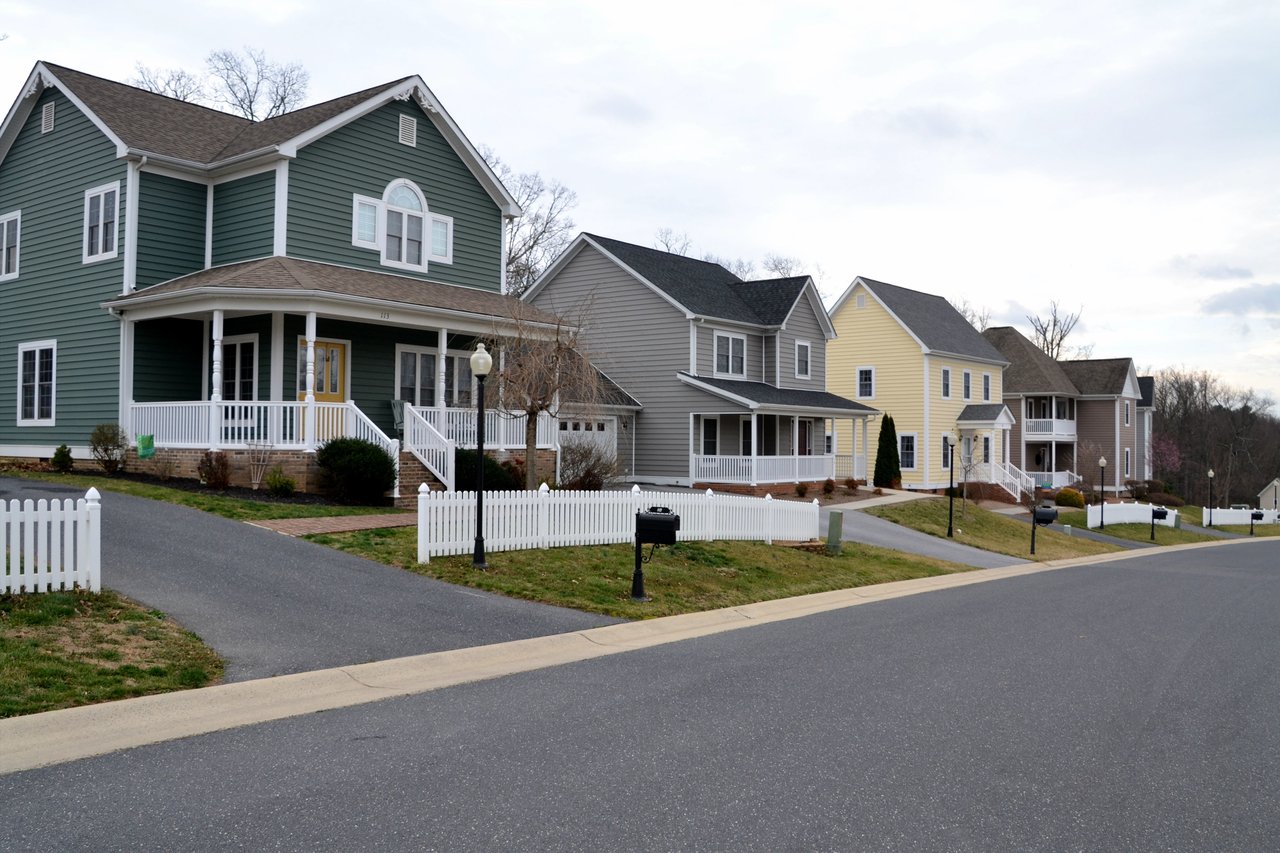
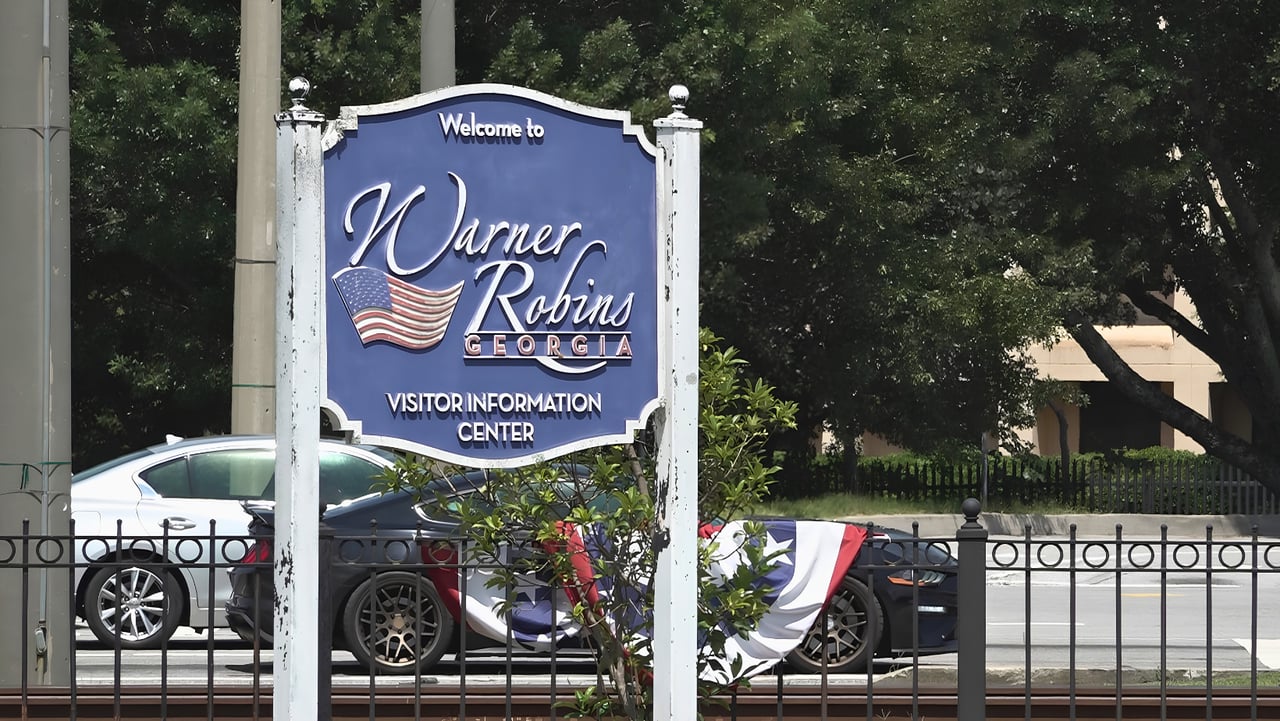
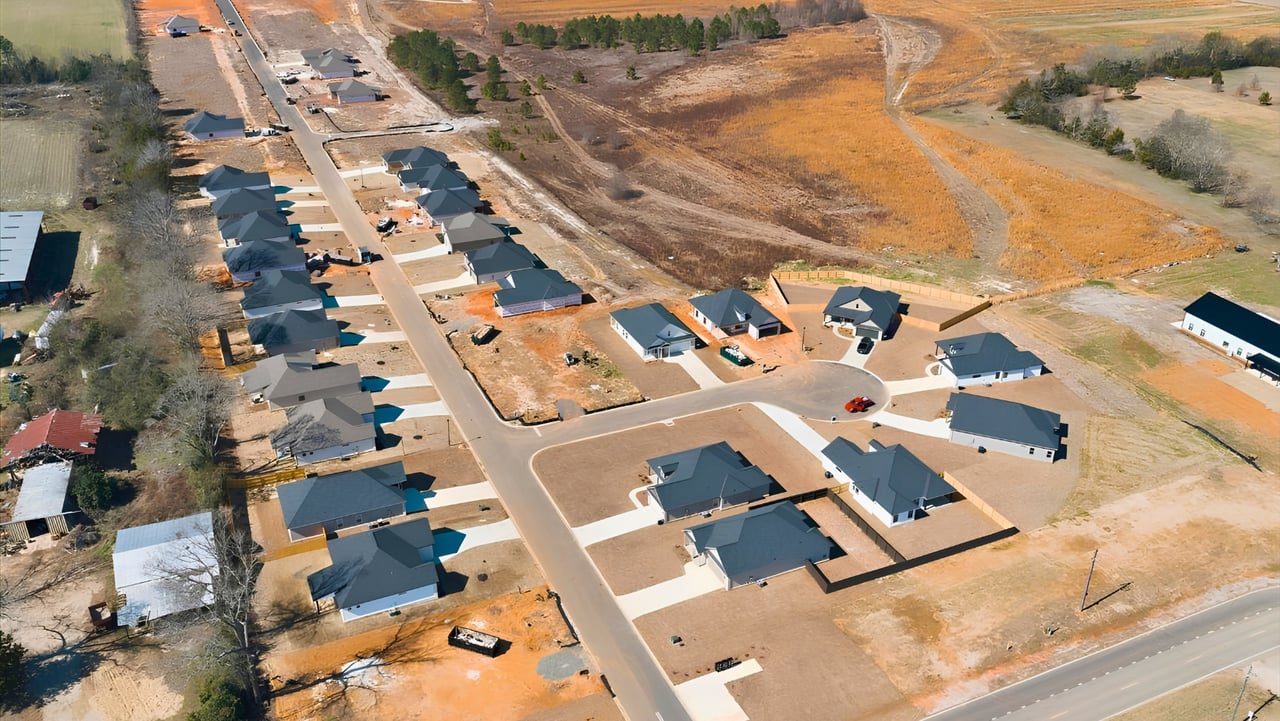
What the search finds in Warner Robins, Kathleen, Perry, Bonaire and neighboring Byron is shaped by the history of each property. An older home in an established Warner Robins neighborhood has passed through more owners, more lenders and more life events than a new build in Kathleen, and each of those is an opportunity for something to have been recorded incorrectly or not at all.
What Does a Title Search Actually Examine?
A title examination traces the chain of ownership back through recorded deeds to establish that each transfer was valid and properly executed, then searches for anything recorded against the property or its owners that could affect the buyer's ownership.
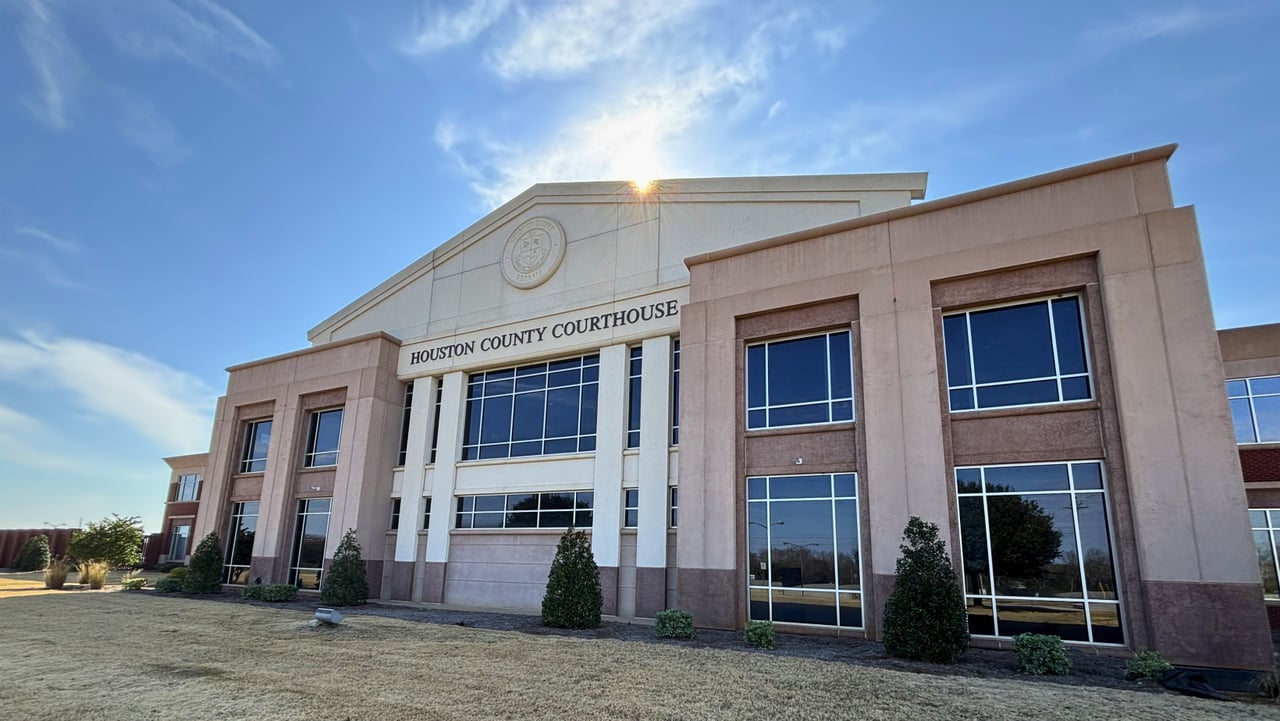
The records searched are held by the Clerk of Superior Court in the county where the property sits. For homes in Warner Robins, Perry, Bonaire and Kathleen, that is Houston County. For neighboring Byron, it is Peach County. The examiner reviews deeds, security deeds and their cancellations, liens and judgments, easements and restrictive covenants, plats and surveys, and probate or divorce records where an owner's interest passed by something other than a sale.
The output is a title commitment or opinion identifying what must be resolved before closing and what exceptions will remain. That document is the basis for both the lender's title policy and, if purchased, the owner's policy.
What Problems Does a Title Search Commonly Find in Houston County?
The most common title findings in Houston County residential transactions are unreleased security deeds from paid-off loans, liens and judgments against a current or prior owner, recorded easements and restrictive covenants, boundary and survey discrepancies, homeowners association liens, and gaps in the chain of title created by estates, divorces or informal transfers.
Finding | What It Is | How It Is Typically Resolved |
Unreleased security deed | A prior mortgage that was paid off but never formally cancelled of record | Obtaining and recording a cancellation from the prior lender |
Judgment or tax lien | A recorded claim against the owner that attaches to the property | Payoff at closing from seller proceeds, or a recorded release |
Recorded easement | A right held by a utility, neighbor or other party to use part of the land | Generally not removable; the buyer takes title subject to it |
Restrictive covenants | Recorded subdivision rules limiting use, structures or improvements | Not removable; disclosed as an exception and reviewed by the buyer |
Survey discrepancy | Fence, driveway or structure crossing a boundary, or a legal description that does not match the ground | New survey, boundary agreement or affidavit depending on severity |
HOA lien or unpaid assessments | Amounts owed to the association that attach to the property | Payoff at closing and a statement of account from the association |
Chain of title gap | Ownership passed through an estate, divorce or informal deed without proper documentation | Probate records, corrective deeds or affidavits of heirship |
Unreleased security deeds deserve specific attention in Georgia because of the title-theory structure. When a Georgia homeowner finances a purchase, the security deed conveys legal title to the lender as collateral. When the loan is paid off, that conveyance must be formally cancelled of record. A lender that failed to file the cancellation, or a homeowner who refinanced several times over the years, can leave a stack of uncancelled instruments that each have to be cleared before a new buyer can take clean title. On older homes in Warner Robins this is one of the most routine findings the examiner encounters.
What Is the Title Objection Period in a Georgia Contract?
The title objection period is a negotiated window, counted from the Binding Agreement Date, during which the buyer may deliver written objections to matters revealed by the title examination or survey. The contract typically then gives the seller a defined period to cure valid objections.
Like the due diligence period, the length is filled into the contract by the parties rather than set by statute. Unlike due diligence, the objection right is tied to specific title matters rather than to any reason. A buyer who does not object within the window is generally treated as having accepted the title subject to the matters that were disclosed.
The cure structure matters for both sides. A seller who receives a valid objection has an obligation and a deadline to address it, and an objection that cannot be cured within the period can give the buyer grounds to terminate depending on the contract language.
Should I Buy Owner's Title Insurance in Georgia?
Owner's title insurance is optional in Georgia and is the buyer's protection against covered title defects that were not discovered in the search or that arise from matters outside the public record, such as forgery, undisclosed heirs or recording errors. The lender's policy, which the lender requires, protects only the lender's interest.
My position on this is not complicated. I have never seen a buyer regret carrying an owner's policy, and I have seen what it looks like when a claim surfaces years later without one.
The search is thorough, and it is not perfect. An examination can only find what was recorded, and it can only read what was recorded correctly. A deed with a forged signature, an heir nobody knew about, or an indexing error at the clerk's office are not visible in the chain. That is the gap the owner's policy covers.
It is a one-time premium. The owner's policy is paid once at closing and remains in force for as long as the buyer or their heirs hold the property. Compared to the value it protects, it is one of the smaller line items on the closing statement.
The lender's policy does nothing for you. Buyers sometimes see title insurance on the closing statement and assume they are covered. The lender's policy protects the lender's loan balance and pays the lender. It does not defend the buyer's ownership or pay the buyer.
What Can a Seller Do to Prevent Title Delays?
A seller prevents title delays by gathering prior surveys, loan payoff records and any estate, divorce or HOA documentation before listing, and by ordering the mortgage payoff statement immediately after the contract binds.
Most of the title delays I see on the listing side were visible before the home hit the market.
If you have ever refinanced, assume there is a cancellation to check. The prior lender should have filed it. Sometimes they did not. Finding out during the seller's own pre-listing review is routine. Finding out from the buyer's attorney in the closing week is a delay.
Inherited property needs the probate paperwork in order before listing. A home that passed through an estate without the estate being properly closed of record is one of the most common curable-but-slow findings in the county, and it is entirely predictable.
Order the HOA statement of account early. Association turnaround varies widely between Bonaire and Kathleen subdivisions, and the closing attorney cannot finalize figures without it.
Does a Title Search Differ Across Houston County?
The examination process is identical statewide. What varies across the county is the age of the housing stock, the prevalence of acreage and the recording jurisdiction, each of which shapes what the examiner is likely to find.
Area | What Commonly Shapes the Title Examination |
Warner Robins | The oldest and largest housing stock in the county, with longer chains of title, more refinances, and more opportunities for unreleased security deeds and chain-of-title gaps. |
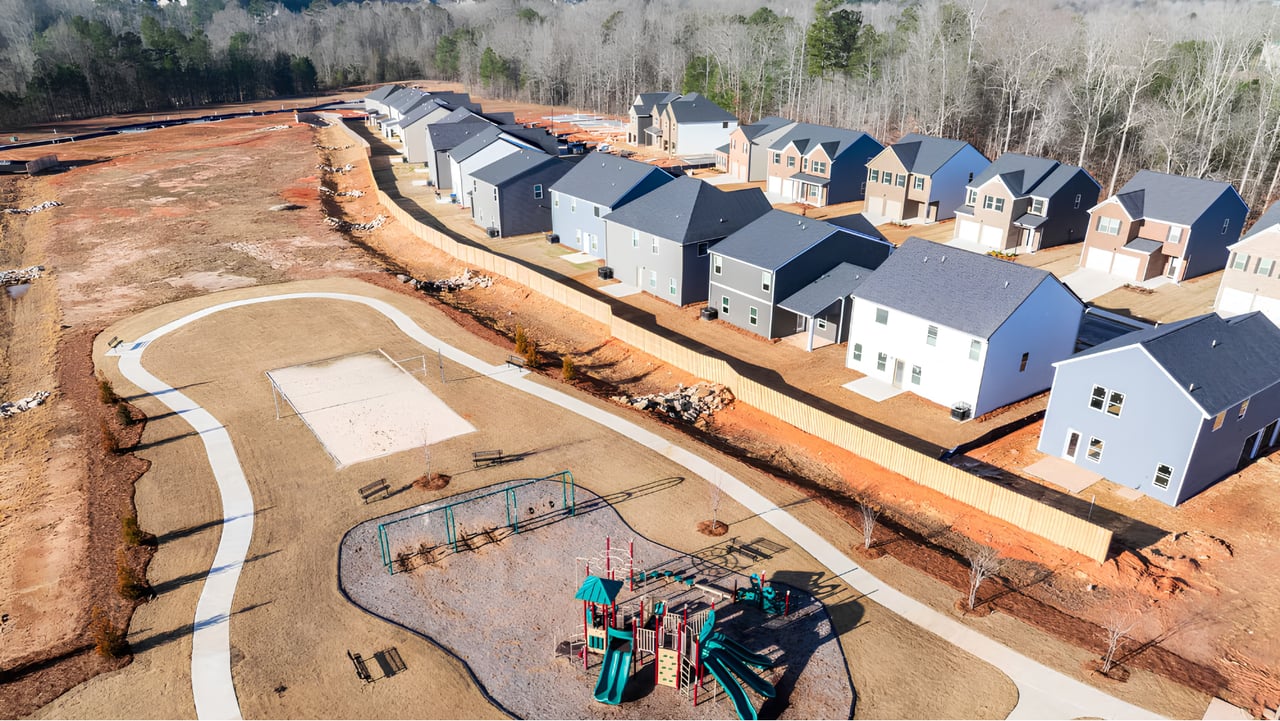
Kathleen | Newer construction with short chains of title, where restrictive covenants and builder-related easements are the more common findings. |
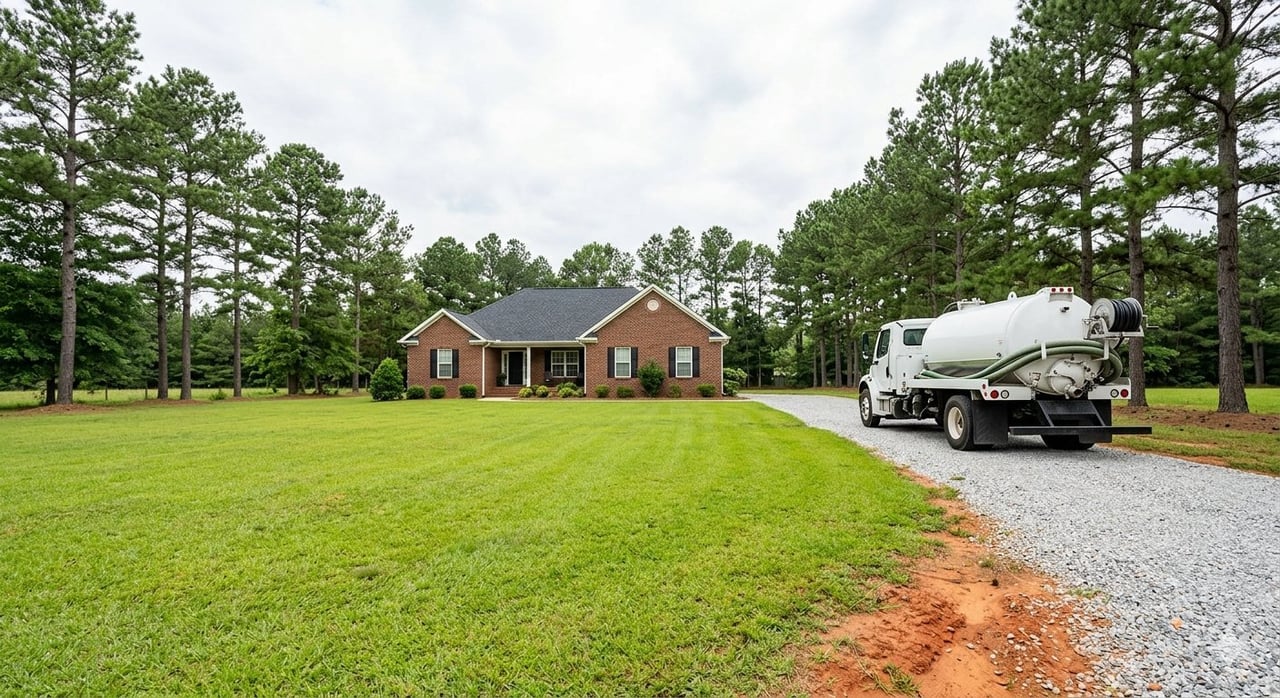
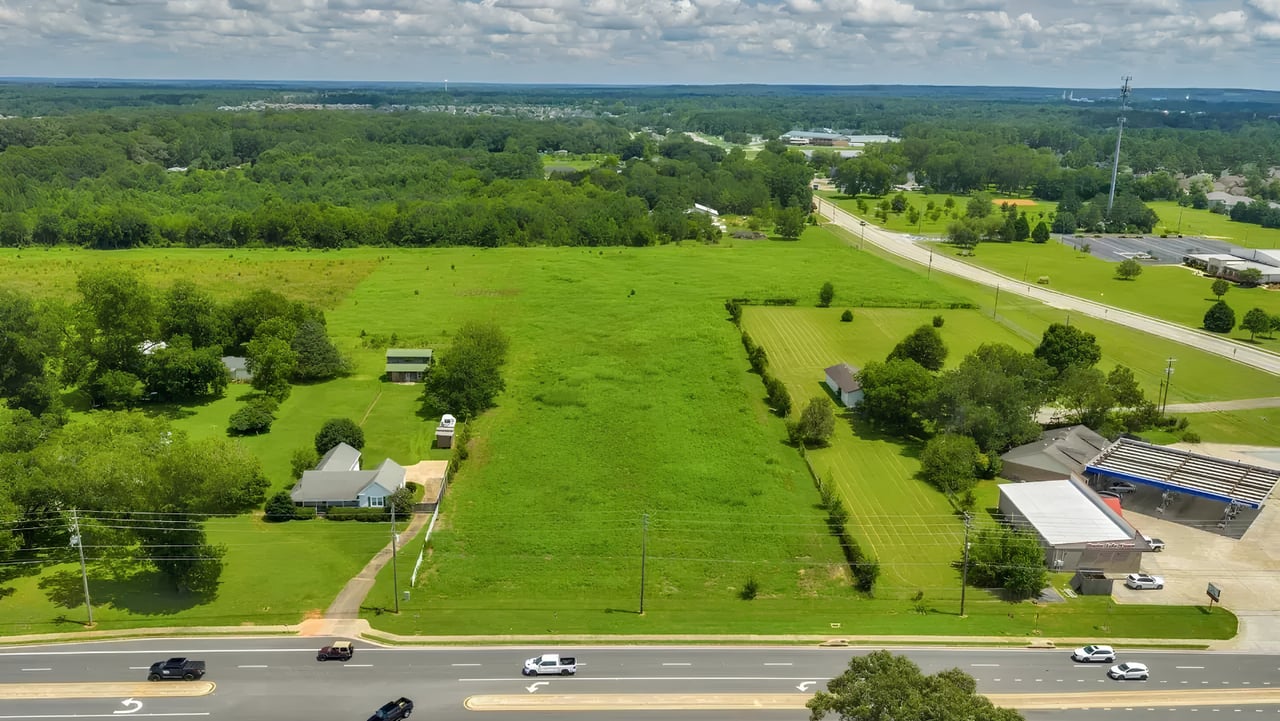
Perry | The county seat with more acreage and rural parcels, where survey discrepancies, access easements and boundary questions appear more often. |
Bonaire | Established subdivisions where HOA assessments, recorded covenants and utility easements are the recurring items. |
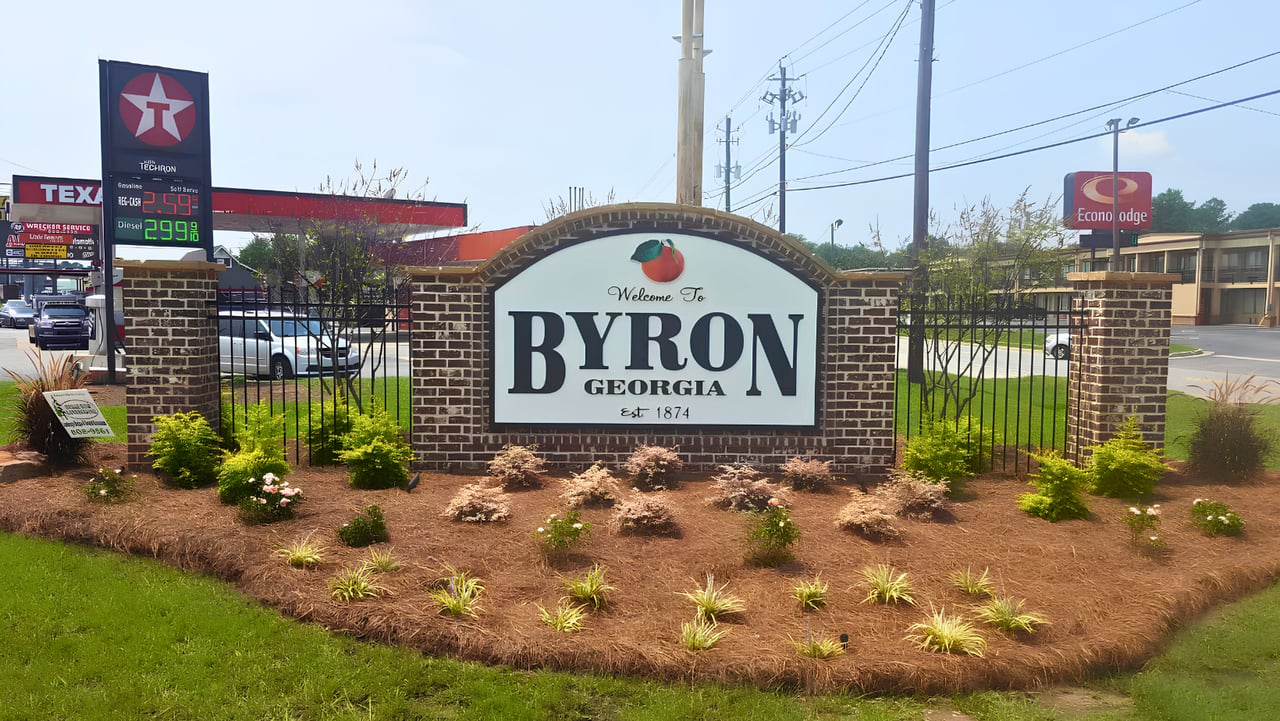
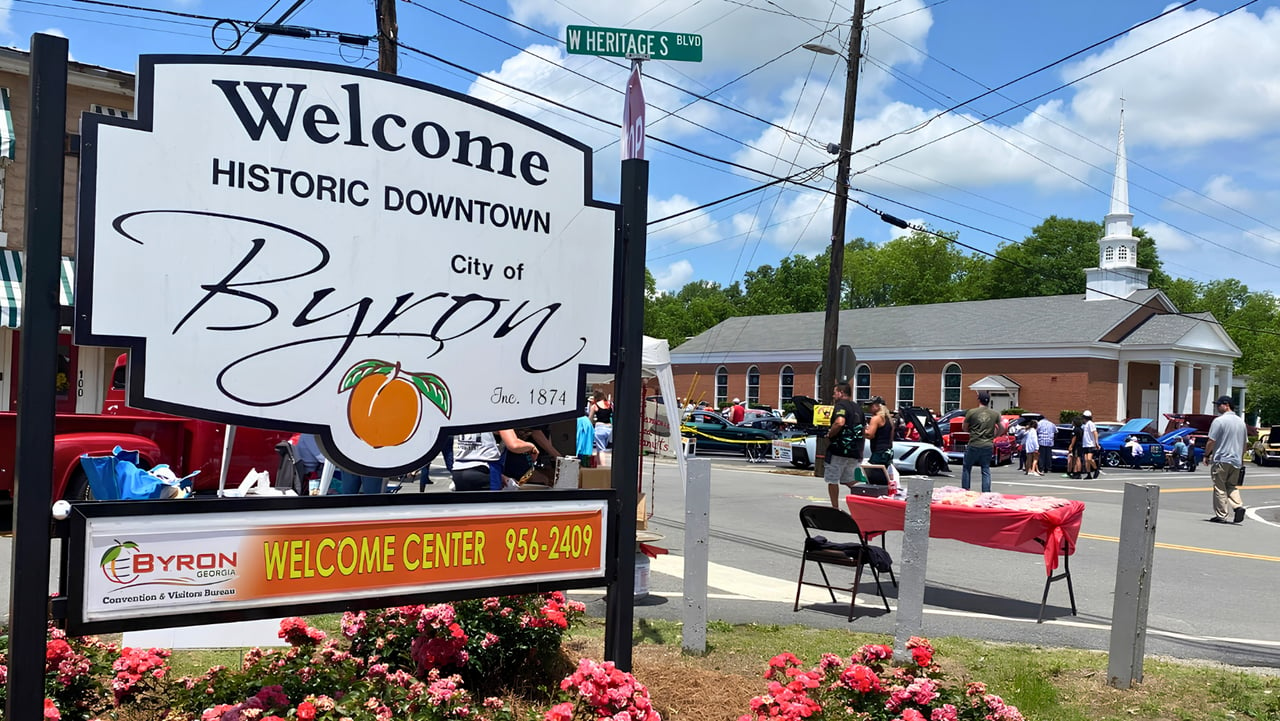
Byron | Neighboring Byron records with the Peach County Clerk of Superior Court, a separate jurisdiction from Houston County, with separate tax records. |
The Bottom Line
The title search is the step that confirms the seller can deliver what the buyer is paying for. In Georgia it is attorney work, it runs against the public record in the county where the property sits, and it finds something on a meaningful share of files. Most of what it finds is curable when there is time to cure it.
For buyers, the practical moves are to read the title commitment rather than file it, to raise objections inside the negotiated window, and to carry an owner's policy for the things the search cannot see. For sellers, the move is to find the problems before the buyer's attorney does.
Frequently Asked Questions About Title Searches in Houston County, GA
Q: What is a title search in a Georgia real estate transaction?
A: A title search is an examination of the public records held by the Clerk of Superior Court to confirm who owns a property and to identify liens, encumbrances, easements and other claims against it. In Georgia the examination is conducted by or under the supervision of a licensed Georgia attorney, because rendering an opinion on title is treated as the practice of law under O.C.G.A. Section 15-19-50. The result is a title commitment identifying what must be cleared before closing and what exceptions will remain.
Q: Who performs the title search in Houston County, GA?
A: The closing attorney performs or supervises the title examination. Georgia requires that real estate closings be conducted by a member of the State Bar of Georgia, and title opinions fall within that requirement. The records examined are those of the Houston County Clerk of Superior Court for properties in Warner Robins, Perry, Bonaire and Kathleen. Neighboring Byron records with the Peach County Clerk of Superior Court, a separate jurisdiction.
Q: What is the difference between lender's and owner's title insurance in Georgia?
A: A lender's title policy protects the lender's interest in the loan and is required by the lender on a financed purchase. An owner's policy protects the buyer's ownership interest and is optional in Georgia. The lender's policy does not defend the buyer's title or pay the buyer in the event of a covered defect. An owner's policy is paid once at closing and remains in force for as long as the buyer or their heirs hold the property.
Q: What does it mean that Georgia is a title-theory state?
A: In a title-theory state, a security deed conveys legal title to the lender as collateral for the loan rather than merely placing a lien on the property. When the loan is paid off, that conveyance must be formally cancelled of record. A cancellation that was never filed leaves the prior lender appearing to hold an interest, which clouds the title and must be resolved before a buyer can take clean ownership. This is one of the most routine findings on older Houston County homes that have been refinanced.
Q: What is Georgia's race-notice recording rule?
A: Under Georgia's race-notice system, when two parties hold competing claims to the same property, the party who records first generally prevails, provided that party had no knowledge of the earlier unrecorded claim. This is why the closing attorney records the deed promptly after closing. For a Houston County buyer, timely and correct recording is what converts a signed deed into ownership protected against a later competing claim.
Q: What is the title objection period in a Georgia contract?
A: The title objection period is a negotiated window, counted from the Binding Agreement Date, during which the buyer may deliver written objections to matters revealed by the title examination or survey. The contract typically provides the seller a defined period to cure valid objections. The length of both periods is filled into the Georgia Association of REALTORS forms by the parties rather than set by statute. A buyer who does not object within the window is generally treated as accepting the title subject to the disclosed matters.
Q: What are the most common title problems found in Warner Robins homes?
A: Older Warner Robins housing stock produces longer chains of title, more refinances and more life events per property, which increases the likelihood of unreleased security deeds, chain-of-title gaps from estates or divorces, and judgment or tax liens against prior owners. Most of these are curable through recorded cancellations, corrective deeds, affidavits or payoffs at closing. The practical issue is time, which is why the examination should begin early in the contract period rather than in the closing week.
Q: Can an easement be removed during closing?
A: Generally no. A recorded easement is a property right held by another party, such as a utility, a neighbor or a governmental entity, and the buyer takes title subject to it. It will appear as an exception on the title commitment and on any title policy. Buyers should review easements during the due diligence and title objection periods to understand where they run and what they permit, particularly on acreage properties around Perry where access and utility easements are common.
Q: Does a new survey matter if the seller already has one?
A: A prior survey shows the property as it existed on the date it was prepared, and fences, driveways, outbuildings and additions installed since then are not reflected on it. A discrepancy between the legal description and what is on the ground can affect insurability and the buyer's use of the land. On acreage, rural parcels and any property where structures sit near a boundary, a new survey is often the only reliable way to identify an encroachment before closing rather than after.
Q: What happens if a title problem cannot be fixed before closing?
A: The outcome depends on the contract language. If a valid objection cannot be cured within the seller's cure period, the buyer may have grounds to terminate, or the parties may negotiate an extension, a price adjustment or a specific resolution such as an escrow holdback. Some matters, including recorded easements and restrictive covenants, are not curable and are accepted as exceptions. Because Georgia closings require a licensed attorney, the closing attorney is the appropriate source for what a specific finding means for a specific transaction.
Q: How do HOA liens show up on a title search in Bonaire or Kathleen?
A: Unpaid homeowners association assessments can attach to the property and appear as a lien in the title examination. The closing attorney obtains a statement of account from the association to confirm what is owed and to clear it at closing from the seller's proceeds. Association turnaround times vary considerably between Houston County subdivisions, so the request should be made early in the contract period. Buyers should also review the recorded covenants themselves, since those govern use of the property after closing.
Q: Is the title search different for a home in Byron?
A: The examination process is identical, but the records are held by the Peach County Clerk of Superior Court rather than Houston County, because neighboring Byron sits in Peach County. Tax records, recording fees and the PT-61 transfer tax filing all run through Peach County for a Byron property. Buyers comparing homes in Bonaire and Byron should be aware that they are dealing with two separate county recording and taxing jurisdictions.
About the Author
William Walton-Dean is a licensed REALTOR® with Walton Dean Realty, operating under Real Broker LLC, serving buyers and sellers across Houston County, Georgia, including Perry, Warner Robins, Bonaire, Kathleen, Byron, and the surrounding Middle Georgia housing market. He brings a data-driven, hyper-local approach to both residential and commercial transactions, working with first-time buyers, move-up sellers, investors, and families relocating to the area, including those tied to Robins Air Force Base. Drawing on a prior career as a C-level executive, he helps buyers and sellers at every price point make clear, confident decisions backed by real market insight.
📱 478-371-7069
Walton Dean Realty | Real Broker LLC
Buying or Selling in Houston County? Let's Talk About Your Title
Title findings are among the most predictable delays in Warner Robins, Perry and Bonaire transactions, and nearly all of them are visible before a home is listed. If you want a pre-listing review or a second set of eyes on a title commitment, reach out.
William Walton-Dean | Walton Dean Realty
📱 478-371-7069
A More Strategic Approach to Real Estate
Disclaimer
This article is provided for general informational purposes only and does not constitute legal advice. Title matters, objection periods and cure rights are governed by the individual contract and by the findings of the title examination in a specific transaction. Georgia law and standard association forms are subject to change. Nothing in this article creates an attorney-client relationship or a brokerage relationship. For advice regarding a specific title matter, transaction or contract, consult a licensed Georgia real estate attorney and your licensed real estate agent.