
Nearly every homeowner in Houston County knows the feeling of pulling a postcard from the mailbox that promises fast cash for a house that was never for sale. Those unsolicited offers, along with the calls and texts that accompany them, are now subject to specific requirements under Georgia law, and a separate 2025 statute adds protection against a more serious threat: title theft. Together these laws matter most to the homeowners these schemes tend to target, which are long-time owners of paid-off homes, and often seniors.
Georgia is a caveat emptor, or buyer-beware, state in most respects, which makes it notable that lawmakers stepped in specifically to regulate how these solicitations reach homeowners. The Georgia Attorney General's Consumer Protection Division has tied this cluster of laws directly to predatory and unsolicited real estate purchase offers that frequently target older adults. For families across Warner Robins, Perry, Bonaire, Kathleen, Byron, and Centerville, understanding these rules is a practical way to protect a parent or grandparent sitting on decades of home equity.
What Are These "Cash for Your House" Offers?
The postcards, letters, texts, and cold calls offering to buy a home for cash come from a range of sources, from national franchises to individual investors. Many are entirely legitimate businesses, and a genuine cash sale can be the right choice for a homeowner who needs speed or certainty over top dollar. The concern that prompted Georgia's legislation is a narrower one. Some of these solicitations are structured to create urgency, obscure that the recipient owes them nothing, and present a lowball number as though it were a fair or final value. When that pressure is aimed at an elderly homeowner unfamiliar with current market values, the result can be the loss of substantial equity for far less than the home is worth.
The laws described below do not ban these offers. They require the sender to be honest about what the offer is, and they add a safeguard against the most serious form of real estate fraud.
The Three Laws That Changed the Rules
Three separate pieces of Georgia legislation now govern how these solicitations must operate and add protection against deed fraud.
Law | Effective | What it requires |
SB 90 (O.C.G.A. § 10-1-393.18) | Jan 1, 2024 | Any unsolicited written offer to buy your property must carry a notice, in capital letters at the top and set apart from other text, stating it is a solicitation and you are under no obligation to respond. It must also make clear the inquiry is not legally binding. |
HB 240 | May 13, 2025 | If the solicitation names a purchase price, it must also state that the offer may or may not represent the fair market value of the property. |
HB 1292 (title theft / deed fraud) | Jan 1, 2025 | Creates an identity-validation process when deeds and other real property records are filed, adding safeguards against someone recording a fraudulent transfer or lien on a property they do not own. |
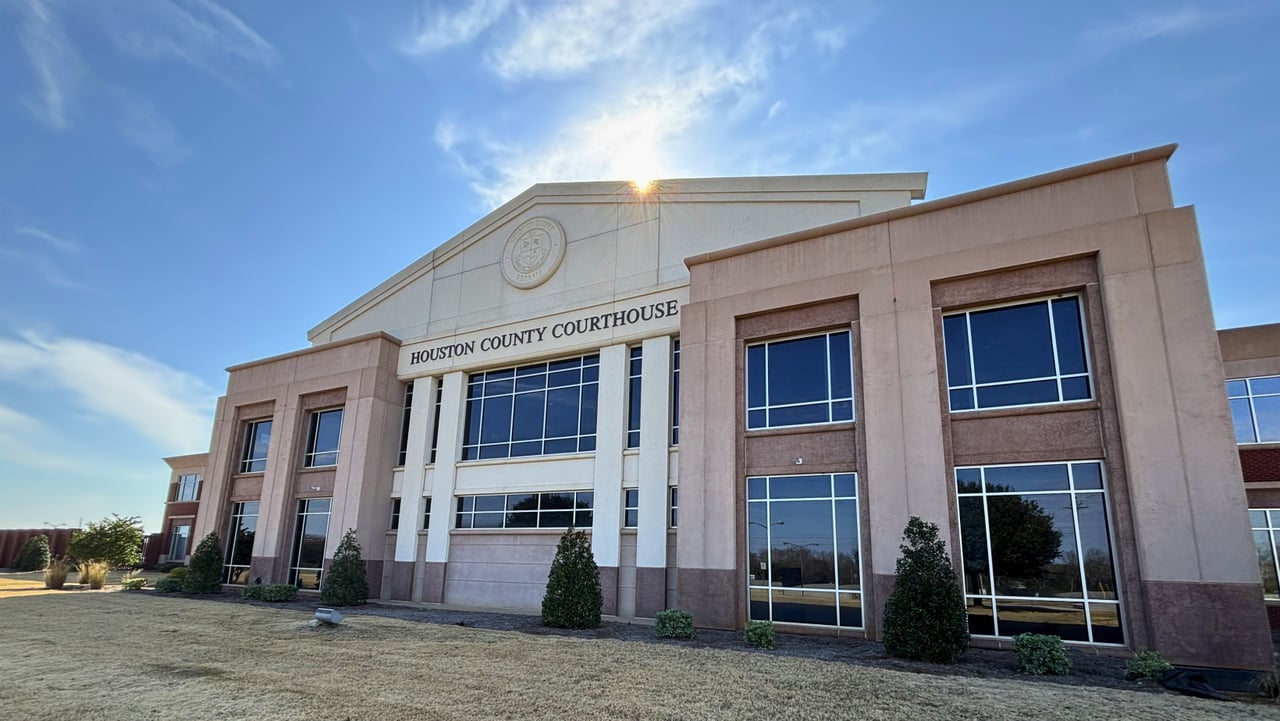
The through-line is transparency. A homeowner receiving one of these offers should now be told, in plain and prominent language, that it is a solicitation, that they owe no response, and, when a price is stated, that the number may have nothing to do with what the home is actually worth. The title theft law works differently, adding a verification step at the courthouse to make it harder for a bad actor to record a fraudulent transfer in the first place.
What Is Title Theft, and Should Houston County Homeowners Worry?
Title theft, sometimes called deed fraud or home title fraud, occurs when someone impersonates a property owner on paper and either sells the property or borrows against it without the owner's knowledge. As the Georgia Attorney General's office describes it, the worst-case outcome is a home moving toward foreclosure or being deeded to a new purchaser, and it is a complicated and expensive problem to unwind, if it can be unwound at all.
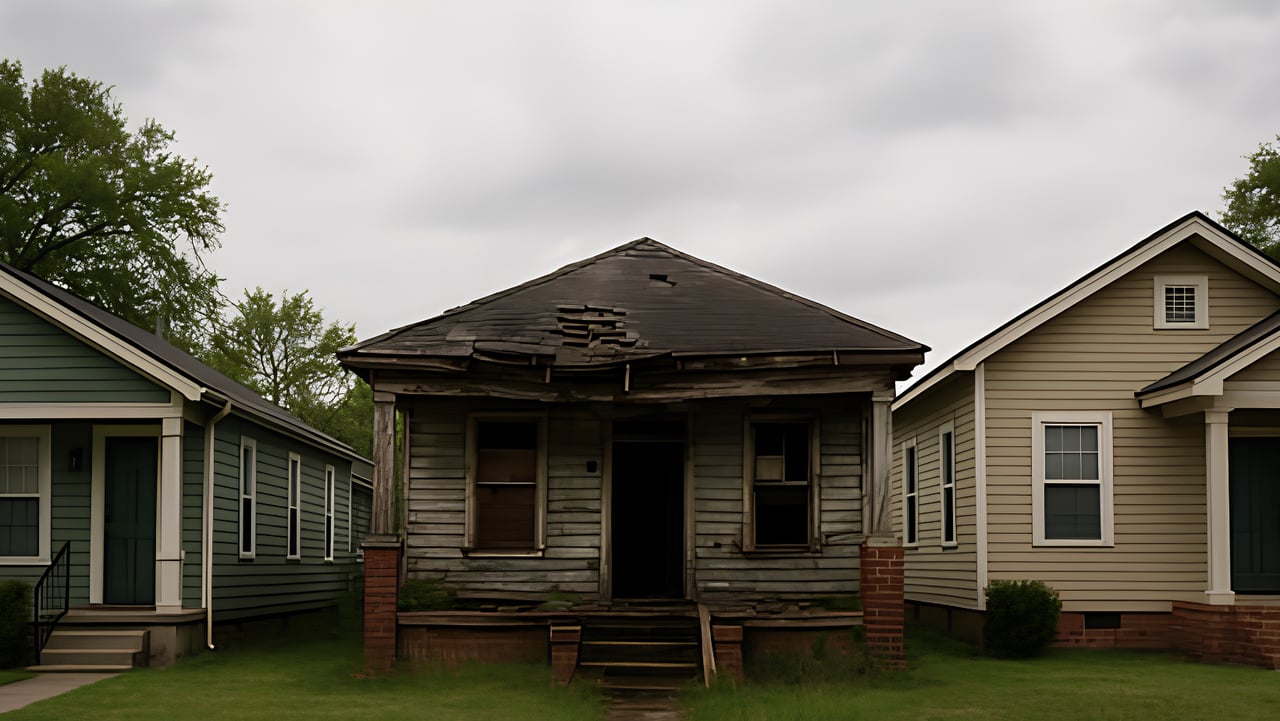
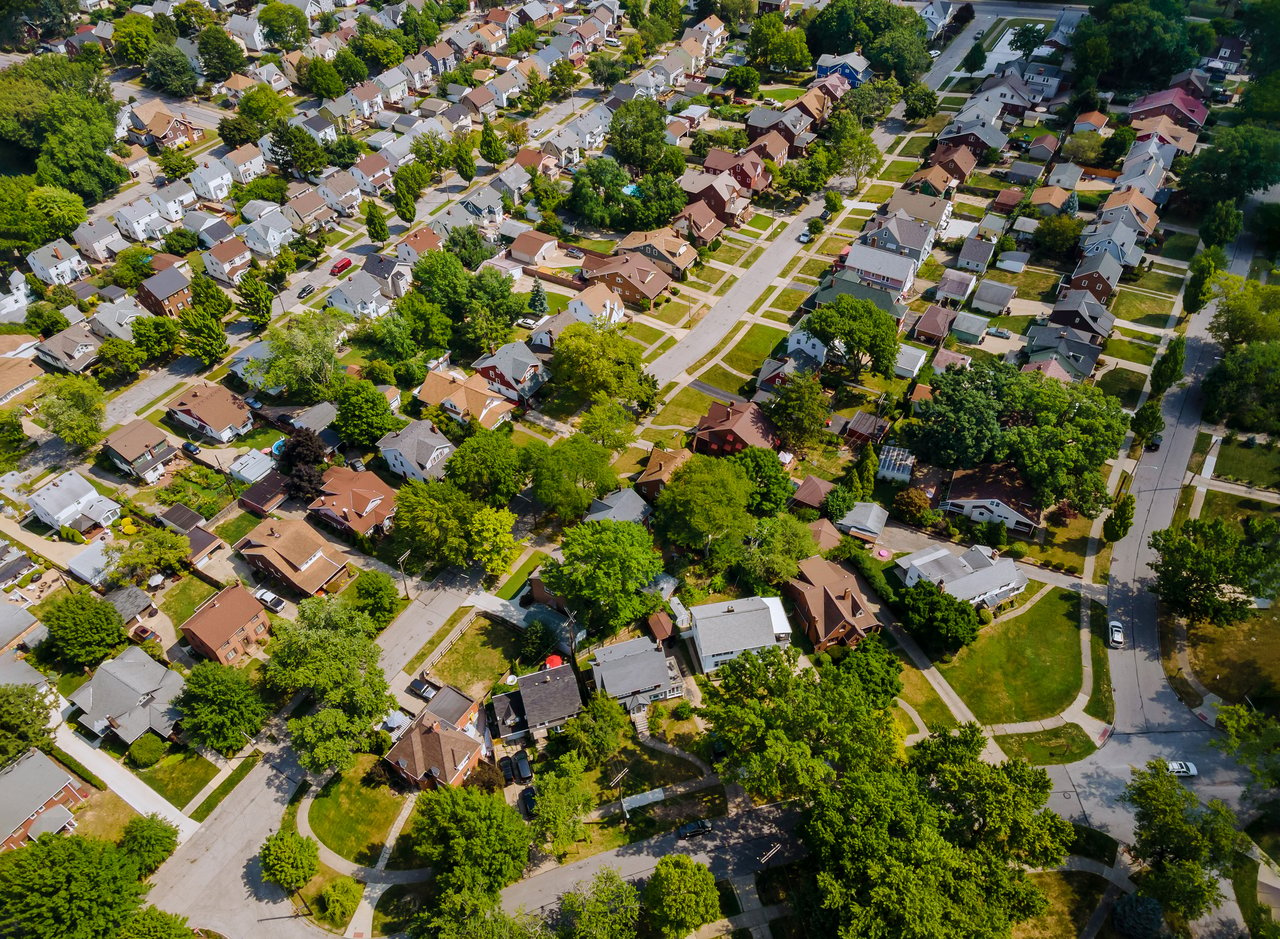
The homes most exposed are precisely the ones that dominate long-established Warner Robins and Perry neighborhoods: houses that are paid off, held by the same owner for many years, and often owned by seniors. A property with no active mortgage is an attractive target because there is equity to borrow against and no lender monitoring the title. Georgia's HB 1292 responds by adding an identity-validation process when deeds and related records are filed, effective January 1, 2025, making it harder for a fraudulent filing to slip through unnoticed.
I do not raise this to alarm anyone, because the actual incidence of title theft remains low relative to the number of homes out there. I raise it because the people most at risk are the least likely to be watching for it, and a five-minute conversation with an older relative about these protections costs nothing and can prevent a genuine catastrophe.
For Sellers: How Do I Know What My Home Is Actually Worth?
The single best defense against a lowball cash offer is knowing your number before anyone hands you theirs. The figure printed on a postcard is not an appraisal and is not a market value. Under HB 240 it now has to say as much, but a homeowner should not need the disclaimer to know that a number designed to be accepted quickly is rarely a number designed to be fair.
A comparative market analysis, prepared by a licensed agent using recent comparable sales in your specific neighborhood, is the grounded answer to what your home would bring on the open market. It accounts for what homes down the street actually closed at, the condition and updates of your property, and current demand in that corridor, none of which an unsolicited offer considers. For a paid-off home in an appreciated Warner Robins neighborhood, the gap between a quick-cash offer and true market value can run into tens of thousands of dollars.
My advice to any homeowner, and to any family member helping an older relative, is simple. Before responding to a single one of these offers, get a real market value from someone whose job is to represent you rather than to buy your house. That number changes the entire conversation, and I am glad to provide it whether or not selling is ever on the table.
For Buyers and Investors: Staying on the Right Side of These Laws
Not everyone reading this is a seller. Houston County's proximity to Robins Air Force Base supports an active investor community, and some readers acquire property through direct outreach. For them, these laws are a compliance matter worth taking seriously. Any unsolicited written offer to purchase must carry the SB 90 solicitation notice in the required format, and any offer stating a price must include the HB 240 fair market value disclosure. Georgia treats deceptive solicitations as a consumer protection issue, and the reputational cost of operating like a predatory buyer, in a market where word travels fast, is its own deterrent.
The investors who do this well tend to treat transparency as an advantage rather than an obstacle. A clear, honest offer that respects the homeowner's position and states plainly what it is will always outperform a pressure tactic in the long run, particularly with sellers who have options. Specific questions about structuring compliant outreach belong with a real estate attorney, but the baseline is straightforward: say who you are, say what the offer is, and tell the truth about value.
Frequently Asked Questions
Q: Are "we buy houses" cash offers legitimate in Georgia?
A: Many are legitimate businesses, and a genuine cash sale can be a reasonable option for a homeowner who prioritizes speed and certainty over the highest possible price. The concern that led to Georgia's legislation involves solicitations that use pressure tactics, obscure that the recipient owes no response, or present a lowball figure as a fair value. Under current Georgia law these offers must disclose that they are solicitations and, when a price is named, that the amount may not reflect fair market value. A homeowner is never obligated to respond to one, and the safest first step is to learn the home's actual market value before engaging.
Q: What does Georgia's SB 90 require for unsolicited offers to buy my home?
A: SB 90, codified at O.C.G.A. § 10-1-393.18 and effective January 1, 2024, requires that any unsolicited written communication expressing interest in buying your real property include a clear notice. That notice must appear in capital letters at the top of the document, set apart from other text, stating that it is a solicitation and that you are under no obligation to respond. The law also requires that such communications make clear the inquiry is not legally binding. The purpose is to ensure homeowners understand exactly what they have received and that they owe the sender nothing.
Q: What did HB 240 add to Georgia's rules on cash offers?
A: HB 240, effective May 13, 2025, expanded the requirements for any solicitation that includes a monetary offer. If a letter, postcard, or other written solicitation names a specific purchase price, it must also state that the offer may or may not represent the fair market value of the property. This addition was aimed directly at solicitations that put a dollar figure in front of a homeowner in a way that implied it was a fair or complete value. The Georgia Attorney General's office has connected this measure to protecting homeowners, particularly older adults, from accepting significantly less than their property is worth.
Q: What is title theft and how does Georgia's HB 1292 address it?
A: Title theft, also called deed fraud, occurs when a criminal impersonates a property owner to sell the home or take out a mortgage against it without the owner's knowledge. In the worst cases the property can move toward foreclosure or be transferred to a new purchaser, and correcting it is difficult and costly. Georgia's HB 1292, effective January 1, 2025, creates a process to validate a person's identity when deeds and other real estate records are filed, adding a safeguard against fraudulent filings. The Attorney General's office notes this law also addresses predatory and unsolicited real estate offers that often target older adults.
Q: Am I required to respond to a postcard offering to buy my house?
A: No. You are under no obligation to respond to, or even open, an unsolicited offer to buy your home, and Georgia law now requires these solicitations to say so in plain language. Ignoring them carries no penalty or consequence. If you are curious what your home might be worth, the appropriate step is to obtain a comparative market analysis from a licensed agent rather than treating an unsolicited number as meaningful. Responding is entirely your choice and should never feel compelled by the way an offer is worded.
Q: Why do these cash offers seem to target older homeowners?
A: Long-time homeowners, particularly seniors, frequently own paid-off homes with substantial accumulated equity, which makes them attractive targets for both lowball purchase offers and title theft schemes. A home with no active mortgage has equity available to borrow against and no lender monitoring the title. Additionally, an owner who has not bought or sold in many years may be less familiar with current market values and therefore more susceptible to accepting a figure well below what the home is worth. This is why Georgia's Attorney General has tied these laws specifically to protecting older adults, and why a conversation with an older relative about these protections is worthwhile.
Q: How can I find out what my home in Houston County is really worth?
A: The most reliable way is a comparative market analysis, or CMA, prepared by a licensed real estate agent using recent comparable sales in your specific neighborhood. A CMA accounts for what similar homes nearby have actually sold for, the condition and features of your property, and current demand in your area, none of which an unsolicited cash offer reflects. For a paid-off home in an appreciated Warner Robins, Perry, or Bonaire neighborhood, the difference between a quick-cash offer and genuine market value can be substantial. A CMA is typically provided at no cost and carries no obligation to sell.
Q: What should I do if I think an offer I received violated these laws?
A: If an unsolicited offer failed to include the required disclosures, or if you believe a solicitation was deceptive, you can file a complaint with the Georgia Attorney General's Consumer Protection Division, which enforces the state's consumer protection statutes. If you suspect an actual title theft or deed fraud attempt, that is a serious legal matter that should be reported promptly and reviewed by a licensed attorney. A real estate agent can help you understand the market context of an offer, but questions about legal violations or fraud belong with the Attorney General's office or an attorney.
Q: How can I protect an elderly parent from these schemes in Georgia?
A: Start with a conversation. Make sure an older relative understands that they are never obligated to respond to unsolicited offers, that a price on a postcard is not a real valuation, and that no legitimate buyer needs an immediate decision. Encourage them to bring any offer to a trusted family member or a licensed agent before acting. Families can also monitor for signs of deed fraud and take advantage of the identity-validation protections now built into Georgia's records filing process under HB 1292. Knowing what the home is genuinely worth, through a professional market analysis, removes most of the leverage these schemes rely on.
Q: Is a cash offer ever a good idea for a Georgia homeowner?
A: It can be. A legitimate cash sale offers speed and certainty and avoids financing contingencies, which can matter for a homeowner facing a time-sensitive situation, an inherited property, or a home needing significant repairs. The key is to make the decision from an informed position rather than a pressured one. Knowing the home's true market value first allows a homeowner to weigh the convenience of a cash sale against the equity they may be giving up. The laws described here exist to ensure that decision is made with honest information rather than manufactured urgency.
Q: Do these laws apply to text messages and phone calls, or just mailers?
A: SB 90's specific formatting requirements, such as the capital-letter notice at the top of the document set apart from other text, are written for unsolicited written communications like letters and postcards. The broader consumer protection principles enforced by the Georgia Attorney General, including prohibitions on deceptive and misleading solicitations, apply more generally to how homeowners are approached. Regardless of the channel, a homeowner is never obligated to respond, and any solicitation that names a price is subject to the fair market value disclosure requirement. Homeowners receiving aggressive calls or texts can decline to engage and, where appropriate, report deceptive conduct.
This article is reviewed and updated quarterly. Statutes and enforcement guidance can change. Provisions current as of July 2026. Sources include the Georgia Attorney General's Consumer Protection Division and Georgia statutes SB 90 (O.C.G.A. § 10-1-393.18), HB 240, and HB 1292.
About the Author
William Walton-Dean is a licensed REALTOR® with Walton Dean Realty, operating under Real Broker LLC, serving buyers and sellers across Houston County, Georgia, including Perry, Warner Robins, Bonaire, Kathleen, Byron, and the surrounding Middle Georgia housing market. Known for a data-driven, hyper-local approach and deep expertise in the military and PCS relocation market around Robins Air Force Base, he helps buyers and sellers at every price point make clear, confident decisions backed by real market insight.
📱 478-371-7069
Walton Dean Realty | Real Broker LLC
Getting Unsolicited Offers on Your Houston County Home? Let's Talk.
Before you respond to a single postcard or text, it is worth knowing what your home is actually worth from someone whose job is to represent you, not to buy it. Reach out for a straightforward market analysis of your Warner Robins, Perry, or Houston County home, and share this with any family member helping an older relative navigate these offers.
William Walton-Dean | Walton Dean Realty | 📱 478-371-7069 | 📧 [email protected]
"A More Strategic Approach to Real Estate"
Disclaimer: This article is provided for general informational purposes only and does not constitute legal, financial, or tax advice. William Walton-Dean is a licensed real estate agent and is not an attorney or a representative of the Georgia Attorney General's office. Nothing here should be relied upon as a legal interpretation of SB 90, HB 240, HB 1292, or any other Georgia statute, and reading it creates no attorney-client relationship. The provisions summarized reflect publicly available guidance from the Georgia Attorney General's Consumer Protection Division as of July 2026 and are subject to change. If you believe you have received a deceptive solicitation, you may contact the Georgia Attorney General's Consumer Protection Division. If you suspect title theft, deed fraud, or any crime, contact law enforcement and consult a licensed Georgia attorney promptly. For a valuation of your specific property, consult a licensed real estate professional.