Houston County, Georgia does not have an accessory dwelling unit ordinance that allows a second home on a residential lot by right. In unincorporated Houston County, which includes Bonaire, Kathleen and all addresses outside the limits of Warner Robins, Perry and Centerville, the Comprehensive Land Development Regulations permit no more than one principal use per lot, and an additional dwelling on a single lot, whether a detached cottage, a garage apartment or a converted outbuilding with its own kitchen, requires a special exception from the Houston County Board of Zoning Appeals under Section 107 of the regulations. In the R-AG Agricultural Residential District, a tenant house or additional one-family dwelling may be allowed by special exception at one structure for each five acres beyond the minimum lot for the main home. An in-law suite built inside the main house, sharing the home's entrances and systems, is a different question, because the county's definition of a family and a dwelling unit treats one household under one roof as a single-family dwelling.
This guide explains how the county's regulations treat attached suites, detached cottages, garage apartments and converted garages, what a special exception involves, the accessory building rules that still apply to any structure, how the Health Department's septic rules affect bedrooms added outside the city sewer systems, and what buyers and sellers of homes with an in-law suite should know.
Attached In-Law Suite vs. Detached ADU: How the County's Definitions Sort Them
The county's regulations do not use the terms accessory dwelling unit, in-law suite or ADU. They use three definitions that decide the outcome. A dwelling unit is a dwelling or portion of one providing complete living facilities for one family. A family is one or more persons occupying a dwelling and living as a single housekeeping unit. A single-family dwelling is a residential building designed for and occupied exclusively by one family. Under those definitions, a bedroom, bath and sitting room added to the house for a parent who lives with the family is part of a single-family dwelling occupied by one household, and it is handled as an addition under the building code rather than as a zoning question.
A second complete set of living facilities, meaning its own kitchen, bath and sleeping quarters arranged for separate occupancy, is a second dwelling unit, and a second dwelling unit on one lot is an additional dwelling under Section 107 regardless of whether it is detached or attached. The county's own definitions reinforce the line: an accessory building is a subordinate building whose use is incidental to the main building, and a garage apartment is defined separately as a dwelling unit for one family erected above a private garage detached from the main dwelling. A structure that is a dwelling unit is not merely accessory. In practice, the features that tend to move a project from addition to second dwelling are a separate full kitchen, a separate exterior entrance with no interior connection, separate utility meters or a separate address, and any arrangement to rent the space to someone outside the household.
What a Special Exception Involves
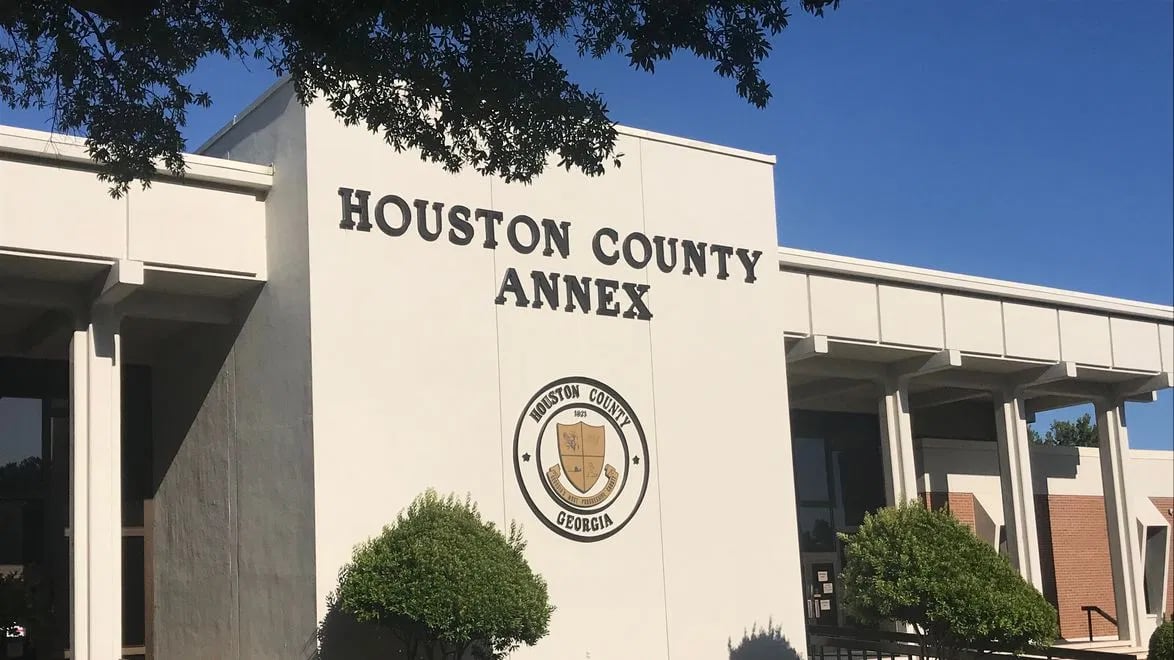
A special exception is a use that the regulations do not permit by right in a district but that the Board of Zoning Appeals may approve after a public hearing. In the R-AG and R-1 districts the special exception list includes churches, schools, day care, home occupations, recreation facilities and additional dwellings on a single lot provided the requirements of Section 107 are met, and Section 115 sets the procedure for requesting a hearing. The applicant files with Houston County Planning and Zoning at the county annex at 200 Carl Vinson Parkway in Warner Robins, the request is advertised and heard, and the board may approve, approve with conditions or deny. Section 117 sets the standards the board applies when it decides a request.
In R-AG the regulations state the density expressly: a tenant house or one-family dwelling may be allowed on the same lot or tract as the principal residence on the basis of one residence structure for each five acres in addition to the minimum lot area required for the principal residence, subject to all the yard requirements of the district. A family with 12 acres in R-AG south of Perry therefore has a path to a second home for a parent or an adult child that a family on a half-acre R-1 lot in Bonaire does not, and the Board of Zoning Appeals hearing is where that path runs.
The Rules That Apply No Matter What
Accessory building placement and permits
Any detached structure, whether it is a storage building, a pool house or a future cottage, follows the county's accessory structure rules: it may not be in the front yard, must be at least 10 feet from any lot line, may not exceed two stories, may cover no more than 30 percent of the rear yard, must be 20 feet from the house if flammable materials are stored inside, and requires a building permit and inspection if it is larger than 10 by 12 feet or worth more than $3,000. A structure with plumbing, a kitchen and a sleeping area is a dwelling for building code purposes and is permitted and inspected as one, with the $50 residential electrical, plumbing and HVAC trade permits.
Septic capacity
Outside the Warner Robins, Perry and Centerville sewer systems, many Houston County homes are on septic, and the Houston County Health Department sizes a septic system by bedroom count. Adding bedrooms in a suite or a cottage without the Health Department's approval of the system's capacity is the most common way these projects fail inspection, and the county's land development regulations already tie home pools and other uses to Health Department approval for the same reason. A buyer or owner planning an in-law suite on a septic lot should start with the Health Department's file on the existing system.
Covenants
Recorded subdivision covenants in Bonaire, Kathleen, Perry and Warner Robins can restrict outbuildings, require architectural approval for additions, and prohibit renting part of a home or any detached structure. Those restrictions apply regardless of what the county would approve, and the homeowners association enforces them. The declaration is recorded with the Clerk of Superior Court and should be read before a drawing is commissioned.
Houston County In-Law Suite and ADU Scenarios at a Glance
Project | How the county's regulations treat it (unincorporated) | What is required |
Bedroom, bath and sitting area added inside the house for a family member, shared kitchen and entrance | Part of a single-family dwelling occupied by one family | Building permit for the addition; Health Department septic approval if bedrooms are added on septic; covenants |
Attached suite with its own full kitchen and separate exterior entrance | Likely a second dwelling unit; confirm with Planning and Zoning | Possible Section 107 special exception; building permit; septic approval; covenants |
Finished bonus room over an attached garage, no kitchen | Part of the single-family dwelling | Building permit; septic approval if a bedroom is added; covenants |
Garage apartment above a detached garage | A dwelling unit by definition; an additional dwelling under Section 107 | Special exception from the Board of Zoning Appeals; building permit; accessory building placement rules; septic approval; covenants |
Detached cottage or converted outbuilding with kitchen and bath | An additional dwelling under Section 107 | Special exception; building permit; accessory building rules; septic approval; covenants |
Tenant house or second home on R-AG acreage | Special exception at one structure per five acres beyond the principal lot | Special exception; building permit; well or septic approval; yard requirements |
Tiny home on wheels or camper for a family member | A travel trailer; may not be occupied outside a travel trailer park | Not permitted as a dwelling on a residential lot |
Second mobile home on a lot | Additional dwelling; mobile homes permitted only in R-AG and R-MH | Special exception in a district that permits mobile homes; building and location permits |
Inside Warner Robins, Perry and Centerville
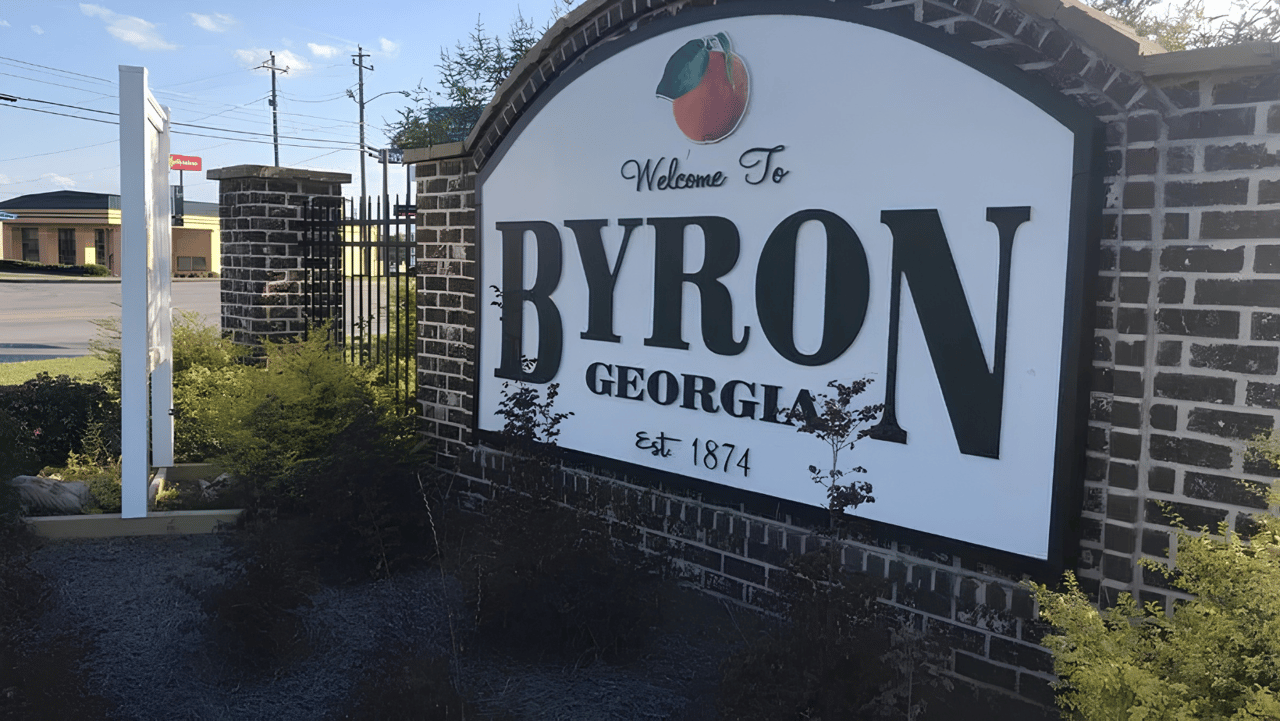
The county's regulations govern the unincorporated area. Warner Robins, Perry and Centerville each administer their own zoning ordinances inside their limits, with their own definitions of accessory structures and dwelling units and their own procedures for variances and special uses. A homeowner inside any of the three cities should confirm the city's rule with its planning office before designing a suite or a cottage, because the answer can differ from the county's, and because city sewer availability changes the septic question entirely. Neighboring Byron follows City of Byron and Peach County rules. Georgia has not enacted a statewide law requiring local governments to allow accessory dwelling units, so the local ordinance controls in every jurisdiction.
Address | Who decides | Where to confirm |
Bonaire, Kathleen and other unincorporated addresses | Houston County Planning and Zoning; Board of Zoning Appeals for special exceptions | 200 Carl Vinson Parkway, Warner Robins |
Warner Robins | City of Warner Robins zoning ordinance | City planning or inspections office |
Perry | City of Perry zoning ordinance | City of Perry Community Development, 478-988-2720 |
Centerville | City of Centerville zoning ordinance | Centerville City Hall |
Byron (neighboring, Peach County) | City of Byron and Peach County | City of Byron |
For Sellers: Does an In-Law Suite Add Value, and How Do I Market It?
It adds value when it is permitted, finished to code and marketable to the buyers who want it, which in Houston County means military families bringing a parent, families caring for an aging relative, and households with an adult child at home. It subtracts value when it was built without permits, when a kitchen was added to a detached building that the county never approved as a dwelling, or when the septic system was never sized for the extra bedrooms, because a buyer's inspector and lender will find all three.
When I list a home with a suite, I describe exactly what it is. A finished addition with a bedroom, bath and sitting room is an in-law suite. A detached cottage with a kitchen that the Board of Zoning Appeals approved is a second dwelling, and I say so and attach the approval. A garage apartment that was never approved is a finished space over the garage, and I do not call it an apartment or imply it can be rented, because a listing that overstates what the county allows invites a renegotiation during due diligence and, worse, a complaint after closing. I pull the county's permit record and, for a septic lot, the Health Department's file before the listing goes live, so the facts are in the disclosure package rather than in the inspection report.
For Buyers: What Should I Check Before I Buy a Home for a Suite or a Cottage?
BUYER KEYWORD TARGETS: buying a house for multigenerational living Houston County GA / lot for in-law cottage Kathleen Perry acreage / can I add a garage apartment Georgia / home with second dwelling Robins AFB families / septic capacity in-law suite Georgia
Three things before the offer: the zoning district and whether the plan you have in mind is an addition or an additional dwelling under the county's definitions, the covenants, and the sewer or septic situation. A home on city sewer inside Perry or Warner Robins has a different path than a septic lot in Kathleen, and an R-AG tract outside the subdivisions has a special exception route for a second home that an R-1 lot does not.
The buyers who come to me with a parent moving in, which is common among the families arriving at Robins Air Force Base, usually get the best result from one of two paths: a home with a true attached suite, which the county treats as part of the single-family dwelling and which needs only a building permit and septic capacity, or an R-AG tract where the five-acre rule gives a clear basis for a special exception. The path I steer them away from is buying an R-1 lot in a covenant-controlled subdivision with the plan to add a detached cottage later, because that plan needs a Board of Zoning Appeals hearing the neighbors can attend, a covenant that may prohibit it outright, and a septic system that may not support it. I would rather know all three before the contract than discover them during the design.
Frequently Asked Questions About In-Law Suites and ADUs in Houston County
Does Houston County, Georgia allow accessory dwelling units?
Not by right. The county's Comprehensive Land Development Regulations allow no more than one principal use per lot, treat any dwelling in a residential district as a main building, and permit an additional dwelling on a single lot in the R-AG and R-1 districts only by special exception from the Board of Zoning Appeals under Section 107. A detached cottage or garage apartment with its own living facilities is an additional dwelling. The regulations do not contain an accessory dwelling unit category, and Georgia has no statewide law requiring counties to allow them.
Can I add an in-law suite to my house in Houston County?
An addition that is part of the main house and occupied by members of one household, such as a bedroom, bath and sitting room for a parent, falls within the county's definitions of a family and a single-family dwelling and is handled as a building addition rather than a zoning matter. It requires a building permit from Houston County Building Inspection, Health Department approval of the septic system if bedrooms are added on a septic lot, and compliance with any covenants. A suite with its own full kitchen and separate entrance may be treated as a second dwelling unit, which should be confirmed with Planning and Zoning.
Can I build a garage apartment in Houston County, GA?
The county's regulations define a garage apartment as a dwelling unit for one family above a private garage detached from the main dwelling, which makes it a second dwelling on the lot rather than an accessory building. In unincorporated Houston County that requires a special exception from the Board of Zoning Appeals under Section 107, plus a building permit, compliance with the accessory building placement rules, and Health Department approval if the lot is on septic. Inside Warner Robins, Perry or Centerville, the city's ordinance applies.
What is a special exception from the Houston County Board of Zoning Appeals?
A use that the zoning regulations do not permit by right in a district but that the board may approve after a public hearing under the standards in Section 117 of the regulations. In the residential districts, special exceptions include churches, schools, day care, home occupations, recreation facilities and additional dwellings on a single lot. The procedure for requesting a hearing is in Section 115, and applications are filed with Houston County Planning and Zoning at the county annex, 200 Carl Vinson Parkway, Warner Robins.
How much land do I need for a second home on my property in Houston County?
In the R-AG Agricultural Residential District, the regulations allow tenant houses and additional one-family dwellings by special exception on the basis of one residence structure for each five acres in addition to the minimum lot area required for the principal residence, subject to all yard requirements. In R-1 and the districts that inherit its rules, an additional dwelling is a special exception under Section 107 without a stated acreage formula, and the Board of Zoning Appeals evaluates lot size, yards, utilities and compatibility case by case.
Can I rent out my in-law suite or cottage in Houston County?
Renting a separate dwelling unit to someone outside the household is one of the clearest signs that the space is a second dwelling rather than part of a single-family home, so a rented suite or cottage in unincorporated Houston County generally requires the Section 107 special exception. A short-term rental of the space is also subject to the county's short-term rental ordinance, which requires a certificate and a 5 percent lodging tax. Recorded covenants in many Houston County subdivisions prohibit renting part of a home or any detached structure.
Does the Houston County Health Department have to approve an in-law suite?
On a septic lot, yes in practice. The Health Department sizes a septic system by the number of bedrooms it serves, so adding bedrooms in a suite or a cottage requires confirmation that the existing system has capacity or a permit to enlarge it. Many homes in unincorporated Houston County, including Bonaire and Kathleen, are on septic, while homes inside Warner Robins, Perry and Centerville are commonly on city sewer, where the question does not arise. The county's land development regulations tie other residential uses, such as home pools, to Health Department approval for the same reason.
Can I put a tiny home or camper in my back yard for a family member in Houston County?
No. A tiny home on wheels or camper with 320 square feet or less of floor area is a travel trailer under the county's definitions, and Section 66.3 prohibits occupying a travel trailer, temporarily or permanently, anywhere except an authorized travel trailer park. A small home on a permanent foundation is a dwelling, and a second dwelling on the lot requires the Section 107 special exception along with building permits and, on a septic lot, Health Department approval.
Do I need a building permit for an in-law suite in Houston County?
Yes. An addition to the house, a finished space over a garage, or a detached structure larger than 10 by 12 feet or worth more than $3,000 requires a building permit and inspection from Houston County Building Inspection under the Georgia State Minimum Standard Codes, with $50 trade permits for plumbing, electrical and HVAC. Work started before a permit is issued is charged double. A detached structure must also meet the accessory building placement rules: not in the front yard, 10 feet from lot lines, two stories maximum and no more than 30 percent of the rear yard.
Do subdivision covenants in Bonaire and Kathleen allow in-law cottages?
Recorded declarations can restrict outbuildings, require architectural approval for additions and prohibit renting part of a home or any detached structure, and those restrictions apply regardless of what the county would approve. The declaration for each subdivision is recorded with the Houston County Clerk of Superior Court and indexed through the Georgia Superior Court Clerks' Cooperative Authority. A buyer planning a suite or cottage should read the covenants before the offer, and the homeowners association, not the county, enforces them.
Are the ADU rules different inside Warner Robins or Perry?
Yes. Each city administers its own zoning ordinance inside its limits, with its own definitions of accessory structures and dwelling units and its own variance and special use procedures, and city sewer availability removes the septic question for many lots. A homeowner inside Warner Robins, Perry or Centerville should confirm the rule with the city's planning office rather than relying on the county's regulations. Byron, in neighboring Peach County, follows City of Byron and Peach County rules.
Has Georgia passed a statewide ADU law?
No. As of this writing, Georgia has not enacted a statewide law requiring cities and counties to permit accessory dwelling units, so the local zoning ordinance controls. Several states have adopted such laws, and bills have been discussed in Georgia, so homeowners interested in a second dwelling should check for new legislation each session. In Houston County the governing rules remain the county's land development regulations in the unincorporated area and the city ordinances in Warner Robins, Perry and Centerville.
About the Author
William Walton-Dean is a licensed REALTOR® with Walton Dean Realty, operating under Real Broker LLC, serving buyers and sellers across Houston County, Georgia, including Perry, Warner Robins, Bonaire, Kathleen, Byron, and the surrounding Middle Georgia housing market. He brings a data-driven, hyper-local approach to both residential and commercial transactions, working with first-time buyers, move-up sellers, investors, and families relocating to the area, including those tied to Robins Air Force Base. Drawing on a prior career as a C-level executive, he helps buyers and sellers at every price point make clear, confident decisions backed by real market insight.
📱 478-371-7069
Walton Dean Realty | Real Broker LLC
Planning a Multigenerational Home in Houston County? Let's Talk.
If you are buying a home to bring a parent or an adult child under one roof, or selling a home with a suite or a cottage and want it marketed accurately, I will check the zoning, the covenants and the permit history before you commit. I work with families across Warner Robins, Perry, Bonaire, Kathleen, Centerville and Byron, including those arriving at Robins Air Force Base.
William Walton-Dean | Walton Dean Realty
📱 478-371-7069
A More Strategic Approach to Real Estate
This article is provided for general informational purposes about zoning and permitting of additional dwellings in Houston County, Georgia and does not constitute legal advice. The Comprehensive Land Development Regulations for Houston County, city ordinances, building codes and Health Department rules are adopted by the respective governments and may change, and private covenants are enforced by homeowners associations. Confirm any specific project with Houston County Planning and Zoning, Building Inspection, the Health Department or the applicable city before proceeding. William Walton-Dean is a licensed REALTOR® with Walton Dean Realty under Real Broker LLC and is not an attorney, zoning official or builder.