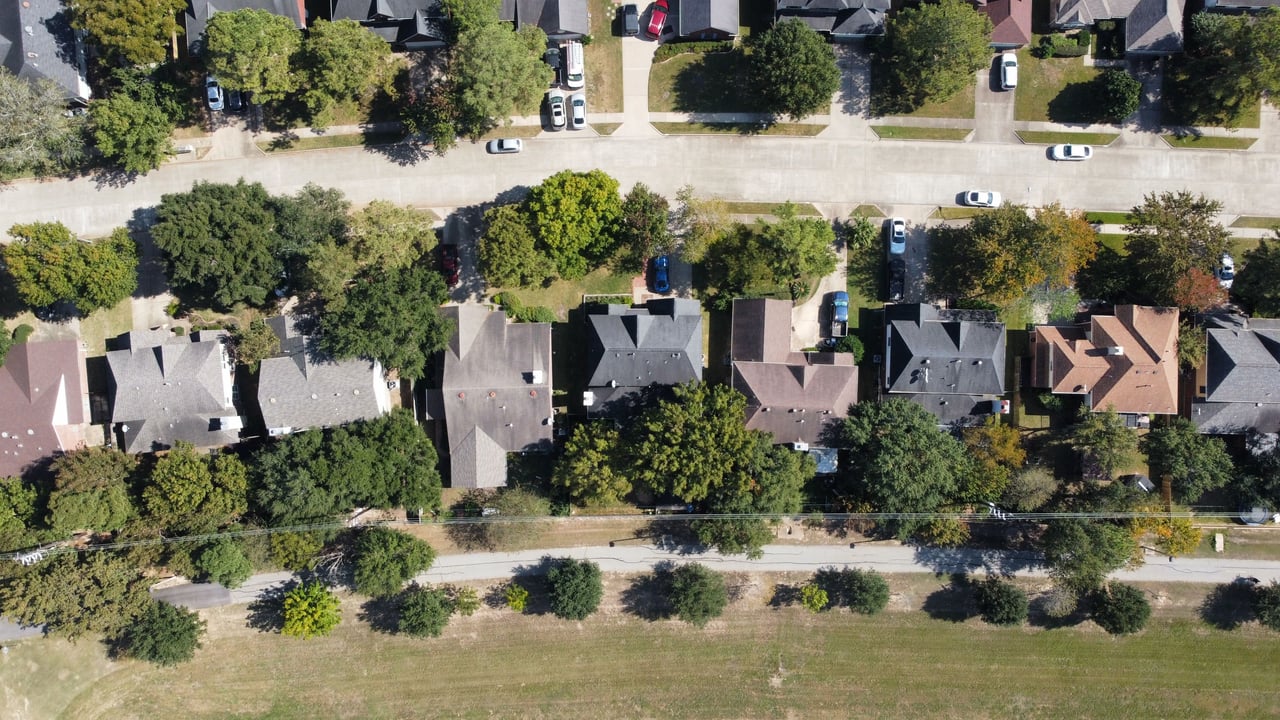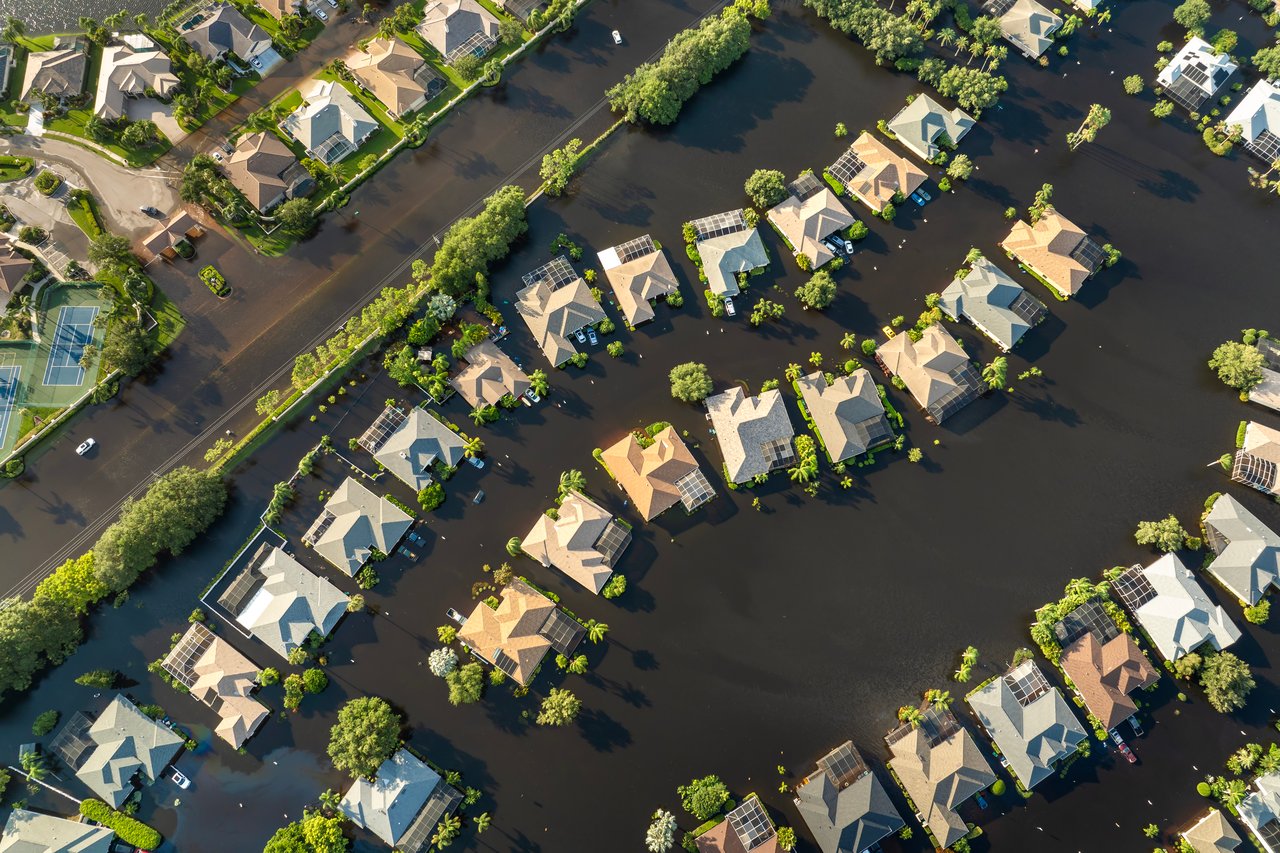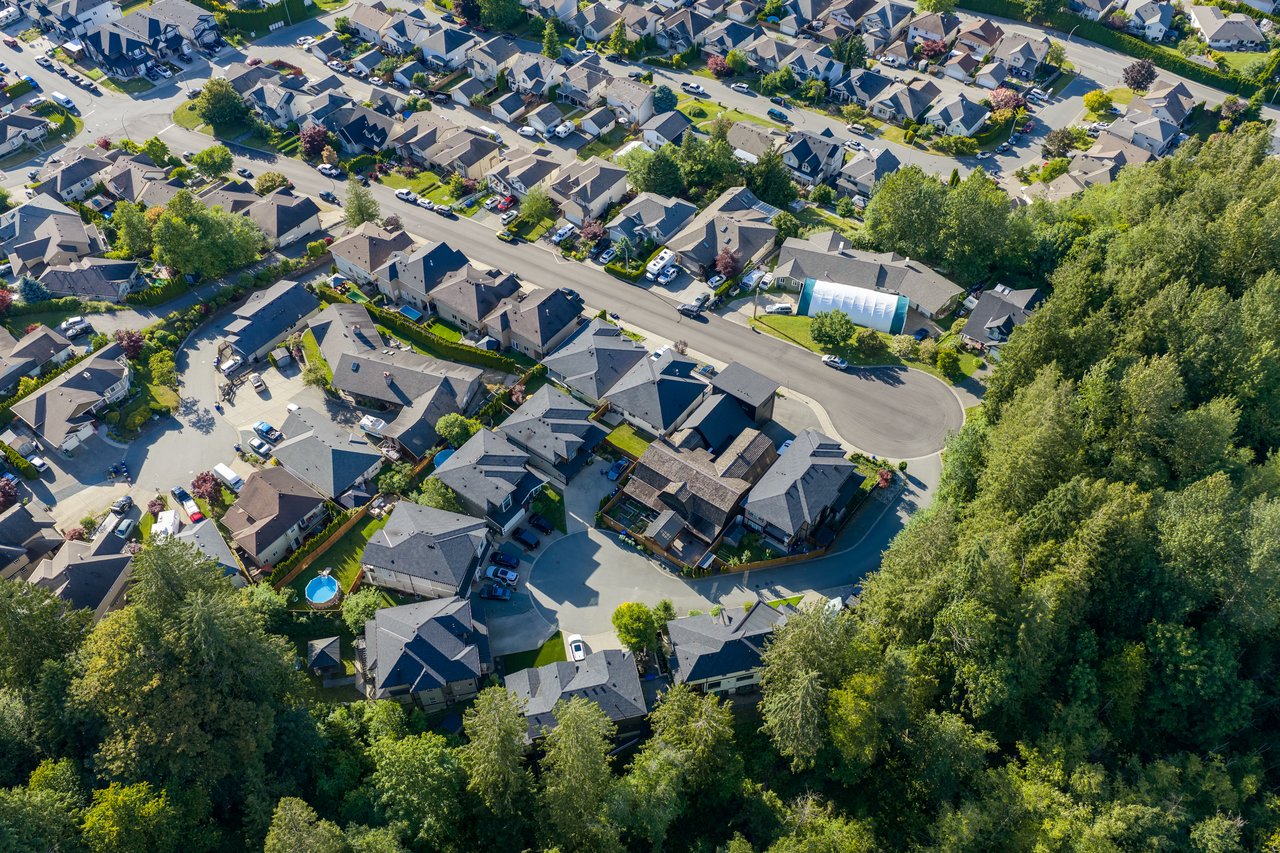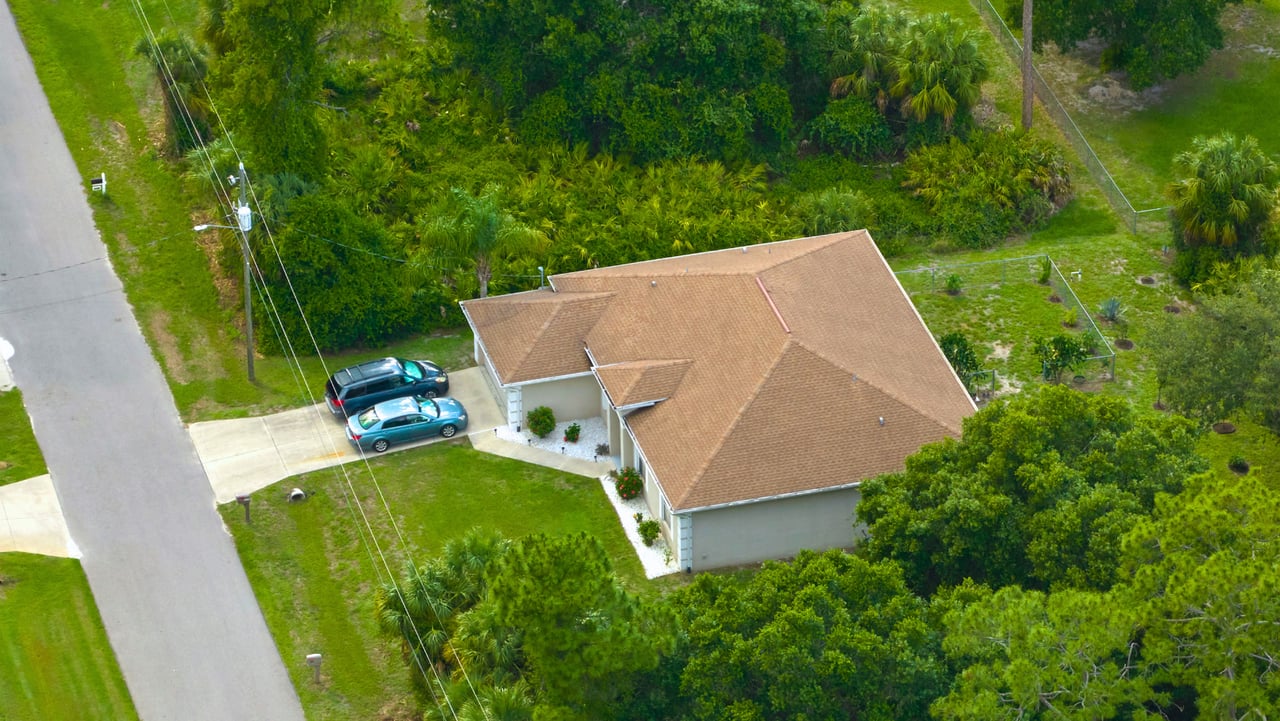
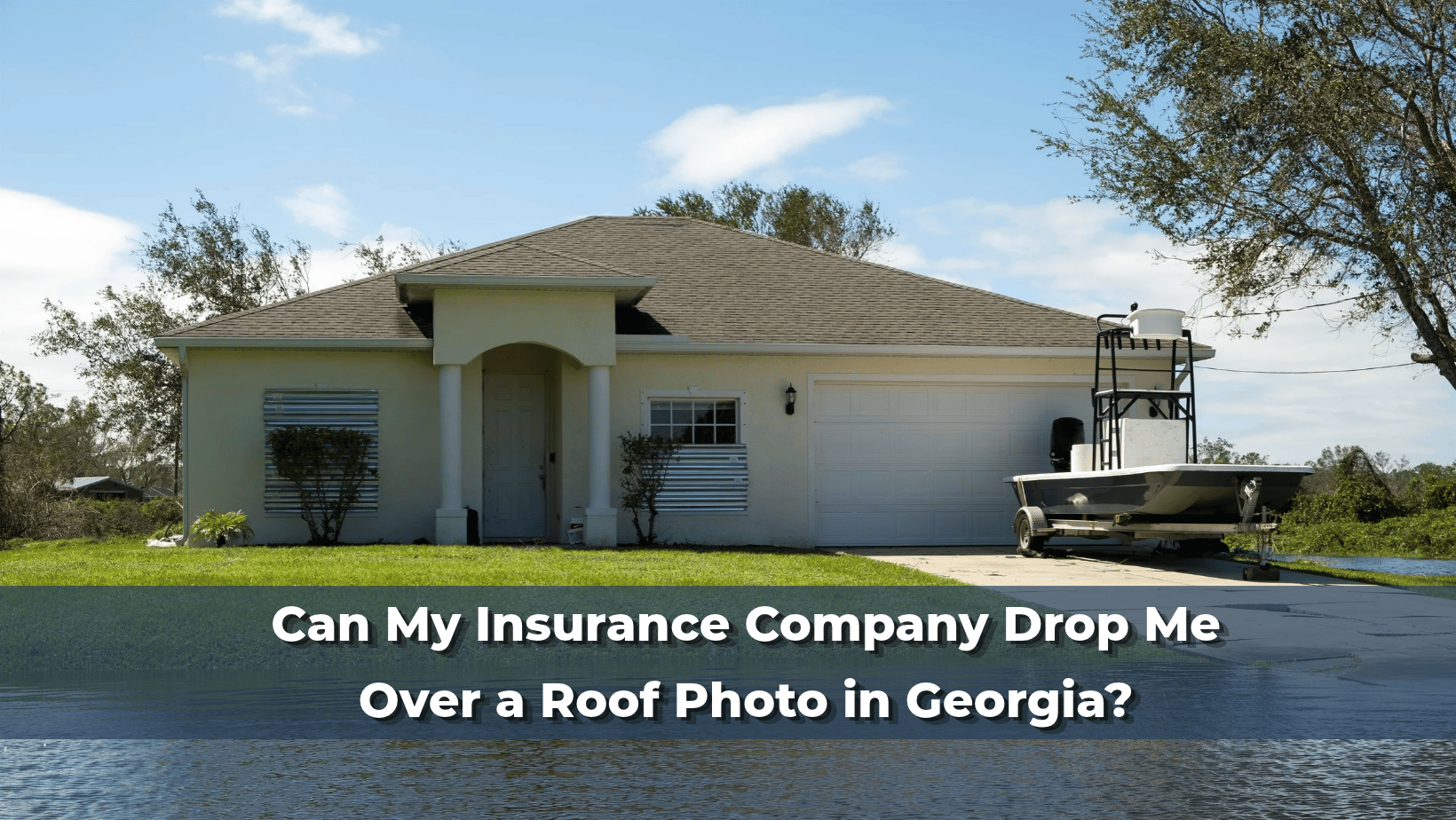
Beginning January 1, 2027, a Georgia homeowner whose insurance company moves to cancel or non-renew an owner-occupied policy because of what it saw in an aerial or satellite image will be entitled to copies of those images, a written description of the repairs that would reverse the decision, a named point of contact, an appeal process, and a minimum of 60 days to make the fix. The requirements come from House Bill 1344, signed into law in 2026. The same bill sets claim-handling deadlines after a declared disaster, creates a state grant program for storm-resistant roofs and openings, and bars property policies from requiring a lawsuit to be filed less than 2 years after a loss.
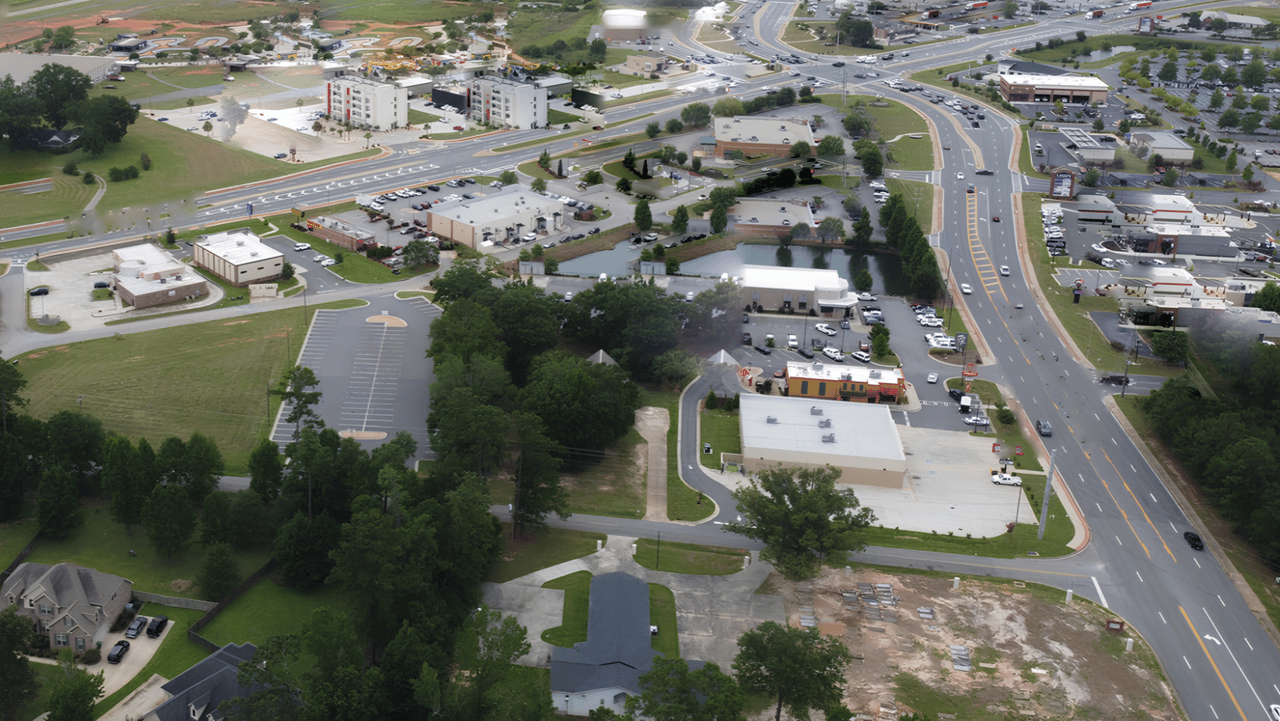
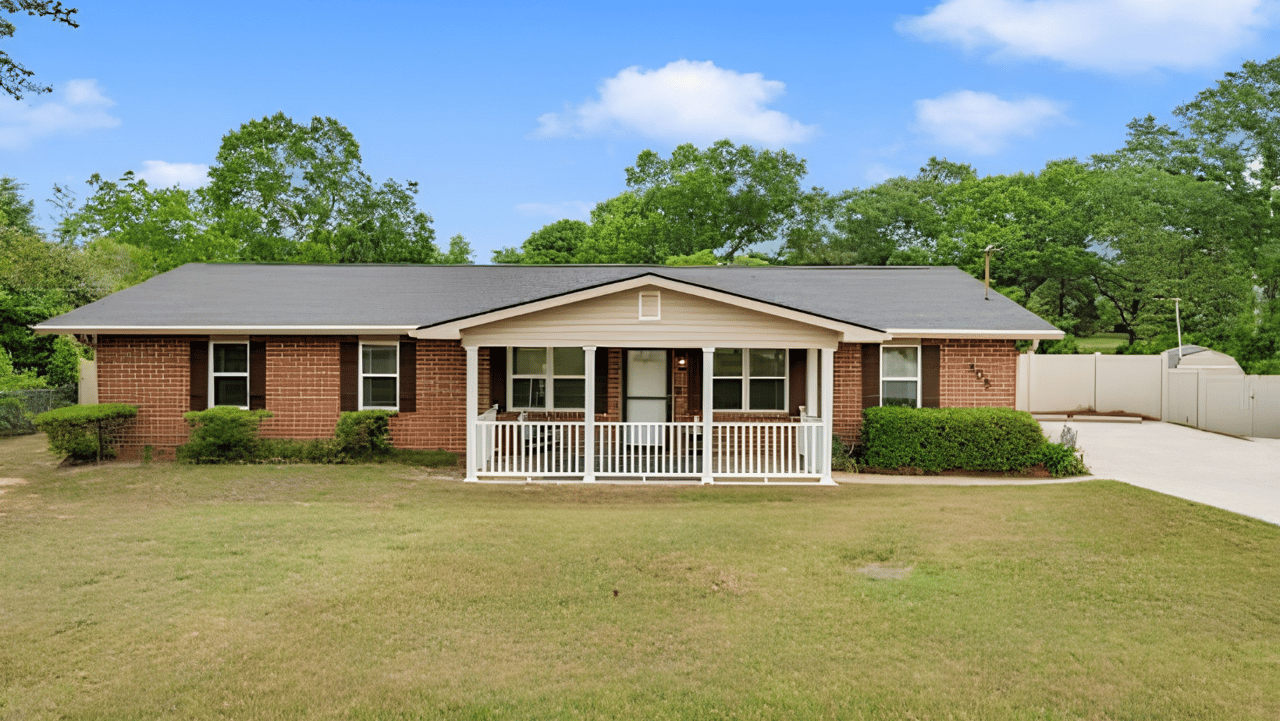
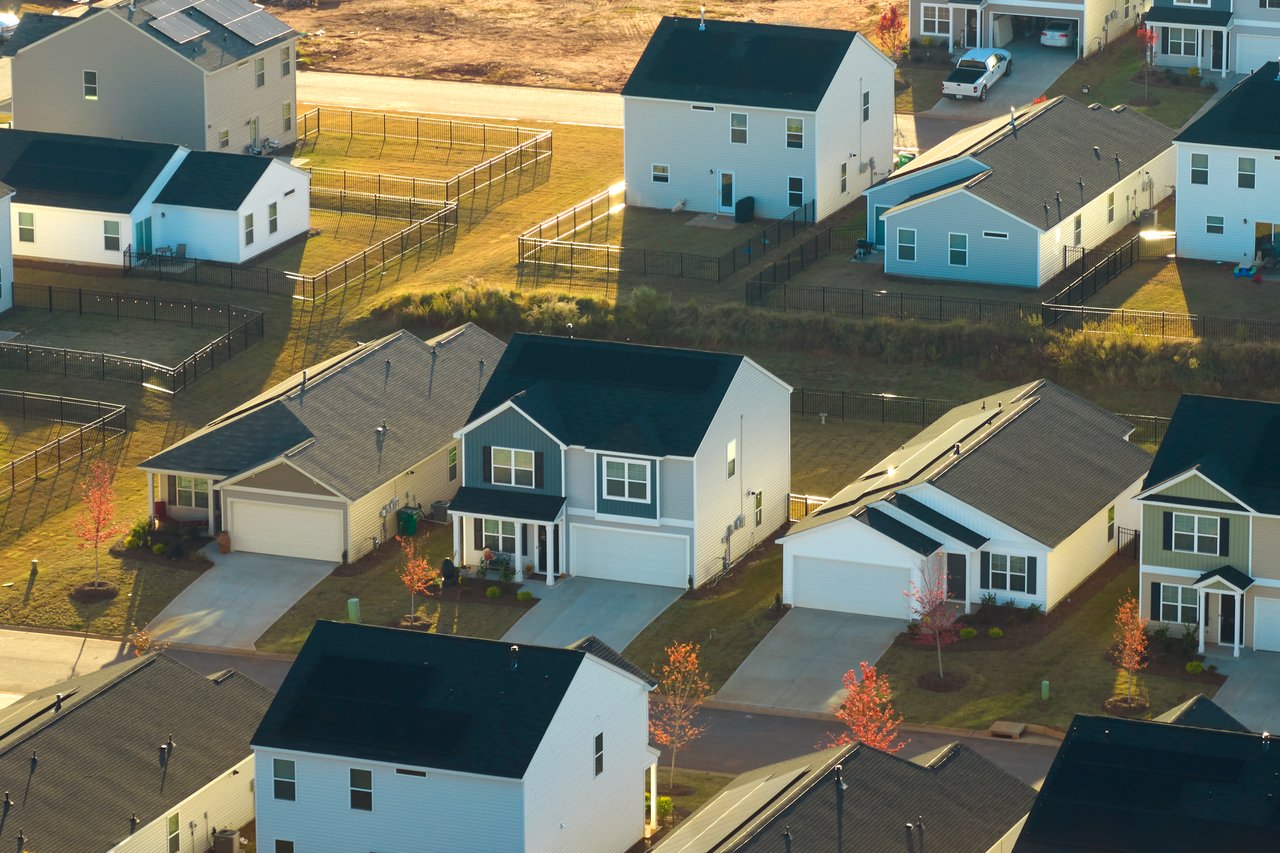
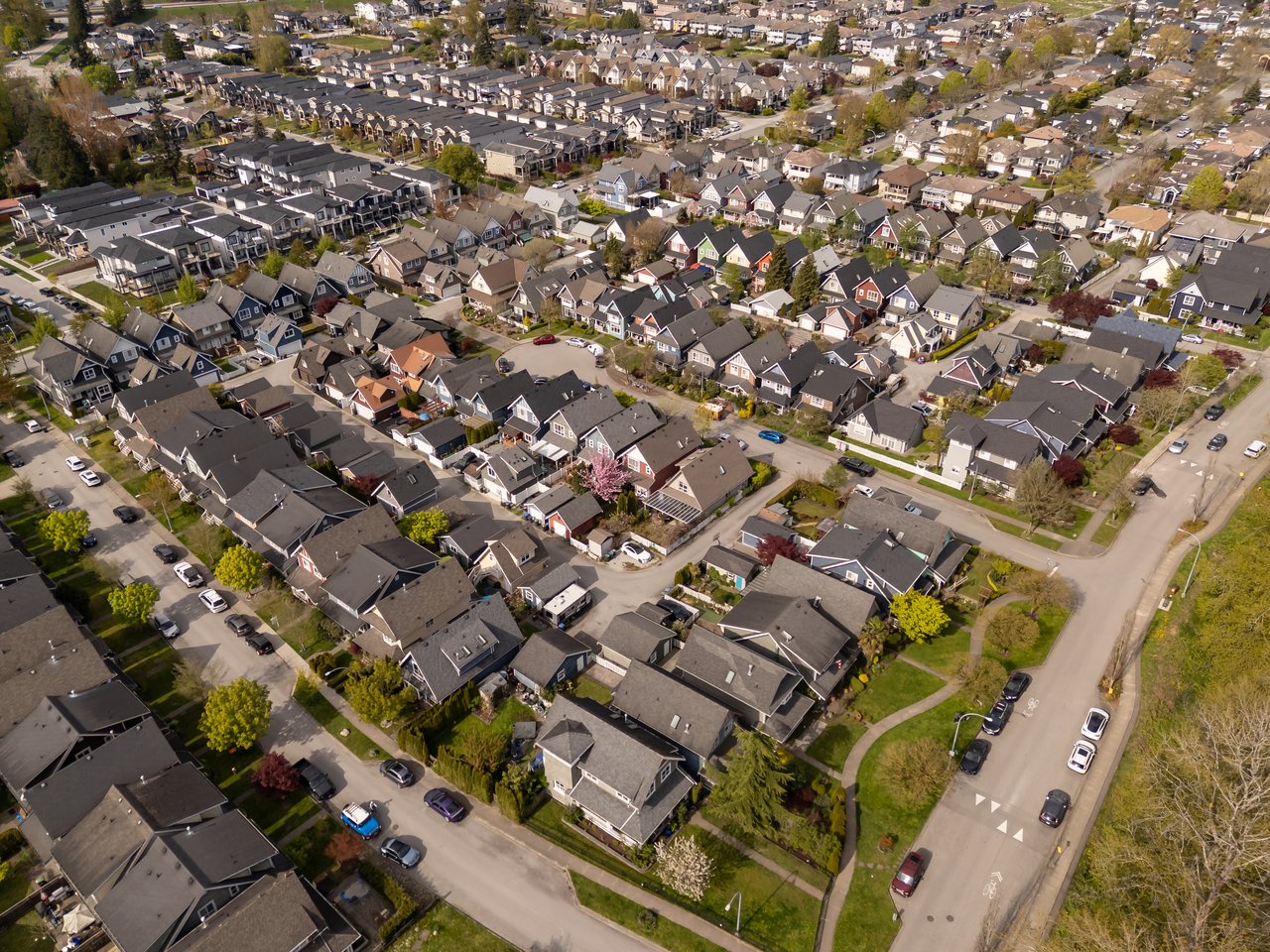
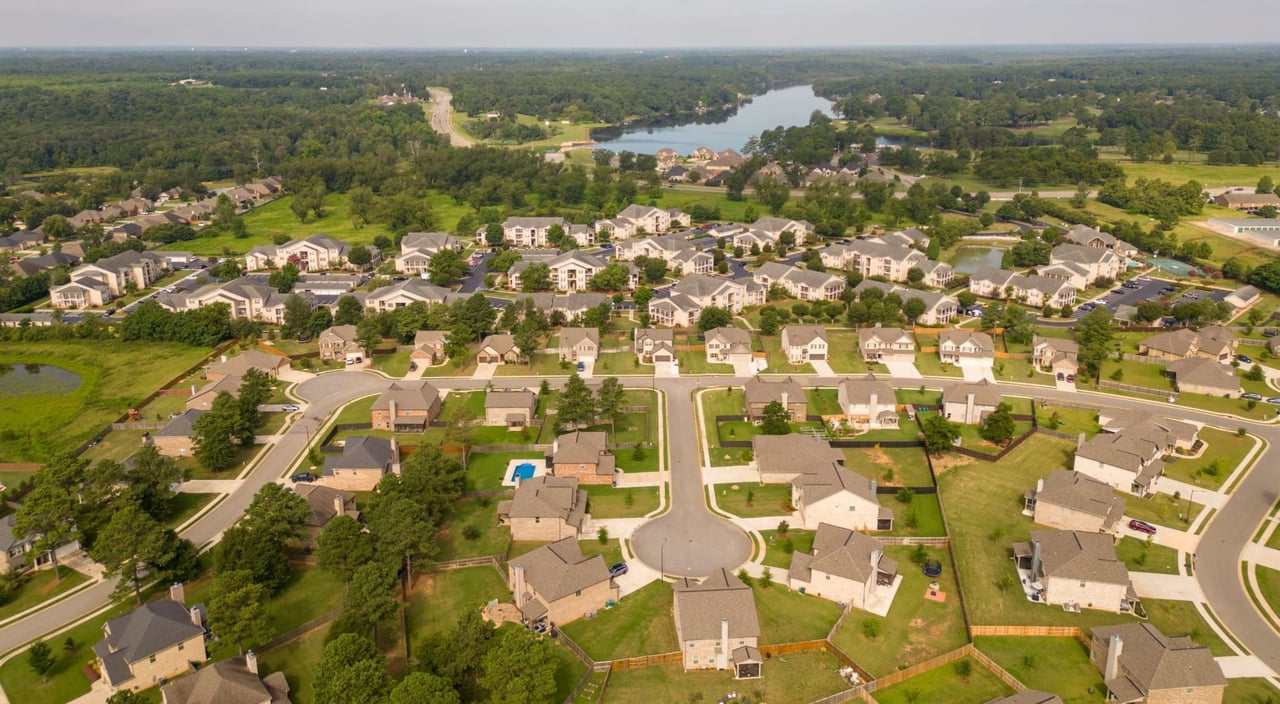
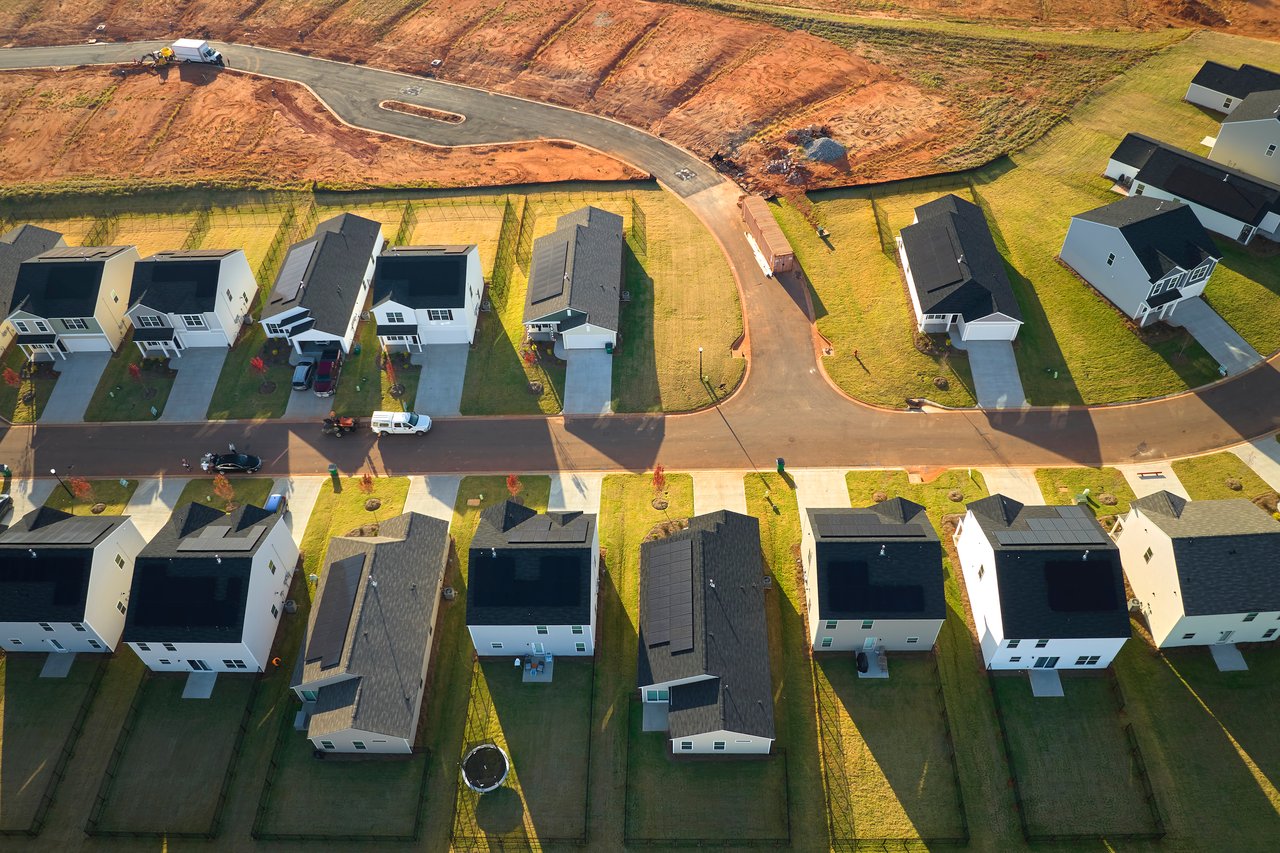
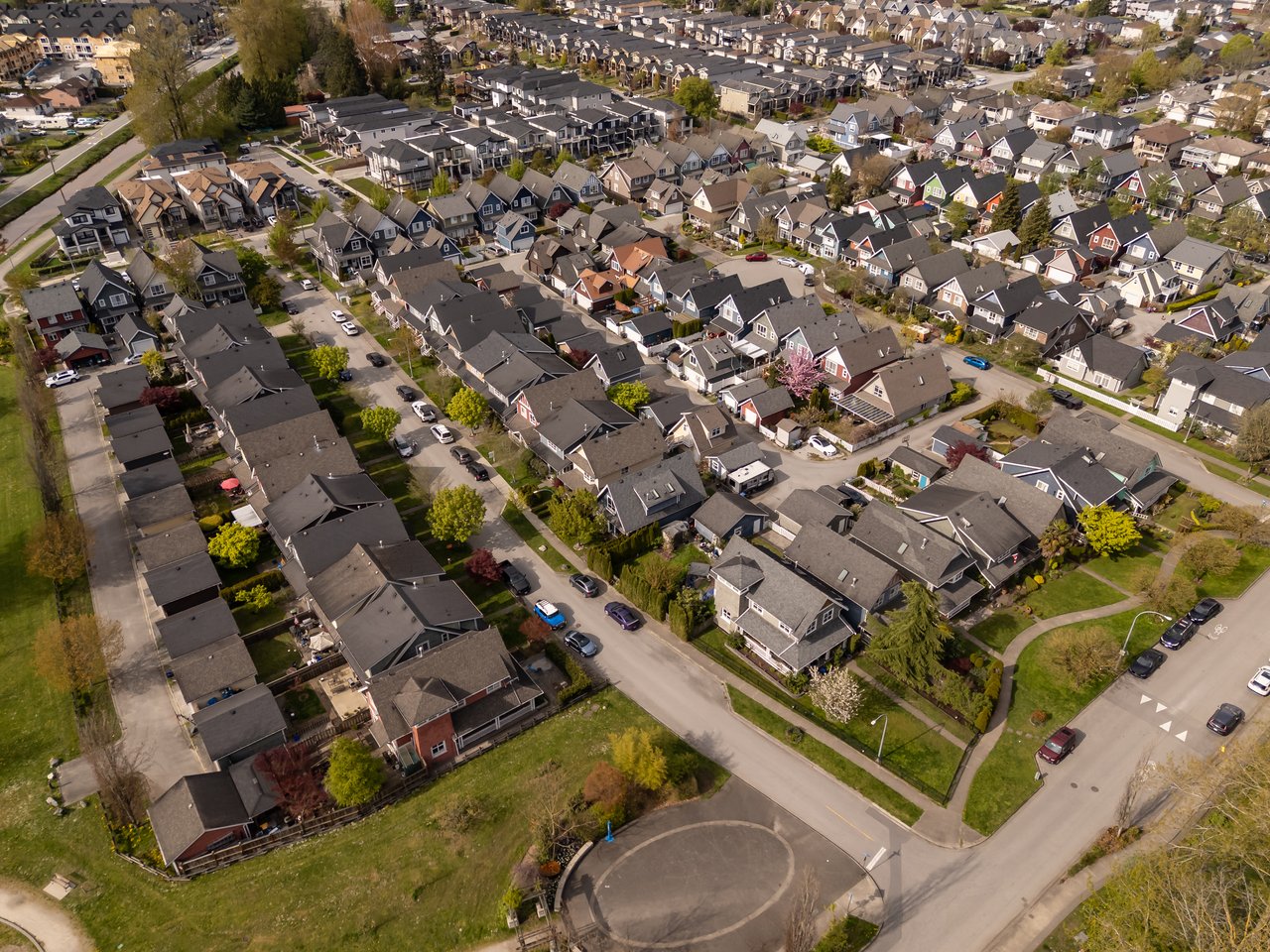
For Houston County the timing matters. Large parts of Bonaire, Kathleen and south Warner Robins were built in waves, with whole subdivisions going up within a few years of each other, which means their roofs reach the age where insurers look hard at them within a few years of each other too. A non-renewal notice that arrives while a house in Perry or Centerville is under contract can stall a closing, because the buyer's lender will not fund without proof of insurance. HB 1344 does not stop an insurer from acting on a roof it considers a risk. It changes what the insurer owes the homeowner before it does.
This guide covers what the law requires of insurers and when, how the 60-day cure period works, who qualifies for the new Georgia Storm Damage Mitigation Program and how much it pays, the catastrophe claim timelines, and what sellers and buyers in Houston County should do between now and January.
What HB 1344 Requires When an Insurer Acts on Aerial Images
Requirement | What the insurer must do | Where in the law |
The images | Provide copies of, or instructions for accessing, the date-stamped aerial or satellite images used, taken within 12 months of the decision | New Code Section 33-9-45 |
The repair standard | Describe the steps the owner can take to reverse the decision, including the specific repair standards | 33-9-45 |
A contact | Name a point of contact and a process for the owner to submit proof of completed work | 33-9-45 |
Time to cure | Allow a minimum of 60 days from when the insurer identified the condition; the period may run past the normal non-renewal notice period | 33-9-45 |
An appeal | Provide a process to correct errors or misunderstandings | 33-9-45 |
After the fix | Offer renewal or rescind the decision once the owner proves the condition is cured; the insurer may inspect the repair | 33-9-45 |
Who it covers | Admitted insurers and the FAIR Plan, on owner-occupied homes; moving a policy to a non-admitted carrier or the FAIR Plan is not itself an adverse decision | 33-9-45 |
Effective | Policies executed, delivered, issued for delivery or renewed on or after January 1, 2027 | Section 16-1 |
How the 60-Day Cure Period Works
The sequence under the new law runs in 4 steps. The insurer identifies a condition in an aerial or satellite image and decides to cancel or non-renew. It notifies the owner with the images, the repair standard, a contact and the appeal process. The owner has at least 60 days from the date the insurer identified the condition to complete the repair and submit proof through the process the insurer named. The insurer may send someone to inspect, and once the condition is shown to be cured, it must offer to renew the policy or rescind the cancellation.
Two details in the text are easy to miss. The 60 days run from identification, not from the date the owner opens the letter, so an owner who receives notice late in the window has less working time than the number suggests. And the images must be dated within 12 months of the decision, which gives an owner who replaced a roof last spring a direct answer to a photo taken the previous fall.
The law also sets the standard for the owner's response. Photos of the completed work must match or exceed the resolution of the insurer's images unless the Commissioner's rules say otherwise, which in practice means a contractor's completion photos and invoice, not a phone picture from the driveway.
The Georgia Storm Damage Mitigation Program
Part IX of the bill creates a grant program for storm hardening, administered by the Insurance Commissioner, who may appoint a program administrator. It is modeled on the kind of program that pays homeowners to bring a roof up to a named wind standard rather than simply replacing shingles, and the standards it names are the Georgia Strong Home retrofit guidelines and the Institute for Business and Home Safety Fortified Roof retrofit guidelines.
Award | Maximum | Standard |
Resilient roof award | Up to $6,000 matching or $7,500 non-matching | Georgia Strong Home or IBHS Fortified Roof retrofit guidelines |
Roof or window and opening sustainable award | Up to $4,000 matching or $5,000 non-matching | Georgia Strong Home opening protection guidelines |
Shutter and barrier award | Up to $4,000 | Opening protection |
Local government and nonprofit grants | Up to $25,000 per entity per fiscal year, $200,000 total | Program rules |
To qualify, the home must be a single-family dwelling, site-built, manufactured or modular, that the applicant owns and occupies as a legal residence, with a current homeowners or dwelling policy carrying coverage at least equal to fair market value, and it must pass a wind certification and mitigation inspection under the program's rules. Eligible work includes roof covering, roof deck attachment, secondary water barriers, gable bracing, tie-downs, exterior and garage doors, window and opening protection, and piers and anchors for manufactured homes. The non-matching award scales with project cost and household income: an applicant at or below the county median income may receive the maximum, and an applicant above it may receive a lower amount. The bill does not publish the formula.
The limits matter as much as the amounts. The program exists only subject to sufficient funds provided through annual legislative appropriations, so it needs a line in the state budget before any homeowner receives a check. The funding sources named are FAIR Plan premium taxes and one tenth of 1 percent of state insurance premium taxes, along with any federal, private or donated money. There is no start date, no application process yet, and no deadline for the Commissioner to adopt rules. Up to 10 percent of completed projects may be reinspected, and the program creates no entitlement.
Claim Deadlines After a Declared Disaster
The bill adds Code Section 33-3-28.1, which lets the Insurance Commissioner issue a directive after a disaster or emergency declared by the President or the Governor. When a directive is in effect, insurers handling claims from that event must meet the timelines below. Without a directive, the ordinary claim-handling rules apply.
Step | Deadline under a directive |
Acknowledge the claim and provide forms and instructions | Within 15 calendar days (payment within 15 days also satisfies this) |
Decide liability on a completed proof of loss | Within 15 calendar days for motor vehicle policies, 60 calendar days for other property policies; if no proof of loss is required, start the investigation within 30 days |
Pay an accepted, undisputed amount | Within 10 calendar days after coverage is accepted and the amount is determined |
Notify the claimant if more time is needed | Within 5 business days after the deadline passes, with the reason and an estimated timeline |
Overall cap | 60 days from notice, unless the insurer documents that the insured failed to provide requested information |
Filing deadline | The Commissioner may extend the deadline for filing claims when qualified resources are lacking |
Which Houston County Homes This Reaches
HB 1344 is state law, so it applies to an owner-occupied home in Warner Robins, Perry, Bonaire, Kathleen or Centerville the same way, and to neighboring Byron in Peach County. Where it bites hardest is a function of roof age and how insurers use imagery. Subdivisions in Bonaire and Kathleen that were built out within a few years of each other carry roofs of similar age across whole streets, and older housing inside Warner Robins has been through more than one roof cycle. Perry carries a mix of older homes near downtown, established subdivisions and new construction with roofs that are not an issue yet, and Centerville sits closer to the Warner Robins pattern.
None of that means a non-renewal is coming for any particular street. It means that when one arrives, the homeowner who knows the law can respond in the window the law provides, and the seller who checks the roof before listing is not learning about it from the buyer's insurance agent 3 weeks before closing.
What Happens If My Insurer Non-Renews My Policy While My House Is Under Contract?
From January 1, 2027, a non-renewal based on aerial or satellite images must arrive with the images, the repair standard, a contact and at least 60 days to cure, and a repaired condition must be followed by a renewal offer. Before that date, an insurer's existing notice obligations apply, and the homeowner's options are to repair and ask the carrier to reconsider, to shop the policy, or to place coverage through the FAIR Plan or a non-admitted carrier. A buyer's lender requires proof of insurance to fund the loan, so a seller whose coverage lapses during the contract period has a closing problem, not only an insurance problem.
What I tell sellers in Houston County is to find out what the insurer thinks of the roof before the house goes on the market. A pre-listing roof inspection costs a fraction of a contract that falls apart, and it produces one of 2 outcomes: a clean report that goes in the listing folder, or a repair estimate that gets handled or priced in before a buyer ever sees it. If a non-renewal notice has already been issued, keep the letter and the images, because under the new law those documents define exactly what has to be fixed, and the buyer's insurance agent will want to see that the condition was cured rather than argued about.
Can I Get Homeowners Insurance on a House With an Older Roof in Houston County?
Whether a carrier will write a policy on a home with an older roof depends on that carrier's underwriting, and the answer can differ from one company to the next for the same house. The 60-day cure period in HB 1344 belongs to the policyholder whose policy is being cancelled or non-renewed, which during a sale is the seller. A buyer binding a new policy is a new application, and the insurer's decision on that application is not a cancellation or non-renewal. The practical protection for a buyer is to obtain an insurance quote during the due diligence period, before the inspection contingency expires.
My advice to buyers is to treat the insurance quote as part of the inspection, not something that happens the week of closing. Ask the seller whether any carrier has issued a non-renewal, inspection request or roof letter on the house in the last 12 months, since those are exactly the images an insurer can use. If the roof is near the end of its life, the conversation about who pays for it belongs in the contract negotiation, and once the state grant program is funded, a storm-rated replacement may be partly paid for by the program rather than entirely by the buyer or seller.
Frequently Asked Questions
When does Georgia HB 1344 take effect?
HB 1344 becomes effective on January 1, 2027. Its insurance provisions apply to policies executed, delivered, issued for delivery or renewed in Georgia on or after that date, which means a Houston County policy that renews in the spring of 2027 is covered while one that renewed in late 2026 is not until its next renewal. The limit on lawsuit deadlines in property policies applies to policies issued or renewed on and after July 1, 2027. The grant program has no fixed start date and depends on legislative funding.
Does HB 1344 stop my insurance company from dropping me because of my roof?
No. The law does not prohibit an insurer from cancelling or non-renewing a policy over roof condition. It regulates how the insurer must do it when the decision is based on aerial or satellite images of an owner-occupied home. The insurer must share the images, state the repairs that would reverse the decision, provide a contact and an appeal, and allow at least 60 days to cure, and it must offer renewal once the condition is fixed. A homeowner in Warner Robins or Bonaire who does not make the repair within the window can still lose the policy.
What does my insurer have to give me if it uses satellite photos to non-renew my policy?
Under new Code Section 33-9-45, the insurer must provide copies of, or instructions for accessing, the date-stamped images it relied on, and those images must have been taken within 12 months of the decision. It must also describe the steps the owner can take to reverse the decision, including the specific repair standards, name a point of contact and a process for submitting proof of completed work, and provide an appeal process to correct errors or misunderstandings.
How long do I have to fix my roof under HB 1344?
The insurer must allow a minimum of 60 days to cure the condition underlying the adverse underwriting decision. The period runs from the time the insurer identifies the condition, and the law states it can exceed the normal non-renewal notice period. The insurer may inspect the repair before offering renewal. Because the clock starts at identification rather than at receipt of the notice, a Houston County homeowner should start the repair as soon as the letter arrives.
What if the photo my insurer used is wrong or out of date?
The law requires an appeal process to correct errors or misunderstandings, and it requires that the images be dated within 12 months of the decision. An owner who replaced the roof after the image was taken can submit proof of the completed work through the process the insurer names. Submitted photos must be of equal or greater resolution than the insurer's images unless the Commissioner's rules provide otherwise, so contractor completion photos and the invoice are the strongest response.
Does HB 1344 apply to a rental house or second home?
The aerial imagery section applies to admitted insurers that cancel or non-renew owner-occupied homes, and it applies to FAIR Plan residential policies. A rental property in Perry or a second home in Kathleen that is not owner-occupied falls outside that section as written. Placing a policy with a non-admitted insurer or with the FAIR Plan is not treated as an adverse underwriting decision under the section, so a move to the FAIR Plan does not by itself trigger the 60-day cure requirement.
How much is the Georgia Storm Damage Mitigation Program grant?
The resilient roof award is up to $6,000 for a matching grant or $7,500 for a non-matching grant, for a roof built to the Georgia Strong Home or IBHS Fortified Roof retrofit guidelines. The roof or window and opening sustainable award is up to $4,000 matching or $5,000 non-matching, and the shutter and barrier award is up to $4,000. Non-matching amounts depend on project cost and household income relative to the county median; applicants at or below the median may qualify for the maximum.
Who qualifies for the Georgia storm roof grant?
The home must be a single-family dwelling, site-built, manufactured or modular, owned and occupied by the applicant as a legal residence, with a current homeowners or dwelling policy providing coverage at least equal to fair market value. The home must pass a wind certification and hurricane mitigation inspection under the program's rules before a grant is awarded. The bill does not limit the program to coastal counties, so a home in Houston County or neighboring Byron is eligible on the same terms as a home on the coast.
Is the Georgia storm grant available now?
Not as of this writing. HB 1344 creates the program subject to sufficient funds provided through annual legislative appropriations, names the funding sources, and directs the Commissioner to adopt rules, but it sets no start date and no application process. Until the legislature funds it and the Commissioner opens applications, there is no grant to apply for. Houston County homeowners planning a roof replacement should check the Office of the Insurance and Safety Fire Commissioner for program status before assuming a grant will cover part of the cost.
What are the new insurance claim deadlines after a hurricane or tornado in Georgia?
When the Commissioner issues a directive after a disaster declared by the President or the Governor, insurers must acknowledge a claim within 15 calendar days, decide liability within 15 days of a completed proof of loss for vehicle policies or 60 days for other property policies, pay accepted and undisputed amounts within 10 calendar days, and notify the claimant within 5 business days if a deadline will be missed. The overall cap is 60 days from notice unless the insured failed to provide requested information. These deadlines apply only while a directive is in effect.
How long do I have to sue my insurance company over a property claim in Georgia?
For property policies issued or renewed on or after July 1, 2027, HB 1344 bars a policy from requiring that a suit be filed less than 2 years from the date of loss, with exceptions for liability and workers' compensation coverage. Policies issued before that date are governed by their existing terms. Questions about a specific claim deadline belong with an attorney, because the policy language and the date of loss control.
Does HB 1344 apply in Byron and Peach County the same way it does in Houston County?
Yes. HB 1344 is state law and applies to policies issued or renewed in Georgia regardless of county, so a homeowner in neighboring Byron in Peach County has the same rights to the images, the repair standard and the 60-day cure as a homeowner in Warner Robins, Perry, Bonaire, Kathleen or Centerville. Local building permit requirements for a roof replacement are set by the county or city, so the permit process differs by address even though the insurance rules do not.
Sources: Georgia House Bill 1344, signed 2026, enrolled text at gov.georgia.gov (new Code Sections 33-9-45, 33-3-28.1, 33-24-59.37, and Chapter 32 of Title 33 creating the Georgia Storm Damage Mitigation Program). This post summarizes the bill as signed; implementing rules from the Office of the Insurance and Safety Fire Commissioner may add detail.
About the Author
William Walton-Dean is a licensed REALTOR® with Walton Dean Realty, operating under Real Broker LLC, serving buyers and sellers across Houston County, Georgia, including Perry, Warner Robins, Bonaire, Kathleen, Byron, and the surrounding Middle Georgia housing market. He brings a data-driven, hyper-local approach to both residential and commercial transactions, working with first-time buyers, move-up sellers, investors, and families relocating to the area, including those tied to Robins Air Force Base. Drawing on a prior career as a C-level executive, he helps buyers and sellers at every price point make clear, confident decisions backed by real market insight.
📱 478-371-7069
Walton Dean Realty | Real Broker LLC
Selling a Houston County Home With an Older Roof? Let's Talk
A roof the insurer has questions about is a contract problem waiting to happen, and it is far easier to handle before the house is listed than 3 weeks before closing. I can help you find out where your roof stands, what the new law gives you if a notice arrives, and how to price and present the house so the buyer's insurance agent is not the one who finds the issue.
William Walton-Dean | Walton Dean Realty
📱 478-371-7069
A More Strategic Approach to Real Estate
Disclaimer: This article is provided for general informational purposes only and does not constitute insurance, legal, tax or financial advice. HB 1344 is summarized from the enrolled bill as signed; the codified statute, implementing rules and individual policy terms control. Insurance underwriting decisions are made by each carrier under its own guidelines. Grant availability under the Georgia Storm Damage Mitigation Program depends on legislative appropriations and program rules that had not been issued at the time of writing. Consult a licensed insurance agent or attorney about your specific policy, claim or property.