
A buyer may ask a Georgia seller to make repairs after a home inspection. The seller is under no obligation to agree. That single asymmetry explains nearly everything about how inspection negotiations work in Houston County, and it is the part most first-time buyers do not expect.
Georgia does not require a seller to repair items identified in a buyer's inspection. There is no statutory repair obligation, no list of conditions a seller must correct, and no mechanism that forces a price adjustment. What a buyer has instead is the right to terminate during the due diligence period. That right is what gives a repair request weight, and a repair request made after that window has closed carries almost none.
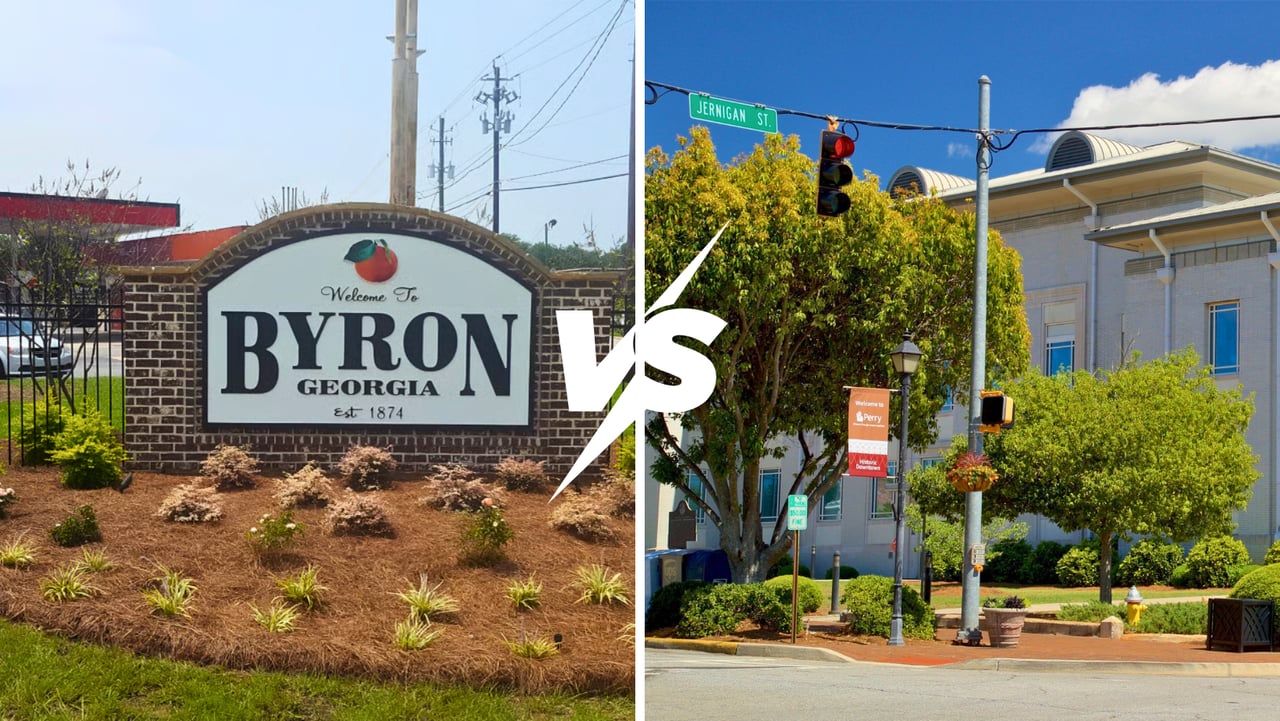
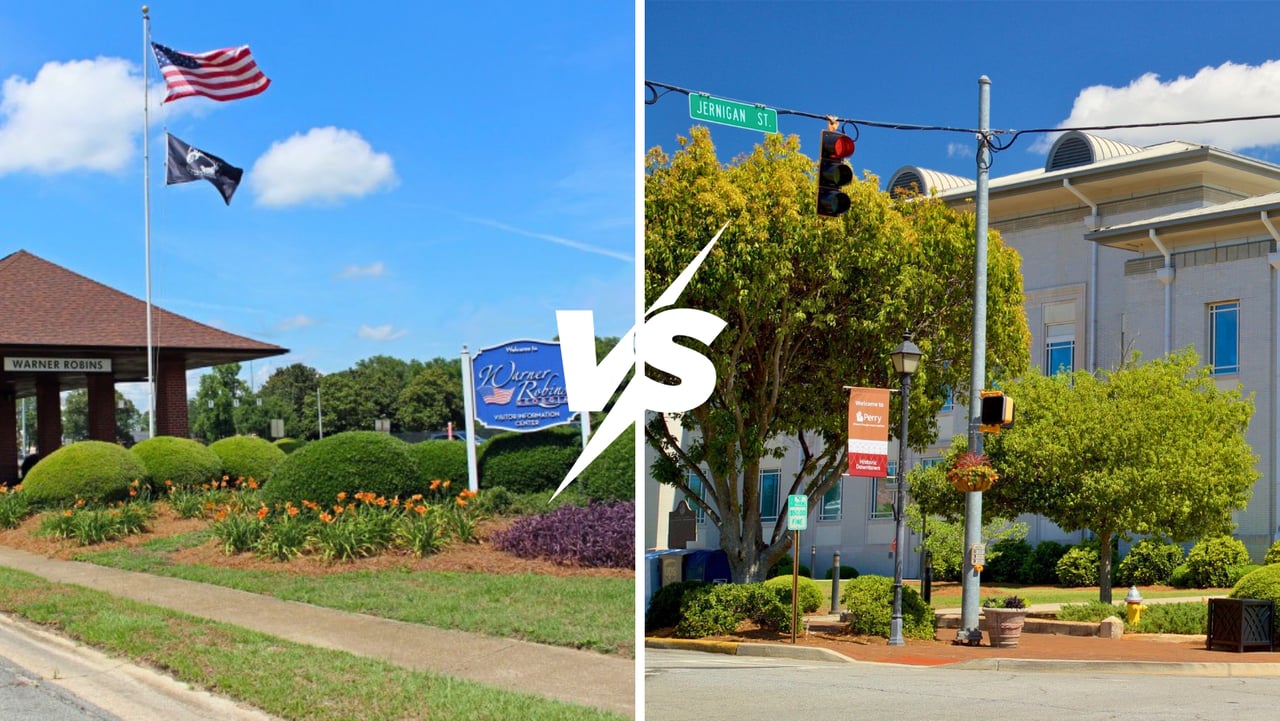
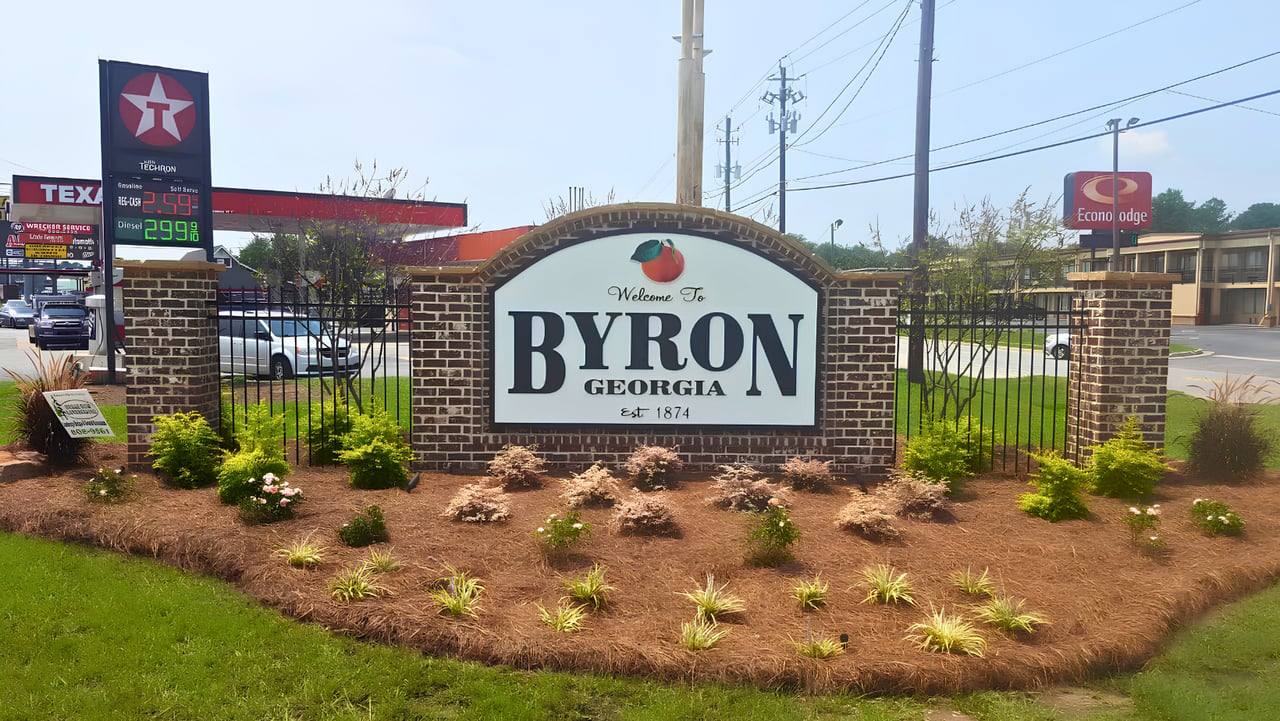
So the real question is not whether a buyer can ask. It is what to ask for, how to ask, and when. Buyers in Warner Robins, Kathleen, Perry, Bonaire and neighboring Byron who understand that sequence tend to get results. Buyers who send a twenty item list copied out of an inspection report generally do not.
Does a Seller Have to Make Repairs After a Home Inspection in Georgia?
No. Georgia imposes no obligation on a seller to repair items found during a buyer's inspection. The inspection exists to inform the buyer's decision, not to generate a work order for the seller.
This surprises buyers who have purchased in other states or who are working from advice that assumes a repair obligation. The Georgia framework is different in structure. The contract gives the buyer a window to investigate and an unconditional right to terminate within it. What happens between those two points is negotiation, and both parties are free to hold their position.
A seller can decline every request. A buyer can then proceed, renegotiate, or terminate within the window. Neither side is behaving improperly by refusing. It is worth understanding this plainly, because buyers who believe a seller is obligated tend to negotiate from indignation rather than from leverage, and that reads badly across the table.
What Are My Options After the Inspection Comes Back?
A buyer generally has four paths after receiving an inspection report: accept the property as it is, request repairs, request a financial concession such as a credit or price reduction, or terminate within the due diligence window.
Option | When It Fits | What to Watch |
Accept as-is | Minor or cosmetic findings, or a competitive situation where the buyer wants the home | Once due diligence closes, the condition is accepted |
Request repairs | Safety, system or structural items where the work must be done before closing | Seller controls the contractor and the quality of the work |
Request a credit | The buyer wants the work done to their own standard after closing | Lenders cap how large a seller credit can be |
Request a price reduction | Large items where the finding changes what the home is worth | A lower price can affect the appraisal comparison and loan sizing |
Terminate | Findings that change the decision, or a seller unwilling to address a material issue | Must be delivered in writing before the window expires |
Here is how I coach buyers through the choice.
Separate the report into three buckets before asking for anything. Safety and structural items, systems at or past end of life, and cosmetic findings. A request built from the first two buckets gets taken seriously. A request that mixes in loose cabinet hardware and a missing outlet cover tells the seller the buyer has not prioritized anything, and it invites a blanket refusal.
Ask for a credit more often than a repair. A seller who has already moved out and wants the deal closed has every incentive to hire the cheapest contractor who will do the job by Friday. A credit lets the buyer choose the contractor, verify the work and hold the warranty. The exception is any condition a lender requires corrected before closing, which has to be actually repaired.
Bring a number, not an adjective. A general inspector flags concerns and recommends further evaluation. A roofer produces a bid. A request supported by a written estimate is a negotiation. A request that says the roof looks old is an opinion, and it is easy to decline.
Decide what actually would make you walk. Before sending anything, a buyer should know which items are genuinely deal-ending and which are preferences. That clarity changes how the request is written and prevents a buyer from bluffing themselves into terminating over something they did not really care about.
What Is a Closing Credit and Why Do Lenders Limit It?
A closing credit, sometimes called a seller concession, is money the seller contributes toward the buyer's closing costs at settlement instead of performing repairs. It appears on the closing statement and reduces what the buyer brings to the table.
Lenders cap seller concessions, and the limits differ by loan program. Because of that, a credit negotiated without checking the lender's ceiling can be partially unusable, which means part of the concession simply evaporates. Before agreeing to a credit figure in a Houston County transaction, the buyer's lender should confirm how much of it the program will actually allow. This comes up frequently with VA and FHA files around Robins Air Force Base, where the concession rules differ from conventional financing.
Are There Repairs a Seller Cannot Refuse?
A seller may decline any repair the buyer requests. What a seller cannot do is decline a repair the lender requires and still expect that buyer's loan to fund.
Appraisals for government-backed loans include a property condition component. An FHA or VA appraisal can identify conditions that must be corrected before the loan will close, which functionally converts an optional repair into a requirement for that transaction. The seller retains the right to refuse, but refusing ends that financing path, and in a market like Warner Robins with substantial VA and government-backed volume, that can mean losing access to a large share of the buyer pool rather than just one buyer.
Buyers should not confuse this with general leverage. Lender-required items are usually limited to specific health, safety and habitability conditions rather than the general contents of an inspection report.
How Should a Seller Respond to a Repair Request?
A seller should evaluate a repair request against what the item would cost, what the next buyer's inspector would likely find, and what restarting the marketing process would cost in time and price.
The instinct to refuse on principle is understandable and it is usually the wrong first move. A few things I put in front of sellers.
The next buyer's inspector finds the same things. An item declined today does not disappear. It reappears in the next inspection report with a new buyer who has less invested in the transaction, and by then the home has accumulated days on market.
Counter rather than refuse outright. Agreeing to the two items that are genuinely material and declining the rest is almost always a better outcome than a flat no, and it keeps a buyer who has already spent money on inspections engaged.
Consider a pre-listing inspection next time. A seller who knows what a buyer's inspector will find can price for it deliberately instead of absorbing it as a mid-contract surprise.
A declined request is not automatically a lost deal. Plenty of buyers proceed after a seller declines. What loses deals is a slow, dismissive response that signals the seller is not engaged.
Does This Work Differently Across Houston County?
The legal framework is uniform statewide. What changes is the housing stock and the financing mix, and both shape what shows up in inspection reports.
Area | What Commonly Shapes the Inspection Negotiation |
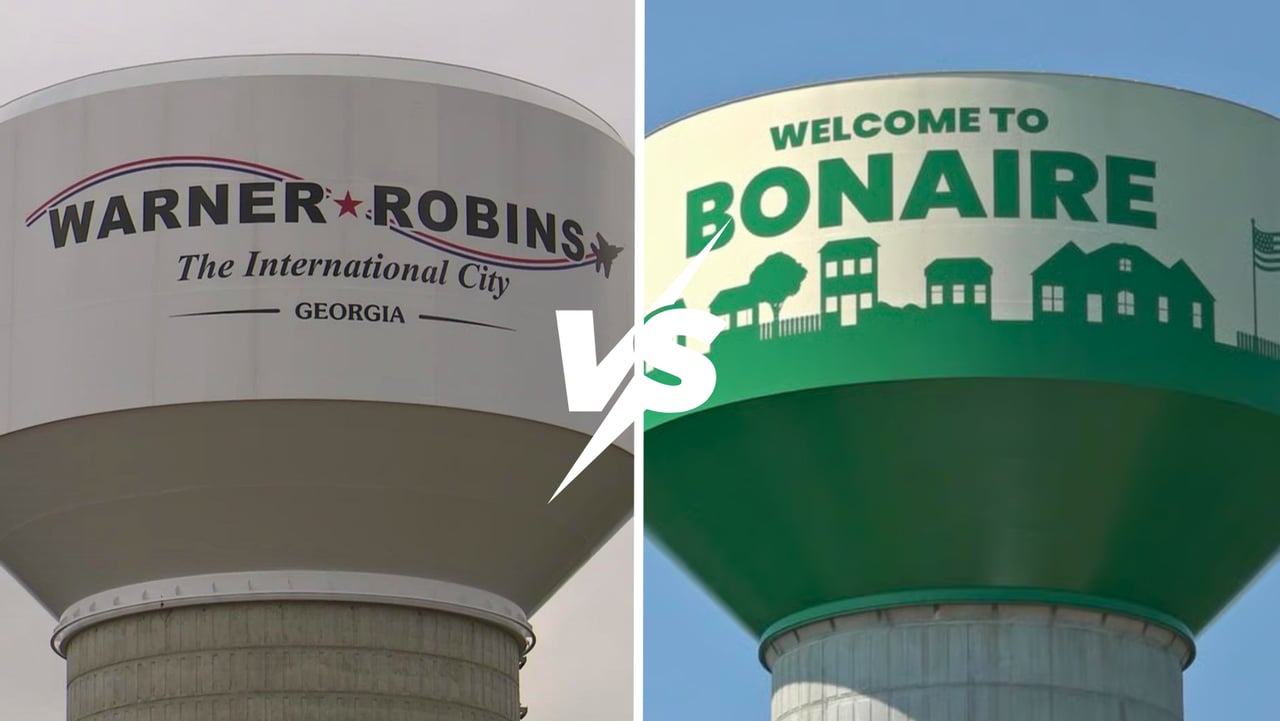
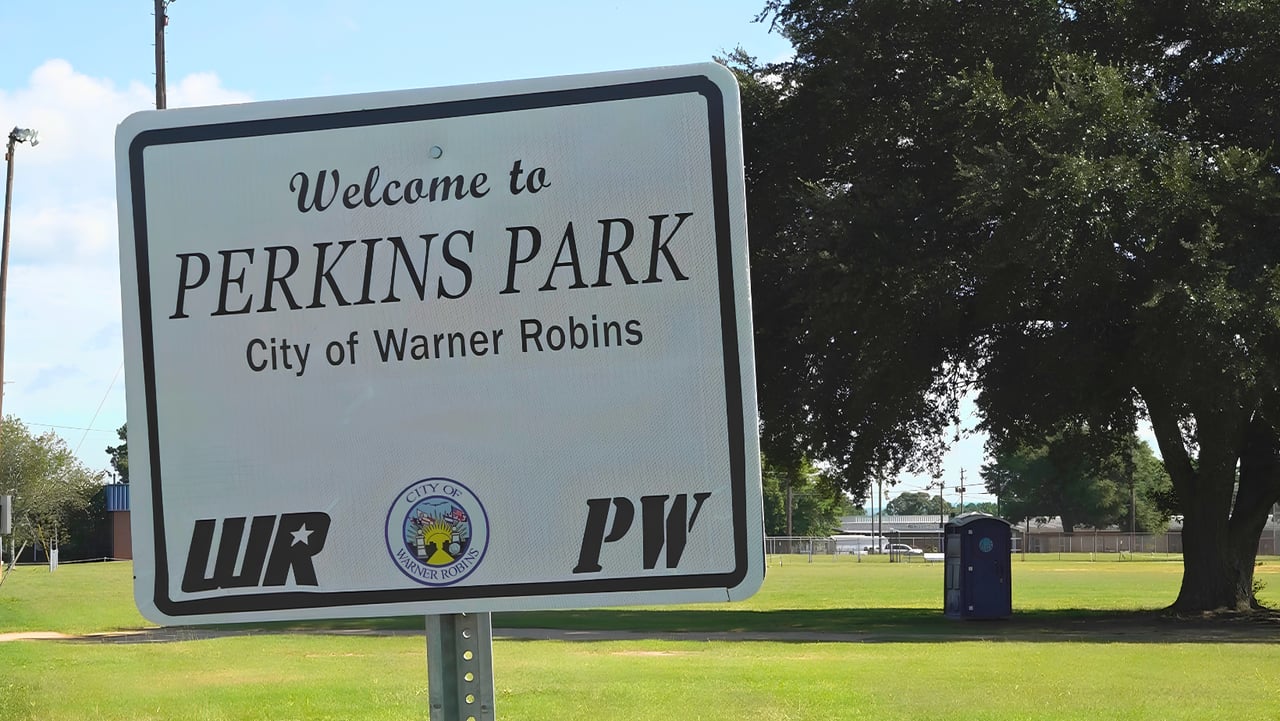
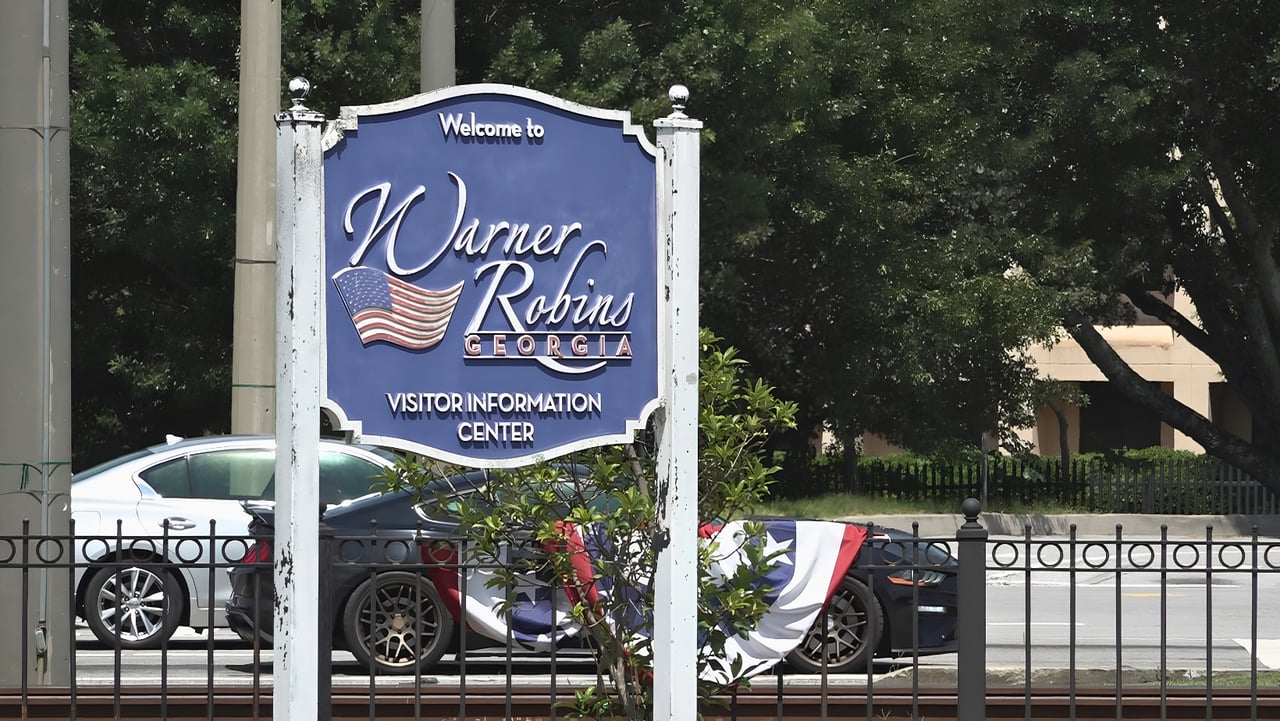
Warner Robins | The county's largest market with older established neighborhoods alongside newer ones, and heavy VA and government-backed volume where appraisal condition requirements come into play. |
Kathleen | A strong share of newer construction, where builder warranty coverage may address items a buyer would otherwise negotiate. |
Perry | The county seat, with a wider price range and more acreage. Septic, well and outbuilding findings appear more often than in subdivision transactions. |
Bonaire | Established unincorporated subdivisions where systems reaching end of life, particularly HVAC and roofing, are a recurring negotiation point. |
Byron | Neighboring Byron is in Peach County, a separate jurisdiction for taxes and schools, though Georgia inspection and repair negotiation rules are identical. |
The Bottom Line
A buyer can ask for anything. A Georgia seller can decline anything. What decides the outcome is not the length of the inspection report but the strength of the buyer's position and the quality of the request.
Prioritize ruthlessly, support the ask with a written estimate rather than an adjective, prefer a credit where the work can wait until after closing, and confirm with the lender what a credit is actually worth before agreeing to one. Then make the decision inside the due diligence window, because that window is the leverage, and it does not come back.
Frequently Asked Questions About Repair Requests in Houston County, GA
Q: Does a seller have to make repairs after a home inspection in Georgia?
A: No. Georgia does not impose a statutory obligation on a seller to repair items identified in a buyer's home inspection. Any repair, credit or price adjustment is a negotiated outcome documented through a written amendment to the contract. The seller may agree, counter or decline the request entirely. The buyer's leverage comes from the right to terminate during the due diligence period rather than from the inspection report itself.
Q: What happens if the seller refuses to fix anything in a Georgia contract?
A: If the seller declines, the buyer may proceed with the purchase as-is, continue negotiating, or terminate the contract during the due diligence window with earnest money returned. A declined repair request does not automatically end the contract, and many Houston County transactions close after a seller declines some or all of the requested items. The decision belongs to the buyer, and it has to be made and delivered in writing before the due diligence deadline passes.
Q: Should I ask for repairs or a closing credit in Georgia?
A: A closing credit is often the cleaner outcome because it lets the buyer select the contractor, verify the quality of the work and hold the warranty, rather than depending on a seller who has already moved on to hire well. Repairs make more sense when the work must be completed before closing, particularly conditions a lender requires corrected. The important caveat is that lenders cap seller concessions and the limits vary by loan program, so the buyer's lender should confirm how much of a credit the program will allow before the figure is agreed.
Q: How much of a seller credit will my lender allow in Houston County?
A: Seller concession limits are set by the loan program rather than by Georgia law, and they differ between conventional, FHA, VA and USDA financing. Because a credit negotiated above the program ceiling is partially unusable, the portion above the limit effectively disappears. Buyers using VA financing near Robins Air Force Base should confirm the applicable concession rules with their lender specifically, since those rules differ from conventional guidelines. Always verify the number with the lender before signing an amendment.
Q: Can an FHA or VA appraisal require repairs the seller must make?
A: Appraisals for government-backed loans include a property condition component, and an appraiser can identify conditions that must be corrected before the loan will fund. The seller retains the right to refuse, but refusing ends that financing path for that buyer. In a market such as Warner Robins with substantial VA and government-backed volume, declining a lender-required repair can affect access to a meaningful portion of the buyer pool rather than just one transaction. These items are generally limited to health, safety and habitability conditions.
Q: What repairs should I actually ask for after an inspection?
A: Focus on safety and structural items and on systems at or past the end of their service life, such as roofing, HVAC, electrical and plumbing concerns. Cosmetic findings and routine maintenance items weaken a request by signaling that nothing has been prioritized, which invites a blanket refusal. Support each requested item with a written contractor estimate rather than a description, because a specific number is negotiable and an adjective is easy to decline. In Houston County, systems at end of life are the most common productive category.
Q: Is it too late to ask for repairs after due diligence ends in Georgia?
A: A buyer may still ask, but the request carries very little weight because the leverage behind it is gone. Once the due diligence window closes, the buyer has accepted the property in its existing condition and no longer holds the unrestricted right to terminate with earnest money returned. A seller has little reason to agree at that stage. This is why the inspection should be scheduled at the front of the due diligence window, leaving room for specialist follow-ups and for the negotiation itself.
Q: Does buying a house as-is in Georgia mean I cannot inspect it?
A: No. An as-is designation signals that the seller does not intend to make repairs, but it does not remove the buyer's right to inspect or the buyer's due diligence protections as written in the contract. A buyer purchasing as-is should inspect at least as thoroughly, because the findings inform whether to proceed rather than what to request. The right to terminate during the due diligence window generally remains intact, and it becomes the buyer's primary protection in an as-is transaction.
Q: Can I renegotiate the price instead of asking for repairs?
A: Yes. A price reduction is one of the standard paths after an inspection and is often appropriate for large items where the finding changes what the home is worth. One consideration is that a reduced contract price changes the figure the appraisal is measured against and can affect loan sizing, so the lender should be looped in. A price reduction also permanently lowers the sale price that becomes a public comparable, which is a reason some sellers prefer to give a credit instead.
Q: Does Georgia's caveat emptor rule mean a seller can hide known defects?
A: No. Georgia follows caveat emptor as a general principle, placing much of the investigative burden on the buyer, but the rule has limits. Georgia case law imposes a duty to disclose where a seller has special knowledge of a material condition not apparent to the buyer and knows the buyer is acting under a misapprehension. Active concealment of a defect and affirmative misrepresentation can create liability. The buyer's practical protection remains the due diligence window rather than reliance on a disclosure form.
Q: What if the inspector recommends further evaluation by a specialist?
A: Treat that recommendation as a required next step rather than a formality. A general inspector identifies concerns and is not licensed to determine the scope or cost of specialized work, which is why the report defers to a roofer, HVAC contractor, electrician or structural engineer. The specialist's written estimate is what converts a vague finding into a negotiable number. Because those appointments run on the specialist's schedule, the general inspection needs to happen early in the due diligence window to leave room for them.
Q: Do newer homes in Kathleen still need an inspection?
A: Yes. Newer construction in Kathleen and elsewhere in Houston County routinely produces inspection findings, including incomplete work, drainage and grading issues, and installation defects that a builder warranty may cover. Where warranty coverage applies, the path may be a warranty claim rather than a repair request to the seller, which changes who the buyer is negotiating with. Buyers should confirm what the builder warranty covers and for how long, and should inspect before the warranty period on any component expires.
About the Author
William Walton-Dean is a licensed REALTOR® with Walton Dean Realty, operating under Real Broker LLC, serving buyers and sellers across Houston County, Georgia, including Perry, Warner Robins, Bonaire, Kathleen, Byron, and the surrounding Middle Georgia housing market. He brings a data-driven, hyper-local approach to both residential and commercial transactions, working with first-time buyers, move-up sellers, investors, and families relocating to the area, including those tied to Robins Air Force Base. Drawing on a prior career as a C-level executive, he helps buyers and sellers at every price point make clear, confident decisions backed by real market insight.
📱 478-371-7069
Walton Dean Realty | Real Broker LLC
Buying or Selling in Houston County? Let's Talk About the Inspection
Inspection negotiations in Warner Robins, Perry and Bonaire turn on what gets asked for and how it is supported, not on how long the report runs. If you are working through a report or bracing for one on your own listing, reach out.
William Walton-Dean | Walton Dean Realty
📱 478-371-7069
A More Strategic Approach to Real Estate
Disclaimer
This article is provided for general informational purposes only and does not constitute legal, financial or lending advice. Repair obligations, credits and concessions are negotiated between the parties and written into the individual contract, and lender concession limits vary by loan program and are subject to change. Georgia law and standard association forms are subject to change. Nothing in this article creates an attorney-client relationship or a brokerage relationship. For advice regarding a specific transaction, property, contract or loan, consult a licensed Georgia real estate attorney, your lender, and your licensed real estate agent.