
Large institutional investors that control 350 or more single-family homes will generally be barred from buying additional homes starting January 7, 2027, under the 21st Century ROAD to Housing Act. The U.S. Department of the Treasury released a proposed rule on October 22, 2026 that spells out who counts as a large investor and which purchases still qualify for an exception. Public comments on the proposal are due November 23, 2026.
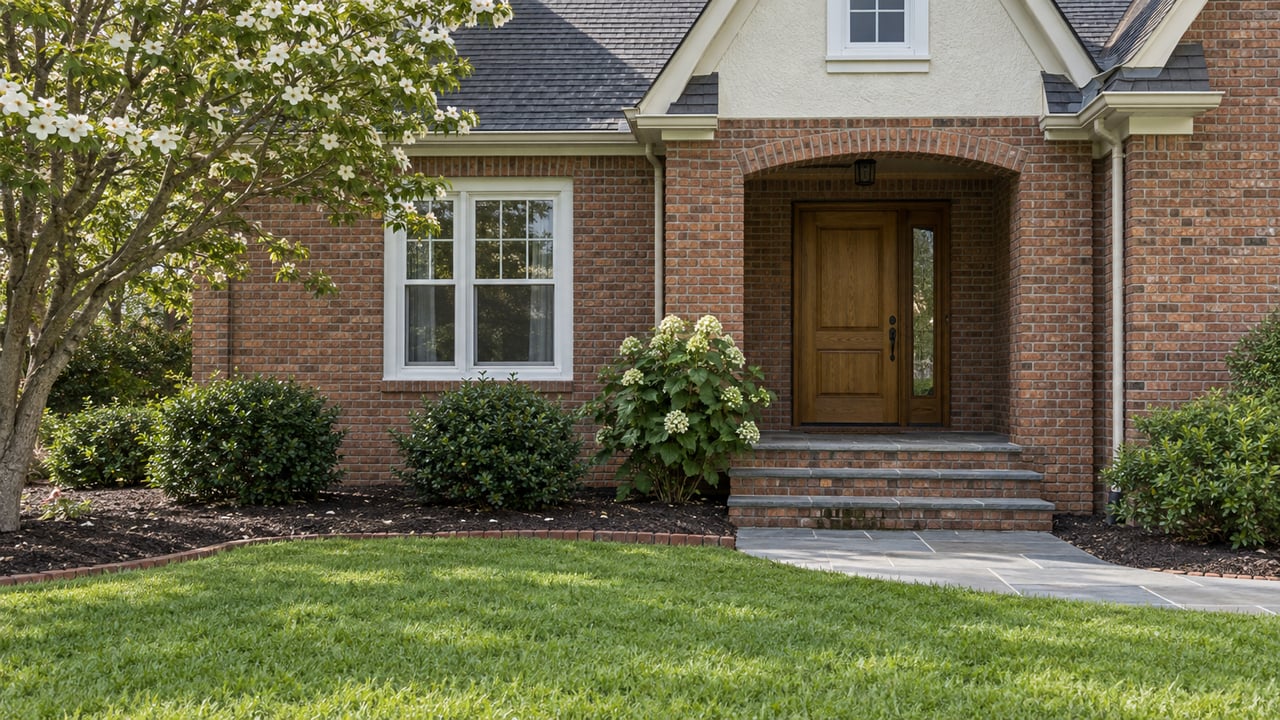
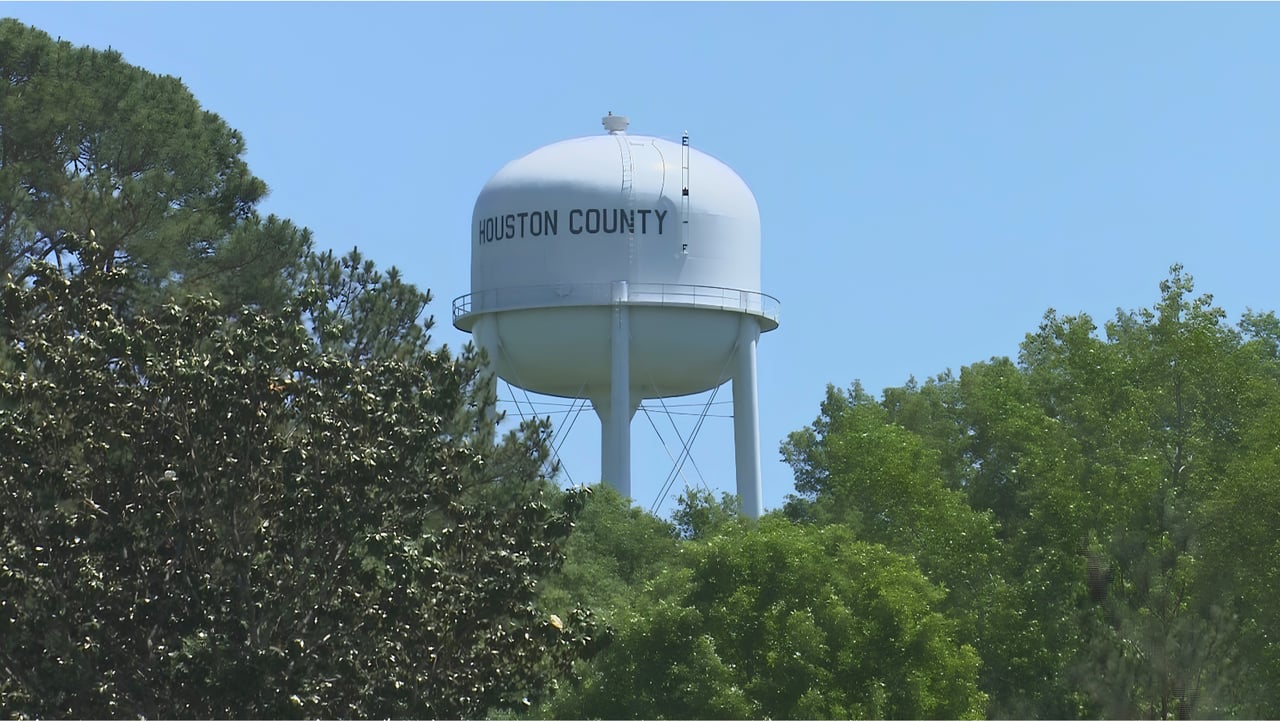
For buyers and owners in Warner Robins, Perry, Bonaire, Kathleen and Centerville, the rule matters most in the entry-level segment of the Houston County, GA market, where first-time buyers and rental operators often look at the same houses. Zillow lists the typical home value in Warner Robins at $208,504, up 2.9% over the year. The rule does not touch the individual owner who rents out one house or a handful of houses.
The federal law was enacted July 11, 2026. The Treasury proposal is not final, and the exceptions could change after the comment period closes.
Key Takeaways
• The 21st Century ROAD to Housing Act was enacted July 11, 2026, and its ban on additional purchases by large institutional investors takes effect January 7, 2027.
• Treasury's October 22, 2026 proposed rule generally defines a large institutional investor as an entity with investment control over at least 350 single-family homes.
• Proposed exceptions cover build-to-rent homes bought within 18 months of a certificate of occupancy, renovate-to-rent homes with improvements of at least 15% of the purchase price net of land value, and qualifying renter-to-buyer programs.
• The proposed maximum civil penalty is the greater of $1 million or three times the property's purchase price.
• Comments on the Treasury proposal are due November 23, 2026, and the rule is not final.
• Investors who own fewer than 350 single-family homes, including local mom-and-pop landlords, fall below the threshold.
What does the 2027 institutional investor rule actually ban?
Section 1001 of the 21st Century ROAD to Housing Act prohibits large institutional investors from buying additional single-family homes once the restriction takes effect on January 7, 2027. According to the Orrick InfoBytes summary of the Treasury proposal, a large institutional investor is generally an entity with investment control over at least 350 single-family homes, and an entity is engaged in the business of holding homes if it does so for investment gains, rental income, management fees or other financial gain.
The proposal also excludes holdings that are temporary, incidental and reasonably necessary to a different bona fide business, as long as they are not part of a continuing investment strategy. It sets out when a minority owner of a home-owning entity counts as a passive investor, which matters for how fund structures add up to the 350-home threshold.
NAR's Washington Report notes that some transactions can continue, including foreclosure-related sales and sales between large investors of homes they already owned. The limit is on adding new homes to a large portfolio, not on owning the homes a company already holds.
Key dates and numbers in the Treasury proposal
Item | Detail |
Law enacted | July 11, 2026 |
Proposed rule released | October 22, 2026 |
Comment deadline | November 23, 2026 |
Restriction takes effect | January 7, 2027 |
Size threshold | Investment control over at least 350 single-family homes |
Maximum civil penalty | Greater of $1 million or 3 times the purchase price |
The timeline is short. A proposal released in late October, with comments due in late November, leaves roughly six weeks before the January 7, 2027 start date. For Houston County owners, that means the final version of the exceptions may not be known until close to the start date. The penalty size signals that the federal government intends the threshold to be taken seriously, but the practical local effect depends on how much large investors were buying in Warner Robins, Perry and Bonaire in the first place, which public sources reviewed for this article do not quantify.
Which investor purchases are still allowed under the exceptions?
The proposed rule carves out three main paths that let a large investor keep buying in specific situations. Each one ties back to adding housing supply, improving housing quality or moving renters into ownership.
• Build-to-rent: homes that have never been occupied by an owner-occupant, bought within 18 months of a certificate of occupancy, and first occupied by renters.
• Renovate-to-rent: all material structural or core system deficiencies must be resolved, and improvements must be worth at least 15% of the purchase price, net of the land's tax-assessed value. NAR describes this as applying to homes that fail key building code standards at purchase.
• Renter-to-buyer programs: a safe harbor for meaningful financial support of 2.5% of the lower of the purchase price or the county FHA loan limit after five years of renting, or 3.5% after seven years, with required support capped at $5,000.
• Homeownership programs must give renters a right of first refusal and a 30-day first look before the home is marketed to others, and must rest on written policies adopted before the purchase.
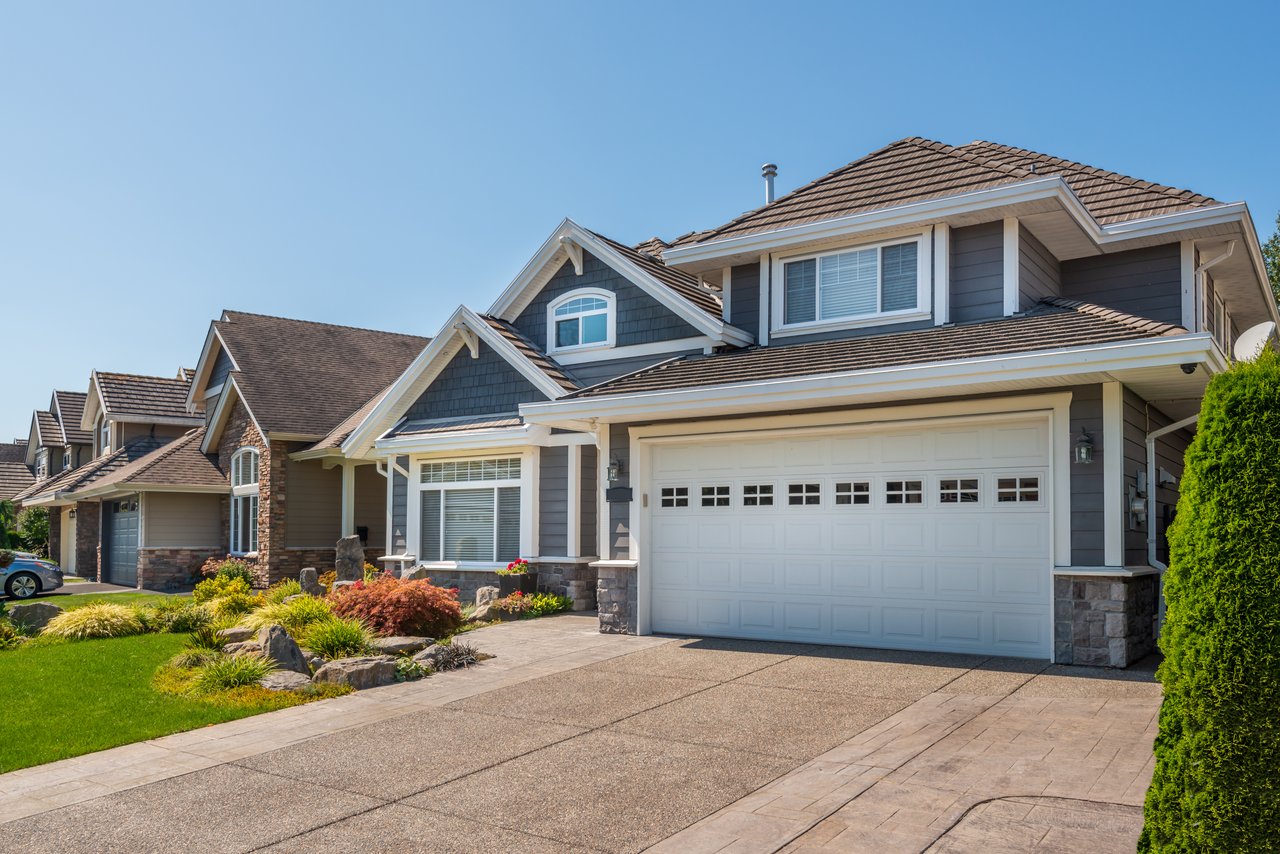
The build-to-rent exception is the one most likely to show up in Houston County, where new subdivisions continue to come online around Perry, Bonaire and Centerville. A large operator could still buy newly built homes for rent within 18 months of completion. Buyers touring new construction should know that a rental community and an owner-occupied section can sit side by side under this rule.
Does this affect local landlords in Warner Robins and Perry?
The threshold is 350 single-family homes under an entity's investment control. A Warner Robins resident who owns two rental houses, a Perry family that kept their first home as a rental, or a Centerville investor with a small portfolio is far below that line, based on the definition in the Treasury proposal.
Small landlords remain a meaningful part of how rental housing works across Houston County, serving renters who work at Robins Air Force Base, in health care, in schools and in local businesses, and who want time to learn the area before buying. Nothing in the proposal reviewed for this article restricts those owners from buying their next property.
Where local owners may see an effect is on the selling side. If large investors pull back from entry-level purchases, sellers of those homes could see a different mix of buyers, with more owner-occupants and smaller investors at the table.
Will the investor limit help first-time buyers in Houston County, GA?
The stated goal of the investor provisions is to reduce competition from large portfolios for homes that would otherwise go to individual buyers. Whether that shows up in Warner Robins depends on how active large investors have been locally, and no source reviewed for this article publishes a count of Houston County homes owned by entities above the 350-home threshold.
What can be said is where the overlap would be. Entry-level homes are the segment both first-time buyers and rental operators target. With the typical Warner Robins home value at $208,504 according to Zillow, and typical values of $230,574 in Centerville and $274,635 in Perry, much of the county's starter-home inventory sits in the price range where rental demand and first-time buyer demand meet.
A data note for readers: Zillow's Warner Robins page shows the $208,504 typical value with a label reading data through February 28, 2026, while the Perry, Centerville, Bonaire and Kathleen pages show data through September 30, 2026. Treat the Warner Robins figure as possibly older until Zillow updates the label.
Typical home values in Houston County entry-level markets
Area | Typical home value | 1-year change | Zillow data label |
Warner Robins | $208,504 | +2.9% | Data through Feb. 28, 2026 (label conflict) |
Centerville | $230,574 | +3.9% | Data through Sept. 30, 2026 |
Perry | $274,635 | +2.5% | Data through Sept. 30, 2026 |
Bonaire | $304,697 | +3.0% | Data through Sept. 30, 2026 |
Kathleen (31047) | $360,976 | +2.4% | Data through Sept. 30, 2026 |
Warner Robins and Centerville carry the lowest typical values in the county and are the two markets where a change in large-investor buying would most likely be felt first, because those homes fit both rental and first-time buyer budgets. Perry and Bonaire sit higher and include more new construction, which is where the build-to-rent exception could keep some investor activity going. These are Zillow estimates, not MLS sales data, and a federal rule is only one of many factors that move local prices.
What happens next with the Treasury rule?
Treasury will review public comments submitted by November 23, 2026 and then issue a final rule. Inman reported on October 29, 2026 that many of the ROAD to Housing Act's grant and housing programs still depend on future congressional appropriations and HUD rulemaking, so the investor limit is only one piece of a larger law that is still being implemented.
Orrick notes that future rulemaking may address enforcement. Until a final rule is published, the exact boundaries of the exceptions, including the renovation percentage and the renter-to-buyer safe harbor, could shift.
Should I sell my Warner Robins rental or starter home before the investor limit starts?
The investor limit does not restrict who can sell a home in Houston County, GA, and it does not restrict buyers who control fewer than 350 single-family homes. A seller can list and sell on any timeline.
My view is that the rule changes who shows up, not whether buyers show up. If you own an entry-level home in Warner Robins or Centerville, I would plan your pricing and preparation around owner-occupant buyers and small local investors, because that is the buyer pool this law leaves fully intact. If your home needs work, it is worth talking through whether to make repairs first or price for the condition, since the buyer mix for a dated home can look different in 2027. I can pull recent comparable sales for your street and show you exactly who has been buying nearby.
Will it be easier to buy a starter home in Warner Robins in 2027?
Starting January 7, 2027, entities controlling 350 or more single-family homes generally cannot add more homes, except through build-to-rent, renovate-to-rent and renter-to-buyer programs. That reduces one type of competition for entry-level homes in Houston County, GA.
I would not count on the rule alone to change your odds. Local buyers, relocating families and small investors will still be competing for well-priced homes in Warner Robins, Centerville and Perry. What helps most is being ready before you find the house: a full pre-approval, a clear budget that includes taxes and insurance, and a short list of neighborhoods you have already driven. If you are renting from a large operator now, ask whether they run a renter-to-buyer program, because the proposed rule gives qualifying renters a 30-day first look. I can help you sort out which neighborhoods fit your budget and how to move quickly when the right home lists.
Frequently Asked Questions
When does the institutional investor home purchase limit take effect?
The restriction on large institutional investors buying additional single-family homes takes effect January 7, 2027. It comes from section 1001 of the 21st Century ROAD to Housing Act, enacted July 11, 2026. The rule applies nationwide, including Warner Robins and the rest of Houston County, GA.
How many homes does an investor have to own to be covered by the 2027 rule?
The Treasury proposed rule generally defines a large institutional investor as an entity with investment control over at least 350 single-family homes. Investors below that threshold are not covered by the purchase ban. Most local landlords in Houston County, GA own far fewer homes than that.
Can large investors still buy new construction homes in Perry or Bonaire, GA?
Under the proposed build-to-rent exception, a large investor can buy a home that has never been owner-occupied if it is purchased within 18 months of a certificate of occupancy and first occupied by renters. That exception could apply to new subdivisions in Perry, Bonaire or Centerville. The rule is a proposal and could change before it is final.
What is the renovate-to-rent exception?
The renovate-to-rent exception lets a large investor buy a home with material structural or core system deficiencies if those problems are resolved. Improvements must be worth at least 15% of the purchase price, net of the land's tax-assessed value. A separate safe harbor applies when structural or core system improvements are at least 10% of that amount.
What is the penalty for violating the investor purchase limit?
The Treasury proposal sets a maximum civil penalty of the greater of $1 million or three times the property's purchase price. A prohibited purchase involving more than one large institutional investor counts as a single violation. Enforcement details may be addressed in future rulemaking.
What renter-to-buyer protections are in the proposed rule?
Qualifying homeownership programs must give renters a right of first refusal and a 30-day first look before the home is marketed to others. A safe harbor for meaningful financial support is 2.5% of the lower of the purchase price or the county FHA limit after five years of renting, or 3.5% after seven years. Required support is capped at $5,000.
Does the investor rule affect small landlords in Warner Robins, GA?
No, investors who control fewer than 350 single-family homes fall below the threshold in the Treasury proposal. A Warner Robins or Perry owner with a few rental houses can continue to buy and sell. The rule targets large portfolios, not individual landlords.
When are comments due on the Treasury investor rule?
Comments on the Treasury proposed rule are due November 23, 2026. Treasury released the proposal on October 22, 2026, and it was scheduled for Federal Register publication on October 23, 2026. A final rule is expected after the comment period.
Can large investors still sell homes they already own?
Yes, the law restricts additional purchases, not existing ownership. NAR reports that foreclosure-related sales and sales between large investors of homes they already owned could continue. Homes sold by large investors to individual buyers in Houston County, GA are not restricted by the rule.
What is the typical home value in Warner Robins, GA?
Zillow lists the typical home value in Warner Robins at $208,504, up 2.9% over the past year. The Zillow page labels this figure as data through February 28, 2026, while nearby Houston County pages show data through September 30, 2026. Zillow figures are estimates and are not MLS sales data.
Is the ROAD to Housing Act fully in effect?
The law was enacted in July 2026, but many parts still require rulemaking or funding. Inman reported that many of its grants and housing programs depend on future congressional appropriations and HUD rulemaking. The investor purchase limit starts January 7, 2027, with details set by the Treasury rule.
About the Author
William Walton-Dean is a licensed REALTOR® with Walton Dean Realty, operating under Real Broker LLC, serving buyers and sellers across Houston County, Georgia, including Perry, Warner Robins, Bonaire, Kathleen, Byron, and the surrounding Middle Georgia housing market. He brings a data-driven, hyper-local approach to both residential and commercial transactions, working with first-time buyers, move-up sellers, investors, and families relocating to the area, including those tied to Robins Air Force Base. Drawing on a prior career as a C-level executive, he helps buyers and sellers at every price point make clear, confident decisions backed by real market insight.
📱 478-371-7069
Walton Dean Realty | Real Broker LLC
Buying or Selling in Warner Robins? Let's Talk About What the Investor Rule Means for You
Whether you are a first-time buyer looking at starter homes or an owner deciding when to sell a rental, I can show you exactly who is buying in your part of Houston County right now. Send me a message or schedule a consultation and we will build a plan around your timeline.
William Walton-Dean | Walton Dean Realty
📱 478-371-7069
A More Strategic Approach to Real Estate
Disclaimer: This article is for general information only and is not legal or investment advice. The Treasury rule is a proposal and may change. Confirm how it applies to your situation with a qualified attorney or tax professional.