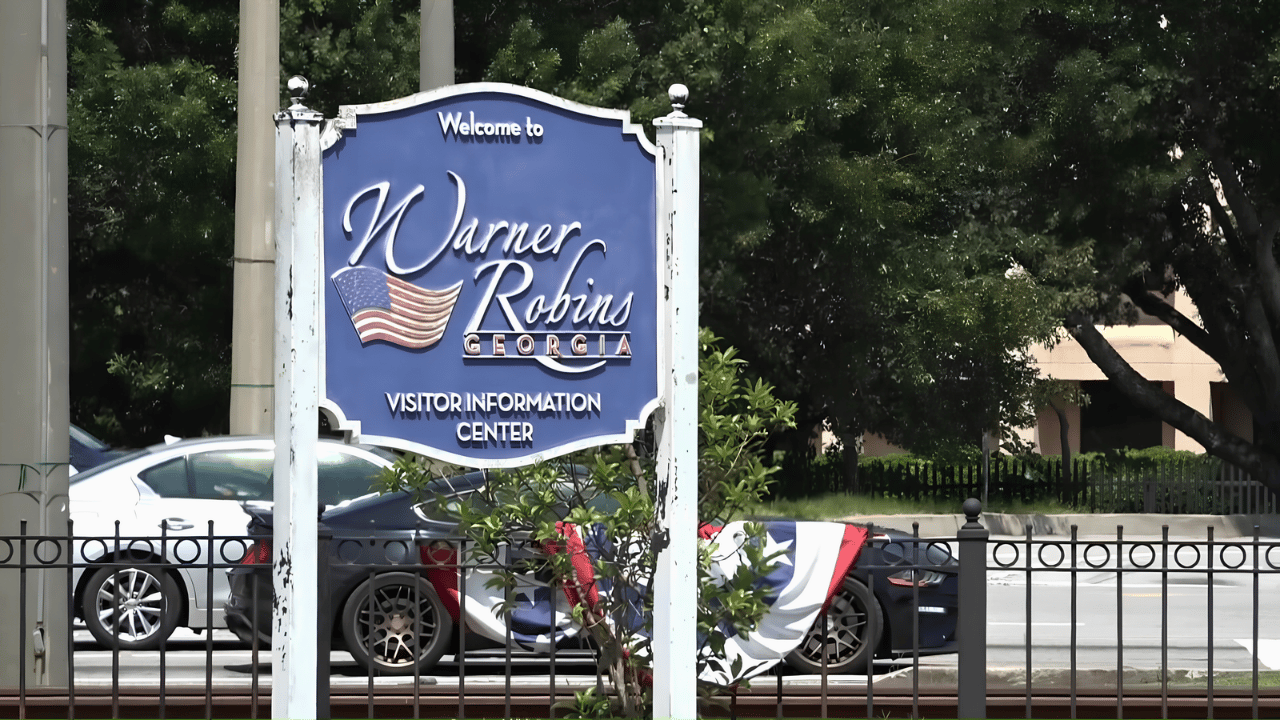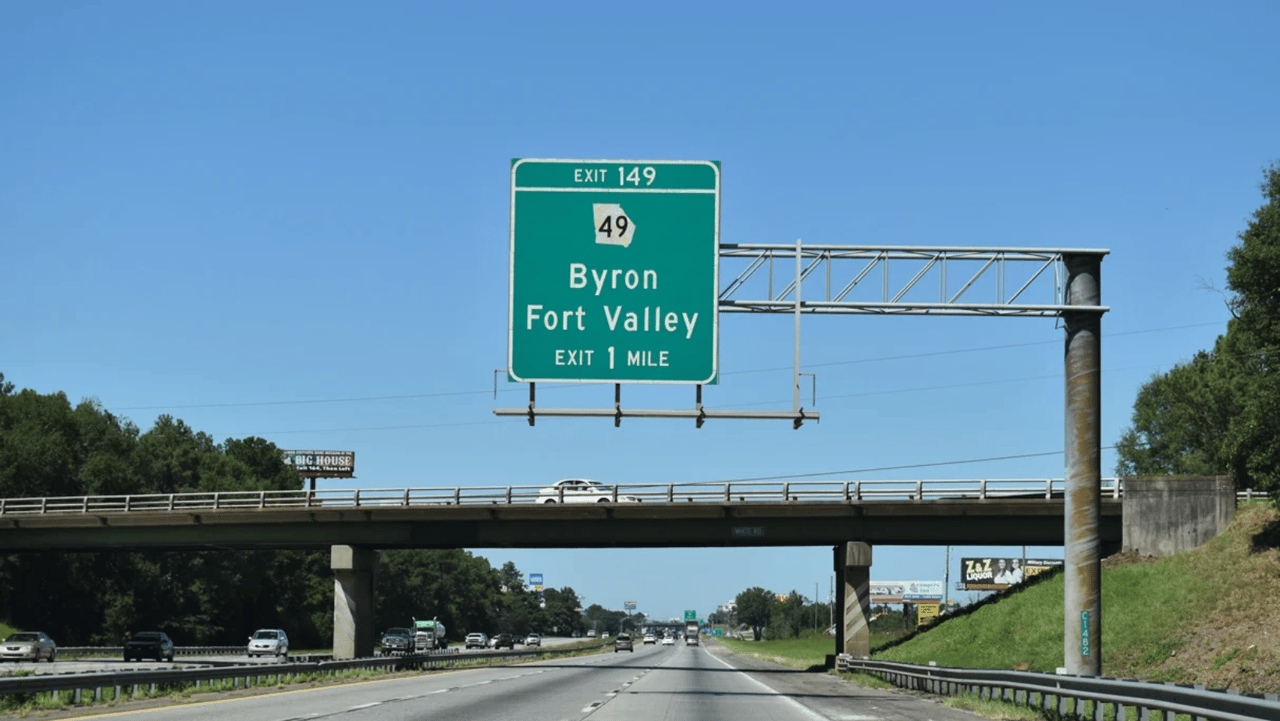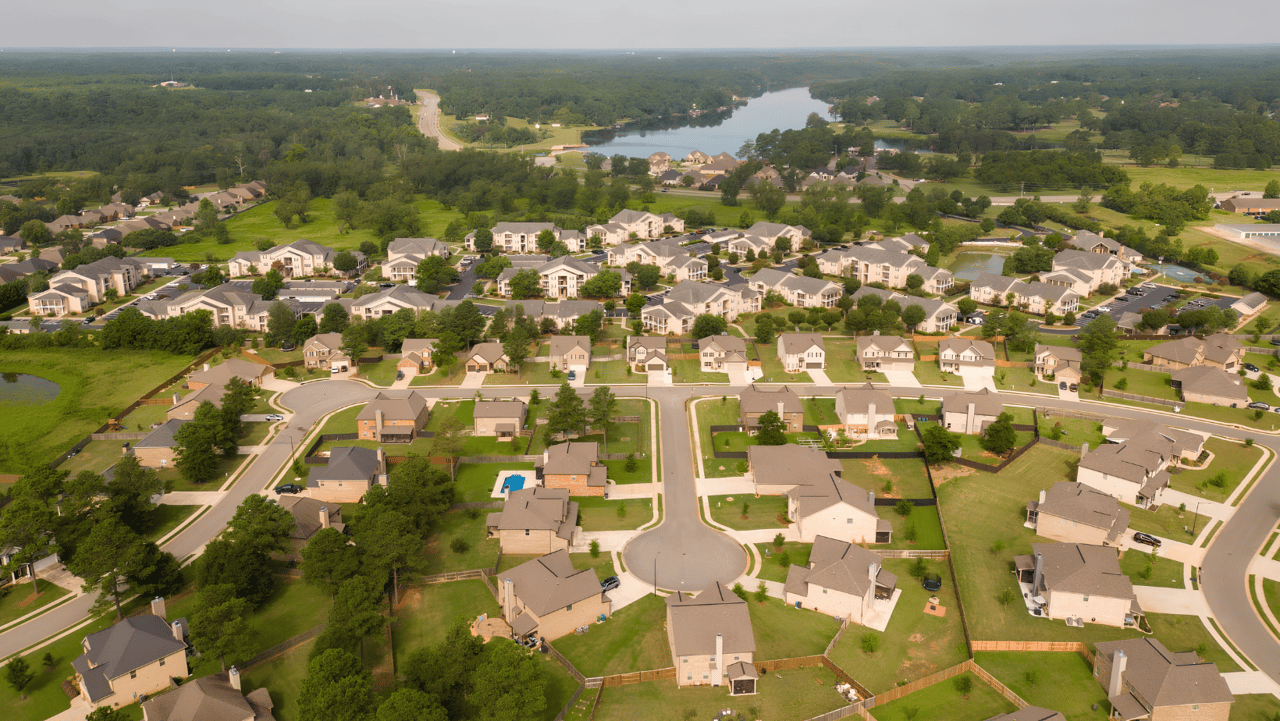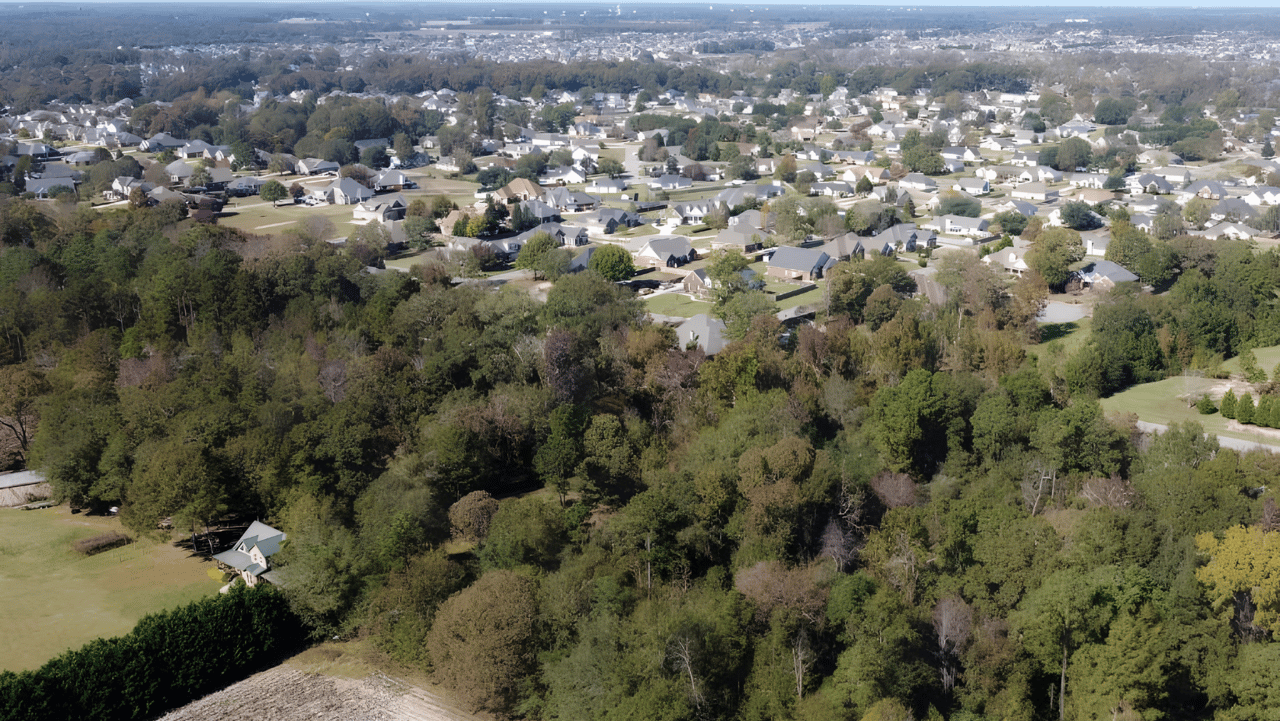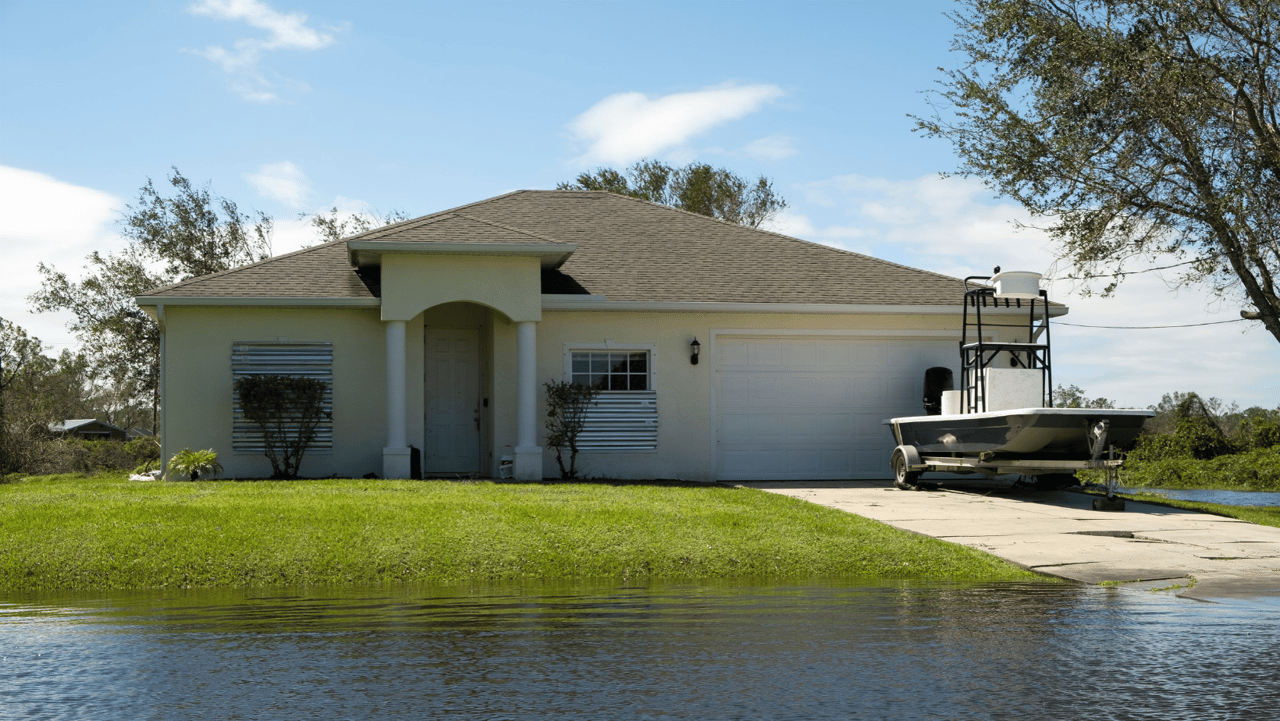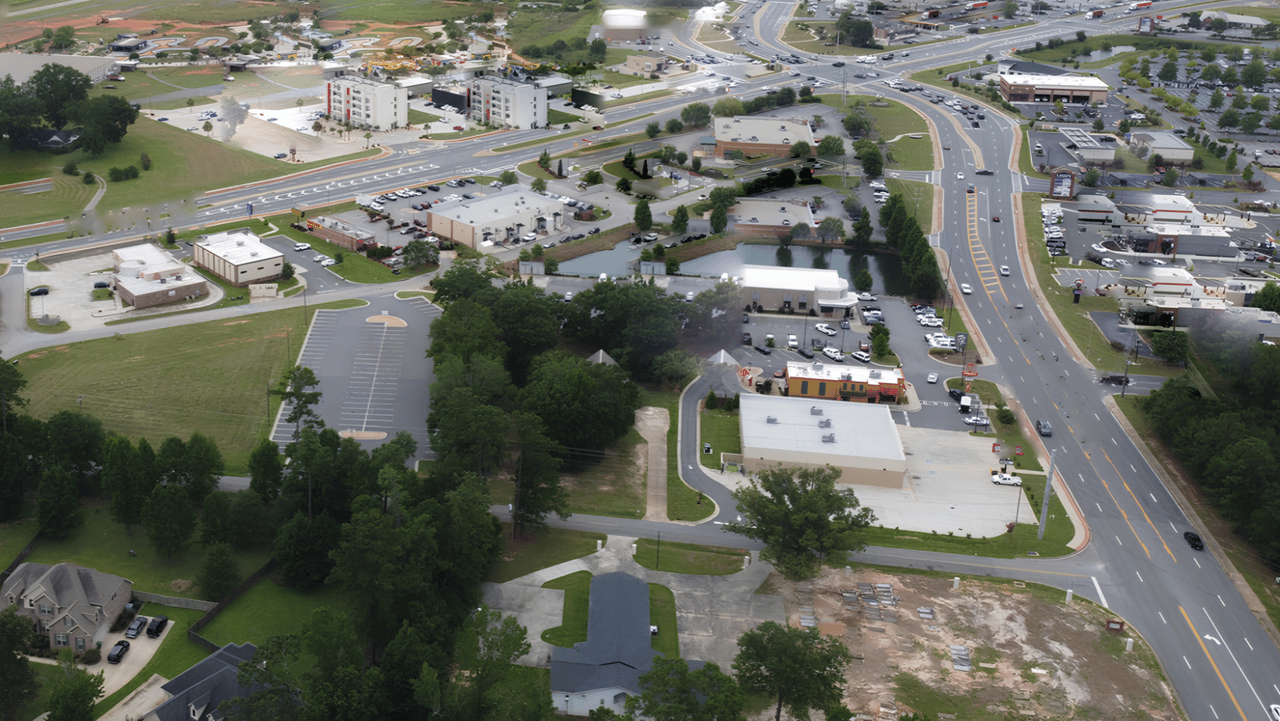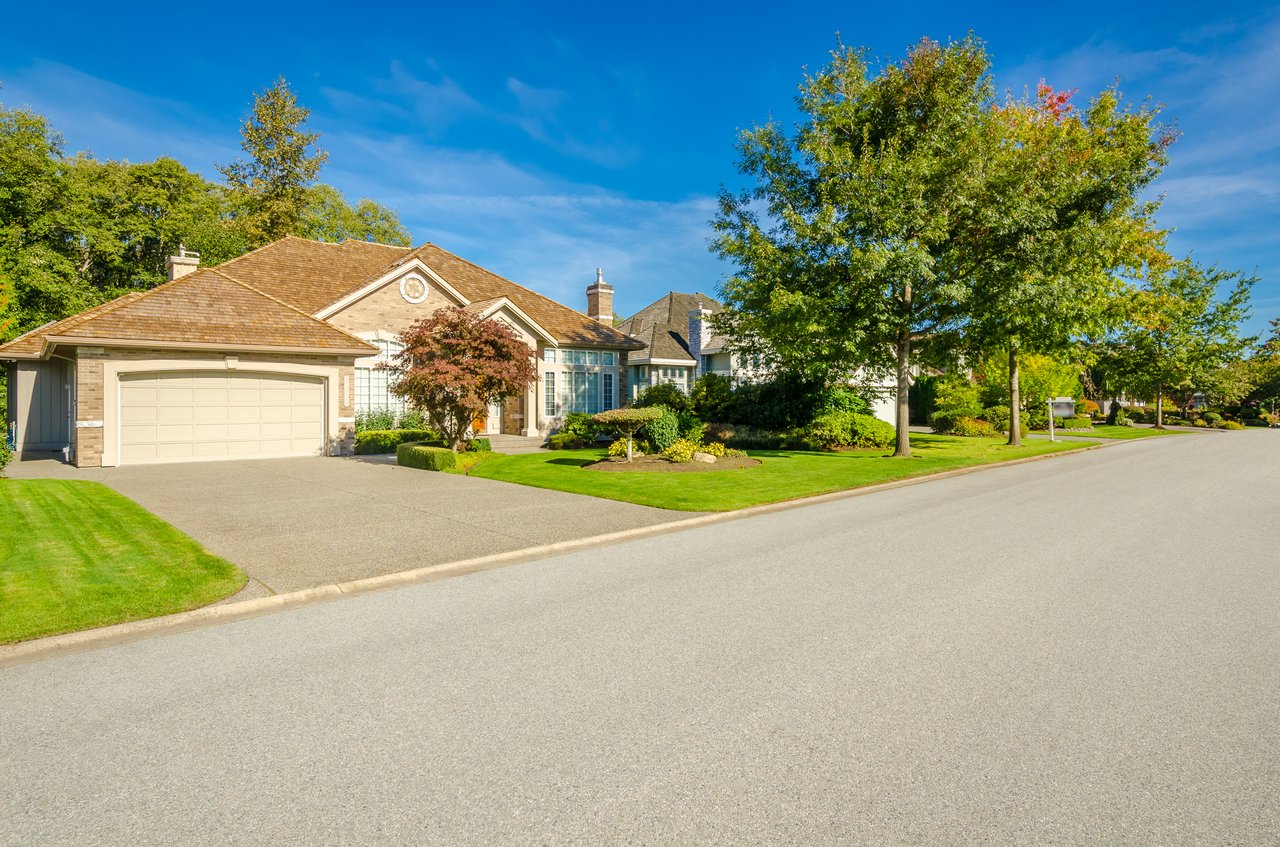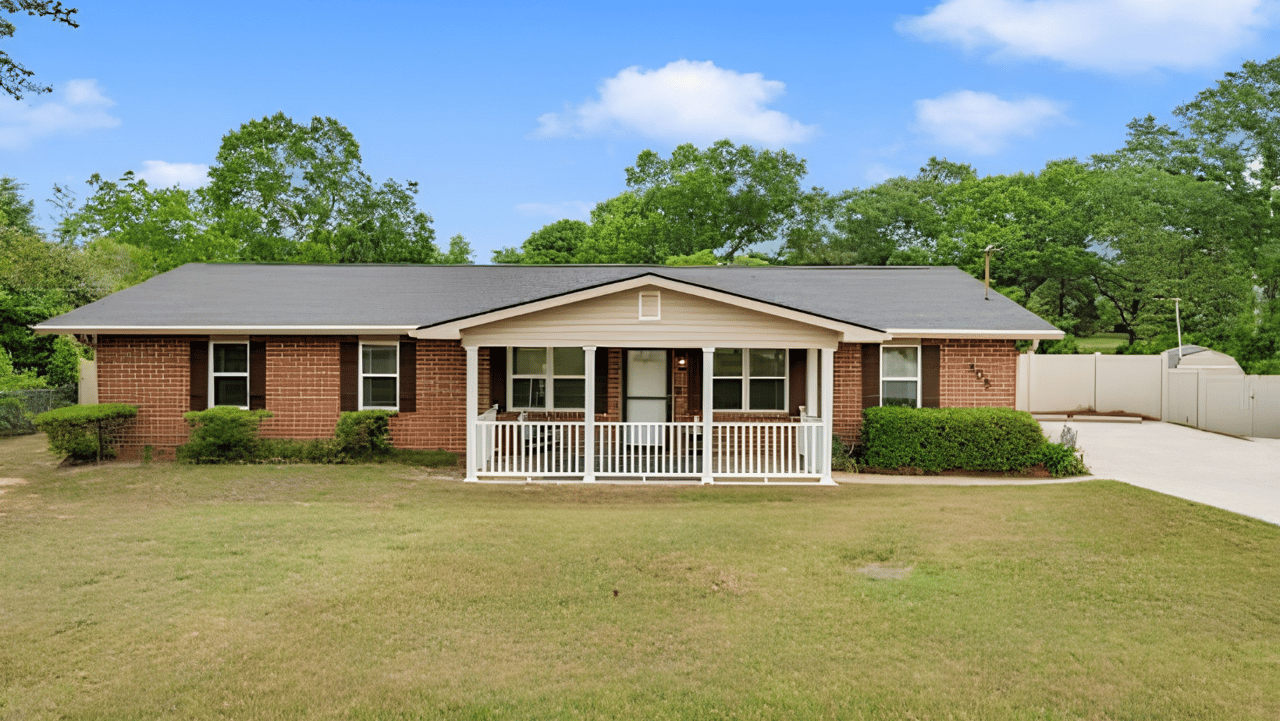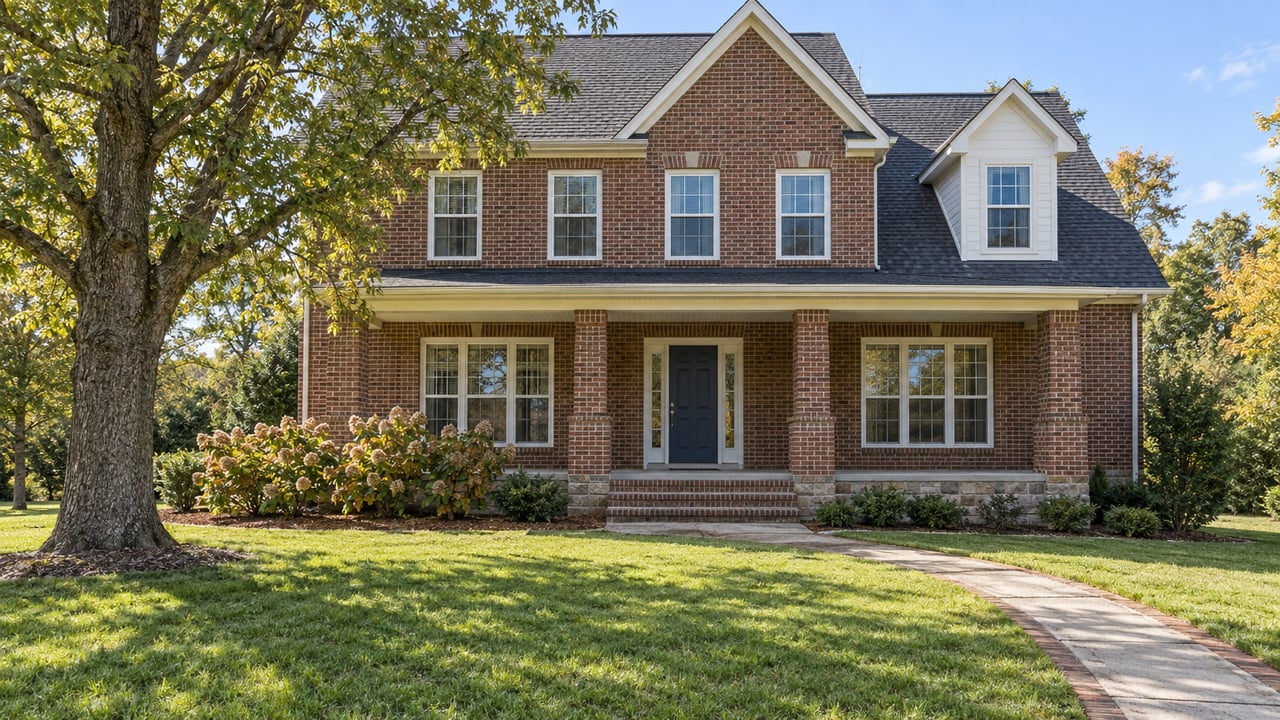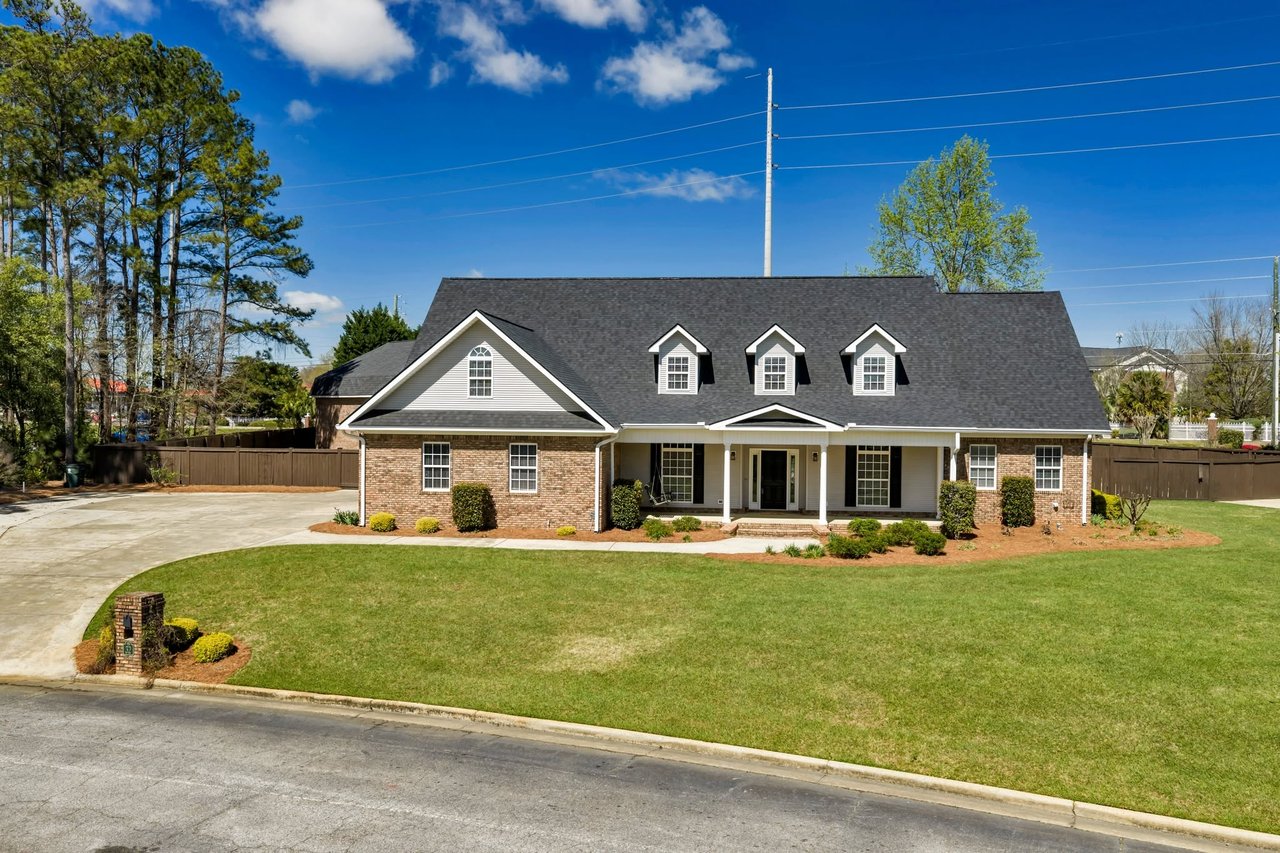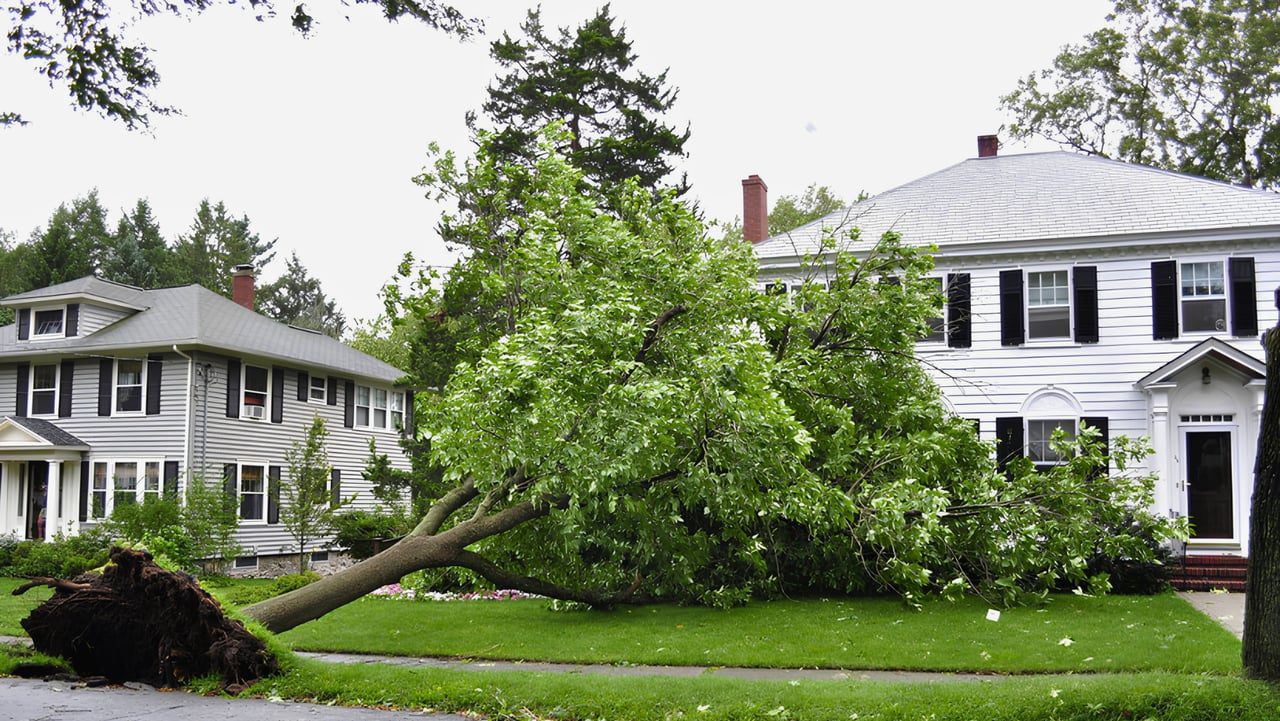
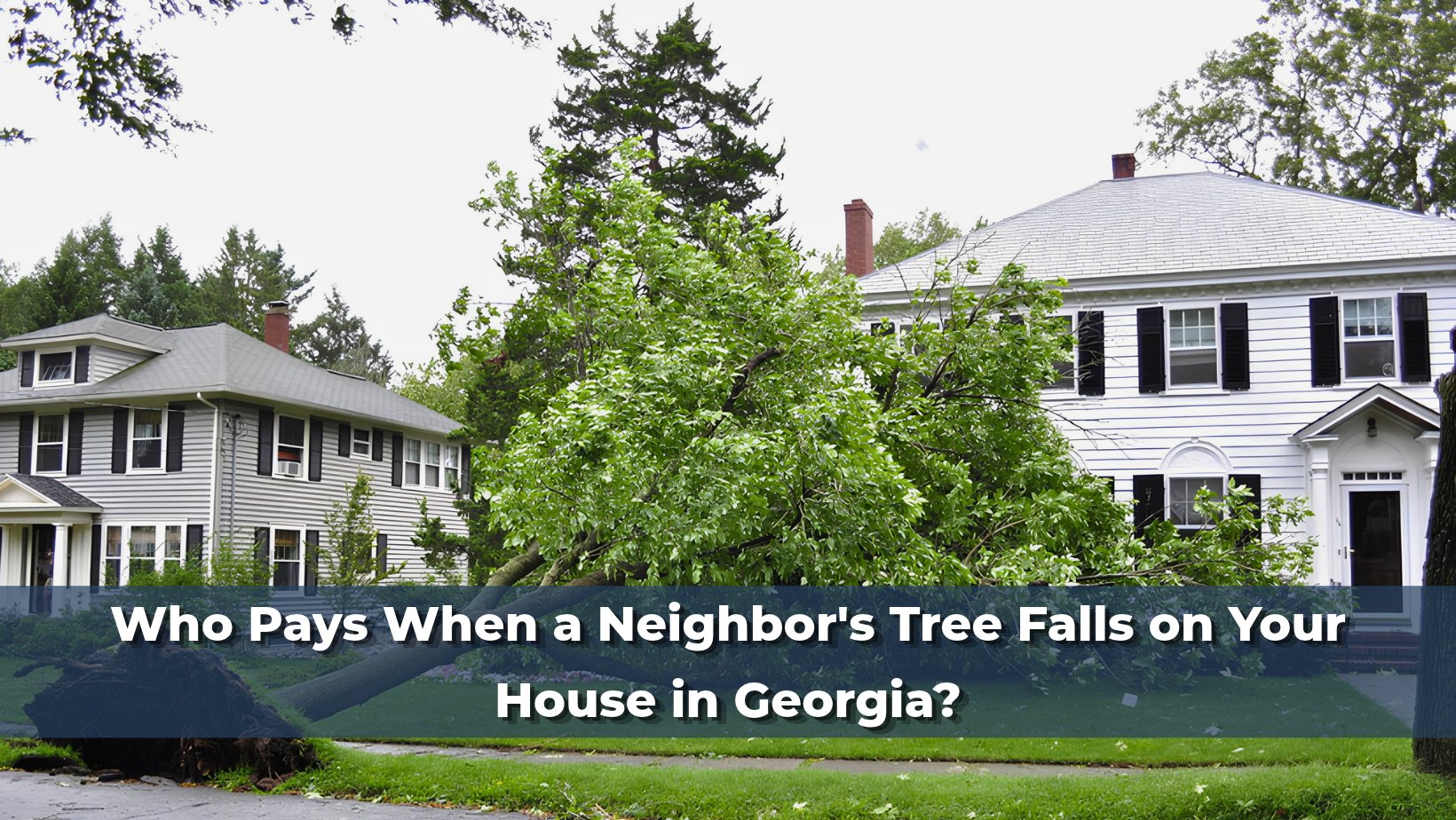
When a neighbor's tree crashes onto a roof in Warner Robins, Perry, Bonaire, Kathleen or Centerville, the first question is almost always who pays. Under Georgia law as summarized by University of Georgia Extension in Circular 1099, a tree owner is responsible for damage from a falling tree only when the owner knew, or reasonably should have known, that the tree was diseased, decayed or otherwise dangerous. A healthy tree that comes down in a storm is generally treated as no one's fault.
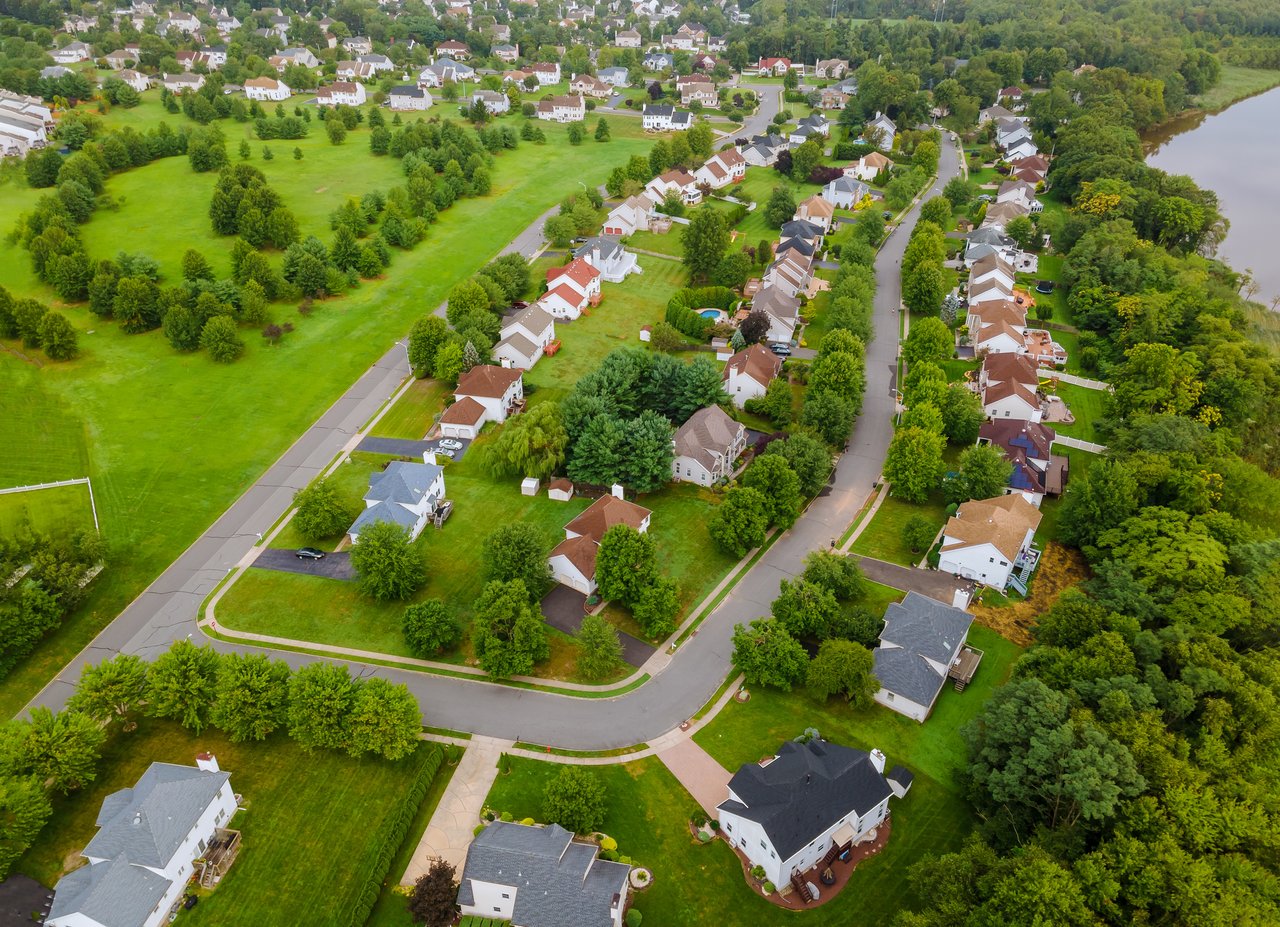
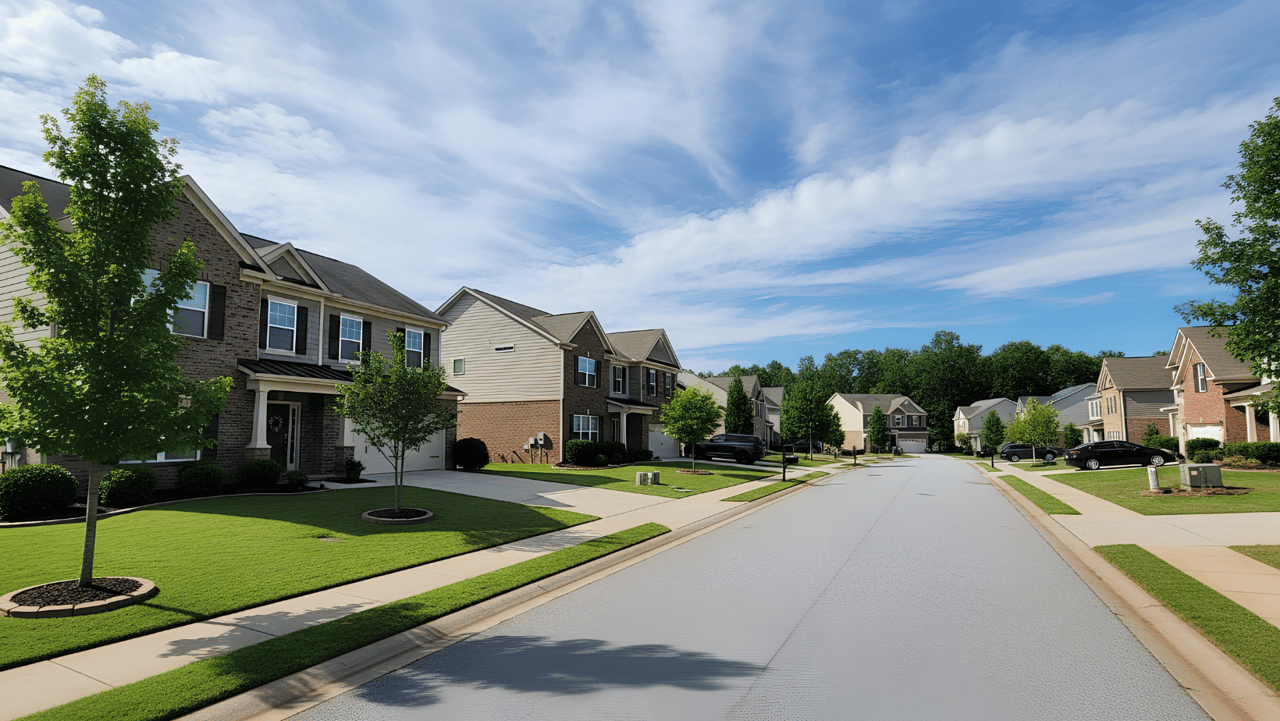
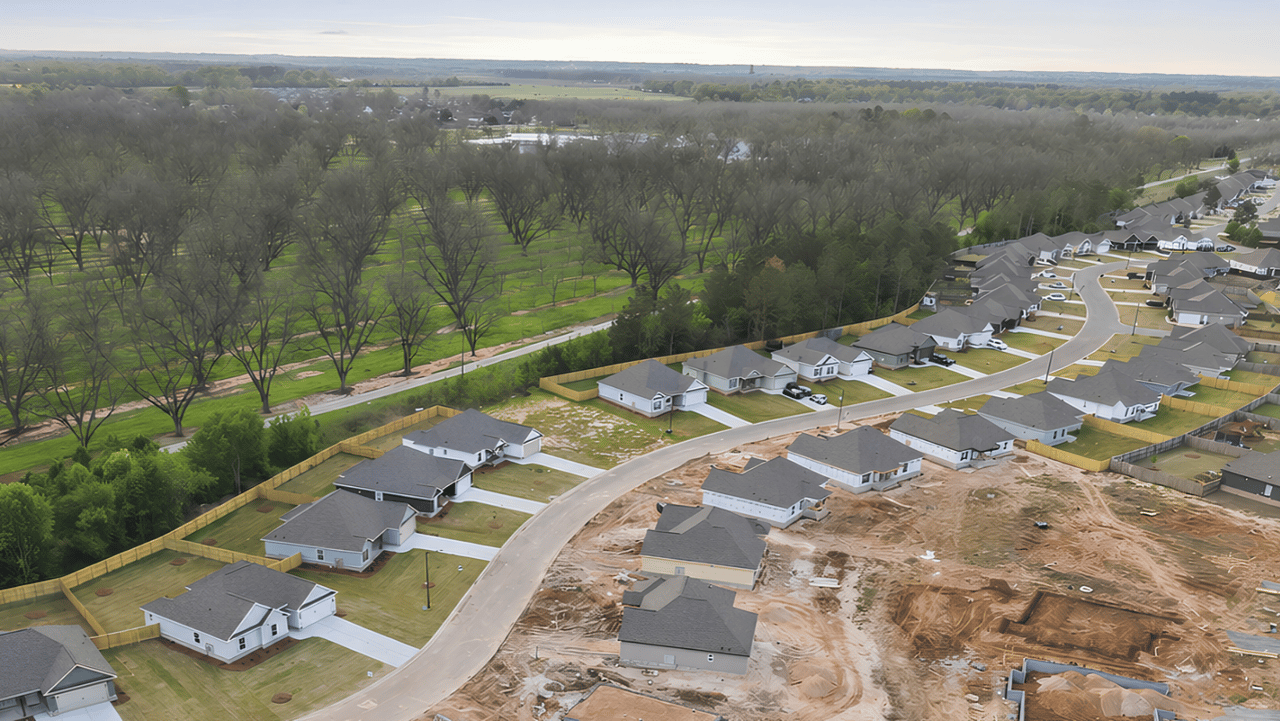
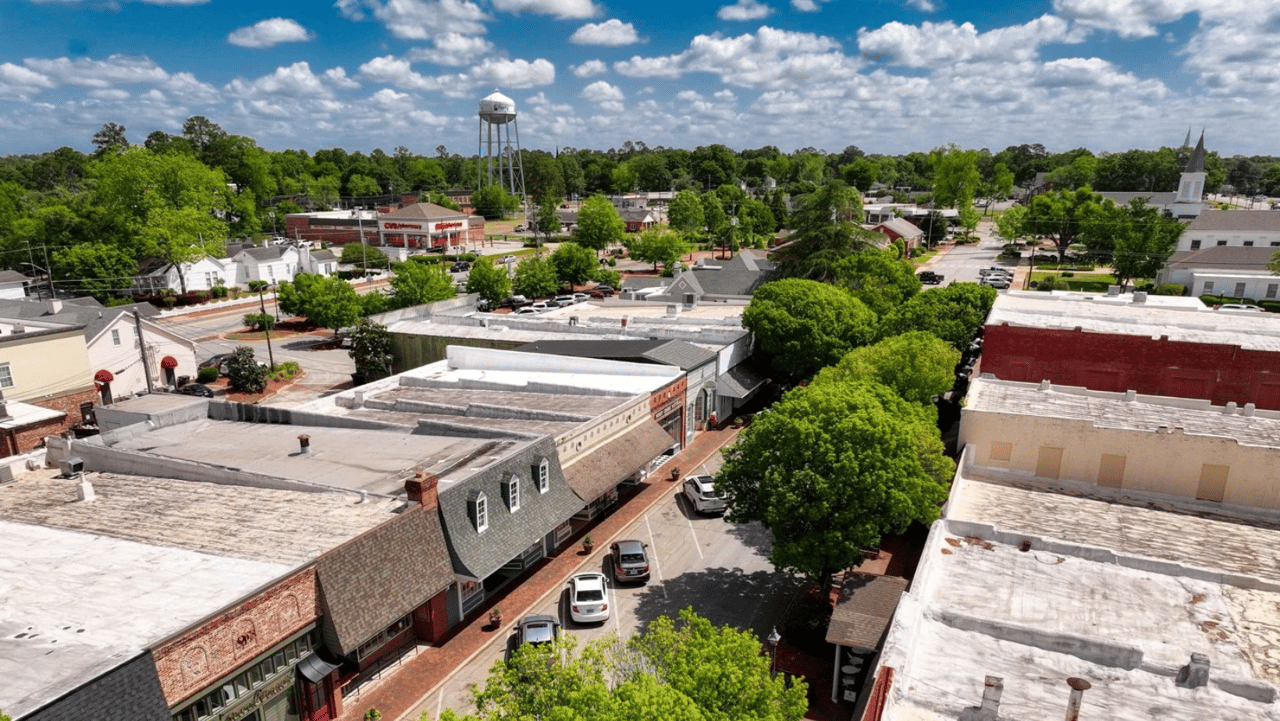
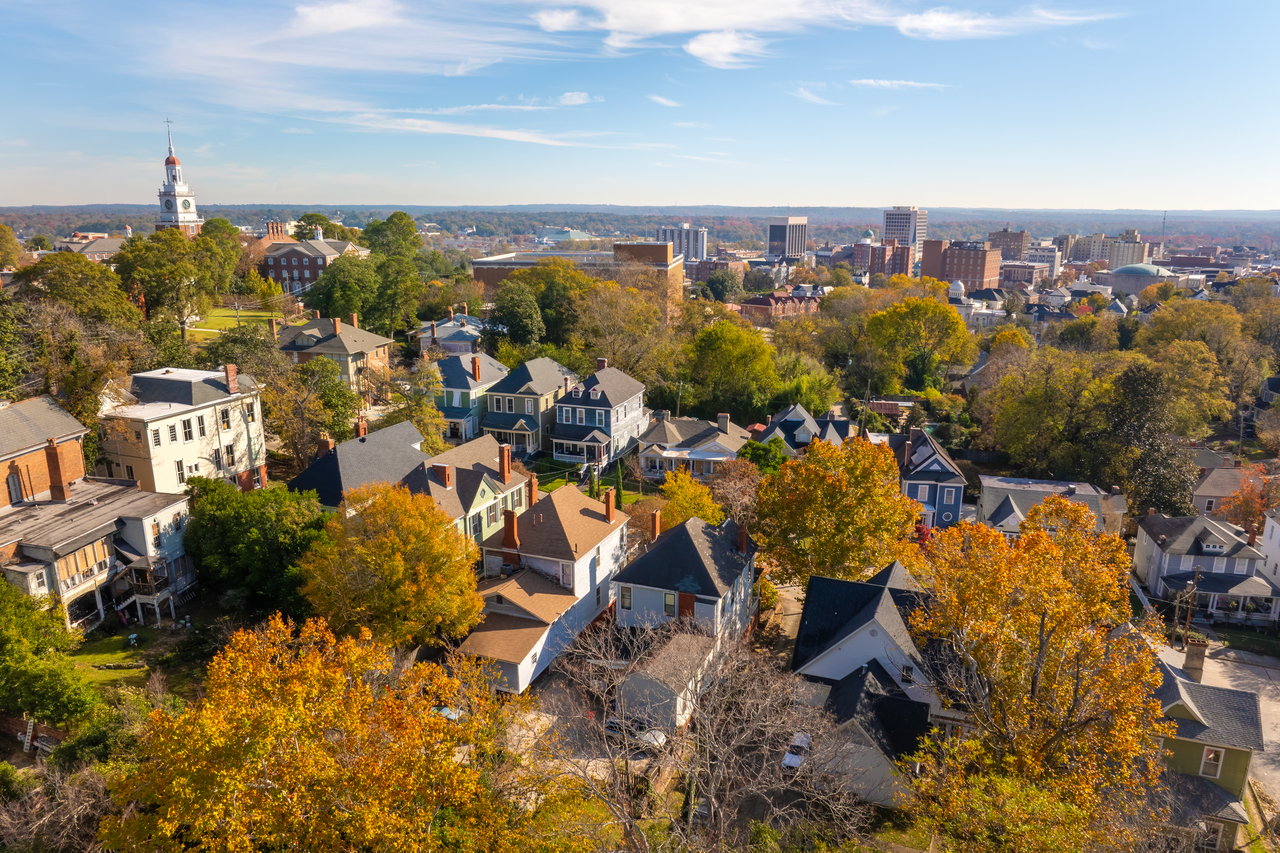
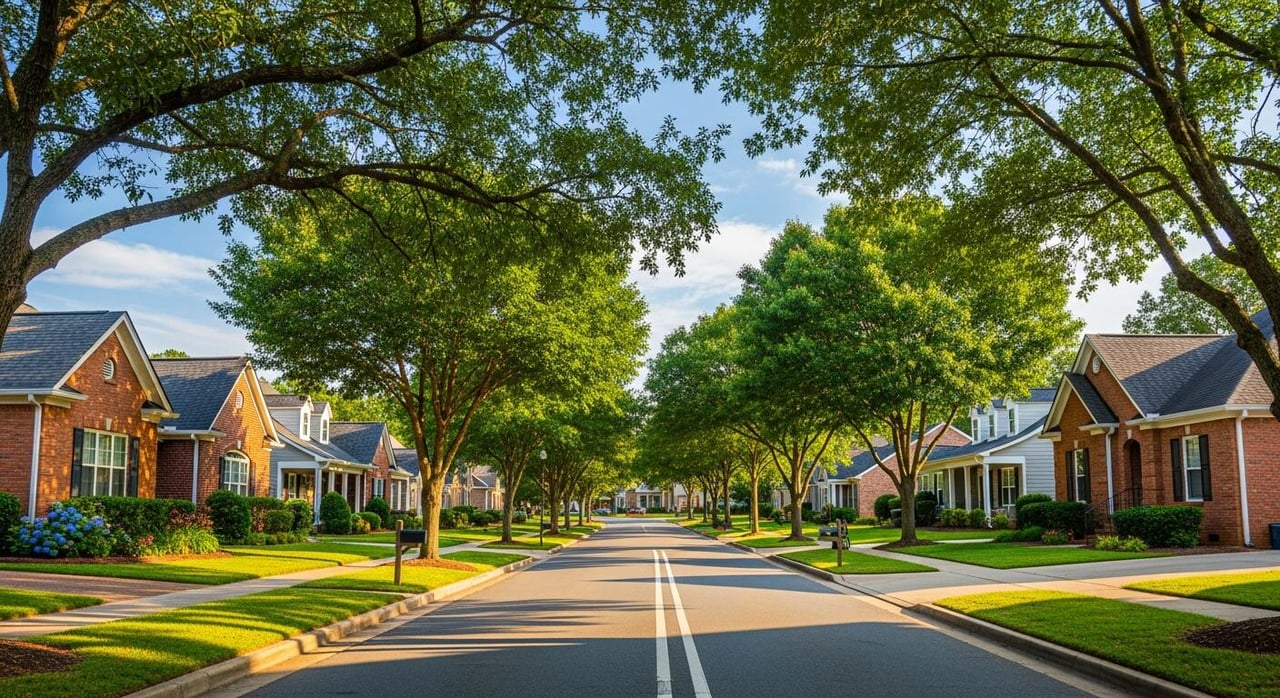
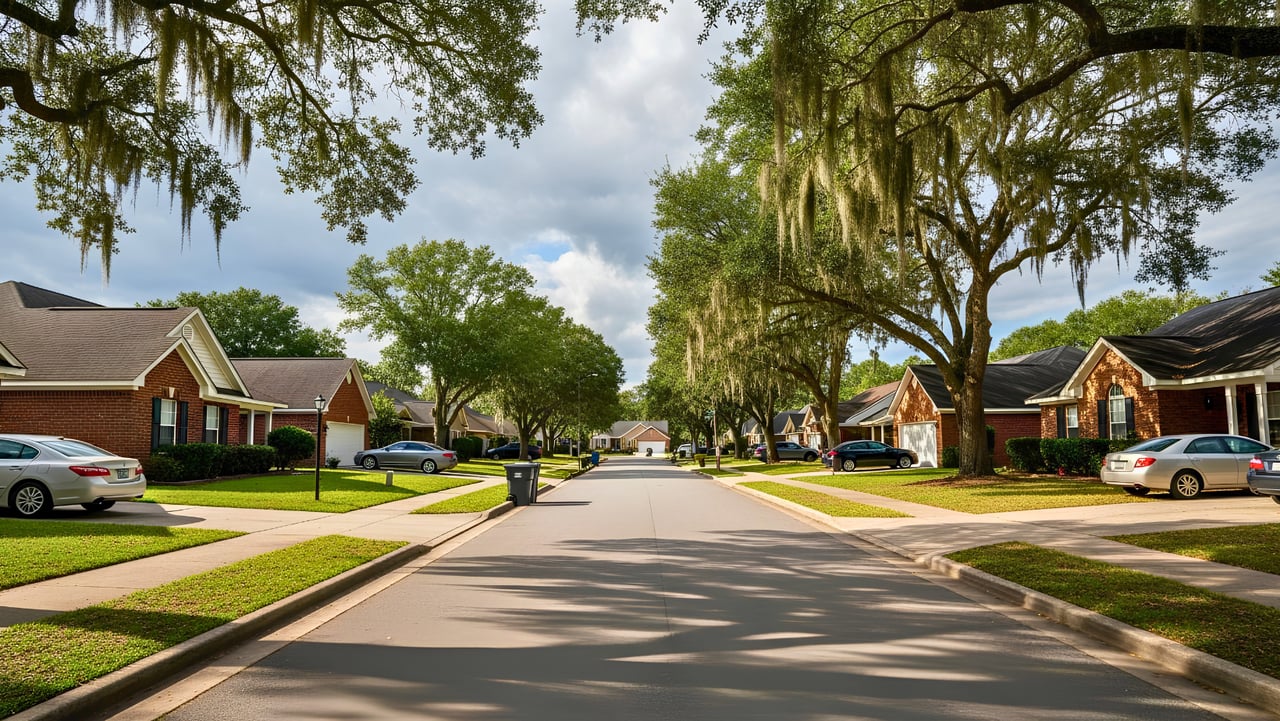
That rule matters across Houston County, where mature oaks and pines shade older neighborhoods in Warner Robins and Perry, and where new subdivisions in Bonaire, Kathleen and neighboring Byron sit beside wooded tracts and fence lines that have not been touched in decades. Georgia does not impose a general duty on owners to inspect their trees, so the outcome of a fallen tree claim usually turns on what the owner knew before the tree fell, and on what each household's insurance policy says.
Key Takeaways
• Under Georgia law as described by UGA Extension Circular 1099, a tree owner is liable for damage from a falling tree only if the owner had prior knowledge, or reasonably should have known, that the tree was diseased, decayed or dangerous.
• Georgia does not impose a general duty to inspect trees, and no Georgia law sets tree inspection schedules or pruning requirements, according to UGA Extension.
• A written warning from an arborist, tenant or other third party delivered before the tree fell can establish that the owner had actual knowledge of the problem.
• Tree ownership follows the trunk: the tree belongs to the owner of the land where the trunk stands, and a trunk on the property line can mean joint ownership.
• A Georgia property owner may prune a neighbor's overhanging branches back to the property line but may not damage or kill the tree, according to Nolo's summary of Georgia neighbor law.
• Consumer Reports, citing the Insurance Information Institute, reports that a homeowner's own policy typically covers damage to the home from a neighbor's tree, and that insurers generally cap tree removal payments at $500 or $1,000.
Is my neighbor responsible if their tree falls on my house in Georgia?
Only in specific circumstances. UGA Extension explains that under Georgia law a tree owner is liable for damage and injuries caused by a falling tree only if the owner had prior knowledge that the tree was diseased, decayed or otherwise dangerous. If the owner had no reason to suspect a problem, the owner generally is not at fault. If the owner reasonably should have known about the problem, the owner may be responsible.
In practice, this means a healthy pine snapped by a summer thunderstorm in a Warner Robins backyard usually lands on the damaged homeowner's own insurance. A visibly dead oak that leaned over a Perry fence line for two years, with limbs already dropping, is a different situation, because the condition was obvious enough that the owner arguably should have known.
UGA Extension also notes a practical hurdle: when actual knowledge cannot be shown, it is very difficult to prove the owner should have known there was a problem. That is why documentation before a tree falls carries so much weight in these disputes.
How Georgia treats common fallen tree situations
Situation | General Georgia rule | Who usually starts the claim |
Healthy tree falls in a storm | Owner generally not at fault without reason to suspect a problem | Damaged homeowner, through own policy |
Owner received written warning the tree was dead or decayed | Written notice can show actual knowledge; owner may be liable | Damaged homeowner; insurer may pursue the neighbor |
Tree obviously dead or dangerous for a long period | Owner may be liable if they reasonably should have known | Damaged homeowner; liability depends on proof |
Trunk sits on the property line | Tree may be jointly owned | Both owners should agree in writing on work |
The common thread is knowledge. For Houston County owners, especially in older tree-lined streets of Warner Robins and Perry and on wooded lots in Kathleen and Bonaire, the strongest position after a loss belongs to the neighbor who put concerns in writing before the tree fell. The weakest position belongs to an owner who ignored a written warning. Because Georgia sets no inspection schedule, the law rewards reasonable attention rather than a fixed checklist.
How do you prove a neighbor knew the tree was dangerous?
UGA Extension states that actual knowledge can be shown when a written report from an arborist, a building tenant or another third party warned of a problem before the tree fell. In other words, a dated letter or email to the owner describing the dead or leaning tree is the clearest way to create a record of knowledge.
If you are worried about a neighbor's tree in Centerville, Bonaire or anywhere in Houston County, a calm, specific written note is usually the best first step. Describe what you see, attach photos, and suggest that a certified arborist look at it. UGA Extension recommends having trees inspected by a certified arborist when health concerns arise.
• Take dated photos of dead limbs, missing bark, fungus, cracks or a new lean.
• Send a short written notice to the owner, and keep a copy.
• Suggest an arborist inspection and offer to share the findings.
• If the property is a rental, notify the owner, not only the tenant.
This is general information about how Georgia treats knowledge, not a guarantee of any outcome. A Georgia attorney can explain how these principles apply to a specific loss.
Does homeowners insurance cover a neighbor's tree falling on your house?
Usually the claim starts with your own policy. Consumer Reports reports that a homeowner's own policy typically covers damage to the home even when the tree came from the neighbor's yard, including repairs to structures such as the house or a detached garage, plus debris removal, minus the deductible.
Consumer Reports, citing the Insurance Information Institute, adds that insurers generally cap tree removal payments at $500 or $1,000, and that if a tree falls without damaging a structure, the owner usually pays for removal and cleanup. If the neighbor was negligent, the homeowner's insurer may seek reimbursement from the neighbor's insurer through subrogation, and a successful recovery may return the deductible.
Policies differ, and these are general descriptions rather than the terms of any specific Georgia policy. Read your declarations page and talk with your agent before storm season, especially if your Warner Robins or Perry home sits under large hardwoods.
Can I cut my neighbor's branches that hang over my yard in Georgia?
Yes, within limits. UGA Extension states that a neighbor may trim limbs that cross onto their property, and recommends talking with the tree owner first about the pruning goals, who does the work and how often. Nolo's summary of Georgia neighbor law adds that you may use self-help to prune back to the property line but may not damage or kill the tree.
Ownership follows the trunk. UGA Extension explains that the tree belongs to the owner of the land where the trunk is located, and a survey can settle the question. A trunk that sits on the property line can mean joint ownership, and Nolo notes that neither neighbor can remove or significantly damage a shared tree without the other's consent. UGA Extension recommends a written agreement before hiring an arborist or doing work on a neighbor's tree.
Removing a neighbor's tree outright is a separate and much more serious issue in Georgia, because the timber damages statute can multiply the recovery. City ordinances and HOA covenants in Houston County subdivisions may also add rules on tree work.
Should I remove a dead tree before selling my house in Houston County?
Georgia law ties tree liability to knowledge, so once a seller knows a tree is dead or dangerous, that knowledge does not go away at closing. A dead tree is also a visible issue that buyers, inspectors and appraisers notice.
When I walk a listing in Warner Robins, Perry or Kathleen, I look up as well as around. If a tree is clearly dead or leaning toward the house or a neighbor, I usually recommend an arborist opinion before we list, and then either handling the tree or being prepared to discuss it openly. Taking care of it on your timeline is almost always easier than negotiating it after a buyer's inspection report lands, and it removes a liability question while you still own the property.
Should buyers check the trees before buying a home in Warner Robins or Perry?
Georgia does not require owners to inspect their trees, and a typical home inspection focuses on the house, so the trees on and around a property are largely a buyer's own due diligence item.
On showings in older Warner Robins and Perry neighborhoods, and on wooded lots in Bonaire, Kathleen and neighboring Byron, I point out large trees near the roof, driveway and fence lines, including the neighbor's trees that lean toward the house. If something looks off, an arborist visit during the due diligence period costs far less than a surprise later. I also suggest buyers ask their insurance agent about tree removal limits before they close, so they know how a storm loss would be handled from day one.
Frequently Asked Questions
Who pays when a neighbor's tree falls on my house in Georgia?
In most cases the claim starts with the damaged homeowner's own insurance policy. Under Georgia law as described by UGA Extension, the tree owner is liable only if the owner knew or reasonably should have known the tree was diseased, decayed or dangerous. If the owner was negligent, the homeowner's insurer may seek reimbursement from the neighbor's insurer.
Is a neighbor liable for a healthy tree that falls in a storm in Georgia?
Generally no. UGA Extension explains that if the owner had no reason to suspect a problem with the tree, the owner generally is not at fault. Storm damage from a healthy tree in Houston County is usually handled through each owner's own insurance.
Does Georgia require homeowners to inspect their trees?
No. According to UGA Extension Circular 1099, Georgia does not impose a general duty to inspect trees for potential problems. No Georgia law sets inspection schedules, a required number of annual inspections or pruning requirements.
How can a homeowner show that a neighbor knew a tree was dangerous?
UGA Extension states that actual knowledge can be shown by a written report from an arborist, tenant or other third party that warned of the problem before the tree fell. A dated letter or email with photos sent to the owner creates a record. Without proof of actual knowledge, it is very difficult to show the owner should have known.
Who owns a tree whose trunk is on the property line in Georgia?
UGA Extension explains that ownership is determined by where the trunk is located, and a trunk on the property line can result in joint ownership. Nolo notes that neither neighbor can remove or significantly damage a shared tree without the other's consent. A written agreement before any work is recommended.
Can a Georgia homeowner trim a neighbor's branches that hang over the line?
Yes. A Georgia homeowner may prune overhanging branches back to the property line, according to UGA Extension and Nolo. The pruning may not damage or kill the tree. UGA Extension recommends talking with the tree owner first.
Does homeowners insurance pay to remove a fallen tree in Georgia?
Coverage depends on the policy. Consumer Reports, citing the Insurance Information Institute, reports that insurers generally cap tree removal payments at $500 or $1,000. If the tree did not damage a covered structure, the owner usually pays for removal and cleanup.
Will a neighbor reimburse a homeowner's insurance deductible after a tree falls?
Not automatically. Consumer Reports notes that a neighbor is not legally required to repay the deductible, though the homeowner's insurer may pursue the neighbor's insurer through subrogation. If that recovery succeeds, the deductible may be returned.
Should a Houston County seller remove a dead tree before listing?
Many sellers do, because Georgia ties tree liability to the owner's knowledge of a dangerous condition. A dead tree near a house in Warner Robins, Perry or Kathleen is also likely to be raised during a buyer's inspection. An arborist opinion before listing helps the seller decide whether to remove the tree or address it in negotiations.
Do Houston County HOAs or cities have their own tree rules?
They can. Nolo notes that city or county ordinances and HOA rules may also apply to trees. Owners in Houston County subdivisions should check their covenants and local rules before removing or heavily pruning trees.
When should a Georgia homeowner talk to an attorney about a fallen tree?
An attorney is helpful when there is significant damage, an injury, a denied insurance claim or a dispute over whether the owner knew the tree was dangerous. Georgia tree liability turns on facts such as prior written notice and the tree's visible condition. A Georgia attorney can review the evidence and the applicable policies.
About the Author
William Walton-Dean is a licensed REALTOR® with Walton Dean Realty, operating under Real Broker LLC, serving buyers and sellers across Houston County, Georgia, including Perry, Warner Robins, Bonaire, Kathleen, Byron, and the surrounding Middle Georgia housing market. He brings a data-driven, hyper-local approach to both residential and commercial transactions, working with first-time buyers, move-up sellers, investors, and families relocating to the area, including those tied to Robins Air Force Base. Drawing on a prior career as a C-level executive, he helps buyers and sellers at every price point make clear, confident decisions backed by real market insight.
📱 478-371-7069
Walton Dean Realty | Real Broker LLC
Buying or Selling in Houston County? Let's Talk About What the Trees Mean for Your Property
I help buyers and sellers in Warner Robins, Perry, Bonaire, Kathleen, Centerville and neighboring Byron spot property issues like dead or leaning trees before they turn into negotiation problems. Send me a message and I will walk the property with you and point you to the right local professionals.
William Walton-Dean | Walton Dean Realty
📱 478-371-7069
A More Strategic Approach to Real Estate
Disclaimer: This article is for general information only and is not legal or insurance advice. Georgia tree liability depends on the specific facts. Consult a Georgia attorney about a specific dispute and your insurance agent about your policy's coverage.