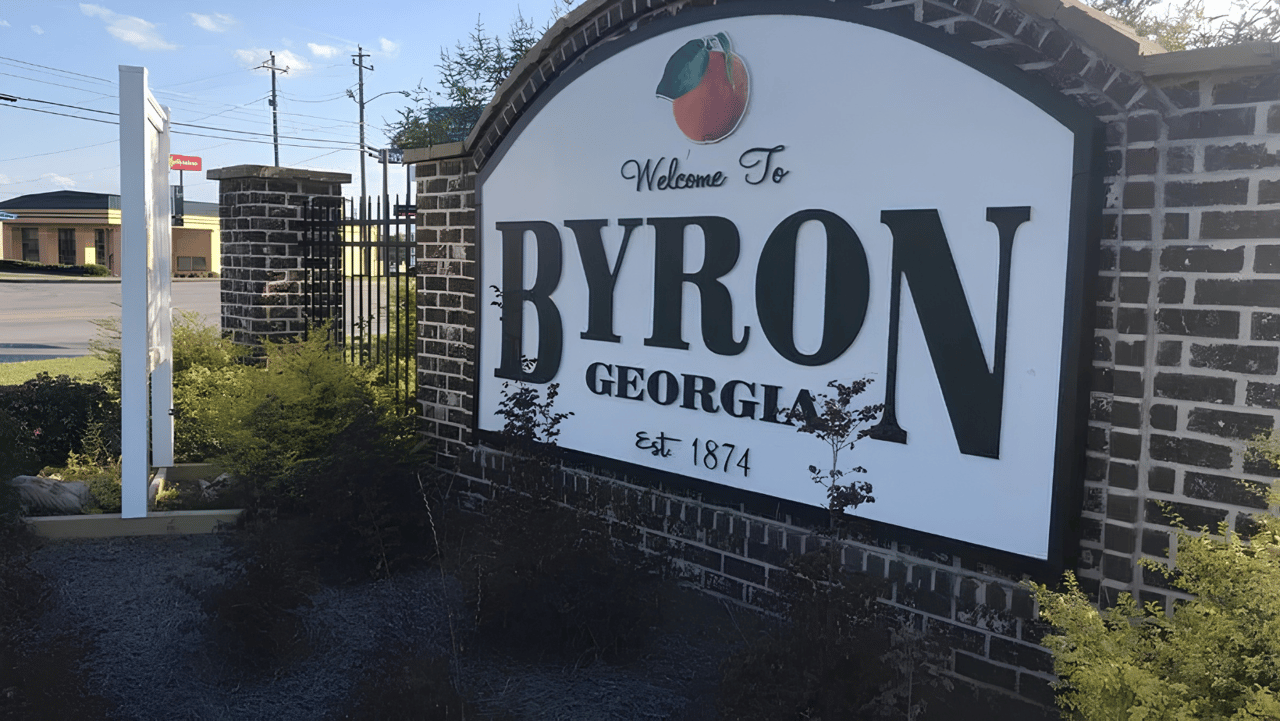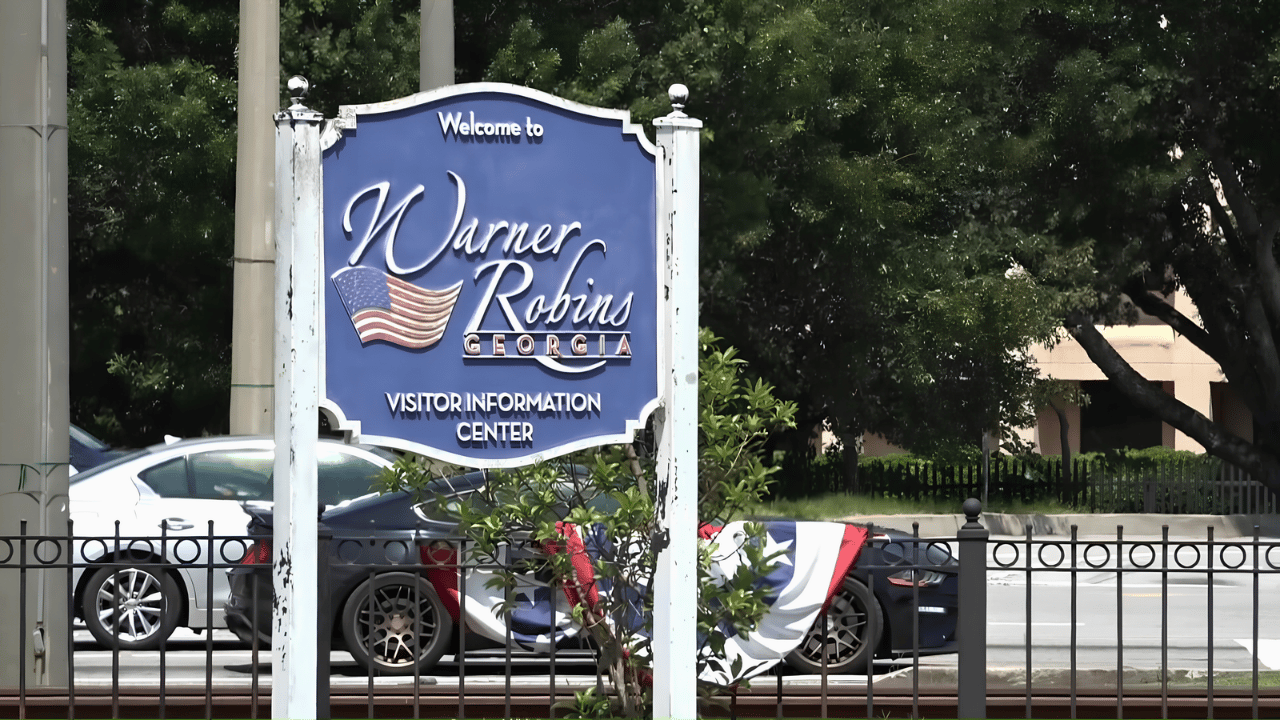
"Any residence existing at the time of the adoption of this chapter." That clause sits in the middle of Byron's data center ordinance, and it decides more than any of the figures around it. The Byron City Council approved its full data center ordinance at its Monday meeting on September 14, 2026, according to WGXA. The city's posted copy of Ordinance 2026-5 leaves the day of the month blank and says the chapter takes effect as soon as it is adopted.
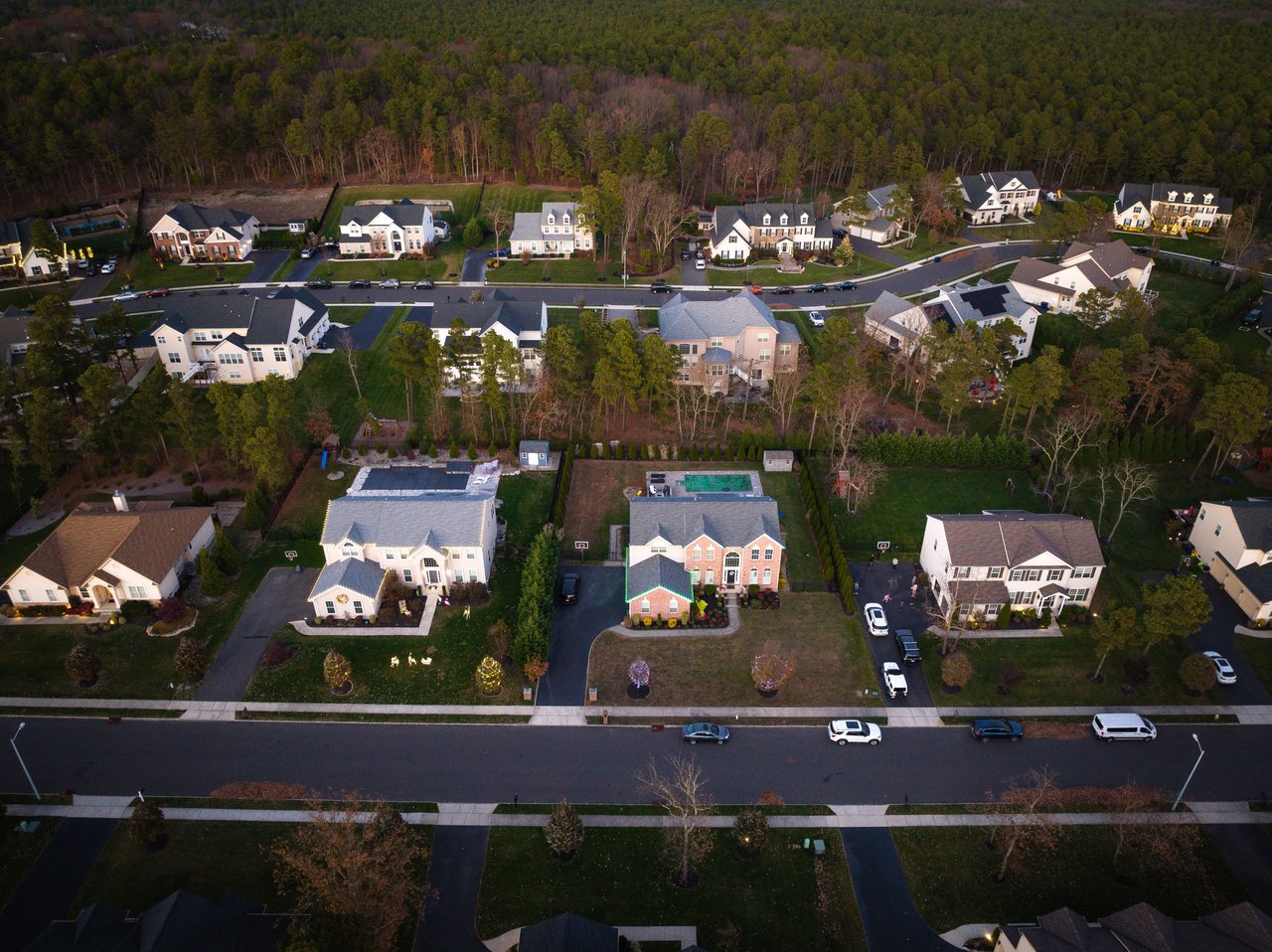
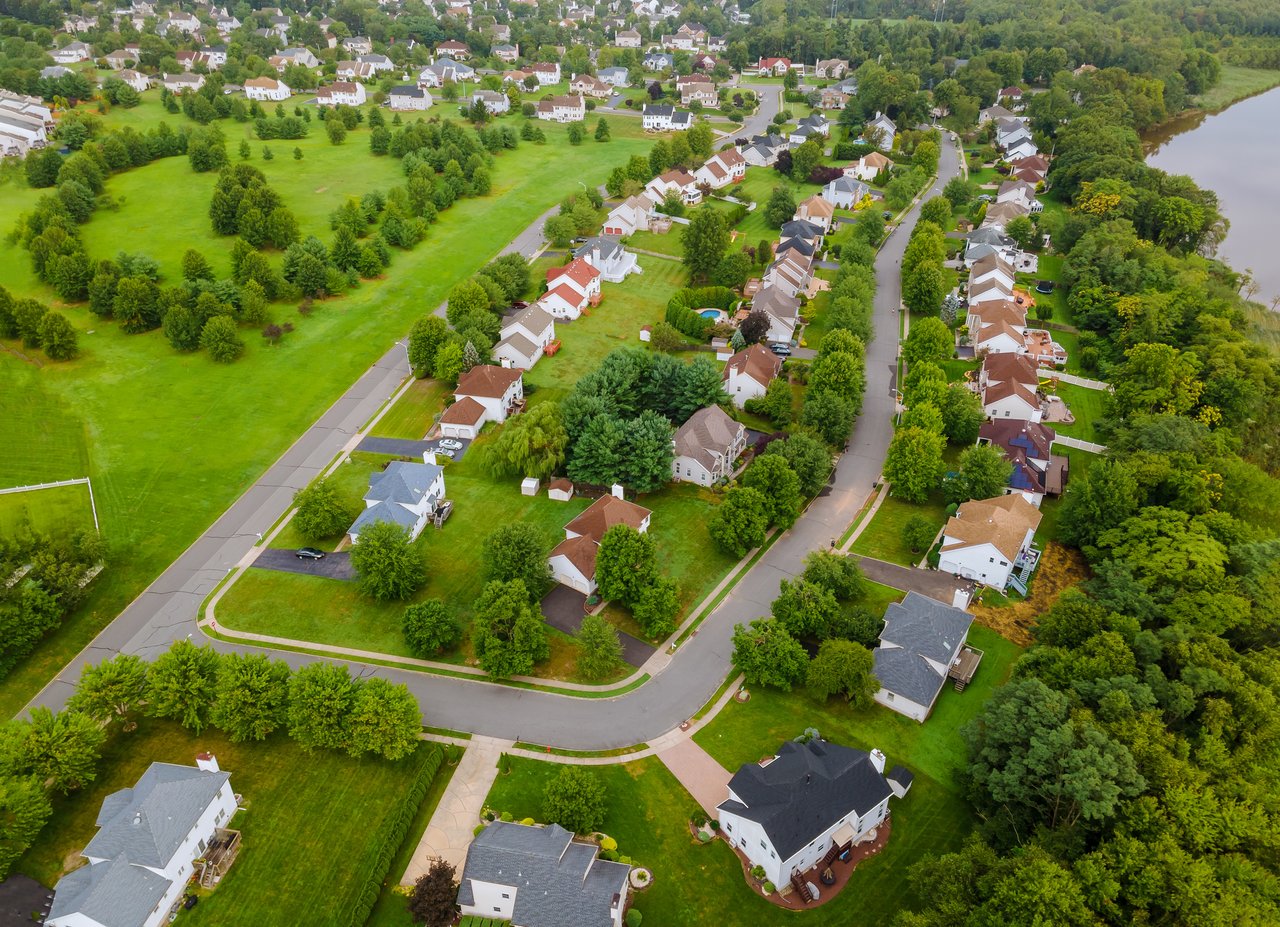
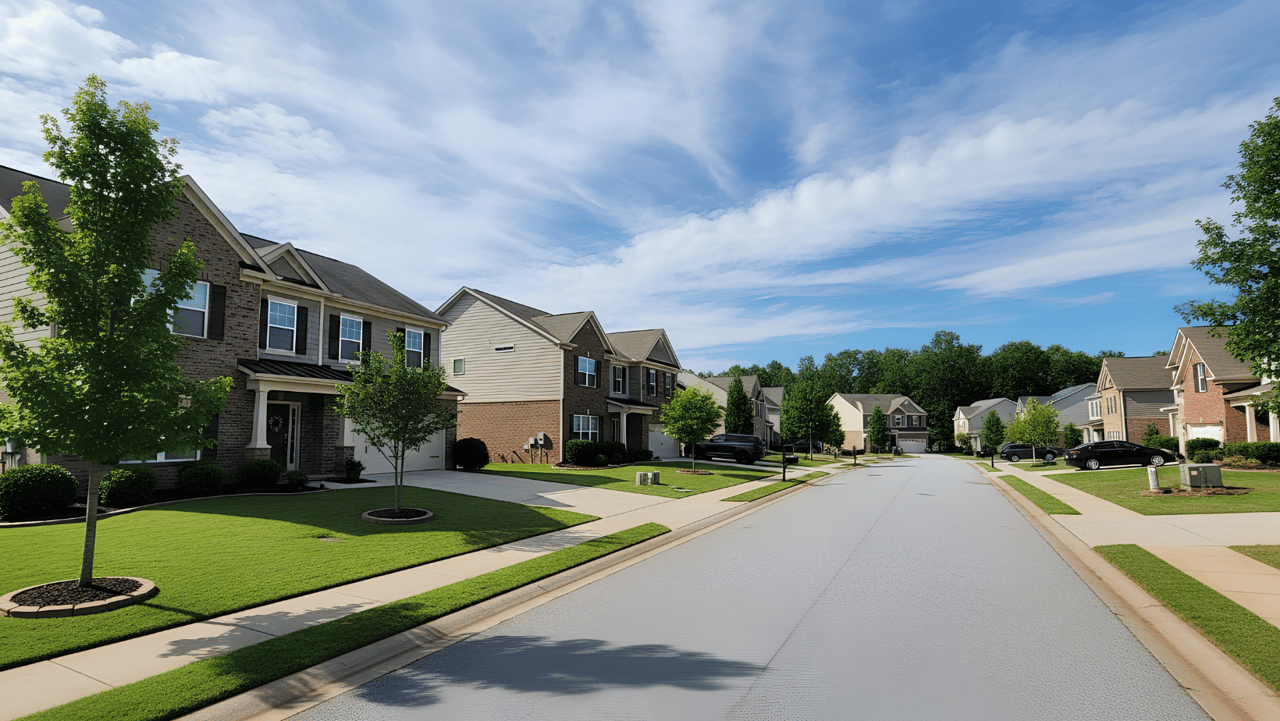
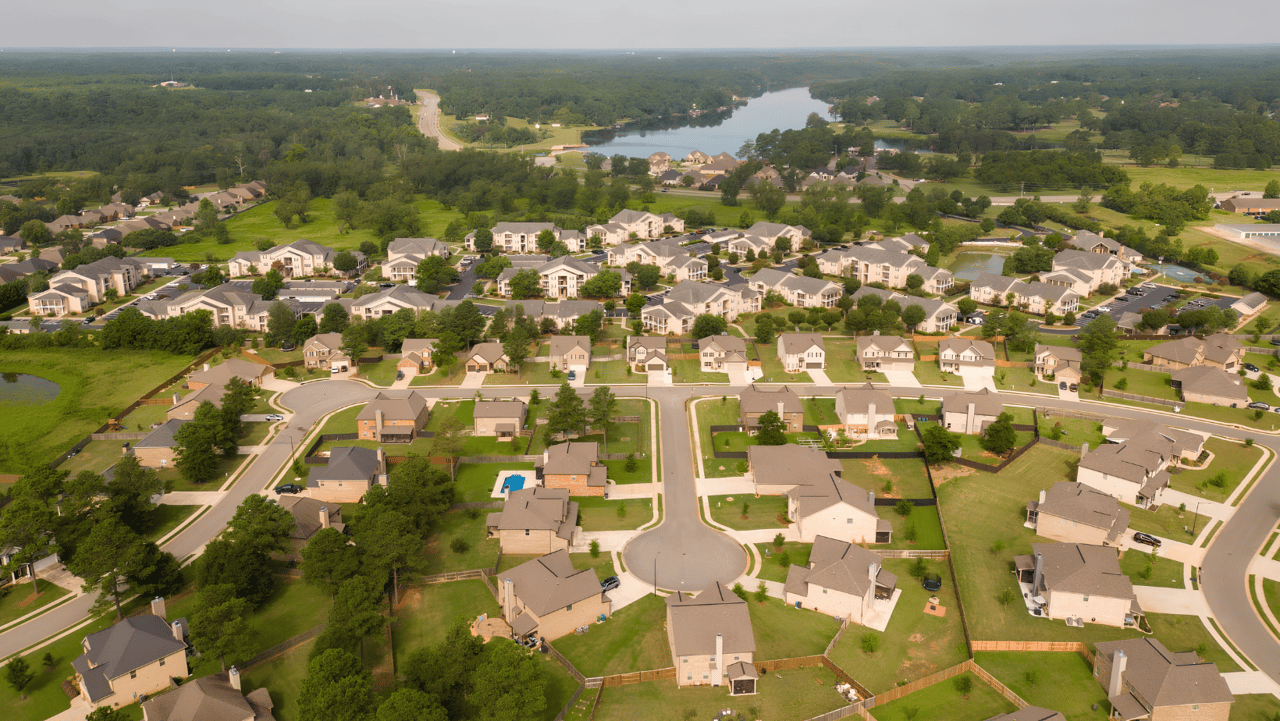
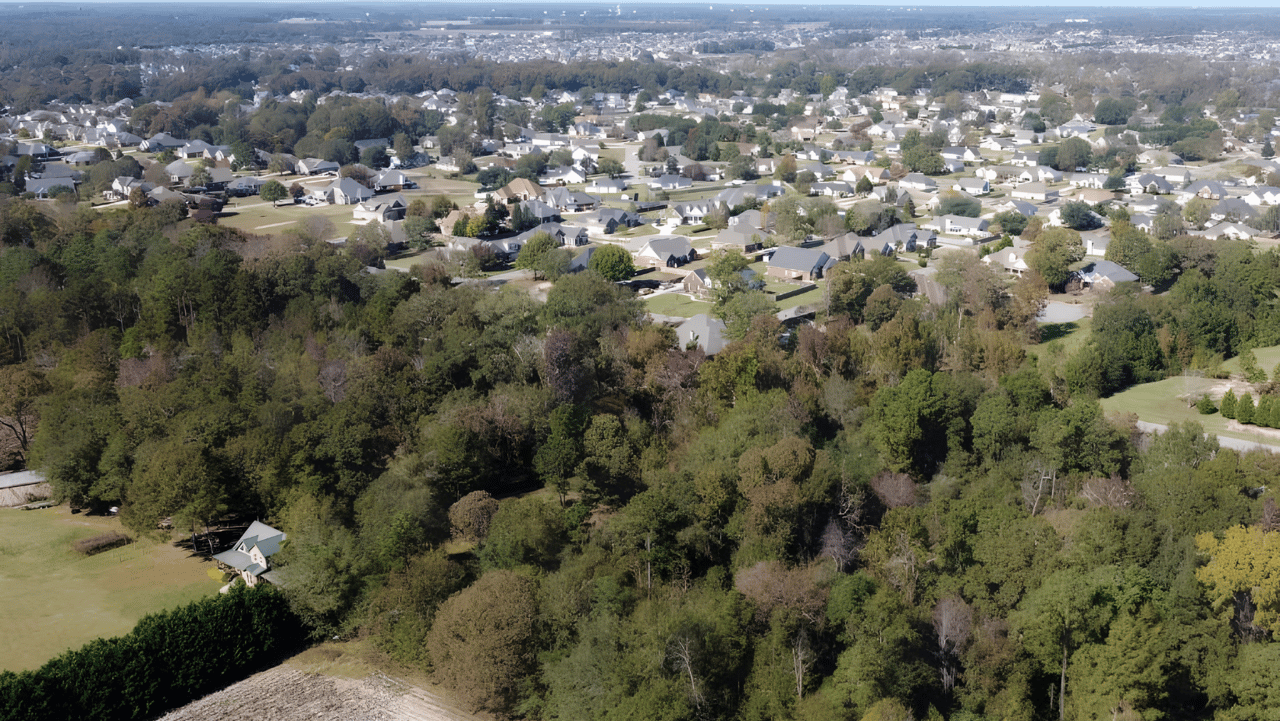
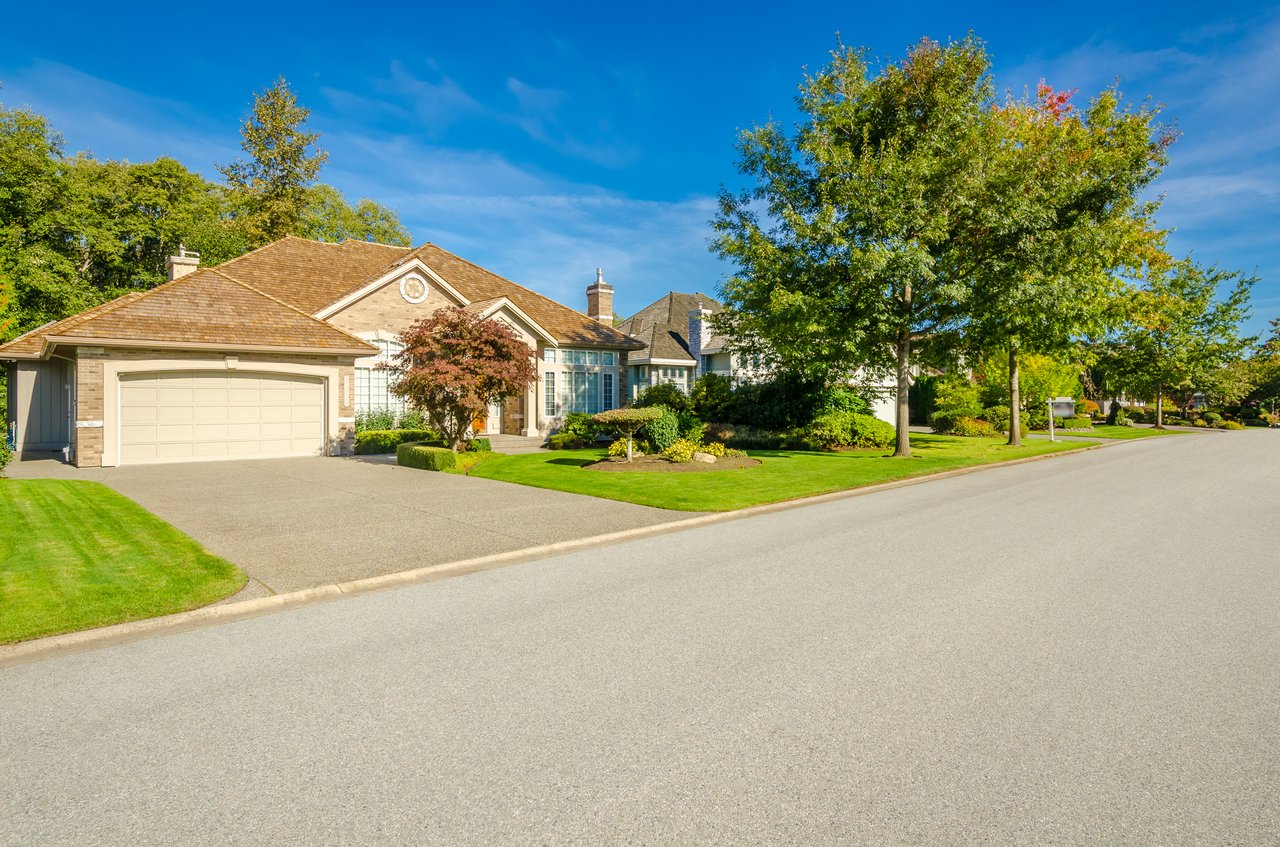
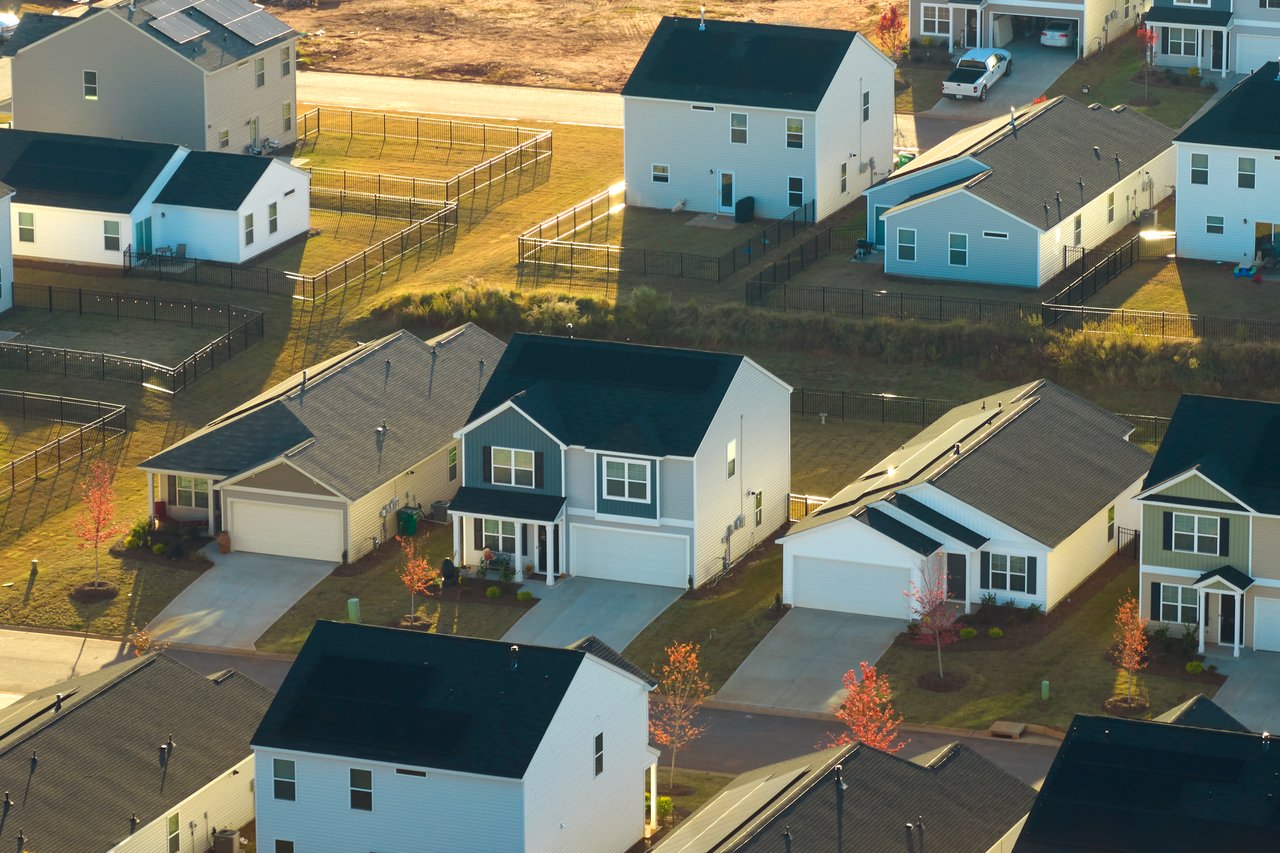
Buyers looking at acreage, new construction, or a lot on the rural edge of Byron should start here. The ordinance's main protections for homes depend on whether a house stood on a particular date.
Two Dates Written Into One Ordinance
The setback rule and the noise rule use different reference points.
The posted ordinance requires any building that holds servers or computing equipment to sit at least 500 feet from a residence that existed when the chapter was adopted. The distance runs wall to wall. It can drop to 350 feet if the operator builds a berm at least 500 feet long and adds vegetation between the building and the home. Public schools, places of worship, and hospitals get a 1,000-foot distance, and that also applies only to buildings existing at adoption.
The noise limits are measured somewhere else. They apply at "the property line shared by the data center and any adjacent property containing a residence existing on the date the application for construction of a data center is submitted."
So the setback looks back to the day the chapter was adopted in September 2026. The noise rule looks ahead to whatever day an application is filed. Byron's moratorium resolution bars the city from accepting new data center applications through October 13, 2026. In September, Mayor Michael Chidester told WGXA that no data center is confirmed for the former Boy Scout camp.
Some protections carry no date. Every data center must use natural vegetation or new plantings to screen its buildings from "adjoining residential dwellings." The 200-foot building setbacks from every property line and the 100-foot buffer along exterior lines apply no matter what is next door.
Home's status | 500-ft residence setback | Noise limits measured at its shared line | 200-ft property-line setback and 100-ft buffer |
|---|---|---|---|
Standing when the chapter was adopted | Applies | Applies if still standing when an application is filed | Applies |
Built after adoption, before any application | Not covered by the text | Applies if standing when an application is filed | Applies |
Built after an application is filed | Not covered by the text | Not covered by the text | Applies |
Both the residence setback and the noise rules leave out any home or neighboring property that the data center owner or operator owns or controls.
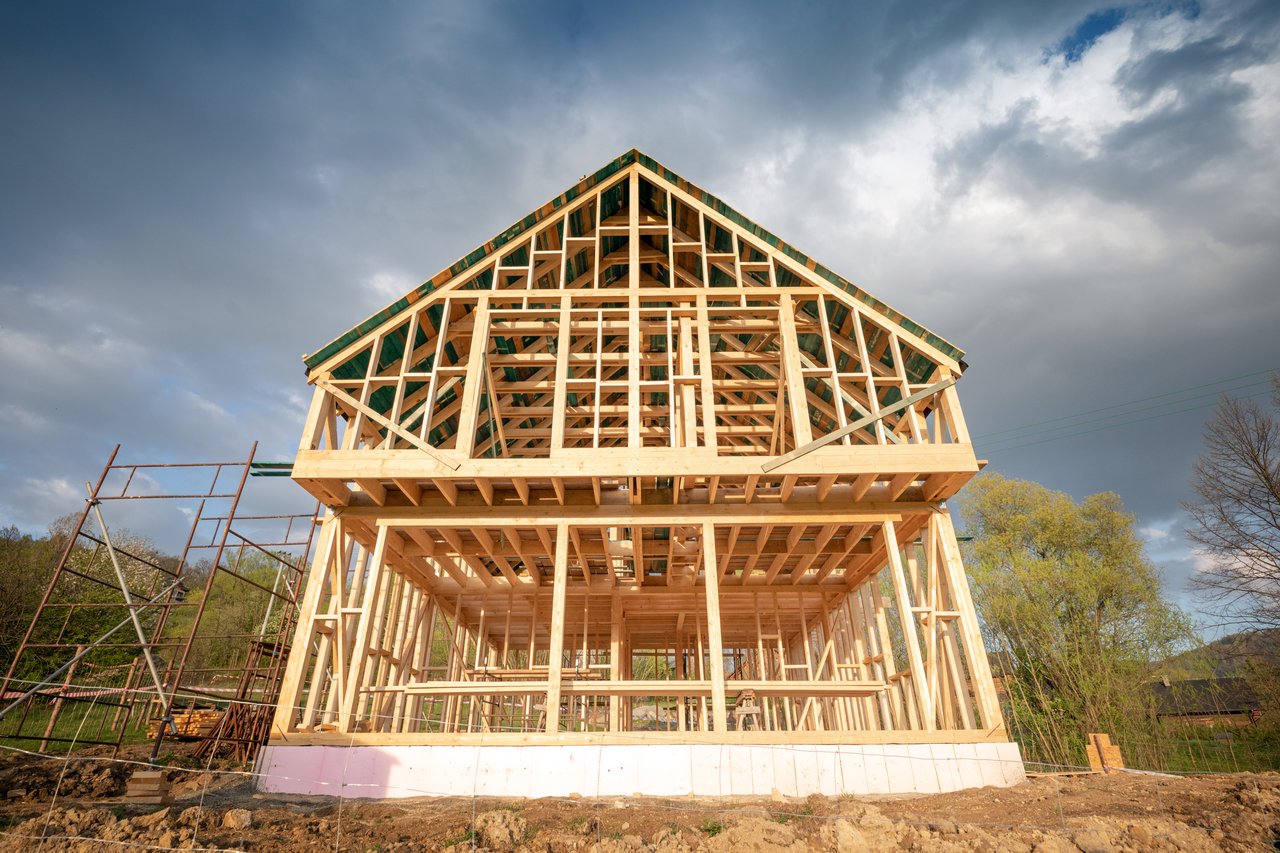
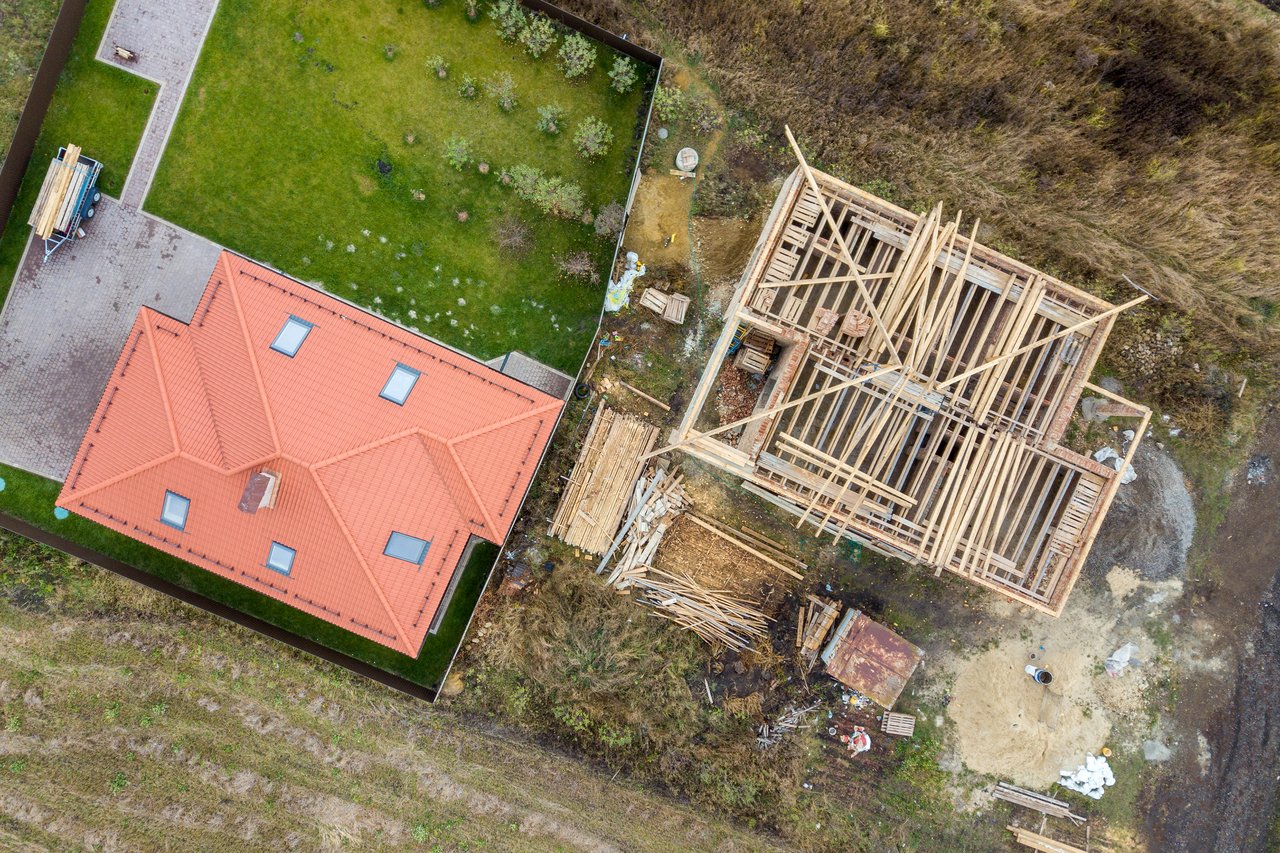
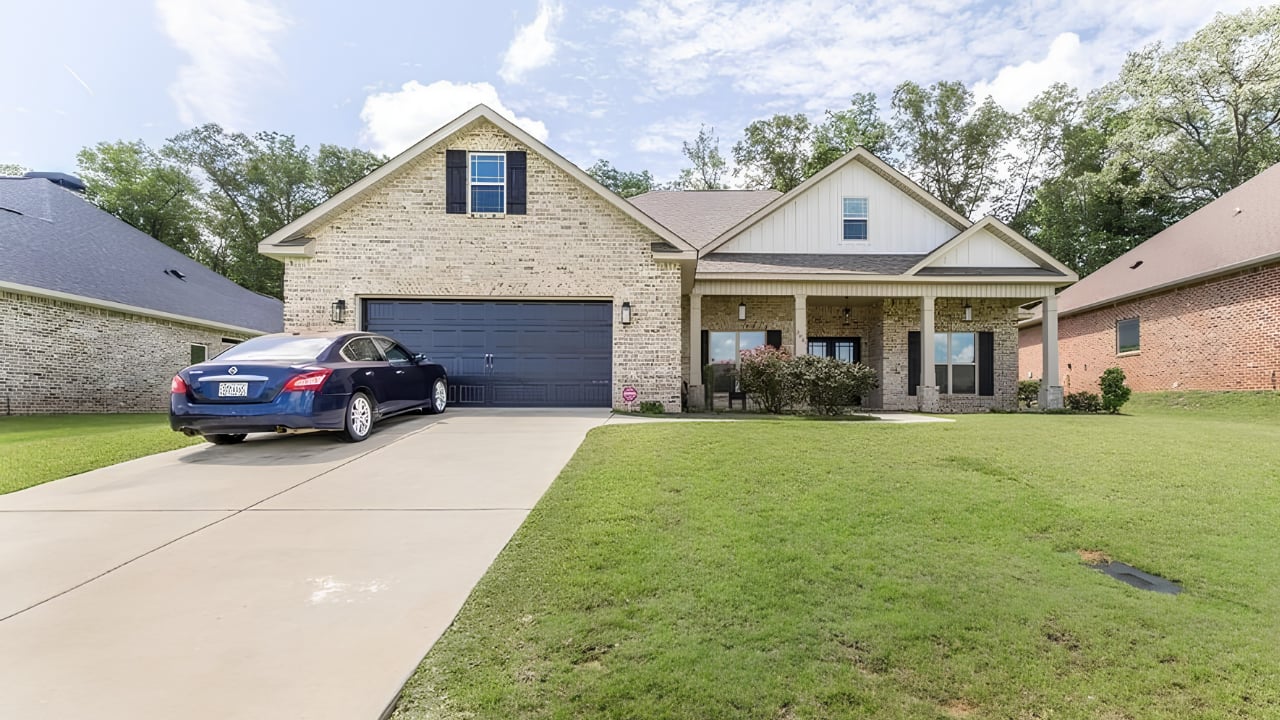
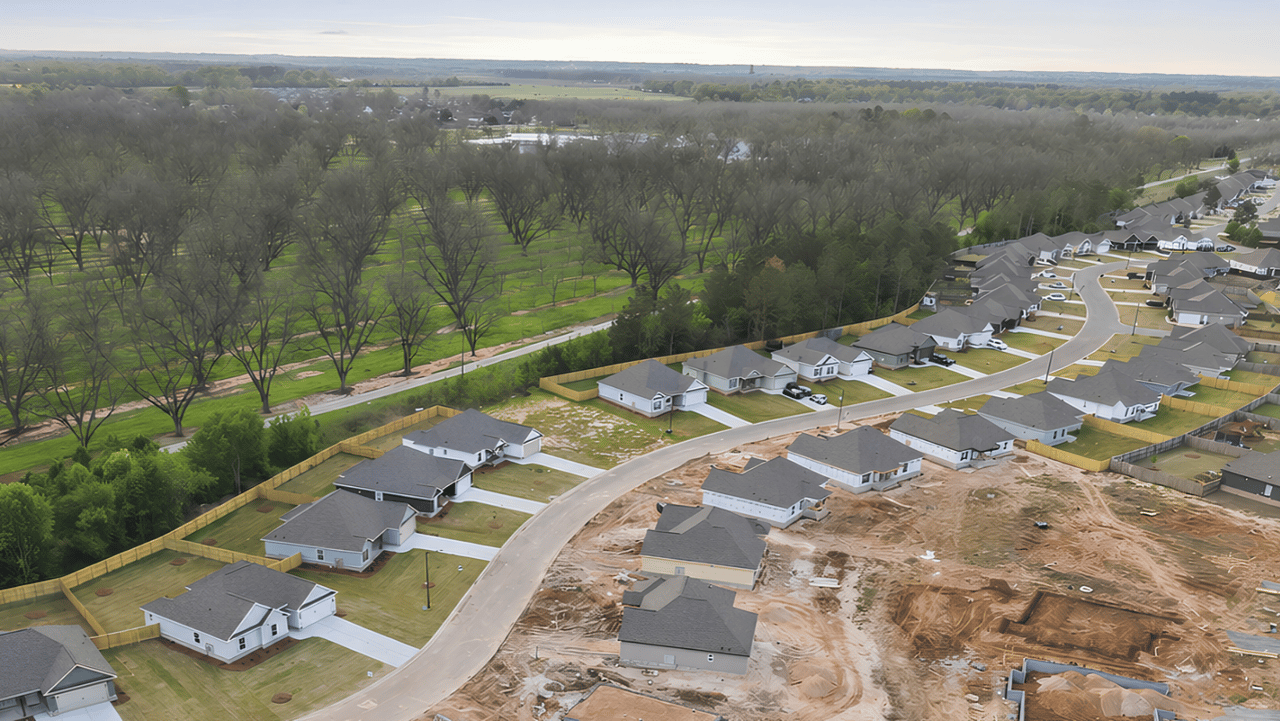
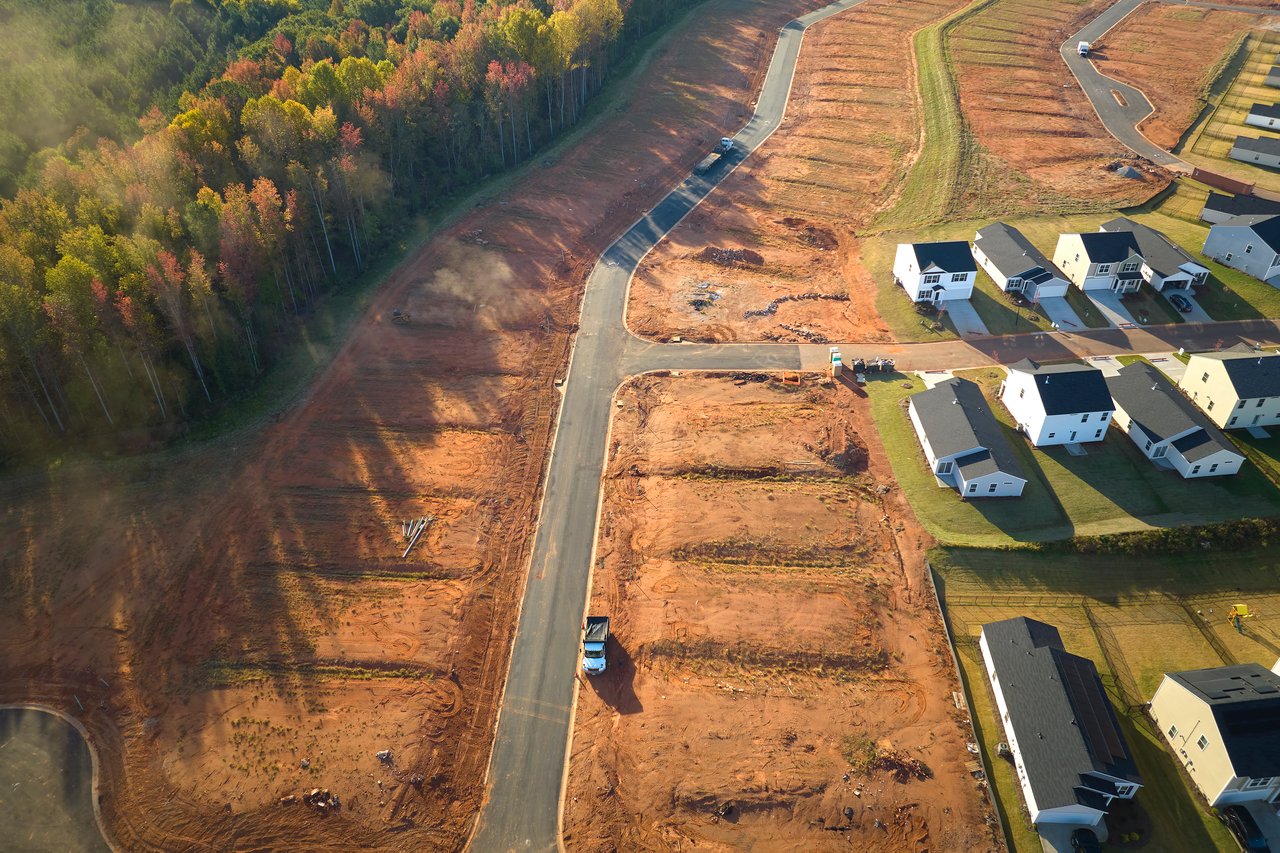
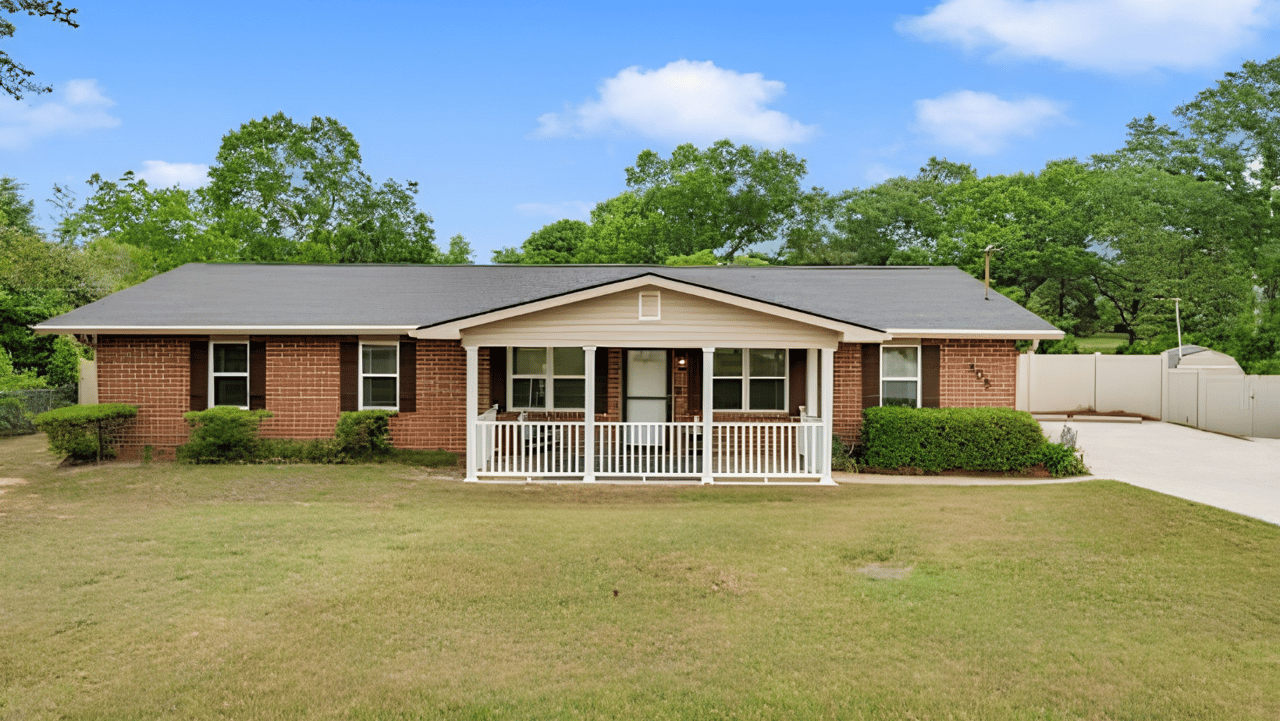
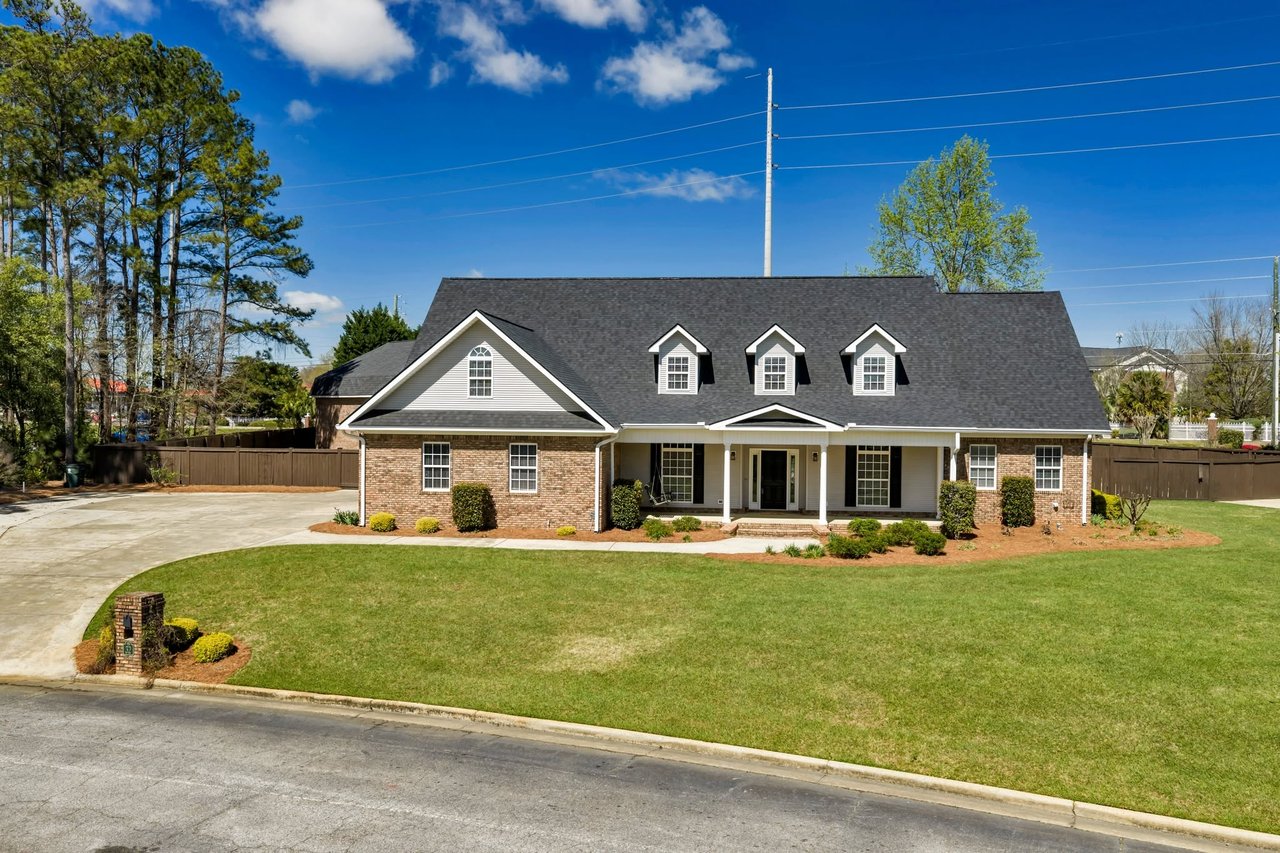
The difference shows up when the house gets built. A buyer who closes on a vacant parcel this fall and builds in 2027 owns a home the residence setback does not name. The ordinance still keeps a data center building at least 200 feet from the shared property line.
The Siting Rules Point Toward the Same Edges Where Byron Builds on Acreage
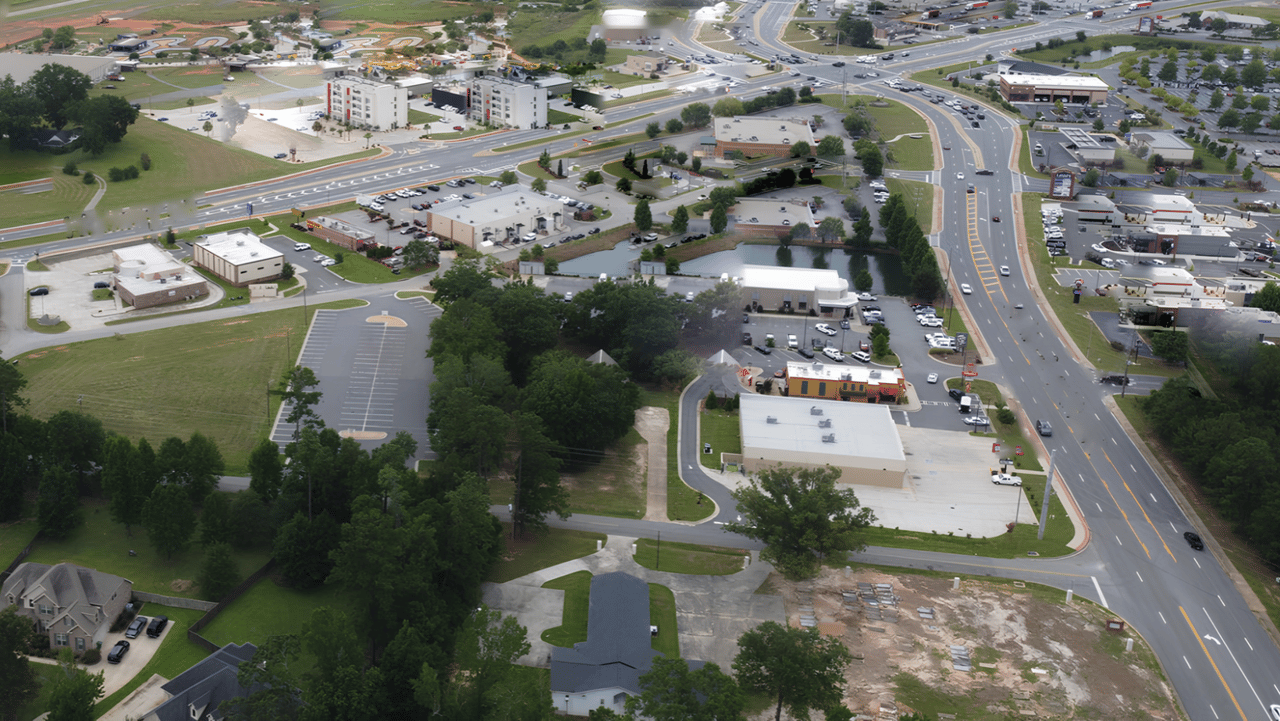
The adoption-date clause matters most in the places a data center could actually go, and the ordinance limits those places sharply. A project needs at least 200 contiguous acres. It also needs an existing transmission line of 230 kV or more, with its right of way crossing the property or directly touching it. It needs direct access to a road that can carry heavy trucks, a traffic study, and set routes for construction traffic. Buildings can be up to 80 feet tall unless a variance allows more.
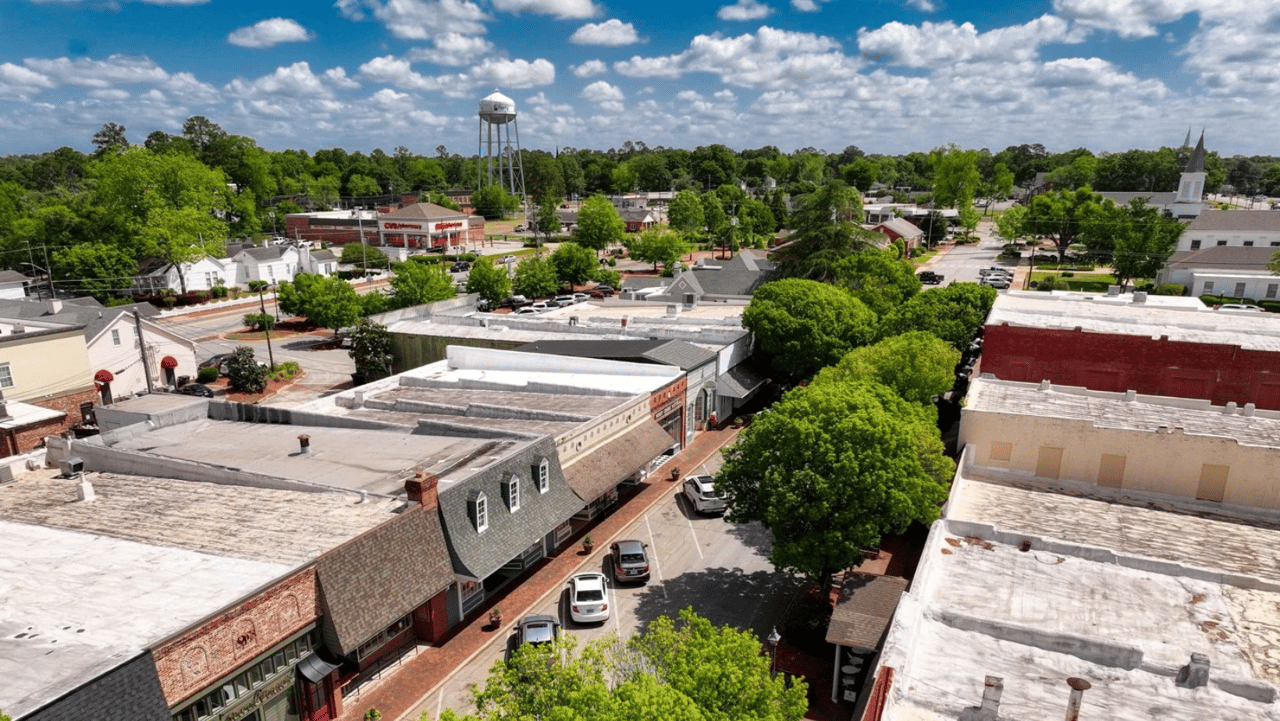
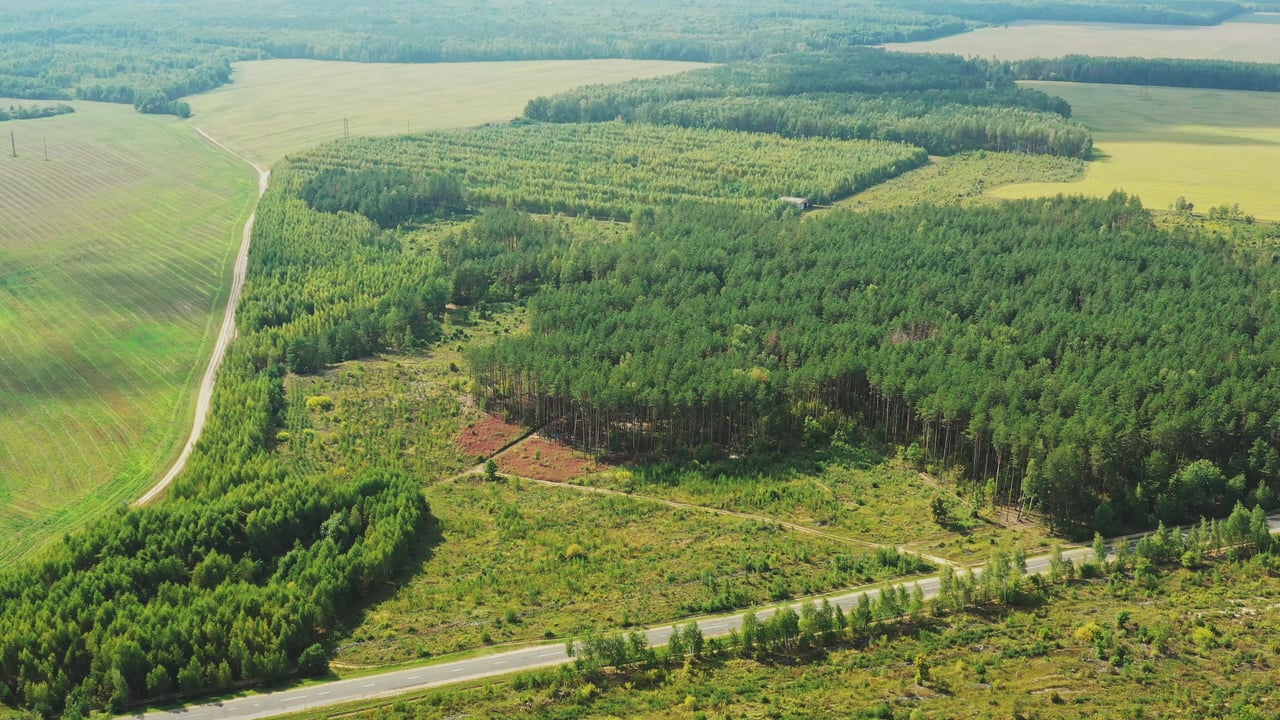
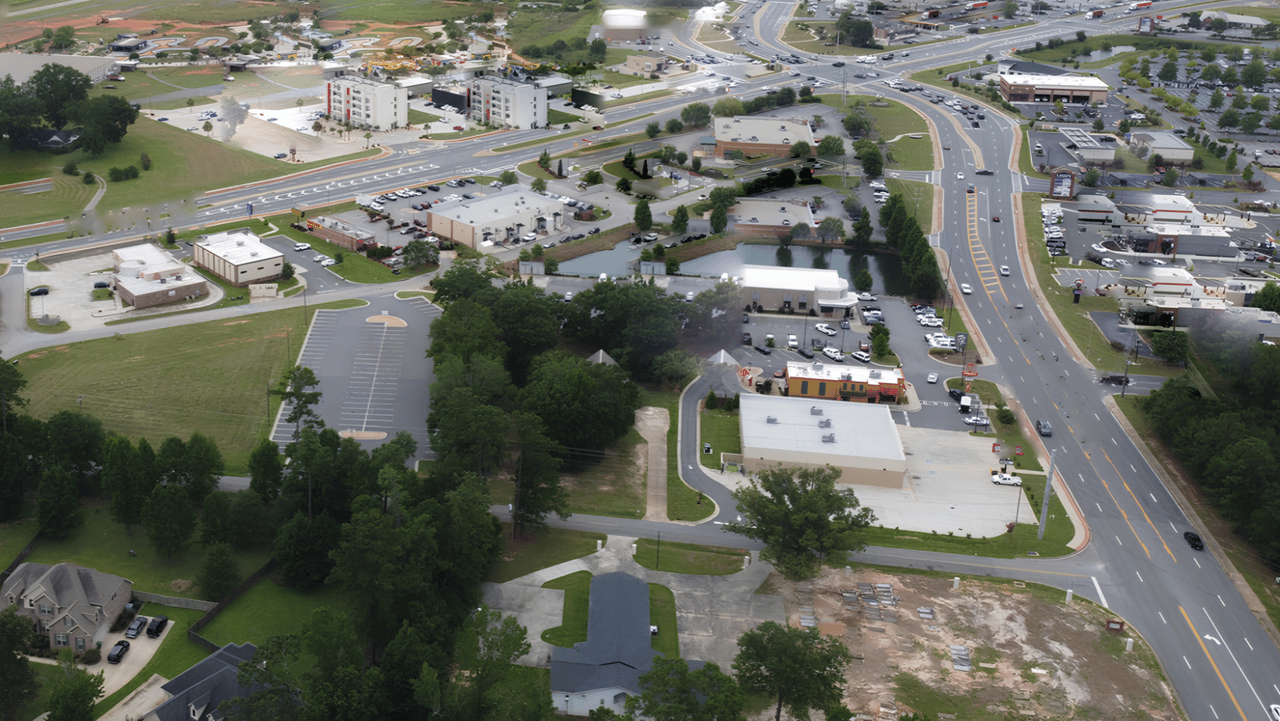
Large tracts next to high-voltage corridors are not found in subdivisions near downtown. They are found in the same open, larger-lot areas that draw buyers to Byron in the first place. The best-known example is the former Camp Benjamin Hawkins property on Boy Scout Road, which the Leader-Tribune described in June as 489.39 acres.
The transmission-line requirement also came up at the city's public forum. Residents raised concerns about eminent domain, and city officials said that requiring an existing high-voltage line across the property could remove the need for it, since that right of way already exists, 13WMAZ reported. For a buyer, the practical point is simple. An existing transmission corridor near a large tract is the feature the ordinance looks for.
What the Final Text Says About Noise, Water, and Wells
News coverage of the ordinance quoted daytime limits of 75 dBA and 85 dBC, which match the August 11 draft. The posted final version sets limits in two phases, each measured as an average over a rolling 30 minutes:
- During construction and buildout, for up to 48 months after the first building's certificate of occupancy: 70 dBA and 80 dBC from 8 a.m. to 6 p.m., and 60 dBA from 6 p.m. to 8 a.m.
- At full operation, or when the 48 months end, whichever comes first: 65 dBA and 75 dBC by day, and 60 dBA and 70 dBC at night.
Backup generators can be tested only between 9 a.m. and 5 p.m., outside of emergencies. The operator must pay a third-party firm to monitor the full perimeter 24 hours a day. Fines can reach $1,000 a day, then up to $10,000 a day if a violation runs past 30 days.
At the forum, residents raised the possibility that private wells could be contaminated, 13WMAZ reported. The final text caps water use at 1.8 gallons per kW of electricity per day and requires closed-loop cooling. It bars data centers from connecting directly to surface water, aquifers, or existing wells, and the operator cannot drill a well for the data center. The operator also pays for any infrastructure upgrades the city identifies as caused by the project.
All of these rules govern a facility after it gets approved. None of them change the dates that decide which homes the setback and noise rules cover.
The City Limits Decide Which Rules Apply
Ordinance 2026-5 is a City of Byron law. A Byron mailing address outside the city limits falls under a different set of rules, and those rules are still being written.
Unincorporated Peach County has had a temporary moratorium on data centers. On August 31, 2026, county staff recommended a 90-day extension so the county could draft its own ordinance. We could not confirm a vote on that extension or find an adopted county ordinance.
The Boy Scout Road land crosses another line as well. 13WMAZ reports the tract is roughly 500 acres split between Crawford and Peach counties. Byron wants to annex the Crawford County portion, about 250 acres, under a 2017 covenant with the Boy Scouts of America. The covenant required any future owner to petition for annexation in exchange for city utility service. The land sold to Land Holding Company LLC in October 2024, and Crawford County objected to the annexation by resolution in November 2025. The landowner filed a request to rezone the land from agricultural to industrial, citing negotiations with Beltline Energy over a data center. Mayor Chidester told 13WMAZ that state-mandated arbitration on the annexation ended without resolution. Crawford County adopted a six-month data center moratorium in January 2026.
Inside the city, several items were still pending as of today, October 4, 2026:
- Byron's citywide moratorium on data center applications runs through October 13, 2026. Until then, city departments cannot accept or approve new applications.
- The final ordinance allows data centers in "any zoning designation in which data centers are a permitted use" but does not name a district. Amendments to the I-1 industrial district, Ordinance 2026-7, were only at first reading on September 14.
- Ordinance 2026-9, also at first reading, would require an agreement with the Byron Development Authority and yearly payments of at least 1% of assessed value for at least 25 years.
- No October City Council agenda had been posted. The Planning & Zoning Commission meets October 13 at 5 p.m., and its posted agenda includes a draft Character Area map.
Checking a Byron Parcel Before You Commit
The steps below come straight from the ordinance's own terms:
- Confirm whether the parcel is inside Byron's city limits or in unincorporated Peach County. Only one of those places has an adopted data center ordinance.
- Note when any home on the property was built. The 500-foot setback names houses that existed when the chapter was adopted, which WGXA reported as September 14, 2026.
- For vacant land, plan around the property-line protections. A home built later still has the 200-foot building setback and the 100-foot buffer next to it, but the text does not give it the residence setback.
- Look for large neighboring tracts that touch a high-voltage transmission corridor. That combination is what the ordinance requires of a site.
- Follow the October 13 moratorium date and the I-1 amendments. Those decide when applications can resume and where the use would be allowed.
Questions Buyers Are Asking
Is a data center coming to the Boy Scout Road site? In September, the mayor told WGXA that no data center is confirmed for the former Boy Scout camp. The city's moratorium on new applications runs through October 13, 2026.
Do the public get a say before a project moves forward? An application cannot be accepted until after a pre-application meeting. Requests for variances or special exceptions require public hearings before the Planning and Zoning Commission and the City Council.
Who pays for emergency equipment? Before each building receives its certificate of occupancy, the operator pays the city $500,000 for every 300,000 square feet of data center space, to fund fire-response equipment.
This post explains what the ordinance text says. It is not legal advice, and a land-use attorney can confirm how the rules apply to a specific parcel.
If you are weighing a Byron parcel and want to know what the current ordinance covers on that land, William Walton-Dean can go through the city limits, the build date, and the surrounding tracts with you before you write an offer. Schedule a Consultation.