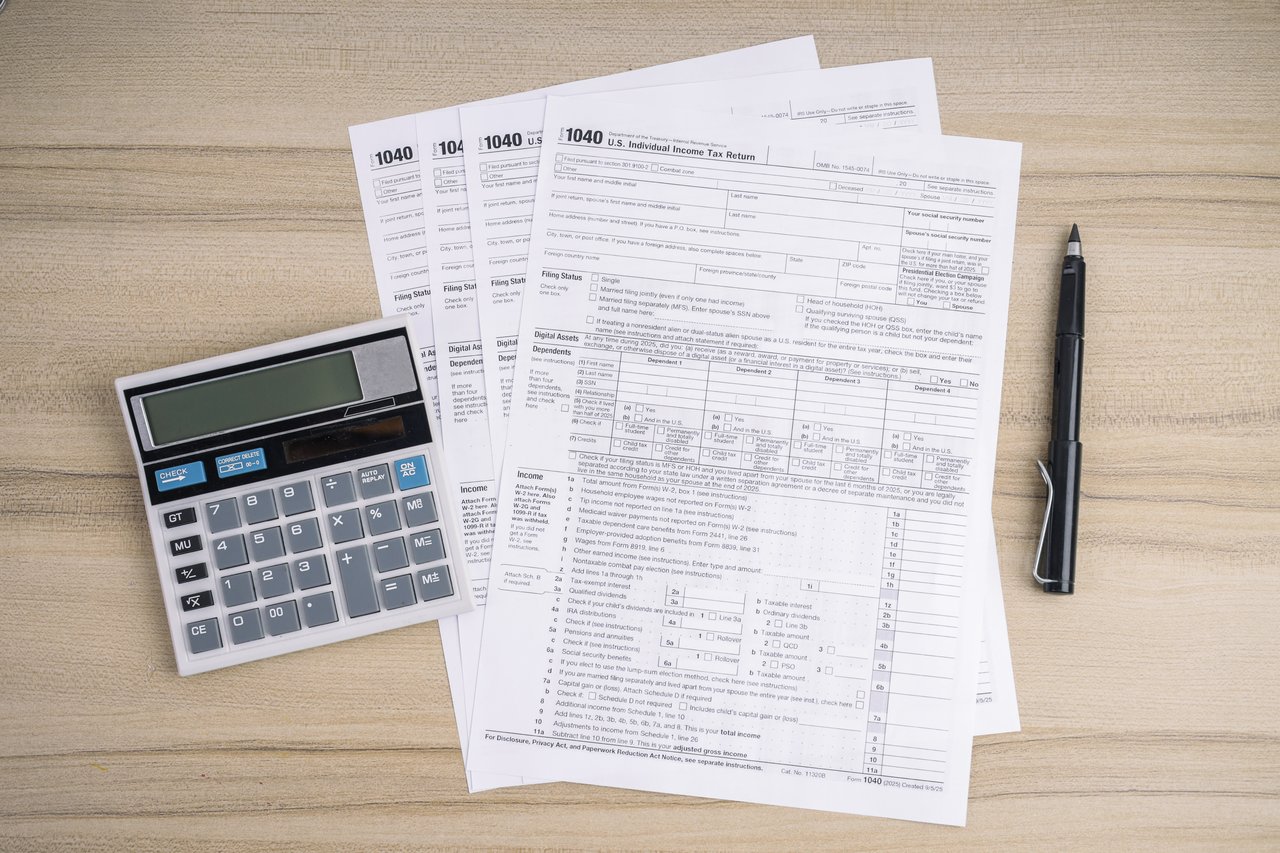
To compare Loan Estimates and APRs from two lenders, put the two forms side by side and compare the same lines in the same order: page 1 for the loan terms, rate lock and projected payments, page 2 for closing costs in sections A through J, and page 3 for the APR, the Total Interest Percentage and the In 5 Years total, after first confirming that both estimates are for the same loan amount, loan type, term and lock status. The Loan Estimate is a standardized three-page federal form under Regulation Z, 12 CFR 1026.37, which is what makes a line-by-line comparison possible. A lender must deliver it within 3 business days of receiving an application, and before the borrower receives it and says they intend to proceed, the only fee a lender may charge is a reasonable credit report fee, under 12 CFR 1026.19.
For a buyer in Warner Robins, Perry, Kathleen, Bonaire, Byron or Centerville, the form is also where local costs become visible: closing attorney fees, title charges and Georgia's intangible recording tax. For context only, Freddie Mac's Primary Mortgage Market Survey released October 29, 2026 put the national average 30-year fixed rate at 7.24 percent; the rate on each Loan Estimate is that lender's offer to that borrower, and the form is the way to see whether two offers are as different as they look.
DISCLOSURE (keep on the live page as a visible boxed note): William Walton-Dean and Walton Dean Realty are not mortgage lenders or loan originators and do not offer loans, set rates or give lending advice. Rates cited are published averages, not quotes; your rate depends on your credit, loan type, down payment and lender. Get a Loan Estimate from a licensed lender (verify licensing at nmlsconsumeraccess.org) before making decisions.
Key Takeaways
• A lender must deliver a Loan Estimate no later than the third business day after receiving an application and no later than the seventh business day before closing (12 CFR 1026.19(e)).
• Before a borrower receives the Loan Estimate and indicates intent to proceed, a lender may charge only a bona fide and reasonable credit report fee (12 CFR 1026.19(e)(2)).
• Page 3 of the Loan Estimate lists the Annual Percentage Rate, described on the form as 'your costs over the loan term expressed as a rate,' and the Total Interest Percentage, 'the total amount of interest that you will pay over the loan term as a percentage of your loan amount' (12 CFR 1026.37(l)).
• Total Closing Costs on the form equal Total Loan Costs (D) plus Total Other Costs (I), less lender credits (12 CFR 1026.37(g)).
• Some charges cannot increase from the Loan Estimate, certain third-party and recording fees can increase by up to 10 percent in aggregate, and items such as prepaid interest, insurance premiums and escrow are held to a good faith standard without a fixed cap (12 CFR 1026.19(e)(3)).
• Multiple mortgage credit checks within 45 days of the first one are recorded as a single inquiry (CFPB).
What Is a Loan Estimate, and When Do I Get One?
Every lender uses the same three-page Loan Estimate layout, with the same headings in the same places. The timing rules in 12 CFR 1026.19 protect the shopping process: the Loan Estimate must arrive within 3 business days of the application, the lender cannot charge fees other than a credit report fee until the borrower has it and says they intend to proceed, and it must be delivered at least 7 business days before closing.
That second rule makes shopping practical: a buyer can compare estimates from two or three licensed lenders before paying an appraisal or application fee to any of them.
Rule | Timing or limit | Source |
Loan Estimate delivery | No later than the third business day after the lender receives the application | 12 CFR 1026.19(e)(1)(iii)(A) |
Latest delivery before closing | No later than the seventh business day before consummation | 12 CFR 1026.19(e)(1)(iii)(B) |
Fees before Loan Estimate and intent to proceed | Only a bona fide and reasonable credit report fee | 12 CFR 1026.19(e)(2)(i) |
Revised estimate after rate lock | No later than 3 business days after the rate is locked | 12 CFR 1026.19(e)(3)(iv)(D) |
Offer expiration | Lender may revise if the borrower does not indicate intent to proceed within 10 business days, or a longer period the lender sets | 12 CFR 1026.19(e)(3)(iv)(E) |
Closing Disclosure | Received no later than 3 business days before consummation | 12 CFR 1026.19(f)(1)(ii) |
Credit inquiries while shopping | Mortgage credit checks within 45 days of the first count as one inquiry | CFPB |
What Should I Compare on Page 1 of the Loan Estimate?
Page 1 summarizes the loan. The top section lists the loan term, purpose, product, loan type and the Rate Lock line, which must say whether the rate is locked and, if so, the date and time the lock ends, including the time zone, along with when the estimated closing costs expire, under 12 CFR 1026.37(a)(13). The Loan Terms table follows, with rows for Loan Amount, Interest Rate, Principal & Interest, Prepayment Penalty and Balloon Payment, each with a column asking whether the amount can increase after closing and whether the loan has the feature.
Below that is the Projected Payments table, which shows principal and interest, mortgage insurance and estimated escrow for taxes and insurance, totaled as the estimated monthly payment, and then Costs at Closing, which gives estimated closing costs and estimated cash to close. The CFPB advises checking that the loan amount plus the down payment equals the sale price.
• Same loan amount, loan type (conventional, FHA, VA, USDA), term and product on both estimates; a difference in any of these makes the comparison invalid.
• Rate Lock line: is the rate locked on each, and when does each lock or quote expire? An unlocked quote is not comparable to a locked one.
• Interest Rate and Principal & Interest: the rate each lender offers on the same loan.
• Prepayment Penalty and Balloon Payment: the CFPB calls these features risky; check whether either estimate includes them.
• Projected Payments: mortgage insurance and escrow estimates should be similar; a large gap in escrow usually means one lender used different tax or insurance assumptions, not a different cost.
• Estimated Cash to Close: the bottom line for what each loan requires at the closing table.
The escrow line deserves attention in Houston County this year. The 2026 property tax bills carried a one-time state credit that will not appear in 2027, and a lender that builds the escrow estimate from a credited 2026 bill shows a lower monthly payment than one that uses the full tax amount. That difference is not a better loan. It is a different assumption, and the higher estimate may be the more accurate one.
What Do Sections A Through J on Page 2 Mean?
Page 2 is the Closing Cost Details page, and it is where two estimates with the same rate can differ the most. The CFPB model form labels the sections with letters, and the regulation defines what goes in each. The left side, Loan Costs, covers charges tied to the loan itself. The right side, Other Costs, covers taxes, prepaid items, escrow deposits and other charges.
Section | Name on the form | What it includes |
A | Origination Charges | The lender's own charges, including points (shown as a percentage of the loan amount) and application or underwriting fees |
B | Services You Cannot Shop For | Required third-party services the lender selects, such as the appraisal and credit report; title and closing items begin with 'Title' when listed here |
C | Services You Can Shop For | Required services the borrower may shop for, often title and settlement services; the lender provides a list of providers |
D | Total Loan Costs | A + B + C |
E | Taxes and Other Government Fees | Recording Fees and Other Taxes, and Transfer Taxes paid by the borrower |
F | Prepaids | Homeowner's insurance premium, mortgage insurance premium, prepaid interest per day and property taxes paid in advance |
G | Initial Escrow Payment at Closing | Months of homeowner's insurance, mortgage insurance and property taxes deposited into escrow |
H | Other | Other amounts paid to parties other than the lender, such as owner's title insurance; optional products must be labeled '(optional)' |
I | Total Other Costs | E + F + G + H |
J | Total Closing Costs | D + I, less Lender Credits |
The comparison that matters most on page 2 is Section A against Section J. Section A is the lender's own price for making the loan, and the CFPB advises comparing that total across estimates. Points in Section A buy a lower interest rate; lender credits, shown with Section J, offset closing costs in exchange for a higher rate. A loan with a lower rate and more points and a loan with a higher rate and a lender credit can both be reasonable offers, and they cannot be compared on the rate alone.
Where Do Georgia Closing Attorney Fees Appear on a Loan Estimate?
In Georgia, a closing attorney typically conducts the closing, examines title and handles the recording of the deed and security deed. Those services appear on the Loan Estimate as title and settlement charges, each beginning with the label 'Title' under 12 CFR 1026.37(f). Where they land depends on whether the lender allows the borrower to choose the provider. If the borrower may shop for the settlement and title services, they appear in Section C, Services You Can Shop For. If the lender requires a specific provider, they appear in Section B. Owner's title insurance, which protects the buyer rather than the lender, generally appears in Section H, Other.
Georgia's intangible recording tax is a government tax on the security deed for a long-term note secured by real estate, at $1.50 per $500 of the note with a $25,000 cap per note, according to the Georgia Department of Revenue, and it is collected by the Clerk of Superior Court in the county where the property sits: Houston County for Warner Robins, Perry, Kathleen, Bonaire and Centerville, and Peach County for neighboring Byron. As a recording-related government tax, it belongs in Section E, Taxes and Other Government Fees. The formula is the note amount divided by $500, rounded up, times $1.50; a lender's estimate shows the figure, and both lenders should show the same amount on the same loan.
Georgia closing item | Likely Loan Estimate section | Comparison tip |
Closing attorney settlement fee | C if the borrower may shop; B if the lender requires the provider | Compare totals across estimates; ask whether you may choose the attorney |
Title examination and lender's title insurance | C or B, labeled 'Title' | Lender's title policy is required; the premium should be similar for the same loan amount |
Owner's title insurance | H, Other | Protects the buyer; may be negotiated in the purchase contract |
Recording fees (deed and security deed) | E, Taxes and Other Government Fees | Set by the county clerk; should match across lenders |
Georgia intangible recording tax | E, Taxes and Other Government Fees | $1.50 per $500 of the note, capped at $25,000; should match for the same loan amount |
Property tax proration and escrow | F and G | Check which tax bill each lender used for the estimate |
How Do I Read the APR and TIP on Page 3?
Page 3 holds the Comparisons table, introduced on the form with the statement 'Use these measures to compare this loan with other loans.' It has three measures. In 5 Years shows the total the borrower will have paid in principal, interest, mortgage insurance and loan costs over the first five years, and how much principal will have been paid off. Annual Percentage Rate is described on the form as 'Your costs over the loan term expressed as a rate. This is not your interest rate.' Total Interest Percentage is 'the total amount of interest that you will pay over the loan term as a percentage of your loan amount,' under 12 CFR 1026.37(l).
The APR is useful because it folds certain upfront loan costs into a single rate-like figure, so a loan with a low rate and high points shows a higher APR than its interest rate. But the APR assumes the loan is kept for its full term. A buyer who expects to sell or refinance sooner may find the In 5 Years figure more relevant, because it shows what each loan costs over a shorter window.
The rest of page 3 lists Other Considerations: Appraisal, Assumption, Homeowner's Insurance, Late Payment, Refinance, Servicing and Liability after Foreclosure. The CFPB suggests confirming that the loan officer listed on page 3 matches the person the buyer is working with, with a lookup in the NMLS database.
Which Fees on a Loan Estimate Can Change Before Closing?
The Loan Estimate is an estimate, but federal rules limit how much most figures can rise. Under 12 CFR 1026.19(e)(3), an estimate is in good faith if the amount charged at closing does not exceed the amount disclosed, with two exceptions. Certain third-party services the borrower may shop for, when not paid to the lender or its affiliate, and recording fees can increase by up to 10 percent in aggregate. Prepaid interest, property insurance premiums, escrow amounts and certain borrower-selected third-party charges are judged by whether they reflected the best information reasonably available when disclosed, without a fixed cap.
Tolerance category | Typical items | Rule |
Cannot increase | Lender's origination charges and points; most services the borrower cannot shop for; transfer taxes | Amount charged may not exceed the amount disclosed, unless a valid revised estimate applies |
Up to 10% in aggregate | Recording fees; shoppable third-party services when the borrower uses a provider from the lender's list and the charge is not paid to the lender or an affiliate | Sum of these charges may not exceed the disclosed sum by more than 10% |
Good faith, no fixed cap | Prepaid interest, homeowner's insurance premiums, escrow deposits, and shoppable services from a provider the borrower chose off the list | Must be consistent with the best information reasonably available at the time |
A lender may issue a revised Loan Estimate for specific reasons listed in 12 CFR 1026.19(e)(3)(iv): changed circumstances that increase charges, borrower-requested changes, a rate lock, or a borrower who does not indicate intent to proceed within 10 business days. A low Section A that cannot increase is a real price; a low estimate in prepaids or escrow is an assumption that will be replaced by the actual tax bill and insurance premium.
Does My Buyer's Loan Estimate Affect My Houston County Sale?
A buyer's Loan Estimate is a disclosure between the buyer and the lender, but its timing rules shape the seller's closing. The buyer must receive the Closing Disclosure at least 3 business days before closing under 12 CFR 1026.19(f), and changes that require a new disclosure can restart that waiting period. Sellers in Warner Robins, Perry, Kathleen, Bonaire and neighboring Byron also see the buyer's financing reflected in requests for seller-paid closing costs, which reduce the buyer's cash to close on page 1.
In my experience, the seller's best protection is a buyer who shopped early. A buyer who compared Loan Estimates before writing the offer knows their cash to close, knows whether they are asking you for closing cost help and why, and is far less likely to switch lenders in the middle of the contract, which is one of the surest ways to push a closing date. When I review offers with sellers, I look at whether the buyer's lender has issued a Loan Estimate on the actual property and whether a request for seller-paid costs lines up with the buyer's estimated cash to close. In a market like Warner Robins, where September homes averaged 62 days on market, a seller may agree to closing cost help; the question is whether the buyer's numbers show it will get the deal to the table.
How Should I Shop Lenders When Buying a Home in Houston County?
A Houston County buyer can request Loan Estimates from more than one licensed lender, pay no fee beyond a credit report fee until choosing one, and have all mortgage credit checks within 45 days counted as a single inquiry, according to 12 CFR 1026.19 and the CFPB. A valid comparison requires the same loan amount, loan type, term and lock status on each estimate, requested as close to the same day as possible. Lender licensing can be verified at nmlsconsumeraccess.org.
My advice to buyers is to make the comparison fair before making it at all. Give each lender the same price, down payment and loan type, ask each for the estimate on the same day, and ask whether the rate is locked or floating. Then read Section A against Section A and the lender credit against the lender credit, check that Section E shows the same Georgia intangible recording tax on both, and use the In 5 Years figure if you expect to move within a few years. Buyers relocating to Robins Air Force Base often plan on a defined stay, which is where the five-year figure tells more than the APR. If one estimate looks dramatically lower, find the line that makes it lower before you believe it; it is often an escrow or prepaid assumption, not a better loan.
What to Watch When Comparing Loan Estimates
Three dated items affect Loan Estimates written in the coming months. First, the Freddie Mac PMMS, released every Thursday, which gives national context, not a quote. Second, the 2027 Houston County and Peach County property tax bills, which will be calculated without the one-time 2026 state credit, so escrow estimates on loans closing in 2027 should be built on full tax amounts. Third, the 10-business-day intent-to-proceed window in 12 CFR 1026.19(e)(3)(iv)(E), within which comparisons should be made and a lender chosen.
Frequently Asked Questions
How do I compare two Loan Estimates?
Confirm both are for the same loan amount, loan type, term and lock status, then compare the same lines: page 1 interest rate, monthly payment and cash to close; page 2 Section A origination charges, lender credits and Total Closing Costs in Section J; and page 3 APR, Total Interest Percentage and the In 5 Years total. Differences in prepaids and escrow often reflect assumptions about taxes, insurance or closing date rather than lender pricing. The standardized form under 12 CFR 1026.37 is designed for this side-by-side comparison by Houston County buyers and every other borrower.
What is the difference between APR and interest rate on a Loan Estimate?
The interest rate is the rate used to calculate interest on the loan balance. The APR, shown on page 3, is described on the form as 'your costs over the loan term expressed as a rate' and the form states 'this is not your interest rate,' because it includes certain upfront loan costs such as points. A loan with a lower rate and higher points can have a higher APR, so buyers in Warner Robins, Perry and Kathleen should read both together.
What does Total Interest Percentage mean?
Total Interest Percentage, or TIP, appears on page 3 of the Loan Estimate and is defined in 12 CFR 1026.37(l) as the total amount of interest the borrower will pay over the loan term as a percentage of the loan amount. It reflects mainly the rate and the term and assumes the loan is kept for its full term.
Which closing costs on a Loan Estimate cannot go up?
Under 12 CFR 1026.19(e)(3), the lender's own origination charges, most services the borrower cannot shop for, and transfer taxes generally cannot exceed the amount disclosed unless a valid revised estimate applies. Recording fees and certain shoppable third-party services can rise up to 10 percent in aggregate. Prepaid interest, insurance premiums and escrow deposits are held to a good faith standard without a fixed cap, which is why those figures often change for Houston County buyers once the actual tax bill and insurance premium are known.
Does getting Loan Estimates from multiple lenders hurt my credit?
According to the CFPB, multiple credit checks from mortgage lenders within 45 days of the first are recorded as a single inquiry, so the credit score effect is the same whether a buyer consults one lender or several. Houston County buyers can request estimates from two or three licensed lenders within that window to compare offers on the same terms.
Can a lender charge me a fee before I get a Loan Estimate?
Only a bona fide and reasonable fee for obtaining a credit report, under 12 CFR 1026.19(e)(2)(i). No other fee, including an appraisal or application fee, may be imposed until the borrower has received the Loan Estimate and indicated an intent to proceed. Buyers in Warner Robins, Perry, Bonaire, Byron and Centerville can compare estimates before committing money to any lender.
Where do closing attorney fees show up on a Georgia Loan Estimate?
Title and settlement services provided through a Georgia closing attorney appear as items beginning with 'Title' under 12 CFR 1026.37(f), in Section C if the borrower may shop for the provider or Section B if the lender requires a specific one. Owner's title insurance generally appears in Section H, Other. Buyers in Houston County should compare the total of these items across estimates and ask each lender whether they may choose the closing attorney.
Is the Georgia intangible recording tax on the Loan Estimate?
Yes. Georgia's intangible recording tax applies to the security deed for a long-term note secured by real estate at $1.50 per $500 of the note, capped at $25,000, according to the Georgia Department of Revenue. As a government tax tied to recording, it is shown in Section E, Taxes and Other Government Fees. It is collected by the Clerk of Superior Court in Houston County for Warner Robins, Perry, Kathleen, Bonaire and Centerville, and in Peach County for Byron, and two estimates for the same loan amount should show the same figure.
How long is a Loan Estimate good for?
The Rate Lock line on page 1 shows when a locked rate expires and when the estimated closing costs expire, under 12 CFR 1026.37(a)(13). If the borrower does not indicate an intent to proceed within 10 business days of receiving the estimate, or a longer period the lender sets, the lender may issue a revised estimate under 12 CFR 1026.19(e)(3)(iv)(E). Houston County buyers comparing lenders should make the comparison and choose within that window.
What is the difference between a Loan Estimate and a Closing Disclosure?
The Loan Estimate is delivered within 3 business days of a loan application and estimates the loan terms and costs. The Closing Disclosure states the final terms and costs and must be received at least 3 business days before closing, under 12 CFR 1026.19(f). Comparing the Closing Disclosure against the Loan Estimate, using the tolerance rules, shows whether any charge rose more than allowed before a Houston County buyer signs at the closing attorney's office.
About the Author
William Walton-Dean is a licensed REALTOR® with Walton Dean Realty, operating under Real Broker LLC, serving buyers and sellers across Houston County, Georgia, including Perry, Warner Robins, Bonaire, Kathleen, Byron, and the surrounding Middle Georgia housing market. He brings a data-driven, hyper-local approach to both residential and commercial transactions, working with first-time buyers, move-up sellers, investors, and families relocating to the area, including those tied to Robins Air Force Base. Drawing on a prior career as a C-level executive, he helps buyers and sellers at every price point make clear, confident decisions backed by real market insight.
📱 478-371-7069
Walton Dean Realty | Real Broker LLC
Buying or Selling in Houston County? Let's Talk
Two Loan Estimates only tell you something if they are built on the same house, the same price and the same terms, and that starts with knowing what you are going to offer. I can show you what homes are selling for in Warner Robins, Perry, Kathleen, Bonaire and Byron, what sellers are agreeing to on closing costs right now, and where those numbers land on the estimates you are comparing.
William Walton-Dean | Walton Dean Realty
📱 478-371-7069
A More Strategic Approach to Real Estate
Disclaimer: William Walton-Dean and Walton Dean Realty are not mortgage lenders or loan originators and do not offer loans, set rates or give lending advice. Rates cited are published averages, not quotes; your rate depends on your credit, loan type, down payment and lender. Get a Loan Estimate from a licensed lender (verify licensing at nmlsconsumeraccess.org) before making decisions. This article is provided for general informational purposes only and does not constitute real estate, financial, lending or legal advice. Loan Estimate structure, timing and tolerance rules are summarized from Regulation Z (12 CFR 1026.19 and 1026.37) and CFPB guidance current as of November 4, 2026, and can change; the regulation controls over any summary here. Placement of Georgia closing attorney fees and taxes on the form reflects general practice and should be confirmed on the actual Loan Estimate. Georgia tax figures are from the Georgia Department of Revenue. Mortgage rates cited are national averages from the Freddie Mac Primary Mortgage Market Survey for the week stated; no forecast is made or implied. Market statistics are drawn from Central Georgia MLS reports and are deemed reliable but not guaranteed. Lending decisions should be made with a licensed lender, and contract and closing questions reviewed with a licensed real estate professional and a closing attorney.